LED Vandal Resistant Lighting
- Impact-resistant housings and lenses help reduce fixture damage
- Options for parking garages, stairwells, schools, and restrooms
- Indoor and outdoor-rated models available depending on application


Get Your Custom Lighting Plan With Product Recommendations
- Layout planned for coverage in stairwells, corridors, restrooms, and entries with appropriate spacing and mounting
- Fixture selection matched to impact rating, lens material, mounting style, and environmental requirements
- LED options can reduce energy use and may extend maintenance intervals in high-traffic areas


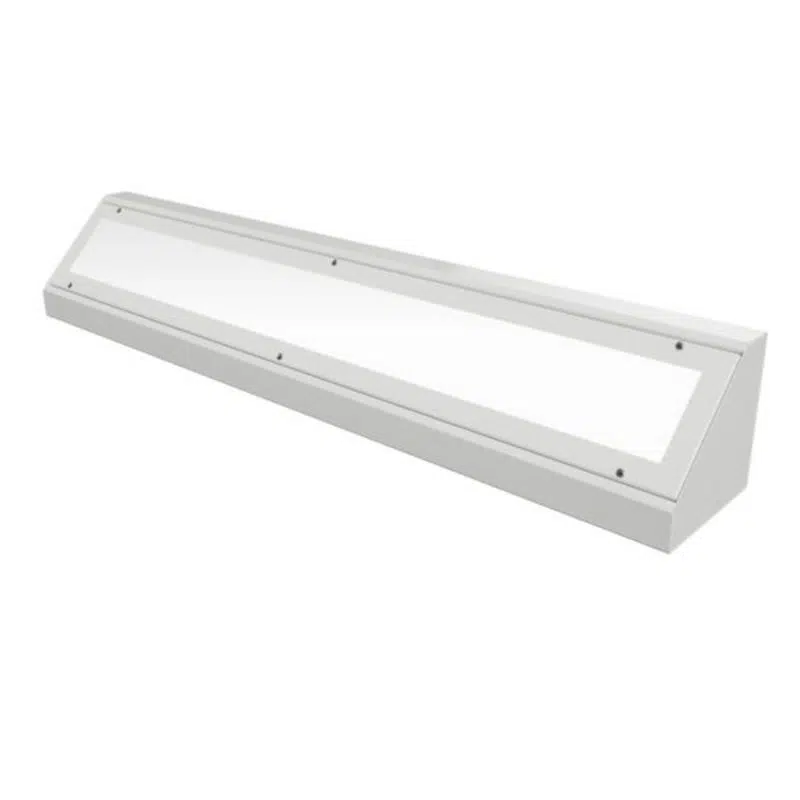
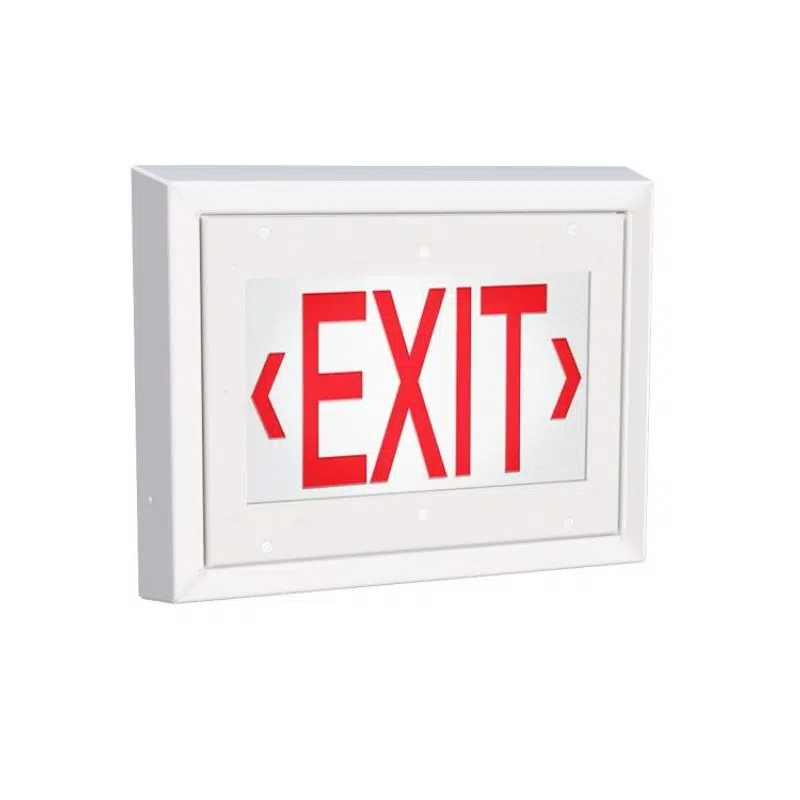
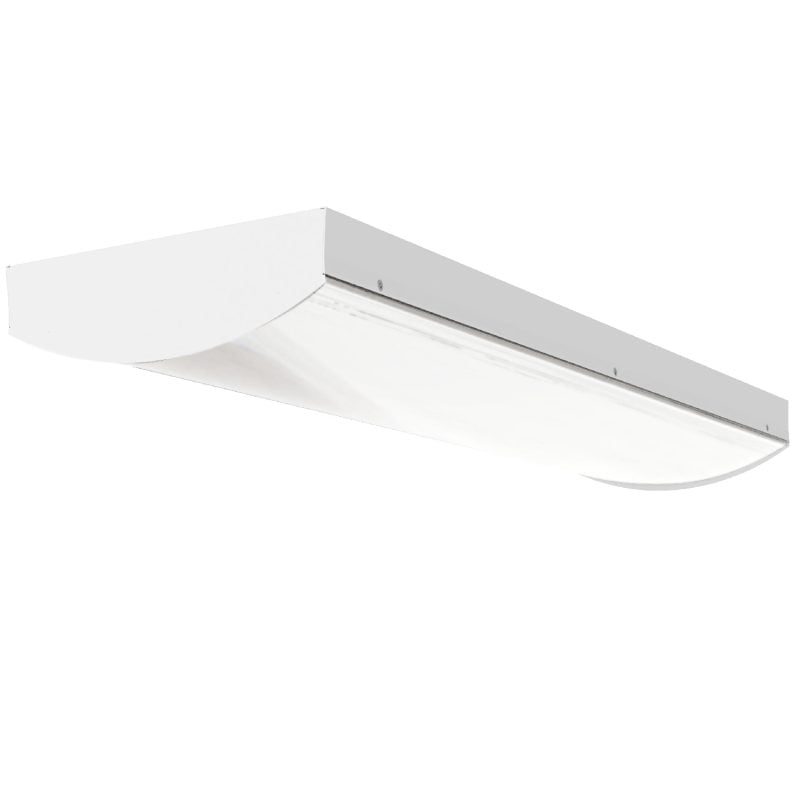
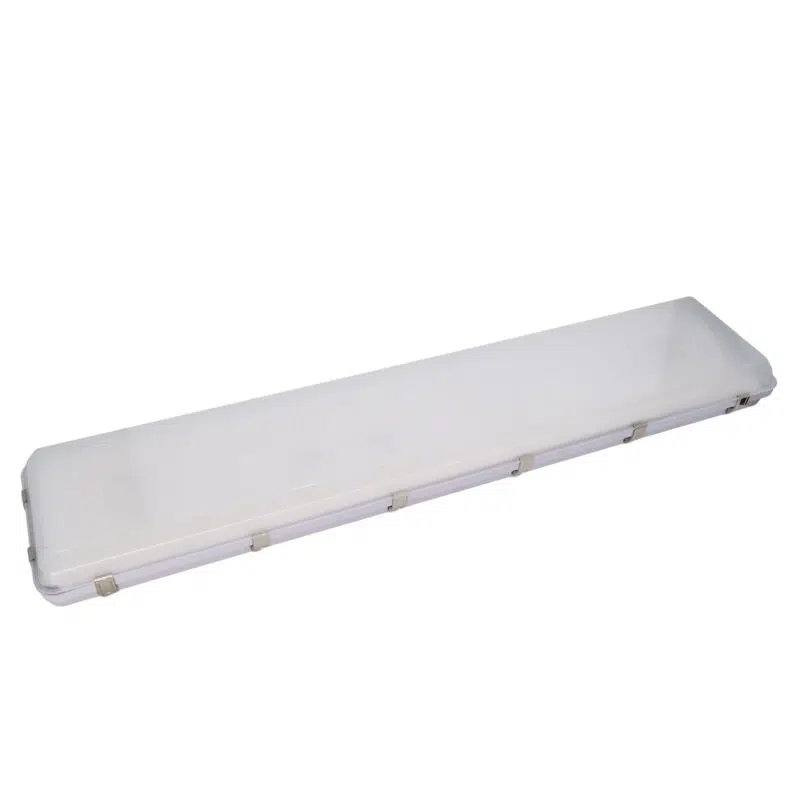
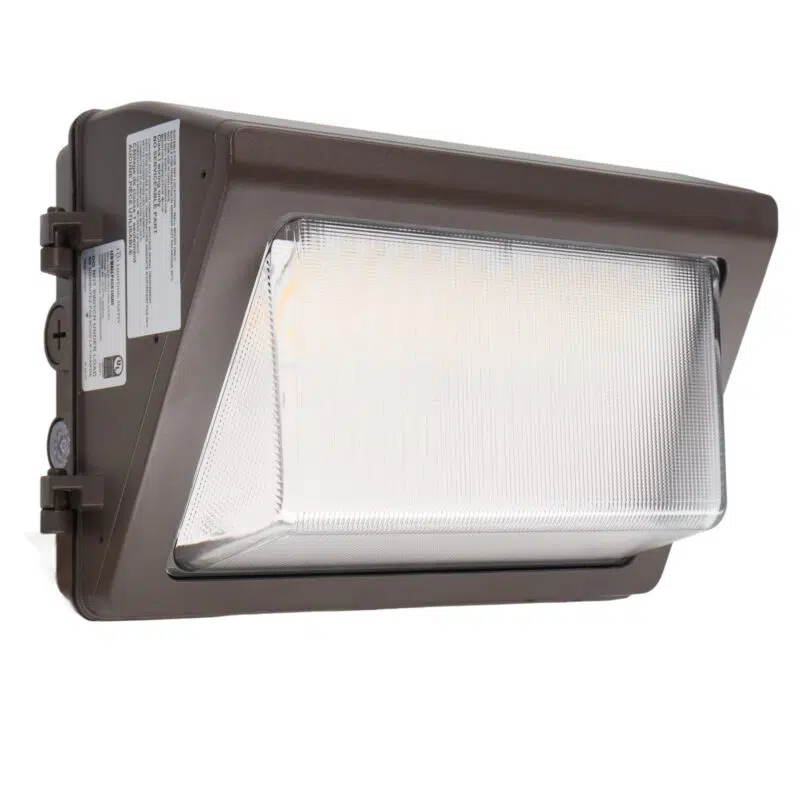
Our LED Vandal Resistant Lights include ceiling lights, wall lights, wall packs, linear fixtures, and emergency or egress-compatible models. Available models vary by mounting style, fixture profile, lens material, housing construction, voltage, output, dimming, sensors, photocells, and emergency battery options.
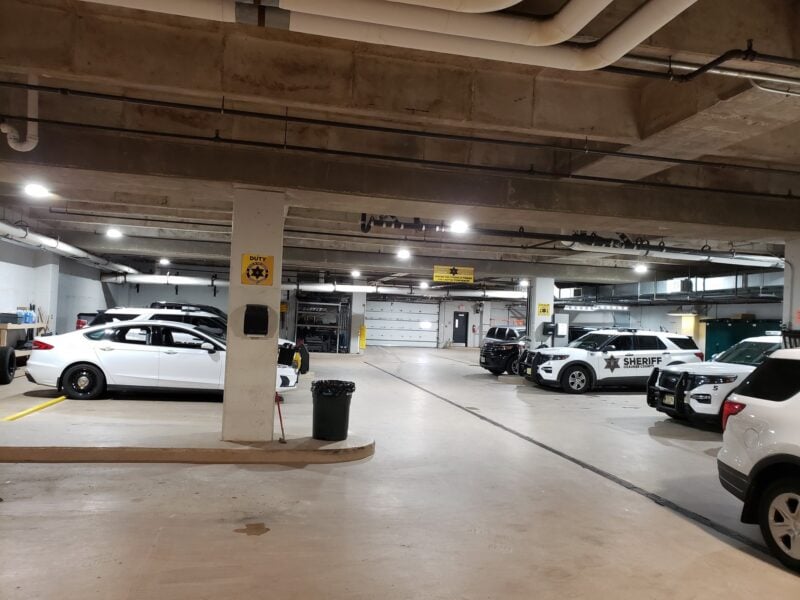
These fixtures are commonly used in parking garages, stairwells, corridors, schools, public restrooms, transit areas, apartment common areas, exterior entrances, service areas, and storage areas.
-
 Starting At $71.43









What Is LED Vandal Resistant Lighting?
LED vandal resistant lighting uses durable fixture construction to help reduce damage from tampering, impact, and abuse in higher-risk commercial and public spaces. These fixtures may include reinforced housings, impact-resistant lenses, tamper-resistant hardware, sealed construction, and low-profile designs that make them harder to damage or remove than standard light fixtures.
Vandal resistant lighting is commonly used in parking garages, stairwells, schools, public restrooms, transit areas, apartment common areas, exterior entrances, service corridors, storage areas, and other locations where fixtures may be exposed to rough use or intentional damage. It is different from detention-grade lighting or ligature-resistant correctional lighting, which can have more specialized design and facility requirements.
Selection and Installation Note: Start by matching the fixture to the space’s risk level and environment, then confirm impact protection, housing and lens construction, tamper-resistant hardware, mounting method, output, voltage, controls, and applicable wet-location or IP ratings. Product specifications, certifications, and warranty coverage vary by model. Confirm the selected product specification before ordering. For schools, public facilities, parking structures, stairwells, restrooms, exterior entries, or safety-sensitive applications, verify requirements with the facility team, project specifier, local inspector, or a licensed electrical professional.

Where Vandal Resistant LED Lights Are Used
Vandal resistant fixtures are most useful where a standard fixture is more likely to be damaged, loosened, opened, or broken. They are often selected for public-facing commercial and institutional areas where durability matters, but where detention-grade construction is not required.
| Application | Why Vandal Resistance Matters |
|---|---|
| Parking garages | Fixtures may be exposed to impact, moisture, vibration, and public access. Low-profile, impact-resistant designs can help reduce damage. |
| Stairwells and corridors | Durable fixtures can help protect lighting in high-traffic paths, exit routes, apartment buildings, schools, and public facilities. |
| Schools and campuses | Impact-resistant fixtures can be useful in gym support spaces, hallways, restrooms, exterior entries, and public-access areas. |
| Public restrooms | Sealed, tamper-resistant, and easy-to-clean fixtures may help reduce damage and unauthorized access to the fixture body. |
| Transit and public access areas | Durable fixtures can help protect lighting in waiting areas, platforms, shelters, walkways, and service corridors. |
| Exterior entrances and service areas | Outdoor-rated vandal resistant fixtures may be used around doors, loading areas, alleys, equipment rooms, and building perimeters. |
Vandal Resistant vs. Detention-Grade Lighting
Vandal resistant lighting and detention-grade lighting are not the same thing. Vandal resistant fixtures are built for durability in commercial, public, and institutional areas. Detention-grade or correctional lighting may require specialized construction, security features, ligature-resistant design, anti-contraband details, or facility-specific approvals.
| Fixture Type | Best Fit |
|---|---|
| Vandal resistant lighting | Best for schools, parking garages, stairwells, restrooms, public buildings, transit areas, and commercial spaces where impact and tamper resistance are important. |
| Detention-grade lighting | Used for correctional, behavioral health, detention, holding, or secure areas where fixture design may need to meet stricter institutional or project-specific requirements. |
| Standard commercial lighting | Suitable for lower-risk areas where fixtures are not exposed to public abuse, impact risk, or tampering. |
How to Choose Vandal Resistant LED Lighting
Start by matching the fixture to the space’s risk level and environment, then confirm the impact protection, lens and housing construction, tamper-resistant hardware, mounting style, and required controls. A parking garage stairwell, school restroom, exterior entry, and public corridor may all need different fixture styles, mounting methods, environmental ratings, and impact protection.
| Selection Factor | What to Confirm |
|---|---|
| Impact rating | Review the fixture’s IK rating or manufacturer impact documentation where available. Higher-risk areas may need stronger impact resistance. |
| Lens material | Polycarbonate lenses are commonly selected for impact resistance. Confirm the lens material, thickness, impact documentation, optical requirements, and suitability for the application. |
| Housing construction | Confirm housing material, fixture profile, gasket design, mounting security, and whether the fixture is suitable for the mounting environment. |
| Tamper-resistant hardware | Confirm whether the fixture uses tamper-resistant screws or fasteners and whether the correct driver bit is available for maintenance. |
| Mounting style | Choose wall, ceiling, surface, recessed, or low-profile mounting based on the space and tamper exposure. |
| Outdoor or wet locations | For exterior or wet areas, confirm the fixture’s wet-location listing, IP rating where provided, operating-temperature range, and materials suitable for the actual corrosion or chemical exposure. An IP rating addresses ingress protection and does not by itself establish corrosion or chemical resistance. |
| Controls | Confirm dimming, motion sensor, photocell, and emergency battery options or compatibility where needed. |
Common Types of Vandal Resistant Fixtures
| Fixture Type | Common Use |
|---|---|
| Vandal resistant ceiling lights | Used in restrooms, corridors, stairwells, storage areas, public buildings, and interior common areas. |
| Vandal resistant wall lights | Used along corridors, stairwells, entrances, service areas, and exterior walls where low-profile mounting can help reduce damage. |
| Vandal resistant wall packs | Used for exterior entries, alleys, public-facing walls, loading areas, and perimeter spaces where outdoor durability is needed. Compare applicable models with other LED wall pack lights. |
| Vandal resistant linear fixtures | Used in corridors, service areas, platforms, transit areas, and long interior spaces where linear distribution is useful. |
| Emergency or egress-compatible fixtures | Used where emergency or egress lighting is required. Confirm emergency operation, runtime, listing, and project requirements for the selected model. |
Common Vandal Resistant Lighting Mistakes
- Confusing vandal resistant with detention grade: Vandal resistant fixtures are not automatically suitable for correctional, holding, behavioral health, or detention spaces.
- Choosing by wattage alone: Impact rating, lens material, mounting style, optics, voltage, controls, and environmental rating matter alongside light output.
- Skipping impact documentation: If the area has a known impact risk, confirm the fixture’s IK rating or impact-resistant design details.
- Using indoor fixtures outdoors: Exterior areas need fixtures listed or rated for the expected wet, temperature, and environmental conditions.
- Ignoring maintenance access: Tamper-resistant hardware helps protect the fixture, but maintenance teams still need the correct tools and access.
- Over-lighting small spaces: Stairwells, restrooms, corridors, and low-ceiling areas can become uncomfortable if fixture output or distribution is not suited to the space.
- Assuming all vandal resistant fixtures support sensors: Confirm occupancy sensor, dimming, photocell, or emergency backup availability and compatibility by model.
Vandal Resistant Lighting Certifications and Warranty Support
Available vandal resistant LED fixtures may carry safety certifications or listings from recognized testing organizations such as UL, ETL, or CSA, depending on the product and intended installation. Selected models may be DLC or DLC Premium qualified, which can support utility rebate eligibility where applicable but is not an electrical safety certification. Warranty terms vary by model; many products offer a 5-year warranty, but confirm the published warranty for the selected fixture.
Before ordering, confirm the selected fixture’s safety listing, DLC status where relevant, impact rating, lens material, voltage, controls compatibility, mounting method, environmental rating, and suitability for the intended application.
Contact us about vandal resistant lighting, and our Product Specialists can help review fixture type, impact rating, lens material, mounting method, wet-location requirements, controls, and product specifications.
LED Vandal Resistant Lighting FAQs
How Do I Choose Vandal Resistant LED Lighting?
Choose vandal resistant LED lighting by matching the fixture to the space's risk level and environment, then confirming impact protection, lens and housing construction, tamper-resistant hardware, mounting style, and required controls. Also confirm output, voltage, and applicable wet-location or IP ratings for the selected model.
When Should I Choose Vandal Resistant Lighting Instead Of Detention-Grade Lighting?
Choose vandal resistant lighting for commercial, public, and institutional areas where impact and tamper resistance are important but detention-grade construction is not required. Detention-grade lighting may require specialized construction, security features, ligature-resistant design, anti-contraband details, or facility-specific approvals.
What Should I Confirm For Outdoor Or Wet-Area Vandal Resistant Fixtures?
For exterior or wet areas, confirm the fixture's wet-location listing, IP rating where provided, operating-temperature range, and materials suitable for the actual corrosion or chemical exposure. An IP rating addresses ingress protection and does not by itself establish corrosion or chemical resistance.
How Should I Evaluate Impact Resistance For A Higher-Risk Area?
Review the fixture's IK rating or manufacturer impact documentation where available, especially when the area has a known impact risk. Higher-risk areas may need stronger impact resistance.
What Mounting Styles Are Available For Vandal Resistant Lighting?
Vandal resistant fixtures may use wall, ceiling, surface, recessed, or low-profile mounting, selected based on the space and tamper exposure. Fixture type and mounting method should be confirmed for the intended application.
Can Vandal Resistant LED Fixtures Include Controls Or Emergency Features?
Controls and emergency features vary by model, so confirm dimming, motion sensor, photocell, emergency battery options, or compatibility where needed. For emergency or egress-compatible fixtures, confirm emergency operation, runtime, listing, and project requirements for the selected model.
What Should Be Verified Before Ordering Vandal Resistant LED Lighting?
Before ordering, confirm the selected fixture's safety listing, DLC status where relevant, impact rating, lens material, voltage, controls compatibility, mounting method, environmental rating, and suitability for the intended application. Product specifications, certifications, and warranty coverage vary by model.