LED Factory Lighting
- Fixture options for production floors, assembly, and inspection areas
- High-temperature and vapor tight options available for harsh environments
- Photometric plans help evaluate fixture placement and light levels


Get Your Custom Lighting Plan With Product Recommendations
- Custom Layout Designed Around Production Lines, Machine Zones & Inspection Stations
- Fixture Specifications Matched to Task Requirements, Ceiling Heights & Environmental Ratings
- Reduce Energy Costs & Maintenance Disruptions Across Active Manufacturing Operations


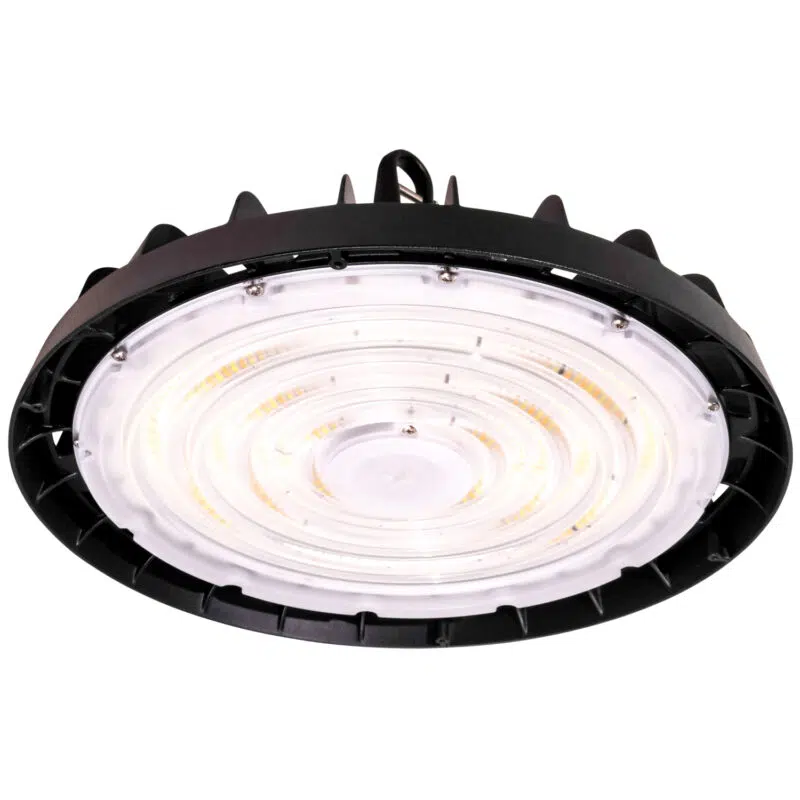
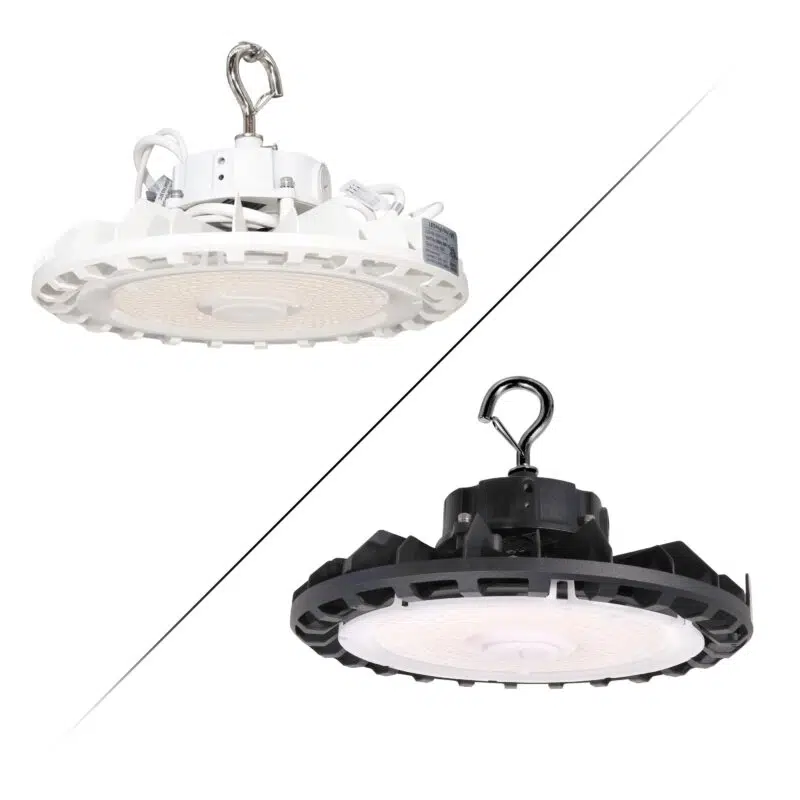
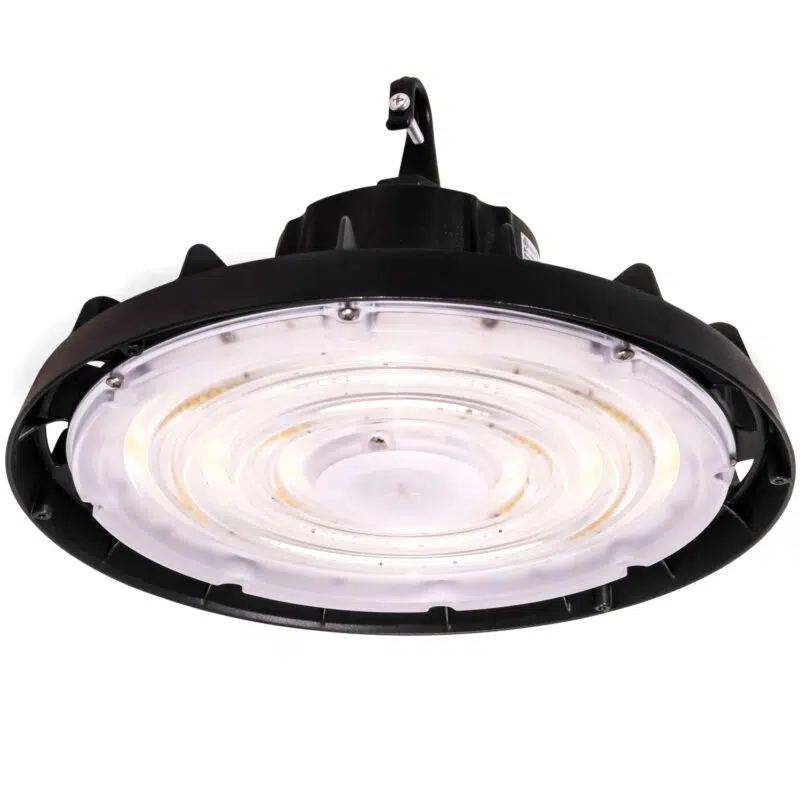
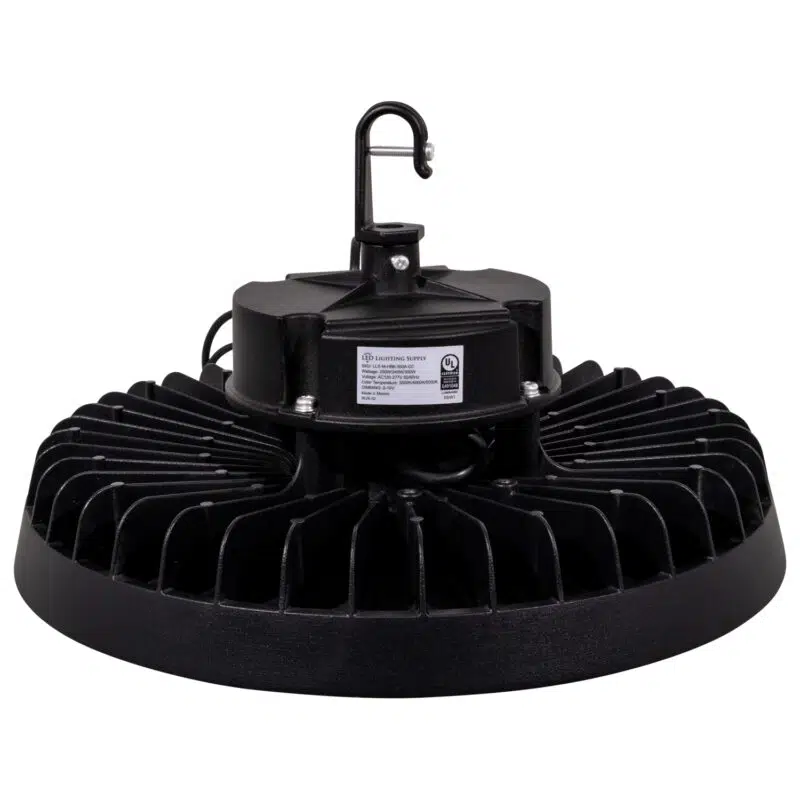
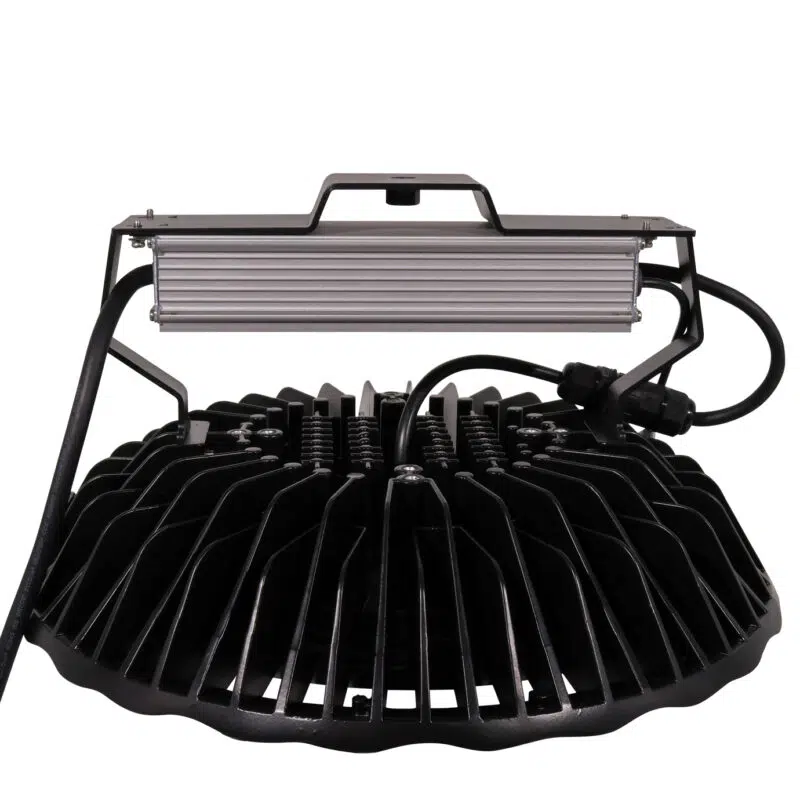
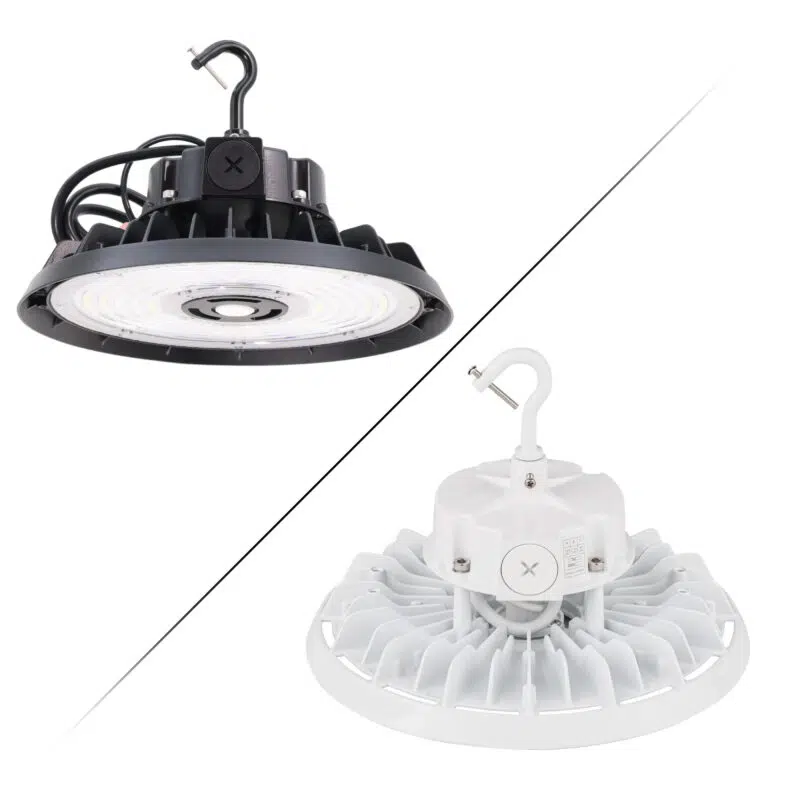
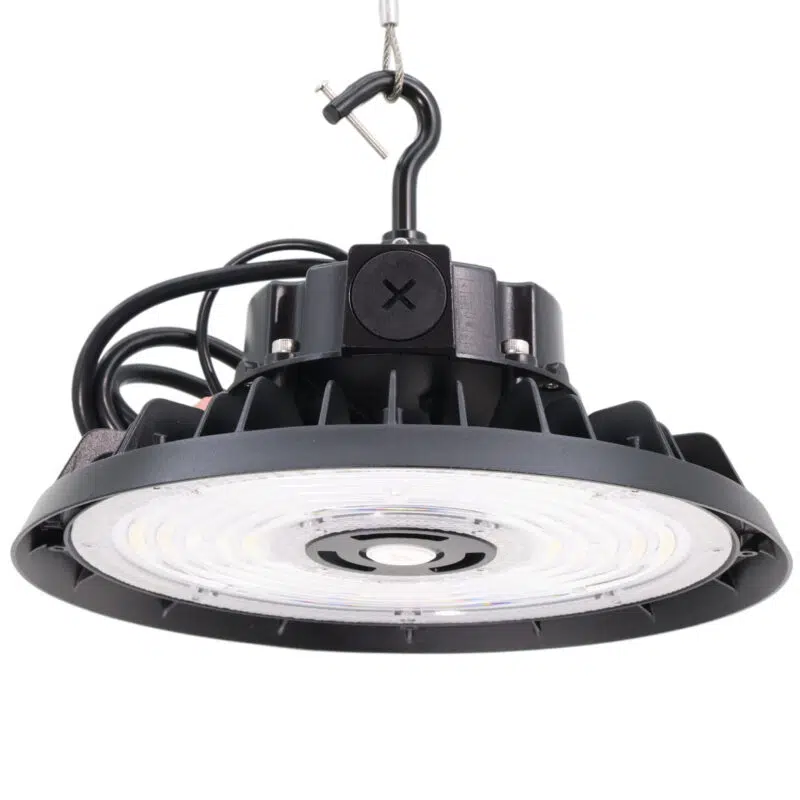
Our Factory Lights and Manufacturing Lighting include UFO and linear high bays, low bays, vapor tight fixtures, high-temperature fixtures, task lighting, and emergency and egress lighting. Available models vary by output, voltage, optics, controls, mounting configuration, and environmental design.
These fixtures are used in manufacturing floors, production lines, assembly areas, machine operation zones, packaging areas, inspection stations, loading areas, maintenance rooms, tool rooms, wet production areas, and high-temperature process zones.
-
 Starting At $358.44

-
Starting At $384.03





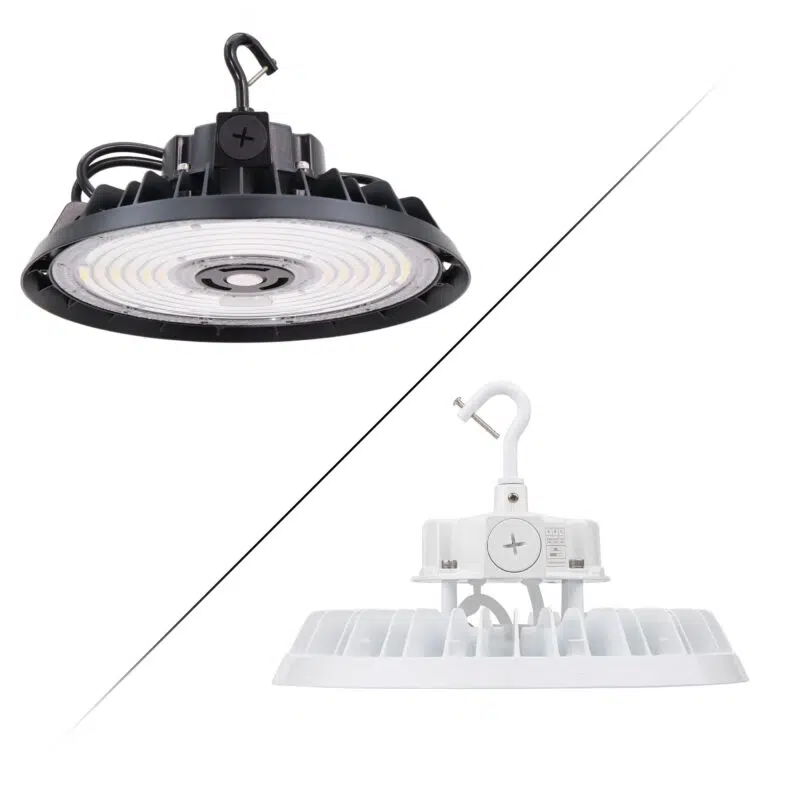
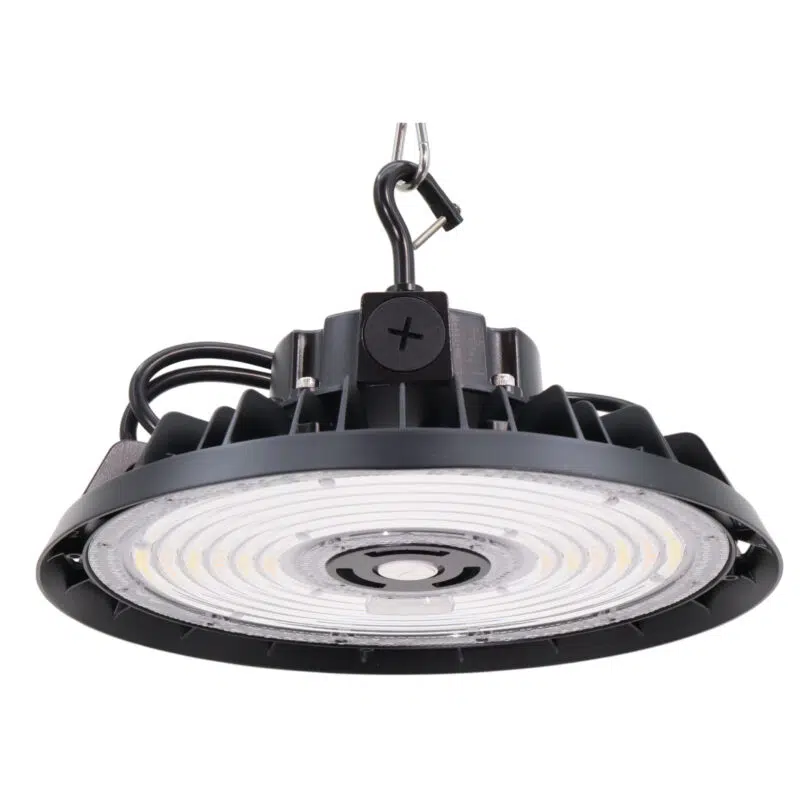
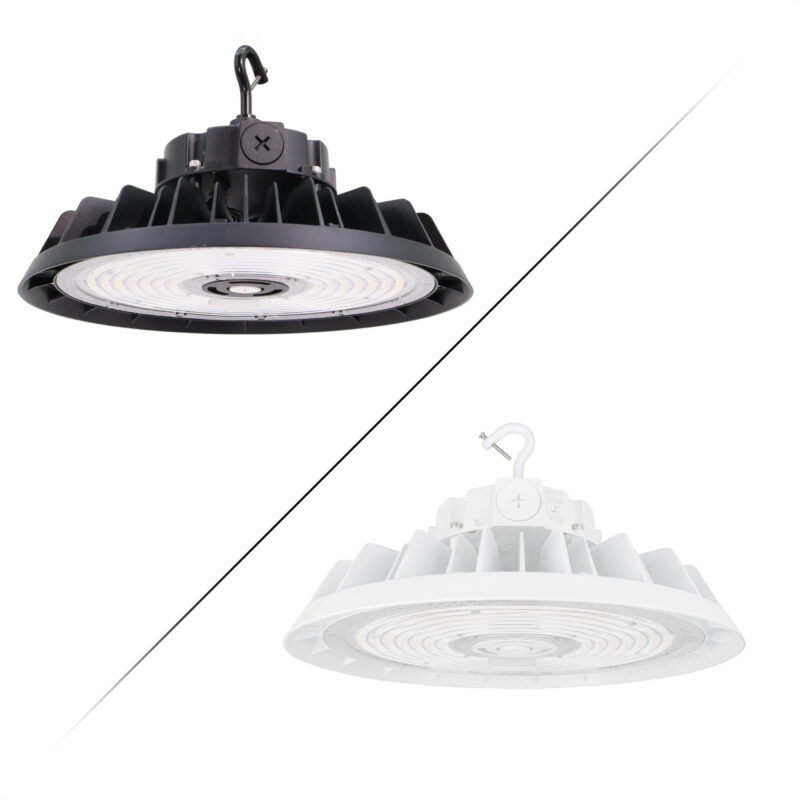
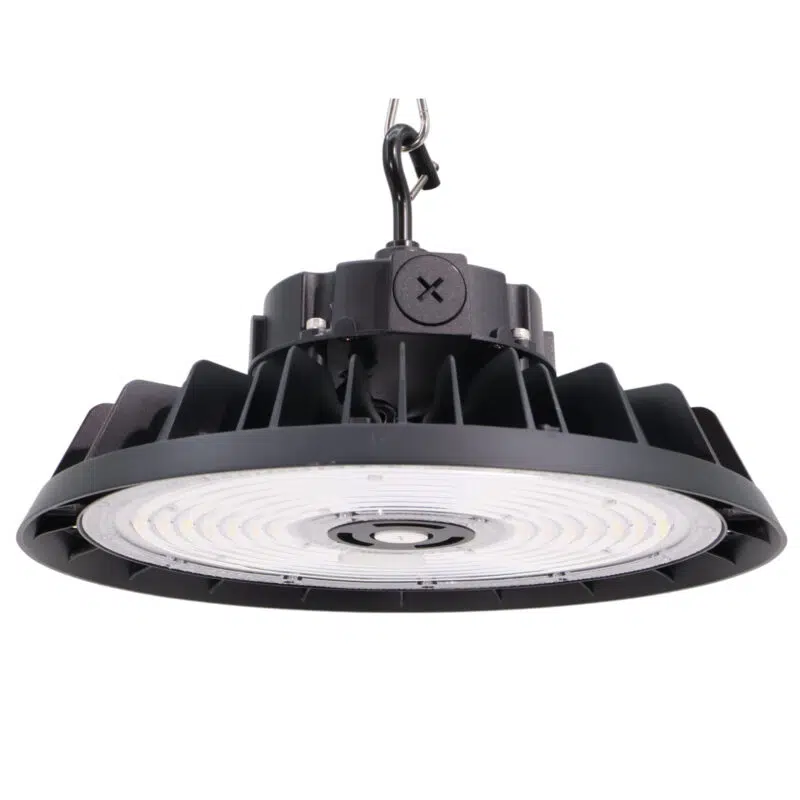
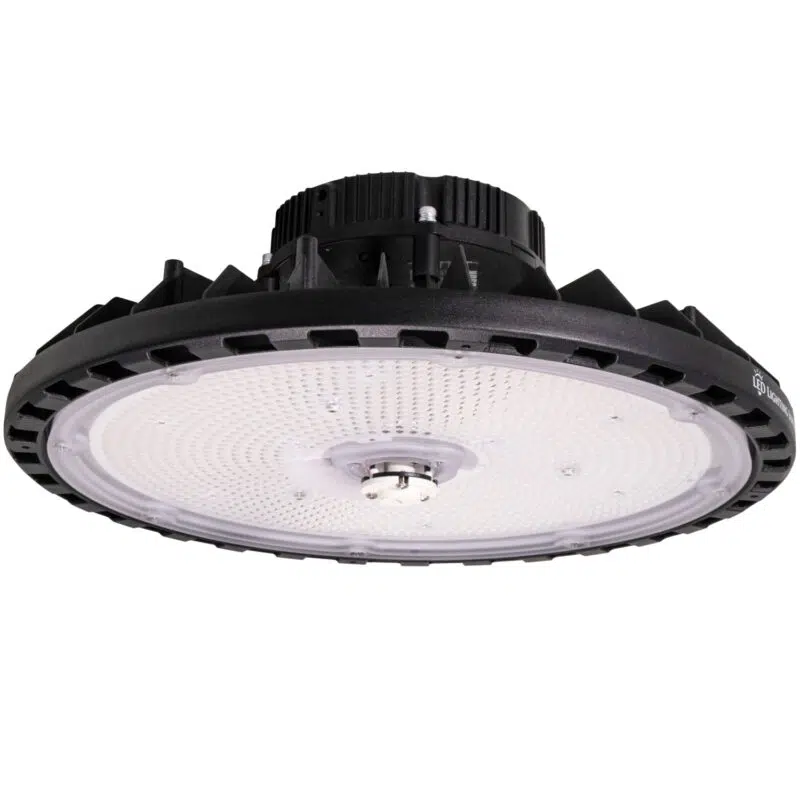

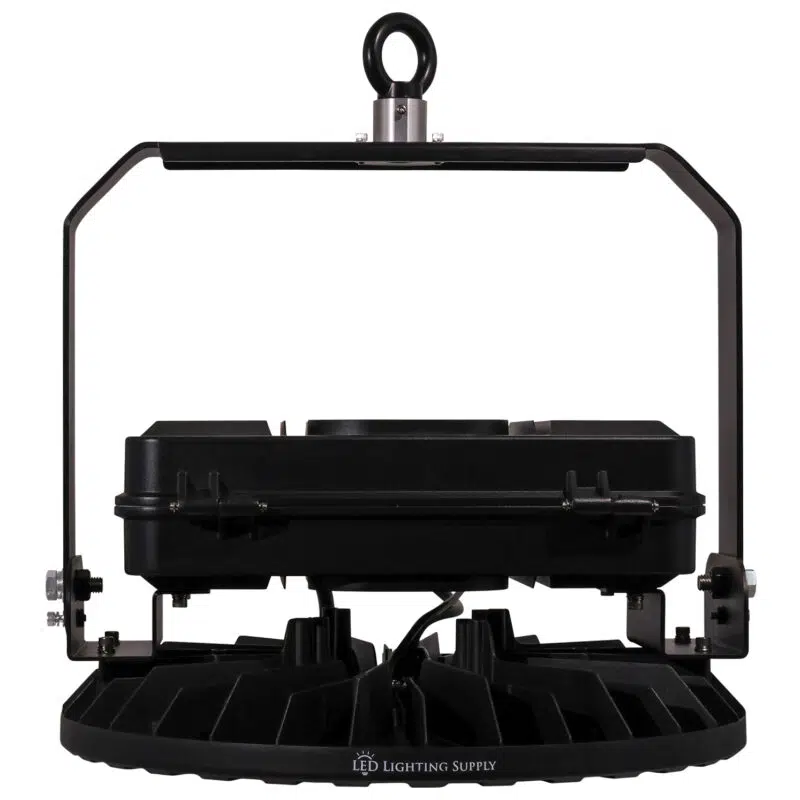

What Are LED Factory Lights?
LED factory lights are industrial fixtures used to illuminate manufacturing floors, production lines, assembly areas, machine operation zones, packaging areas, inspection stations, loading areas, maintenance rooms, and harsh production environments. Unlike standard commercial lighting, factory lighting must be selected around the work being performed, the machinery in the space, required task visibility, ceiling height, environmental exposure, durability, and safety requirements.
Most factory lighting projects use LED high bays, linear high bays, low bays, vapor tight fixtures, high-temperature fixtures, task lighting, or a combination of fixture types. Some manufacturing areas may require high temperature LED lights, hazardous-location lighting, wet-location fixtures, IP-rated fixtures, impact-resistant fixtures, or special certifications depending on the environment.
Factory lighting should not be selected by wattage alone. A general production floor, detailed assembly station, inspection area, machine zone, packaging line, wet production room, and high-temperature process area can all require different light levels, fixture ratings, and mounting layouts.

Selection and Installation Note: Product specifications, lumen output, wattage, beam angle, optic package, voltage, controls, mounting hardware, IP rating, impact rating, operating temperature, certifications, hazardous-location suitability, and warranty coverage vary by model. Confirm the selected product specification before ordering. For code-sensitive, electrical, manufacturing, emergency, hazardous-location, high-temperature, washdown, or safety-critical applications, verify requirements with your local inspector or a licensed electrical professional.
When LED Factory Lighting Is the Right Fit
LED factory lighting is a strong fit when a manufacturing facility needs better visibility for production, assembly, inspection, material handling, machine operation, or safety. It should be planned carefully when the factory has high ceilings, moving equipment, process heat, dust, moisture, vibration, chemical exposure, or task-specific lighting requirements.
| Use LED Factory Lighting When | Do Not Select Standard Factory Fixtures Without Review When |
|---|---|
| Manufacturing work requires consistent visibility across production floors, assembly areas, machine zones, and worker pathways. | The area may be hazardous or classified and Class, Division, Zone, dust, vapor, or chemical exposure requirements have not been reviewed. |
| Production quality depends on lighting, including inspection, labeling, packaging, small-part assembly, or surface defect detection. | Heat, moisture, dust, washdown, vibration, or corrosion exposure exceeds the selected fixture’s listed ratings. |
| The facility uses older metal halide, HID, fluorescent, or T5 fixtures and needs instant full output, better control, or reduced maintenance. | Ceiling height and fixture spacing are unknown, especially in plants with machines, conveyors, cranes, racks, or uneven mounting points. |
| Different factory zones need different light levels, such as production lines, inspection stations, aisles, tool rooms, and loading areas. | Task lighting is needed but the project only includes general overhead fixtures. |
| Controls are useful, such as occupancy sensors, dimming, daylight zones, scheduling, or separate control zones by production area. | Emergency lighting, egress, machine guarding, or electrical requirements have not been reviewed before ordering. |
Choosing LED Factory Lights by Work Area, Ceiling Height, Environment, and Task Requirements
Factory lighting should be planned around production activity, not just fixture type. A factory may need high-output overhead lighting for general production, linear fixtures over production lines, task lighting at inspection stations, vapor tight fixtures in wet areas, high-temperature fixtures near process heat, and lower-ceiling fixtures in maintenance rooms or tool areas.
A photometric plan is recommended for larger factories, production floors, assembly areas, inspection zones, high-ceiling spaces, harsh environments, or any project where fixture count, spacing, light levels, uniformity, glare, and task visibility must be confirmed before ordering.
Planning Checklist
| Planning Factor | What to Confirm |
|---|---|
| Production activity | Confirm whether the area is used for general manufacturing, assembly, machine operation, inspection, packaging, loading, or maintenance. |
| Ceiling height | High ceilings often require LED high bays, while lower production or maintenance areas may use low bays, strips, panels, or task lighting. |
| Fixture type | UFO high bays often work well in open manufacturing areas. Linear high bays may work better over production lines, aisles, and rectangular work zones. |
| Machine layout | Confirm machinery, conveyors, presses, CNC equipment, cranes, platforms, and workstations that may block or redirect light. |
| Foot-candle target | General factory floors, production lines, inspection stations, packaging areas, and maintenance rooms may need different light levels. |
| Lumen output | Compare lumen output, ceiling height, fixture spacing, beam angle, and target light levels instead of relying only on wattage ranges. |
| Task lighting | Detailed assembly, inspection, repair, and quality-control stations may need supplemental task lighting in addition to overhead fixtures. |
| Uniformity | Confirm light levels across the work plane, aisles, production lines, machine areas, and operator stations to reduce dark spots and high-contrast zones. |
| Glare control | Review fixture placement, beam angle, lens type, and mounting height to reduce glare for operators, inspectors, forklift drivers, and maintenance staff. |
| Color rendering | Confirm CRI requirements where color, surface condition, labels, inspection, finish quality, or product identification matters. |
| Environmental exposure | Confirm heat, moisture, dust, washdown, oil, vibration, corrosion, airborne particles, and chemical exposure before selecting fixtures. |
| Temperature rating | High-temperature areas near ovens, furnaces, foundries, boilers, or process heat may require high-temperature fixtures. |
| IP and impact ratings | Wet, dusty, washdown, or impact-prone areas may require IP-rated, IK-rated, vapor tight, or harsh-environment fixtures. Verify the selected enclosure rating and materials are appropriate for the actual exposure. |
| Voltage and controls | Confirm site voltage, driver input range, dimming, sensors, control zones, emergency circuits, and electrical requirements before ordering. |
| Hazardous-location review | Standard factory lights are not substitutes for hazardous-location fixtures where the documented area classification requires listed equipment. Match the fixture certification to the established Class, Division or Zone, Group, temperature rating, and ambient conditions. |
Recommended Foot-Candles for LED Factory Lighting
Factory lighting requirements vary by production area and task. A general factory floor may need less light than a detailed assembly station, inspection area, machine operation zone, packaging line, maintenance room, or high-temperature production area. Use the tool below for application-specific starting foot-candle ranges.
Foot-candle guidance helps estimate brightness needs, but it does not determine fixture count, spacing, uniformity, glare control, CRI requirements, environmental ratings, emergency lighting, hazardous-location requirements, or final compliance. For factory lighting projects, request a photometric plan before ordering.
Step 1: Find your foot candle levels
Step 2: Estimate your fixture count and space
LED High Bay Lighting Layout Estimator
Use this estimator to calculate approximate fixture count, spacing, and average foot-candles for warehouses, shops, gyms, industrial spaces, and commercial interiors using LED high bay fixtures. Enter your room dimensions, mounting height, target foot-candles, light loss factor, and room/layout condition to generate a preliminary lighting layout. When IES photometry is available, workplane height and room reflectance controls are shown.
Project Inputs
Estimated Results
Estimated average foot-candles are preliminary and should be verified with a lighting plan for project-critical applications.
Room / Layout Condition: This field is used only when usable IES photometry is not available. In fallback mode, it acts as a simplified room utilization factor for reflectance, fixture distribution, racking, obstructions, and how much fixture light reaches the work area. Open / light-colored spaces use 0.90, typical warehouses or shops use 0.75, racked or obstructed spaces use 0.60, and dark or complex spaces use 0.45. When IES photometry is active, this field is hidden and the estimator uses the selected workplane height, LLF, and simplified reflectance adjustment instead.
Photometry / Simulation Note: When usable IES photometry is available for the selected fixture, this estimator uses the fixture’s IES candela data, selected workplane height, light loss factor, and simplified reflectance adjustment to estimate fixture count, average foot-candles, and visual light distribution. The reflectance adjustment is a conservative approximation and is not a full zonal-cavity, radiosity, or professional photometric room calculation. When IES photometry is not available, the estimator uses a simulated beam model based on lumens, mounting height, room/layout condition, light loss factor, and beam angle.
Preliminary Estimate Only: This estimator is intended for simple square or rectangular spaces and should be used as a planning aid, not a final photometric lighting plan. Actual light levels may vary based on fixture optics, selected IES file, mounting conditions, workplane height, ceiling height, surface reflectance, obstructions, controls, voltage, installation conditions, and site-specific requirements. Project-critical applications should be verified with a formal lighting plan.
This estimate is a starting point. Warehouses, industrial facilities, hazardous locations, sports areas, schools, healthcare spaces, public areas, and code-sensitive projects may require a reviewed lighting layout before purchase or installation.
Best LED Fixture Types for Factories and Manufacturing Plants
Factory lighting often uses more than one fixture type. Open factory floors, production lines, inspection zones, tool rooms, wet areas, and high-temperature areas may each require a different lighting approach.
| Fixture Type | Best Used For |
|---|---|
| UFO High Bays | Open manufacturing floors, high ceilings, large production areas, metal halide replacement, and broad general factory illumination. |
| Linear High Bays | Production lines, aisles, rectangular work areas, assembly lines, racking, and factory zones where longer light distribution is useful. |
| Low Bay Lights | Lower-ceiling production areas, maintenance rooms, tool rooms, support spaces, and applications where the mounting height is not suited to high bays. |
| Vapor Tight Fixtures | Wet, dusty, washdown, or dirty production areas where the selected fixture's enclosure rating is appropriate for the exposure. |
| High-Temperature Fixtures | Manufacturing areas near ovens, furnaces, kilns, foundries, heat-processing equipment, or other high ambient temperature zones. |
| Hazardous Location Lighting | Classified manufacturing areas where flammable gases or vapors, combustible dust, or ignitible fibers or flyings require lighting rated for the documented classification. |
| Task Lighting | Inspection stations, detailed assembly, machine work, repair benches, quality-control stations, and visually demanding production tasks. |
| Emergency and Egress Lighting | Paths of travel, exits, production corridors, and other areas where emergency illumination may be required. |
Factory Lighting vs Warehouse Lighting
Factories and warehouses may use similar high bay fixtures, but the lighting goals are different. Warehouse lighting typically focuses on storage, aisles, picking, forklift traffic, and inventory visibility. Factory lighting is more tied to manufacturing processes, machine operation, production quality, assembly work, inspection, packaging, and task-specific visibility.
| Lighting Type | Primary Focus |
|---|---|
| Warehouse Lighting | Storage, distribution, inventory management, forklift traffic, order fulfillment, aisle visibility, and general facility operations. |
| Factory Lighting | Manufacturing processes, production quality, machine operation, assembly work, inspection, packaging, and task-specific visibility. |
Factory Lighting Project Examples
Factory lighting projects vary by ceiling height, production process, machine layout, fixture spacing, environmental exposure, and required light levels. A lighting plan can help confirm whether UFO high bays, linear high bays, low bays, task lighting, vapor tight fixtures, high-temperature fixtures, hazardous-location fixtures, or a combination of fixture types is the best fit.
CBRE Enhances Siemens Energy’s Warehouse With High Bay Lighting Case Study
The Backstory:
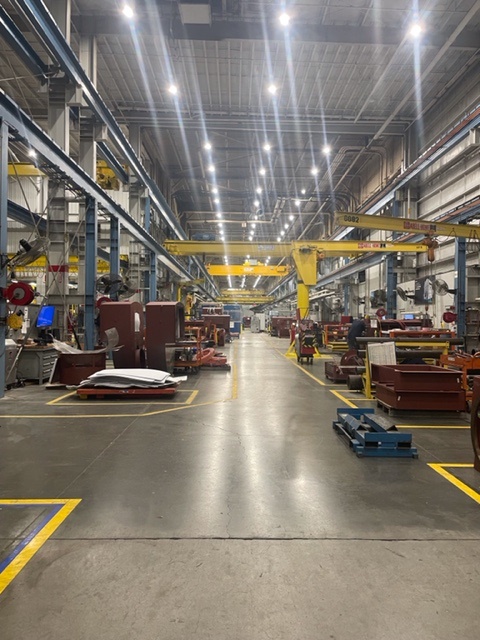
Our longstanding customer, CBRE Global Workplace Solutions Group, partnered with Siemens Energy to address poor light levels in one of its facilities. CBRE recognized there was an opportunity to enhance working conditions while reducing energy costs. CBRE approached LED Lighting Supply as its lighting partner to support the warehouse lighting upgrade.
The Customer's Challenge:
The objective was to improve the illumination for their workers and achieve significant energy savings by leveraging our commercial-grade lighting solutions. The project aimed to replace traditional high-output 54-watt tube lights with energy-efficient alternatives.
Lighting Plan We Created for the Customer
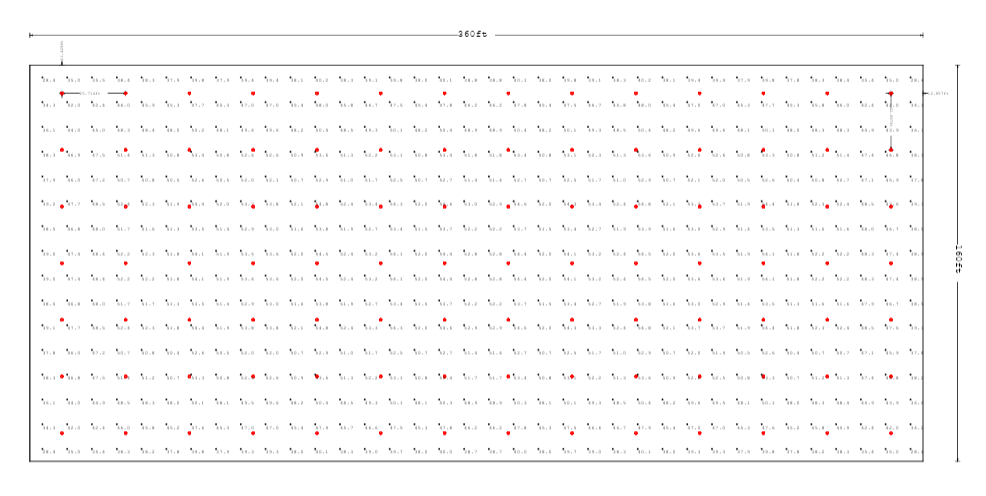
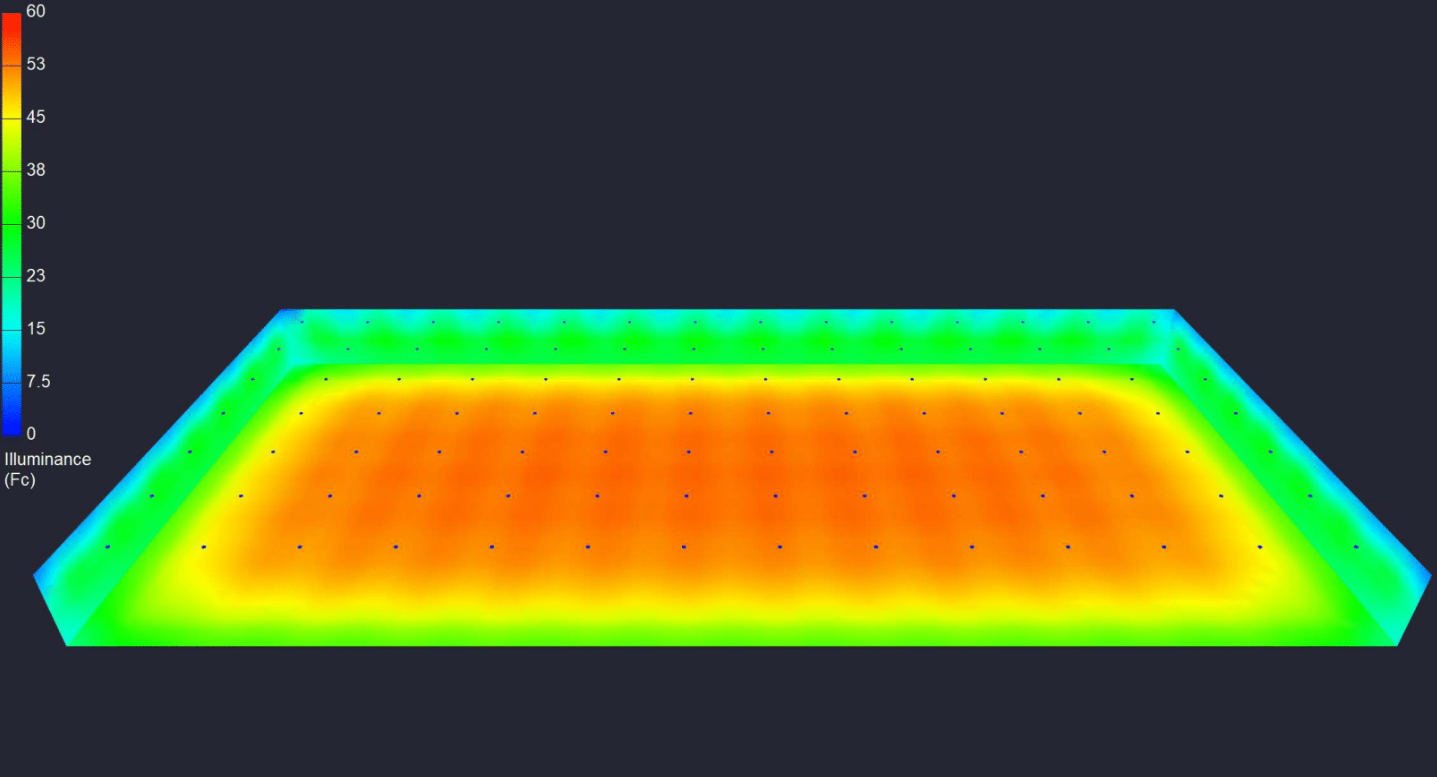
Lighting Plan Metrics:
- Mounting Height: 25 ft
- Foot Candles Achieved: 50 FC average
- Uniformity (Avg/Min): 3.1 FC
- Product(s) Used: LLS-HB-200A-CC-[C]
Case Study: Conversion of (72) T5 6 tube fixtures to LED Lighting Supply 200 Watt LED UFO Fixtures (one-for-one replacement) in Williston, ND
|
Before: T5 54W HO Fluorescent Fixtures |
After: 200 W LED UFO Fixtures |
 |
 |
Lighting Plan We Created for the Customer
|
Lighting Plan |
Heat Map |
 |
 |
LED High Bays Warehouse Installation Lighting Plan Metrics
- Mounting height: 20 ft
- Fixture Used: MLLG-LED-HBC-200-5-120: 100 / 120 / 150 / 200 Watt Adjustable LED UFO High Bay | 15000 to 30000 Lumens | 5000K | 100-277V | White Housing
- FC achieved: 60.33 FC average
- Uniformity (Avg/Min): 1.42
Arizona Algae Products New Explosion-Proof Workspace Case Study
The Backstory
Arizona Algae Products LLC was moving its warehouse operation to a newly constructed building and needed lighting for the center section of the space, which included two platforms, a walkway, and equipment that could create shadowing issues. They initially had only a rough estimate of what they might need and were seeking guidance on lighting for hazardous locations, wattage, fixture count, placement, and overall layout. The Director of Facilities and Maintenance, Christopher Knizeski, reached out to LED Lighting Supply and was paired up with Product Specialist Jake Hoffman for expert support in these areas.
The Customer Challenge
The customer knew they needed Class 1 Division 2 (C1D2) rated lighting for the area. This means flammable gases, vapors, or liquids could be present under abnormal conditions, such as equipment leaks or ventilation failures. Due to these factors, the area required an explosion-proof lighting solution. The fixtures needed to meet the safety demands of the environment while delivering strong, uniform illumination for a functional work area.
As the conversation developed, it became clear this wasn't a simple fixture installation. The customer needed to light a new warehouse workspace in a building that was still being constructed. The section being lit was obstructed by equipment and piping, all of which created the potential for shadowing and dark spots. The customer needed an expert's guidance to ensure the final lighting plan would support visibility, safety, and day-to-day work in the warehouse.


Lighting Plan We Created for the Customer
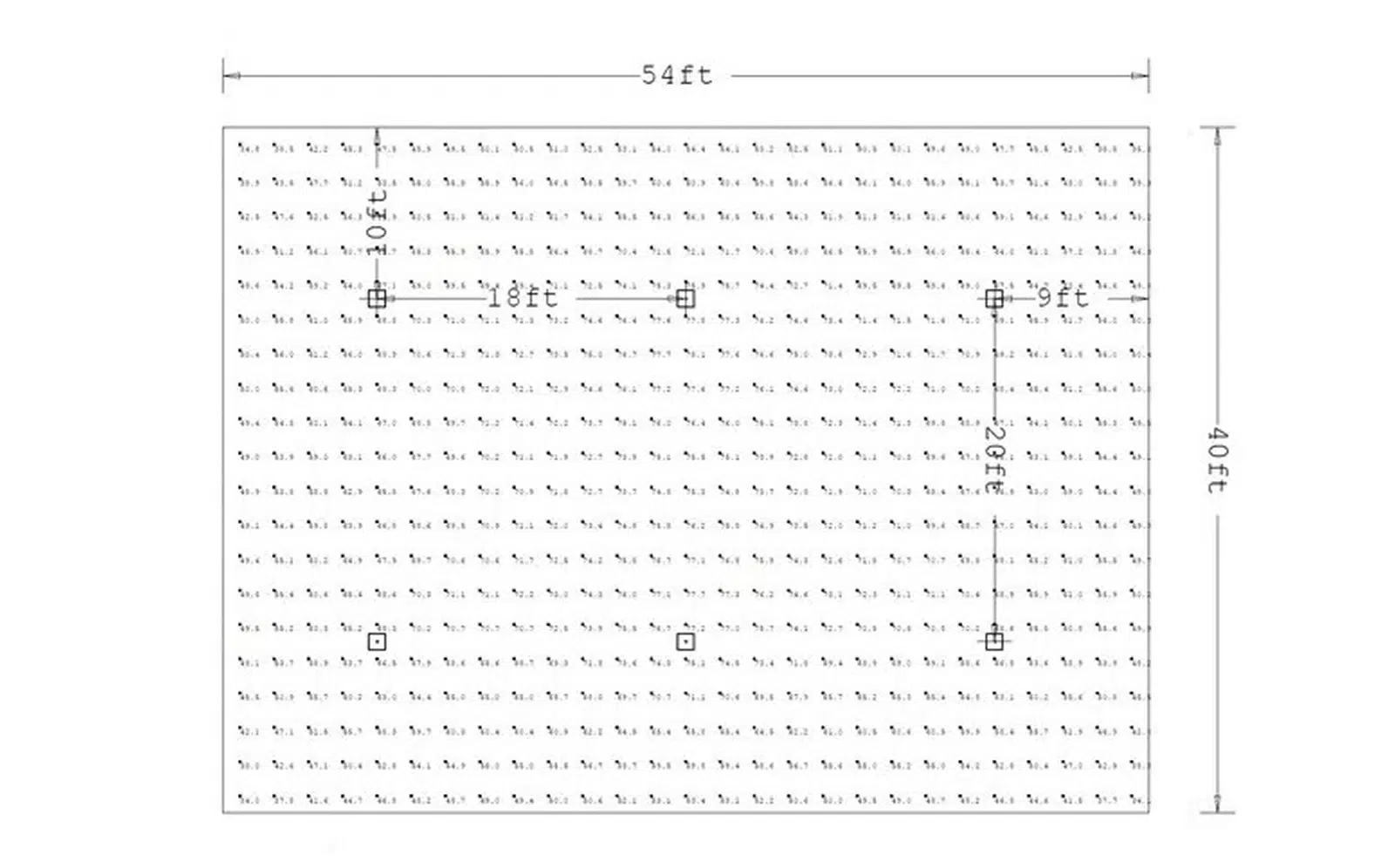
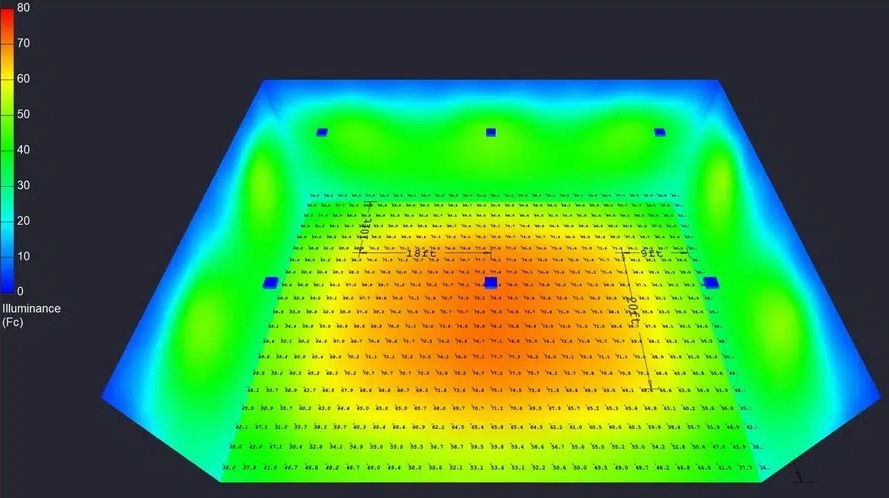
Lighting Plan Metrics
- Mounting Height: 20 ft
- Foot Candles Achieved: 62 average
- Product(s) Used: MLLG-E-LED-EXPLA-200-50-[V]-C1D2
Factory Lighting Certifications, Rebates, and Warranty Support
Safety certifications and qualifications vary by product. Selected LED factory lights may carry a listing or certification mark from an organization such as UL, ETL, or CSA; verify the exact fixture, configuration, and applicable standard on the product specification. Some models may be DLC or DLC Premium qualified. DLC qualification is an efficiency and performance designation, not an electrical safety certification. Utility rebate eligibility depends on the utility program, location, product qualification, installation details, and program terms, so confirm eligibility with the utility and selected product documentation before ordering.
Warranty duration and terms vary by product, component, application, and manufacturer. Review the selected product specification and warranty documentation before purchase to confirm coverage, exclusions, claim procedures, certifications, DLC status, voltage, controls compatibility, mounting method, environmental ratings, and suitability for the manufacturing environment. LED Lighting Supply can help review available product documentation and warranty information for the selected model.
Request a factory lighting plan, and our Product Specialists can help review ceiling height, fixture spacing, machine layout, production zones, foot-candle targets, voltage, controls, environmental exposure, and product specifications for your factory lighting project.
LED Factory Lighting FAQs
How Should I Plan LED Factory Lighting For Different Work Areas?
Plan LED factory lighting around each area's production activity, ceiling height, machinery, task visibility, environmental exposure, and required light levels. General production, assembly, inspection, packaging, loading, and maintenance areas may require different fixture types, light levels, and mounting layouts.
How Do I Choose Between UFO High Bays And Linear High Bays?
UFO high bays often work well in open manufacturing areas, while linear high bays may work better over production lines, aisles, rectangular work zones, assembly lines, and racking. The selection should also account for ceiling height, fixture spacing, beam angle, target light levels, and machine layout.
When Does A Factory Lighting Project Need A Photometric Plan?
A photometric plan is recommended for larger factories, production floors, assembly areas, inspection zones, high-ceiling spaces, harsh environments, and projects where fixture count, spacing, light levels, uniformity, glare, and task visibility must be confirmed before ordering. It can also help identify whether one fixture type or a combination of fixture types is the best fit.
Should Factory Lights Be Selected By Wattage Alone?
No, factory lights should be selected by comparing lumen output, ceiling height, fixture spacing, beam angle, target light levels, and task requirements instead of relying only on wattage. Different factory areas can require different light levels, fixture ratings, and mounting layouts.
When Is Supplemental Task Lighting Needed In A Factory?
Detailed assembly, inspection, repair, and quality-control stations may need supplemental task lighting in addition to overhead fixtures. General factory floors, production lines, inspection stations, packaging areas, and maintenance rooms may need different light levels.
How Should Environmental Exposure Affect Factory Fixture Selection?
Confirm heat, moisture, dust, washdown, oil, vibration, corrosion, airborne particles, and chemical exposure before selecting factory fixtures. Wet, dusty, washdown, or impact-prone areas may require IP-rated, IK-rated, vapor tight, or harsh-environment fixtures, while high-temperature areas may require high-temperature fixtures.
Can Standard Factory Lights Be Used In Hazardous Or Classified Areas?
No, standard factory lights are not substitutes for explosion proof or hazardous-location fixtures where classified-location ratings are required. Class, Division, Zone, dust, vapor, and chemical exposure requirements should be reviewed before selecting lighting for those areas.
What Should Be Confirmed Before Ordering LED Factory Lights?
Confirm the selected product specification, including lumen output, wattage, beam angle, optic package, voltage, controls, mounting hardware, IP rating, impact rating, operating temperature, certifications, hazardous-location suitability, and warranty coverage. These specifications vary by model.