LED Bollard Lighting
- Low-level pathway lighting with architectural appearance options
- Wet-location and outdoor-rated models available
- Application support for spacing, distribution, and fixture selection



Get Your Custom Lighting Plan With Product Recommendations
- Pathway layout designed for uniform coverage, spacing, and pedestrian-level visibility
- Fixture selection matched to mounting height, beam distribution, and site aesthetics
- LED bollards can reduce energy use and extend maintenance intervals versus legacy fixtures


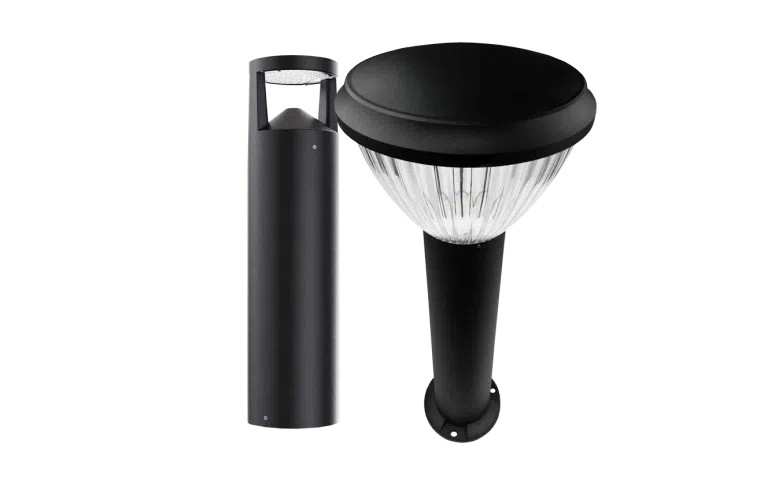
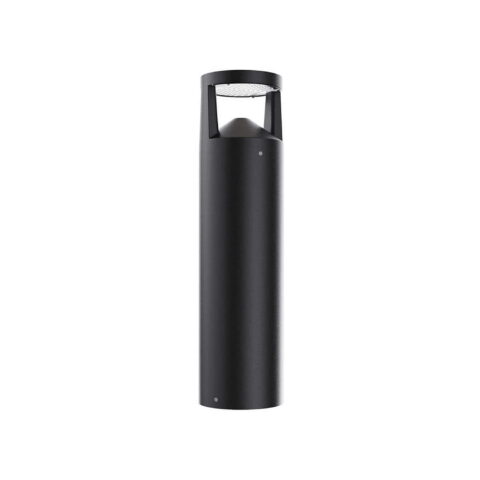
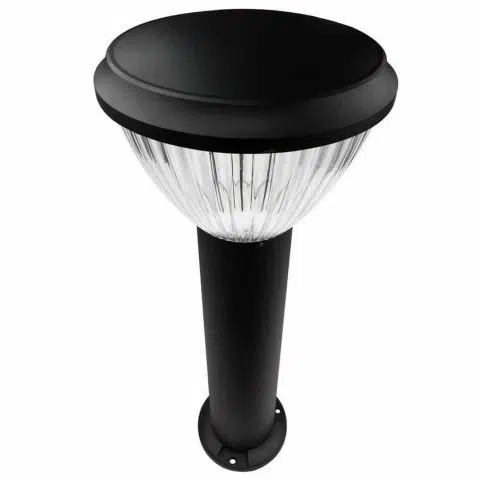
Our Commercial LED Bollard Lights include low-mounted outdoor fixtures with distribution, color temperature, voltage, controls, finish, and mounting-base options. Available models include 360-degree, shielded, directional, and cutoff-style distributions, with photocell, timer, and dimming compatibility varying by fixture.
These fixtures are commonly used along pathways, walkways, building entrances, courtyards, plazas, campus walkways, hotel grounds, retail exteriors, and pedestrian areas near parking lots.


Planning Commercial LED Bollard Lighting
LED bollard lighting is best used when the goal is low-level pedestrian guidance and an architectural, human-scale appearance rather than high-output area lighting. Before choosing a bollard, review the required light distribution, spacing, fixture height, outdoor exposure, controls, and mounting requirements for the site.
Fixture-specific photometric data should be used to evaluate illuminance, uniformity, glare, and spacing for the actual walkway layout. Bollards can complement other exterior lighting, but they may not provide the coverage needed for large parking areas, roadways, loading zones, or other locations requiring higher mounting heights and broader distributions.
Selection and Installation Note: Product specifications, wattage, lumen output, distribution, color temperature, voltage, controls, mounting method, finish, wet-location rating, IP rating, certifications, and warranty coverage vary by model. Confirm the selected product specification before ordering. For outdoor pathways, public pedestrian areas, electrical upgrades, wet locations, code-sensitive applications, or safety-critical spaces, verify requirements with the authority having jurisdiction and a qualified electrical professional.
Where LED Bollard Lights Work Best
Bollards are most useful where people need visual guidance at ground level and where the fixture appearance matters. They are not usually the right choice for lighting large parking lots, loading areas, roadways, or security zones that require higher mounting heights and broader coverage.
| Application | Why Bollard Lighting Works |
|---|---|
| Pathways and walkways | Provides low-level guidance for pedestrians without relying on taller poles or wall-mounted fixtures. |
| Building entrances | Helps define approach routes and adds a more finished exterior appearance. |
| Courtyards and plazas | Supports pedestrian movement while keeping the lighting closer to the landscape and architecture. |
| Hospitality properties | Creates a softer, more decorative exterior lighting layer for guests and pedestrian areas. |
| Campus walkways | Can help guide movement between buildings, sidewalks, and landscaped areas. |
| Parking lot pedestrian edges | Can help identify walking routes near parking areas, but should not replace proper parking lot lighting where broader coverage is needed. |
Bollard Lights vs Pole Lights, Wall Packs, and Pathway Lights
Bollard lights solve a different problem than higher-output exterior fixtures. They are typically chosen for pedestrian-scale lighting and appearance, not for wide-area illumination.
| Fixture Type | Best Used When |
|---|---|
| LED bollard lights | You need low-level pathway lighting with a more architectural or landscape-friendly appearance. |
| LED pole lights | You need broader exterior coverage for parking lots, drives, larger walkways, or open site areas. |
| LED wall packs | You need wall-mounted lighting for building perimeters, service doors, or exterior security visibility. |
| LED pathway lights | You need smaller-scale landscape or pedestrian lighting where decorative style is the main priority. |
How to Choose LED Bollard Lights
Start by confirming that bollards provide the right pedestrian-scale lighting for the site, then match the fixture to the walkway layout and outdoor conditions. Review distribution and spacing together to support visibility while managing glare, then confirm fixture height, finish, color temperature, controls, mounting base, and environmental rating for the installation.
| Selection Factor | What to Review |
|---|---|
| Light distribution | Confirm 360-degree, shielded, directional, or cutoff-style distribution depending on walkway layout and glare concerns. |
| Fixture height | Review bollard height, pedestrian visibility, landscape conditions, and how the fixture will look in the space. |
| Spacing | Spacing depends on fixture output, distribution, mounting height, walkway width, and desired appearance. Use fixture-specific photometric data where lighting performance is important. |
| Color temperature | 3000K may be preferred for hospitality or warmer architectural settings. 4000K is common for commercial pedestrian areas. Color temperature describes the apparent warm or cool appearance of white light, not brightness. |
| Outdoor rating | Confirm wet-location suitability, IP rating, housing construction, gasketed design, and corrosion exposure. IP ratings address ingress protection and do not by themselves establish chemical or corrosion resistance. |
| Fixture finish | Review black, bronze, gray, or other finish options to match the landscape, building exterior, or site furniture. |
| Controls | Confirm photocell, timer, dimming, or building-control compatibility where needed. |
| Mounting base | Review anchor bolts, concrete footing, conduit location, mounting template, and installation requirements before ordering. |
Spacing and Placement Considerations
Bollard spacing should support both visibility and appearance. Placing fixtures too far apart can leave dark gaps along a walkway. Placing them too close together can create clutter, glare, and unnecessary cost.
As a general planning step, review walkway width, curves, landscape obstructions, entrances, stairs, ramps, seating areas, and pedestrian decision points. Bollards are often used to guide movement, so placement near turns, transitions, and building approaches can be more important than perfectly even spacing.
Outdoor Ratings and Durability
Because bollards are installed outdoors and close to the ground, they may be exposed to rain, irrigation, snow, landscape maintenance, dirt, and occasional contact. Confirm that the selected fixture is rated for the installed environment.
Depending on the location, review wet-location rating, IP rating, housing material, finish, impact exposure, mounting hardware, and corrosion risk. An IP rating addresses protection against specified solid-particle and water ingress; it does not independently confirm resistance to fertilizers, de-icing chemicals, salt spray, chlorine, or other corrosive exposures. In parking edges or vehicle-adjacent areas, confirm whether additional protection or a different fixture type is more appropriate.
Installation Requirements
LED bollard lights should be installed by a qualified electrical professional in accordance with applicable electrical codes, manufacturer instructions, and local requirements. Installation may require a concrete footing, anchor bolts, conduit, proper grounding, and coordination with landscaping or hardscape work.
Before ordering, confirm the mounting template, base diameter, anchor bolt pattern, conduit entry, voltage, control wiring, and whether the bollard will be installed in concrete, pavers, soil-adjacent areas, or landscaped zones. For public walkways, also review trip hazards, placement near snow removal paths, and maintenance access. Foundation and mounting details should be appropriate for the selected fixture, site conditions, and applicable project requirements.
Certifications, Rebates, and Warranty Support
Safety listings and certifications vary by product. Selected LED bollard models may carry a listing or certification from a nationally recognized testing laboratory, such as UL, ETL, or CSA, depending on the product and configuration. Some models may be DLC or DLC Premium listed, which can support utility-rebate eligibility where available. DLC qualification is a performance program and is not an electrical safety certification.
Rebate requirements vary by utility, region, installation date, and exact product listing, so confirm eligibility with the utility and on the selected product specification before ordering. Warranty coverage also varies by model; review the applicable product warranty and confirm the selected fixture's certifications, DLC status, voltage, controls compatibility, outdoor rating, mounting method, finish, environmental exposure, and suitability for the site layout.
Common Bollard Lighting Mistakes
- Using bollards where pole lights are needed: Bollards are best for pedestrian-scale lighting, not broad parking lot or roadway coverage.
- Ignoring glare: Low-mounted fixtures can create discomfort if the distribution is too bright or poorly shielded.
- Spacing fixtures too far apart: Wide spacing can leave dark gaps along walkways and entrances.
- Overcrowding the walkway: Too many bollards can create visual clutter and increase installation cost.
- Not confirming outdoor ratings: Wet-location, IP, finish, and corrosion resistance vary by model and exposure.
- Forgetting the mounting base: Anchor bolts, conduit, footing details, and mounting templates should be confirmed before installation.
- Placing fixtures in damage-prone areas: Bollards near vehicles, snow removal routes, or maintenance equipment may need extra protection or a different fixture type, such as appropriate vandal-resistant lighting.
- Assuming every control option applies: Photocell, timer, dimming, and sensor compatibility vary by fixture.
Contact us about LED bollard lights, and our Product Specialists can help review fixture height, distribution, finish, spacing, outdoor rating, voltage, controls, mounting method, and product specifications.
LED Bollard Lighting FAQs
When Should I Choose LED Bollard Lights Instead Of Pole Lights?
Choose LED bollard lights for low-level pedestrian guidance and an architectural, human-scale appearance. Choose pole lights when the site needs broader exterior coverage for parking lots, drives, larger walkways, or open areas.
Can LED Bollard Lights Provide Lighting For Large Parking Areas Or Roadways?
LED bollard lights may not provide the coverage needed for large parking areas, roadways, loading zones, or other locations requiring higher mounting heights and broader distributions. They can help identify pedestrian routes near parking areas but should not replace proper parking lot lighting where broader coverage is needed.
How Should I Plan Bollard Spacing Along A Walkway?
Bollard spacing should be based on fixture output, distribution, mounting height, walkway width, desired appearance, and the actual walkway layout. Review curves, obstructions, entrances, stairs, ramps, seating areas, and pedestrian decision points, and use fixture-specific photometric data where lighting performance is important.
How Do I Choose The Right Light Distribution For LED Bollard Lighting?
Select 360-degree, shielded, directional, or cutoff-style distribution based on the walkway layout and glare concerns. Review distribution and spacing together to support visibility while managing glare.
What Outdoor Conditions Should I Review Before Selecting A Bollard?
Confirm that the selected LED bollard is rated for the installed environment, including wet-location suitability, IP rating, housing material, finish, impact exposure, mounting hardware, and corrosion risk. An IP rating addresses specified solid-particle and water ingress, but it does not independently confirm resistance to fertilizers, de-icing chemicals, salt spray, chlorine, or other corrosive exposures.
What Mounting Details Should Be Confirmed Before Ordering LED Bollard Lights?
Confirm the mounting template, base diameter, anchor bolt pattern, conduit entry, voltage, control wiring, and installation surface before ordering. Installation may require a concrete footing, anchor bolts, conduit, proper grounding, and coordination with landscaping or hardscape work.
Are Controls, Certifications, And Rebates Available On Every LED Bollard Model?
Controls, certifications, DLC status, and rebate eligibility vary by LED bollard model and configuration. Selected models may offer photocell, timer, dimming, or building-control compatibility, and some may carry testing-laboratory listings or DLC or DLC Premium listings.