Aluminum Light Poles
- Lightweight, corrosion-resistant options for outdoor applications
- Anchor-base and direct-burial mounting styles available
- Selection support for height, EPA, and fixture compatibility


Our Aluminum Light Poles include high-grade aluminum poles, with some models featuring pivot bases and powder coat finishes. Available configurations support outdoor commercial and industrial lighting installations.
These poles are used for commercial and industrial outdoor lighting projects, including street lighting applications and installations in coastal areas.
-
 Starting At $1,482.69
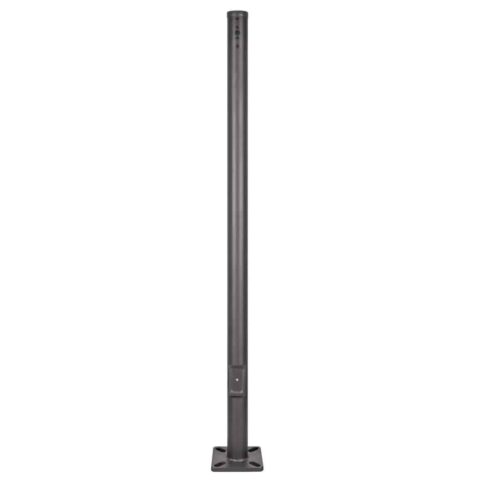

What are Aluminum Light Poles?
Aluminum light poles are lighting structures made from aluminum alloys selected for strength, corrosion resistance, and relatively low weight. They are commonly used for parking lots, roadways, pathways, commercial properties, parks, campuses, and other outdoor lighting applications. Aluminum can be a good choice when corrosion resistance and easier handling are priorities, but the correct pole must still be matched to the project's mounting height, fixture quantity, fixture EPA, wind requirements, mounting method, and foundation design.
Before selecting an aluminum pole, confirm the desired mounting height, the number and type of fixtures, total fixture EPA, local design wind speed, exposure conditions, pole-top configuration, base type, and site environment. A pole that is suitable for one location may not be appropriate for another even if the height is the same. Many projects use an aluminum street light pole because aluminum combines structural performance with strong resistance to corrosion.
What are the advantages of using Aluminum Light Poles?
Aluminum poles are lighter than comparable steel poles, which can simplify transportation, handling, and installation. They also resist rust and generally perform well in humid, coastal, and other corrosive environments when the alloy, finish, hardware, and installation are appropriate for the site.
Because aluminum naturally forms a protective oxide layer, it does not rely on the same corrosion protection methods as conventional steel. Powder-coated or anodized finishes may also be available for appearance and additional environmental protection. Actual service life depends on the pole design, environment, maintenance, mounting hardware, and exposure to salt, chemicals, impact, or other site conditions.
How do Aluminum Light Poles compare to Steel Light Poles?
Steel poles are often selected when higher structural capacity, heavier fixture loads, taller mounting heights, or demanding wind requirements are involved. Aluminum poles are lighter and naturally resistant to rust, which can make them attractive for coastal areas, roadways, parking lots, and other outdoor applications where corrosion resistance is important.
Neither material is automatically better for every project. Pole height, fixture EPA, fixture weight, wind speed, exposure category, mounting configuration, and environmental conditions should determine the appropriate pole. For applications with large fixture arrays, high mounting heights, or substantial projected area, steel may offer more options. For moderate-height installations where corrosion resistance and handling are priorities, aluminum may be a better fit.
How do I choose the correct Aluminum Light Pole height?
Mounting height should be selected based on the area being illuminated, required foot-candle levels, fixture optics, spacing, glare control, and site layout rather than pole height alone. Lower poles may be appropriate for walkways, small parking areas, and pedestrian spaces, while taller poles may be used to cover larger parking lots, roadways, or commercial areas.
A photometric lighting plan can help determine the appropriate pole height, fixture wattage, beam distribution, quantity, spacing, and aiming before equipment is ordered. LED Lighting Supply can provide a lighting plan to help verify whether the proposed pole and fixture combination can achieve the required illumination and uniformity for the application.
What is EPA and why does it matter for Aluminum Light Poles?
EPA, or Effective Projected Area, is a measure used to evaluate how much wind load mounted fixtures and accessories place on a pole. Every pole has an allowable EPA that varies with pole height, shaft design, material, wall thickness, wind speed, and other structural factors.
When selecting an aluminum pole, add the EPA of the fixtures, brackets, tenons, crossarms, cameras, banners, or other attachments that will be mounted on the pole and compare that load with the pole manufacturer's allowable EPA for the project's wind conditions. Do not select a pole based only on fixture weight. The projected area and mounting configuration can be just as important as the total weight.
Projects in demanding wind zones may require purpose-designed high-wind-rated light poles. Final pole selection should be verified for the project location and loading conditions before installation.
Can Aluminum Light Poles withstand strong winds?
When properly engineered, aluminum light poles can be designed for demanding wind conditions. Wind resistance depends on the pole's height, shaft dimensions, wall thickness, alloy, base design, fixture EPA, fixture quantity, mounting configuration, and the applicable wind requirements for the site.
The allowable EPA shown for a pole should always be matched to the project's required wind speed and exposure conditions. Adding fixtures or accessories later can change the total load, so any future modifications should be reviewed before equipment is added to the pole.
What mounting types are available for Aluminum Light Poles?
Aluminum light poles may be available in anchor-base, direct-burial, and selected specialty configurations depending on the pole design and manufacturer.
Anchor-base aluminum poles use a base plate secured to anchor bolts embedded in a concrete foundation. The anchor-bolt pattern, bolt size, projection, foundation dimensions, and reinforcement must match the pole design and site conditions. The concrete foundation should be designed for the pole height, fixture load, wind requirements, soil conditions, and other structural factors.
Direct-burial aluminum poles extend below grade and are installed to a specified embedment depth. Direct burial does not eliminate foundation or site considerations. Embedment depth, backfill, soil type, drainage, wind load, and manufacturer requirements must still be verified for the specific pole and installation.
What should I know about anchor bolts and foundations?
For anchor-base poles, the foundation is a structural part of the lighting system. The concrete pier, reinforcing steel, anchor bolts, bolt circle, bolt projection, and pole base plate must work together as one engineered assembly. Do not assume that a foundation used for one pole can automatically be reused for a different pole, even if the poles are similar in height.
Foundation requirements can vary with soil conditions, frost depth, groundwater, wind load, pole height, and fixture EPA. For large poles, high-wind areas, public infrastructure, roadways, or other code-sensitive installations, foundation and anchorage requirements should be verified by a qualified structural or civil professional.
How do you Install Aluminum Light Poles?
Installation depends on the pole's base type and project conditions. Anchor-base installations generally require an engineered concrete foundation with correctly positioned anchor bolts, followed by pole erection, leveling, electrical connection, and fixture installation. Direct-burial poles require the specified embedment depth and approved backfill or stabilization method.
Some aluminum poles are available with hinged or pivot-base configurations that allow the pole to be lowered for installation or maintenance. These systems have their own structural and hardware requirements and should be installed according to the manufacturer's instructions.
Required mounting hardware and related components can be found among available light pole accessories. Installation should be completed by qualified professionals in accordance with the pole manufacturer's instructions and applicable electrical, structural, and local code requirements.
Are Aluminum Light Poles durable?
Aluminum light poles can provide long service life when properly selected, installed, and maintained. They do not rust like conventional steel, but they can still be affected by galvanic corrosion, salt exposure, chemicals, impact damage, loose hardware, fatigue, or improper installation.
Coastal and corrosive environments require particular attention to compatible fasteners, mounting hardware, finishes, and electrical isolation where dissimilar metals are used. The pole manufacturer's environmental and installation requirements should be followed for the specific application.
How do I maintain Aluminum Light Poles?
Aluminum poles generally require limited maintenance, but they should still be inspected periodically. Review the pole shaft, base plate or embedded section, anchor bolts, handhole, fasteners, fixture brackets, finish, and surrounding foundation for signs of damage, movement, corrosion, cracking, or loose hardware.
In coastal, high-wind, high-traffic, roadway, or industrial environments, more frequent inspection may be appropriate. Any damaged pole, anchor system, or foundation should be evaluated before the pole remains in service.
What should I verify before ordering an Aluminum Light Pole?
- Mounting height: Confirm the required pole height based on the lighting plan and site layout.
- Fixture quantity and EPA: Verify the combined projected area of all fixtures, brackets, and accessories.
- Wind requirements: Match the pole's allowable EPA to the applicable site wind conditions.
- Base type: Confirm whether the project requires anchor-base, direct-burial, hinged, or another mounting configuration.
- Foundation and anchorage: Verify anchor bolts, bolt circle, embedment, concrete foundation, and soil requirements.
- Pole-top configuration: Confirm tenon size, arm configuration, drilling pattern, or other fixture-mounting requirements, including available tenon adapters where appropriate.
- Environment: Consider coastal exposure, salt, chemicals, moisture, traffic, and other site conditions.
- Finish and appearance: Verify available powder coat, anodized, or natural aluminum finishes.
Certifications and Engineering Requirements
Aluminum poles should be selected from manufacturers that provide applicable structural specifications, material information, EPA data, wind ratings, and installation requirements. Depending on the project, additional engineering documentation or stamped calculations may be required by the owner, municipality, engineer, or authority having jurisdiction.
For public roadways, schools, municipal projects, airports, high-wind locations, sports facilities, or other safety-sensitive installations, confirm structural, foundation, electrical, and local code requirements with qualified professionals before ordering or installation.
Warranty and Support
Warranty coverage varies by pole manufacturer, finish, application, environment, and installation method. Review the specific warranty for the selected aluminum pole before ordering, including any requirements related to coastal exposure, finishes, anchor systems, installation, or maintenance.
LED Lighting Supply can help review pole height, fixture EPA, wind requirements, base type, mounting configuration, and fixture compatibility so the selected aluminum pole is better matched to the project conditions.
Aluminum Light Poles FAQs
How Do I Choose Between Aluminum And Steel Light Poles?
Aluminum may be a better fit for moderate-height installations where corrosion resistance and handling are priorities, while steel is often selected for higher structural capacity, heavier fixture loads, taller mounting heights, or demanding wind requirements. The appropriate material should be determined by pole height, fixture EPA and weight, wind speed, exposure category, mounting configuration, and environmental conditions.
What Should I Verify Before Ordering An Aluminum Light Pole?
Verify the mounting height, fixture quantity and total EPA, site wind conditions, base type, foundation and anchorage requirements, pole-top configuration, environment, and available finish options before ordering. These factors help match the pole to the lighting plan, fixture mounting requirements, and site conditions.
How Should Aluminum Light Pole Height Be Selected?
Aluminum light pole height should be selected based on the illuminated area, required foot-candle levels, fixture optics, spacing, glare control, and site layout. A photometric lighting plan can help determine pole height, fixture wattage, beam distribution, quantity, spacing, and aiming before equipment is ordered.
Why Does Fixture EPA Matter When Selecting An Aluminum Light Pole?
Fixture EPA matters because it measures the wind load that mounted fixtures and accessories place on an aluminum light pole. Add the EPA of fixtures, brackets, tenons, crossarms, cameras, banners, and other attachments, then compare the total with the manufacturer's allowable EPA for the project's wind conditions.
Can An Aluminum Light Pole Be Selected Based Only On Fixture Weight?
No, an aluminum light pole should not be selected based only on fixture weight because projected area and mounting configuration can be just as important as total weight. The pole's allowable EPA must be matched to the required wind speed and exposure conditions.
How Do Anchor-Base And Direct-Burial Aluminum Light Poles Differ?
Anchor-base aluminum poles use a base plate secured to anchor bolts embedded in a concrete foundation, while direct-burial poles extend below grade to a specified embedment depth. Both mounting types require verification of project-specific structural and site factors, including wind load, soil conditions, and manufacturer requirements.
Can Aluminum Light Poles Be Used In Coastal Or Corrosive Environments?
Aluminum light poles generally perform well in humid, coastal, and other corrosive environments when the alloy, finish, hardware, and installation are appropriate for the site. Coastal and corrosive locations require particular attention to compatible fasteners, mounting hardware, finishes, and electrical isolation where dissimilar metals are used.
What Can Affect The Service Life Of An Aluminum Light Pole?
Aluminum light pole service life depends on pole design, environment, maintenance, mounting hardware, and exposure to salt, chemicals, impact, or other site conditions. Aluminum does not rust like conventional steel, but galvanic corrosion, loose hardware, fatigue, and improper installation can still affect the pole.