LED Commercial Perimeter Security Lighting
- Fixture options for fence lines, gates, yards, and building perimeters
- Photometric plans available to help evaluate coverage and spacing
- USA-based support for fixture selection and controls compatibility


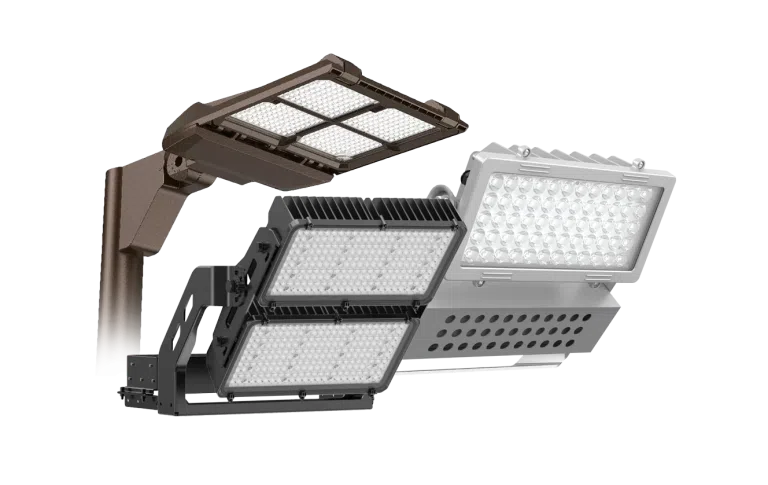
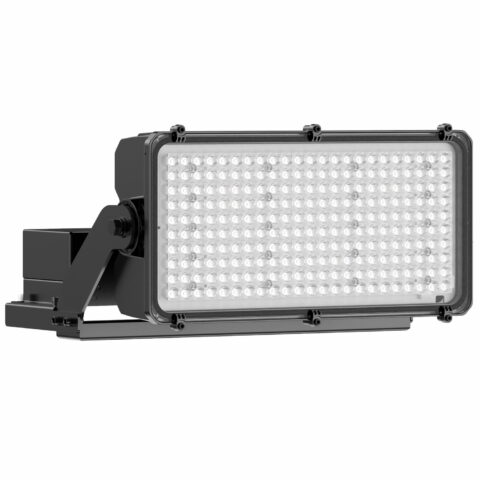
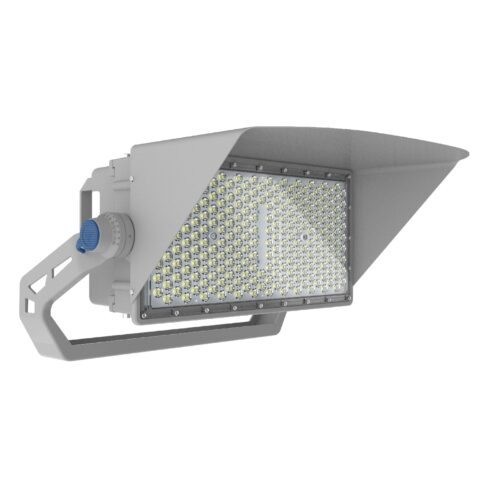
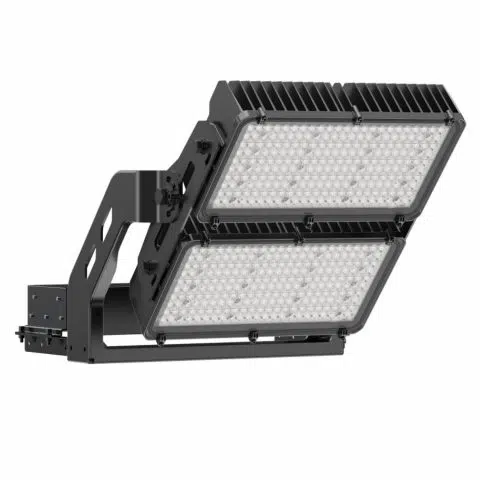
Our LED Perimeter Security Lighting includes flood lights, shoebox area lights, wall packs, high mast lights, canopy lights, and solar security lights for exterior property coverage. Available models vary by mounting configuration, optic distribution, voltage, lumen output, and controls such as photocells, timers, motion sensors, dimming, and scheduling.
These fixtures are commonly used around building perimeters, fence lines, gates, loading docks, industrial yards, parking edges, access roads, truck courts, service doors, warehouses, distribution centers, campuses, and fenced storage areas.
-
 Starting At $697.50






What Is LED Outdoor Perimeter Security Lighting?
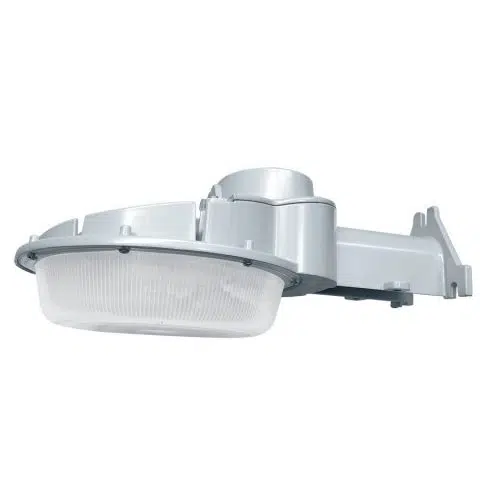
LED outdoor perimeter security lighting is used to illuminate building perimeters, fence lines, gates, loading docks, industrial yards, parking edges, access roads, and other exterior areas where visibility, deterrence, camera performance, and safe movement matter. These lighting systems typically use LED flood lights, shoebox area lights, wall packs, high mast lights, canopy lights, or solar security lights depending on the site layout and mounting location.
Perimeter lighting should not be selected by wattage alone. The right fixture depends on the area being protected, mounting height, pole spacing, beam distribution, glare control, light trespass limits, camera coverage, voltage, controls, and local requirements. A well-designed system helps reduce dark zones, supports security cameras, improves visibility for employees and visitors, and helps define the usable nighttime boundary of the property.
Common applications include commercial buildings, warehouses, distribution centers, truck courts, industrial yards, schools, campuses, parking lots, fenced storage areas, gates, checkpoints, service doors, and remote perimeter zones where consistent nighttime visibility is needed.
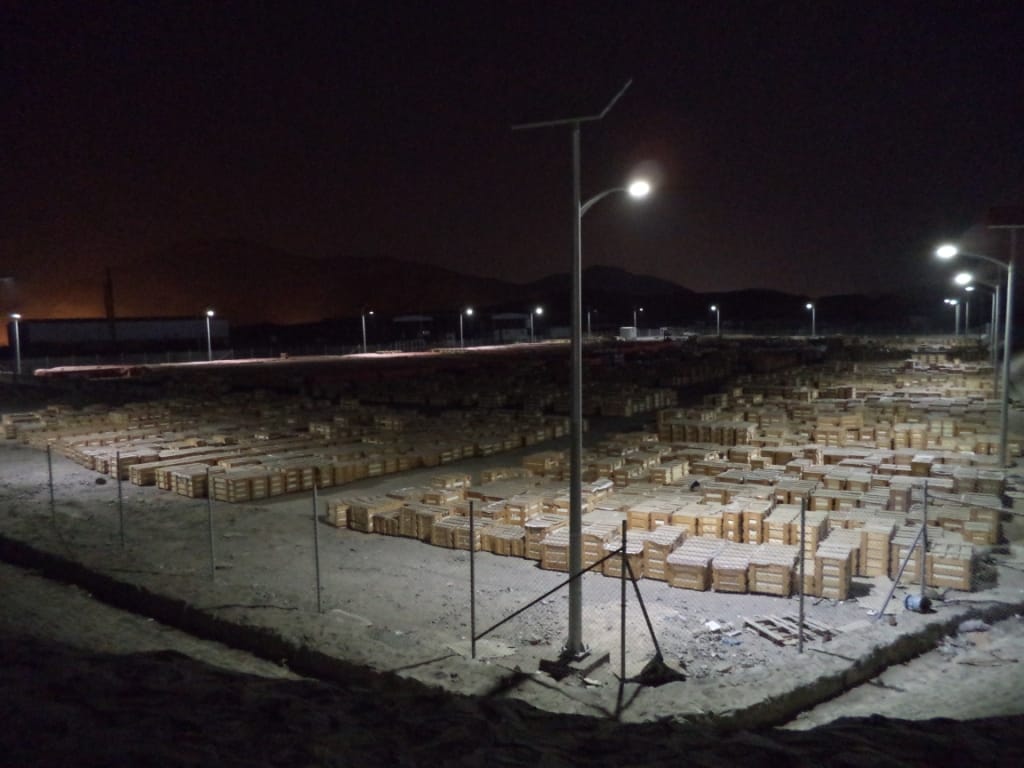
Selection and Installation Note: Product specifications, lumen output, wattage, optic distribution, mounting hardware, voltage, controls, IP ratings, certifications, surge protection, and warranty coverage vary by model. Confirm the selected product specification before ordering. For code-sensitive, electrical, security, roadway, parking, camera, emergency, light-trespass, or safety-critical applications, verify requirements with your local inspector or a licensed electrical professional.
When LED Perimeter Security Lighting Is the Right Fit
LED perimeter lighting is a good fit when exterior areas need reliable nighttime visibility, reduced dark spots, better camera support, and controlled coverage along property boundaries or building edges. It is not always the right solution when glare, light trespass, mounting limitations, voltage drop, hazardous-location requirements, or local ordinances have not been reviewed.
| Use LED Perimeter Security Lighting When | Do Not Use Standard Perimeter Fixtures When |
|---|---|
| The site needs better nighttime visibility around fence lines, building perimeters, gates, yards, parking edges, or access points. | Light trespass restrictions are present and shielding, cutoff optics, fixture aiming, or local requirements have not been reviewed. |
| Security cameras need usable illumination with fewer dark zones, harsh shadows, or glare into camera lenses. | Glare may affect drivers, neighbors, pedestrians, cameras, or workers and fixture aiming has not been planned. |
| The property uses poles, walls, buildings, gates, or structures that can support properly mounted outdoor fixtures. | Mounting height or spacing is inadequate for the selected fixture type, creating uneven coverage or dark gaps. |
| Controls are needed, such as photocells, timers, motion sensors, dimming, scheduling, or security-response lighting. | Long wire runs have not been reviewed for voltage drop, conductor sizing, control wiring, or driver compatibility. |
| The site needs lower maintenance compared with older metal halide, HPS, or underperforming outdoor lighting systems. | The area has an established hazardous-location classification or requires corrosion-resistant, marine-grade, or other special environmental ratings. Select fixtures that match the documented classification and environmental exposure; explosionproof construction is only one possible hazardous-location protection method. |
Choosing Perimeter Security Lights by Fixture Type, Mounting Height, Optics, Controls, and Site Conditions
Start by matching the fixture type to the mounting location and coverage area: wall packs for building-mounted access points, pole-mounted shoebox fixtures for parking edges or open perimeters, flood lights for directional zones, and high mast fixtures for large yards. Then confirm mounting height, spacing, optics, glare control, camera coverage, voltage, controls, and site conditions before ordering.
A photometric plan is recommended for large sites, fence-line projects, truck courts, industrial yards, security-sensitive perimeters, parking areas, camera zones, or any project where fixture count, pole spacing, uniformity, glare, spill light, and property-line impact must be confirmed before ordering.
Planning Checklist
| Planning Factor | What to Confirm |
|---|---|
| Security objective | Confirm whether the goal is general visibility, deterrence, camera support, gate identification, patrol visibility, loading-area safety, or high-security coverage. |
| Coverage area | Measure fence lines, building edges, gates, yards, parking edges, truck courts, walkways, and high-risk zones before selecting fixtures. |
| Mounting height | Wall packs, flood lights, shoebox area lights, and high mast lights all perform differently depending on mounting height and aiming location. |
| Fixture spacing | Spacing affects dark spots, uniformity, camera performance, and glare. Long perimeter runs should be reviewed before ordering fixtures. |
| Optic distribution | Type II, Type III, Type IV, Type V, asymmetric optics, and flood beam angles all distribute light differently. Match optics to the perimeter layout. |
| Glare control | Confirm aiming, shielding, cutoff, mounting angle, and fixture placement to reduce glare toward drivers, cameras, neighbors, and workers. |
| Light trespass | Review property lines, nearby residences, windows, roads, and local ordinances before increasing light output or aiming fixtures outward. |
| Camera coverage | Confirm camera locations, lens direction, vertical illumination, shadows, glare into the camera, and whether motion-triggered lighting affects image quality. |
| Voltage and wire runs | Confirm site voltage, driver input range, wire distance, voltage drop, control wiring, and conductor sizing, especially for long perimeter runs. |
| Controls | Confirm whether the project needs photocells, timers, astronomical clocks, 0-10V dimming, motion sensors, scheduling, or security-response lighting. |
| Environmental exposure | Confirm wet-location rating, IP rating where applicable, surge protection, corrosion exposure, wind load, vibration, temperature, dust, and fixture impact risk. IP ratings address solids and water ingress and do not by themselves establish corrosion resistance or hazardous-location suitability. |
| Local requirements | Confirm local lighting ordinances, setback restrictions, maximum light levels, shielding requirements, parking or roadway requirements, and security standards. |
Recommended Foot-Candles for LED Perimeter Security Lighting
Perimeter lighting requirements vary by site area and security goal. A general building perimeter or fence line may need lower light levels than a gate, loading dock, camera zone, truck court, or high-security facility. Use the tool below for application-specific starting foot-candle ranges.
Foot-candle guidance helps estimate illuminance needs, but it does not determine fixture count, pole spacing, uniformity, glare, camera performance, voltage drop, light trespass, or compliance with local requirements. For larger sites, camera-supported security, truck courts, industrial yards, fence lines, or high-security properties, request a photometric plan before ordering.
Best LED Fixture Types for Perimeter and Security Lighting
Different fixture types solve different perimeter lighting problems. The best choice depends on mounting location, coverage area, light distribution, glare control, camera needs, and whether the fixture is mounted on a wall, pole, canopy, mast, or remote structure. Many projects combine fixture types to provide appropriate coverage for building edges, gates, drive lanes, fence lines, and larger yard areas.
| Fixture Type | Best Used For |
|---|---|
| LED Flood Lights | Directional perimeter coverage from buildings, poles, or structures where aiming control is needed. Useful for fence lines, gates, yards, and camera-supported zones when glare is controlled. |
| LED Shoebox / Area Lights | Pole-mounted perimeter lighting, parking edges, drive lanes, truck courts, and large exterior areas needing more uniform ground coverage. |
| LED Wall Packs | Building perimeters, service doors, entrances, walkways, loading areas, and wall-mounted security lighting close to structures. |
| LED High Mast Lights | Large industrial yards, ports, logistics areas, storage lots, and high-security sites where broad coverage from high mounting points is required. |
| LED Canopy Lights | Covered entrances, guard stations, covered loading areas, vehicle checkpoints, and sheltered perimeter zones. |
| Solar LED Security Lights | Remote gates, isolated fence sections, storage yards, and areas where trenching power is impractical. Confirm solar exposure, battery capacity, operating schedule, and expected autonomy before ordering. |
| Bollards or Pedestrian-Scale Fixtures | Pedestrian walkways, campus paths, building approaches, and lower-level guidance lighting where high-output security fixtures would create glare or trespass. |
Perimeter Security Lighting Project Examples
Perimeter lighting projects vary by property size, mounting options, security goals, and camera coverage. Large sites may require a combination of wall packs, flood lights, shoebox fixtures, high mast lights, and controls to cover the perimeter without overlighting neighboring areas.
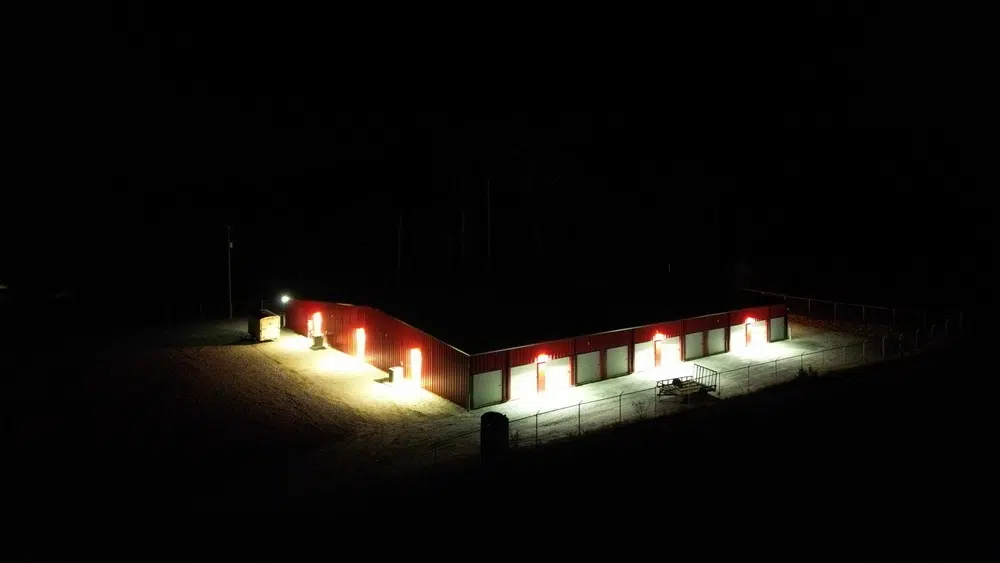
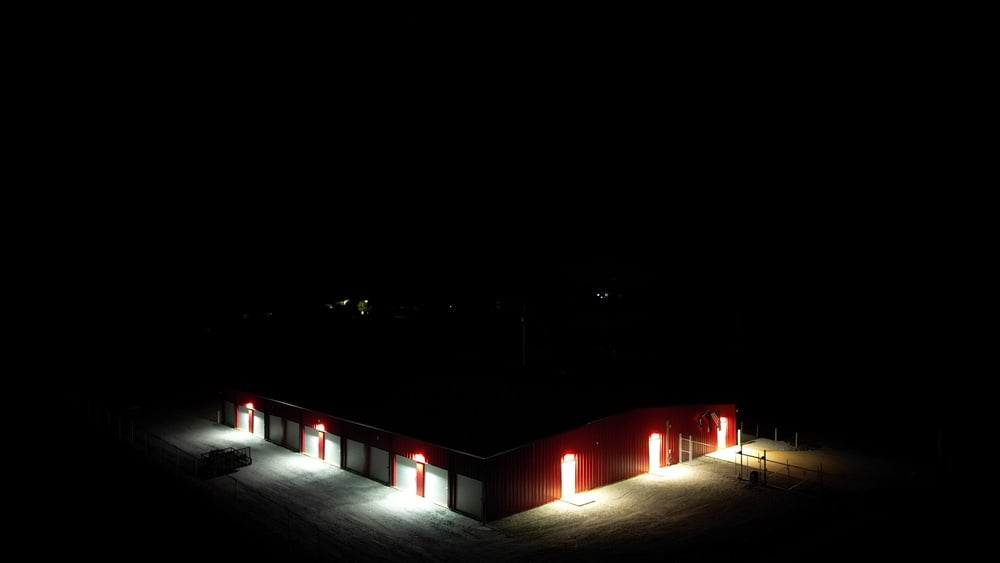
Case Study: Outdoor Wall Pack Perimeter Security Lighting in Hartwell, GA
|
After: 12 / 18 / 24 / 30 Watt Adjustable Full Cutoff Architectural LED Wall Pack |
After: 12 / 18 / 24 / 30 Watt Adjustable Full Cutoff Architectural LED Wall Pack |
 |
 |
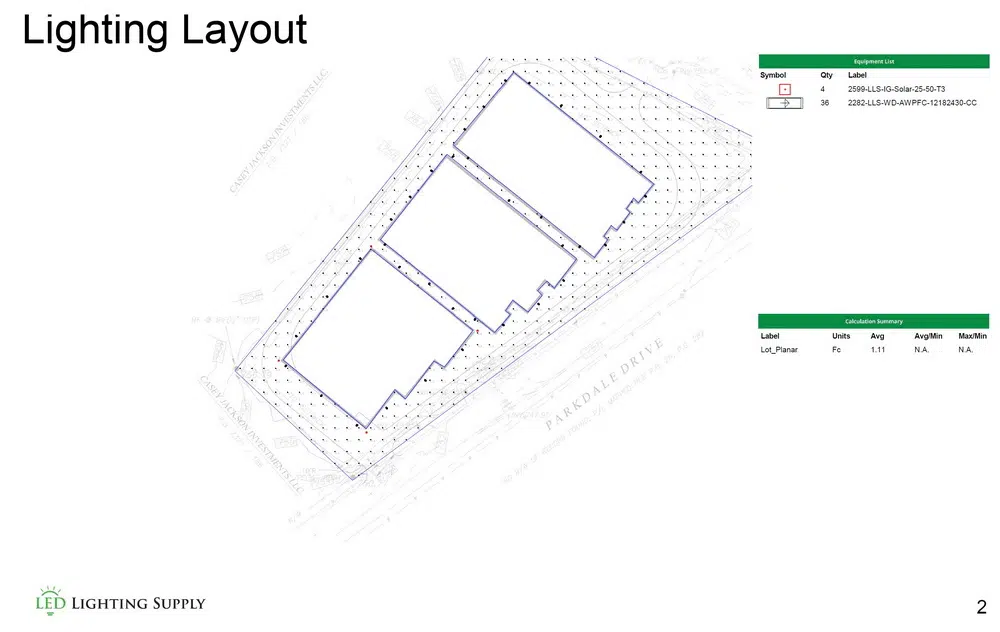
Lighting Plan We Created for the Customer
|
Lighting Plan |
Heat Map |
 |
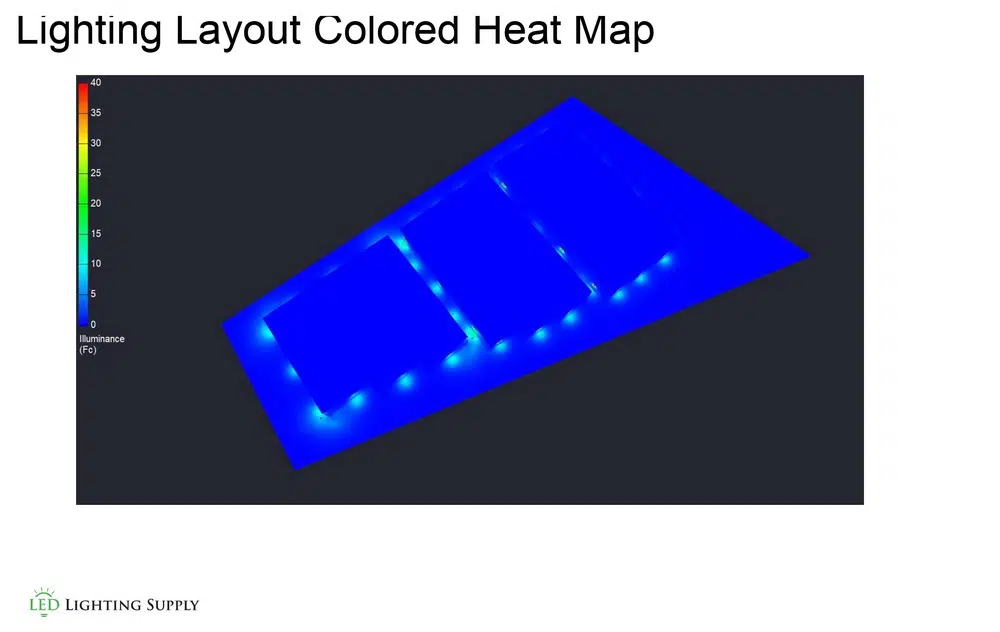 |
Outdoor Wall Pack Security Lighting Installation Plan Metrics
- Mounting height: 9 ft
- Fixture Used: LLS-WD-AWPFC-12/18/24/30-CC-PC: 12 / 18 / 24 / 30 Watt Adjustable Full Cutoff Architectural LED Wall Pack | 1584 to 3960 Lumens | 3000K / 4000K / 5000K Adjustable | 100-277V | Built-In Photocell
- FC achieved: 1.11 average
- Uniformity (Avg/Min): N/A
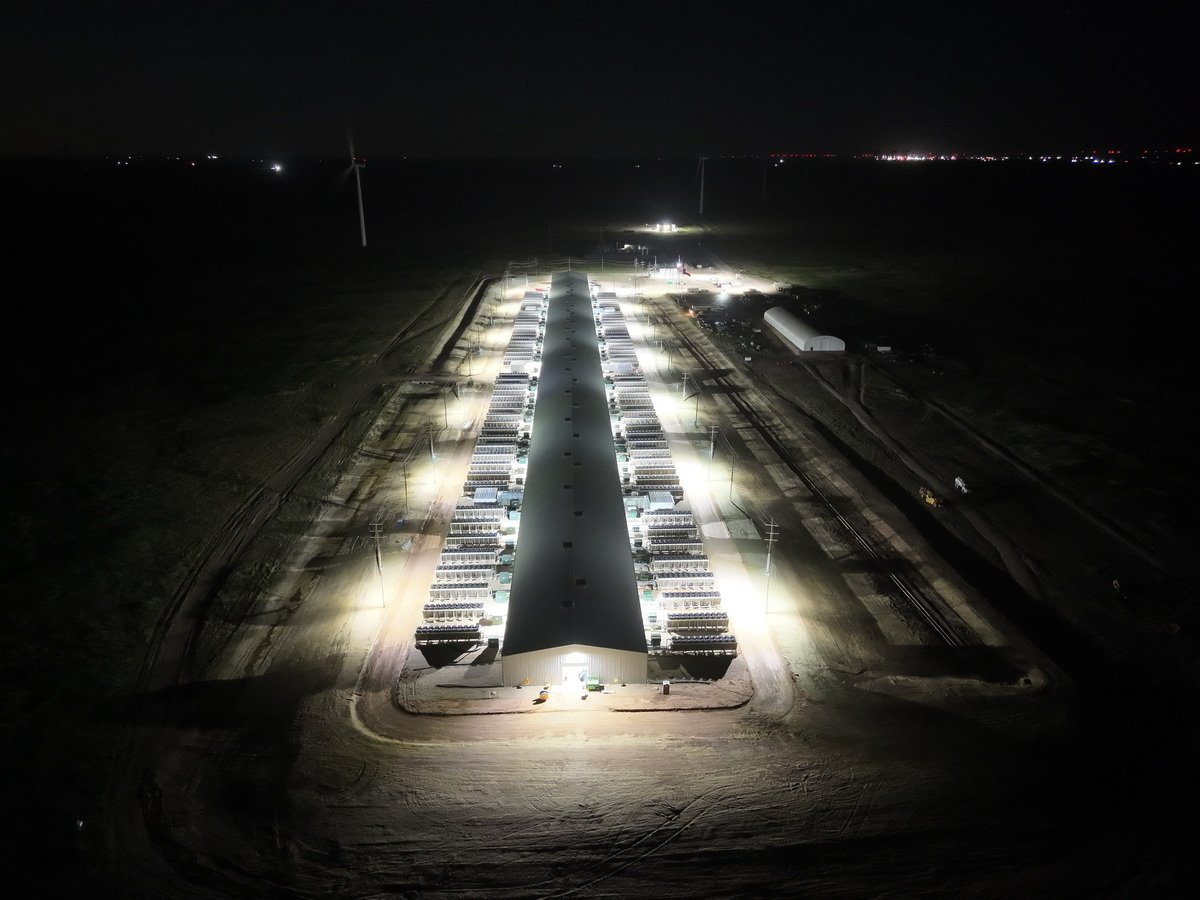
Case Study: Addition of LED Security Lighting to a Data Center in Wildorado, TX
| After: 150 Watt and 310 Watt LED Shoebox Lights | 23350 and 47430 Lumens |
 |
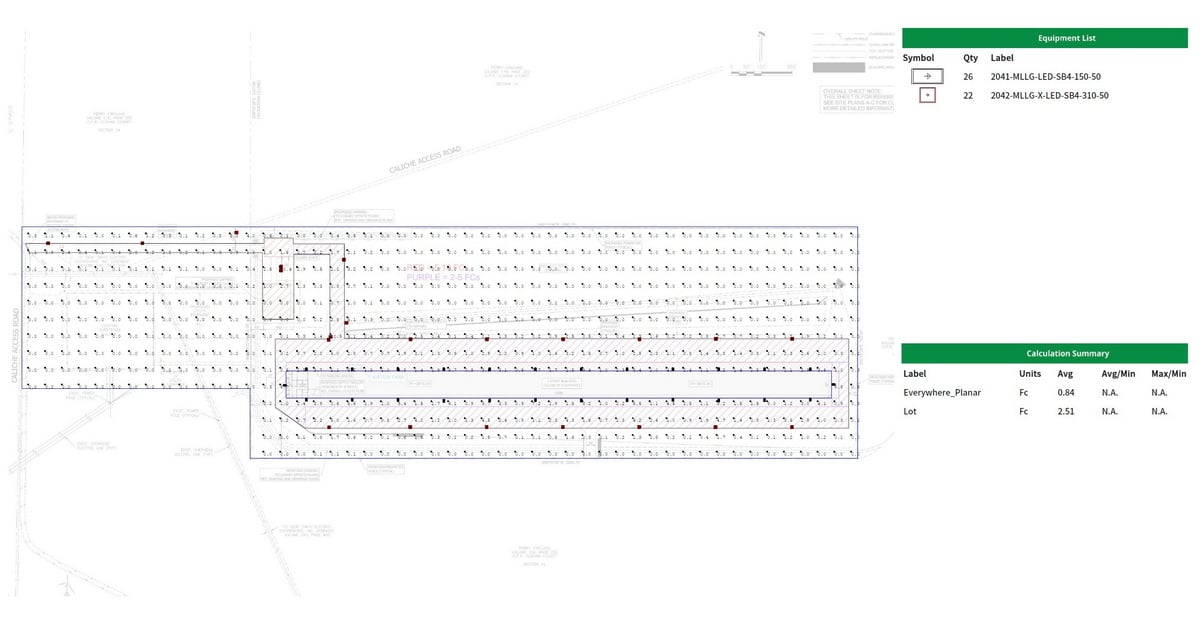
Lighting Plan We Created for the Customer
|
Lighting Plan |
Heat Map |
 |
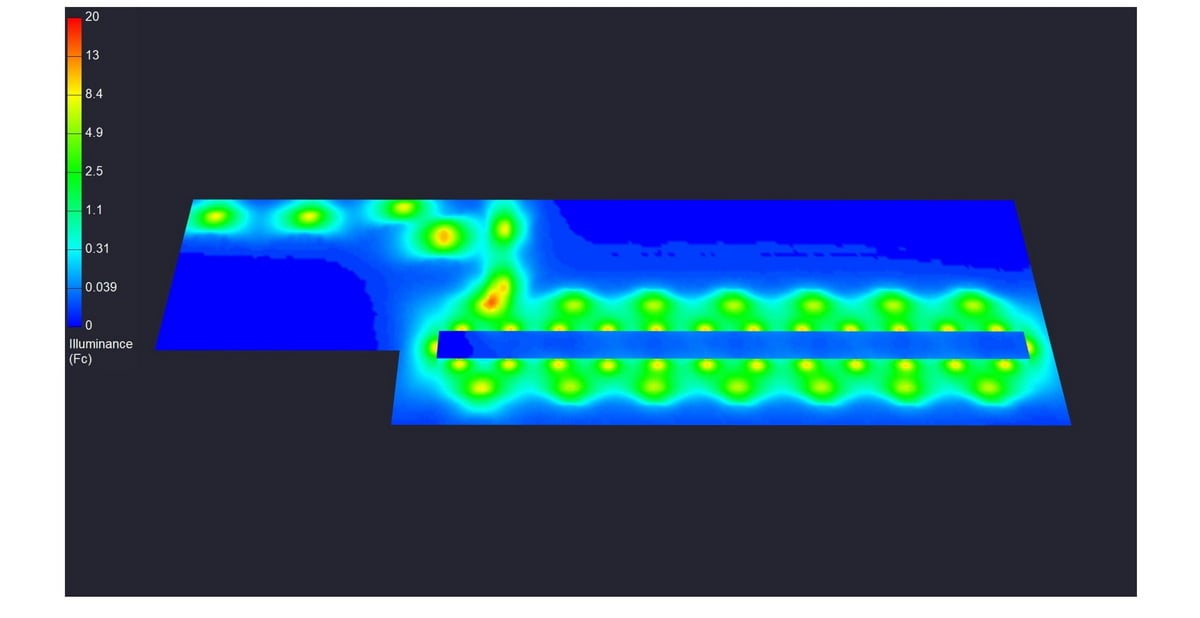 |
Data Center Outdoor Lighting Installation Plan Metrics
- Mounting height: 18 ft (150 Watt) and 30 ft (310 Watt) ft
- Fixtures Used: LLS-X-SB4-150/120/100/80-CC-[V]: 80 / 100 / 120 / 150 Watt Adjustable LED Shoebox | 12240 to 22950 Lumens | 3000K / 4000K / 5000K | 100-277V or 277-480V
- Fixtures Used: LLS-X-SB4-310/280/260/240-CC-[V]: 240 / 260 / 280 / 310 Watt Adjustable LED Shoebox | 36720 to 47430 Lumens | 3000K / 4000K / 5000K | 100-277V or 277-480V
- FC achieved: 2.51 FC average
Perimeter Lighting Certifications, Rebates, and Warranty Support
Selected LED perimeter security lights from LED Lighting Supply carry safety certifications or listings such as UL, ETL, or CSA, depending on product and application. Many models may also be DLC or DLC Premium listed for utility rebate support where available. DLC qualification is an efficiency and performance designation, not an electrical safety certification. Rebate requirements vary by utility, region, and product listing, so confirm eligibility on the selected product specification before ordering.
Warranty terms vary by product, with many models offering a 5-year warranty. Confirm the exact warranty, voltage, surge protection, mounting method, controls compatibility, environmental exposure, and suitability for the site layout before purchase.
Request a perimeter security lighting plan and our Product Specialists can help review property dimensions, mounting height, pole spacing, fixture optics, foot-candle targets, camera locations, controls, voltage, light trespass, and product specifications for your LED perimeter lighting project.
LED Commercial Perimeter Security Lighting FAQs
How Should I Choose A Fixture Type For Perimeter Security Lighting?
Choose the fixture type based on mounting location, coverage area, light distribution, glare control, camera needs, and whether the fixture mounts on a wall, pole, canopy, mast, or remote structure. Wall packs suit building edges and service doors, shoebox lights suit parking edges and drive lanes, flood lights provide directional coverage, and high mast lights serve large yards or secure facilities requiring broad coverage.
When Is A Photometric Plan Recommended For Perimeter Lighting?
A photometric plan is recommended for large sites, fence-line projects, truck courts, industrial yards, security-sensitive perimeters, parking areas, camera zones, and projects where fixture count, pole spacing, uniformity, glare, spill light, or property-line impact must be confirmed before ordering.
Why Should Perimeter Fixtures Not Be Selected By Wattage Alone?
Perimeter fixtures should not be selected by wattage alone because the right fixture also depends on the protected area, mounting height, pole spacing, beam distribution, glare control, light trespass limits, camera coverage, voltage, controls, and local requirements. Compare lumen output, optic distribution, mounting height, pole spacing, target foot-candles, and site layout instead of relying only on watts.
How Can Perimeter Lighting Support Security Cameras?
Perimeter lighting can support security cameras by providing usable illumination with fewer dark zones, harsh shadows, or glare into camera lenses. Confirm camera locations, lens direction, vertical illumination, shadows, glare into the camera, and whether motion-triggered lighting affects image quality.
What Should Be Reviewed To Control Glare And Light Trespass?
Review fixture aiming, shielding, cutoff, mounting angle, fixture placement, property lines, nearby residences, windows, roads, and local ordinances to control glare and light trespass. Controlled flood lights, asymmetric optics, area lights, and properly aimed fixtures can help reduce dark gaps without creating excessive spill light.
Can Solar Security Lights Be Used In Remote Perimeter Areas?
Solar LED security lights can be used for remote gates, isolated fence sections, storage yards, and areas where trenching power is impractical. Confirm solar exposure, battery autonomy, battery sizing, operating schedule, and required light level before ordering.
What Should Be Confirmed For Long Perimeter Wire Runs?
For long perimeter wire runs, confirm site voltage, driver input range, wire distance, voltage drop, control wiring, and conductor sizing. Long wire runs should be reviewed before ordering because voltage drop, conductor sizing, control wiring, and driver compatibility can affect the project.
When Are Standard Perimeter Fixtures Not The Right Choice?
Standard perimeter fixtures are not the right choice when hazardous-location requirements or special ratings for corrosive, marine, high-vibration, high-wind, or high-temperature areas apply. Mounting limitations, voltage drop, glare, light trespass, and local ordinances should also be reviewed before selecting a standard perimeter fixture.