LED Architectural Linear Lighting
- Suspended, surface-mounted, and recessed options available
- Direct, indirect, or direct/indirect distribution depending on model
- Dimming and controls compatibility varies by fixture
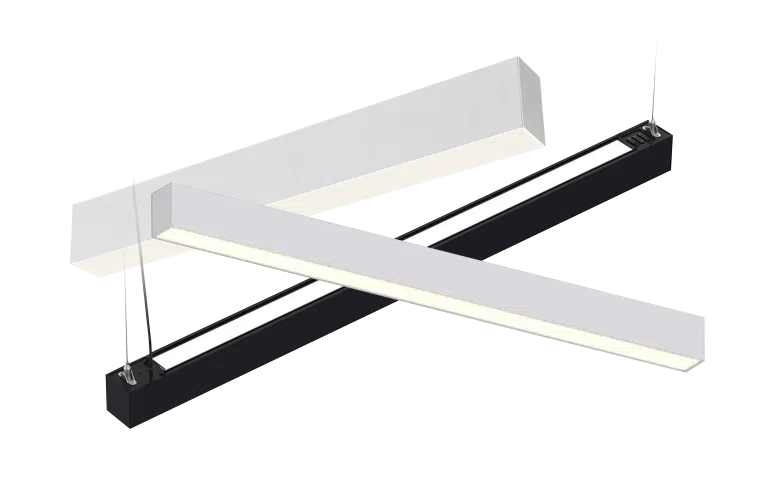



Our Architectural Linear LED Lighting includes suspended, surface-mounted, recessed, and continuous-row fixtures for commercial interiors. Available models vary by fixture length, direct, indirect, or direct/indirect distribution, diffuser style, color temperature, voltage, dimming, and controls.
These fixtures are commonly used in offices, conference rooms, corridors, classrooms, training rooms, retail spaces, showrooms, lobbies, and collaborative work areas.
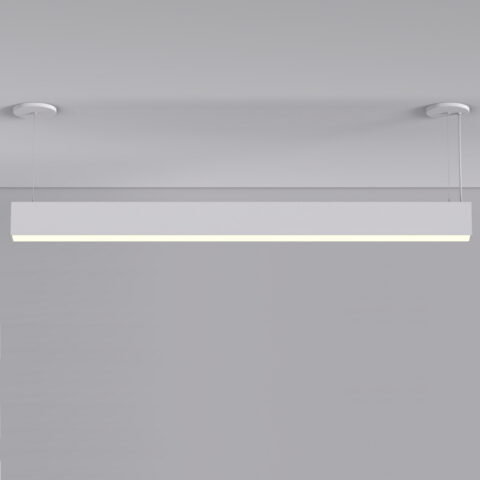


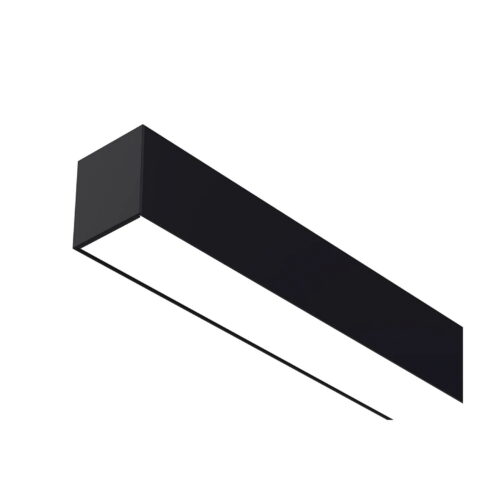

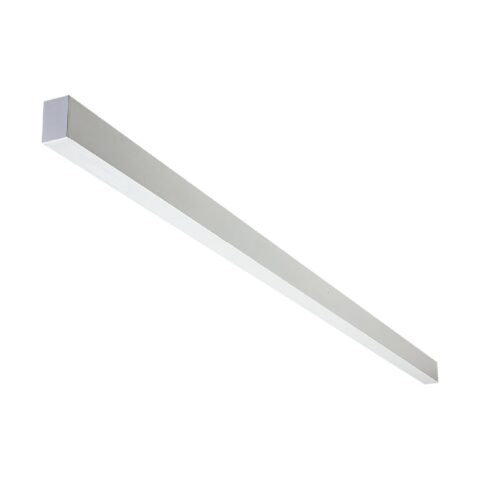
Architectural Linear LED Lighting for Commercial Interiors
Architectural linear LED lighting provides a clean, modern line of light for commercial interiors. These fixtures are commonly used in offices, conference rooms, corridors, classrooms, retail spaces, lobbies, and collaborative work areas where both appearance and light quality matter.
Unlike basic strip lights or utility fixtures, architectural linear lights are selected for how they look in the space as well as how they perform. They may be suspended, surface mounted, recessed, or installed in continuous rows depending on the ceiling type, room layout, and design intent. The right fixture depends on mounting method, fixture length, light distribution, glare control, color temperature, dimming, voltage, controls, and product-specific options.
Selection and Installation Note: Product specifications, wattage, lumen output, fixture length, direct or indirect distribution, color temperature, dimming, controls, voltage, mounting hardware, suspension kit, diffuser style, certifications, and warranty coverage vary by model. Confirm the selected product specification before ordering. For commercial interiors, electrical upgrades, suspended fixtures, ceiling-mounted fixtures, code-sensitive applications, or safety-critical spaces, verify requirements with your local inspector or a licensed electrical professional.
How to Choose Architectural Linear LED Lights
Start with the ceiling and room layout, then choose the mounting method, fixture length, and whether individual fixtures or continuous rows are needed. Next, confirm the light distribution and diffuser style for visual comfort, followed by color temperature, dimming, controls, and voltage compatibility. Architectural linear lighting should be selected by layout and visual comfort, not wattage alone.
| Selection Factor | What to Review |
|---|---|
| Fixture length | Confirm available lengths and whether individual fixtures or continuous rows are needed. |
| Mounting method | Review suspended, surface-mounted, recessed, or continuous mounting options. |
| Light distribution | Confirm direct, indirect, or direct / indirect output depending on the room and ceiling conditions. |
| Diffuser style | Review lens or diffuser options for glare control, softness, and appearance. |
| Color temperature | 3000K may create a warmer appearance. 4000K is common for offices and general commercial interiors. 5000K may be preferred for task-focused areas. |
| Dimming and controls | Confirm 0-10V dimming, switching zones, occupancy sensors, daylight controls, or building-control compatibility where needed. |
| Ceiling and room layout | Review ceiling height, beams, ductwork, sprinklers, furniture layout, and row spacing before ordering. |
| Voltage | Confirm driver compatibility with the building electrical system. |
Where Architectural Linear Lights Are Used
Architectural linear fixtures are most useful when the lighting should feel integrated with the ceiling or interior design. They can provide general lighting, task support, visual continuity, or a more refined appearance than standard commercial fixtures.
| Application | Why Linear Lighting Works |
|---|---|
| Open offices | Suspended or continuous linear rows can provide clean, even illumination across desks and circulation areas. |
| Conference rooms | Dimmable linear fixtures can support meetings, presentations, and video calls when properly selected and controlled. |
| Corridors | Linear fixtures can reinforce wayfinding and create a clean visual path through the building. |
| Classrooms and training rooms | Uniform linear lighting can support reading, writing, presentation areas, and flexible room layouts. |
| Retail and showroom spaces | Linear fixtures can create a modern ceiling appearance while supporting merchandise, displays, and customer circulation. |
| Lobbies and public interiors | Architectural linear lighting can help define the space while maintaining a finished commercial appearance. |
Suspended, Surface-Mounted, and Recessed Linear Fixtures
The mounting style should match the ceiling type and the look you want to create. Suspended fixtures are common in open ceilings and modern office interiors. Surface-mounted fixtures work where suspension is not desired or where ceiling conditions limit recessed installation. Recessed linear fixtures create a cleaner integrated look but require compatible ceiling construction.
| Mounting Style | Best Used When |
|---|---|
| Suspended linear lighting | The ceiling is open, tall, or part of the design. Cable suspension allows the fixture to sit lower in the space. |
| Surface-mounted linear lighting | The fixture needs to mount directly to drywall, concrete, or another finished surface. |
| Recessed linear lighting | The goal is a clean built-in appearance and the ceiling system can support recessed installation. |
| Continuous row lighting | The design calls for long, uninterrupted light lines across offices, corridors, classrooms, or retail areas. |
Direct, Indirect, and Direct / Indirect Linear Lighting
Linear LED fixtures may provide light downward, upward, or both depending on the model. The distribution affects visual comfort, ceiling brightness, glare, and how the space feels.
- Direct linear lighting sends light downward toward desks, floors, tables, and circulation areas.
- Indirect linear lighting sends light upward toward the ceiling, creating softer reflected illumination.
- Direct / indirect linear lighting combines downward task support with upward ambient light for a more balanced appearance.
For offices and conference rooms, direct / indirect fixtures may help reduce contrast and soften the appearance of the room. For corridors, retail spaces, or task-focused areas, direct distribution may be more appropriate. Confirm the light distribution and diffuser style on the selected product specification.
Linear Lighting for Offices and Conference Rooms
Architectural linear lighting is common in offices because it can provide a modern appearance while supporting work areas, circulation, and collaboration spaces. Suspended direct / indirect fixtures can help brighten the ceiling plane and reduce harsh contrast in open office layouts.
Conference rooms may need dimming so the lighting can support meetings, presentations, screen use, and video calls. Confirm dimming compatibility, glare control, fixture placement, and control zoning before ordering. For rooms with cameras or displays, review flicker performance, lens style, and how the fixtures will appear on screen.
Color Temperature and Brightness Control
Some architectural linear fixtures may include selectable wattage or selectable color temperature, depending on model. These options can be useful when the space may need adjustment after installation, but they should still be verified on the selected fixture specification.
For many commercial interiors, 4000K provides a neutral appearance. Warmer 3000K may be used in hospitality, lobby, or comfort-focused spaces. Cooler 5000K may be used in task-oriented areas where a brighter appearance is preferred. When possible, keep color temperature consistent across connected areas so the space does not look mismatched.
Controls and Smart Building Compatibility
Controls vary by fixture and driver. Architectural linear lights may support dimming, occupancy sensors, daylight harvesting, time schedules, or building-control systems depending on the model and control package.
Before ordering, confirm the dimming type, control voltage, sensor compatibility, wiring requirements, and whether the fixture will be controlled individually, by row, or by room zone. Do not assume every linear fixture works with every dimmer or control system.
Installation and Layout Considerations
Architectural linear lighting should be installed by a licensed electrician. Suspended fixtures require proper support, clean cable management, and careful alignment. Continuous rows require attention to joining, spacing, power feed locations, and end caps so the finished installation looks intentional.
Before installation, review ceiling structure, mounting points, power locations, row alignment, room layout, sprinkler locations, HVAC interference, and maintenance access. For recessed linear fixtures, confirm the ceiling system can support the fixture dimensions and installation method.
Certifications, Rebates, and Warranty Support
Architectural linear LED fixtures from LED Lighting Supply carry safety listings such as UL, ETL, or CSA, depending on the product. Many models are DLC or DLC Premium listed for utility rebate support where available. Rebate requirements vary by utility, region, and product listing, so confirm eligibility on the selected product specification before ordering.
Most architectural linear LED fixtures include a 5-year warranty unless otherwise specified, with USA-based warranty support. Before purchase, confirm certifications, DLC status, voltage, dimming compatibility, controls compatibility, suspension method, fixture length, mounting conditions, and whether the fixture is right for the project.
Common Architectural Linear Lighting Mistakes
- Choosing by wattage alone: Fixture length, distribution, diffuser style, and mounting height affect the result as much as wattage.
- Ignoring glare: Linear fixtures can create visual discomfort if they are too bright, mounted too low, or poorly diffused.
- Skipping control compatibility: Dimmers, drivers, sensors, and building-control systems must be compatible with the selected fixture.
- Using inconsistent color temperatures: Mixed CCT across connected rows or adjacent rooms can make the installation look uneven.
- Not planning row alignment: Suspended and continuous rows need clean alignment, consistent spacing, and well-planned power feeds.
- Forgetting ceiling conflicts: HVAC, sprinklers, beams, speakers, and ceiling grids can interfere with fixture placement.
- Assuming every fixture supports continuous rows: Verify joiners, end caps, power feeds, and mounting hardware before ordering.
- Not confirming emergency requirements: Some rooms may need emergency lighting or battery backup depending on local requirements and project scope.
Contact us about architectural linear lighting, and our Product Specialists can help review fixture length, mounting style, direct or indirect distribution, diffuser style, color temperature, dimming, controls, voltage, and product specifications.
LED Architectural Linear Lighting FAQs
How Do I Choose Between Suspended, Surface-Mounted, And Recessed Linear Lighting?
Choose the mounting style based on ceiling type and the intended appearance. Suspended fixtures are common in open or tall ceilings, surface-mounted fixtures mount directly to finished surfaces, and recessed fixtures create a built-in look when the ceiling system supports recessed installation.
Should I Choose Direct, Indirect, Or Direct / Indirect Linear Lighting?
Choose the light distribution based on the room and desired visual effect. Direct fixtures send light downward, indirect fixtures send light upward toward the ceiling, and direct / indirect fixtures combine downward task support with upward ambient light.
What Should I Review Before Ordering Architectural Linear LED Lights?
Review fixture length, mounting method, light distribution, diffuser style, color temperature, dimming, controls, voltage, ceiling conditions, room layout, and row spacing before ordering. Product specifications, mounting hardware, suspension kits, controls, and other options vary by model.
What Should Be Considered When Planning Continuous Linear Lighting Rows?
Continuous linear lighting rows require planning for joining, spacing, power feed locations, end caps, row alignment, and ceiling conflicts. Confirm that the selected fixture supports continuous rows and verify joiners, power feeds, end caps, and mounting hardware before ordering.
Can Architectural Linear Lighting Be Used In Offices And Conference Rooms?
Architectural linear lighting is commonly used in offices and conference rooms where appearance and light quality matter. In conference rooms, confirm dimming compatibility, glare control, fixture placement, and control zoning, and review flicker performance and lens style for rooms with cameras or displays.
How Should I Select Color Temperature For Commercial Interiors?
For many commercial interiors, 4000K provides a neutral appearance, while 3000K may be used in hospitality, lobby, or comfort-focused spaces and 5000K may be used in task-oriented areas where a brighter appearance is preferred. Keep color temperature consistent across connected areas when possible to avoid a mismatched appearance.
What Controls Can Architectural Linear LED Fixtures Support?
Architectural linear LED fixtures may support dimming, occupancy sensors, daylight harvesting, time schedules, or building-control systems depending on the model and control package. Confirm dimming type, control voltage, sensor compatibility, wiring requirements, and whether control will be individual, by row, or by room zone.
What Certifications And Warranty Coverage Are Available?
Architectural linear LED fixtures from LED Lighting Supply carry UL, ETL, or CSA safety listings depending on the product, and many models are DLC or DLC Premium listed for utility rebate support where available. Most fixtures include a 5-year warranty unless otherwise specified, but confirm certifications, DLC status, and warranty coverage on the selected product specification.