LED Architectural Interior Lights
- Options for offices, lobbies, corridors, and public interiors
- Linear, recessed, suspended, and wall-mount styles available
- Selection support for mounting, controls, and distribution needs


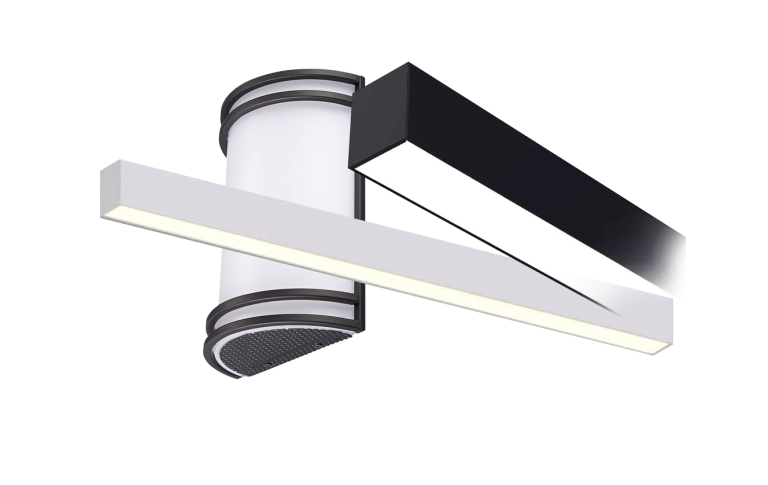

Our Architectural Interior LED Lights for Commercial Spaces include architectural linear lights, recessed downlights, wall sconces, flat panels, suspended fixtures, and indirect lighting systems. Available models vary by lumen output, wattage, color temperature, dimming, controls, voltage, mounting method, finish, lens type, and beam angle.
These fixtures are commonly used in offices, lobbies, corridors, retail stores, schools, hospitality spaces, conference rooms, auditoriums, apartment common areas, reception areas, and other public-facing interiors.
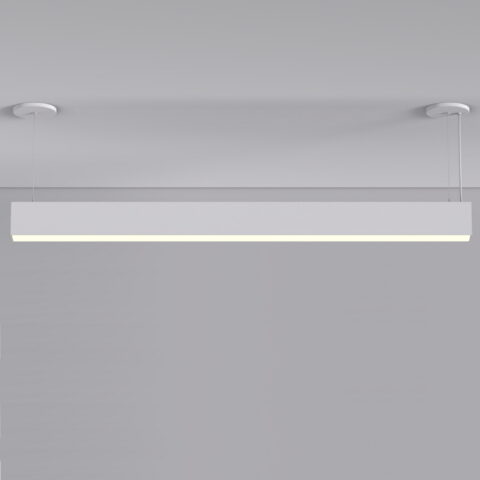


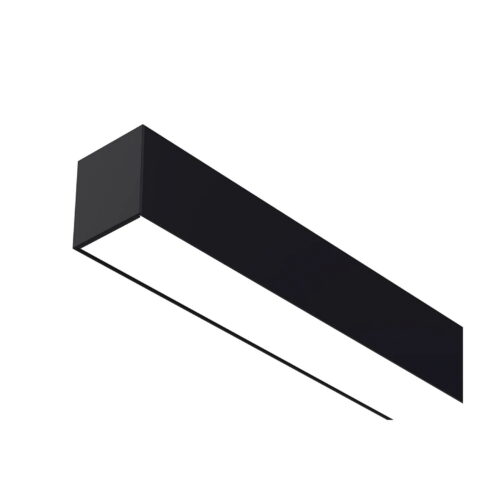

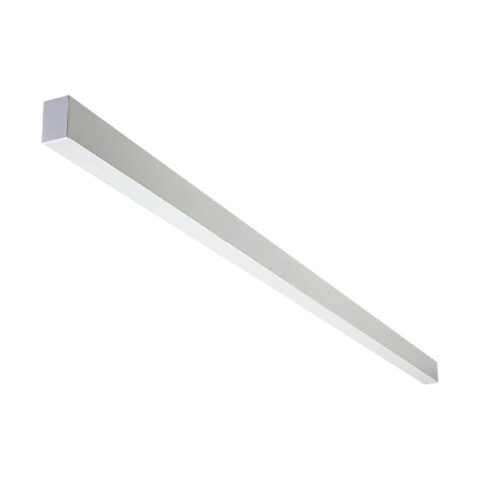
Architectural interior lights combine practical illumination with a clean, finished appearance for commercial spaces. These fixtures are selected to support the room design, provide comfortable visibility for occupants and tasks, complement ceiling and wall details, and deliver appropriate light levels where they are needed.
Architectural lighting selection involves more than fixture appearance. Light distribution, glare control, mounting conditions, controls, finish, and photometric performance should be considered together for the specific room and layout.
Selection Note: Product specifications, lumen output, wattage, color temperature, dimming, controls, voltage, mounting method, finish, lens type, beam angle, certifications, and warranty coverage vary by model. Confirm the exact product specifications and installation requirements before ordering.
Choosing Architectural Lighting for Interior Spaces
Start with the room’s lighting purpose, layout, and ceiling and architectural conditions. Then choose a fixture type that provides the required distribution, glare control, mounting method, controls, and finished appearance. Linear fixtures, recessed lights, panels, suspended fixtures, wall sconces, and indirect systems each support different room layouts and design goals.
| Fixture Type | Best Used For |
|---|---|
| Architectural Linear Lights | Offices, corridors, conference rooms, retail spaces, and modern interiors that need continuous or evenly spaced lines of light. |
| Recessed Downlights | Clean ceiling layouts in lobbies, offices, corridors, hospitality areas, and commercial common spaces. |
| Architectural Wall Sconces | Corridors, stair areas, entrances, hotel spaces, apartment common areas, and decorative wall lighting. |
| LED Flat Panels and Troffers | Offices, classrooms, meeting rooms, healthcare spaces, and interiors that need broad, even general lighting. |
| Suspended and Pendant Fixtures | Reception areas, conference rooms, lounges, dining areas, and other locations where the fixture contributes to the interior design. |
| Indirect Lighting | Offices, hospitality spaces, lobbies, and interiors where softer ambient light and reduced direct glare are preferred. |
Match the Fixture to the Room
Interior architectural lighting should be selected for both performance and appearance. A fixture may provide enough lumens but still be a poor choice if it creates glare, conflicts with the ceiling, does not support the required controls, or looks out of place in the finished room.
| Interior Application | Common Lighting Approach |
|---|---|
| Offices and Conference Rooms | Linear fixtures, panels, recessed lights, and indirect systems selected for low glare, even illumination, dimming, and comfortable screen use. |
| Lobbies and Reception Areas | Suspended linear lights, decorative pendants, downlights, and wall sconces that provide general lighting while supporting the design of the space. |
| Corridors and Common Areas | Linear fixtures, recessed downlights, sconces, and controls that provide consistent light without excessive brightness or dark transitions. |
| Retail and Showroom Spaces | General ambient lighting combined with directional or accent lighting for products, displays, walls, and customer circulation. |
| Auditoriums and Assembly Areas | Dimmable fixtures, aisle and wall lighting, recessed lighting, and controlled ambient illumination suited to presentations, performances, and audience visibility. |
| Schools and Public Buildings | Panels, linear lights, downlights, and wall fixtures selected for durability, visual comfort, controls, maintenance access, and room use. |
What to Review Before Selecting Interior Architectural Lights
| Selection Factor | What to Confirm |
|---|---|
| Lighting purpose | Determine whether the fixture will provide general illumination, task lighting, accent lighting, wall lighting, or decorative emphasis. |
| Mounting method | Confirm compatibility with recessed, suspended, surface-mounted, wall-mounted, track-mounted, or indirect installation. |
| Ceiling height and construction | Review ceiling type, mounting access, suspension height, fixture visibility, available space above the ceiling, and manufacturer mounting requirements. |
| Light distribution | Consider beam spread, diffuser design, fixture spacing, wall illumination, work surfaces, and transitions between adjoining rooms. |
| Glare control | Review lens brightness, shielding, mounting height, fixture position, and occupant sightlines, especially in offices and public-facing spaces. |
| Color temperature | Choose a color temperature that works with the room finishes, furnishings, intended atmosphere, and lighting in connected spaces. |
| Dimming and controls | Confirm compatibility with switching, 0-10V dimming, occupancy sensors, daylight controls, and building automation. Review emergency-lighting provisions separately where required. |
| Finish and appearance | Confirm fixture profile, housing color, trim, diffuser, visible hardware, and how the fixture fits the surrounding architecture. |
| Electrical requirements | Verify voltage, driver compatibility, applicable emergency-lighting requirements, circuit capacity, and control wiring before installation. |
Lighting Quality and Visual Comfort
Interior architectural lighting should provide usable illumination without creating distracting bright spots, harsh contrast, or uncomfortable glare. Fixture spacing, diffuser design, mounting height, ceiling reflectance, wall color, furnishings, and room layout all affect the finished result.
Color temperature should remain consistent across connected spaces unless a deliberate transition is part of the design. Warmer light is often used in hospitality, lounge, and residential-style interiors, while neutral light is common in offices, schools, retail stores, and public areas. Available color temperatures and selectable CCT options vary by fixture.
For general commercial ceiling applications that do not require a decorative or architectural fixture, review our broader selection of commercial ceiling lights.
Coordinate Architectural Lighting Before Ordering
Architectural fixtures are often visible design elements, so early coordination can prevent installation delays, mismatched finishes, and uneven lighting. Review fixture drawings, dimensions, photometric information, control requirements, and installation instructions together before finalizing an order.
| Coordination Item | Why It Matters |
|---|---|
| Fixture layout and photometrics | Lumen output alone does not determine illuminance or uniformity. Use fixture-specific photometric data to evaluate spacing, work-plane light levels, wall illumination, and potential glare. |
| Ceiling and mounting details | Confirm ceiling-grid compatibility, recess depth, junction-box locations, suspension points, support requirements, and access above the ceiling before installation. |
| Continuous-run fixtures | For linear systems, verify run lengths, corners, joins, feed locations, end caps, suspension locations, and whether rows are factory-built or field-configured. |
| Controls and dimming zones | Coordinate drivers, dimmers, sensors, switches, control protocols, and zoning so the installed system performs as intended. |
| Finish and CCT consistency | Confirm the specified housing finish, lens style, and color temperature across fixtures that will be viewed together. Verify whether selected models use fixed or selectable CCT. |
| Maintenance and replacement planning | Consider access to drivers, lenses, mounting hardware, and controls. For larger projects, document exact model numbers and configured options for future replacement needs. |
Need Help Choosing Architectural Interior Lights?
Contact us about architectural interior lighting, and our Product Specialists can help review the room type, ceiling height, mounting method, fixture style, light distribution, color temperature, dimming, controls, voltage, and product specifications for your project.
LED Architectural Interior Lights FAQs
How Should I Choose Architectural Interior Lights For A Commercial Space?
Choose architectural interior lights based on the room's lighting purpose, mounting method, ceiling conditions, light distribution, glare control, color temperature, controls, electrical requirements, and finished appearance. A fixture should support both the required illumination and the design of the room.
Which Architectural Fixture Types Work For Offices And Conference Rooms?
Offices and conference rooms commonly use linear fixtures, flat panels, recessed lights, and indirect lighting systems selected for low glare, even illumination, dimming, and comfortable screen use. Architectural linear lights are also used where continuous or evenly spaced lines of light are needed.
How Can I Reduce Glare With Interior Architectural Lighting?
Review lens brightness, shielding, mounting height, fixture position, and occupant sightlines to address glare, especially in offices and public-facing spaces. Fixture spacing, diffuser design, ceiling reflectance, wall color, furnishings, and room layout also affect visual comfort.
What Should I Confirm Before Choosing A Recessed, Suspended, Or Wall-Mounted Fixture?
Confirm that the fixture is compatible with the intended recessed, suspended, surface-mounted, wall-mounted, track-mounted, or indirect installation. Also review ceiling type, mounting access, suspension height, fixture visibility, and available space above the ceiling.
How Should Color Temperature Be Selected For Connected Interior Spaces?
Color temperature should remain consistent across connected spaces unless a deliberate transition is part of the design. Choose a color temperature that works with room finishes, furnishings, intended atmosphere, and lighting in connected spaces; available color temperatures and selectable CCT options vary by fixture.
What Controls Should Be Verified Before Ordering Architectural Interior Lights?
Confirm compatibility with switching, 0-10V dimming, occupancy sensors, daylight controls, emergency systems, or building automation as required for the project. The fixture driver, dimmer, sensor, and building-control system must be compatible.
What Should Be Checked Before Ordering Architectural Interior Lighting?
Confirm the exact product specifications and installation requirements before ordering because lumen output, wattage, color temperature, dimming, controls, voltage, mounting method, finish, lens type, beam angle, certifications, and warranty coverage vary by model. Verify voltage, driver compatibility, emergency-lighting requirements, circuit capacity, and control wiring before installation.