LED Stadium Lights
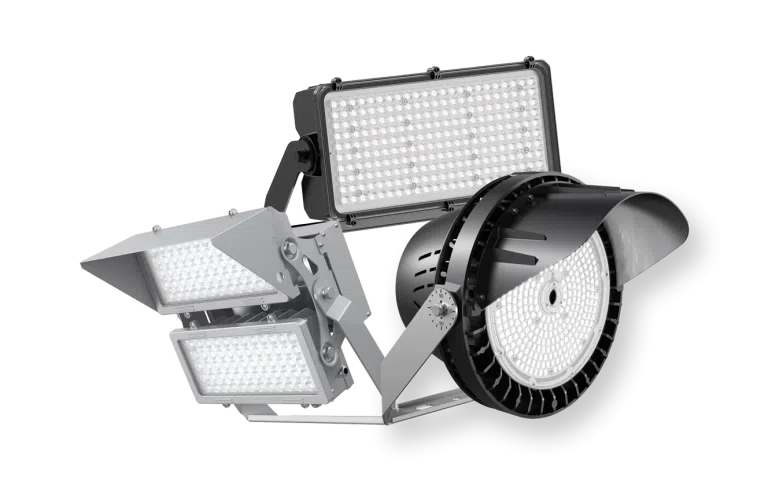
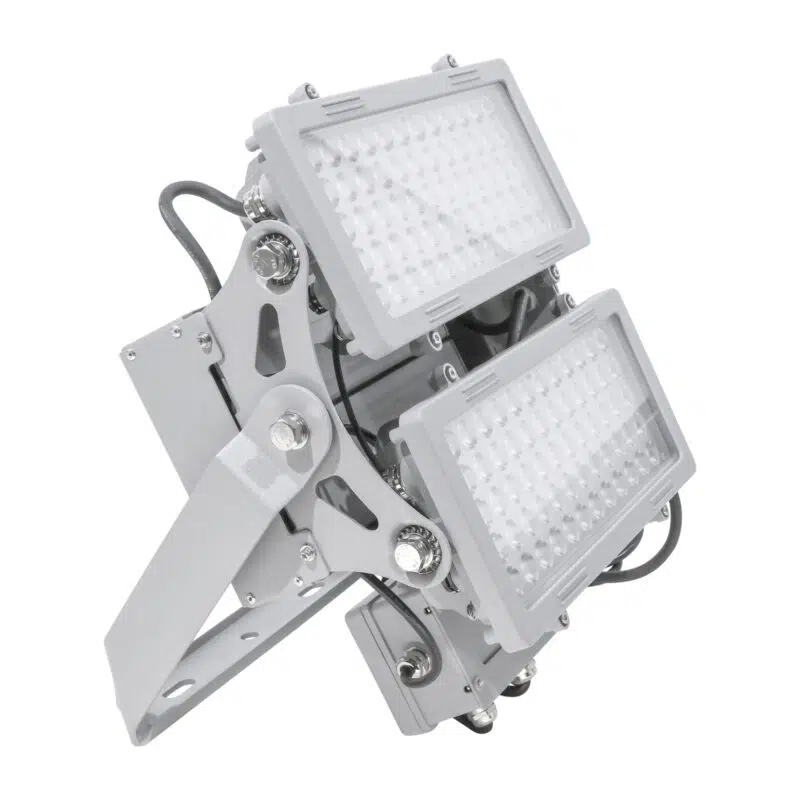
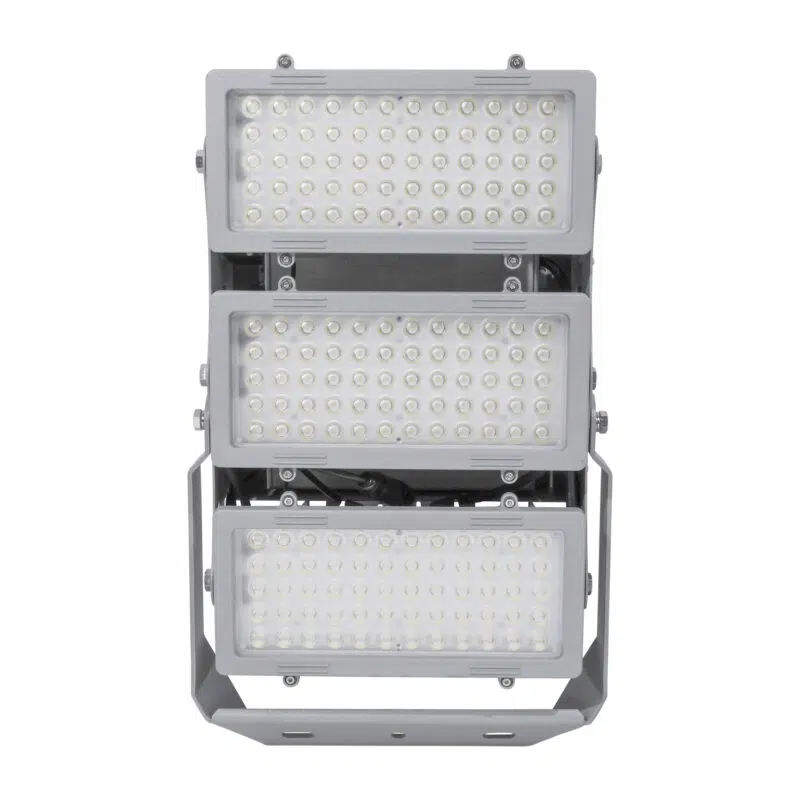
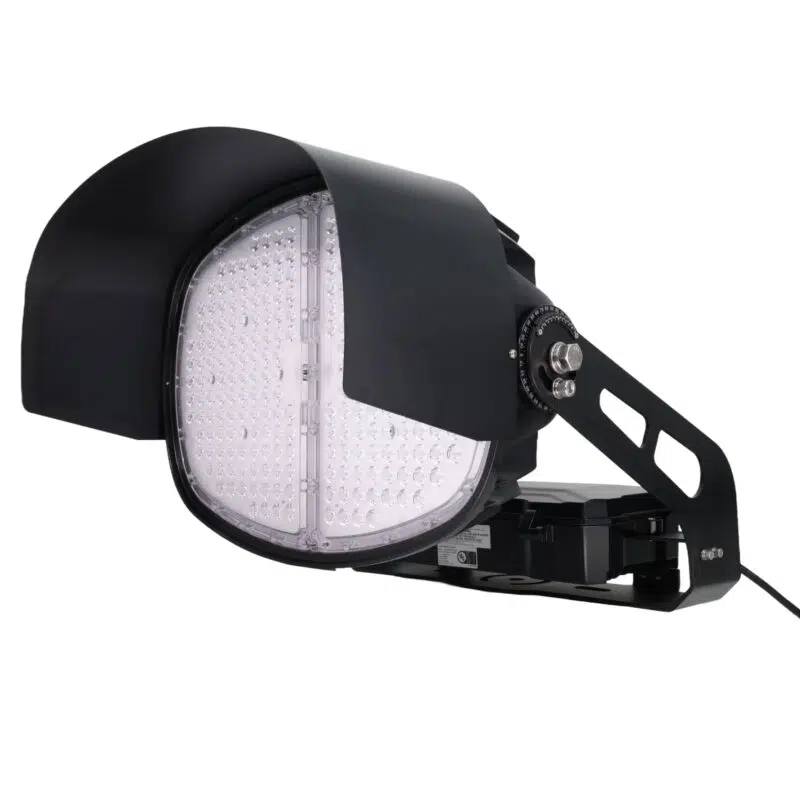
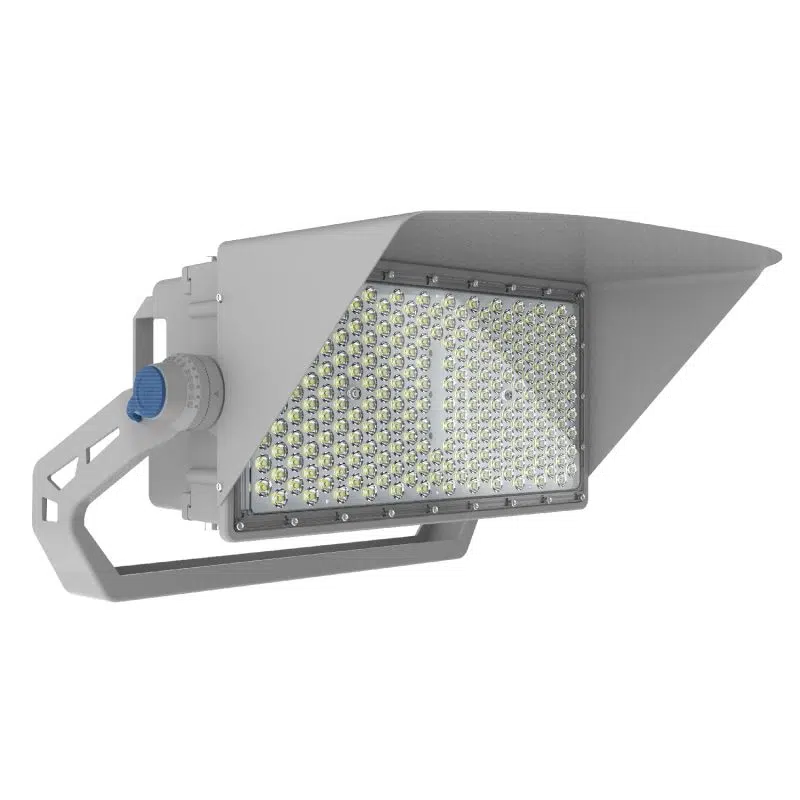
- High-output fixtures designed for sports fields and large venues
- Multiple optical distributions available for different throw distances
- Photometric planning support for fixture selection and aiming


Get Your Custom Lighting Plan With Product Recommendations
- Layout planned for pole height, setback, aiming, and field coverage to help achieve target foot-candles and uniformity
- Fixture count, optical distributions, and output matched to sport, field geometry, and vertical illumination requirements
- LED conversion can reduce energy use and maintenance compared with legacy metal halide sports lighting systems


Our LED Stadium Lighting includes high-output fixtures and metal halide replacement options for sports fields, stadiums, and large outdoor venues. Available models vary by output, 100-277V, 277-480V, or 480V configurations, beam optics, and dimming or switching controls. Replacement categories include options for 400W, 1000W, 1500W, and 2000W metal halide sports lights.
These fixtures are commonly used for baseball, softball, football, soccer, lacrosse, track and field, racetracks, driving ranges, ski areas, athletic complexes, and multi-sport facilities.
-
 Starting At $697.50







What Are LED Stadium Lights?
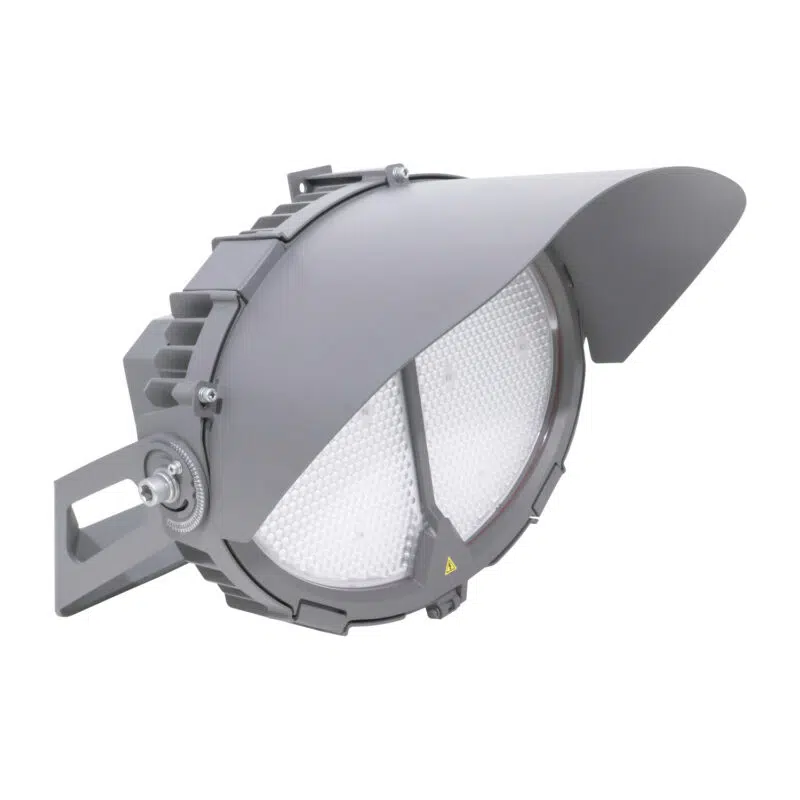
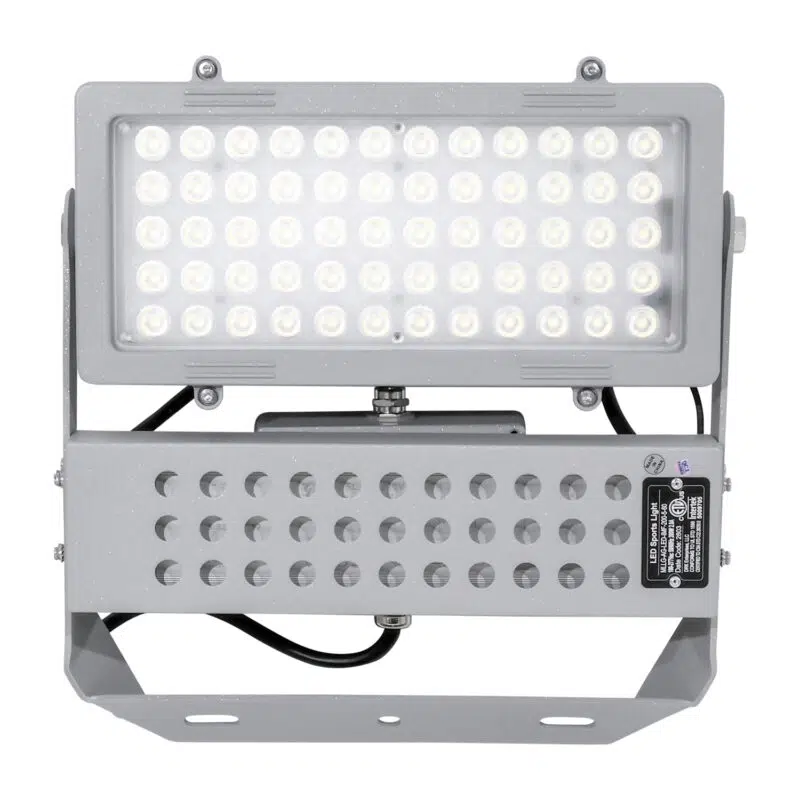
LED stadium lights are high-output outdoor fixtures designed for sports fields, stadiums, athletic complexes, racetracks, outdoor arenas, and large venues where long throw, optical control, uniformity, glare management, and spill-light control matter. They are commonly used for baseball, softball, football, soccer, lacrosse, track and field, driving ranges, ski areas, and multi-sport facilities.
Choose LED stadium lights based on the sport, level of play, field dimensions, existing or proposed pole locations, pole height, pole setback, and required light levels. Then confirm the optical distribution, horizontal and vertical illumination, uniformity, voltage, controls, glare limits, and spill-light requirements needed for the project. Final fixture selection and aiming should be confirmed with a photometric sports lighting plan.
Many stadium lighting projects involve replacing older metal halide sports lights. Existing HID wattage can help identify the general output class being replaced, but it should not be used to select LED fixtures one-for-one. Final fixture selection should be based on the photometric design, pole layout, mounting height, optical distribution, target light levels, uniformity, and electrical requirements.
Sports lighting requirements can vary by level of play, governing organization, local ordinance, and project specification. Confirm applicable IES guidance, league or governing-body requirements, electrical requirements, structural design criteria, and local glare or light-trespass limits before finalizing the system. Pole and foundation suitability should be evaluated by qualified professionals when fixture quantity, weight, EPA, mounting arrangements, wind loading, or other structural conditions change.
Selection and Installation Note: Product specifications, photometric distributions, fixture weight, effective projected area (EPA), ratings, controls, certifications, and warranty coverage vary by model. Existing poles, crossarms, brackets, foundations, electrical systems, and mounting hardware should be evaluated for the proposed LED fixture package. For pole-mounted, structural, electrical, outdoor, sports-field, public, or safety-critical applications, use qualified electrical and structural professionals as appropriate and verify applicable local requirements.
Sports Lighting Selector
Use the selector below to estimate starting light levels by sport and application. Stadium lighting still requires a photometric plan to confirm fixture count, pole layout, pole height, optical distribution, aiming, horizontal and vertical illumination, uniformity, glare, spill light, voltage, and controls before ordering.
LED Lighting Supply Sports Field Lighting Selector
Selector results are general planning guidance. Final sports lighting layouts should be confirmed with a photometric plan, especially for baseball, softball, football, soccer, racetracks, golf driving ranges, ski areas, competitive venues, and applications with higher uniformity, glare-control, or broadcast requirements.
When LED Stadium Lights Are the Right Fit
LED stadium lights are used when a project needs more than basic outdoor flood lighting. Sports lighting must account for player visibility, ball tracking, horizontal and vertical illumination, uniformity, glare, pole locations, pole height, setback, optical distribution, aiming, spill light, controls, and electrical infrastructure.
| Use LED Stadium Lights When | Do Not Select Them Without Further Review When |
|---|---|
| You are lighting a sports field, stadium, athletic complex, racetrack, driving range, ski area, or large outdoor venue where long throw and controlled beam placement are needed. | The project only needs basic security or area lighting around a building, yard, sign, or small outdoor area. A standard LED flood light may be a better fit. |
| You are replacing metal halide sports lighting and need instant-on operation, lower energy use, improved optical control, and reduced maintenance. | The mounting height, setback, fixture output, or available pole locations cannot support an acceptable design without excessive glare, hot spots, dark areas, or poor uniformity. |
| Long throw distances or precise optical distributions are needed to place light from poles onto specific target areas. | No photometric planning is being performed for a sports field or large venue where uniformity, glare, vertical illumination, or spill light matter. |
| Light-level uniformity and visibility matter for athletes, spectators, coaches, officials, cameras, or facility operators. | The electrical infrastructure has not been verified for voltage, circuit capacity, inrush current, surge protection, controls, and switching zones. |
| Glare and off-site light need to be controlled through optical distribution, pole placement, aiming, and shielding where appropriate. | The existing poles and mounting system have not been evaluated for the proposed fixture quantity, weight, EPA, brackets, crossarms, wind loading, and structural condition. |
Choosing LED Stadium Lights by Sport, Pole Layout, Optics, Voltage, Controls, and Light Spill
Stadium lights should not be selected by wattage alone. The right fixture depends on the sport, level of play, field dimensions, pole layout, mounting height, pole setback, required light levels, optical distribution, aiming geometry, glare requirements, electrical system, controls, and surrounding properties.
A photometric plan should be used to confirm fixture count, optical distributions, aiming, horizontal and vertical illumination, foot-candle levels, uniformity, glare considerations, and spill light before fixtures are ordered.
Planning Checklist
| Planning Factor | What to Confirm |
|---|---|
| Sport and level of play | Confirm the sport, field dimensions, recreational or competitive level, spectator requirements, and whether broadcast or high-speed camera use is expected. Baseball, softball, football, soccer, lacrosse, track and field, racetracks, golf ranges, ski slopes, and multi-sport fields have different visual requirements. |
| Target light levels | Confirm the required horizontal illumination for the playing surface. Recreational facilities generally use lower light levels than competitive, collegiate, professional, spectator, or broadcast venues. Use applicable IES guidance, governing-body criteria, or project specifications when established requirements apply. |
| Horizontal and vertical illumination | Horizontal foot-candles measure illumination on the playing surface, while vertical illumination affects visibility of players, balls, objects, and camera views. Competitive and broadcast applications may require specific vertical-light targets in addition to horizontal light levels. |
| Uniformity | Average light level alone does not determine lighting quality. Confirm the applicable uniformity criteria so the field does not have excessive bright and dark areas that affect visibility or play. |
| Pole height, setback, and layout | Pole height, pole setback from the playing area, fixture mounting position, and pole location affect throw distance, aiming angles, glare, and optical selection. Existing pole locations may limit the distributions and aiming options that can produce an acceptable design. |
| Pole and structural suitability | Existing poles should be evaluated before adding or replacing sports lights to confirm suitability for the proposed fixture quantity, fixture weight, effective projected area (EPA), mounting arrangement, crossarms or brackets, wind loading, and existing structural condition. New sports and athletic field light poles and foundations should be engineered for the fixture package, site conditions, applicable wind criteria, and local requirements. When structural adequacy is uncertain or loading changes materially, evaluation by a qualified structural professional is appropriate. |
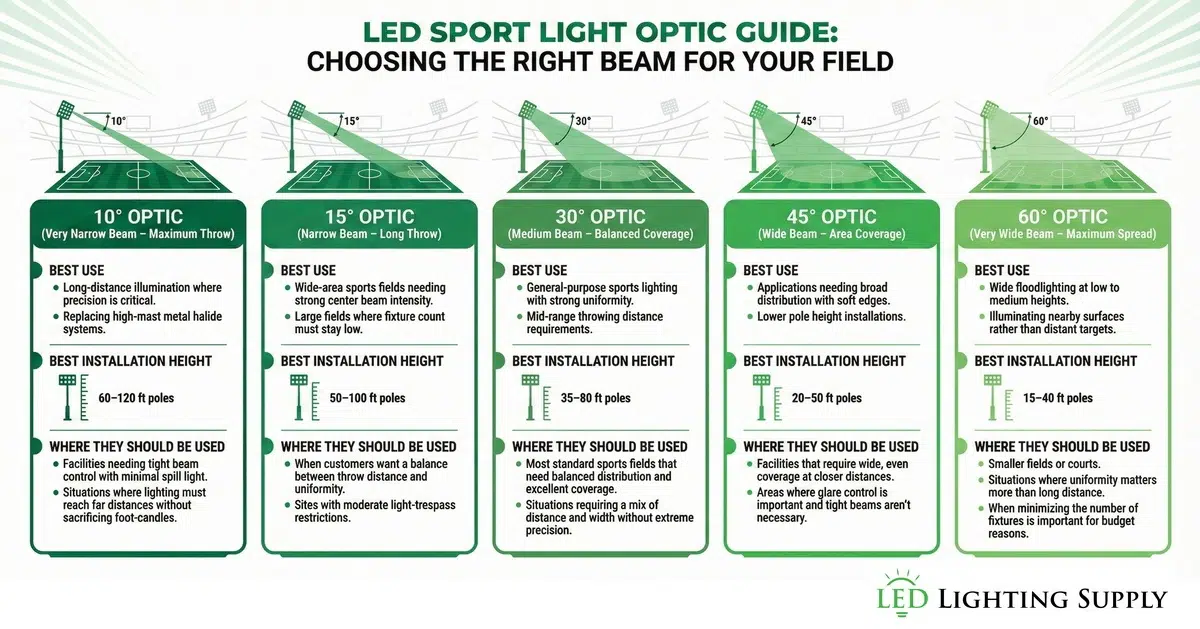
| NEMA distribution and optics | Sports lighting optics should be selected from the fixture's photometric distribution rather than nominal beam angle alone. Narrower NEMA distributions are generally used for longer throws, while wider distributions can serve closer target areas. Many sports designs use multiple distributions to illuminate different portions of the field. Confirm the final optic using the fixture's photometric data and lighting plan. |
| Aiming | Aiming should be based on pole position, mounting height, setback, target points, fixture distribution, required field illumination, and glare limits. Small aiming changes can materially affect uniformity, spill light, and player visibility, so field aiming should follow the approved lighting design. |
| Glare, spill light, and shielding | Control glare and off-site light with the fixture's optical distribution, pole placement, mounting height, aiming, and shielding where appropriate. Shields should be used where they improve glare or spill control without compromising required field illumination or uniformity. Review nearby homes, roads, spectators, players, and other sensitive areas in the photometric design, and confirm applicable local light-trespass, glare, or curfew requirements. |
| Fixture weight, EPA, and mounting | Confirm fixture weight, EPA, bracket or crossarm compatibility, quantity per pole, mounting orientation, and attachment method before ordering. Do not assume an LED fixture can be installed on an existing sports pole solely because it replaces a similar HID wattage. |
| Voltage and electrical capacity | Confirm the available service voltage and exact fixture input range before ordering. Sports lighting projects may also require review of branch circuits, conductor sizing, circuit capacity, inrush current, contactors, switching arrangements, and existing electrical equipment. Electrical installation and modifications should be performed by qualified electrical professionals in accordance with applicable codes and local requirements. |
| Surge protection | Tall outdoor poles and long electrical runs can expose sports lighting systems to transient electrical events. Confirm the fixture's built-in surge protection and determine whether additional surge protection for LED lights is appropriate for the site and electrical system. |
| Controls and dimming | Controls may allow fixtures to be dimmed or switched by field, zone, activity, or event. This can be useful for practices, games, partial-field use, maintenance, scheduling, and reducing energy use when full output is not required. Confirm driver, dimming, wiring, and control-system compatibility. |
| Installation and maintenance access | High pole-mounted fixtures may require lift equipment, climbing systems, aiming time, safety planning, and appropriate scheduling. Remote drivers may simplify some maintenance tasks where available, but confirm driver location, wiring limitations, and product requirements. |
Controls, voltage, mounting, structural compatibility, optics, pole requirements, and applicable sports-lighting criteria should be reviewed before fixture selection so the lighting and electrical system can be specified as a complete project rather than treating the luminaire as an isolated component.
Recommended Foot-Candles for Stadium and Sports Field Lighting
Use the tool below for general starting foot-candle ranges by outdoor sports application. The widget includes baseball, softball, football, soccer, multi-sport fields, lacrosse, field hockey, track and field, racetracks, driving ranges, ski slopes, municipal recreation complexes, practice fields, and professional or broadcast venues.
Foot-candle guidance helps with light-level planning, but it does not determine fixture count, pole locations, pole suitability, aiming, optical distribution, vertical illumination, uniformity, glare, light trespass, voltage, controls, or installation requirements. Competitive, spectator, broadcast, and other demanding sports applications may have additional lighting criteria established by IES guidance, governing organizations, project specifications, or local requirements. Sports lighting should be confirmed with a photometric plan before fixtures are ordered.
LED Stadium Lights vs Flood Lights, High Mast Lights, and Metal Halide
The right fixture depends on the application, mounting height, pole layout, throw distance, optical control, glare requirements, and target light levels. Stadium lights are designed around sports-field performance, while flood lights and high mast fixtures are typically designed for different outdoor lighting objectives.
| Lighting Type | What to Know |
|---|---|
| LED Stadium Light | Designed for sports applications requiring controlled optical distributions, long throw, planned aiming, glare management, uniformity, and high-output field illumination. |
| LED Flood Light | Better suited to general outdoor area lighting, yards, signs, building exteriors, and smaller applications. Some flood lights can work for small recreational areas, but larger sports fields generally require more specialized optics and photometric planning. |
| LED High Mast Light | Commonly used for highways, ports, airports, rail yards, and large industrial areas. High mast fixtures may also be mounted on tall poles, but their optical distributions and design objectives are typically different from sports lighting. |
| Metal Halide Stadium Light | Older HID technology with warm-up and restrike time, lamp and ballast maintenance, higher energy use, and lumen depreciation over time. LED replacements should be selected by photometric performance rather than wattage alone. |
Case Studies from Completed Sports Lighting Projects
Completed sports lighting projects show how field type, level of play, pole layout, mounting height, fixture output, optical distribution, aiming, and surrounding conditions affect visibility and lighting performance. They also demonstrate why stadium and sports field lighting should be reviewed with a photometric plan rather than selecting fixtures by wattage or beam angle alone.
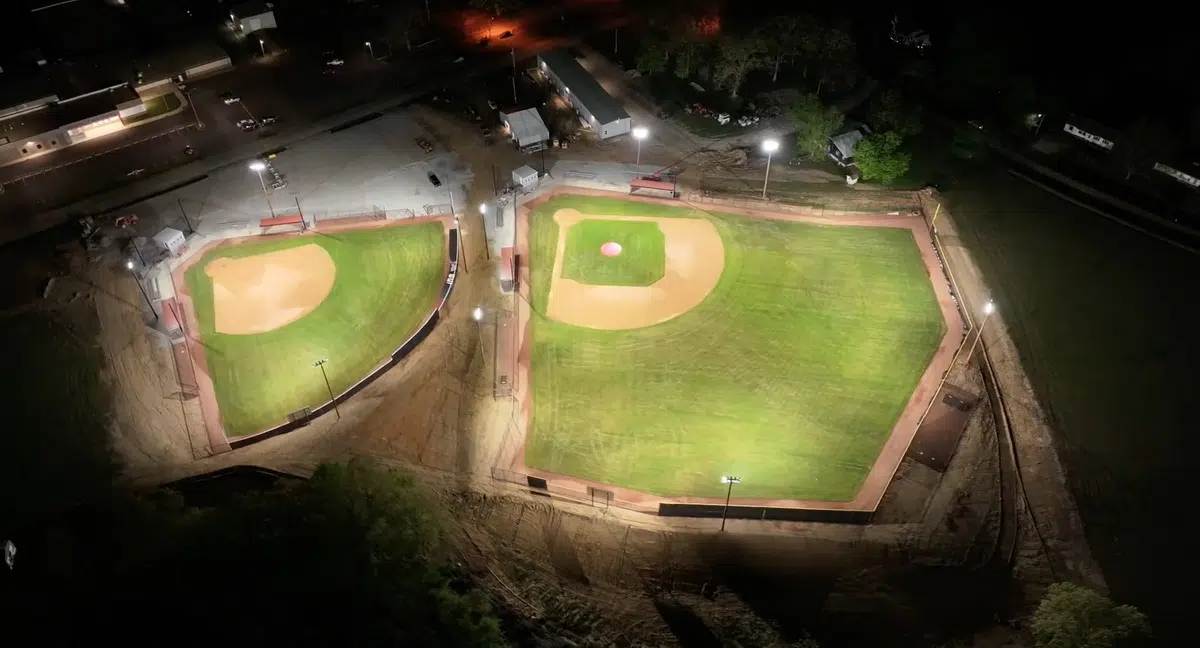
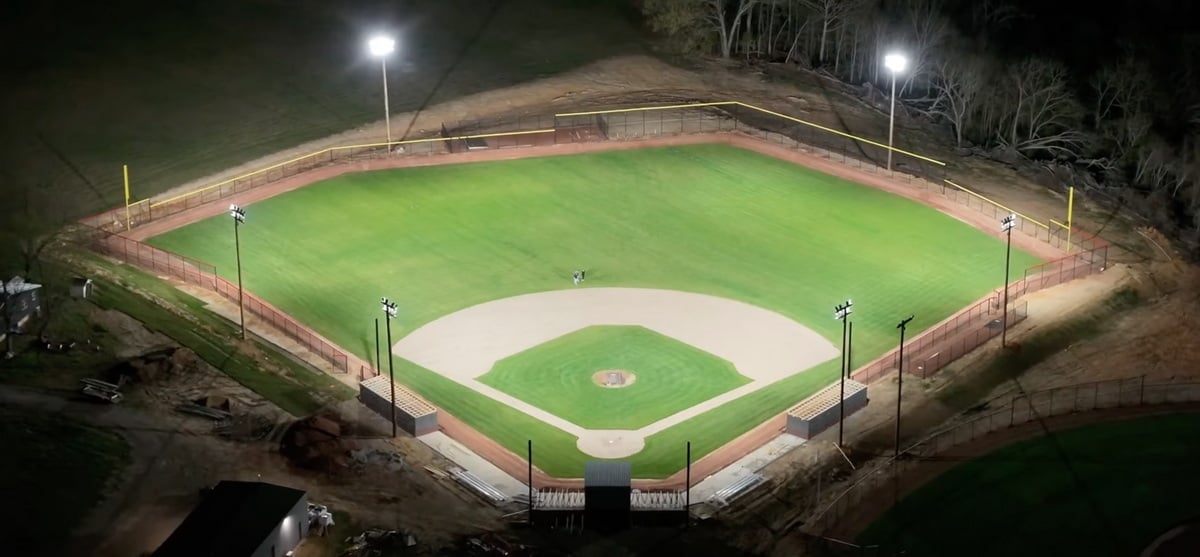
Case Study: Conversion of existing lighting in Baseball / Softball Field to LED Lighting Supply 600 Watt LED Sports Lights at Gainesville High school in Gainseville, MO
|
After: 600 Watt LED Area Sports Flood Light | 84000 Lumens |
After: 600 Watt LED Area Sports Flood Light | 84000 Lumens |
 |
 |
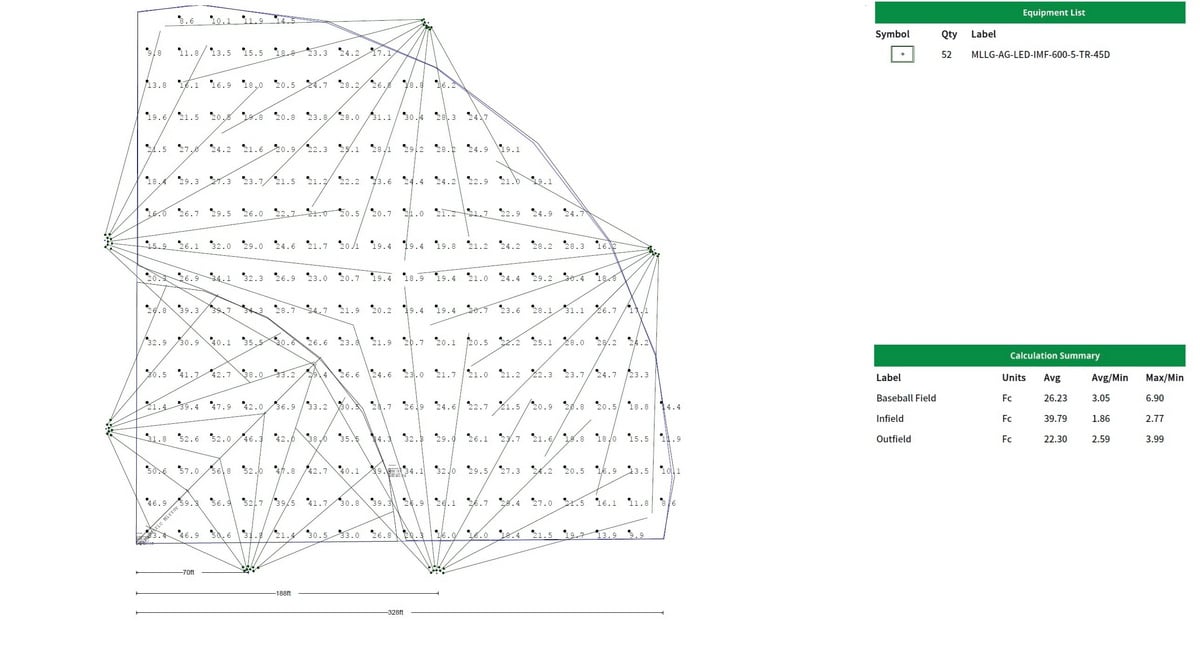
Lighting Plan We Created for the Customer
|
Lighting Plan |
Heat Map |
 |
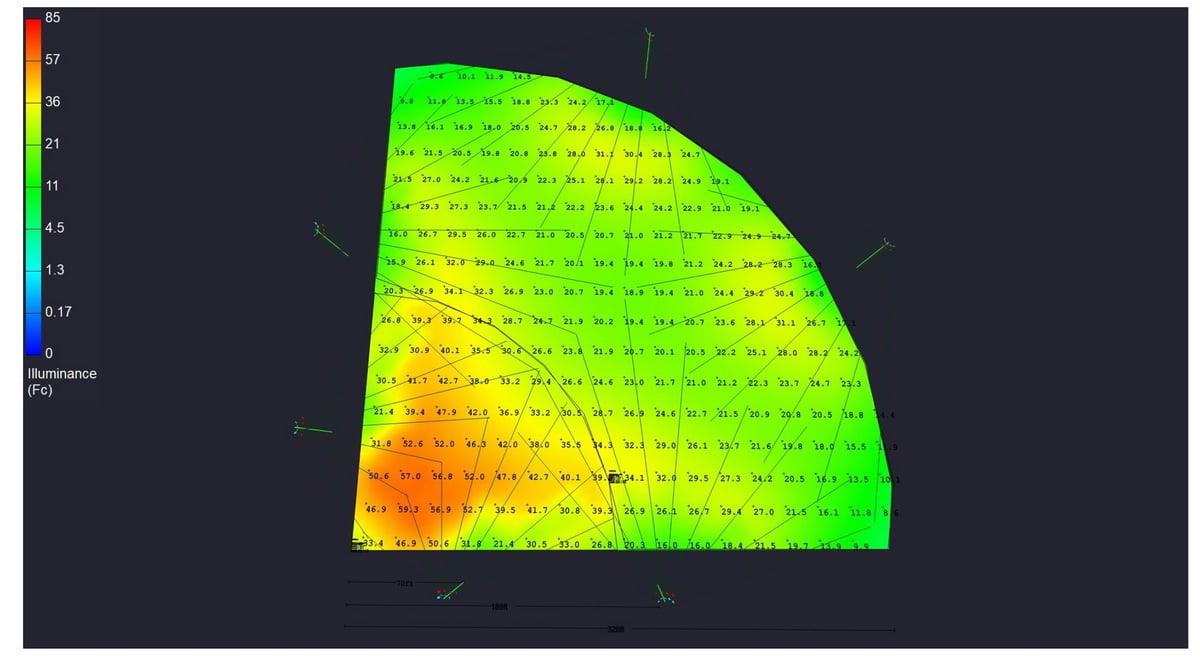 |
Baseball / Softball Field Lighting Installation Plan Metrics
- Mounting height: 47 and 50 ft
- Fixture Used: MLLG-AG-LED-IMF-600-5-[Optic]-TR-[V]: 600 Watt LED Flood Light | 84000 Lumens | 5000K | 100V-277V or 277V-480V
- FC achieved: 39.79 FC (infield), 22.30 FC (outfield) average
- Uniformity (Avg/Min): 2.35
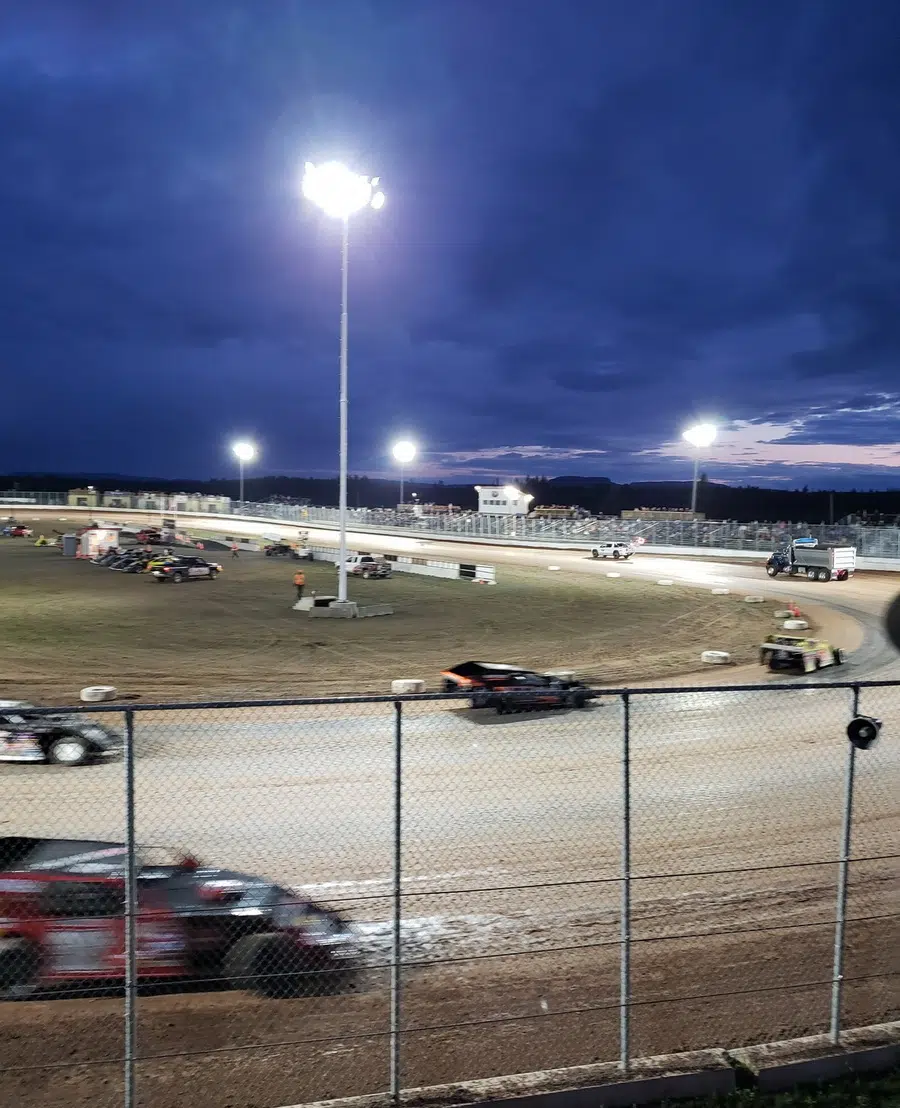
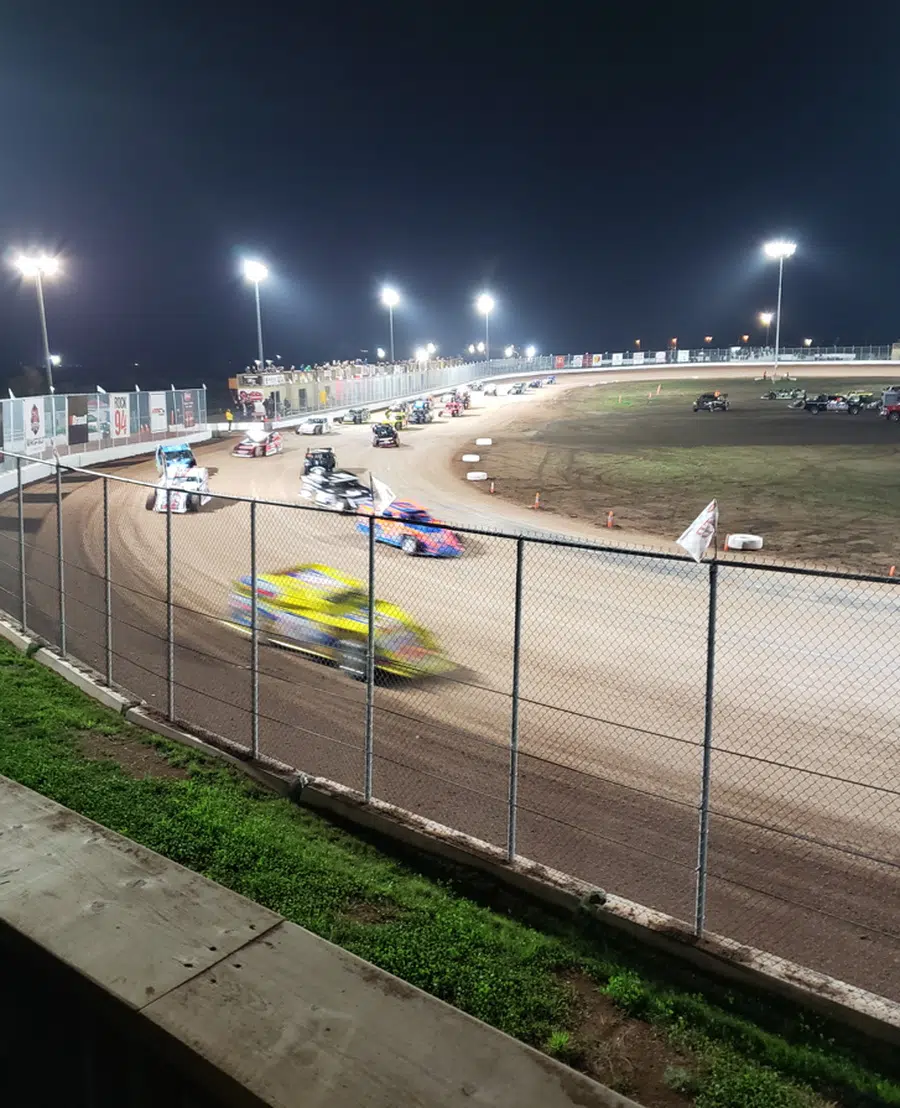
Case Study: Lighting up Thunder City Raceway with LED Lighting Supply 600 Watt LED Sports Lights in Thunder Bay, Ontario, Canada
|
After: 600 Watt LED Area Sports Flood Light | 84000 Lumens |
After: 600 Watt LED Area Sports Flood Light | 84000 Lumens |
 |
 |
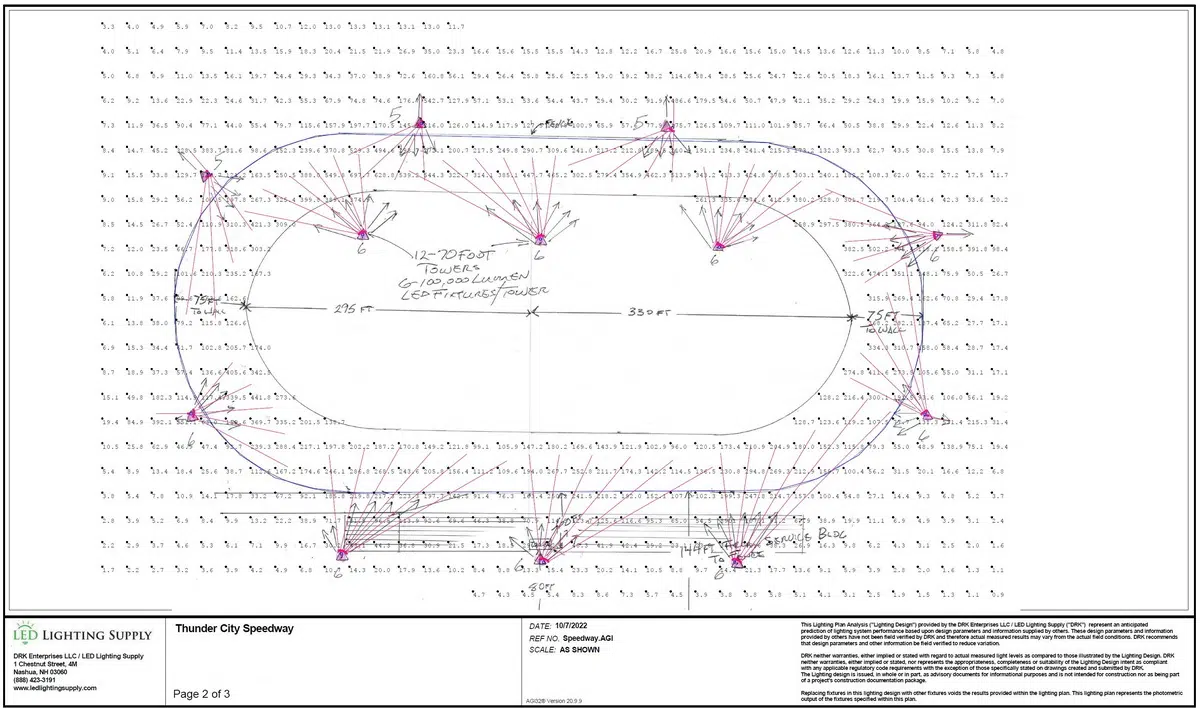
Lighting Plan We Created for the Customer
|
Lighting Plan |
Heat Map |
 |
 |
Racetrack Lighting Installation Plan Metrics
- Mounting height: 70 ft
- Fixture Used: 600 Watt LED Flood Light | 84000 Lumens | 5000K | 100V-277V or 277V-480V
- FC achieved: 10.00 fc average
Spartan Sports Park Improves Field Lighting With LED Flood Lights Case Study
The Backstory:
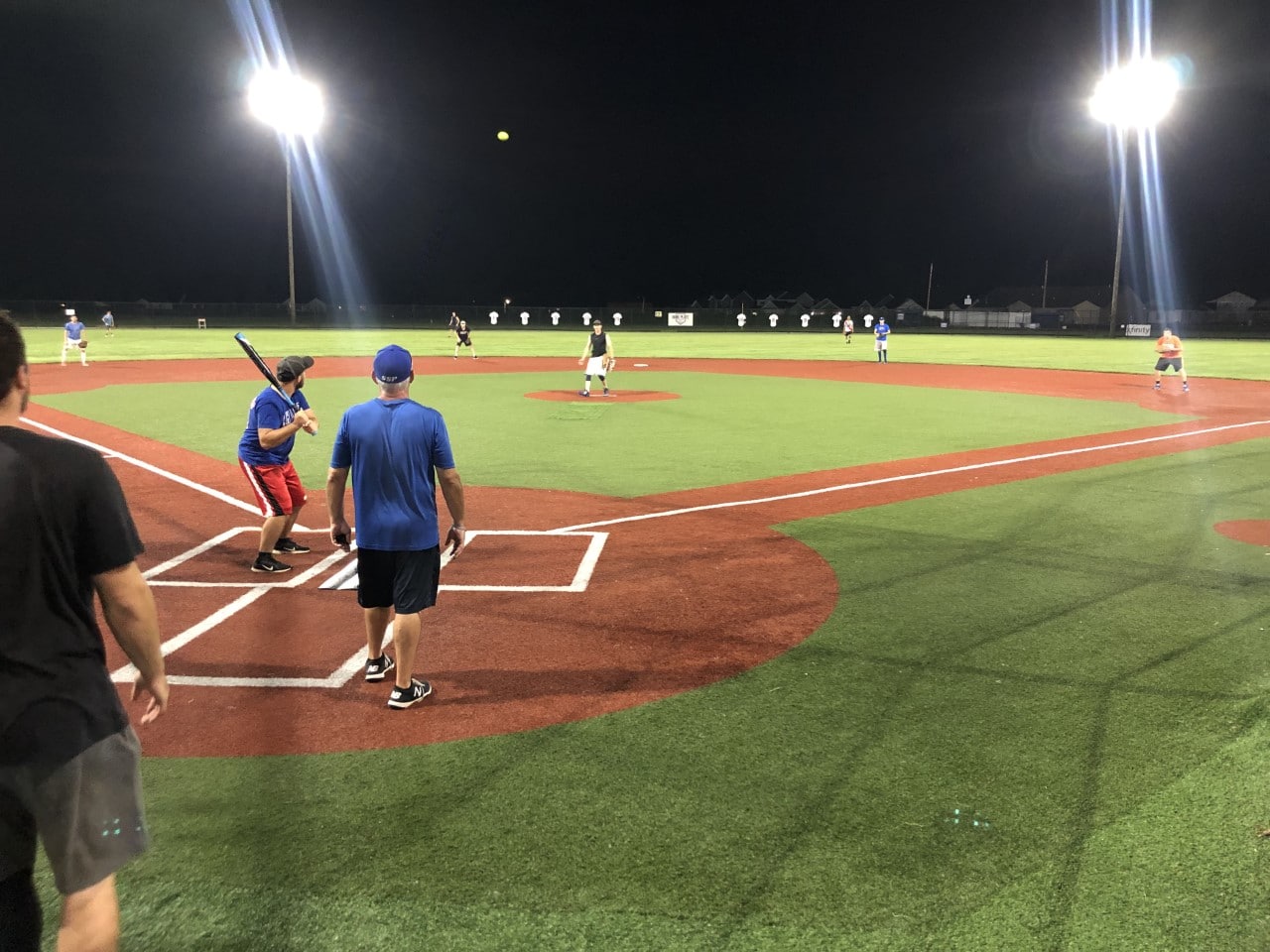
Spartan Sports Park recognized that their existing 1000-watt metal halide fixtures were falling short on the field. Suboptimal light levels negatively impacted player performance, while the energy demands of the outdated system drove operating costs higher than necessary. They reached out to LED Lighting Supply seeking a custom solution built for their baseball field requirements.
The Customer's Challenge:
The metal halide fixtures were inefficient, resulting in a significant energy expense. Additionally, uneven light levels on the field created safety risks for both players and sideliners.
Lighting Plan We Created for the Customer
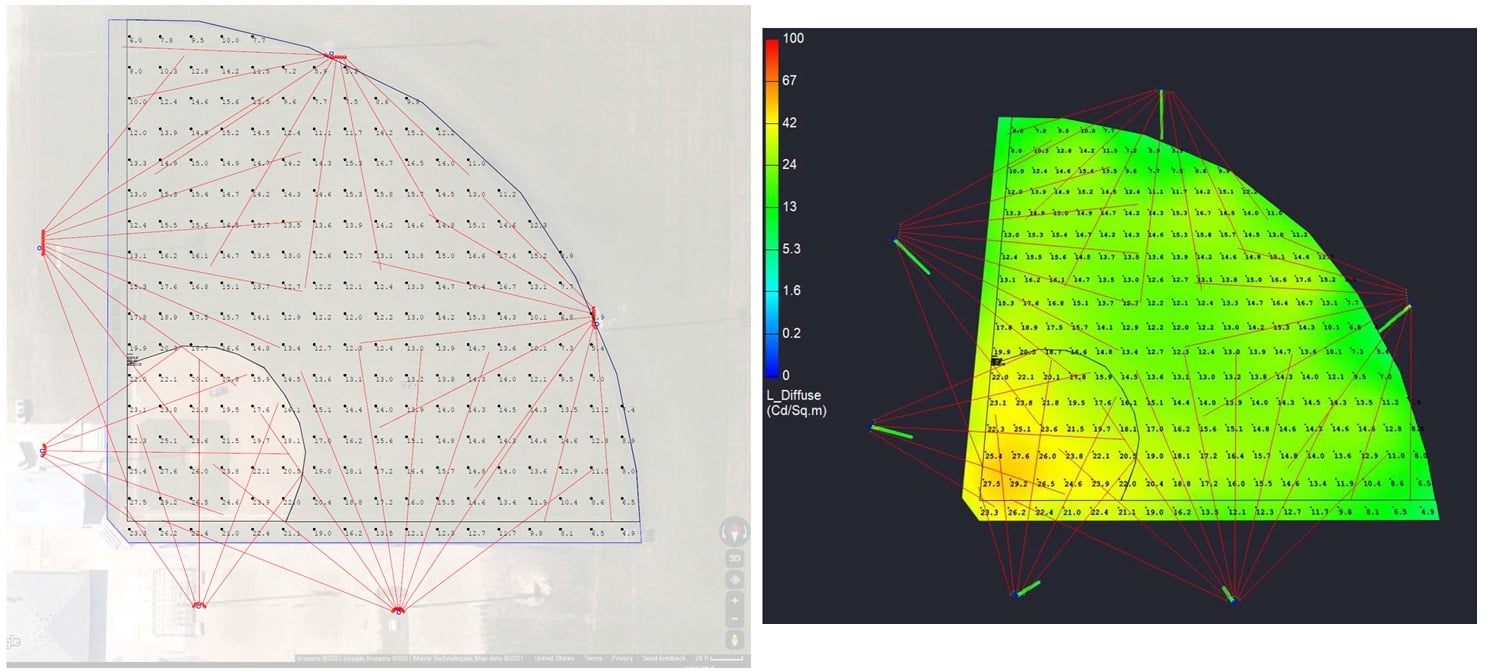
Lighting Plan Metrics:
- Mounting Height: 25 feet
- Infield Foot Candles Achieved: 20 FC
- Outfield Foot Candles Achieved: 13 FC
- Product(s) Used: MLLG-AG-LED-IMF-400-5-[Optic]-TR-[V]
Stadium Lighting Certifications, Rebates, and Warranty Support
Selected LED stadium light models from LED Lighting Supply carry a safety listing such as UL, ETL, or CSA, depending on product and configuration. Some models are listed on the DLC Qualified Products List as Standard or Premium products, which may support eligibility for participating utility incentive programs. DLC qualification is a performance and efficiency program, not an electrical safety certification. Rebate requirements vary by utility, region, product listing, and program, so confirm eligibility for the exact fixture before ordering.
Warranty coverage varies by product, with many LED stadium light models offering a 5-year warranty unless otherwise specified. Before purchase, confirm voltage, surge protection, fixture weight, EPA, mounting method, pole and crossarm compatibility, wet-location suitability, controls compatibility, optical distribution, warranty terms, and whether the fixture is appropriate for the field layout and surrounding conditions.
Common Stadium Lighting Installation and Operating Mistakes
A complete photometric design is essential, but successful stadium lighting also depends on accurate installation, commissioning, and ongoing operation. The following issues can affect a system even after the fixture package and lighting plan have been selected.
- Not documenting final fixture locations and aiming: Installation drawings, fixture schedules, and aiming information should be available to the installer. Record final aiming positions so future maintenance or fixture replacement does not unintentionally change field coverage, glare control, or spill-light performance.
- Changing brackets, fixture quantities, or mounting positions in the field without review: A substitution or layout change can alter pole loading, EPA, aiming geometry, illumination, uniformity, and light trespass. Review material changes against the lighting plan and applicable structural information before installation.
- Failing to commission controls by zone: Verify that switching, dimming, scheduling, occupancy functions, and event scenes operate as intended. Incorrectly programmed controls can leave portions of the field unlit, operate fixtures at an unintended output, or prevent the system from following curfew requirements.
- Not verifying field performance after installation: Confirm that fixtures are installed in the correct locations and orientations, then verify aiming and representative light levels after commissioning. A field review can identify installation errors, obstructions, unexpected glare, or control issues that are not apparent from equipment specifications alone.
- Overlooking surge-protection coordination and grounding: Fixture-level surge protection does not eliminate the need to review grounding, bonding, electrical distribution equipment, and project-level surge-protection needs. The electrical professional should evaluate the complete system for the site conditions.
- Ignoring maintenance access and cleaning: Dirt, debris, damaged lenses, failed controls, and altered aiming can affect delivered illumination and uniformity over time. Establish safe access procedures and a maintenance schedule appropriate for the pole height, fixture location, environment, and facility use.
- Using unapproved replacement components: Replacement drivers, optical components, surge devices, brackets, and control accessories should be compatible with the exact fixture model. Unapproved changes may affect fixture performance, safety listing, environmental rating, or warranty coverage.
- Operating every event at full output when lower levels are appropriate: Properly designed controls can support reduced-output settings for practices, setup, maintenance, or partial-field use when permitted by the activity and facility requirements. Confirm that any dimmed setting still provides the required illumination and visibility.
Request a stadium lighting design and our Product Specialists can help review fixture count, pole height and setback, optical distribution, light levels, uniformity, aiming, glare and spill-light considerations, voltage, controls, and product specifications for your stadium or sports field lighting project.
This Content on LED stadium and sports lighting guidance, pole and structural considerations, NEMA optical distributions, aiming, glare and spill-light control, light levels, electrical requirements, applicable sports-lighting criteria, and fixture selection content Was Professionally Reviewed By:

Jamie Popp, Professional Electrical Engineer (PE)
Multi-State Licensed Professional Engineer
Master of Science in Engineering
Master of Science in Project Management
Jamie has spent over 15 years working directly with industrial energy systems and facility operations. In his engineering design work, he focuses on comprehensive lighting designs, complex power distribution engineering, technical hazardous area classifications, and design-level construction support.
He applies these specialized design skills across demanding environments, including petrochemical, nuclear, mining, pulp and paper, and manufacturing facilities.
This content was reviewed for technical accuracy, engineering relevance, real-world application, and clarity for the stated lighting topic.
LED Stadium Lights FAQs
How Should I Choose LED Stadium Lights For A Sports Field?
Choose LED stadium lights based on the sport, level of play, field dimensions, pole layout, mounting height, pole setback, required light levels, optical distribution, aiming geometry, glare requirements, electrical system, controls, and surrounding properties. Final fixture selection and aiming should be confirmed with a photometric sports lighting plan.
Why Is A Photometric Plan Important For LED Stadium Lighting?
A photometric plan confirms fixture count, optical distributions, aiming, horizontal and vertical illumination, foot-candle levels, uniformity, glare considerations, and spill light before fixtures are ordered. It is especially important for competitive venues and applications with higher uniformity, glare-control, or broadcast requirements.
Can I Replace Metal Halide Stadium Lights One For One With LED Fixtures?
No, existing HID wattage should not be used to select LED stadium fixtures one-for-one. Existing wattage can help identify the general output class being replaced, but final selection should be based on the photometric design, pole layout, mounting height, optical distribution, target light levels, uniformity, and electrical requirements.
When Are LED Stadium Lights A Better Fit Than Standard LED Flood Lights?
LED stadium lights are designed for sports applications requiring controlled optical distributions, long throw, planned aiming, glare management, uniformity, and high-output field illumination. Standard LED flood lights are better suited to general outdoor area lighting, yards, signs, building exteriors, and smaller applications.
How Do Pole Layout And Optics Affect A Stadium Lighting Design?
Pole height, setback, fixture mounting position, and pole location affect throw distance, aiming angles, glare, and optical selection. Sports lighting optics should be selected from the fixture's photometric distribution, and many designs use multiple distributions to illuminate different portions of the field.
What Should Be Checked Before Installing LED Stadium Lights On Existing Poles?
Existing poles, foundations, crossarms, brackets, mounting hardware, and electrical systems should be evaluated for the proposed LED fixture package. Confirm fixture quantity, weight, EPA, mounting arrangement, wind loading, voltage, circuit capacity, inrush current, surge protection, controls, and switching arrangements.
Can LED Stadium Lights Be Controlled Or Dimmed?
Controls may allow LED stadium lights to be dimmed or switched by field, zone, activity, or event. This can be useful for practices, games, partial-field use, maintenance, scheduling, and reducing energy use when full output is not required; confirm driver, dimming, wiring, and control-system compatibility.
How Can A Stadium Lighting Design Address Glare And Spill Light?
Glare and off-site light can be controlled through optical distribution, pole placement, mounting height, aiming, and shielding where appropriate. The photometric design should review nearby homes, roads, spectators, players, and other sensitive areas, along with applicable local light-trespass, glare, or curfew requirements.