LED Softball Field Lighting
- Fixtures available for youth, school, and competitive fields
- Lighting plans help evaluate infield and outfield coverage
- DLC-listed options may qualify for utility rebates


Get Your Custom Lighting Plan With Product Recommendations
- Fixture placement and aiming designed around infield and outfield zones to help reduce batter glare and dark spots
- Beam angle and fixture count matched to pole height, field dimensions, and target foot-candle levels for softball
- LED systems can reduce energy use and relamping compared with older metal halide field lighting


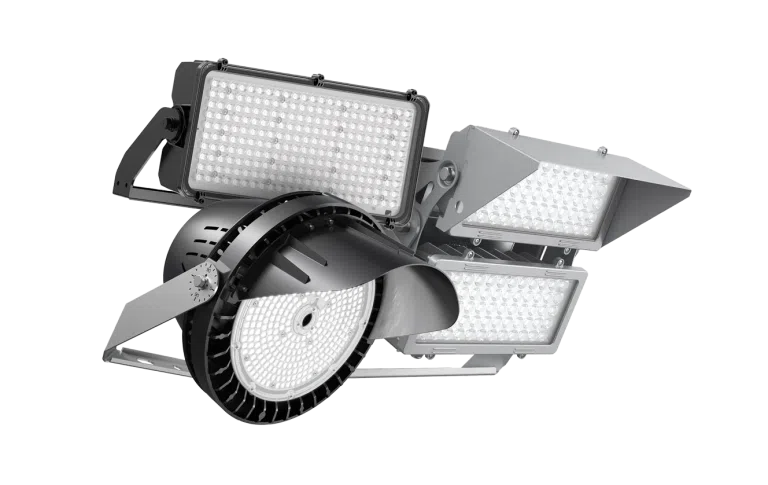
Our LED Softball Field Lights include pole-mounted LED sports lights with short, medium, and long-throw optics for softball field lighting. Available models vary by wattage, lumen output, beam angle, mounting hardware, voltage, and controls, including scheduling, dimming, practice modes, and field zoning.
These fixtures are commonly used for youth, school, community, and competitive softball fields, including infields, outfields, baselines, dugout areas, spectator zones, and surrounding field areas.
-
 Starting At $697.50




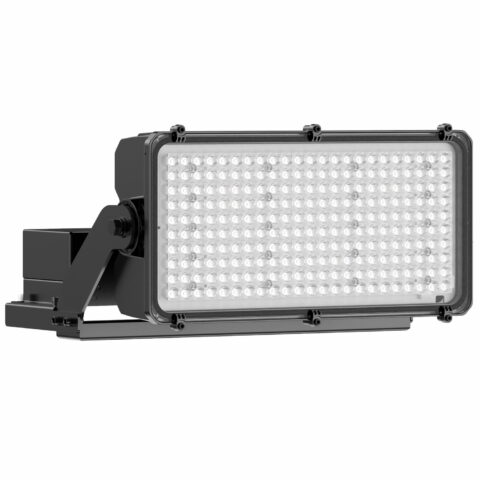


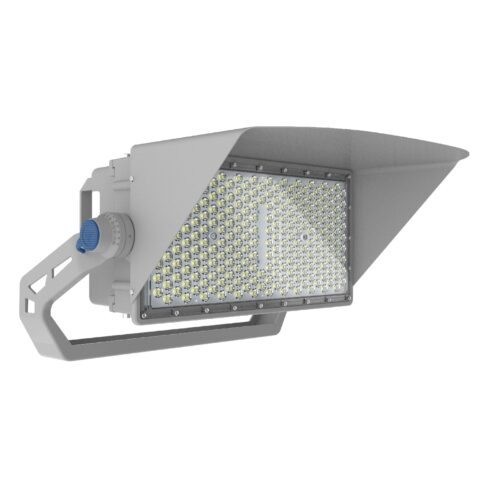
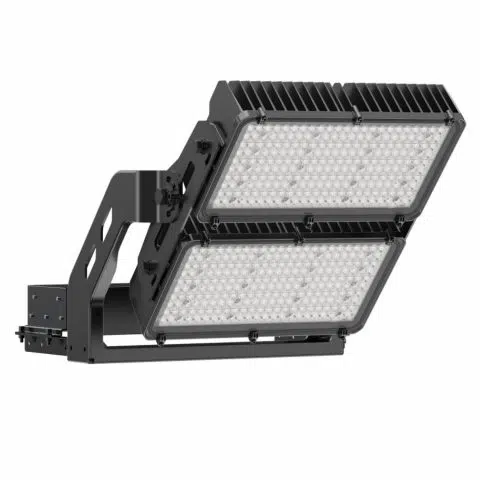
LED Softball Field Lights for Youth, School, Community, and Competitive Fields
LED softball field lights are pole-mounted sports lighting fixtures used to illuminate the infield, outfield, baselines, dugout areas, spectator zones, and surrounding field areas. Softball lighting should help players track ground balls, pop-ups, fly balls, pitches, and throws while reducing glare for batters, pitchers, fielders, spectators, and nearby properties.
Softball fields are not always lit the same way as baseball fields. Field size, base paths, outfield depth, fence distance, backstop location, pole layout, and level of play can all change the lighting requirements. A youth or recreational field may need a simpler system than a high school, collegiate, tournament, or televised field.
Start with the level of play, field dimensions, existing pole layout, and separate infield and outfield light-level targets. Then confirm fixture wattage, beam angle, fixture count, pole height, and aiming through a lighting plan rather than choosing by wattage alone.

Selection and Installation Note: Product specifications, fixture wattage, lumen output, beam angle, mounting hardware, voltage, controls, surge protection, certifications, and warranty coverage vary by model. Confirm the selected product specification before ordering. For softball fields, pole-mounted lighting, school facilities, public parks, electrical upgrades, structural pole review, code-sensitive applications, or safety-critical projects, verify requirements with your local inspector, structural professional, or licensed electrical professional.
Softball Field Foot-Candle Requirements
Softball fields use different lighting targets for the infield and outfield. The infield usually requires higher light levels because the ball moves faster near the batter, pitcher, bases, and fielders. Outfield levels are typically lower, but they still need enough uniformity for fly balls, player safety, and spectator visibility.
For most school, youth, and community softball projects, the goal is not to overbuild the field. The goal is to provide safe, even, usable light for players, coaches, spectators, and facility staff while controlling glare, spill light, and project cost.
Use the foot-candle guide below to compare recommended softball field lighting levels by area and level of play. These recommendations are a starting point only. Final fixture selection should be confirmed with a lighting plan that accounts for field dimensions, pole layout, mounting height, beam angles, fixture aiming, uniformity, glare, spill light, backstop obstructions, and existing electrical infrastructure.
What a Softball Field Lighting Plan Should Verify
A softball field lighting plan turns target light levels into a practical fixture layout. This is especially important when reusing existing poles, upgrading from metal halide, lighting a youth or school field, working near residential areas, or trying to reduce spill light.
| Planning Detail | Why It Matters for Softball |
|---|---|
| Level of play | Recreational, youth, Little League, middle school, high school, collegiate, and televised fields may have different infield and outfield light-level targets. |
| Field dimensions | Softball fields vary by age group and level of play. Base paths, outfield depth, fence distance, and field size affect fixture placement and aiming. |
| Infield and outfield zones | Softball fields should not be evaluated as a single lighting zone. The infield and outfield usually have different target light levels. |
| Backstop and obstruction review | Backstops, fencing, netting, dugouts, bleachers, trees, and nearby structures can block or redirect light if they are not considered in the layout. |
| Existing pole layout | Existing poles may limit fixture placement, aiming angles, and coverage. A plan helps show whether the current layout can meet the target levels. |
| Pole height and structural review | Mounting height affects beam angle, field coverage, glare, and fixture count. Existing poles and mounting hardware should be evaluated for the selected fixture loads, EPA, mounting geometry, site wind criteria, and condition by the appropriate qualified professional. |
| Fixture aiming | Proper aiming helps reduce batter glare, fielder glare, outfield dark zones, and light spill beyond the field. |
| Uniformity | Uneven lighting can make it harder to track the ball, especially between the infield, bases, baselines, and outfield. |
| Spill light | Softball fields are often close to homes, roads, walking paths, parking lots, or neighboring fields. Spill light and glare should be reviewed before installation. |
| Electrical service and controls | LED upgrades should confirm voltage, wiring, controls, surge protection, switching, scheduling, and whether the existing electrical system can support the new fixtures. |
Best Fixtures for Softball Field Lighting
Softball fields typically use high-output LED sports lights mounted on poles around the field. The fixture should be selected for the field size, pole height, target light levels, beam angle, aiming requirements, glare control, and environmental exposure.
| Fixture Option | Best Fit |
|---|---|
| LED sports field lights | Primary choice for softball fields, community ballparks, school fields, and competitive field lighting. |
| LED stadium lights | Higher-output applications, larger fields, tournament fields, and facilities that need stronger coverage from taller poles. |
| LED flood lights | Smaller practice areas, batting zones, support areas, or directional lighting where a sports-field optic is not required. |
| Sports lighting controls | Scheduling, field zoning, dimming, practice modes, and separate operation for games, practices, maintenance, or security, depending on the fixture and control system. |
How Softball Field Lighting Differs from Baseball Field Lighting
Softball and baseball lighting share many design principles, but softball fields are often smaller and may use different pole layouts, aiming angles, and infield/outfield targets. A softball field should be evaluated based on its own dimensions rather than copied from a baseball layout.
| Field Difference | Why It Matters |
|---|---|
| Smaller field dimensions | Shorter base paths and outfield distances can change fixture aiming, pole spacing, and glare risk. |
| Different ball speed and trajectory | Players still need strong visibility for pitches, pop-ups, ground balls, line drives, and outfield fly balls. |
| Backstop and dugout placement | Backstops, netting, dugouts, and fencing can affect fixture aiming and shadow control. |
| Youth and school fields | Many softball projects serve youth, school, or community play, where safe usable light and cost control matter more than overbuilding. |
Benefits of LED Softball Field Lighting
| Improved field visibility | Properly selected fixtures can improve visibility for pitching, batting, fielding, base running, fly balls, and spectator viewing. |
| Separate infield and outfield targets | LED layouts can be designed around different light levels for the infield and outfield instead of treating the field as one zone. |
| Energy efficiency | LED fixtures can reduce energy use compared with older metal halide systems, with actual savings depending on wattage, controls, operating hours, and existing conditions. |
| Reduced maintenance | LED fixtures reduce routine lamp and ballast replacement compared with older field lighting systems. |
| Instant-on operation | LED sports lights reach usable output quickly without the warm-up time associated with HID systems. |
| Better beam control | Short, medium, and long-throw optics can help aim light across the field while limiting wasted output. |
| Controls compatibility | Some systems may support scheduling, dimming, practice modes, or partial-field operation depending on model and control design. |
Spartan Sports Park Improves Field Lighting With LED Flood Lights Case Study
The Backstory:
Spartan Sports Park recognized that their existing 1000-watt metal halide fixtures were falling short on the field. Suboptimal light levels negatively impacted player performance, while the energy demands of the outdated system drove operating costs higher than necessary. They reached out to LED Lighting Supply seeking a custom solution built for their baseball field requirements.
The Customer's Challenge:
The metal halide fixtures were inefficient, resulting in a significant energy expense. Additionally, uneven light levels on the field created safety risks for both players and sideliners.
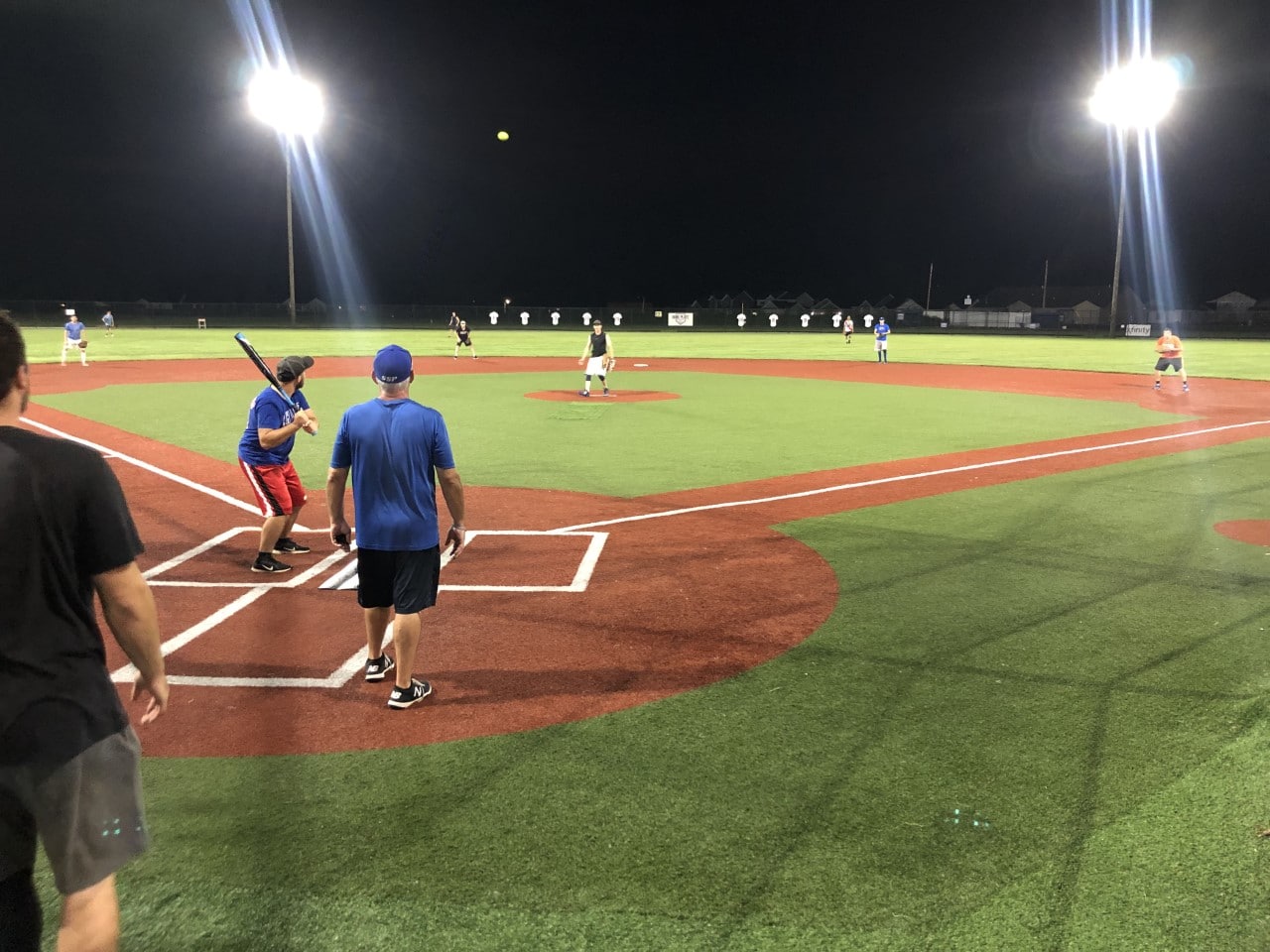
Lighting Plan We Created for the Customer
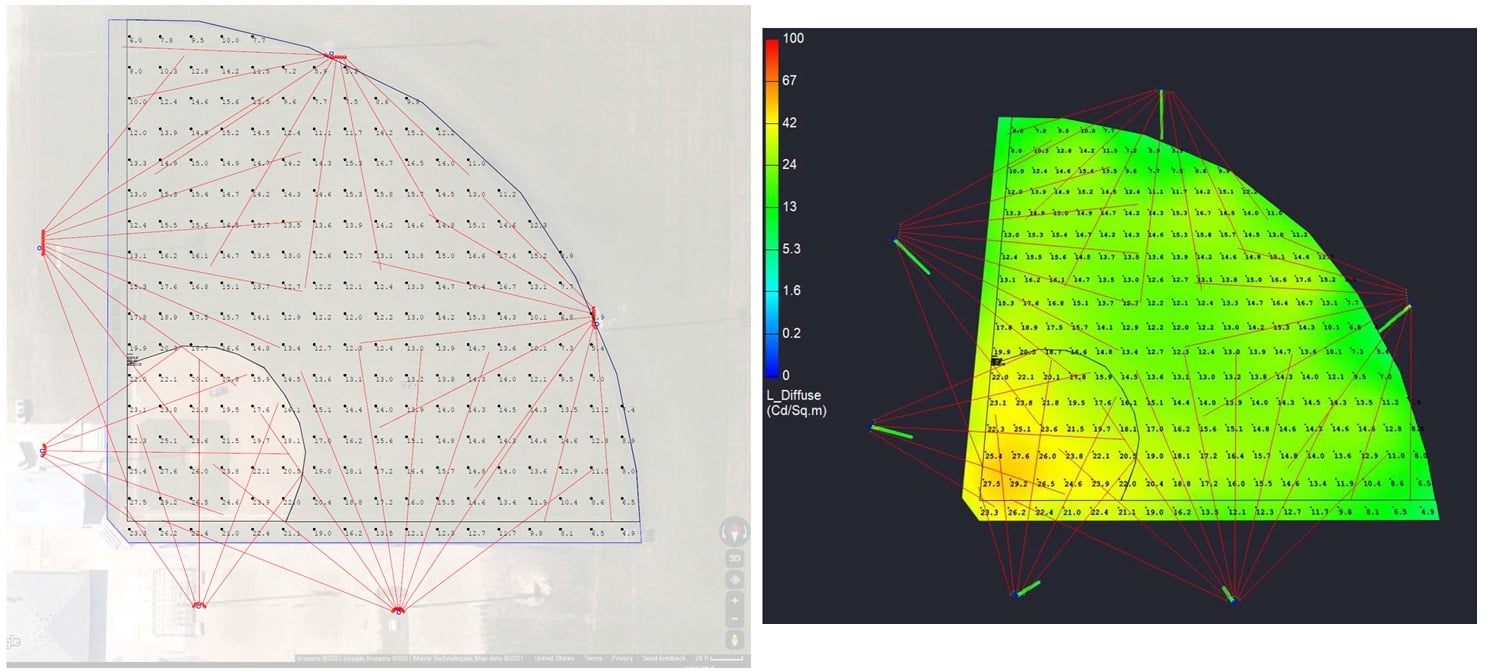
Lighting Plan Metrics:
- Mounting Height: 25 feet
- Infield Foot Candles Achieved: 20 FC
- Outfield Foot Candles Achieved: 13 FC
- Product(s) Used: MLLG-AG-LED-IMF-400-5-[Optic]-TR-[V]
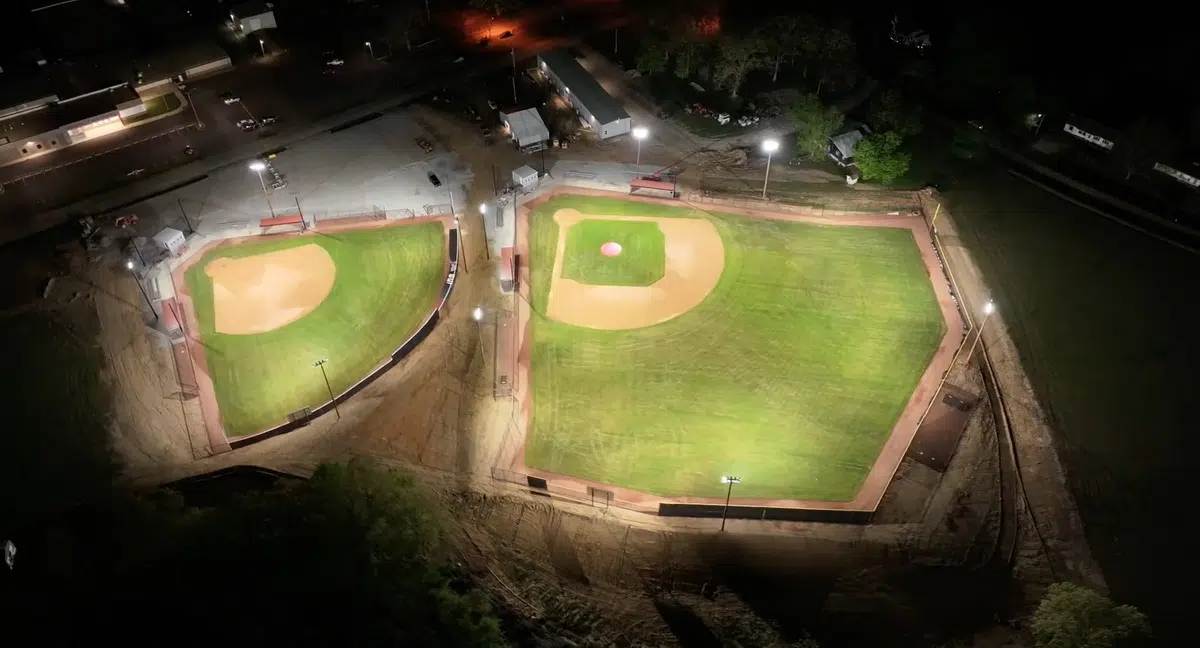
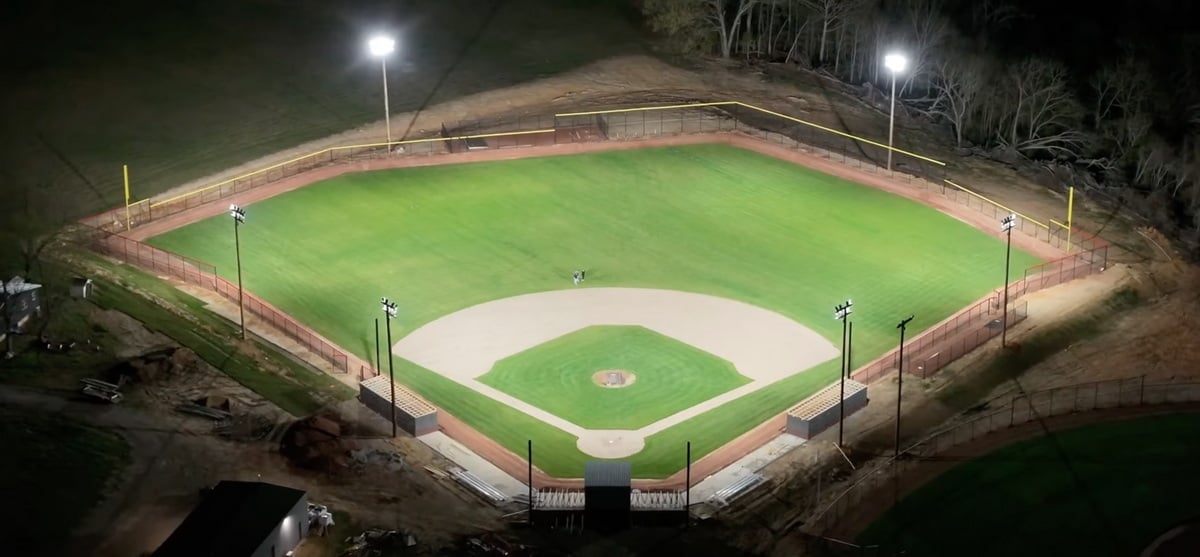
Case Study: Conversion of existing lighting in Baseball / Softball Field to LED Lighting Supply 600 Watt LED Sports Lights at Gainesville High school in Gainseville, MO
|
After: 600 Watt LED Area Sports Flood Light | 84000 Lumens |
After: 600 Watt LED Area Sports Flood Light | 84000 Lumens |
 |
 |
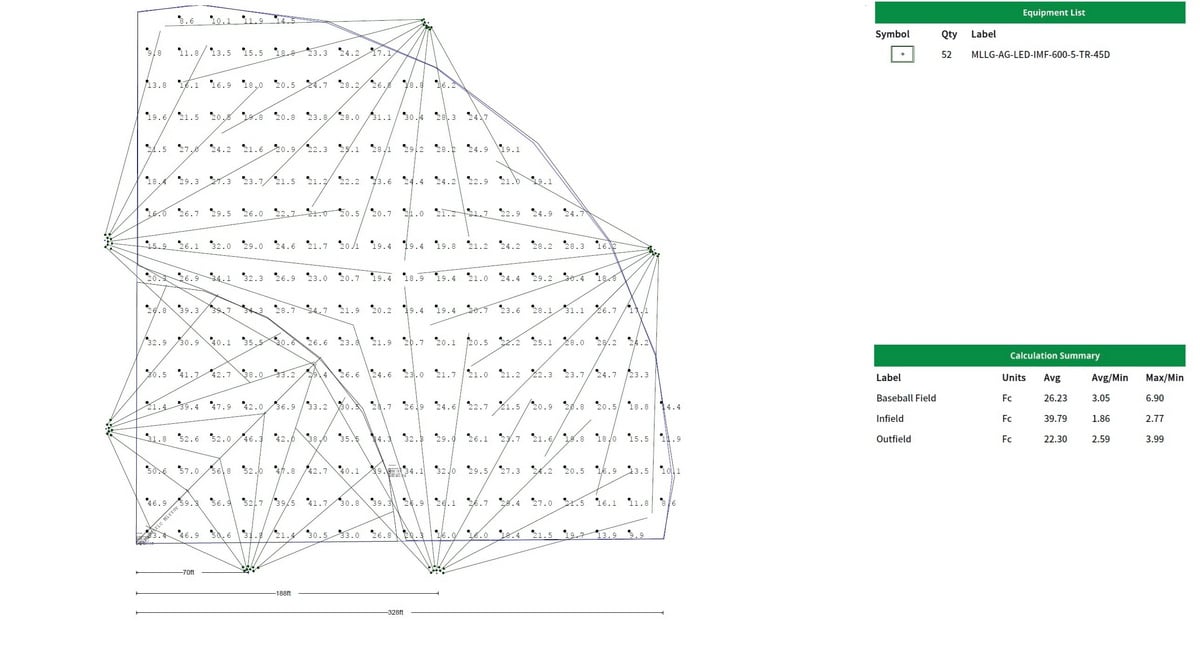
Lighting Plan We Created for the Customer
|
Lighting Plan |
Heat Map |
 |
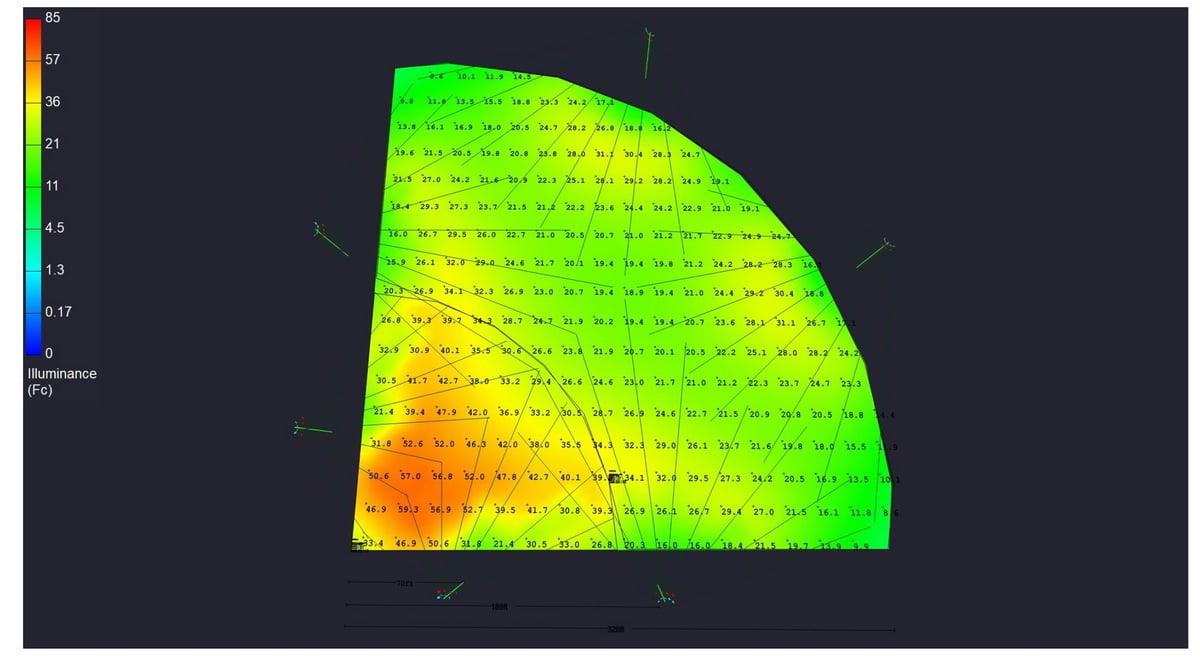 |
Baseball / Softball Field Lighting Installation Plan Metrics
- Mounting height: 47 and 50 ft
- Fixture Used: MLLG-AG-LED-IMF-600-5-[Optic]-TR-[V]: 600 Watt LED Flood Light | 84000 Lumens | 5000K | 100V-277V or 277V-480V
- FC achieved: 39.79 FC (infield), 22.30 FC (outfield) average
- Uniformity (Avg/Min): 2.35
Emerald Playground Association Little League Baseball Field Flood Lighting Upgrade Case Study
The Backstory of Our Relationship With Emerald Playground Association
Gil Resto, Electrician at GR Electric LLC, was seeking support on behalf of his customer, Emerald Playground Association, a nonprofit Little League organization in Slatington, Pennsylvania. The association maintains two baseball fields that serve the surrounding community, requiring a lighting solution to maximize player safety while allowing for performance after sunset. This upgrade would also let the fields host tournaments, rather than sending Little League teams elsewhere.
The electrician needed to prepare a preliminary cost estimate for the light fixture investment that would be presented to the association for budget approval. Each baseball field included 6 existing 40-foot wood poles, which set the mounting-height requirements for the lights. Our team ran a custom lighting plan to validate the required fixture counts and provided a product recommendation.
After a quote was approved and the funds were secured, Chad Crisman from the association began working directly with LED Lighting Supply to purchase the lights for the project. Gil continued working as the electrician installing the new system.
The Challenge of the Baseball Field Lighting Project
Little League baseball has a narrow window of usable daylight. At the Emerald Playground fields, practices and games regularly stretched into the evening. The last few innings of a spring or fall game were played in fading light. This limited the number of games that could be scheduled on each field due to safety and performance concerns. This restriction pushed teams toward playing during daylight slots and eliminated the possibility of hosting tournament-level games.
The lighting challenge was not simply about overall brightness. Chad explained they were concerned about light landing in concentrated hot spots around the poles. The goal was to illuminate both fields as uniformly as possible, preventing shadows in outfield corners and foul territory, an issue we often see when floodlights are installed with limited focus on aiming angles and optics.
Due to the unique circumstances of upgrading two separate fields, Emerald Playground Association required an experienced baseball field lighting partner.
Based on our 15+ years of experience, we typically recommend a light level of 30 to 50 foot candles (fc) in the infield and 15 to 30 fc in the outfield for recreational-level baseball fields. These values align with the standards set by Little League International and meet tournament-level play requirements.
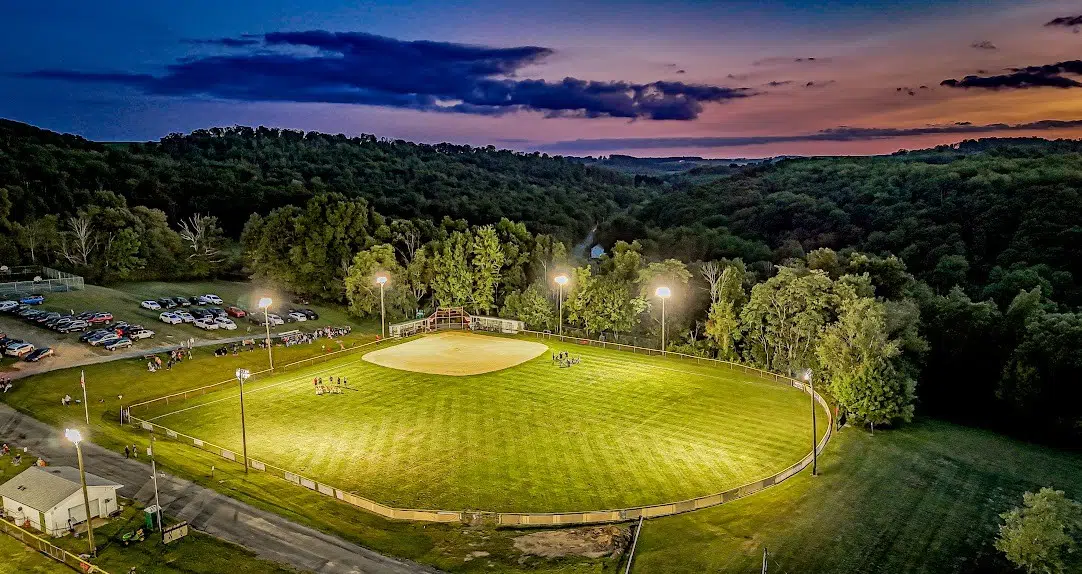
Emerald Playground Association Left Baseball Field With Our LED Lights Installed
Lighting plan metrics:
- Product(s) Used: MLLG-AG-LED-IMF-400-5-[Optic]-TR-[V]
Softball Field Lighting Certifications, Rebates, and Warranty Support
Selected LED softball field lights from LED Lighting Supply carry a safety listing such as UL, ETL, or CSA, depending on the product. Many models may be DLC or DLC Premium listed for utility rebate support where available. DLC qualification is a performance and efficiency program; it is not an electrical safety certification. Rebate requirements vary by utility, region, and product listing, so confirm eligibility on the selected product specification before ordering.
Warranty coverage varies by product, with many LED softball field lights offering a 5-year warranty unless otherwise specified. Before purchase, review the selected product specification to confirm certifications, DLC status, warranty terms, voltage, controls compatibility, mounting method, environmental ratings, and suitability for the field layout and surrounding conditions.
Request a softball field lighting layout and our Product Specialists can help review field size, level of play, pole height, fixture placement, target foot-candles, glare, spill light, voltage, controls, and product specifications.
LED Softball Field Lighting FAQs
Why Should Softball Field Lights Be Selected With A Lighting Plan?
Softball field lights should be selected with a lighting plan because fixture wattage, beam angle, fixture count, pole height, and aiming should be confirmed together rather than chosen from wattage alone. The plan should account for field dimensions, pole layout, mounting height, aiming, uniformity, glare, spill light, obstructions, and existing electrical infrastructure.
Why Are Infield And Outfield Lighting Targets Evaluated Separately?
Infield and outfield lighting targets are evaluated separately because the infield usually requires higher light levels, while the outfield typically has lower targets that still need enough uniformity for fly balls, player safety, and spectator visibility. A softball field should not be evaluated as a single lighting zone.
How Do Softball Field Lighting Needs Differ From Baseball Field Lighting?
Softball field lighting should be evaluated using the softball field's own dimensions rather than copied from a baseball layout. Smaller field dimensions, different pole layouts, aiming angles, infield and outfield targets, backstop placement, and dugout placement can affect the lighting design.
Which LED Fixture Type Fits A Softball Field Project?
LED sports field lights are the primary choice for softball fields, community ballparks, school fields, and competitive field lighting. LED stadium lights fit higher-output, larger-field, tournament, and taller-pole applications, while LED flood lights fit smaller practice areas, batting zones, support areas, or directional lighting where a sports-field optic is not required.
What Should Be Reviewed Before Reusing Existing Softball Field Poles?
Existing softball field poles should be reviewed for fixture weight, wind load, bracket condition, and mounting suitability. Existing pole layout can also limit fixture placement, aiming angles, and coverage, so a lighting plan can show whether the current layout can meet target levels.
How Can A Softball Lighting Layout Address Glare And Spill Light?
A softball lighting layout can address glare and spill light by reviewing pole height, beam angle, fixture aiming, player sightlines, field coverage, and surrounding areas before installation. Nearby homes, roads, walking paths, parking lots, adjacent fields, backstops, fencing, netting, dugouts, bleachers, trees, and structures can affect the layout.
Can LED Softball Field Lights Support Scheduling Or Partial-Field Operation?
Some LED softball field lighting systems may support scheduling, dimming, practice modes, or partial-field operation depending on the model and control design. Sports lighting controls can also provide field zoning and separate operation for games, practices, maintenance, or security.
What Should Buyers Confirm Before Ordering LED Softball Field Lights?
Buyers should confirm the selected product specification for fixture wattage, lumen output, beam angle, mounting hardware, voltage, controls, surge protection, certifications, environmental ratings, warranty coverage, and field suitability before ordering. Rebate eligibility should also be confirmed on the selected product specification because requirements vary by utility, region, and product listing.