LED Can Lights and Downlighting
- Options for offices, corridors, retail, airports, and exterior soffits
- Retrofit kits available for compatible existing can housings
- Product selection support for ceiling type and application needs
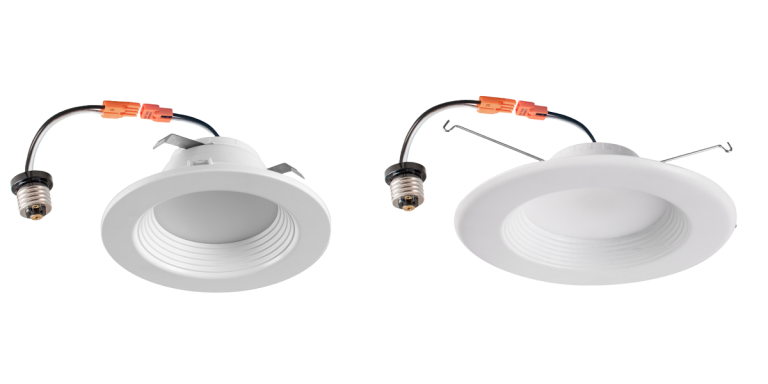


Our Commercial LED Recessed Lighting and Downlights include new recessed fixtures, LED retrofit kits, and adjustable trims for commercial ceiling and soffit installations. Available models vary by housing size, including 6-inch and 8-inch cans, lumen output, voltage, color temperature, dimming, connection method, and indoor or exterior-facing configurations.
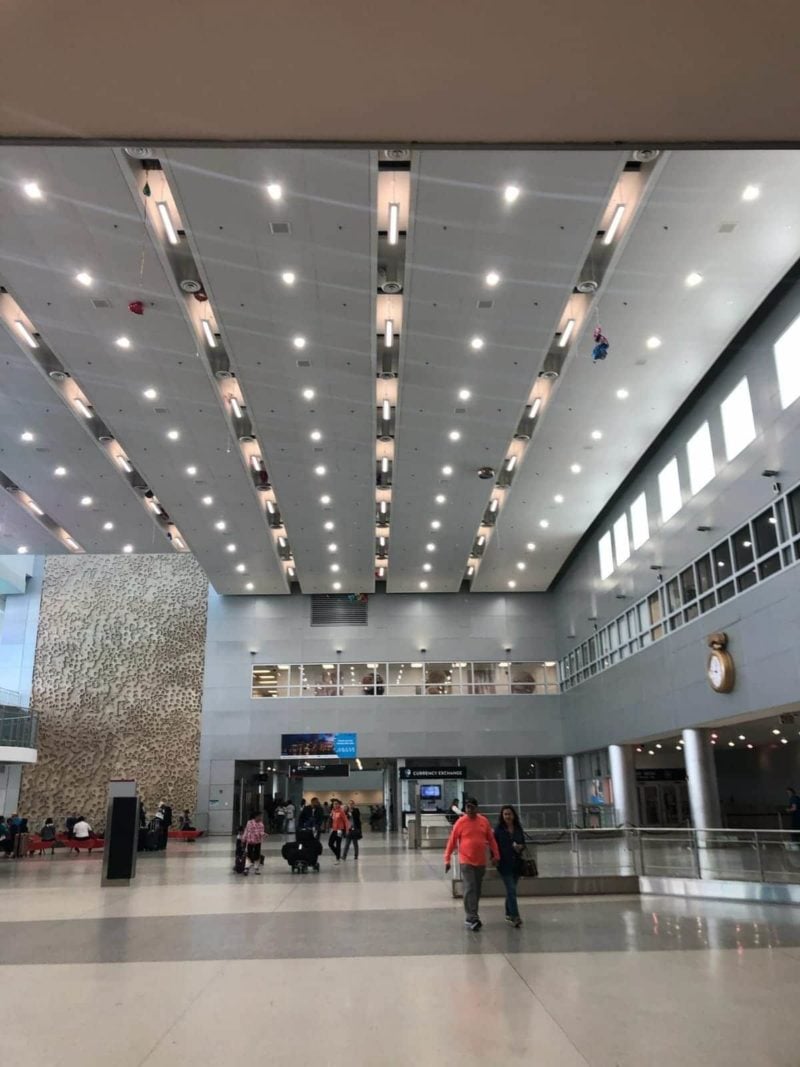
These fixtures are commonly used in offices, conference rooms, corridors, lobbies, retail spaces, schools, healthcare areas, airports, transportation spaces, and exterior soffits. Retrofit products are also used in projects with existing commercial can housings.
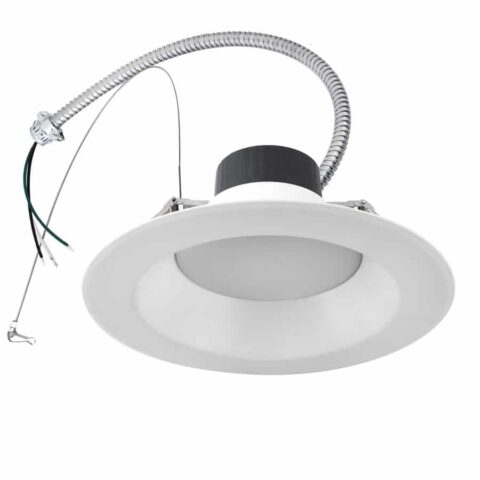


Commercial LED Recessed Lighting for Clean Ceiling Installations
Commercial LED recessed lighting is installed into a ceiling cavity so the fixture sits flush or nearly flush with the finished ceiling. It is commonly used in offices, corridors, lobbies, retail spaces, schools, healthcare areas, airports, soffits, and other commercial interiors where a clean ceiling appearance is preferred.
Recessed lights may also be called can lights, downlights, or pot lights. Start by determining whether the project needs a new recessed fixture or a retrofit for an existing can housing. Then confirm the ceiling type, housing size, mounting depth, voltage, and connection method before selecting lumen output, color temperature, dimming, and trim or beam control for the application. Confirm fire-rating, damp-location, wet-location, or exterior requirements where applicable. Soffit lighting usually refers to recessed or surface-mounted fixtures installed in exterior building overhangs.
Selection and Installation Note: Product specifications, housing size, trim style, lumen output, wattage, voltage, dimming, selectable CCT, connection method, fire rating, wet-location rating, IP rating, certifications, and warranty coverage vary by model. Confirm the selected product specification before ordering. For recessed fixtures, ceiling cavities, soffit installations, electrical upgrades, fire-rated ceilings, exterior locations, code-sensitive applications, or safety-critical spaces, verify requirements with your local inspector or a licensed electrical professional.
Where Commercial Recessed Lighting Makes Sense
Recessed lighting is best used where the fixture should blend into the ceiling rather than hang below it. It is a good option for finished commercial spaces, lower ceilings, corridors, lobbies, customer-facing interiors, and soffits where appearance and clearance matter.
| Application | What to Review |
|---|---|
| Offices and conference rooms | Ceiling height, glare, dimming, color temperature, fixture spacing, and visual comfort. |
| Corridors and lobbies | Fixture spacing, trim appearance, emergency lighting needs, ceiling depth, and maintenance access. |
| Retail and customer areas | Beam angle, color temperature, product visibility, glare, and whether adjustable trims are needed. |
| Airports and transportation spaces | Long operating hours, fixture access, housing compatibility, durability, and code requirements. |
| Exterior soffits | Wet-location rating, sealed trim, housing protection, drainage, corrosion exposure, and exterior installation requirements. |
| Retrofit can light projects | Existing can size, housing condition, voltage, connection method, heat dissipation, and trim compatibility. |
Recessed Fixtures vs Retrofit Kits
Commercial recessed lighting projects usually fall into two groups: new fixtures or LED retrofit kits. New construction or major renovations often use complete recessed fixture assemblies. Retrofit projects may use LED modules or retrofit kits designed to fit existing can housings.
| Option | Best Used When |
|---|---|
| New recessed fixtures | The ceiling is being built, opened, or redesigned, or the existing housings are not suitable for reuse. |
| LED retrofit kits | Existing commercial can housings are in good condition and compatible with the selected LED retrofit product. |
| Exterior soffit fixtures | The fixture is installed in an overhang and must be rated for the exposure, moisture, and installation method. |
| Adjustable or directional trims | The space needs accent lighting, wall washing, display lighting, or more controlled beam direction. |
Before ordering retrofit kits, confirm the existing housing size, depth, wiring method, condition, voltage, and heat-management requirements. Common commercial housing sizes may include 6-inch and 8-inch cans, but compatibility should be confirmed by the selected product specification.
How to Choose Commercial LED Recessed Lights
The right recessed fixture should be selected around the ceiling and application. A fixture that works in a dry office ceiling may not be appropriate for an exterior soffit, damp corridor, airport ceiling, or fire-rated assembly.
- Ceiling type: Confirm whether the fixture will be installed in drywall, acoustic tile, hard ceiling, soffit, or an existing can housing.
- Ceiling depth: Recessed fixtures need enough space above the ceiling for the housing, driver, wiring, and heat dissipation.
- Housing size: Confirm 6-inch, 8-inch, or other housing compatibility before selecting a retrofit kit.
- Lumen output: Choose output based on room use, ceiling height, fixture spacing, and desired brightness.
- Color temperature: 3000K, 4000K, and 5000K options may be available depending on model. Selectable CCT can help match existing lighting or adjust the space after installation.
- Dimming: Confirm dimming compatibility before ordering, especially when using existing wall controls or building control systems.
- Connection method: Some fixtures use pigtail wiring, while others may include quick-connect options depending on model.
- Environment: Exterior soffits, damp areas, and wet-location applications require properly rated fixtures, housings, and trims.
Exterior Soffit and Outdoor Recessed Lighting
Exterior soffit installations need more review than standard indoor recessed lights. Moisture, temperature swings, wind-driven rain, insects, dust, and building envelope details can affect fixture selection and installation.
For exterior use, confirm that the fixture, trim, housing, gasket, wiring method, and installation location are suitable for the exposure. IP ratings and wet-location ratings vary by model. An IP rating addresses ingress protection against solids and water under defined test conditions; it does not by itself establish corrosion resistance or suitability for every exterior exposure. A fixture used in a protected soffit may not be suitable for harsher exterior exposure unless the selected product is rated for that environment.

Fire Rating, Heat, and Installation Clearance
Recessed fixtures sit inside the ceiling assembly, so heat management and code requirements matter. Some ceiling assemblies may require a luminaire or installation method specifically evaluated for use in that assembly. Requirements vary by building type, ceiling assembly, occupancy, and local code.
LED recessed fixtures should have proper thermal management and should be installed according to the manufacturer’s instructions. Poor ventilation, incorrect insulation contact, incompatible housings, or improper wiring can reduce fixture life or create safety issues. Confirm insulation clearance, IC rating where applicable, fire-rated assembly requirements, and installation instructions before ordering.
Certifications, Rebates, and Warranty Support
Safety listings, including UL, ETL, or CSA certifications, vary by product and configuration. Selected commercial recessed lighting models may be DLC or DLC Premium listed, which can support utility rebate eligibility where available. DLC qualification is a performance program and does not replace an electrical safety certification. Rebate requirements vary by utility, region, and product listing, so confirm eligibility on the selected product specification before ordering.
Warranty coverage varies by model; selected commercial recessed lights include a 5-year warranty. Before purchase, review the selected product specification to confirm certifications, DLC status, warranty coverage, voltage, dimming compatibility, mounting method, environmental ratings, and whether the fixture is right for your project.
When to Consider Another Lighting Approach
Recessed lighting is not the best choice for every commercial space. A different fixture type may provide a more practical installation, better light distribution, or easier maintenance when ceiling conditions do not support recessed housings.
- Very shallow or inaccessible ceiling cavities: Surface-mounted, suspended, or low-profile fixtures may avoid conflicts with structure, ductwork, piping, or limited plenum depth.
- High ceilings or broad open areas: Recessed downlights may not provide the most efficient distribution for the required illuminance. Linear, high-bay, or pendant fixtures may be more appropriate depending on the photometric plan.
- Frequent maintenance access: Surface-mounted fixtures can be easier to inspect, service, or replace where access above the ceiling is limited.
- Heavy moisture, washdown, chemical, or corrosive exposure: Select fixtures based on the documented environment, including materials, seals, ratings, and manufacturer environmental information rather than relying on recessed appearance or IP rating alone.
- Areas requiring emergency illumination: Emergency lighting must be designed and installed to meet the applicable code and project requirements; a standard recessed fixture does not automatically provide emergency operation.
Contact us about your commercial recessed lighting project, and our Product Specialists can help review housing size, ceiling type, lumen output, color temperature, voltage, dimming, environmental rating, fire-rated assembly requirements, and product specifications.
LED Can Lights and Downlighting FAQs
How Do I Choose Between New Recessed Fixtures And LED Retrofit Kits?
Choose new recessed fixtures when the ceiling is being built, opened, redesigned, or existing housings are not suitable for reuse. Choose LED retrofit kits when existing commercial can housings are in good condition and compatible with the selected retrofit product.
What Should I Confirm Before Ordering LED Retrofit Kits?
Confirm the existing housing size, depth, wiring method, condition, voltage, heat-management requirements, and trim compatibility before ordering LED retrofit kits. Common commercial housing sizes may include 6-inch and 8-inch cans, but compatibility should be confirmed by the selected product specification.
How Should I Select Lumen Output For Commercial Recessed Lighting?
Select lumen output based on room use, ceiling height, fixture spacing, and desired brightness. Fixture diameter alone is not enough, because beam angle, trim style, voltage, dimming, and heat management also matter.
What Should Be Considered For Exterior Soffit Recessed Lighting?
Exterior soffit recessed lighting requires confirmation that the fixture, trim, housing, gasket, wiring method, and installation location are suitable for the exposure. Wet-location ratings and IP ratings vary by model, and a fixture used in a protected soffit may not be suitable for harsher exterior exposure unless it is rated for that environment.
How Much Ceiling Depth Does A Recessed Fixture Need?
Recessed fixtures need enough space above the ceiling for the housing, driver, wiring, and heat dissipation. Some recessed fixtures require more plenum space than shallow ceilings can provide.
When Should Fire Rating And Insulation Clearance Be Reviewed?
Review fire-rating needs and insulation clearance before ordering recessed fixtures, especially for ceiling assemblies or occupancies that may require fire-rated fixtures or installation methods. Confirm IC rating where applicable and follow the manufacturer's installation instructions.
Are Dimming And Color Temperature Options Available?
Color temperature options may include 3000K, 4000K, and 5000K depending on the model, and selectable CCT can help match existing lighting or adjust the space after installation. Confirm dimming compatibility before ordering, particularly when using existing wall controls or building control systems.
What Certifications And Warranty Coverage Are Available?
Commercial LED recessed lights from LED Lighting Supply carry a safety listing such as UL, ETL, or CSA depending on product, and many models are DLC or DLC Premium listed for utility rebate support where available. Most commercial LED recessed lights include a 5-year warranty unless otherwise specified, but certifications, DLC status, rebate eligibility, and warranty coverage should be confirmed on the selected product specification.