Fiberglass Light Poles
- Corrosion-resistant composite poles built for coastal and harsh environments
- Lightweight design simplifies handling, transport, and installation
- Multiple shapes and mounting options for flexible site configurations


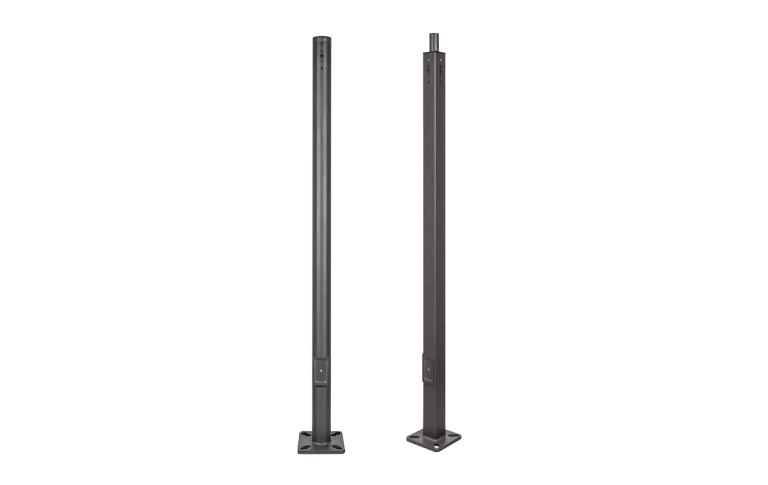
Our Fiberglass Light Poles include round, square, and tapered composite and FRP poles with direct-burial and anchor-base installation options. Available models support lighting fixtures, bullhorns, crossarms, tenons, security cameras, and other accessories.
These poles are used for parking lots, pathways, parks, campuses, sports courts, commercial properties, coastal sites, wastewater facilities, utility applications, and perimeter security systems.
-
 Starting At $1,399.00


-
Starting At $1,593.00
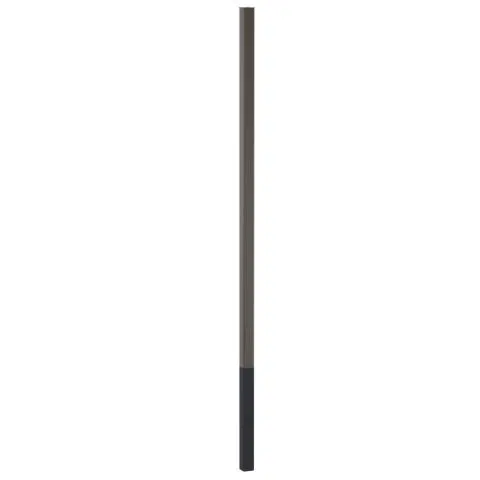

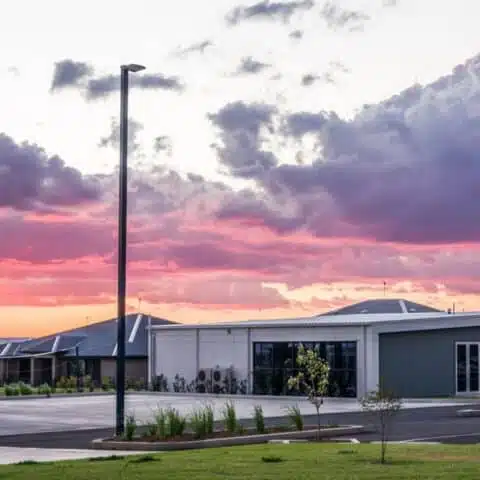

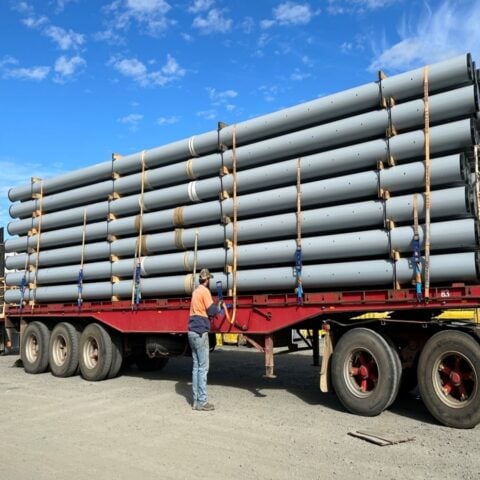
Fiberglass light poles, also called composite or FRP light poles, provide a lightweight, corrosion-resistant alternative to steel, wood, and concrete poles. They are used for parking lots, pathways, parks, campuses, sports courts, security cameras, commercial properties, coastal sites, and other outdoor installations where environmental exposure and handling requirements affect pole selection.
Available configurations include round, square, and tapered poles with direct-burial or anchor-base installation options. Fiberglass does not rust and may be useful for salt-air environments, wastewater facilities, utility applications, and locations exposed to moisture or selected corrosive materials.
Selection Note: Start with the required pole height, installation method, and site conditions, then verify the selected model’s structural rating, allowable EPA, wind rating, fixture load, mounting hardware, finish, and compliance requirements. Confirm the exact pole specification, fixture configuration, and structural requirements before ordering.
What Are Fiberglass Light Poles?
Fiberglass poles are manufactured from reinforced fibers and resin formed into a structural composite. Depending on the design, the manufacturing process may use pultrusion, winding, or a combination of methods to create a hollow pole with controlled wall thickness and strength.
The hollow composite construction makes fiberglass poles lighter than many steel, concrete, or wood alternatives of similar height. Lower weight can simplify transportation, handling, and installation, especially where access is limited or large lifting equipment is difficult to use.
Fiberglass poles are engineered for specific structural loads. Their suitability depends on pole height, shape, fixture EPA, mounting arrangement, wind criteria, installation method, and manufacturer data rather than material alone.
Benefits of Fiberglass Light Poles
| Benefit | Why It Matters |
|---|---|
| Corrosion resistance | Fiberglass does not rust and may be well suited to coastal, salt-air, wastewater, agricultural, and selected chemical environments. |
| Lower weight | Composite poles are generally lighter than comparable steel or concrete poles, which can simplify handling and reduce lifting requirements in some installations. |
| Nonconductive pole shaft | Fiberglass pole shafts are generally nonconductive, although fixtures, wiring, fasteners, bases, and mounting hardware may contain conductive components. Confirm requirements for electrically sensitive installations. |
| Low-maintenance exterior | Fiberglass does not require rust treatment. Surface finish and maintenance requirements still depend on ultraviolet exposure, impact, chemicals, and the selected coating. |
| Controlled flexibility | Fiberglass poles may flex more than steel under load. Deflection limits and structural performance must be reviewed for the exact pole model and application. |
| Multiple installation options | Products may be available for direct-burial or anchor-base installation, allowing the pole to match different site and foundation requirements. |
Fiberglass Light Pole Shapes
Pole shape affects appearance, mounting compatibility, handling, and published structural capacity. Select the shape based on the project design and the manufacturer’s load information rather than appearance alone.
| Pole Shape | Common Uses and Considerations |
|---|---|
| Round Fiberglass Light Poles | Common for parking areas, pathways, parks, sports courts, cameras, and general outdoor lighting. The round profile provides a neutral appearance and works with many common mounting arrangements. |
| Square Fiberglass Light Poles | Often selected for commercial properties, sports facilities, campuses, and projects where a square architectural profile is preferred. Confirm drilling, handhole orientation, and accessory compatibility. |
| Tapered Fiberglass Light Poles | Provide a gradually changing profile from base to top. Tapered poles may be selected for appearance, handling, or manufacturer-specific structural performance, including some high-wind applications. |
Anchor-Base Versus Direct-Burial Fiberglass Poles
| Installation Type | How It Is Used |
|---|---|
| Anchor-Base Fiberglass Poles | Mount to an engineered concrete foundation using a base plate and anchor bolts. They may be preferred where poles must be removable, where finished grades are established, or where anchor-base construction is specified. |
| Direct-Burial Fiberglass Poles | Install with a portion of the pole embedded below grade. Embedment depth, hole size, backfill, drainage, soil conditions, and installation requirements depend on the pole and project specifications. |
Neither installation method is automatically stronger or better. The correct choice depends on pole height, structural loading, soil conditions, foundation design, service access, local requirements, and how the site will be constructed and maintained.
Are Fiberglass Poles Suitable for High-Wind Locations?
Fiberglass poles may be available for high-wind, coastal, hurricane-prone, and open-exposure locations, but suitability must be confirmed for the exact model. Pole material alone does not determine whether a pole can support the proposed lighting system.
Review the pole’s allowable EPA at the required wind speed along with pole height, fixture quantity, fixture EPA, arms, bullhorns, cameras, signs, and other mounted equipment. For a broader comparison of steel and fiberglass options, visit our high-wind rated light poles page.
What Determines the Correct Fiberglass Pole?
| Selection Factor | What to Confirm |
|---|---|
| Pole height | Confirm the required mounting height and use structural data for that exact pole height. |
| Structural rating | Review the ratings published for the selected model. Depending on the product, these may include pole class, tip load, ground-line moment, allowable EPA, deflection, or wind-speed tables. |
| Fixture load | Provide the fixture model, quantity, weight, EPA, and mounting arrangement. Wattage and lumen output do not determine structural load. |
| Mounting hardware | Include bullhorns, crossarms, tenons, brackets, cameras, and other accessories in the structural review. |
| Wind requirements | Confirm the project wind criteria and compare the complete mounted load with the pole manufacturer’s published capacity. |
| Installation method | Determine whether anchor-base or direct-burial installation is required and verify foundation, embedment, drainage, and access requirements. |
| Environmental exposure | Review salt air, ultraviolet exposure, chemicals, standing water, impact, temperature, and other site conditions. |
| Finish and appearance | Confirm available colors, surface finish, ultraviolet-resistant coating, shape, taper, and how the pole will coordinate with the property. |
Mounting Lights, Cameras, and Accessories
Fiberglass poles may support LED fixtures, bullhorns, crossarms, tenons, security cameras, and other accessories when the pole and mounting provisions are designed for the combined load. Common applications include parking lots, pathways, sports courts, campuses, parks, utility sites, and perimeter security systems.
Every mounted component adds weight and wind-exposed area. Confirm fixture EPA, arm length, mounting orientation, drilling requirements, and manufacturer-approved attachments before ordering or modifying the pole.
How Long Do Fiberglass Light Poles Last?
Service life depends on the pole construction, resin system, exterior coating, ultraviolet exposure, impact, chemicals, installation quality, loading, and maintenance. Fiberglass avoids rust and rot, which can provide an advantage in environments that are difficult for untreated metal or wood.
No single lifespan applies to every composite pole. Review the manufacturer’s warranty, coating system, inspection guidance, and environmental limitations for the selected model.
Common Fiberglass Light Pole Selection Mistakes
- Selecting by height alone: Structural rating, allowable EPA, wind criteria, fixture load, and mounting configuration must also be reviewed.
- Assuming fiberglass is always the best coastal option: Fiberglass resists rust, but coating, ultraviolet exposure, hardware, impact, and project-specific structural requirements still matter.
- Ignoring deflection: Fiberglass may flex more than steel, which can affect cameras, narrow-beam fixtures, and applications sensitive to movement.
- Using unapproved field drilling: Holes, cuts, and accessory attachments can affect pole strength and should follow manufacturer instructions.
- Excluding mounting hardware from the load: Crossarms, bullhorns, brackets, cameras, and signs contribute to the complete structural load.
- Assuming direct burial needs no site preparation: Embedment, backfill, drainage, soil conditions, and installation procedures must be verified.
- Adding equipment later without review: New fixtures or accessories may cause the system to exceed the pole’s published capacity.
Need Help Selecting Fiberglass Light Poles?
LED Lighting Supply can help narrow fiberglass pole options based on the project location, pole height, fixture model, fixture EPA, mounting arrangement, installation method, finish, and environmental exposure.
Contact us about fiberglass light poles and provide the project address, desired pole height, fixture quantity, mounting hardware, and whether anchor-base or direct-burial installation is preferred. Final structural, foundation, and code requirements should be confirmed by the appropriate qualified professionals for the project.
Fiberglass Light Poles FAQs
How Do I Choose The Correct Fiberglass Light Pole?
Choose a fiberglass light pole by confirming the required height, structural rating, fixture load, mounting hardware, wind criteria, installation method, environmental exposure, and finish for the project. The complete mounted load must be compared with the selected pole model's published capacity.
Should I Choose An Anchor-Base Or Direct-Burial Fiberglass Pole?
Choose anchor-base or direct-burial installation based on structural loading, soil conditions, foundation design, service access, local requirements, and site construction and maintenance needs. Anchor-base poles mount to an engineered concrete foundation, while direct-burial poles use a portion of the pole embedded below grade.
Can Fiberglass Light Poles Be Used In Coastal Or Corrosive Environments?
Fiberglass light poles may be useful in salt-air environments, wastewater facilities, utility applications, and locations exposed to moisture or selected corrosive materials because fiberglass does not rust. Coating, ultraviolet exposure, hardware, impact, and project-specific structural requirements still need review.
How Should I Verify A Fiberglass Pole For High-Wind Locations?
Verify the exact pole model's allowable EPA at the required wind speed, along with pole height and the complete mounted load. Include fixtures, arms, bullhorns, cameras, signs, and other mounted equipment in the review.
Can Fiberglass Poles Support Lights, Cameras, And Accessories?
Fiberglass poles may support LED fixtures, bullhorns, crossarms, tenons, security cameras, and other accessories when the pole and mounting provisions are designed for the combined load. Confirm fixture EPA, arm length, mounting orientation, drilling requirements, and manufacturer-approved attachments before ordering or modifying the pole.
Why Is Fixture Wattage Not Enough To Select A Fiberglass Pole?
Fixture wattage and lumen output do not determine structural load on a fiberglass pole. Provide the fixture model, quantity, weight, EPA, and mounting arrangement for the structural review.
What Should I Consider When Selecting A Fiberglass Pole Shape?
Select round, square, or tapered fiberglass pole shapes based on project design and the manufacturer's load information rather than appearance alone. Pole shape affects appearance, mounting compatibility, handling, and published structural capacity.
Do Fiberglass Light Poles Have One Standard Service Life?
No single lifespan applies to every fiberglass light pole. Service life depends on construction, resin system, exterior coating, ultraviolet exposure, impact, chemicals, installation quality, loading, and maintenance.