LED Container Terminal Lighting
- High mast and marine-grade fixture options for salt-air exposure
- Application support for crane zones, docks, and cargo areas
- DLC-listed options available for utility rebate eligibility


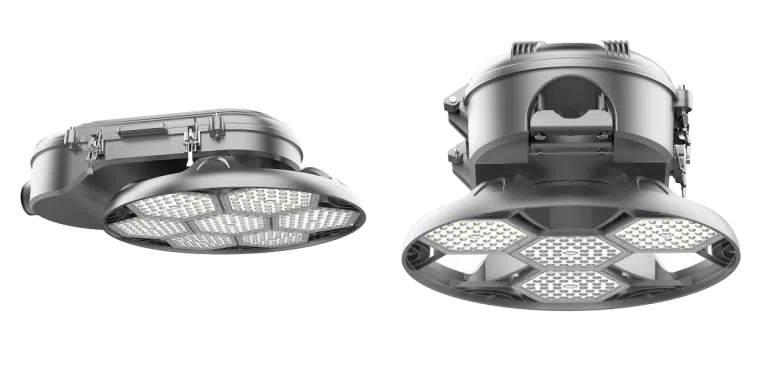
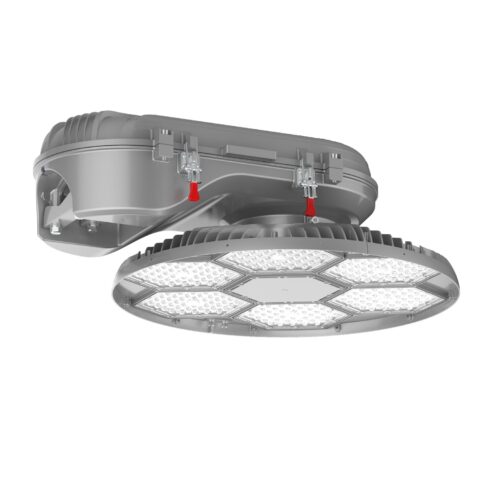
Our LED Container Yard Lighting includes high mast lights, flood lights, area lights, marine-grade fixtures, crane-mounted lights, emergency lighting, and interior high bays for port and terminal facilities. Available products include fixtures for outdoor yard coverage, directional work areas, waterfront locations, crane structures, classified areas, and support buildings.
These products are used in container storage yards, cargo terminals, loading aprons, truck lanes, rail transfer areas, crane zones, docks, wharves, security gates, inspection areas, warehouses, and maintenance shops.
-
 Starting At $697.50




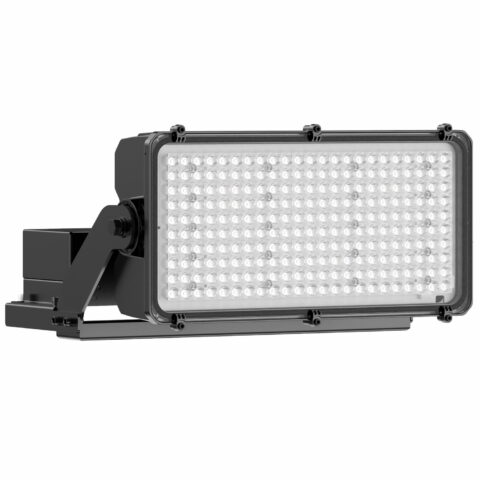
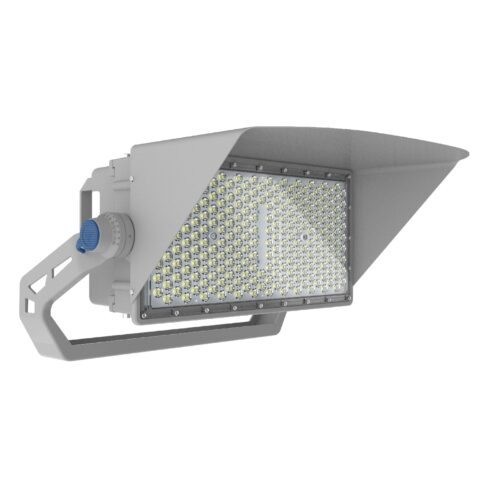

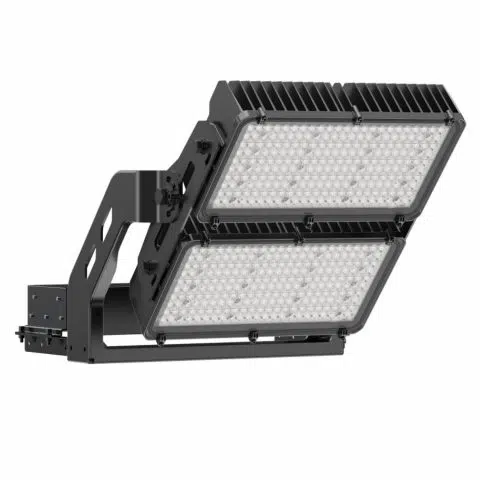
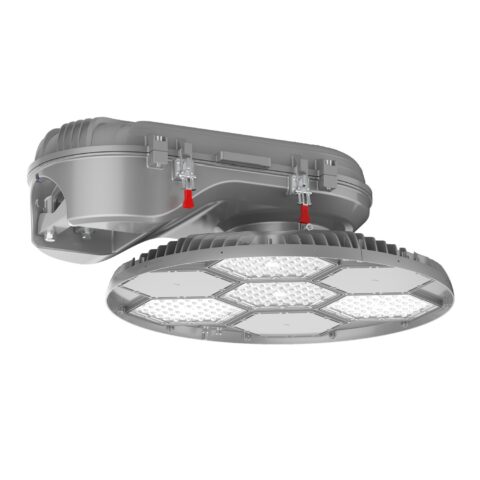
Container Yard Lighting Starts with Salt Air, Scale, Cranes, and Moving Equipment
LED container yard lighting and port terminal lighting must handle more than general open-area illumination. These sites combine salt air, high humidity, rain, wind, vibration, stacked containers, ship-to-shore cranes, gantry cranes, reach stackers, trucks, rail equipment, security checkpoints, and 24/7 cargo operations. A fixture that performs well in a standard parking lot may not be suitable for a marine terminal, container port, cargo yard, crane lane, or waterfront loading area.
Start by mapping each operating zone and the work performed there, then select fixture type, mounting height, optics, corrosion resistance, glare control, and light levels for that area. Container yards may need high mast lighting with carefully selected optics to cover container rows, traffic lanes, and handling equipment. Loading and unloading areas need uniform horizontal and vertical illumination so operators can see containers, vehicles, markings, and nearby personnel. Crane work zones need vibration-resistant mounting and glare control, while docks and waterfront areas need corrosion-resistant construction suited for salt air and wet conditions. Fuel transfer, chemical storage, or other classified areas may require properly rated hazardous-location lighting.
Most container yard and port terminal projects use a combination of LED high mast lights, flood lights, marine-grade fixtures, crane-mounted lights, area lights, explosion proof lighting, emergency lighting, and interior high bays for maintenance shops, warehouses, and support buildings.

LED high mast lights installed at a West Coast container port.
Selection and Installation Note: Product specifications, ratings, controls, certifications, marine suitability, corrosion resistance, IP rating, impact rating, hazardous-location suitability, mounting hardware, wind exposure, surge protection, and warranty coverage vary by model. Confirm the selected product specification before ordering. For container yards, port terminals, marine terminals, docks, cranes, high mast systems, hazardous areas, emergency lighting, or other code-sensitive applications, verify requirements with the facility team, project specifier, local inspector, authority having jurisdiction, and a licensed electrical professional.
Common Fixture Types Used in Container Yards and Port Terminals
Container ports and marine terminals usually need more than one fixture type. The fixture, mounting height, optic, corrosion package, and light level should be selected around the size of the yard, container stacking pattern, equipment routes, crane locations, and surrounding property.
| Fixture Type | Common Use |
|---|---|
| High Mast Lights | Large container yards, cargo terminals, loading aprons, truck lanes, rail transfer areas, and equipment zones requiring broad coverage from taller mounting heights. |
| Flood Lights | Directional coverage for crane lanes, docks, wharves, cargo handling areas, inspection zones, building exteriors, and localized work areas. |
| Area Lights | Service roads, gate areas, employee parking, perimeter zones, smaller cargo yards, equipment storage areas, and general exterior coverage. |
| Marine-Grade Fixtures | Salt-air and waterfront environments where corrosion-resistant housings, sealed construction, wet-location suitability, and durable mounting hardware are important. |
| Crane-Mounted LED Lights | Ship-to-shore cranes, rubber-tired gantry cranes, rail-mounted gantry cranes, lift areas, and active container handling zones where vibration and operator glare must be reviewed. |
| Explosion Proof and Hazardous Location Lights | Fuel transfer, chemical handling, coating, vapor-prone, and other classified areas where properly rated hazardous-location lighting is required. |
| Emergency and Backup Lighting | Emergency routes, stairways, egress paths, control rooms, maintenance zones, and safety-sensitive areas where backup illumination may be required. |
| Interior High Bays and Linear Fixtures | Container maintenance buildings, warehouses, repair shops, parts storage areas, customs inspection buildings, and other support facilities. |
Container Yard and Port Terminal Lighting by Zone
Lighting should be planned around the work performed in each area. Container stacks, crane lanes, truck routes, rail transfer zones, docks, security gates, inspection areas, and support buildings each have different light level, glare, corrosion, mounting, and visibility requirements.
| Container Port Zone | Lighting Priority |
|---|---|
| Container Storage Yards | Wide-area high mast coverage, container-stack shadow control, equipment visibility, camera support, and reduced spill light beyond the terminal. |
| Loading and Unloading Aprons | Uniform illumination for cargo movement, vessel loading, crane paths, truck positioning, container identification, and equipment operators. |
| Ship-to-Shore Crane Zones | Glare control for crane operators, vertical visibility around containers, vibration-resistant mounting, and coverage that follows active loading areas. |
| Gantry Crane and Straddle Carrier Lanes | Clear visibility along equipment travel lanes, container rows, intersections, pedestrian zones, and changing work areas. |
| Truck Staging and Transfer Lanes | Driver visibility, trailer alignment, pedestrian crossings, traffic flow, gate processing, and camera coverage without excessive glare. |
| Rail Intermodal Transfer Areas | Coverage for railcars, containers, loading equipment, track crossings, inspection zones, and worker movement between operating areas. |
| Container Inspection and Repair Areas | Higher task visibility for damage inspection, identification markings, reefer service, mechanical work, and container maintenance. |
| Docks, Berths, Piers, and Wharves | Marine-grade construction, corrosion resistance, wet-location suitability, glare control near water, and safe access for crews and equipment. |
| Security Gates and Perimeters | Checkpoint visibility, license plate and container identification, fence-line coverage, blind-spot reduction, and security camera compatibility. |
| Fuel, Chemical, or Classified Areas | Proper hazardous-location rating, corrosion resistance, temperature-code review, and compliant wiring and installation methods. |
| Warehouses, Shops, and Support Buildings | Interior visibility for container handling, maintenance, storage, customs inspection, forklift traffic, and detailed task work. |
Recommended Foot-Candles for Container Yards, Ports, and Marine Terminals
Recommended light levels vary by terminal activity. A container storage yard, loading apron, crane zone, truck lane, rail transfer area, dock, inspection station, security checkpoint, warehouse, and emergency route each has different visibility needs. Use the tool below for application-specific starting foot-candle ranges.
Foot-candle guidance can help establish an initial brightness target, but it does not determine fixture count, pole height, high mast placement, optic selection, glare control, container-stack shadowing, corrosion resistance, crane visibility, security camera performance, hazardous-location requirements, or final compliance. A photometric plan is recommended before ordering fixtures for a container yard, container terminal, cargo terminal, or marine terminal.
Marine-Grade Fixture Selection Factors
In container ports and marine terminals, fixture durability can be as important as light output. Salt air, water exposure, vibration, wind, electrical surges, and limited maintenance access can shorten fixture life when the product is not matched to site conditions.
| Selection Factor | What to Confirm |
|---|---|
| Corrosion resistance | Review housing material, protective coating, finish, fasteners, brackets, and mounting hardware for salt-air and waterfront exposure. |
| IP and wet-location rating | Confirm protection against rain, wind-driven moisture, washdown, spray, dust, and continuous outdoor exposure. |
| Mounting height | High mast poles, crane structures, building walls, equipment frames, and lower site poles create different coverage patterns and maintenance requirements. |
| Optics and beam angle | Choose optics based on yard dimensions, pole spacing, container rows, crane paths, truck lanes, rail areas, and the required balance between reach and uniformity. |
| Vertical illumination | Review light on container sides, identification markings, trailer doors, personnel, equipment, and camera targets, not only horizontal light on the pavement. |
| Glare control | Review fixture aiming around crane operators, truck drivers, vessel crews, equipment operators, security cameras, adjacent roads, and water reflections. |
| Vibration exposure | Crane-mounted, dock-mounted, and equipment-mounted fixtures may require vibration-resistant construction, locking hardware, and secure mounting. |
| Hazardous-location rating | Fuel transfer, chemical handling, coating, vapor-prone, or classified areas may require explosion proof or hazardous-location fixtures selected for the documented classification. |
| Voltage and surge protection | Confirm operating voltage, grounding, lightning exposure, surge protection, and compatibility with the terminal's electrical distribution system. |
| Maintenance access | High mast, crane, dock, and waterfront fixtures should be selected with lowering systems, service platforms, lift access, replacement parts, and maintenance windows in mind. |
Benefits of LED Container Yard and Port Terminal Lighting
- Improved cargo-handling visibility: Properly selected fixtures can improve visibility around container rows, crane lanes, truck routes, rail transfer areas, loading zones, and inspection stations.
- Better vertical visibility: Appropriate optics and placement can improve visibility on container sides, identification markings, vehicle surfaces, personnel, and security camera targets.
- Energy efficiency: LED fixtures can reduce energy use compared with older HID or metal halide systems, with actual savings depending on wattage, controls, operating hours, and existing conditions.
- Reduced maintenance: LED fixtures reduce routine lamp and ballast replacement compared with older systems, which is especially important for high mast, crane-mounted, and waterfront locations.
- Instant-on operation: LEDs reach usable output quickly, supporting shift changes, emergency response, controls, and intermittent operating zones.
- Better optical control: Fixture optics, aiming, shields, and visors can help place light on operating areas while reducing glare, spill light, and wasted illumination.
- Controls compatibility: Many LED systems can support photocells, timers, dimming, scheduling, zoning, or networked controls depending on the model and project requirements.
- Marine-grade options: Selected fixtures are available with construction and ratings suited for salt air, moisture, corrosion, vibration, wind, and continuous outdoor exposure.
Container Yard Lighting Certifications, Rebates, and Warranty Support
LED container yard and port terminal lighting fixtures from LED Lighting Supply carry safety listings such as UL, ETL, or CSA, depending on the product. Many models are DLC or DLC Premium listed for utility rebate support where applicable. Rebate requirements vary by utility, region, and product listing, so confirm eligibility on the selected product specification before ordering.
Most LED container yard and port terminal lighting fixtures include a 5-year warranty unless otherwise specified, with USA-based warranty support. Before purchase, confirm the selected fixture's certifications, DLC status, voltage, surge protection, controls compatibility, marine suitability, corrosion exposure, mounting method, wind exposure, hazardous-location suitability, emergency backup options, and suitability for the terminal layout and operating conditions.
Common Container Yard and Port Terminal Lighting Mistakes
Container yard lighting projects can underperform when fixtures are selected without accounting for stacked-container shadows, high mast spacing, crane movement, vertical visibility, glare, corrosion, and maintenance access.
- Using standard outdoor fixtures in marine environments: Salt air, humidity, wind-driven rain, and corrosion can shorten fixture life if fixture construction, coatings, fasteners, and hardware are not reviewed.
- Ignoring container-stack shadows: High mast layouts should account for changing container heights, crane structures, buildings, vessels, and equipment that may block light.
- Evaluating only horizontal foot-candles: Container identification, equipment visibility, security cameras, and pedestrian detection may also depend on adequate vertical illumination.
- Creating glare for crane operators or drivers: Fixture aiming, optics, shielding, pole placement, and mounting height should be reviewed from operator sight lines.
- Forgetting reflections near water: Dock, berth, pier, and wharf lighting should consider reflected glare that may affect workers, vessel crews, and nearby operations.
- Skipping vibration review on cranes and equipment: Crane-mounted and equipment-mounted fixtures may require vibration-resistant construction and secure hardware.
- Choosing fixtures by wattage alone: Lumens, optics, mounting height, spacing, voltage, corrosion resistance, glare control, and photometric results matter more than wattage alone.
- Using non-rated fixtures in classified areas: Fuel, chemical, coating, or vapor-prone zones may require properly certified hazardous-location lighting selected for the documented class, division, group, or zone.
- Not planning maintenance access: High mast, crane, dock, and waterfront fixtures may be difficult to service without lowering systems, platforms, lift access, or scheduled shutdown windows.
- Under-lighting inspection and transfer areas: Container inspection, damage assessment, reefer service, truck alignment, and rail transfer operations may need more vertical and task illumination than general storage yards.
- Skipping a photometric plan: Large container terminals, loading aprons, crane lanes, truck routes, rail transfer areas, and container stacks should be modeled before fixtures are ordered.
Request a container yard and port terminal lighting plan, and our Product Specialists can help review pole height, high mast placement, fixture aiming, foot-candle targets, vertical illumination, container-stack shadows, marine exposure, corrosion resistance, crane zones, truck lanes, rail transfer areas, voltage, controls, hazardous-location requirements, and product specifications for your project.
LED Container Terminal Lighting FAQs
How Should Container Yard Lighting Be Planned By Operating Zone?
Container yard lighting should be planned around the work performed in each area, including container stacks, crane lanes, truck routes, rail transfer zones, docks, security gates, inspection areas, and support buildings. These zones can have different light level, glare, corrosion, mounting, and visibility requirements.
How Are Fixture Count And Placement Determined For A Container Terminal?
Fixture count and placement should be based on a photometric plan that considers foot-candle targets, pole height, high mast placement, optics, glare control, container-stack shadowing, crane visibility, and the terminal layout. Foot-candle guidance can establish an initial brightness target, but it does not determine final fixture count or placement.
When Should High Mast Lights, Flood Lights, Or Area Lights Be Used?
High mast lights are commonly used for large container yards, cargo terminals, loading aprons, truck lanes, rail transfer areas, and equipment zones requiring broad coverage from taller mounting heights. Flood lights provide directional coverage for crane lanes, docks, wharves, cargo handling areas, inspection zones, building exteriors, and localized work areas, while area lights are commonly used for service roads, gate areas, parking, perimeter zones, smaller cargo yards, equipment storage, and general exterior coverage.
What Should Be Reviewed For Salt-Air And Waterfront Lighting Conditions?
For salt-air and waterfront exposure, review fixture housing material, protective coating, finish, fasteners, brackets, and mounting hardware for corrosion resistance. Also confirm IP and wet-location ratings for rain, wind-driven moisture, washdown, spray, dust, and continuous outdoor exposure.
How Can A Lighting Plan Address Container-Stack Shadows And Vertical Visibility?
A container terminal lighting plan should account for changing container heights, crane structures, buildings, vessels, and equipment that may block light. Review illumination on container sides, identification markings, trailer doors, personnel, equipment, and camera targets as well as horizontal light on pavement.
What Lighting Factors Should Be Reviewed In Crane Work Zones?
Crane work zones should be reviewed for operator glare, vertical visibility around containers, vibration-resistant mounting, and coverage that follows active loading areas. Crane-mounted, dock-mounted, and equipment-mounted fixtures may require vibration-resistant construction, locking hardware, and secure mounting.
When Is Hazardous-Location Lighting Needed At A Container Terminal?
Fuel transfer, chemical handling, coating, vapor-prone, and other classified areas may require properly rated hazardous-location lighting. Hazardous-location fixtures should be selected for the documented classification.
What Should Be Confirmed Before Ordering Container Terminal Lighting?
Before ordering, confirm the selected fixture's product specifications, ratings, controls, certifications, marine suitability, corrosion resistance, IP rating, impact rating, hazardous-location suitability, mounting hardware, wind exposure, surge protection, and warranty coverage. Rebate eligibility should also be confirmed on the selected product specification because requirements vary by utility, region, and product listing.