


Replacement LED Drivers
- Match voltage, current, and dimming specs for proper compatibility
- Quality drivers available with up to 50,000+ hour ratings
- USA-based support helps with driver selection and warranty needs



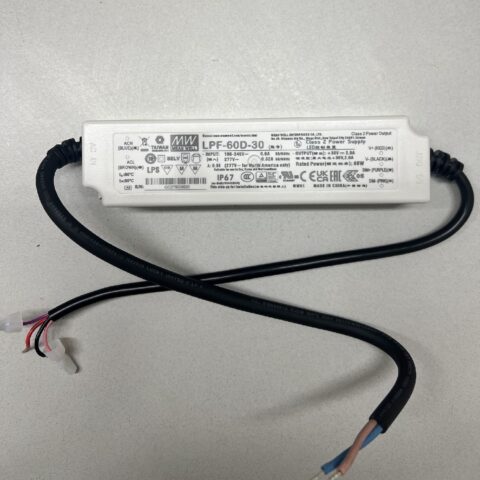
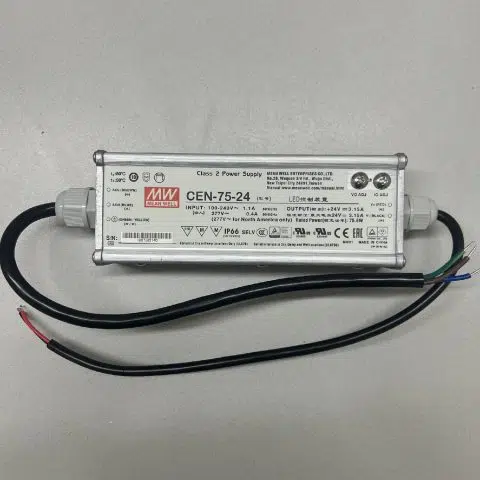
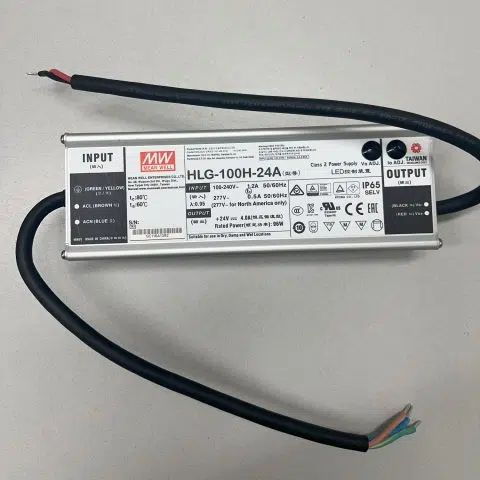
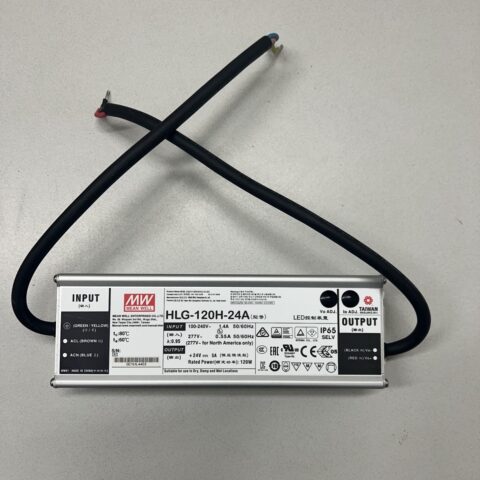
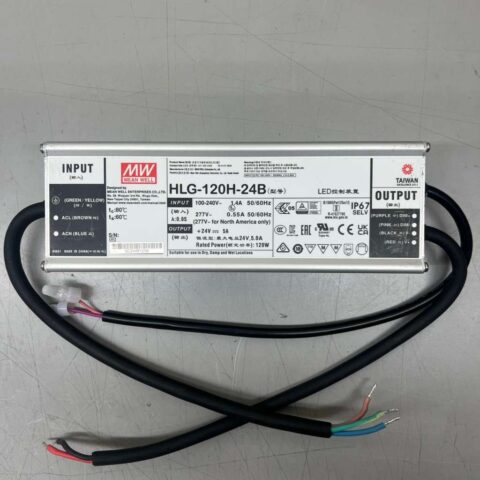
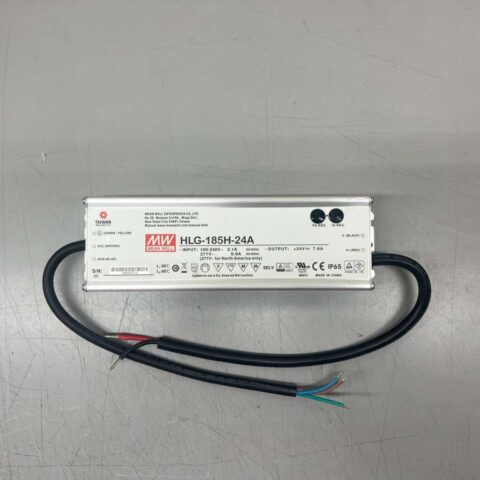
Our Replacement LED Drivers include models with 120-277V AC input and regulated DC output for compatible LED fixtures. Available products vary by output voltage, current, power rating, and dimming compatibility, including 0-10V, 1-10V, and phase-cut configurations.
These drivers are used to replace failed drivers in compatible commercial LED fixtures and residential LED lighting systems with phase-cut dimming.
-
 Starting At $30.00
-
Starting At $50.00
-
Starting At $62.71
-
 Starting At $62.71
 -
Starting At $68.57
-
Starting At $68.57
-
Starting At $65.33




How Do LED Drivers Work?
LED drivers manage the electrical power delivered to an LED module or array. Depending on the driver design, they convert incoming AC power to DC power and regulate the output as constant current or constant voltage.
Constant-current drivers adjust output voltage within their specified range to maintain the rated current through compatible LED loads. Constant-voltage drivers maintain a specified DC voltage and are used with LED products designed for constant-voltage operation.
Input voltage, output voltage range, output current, wattage, dimming method, control interface, environmental rating, and protection features vary by driver. Some commercial drivers accept broad input-voltage ranges such as 120-277V, while others are designed for different supply voltages.
A properly matched LED light driver regulates power to the LED load so the fixture operates within the LED module’s specified electrical range.
Are LED Drivers Interchangeable?
LED drivers are not universally interchangeable. Before ordering a replacement, confirm the original fixture and LED module requirements and compare them with the proposed driver specifications.
Important compatibility factors include:
- Input voltage and frequency
- Output current
- Output voltage range
- Maximum output power
- Constant-current or constant-voltage operation
- Dimming protocol
- Control wiring
- Physical dimensions
- Mounting method
- Connector or lead configuration
- Environmental rating
- Temperature rating
- Safety listing or recognition
Using a driver with incompatible electrical characteristics can result in improper light output, flicker, failure to start, shortened component life, or damage to the LED module.
Why Do LED Lights Need Drivers?
LEDs require a power source that limits or regulates the electrical output for the LED load. Most LED fixtures therefore use a driver rather than connecting the LED array directly to typical building AC power.
In addition to supplying compatible power, a driver can enable fixture functions such as dimming and controls. Depending on the model, it may also include thermal, over-current, short-circuit, or over-voltage protection.
Do not assume every LED driver includes the same level of surge protection. Surge capability should be confirmed from the exact driver and fixture specifications, and external surge protection may be used where required by the application.
Can All Light Fixtures Use a Replacement LED Driver?
No. Whether an LED fixture can accept a replacement driver depends on the fixture design, LED module, manufacturer instructions, electrical configuration, available space, environmental construction, and listing conditions.
Many commercial LED fixtures use replaceable drivers, while other fixtures integrate the power supply into the LED board or use proprietary electronics that are not intended for field replacement.
Before replacing a driver, confirm that field replacement is permitted and that the proposed driver is electrically and mechanically compatible with the fixture. If you are considering an LED retrofit or replacement solution, verify the exact fixture and component requirements before proceeding.
How Can You Tell When an LED Driver Needs to Be Replaced?
Driver problems can produce several different symptoms, and those symptoms can also have causes unrelated to the driver.
Possible signs include:
- Fixture does not turn on
- Intermittent operation
- Flickering or strobing
- Unexpected dimming
- Failure to respond correctly to controls
- Repeated shutdown and restart
- Abnormal driver noise or overheating
Before replacing the driver, verify incoming power, wiring, controls, connectors, LED modules, thermal conditions, and other fixture components. Replacing the driver will only correct the problem when the driver is actually the failed or incompatible component.
Are Dimmers Bad for LED Drivers?
Dimming is not inherently harmful to an LED driver when the driver and control system are designed to work together. Problems usually occur when the dimming method, wiring, control voltage, or driver type is incompatible.
Commercial LED drivers may support:
- 0-10V dimming
- 1-10V dimming
- Phase-cut dimming
- DALI
- Programmable or digital controls
- Other manufacturer-specific control methods
There is no single dimming protocol that is universally best for every commercial project. Match the replacement driver to the existing fixture, control system, wiring, and required dimming performance.
Who Makes LED Replacement Drivers?
Replacement LED drivers are available from manufacturers including Mean Well, Inventronics, Keystone, Fulham, and others. The appropriate choice depends on compatibility with the fixture and LED load rather than brand alone.
Compare:
- Input voltage
- Output current and voltage range
- Output wattage
- Dimming or controls compatibility
- Efficiency
- Power factor and power quality where relevant
- Operating-temperature range
- Environmental rating
- Surge capability
- Physical size and mounting
- Safety certification or recognition
- Warranty
How Long Do LED Drivers Last?
LED driver life varies substantially by model, internal component design, operating temperature, electrical stress, loading, duty cycle, and environmental conditions.
Some manufacturers publish expected-life curves or rated-life information for specific driver families. Those values should be used instead of assuming that all economy or premium drivers share the same service life.
Temperature is especially important. Higher operating temperatures can shorten the life of electrolytic capacitors and other electronic components. Confirm the manufacturer’s maximum case temperature, rated ambient range, and any published lifetime-versus-temperature data for the selected driver.
Will Using a Replacement Driver Reduce the Efficacy of the Light Fixture?
A replacement driver can affect fixture efficacy and output because driver efficiency, output current, electrical losses, and operating point all contribute to system performance.
A compatible replacement driver should be selected to operate the LED module within its intended current and voltage range. Even when the replacement driver is more electrically efficient, the overall fixture efficacy should not be assumed to improve by a fixed percentage without system-level test data.
Changing output current can also change lumen output, power consumption, LED junction temperature, and long-term performance.
If I Cut the Wires and Add a New Driver, Is My Fixture Still IP65 Rated?
Do not assume the original IP65 rating automatically remains valid after modifying the fixture.
The original IP rating applies to the tested fixture configuration. Field replacement of a driver may or may not preserve that enclosure performance depending on:
- Whether the manufacturer permits field replacement
- Where the wiring is cut or reconnected
- Whether cable glands, gaskets, seals, covers, and fasteners are disturbed
- The replacement driver’s physical configuration
- The connection method
- Whether penetrations or enclosure modifications are made
- Manufacturer instructions and listing conditions
Keep all required seals, glands, gaskets, covers, and enclosure components intact and follow the fixture manufacturer’s instructions. If maintaining a specific IP rating is important to the project, verify the permitted repair method with the fixture manufacturer.
Why Do LED Drivers Sometimes Fail Before LED Modules?
Drivers contain electronic components such as capacitors, switching devices, transformers or inductors, control circuitry, and protection components that are affected by temperature, electrical transients, loading, and operating conditions.
LED modules and drivers have different failure mechanisms, so it is not accurate to assume the driver will always fail first. Either component can limit fixture life depending on design and operating conditions.
When comparing expected service life, use the manufacturer’s published LED lumen-maintenance data, driver lifetime information, warranty, and temperature limits for the exact fixture and driver combination.
How Do You Install a Replacement LED Driver?
Replacement driver installation should be performed by a qualified person familiar with the fixture and electrical system. Installation time varies according to fixture access, mounting height, driver location, wiring, connectors, enclosure design, controls, and whether the fixture must be removed or opened.
A typical replacement may involve:
- Disconnecting and verifying power is off
- Opening the fixture according to manufacturer instructions
- Recording the existing wiring and driver specifications
- Removing the failed driver
- Mounting the compatible replacement driver
- Connecting input, output, grounding, and control wiring as specified
- Restoring required gaskets, covers, seals, and fasteners
- Testing fixture and control operation
Do not rely on wire color alone to establish compatibility. Follow the wiring diagram and terminal identification for the exact original and replacement components.
Replacement LED Driver Safety Listings and Warranty Support
Safety certifications, listings, and component recognitions vary by driver. Depending on the exact product, a driver may be listed or recognized by an accredited testing organization such as UL Solutions, Intertek (ETL), CSA Group, or another applicable certification body.
Confirm the exact mark, applicable standard, and certification status for the selected driver rather than assuming all replacement drivers have the same approval. A component recognition is not necessarily the same as a listing for the completed fixture, and replacing a driver may affect the fixture’s original listing conditions unless the fixture manufacturer permits that replacement.
Standalone replacement LED drivers should not be described as DLC or DLC Premium listed products. The DesignLights Consortium Solid-State Lighting Qualified Products List primarily qualifies eligible commercial LED luminaires, retrofit kits, and certain replacement lamps. DLC Premium is likewise a higher-performance classification for qualifying luminaires and retrofit kits rather than standalone replacement drivers.
A driver may be a component inside a DLC-qualified luminaire or retrofit kit, and DLC requirements may evaluate or require information about that driver as part of the complete qualified product. That does not make the replacement driver itself a standalone DLC-qualified product.
Utility incentives are generally based on the qualifying lighting product and the individual utility program. Do not assume that purchasing a replacement driver by itself creates DLC-based rebate eligibility.
Warranty coverage also varies by model and manufacturer. Confirm the exact warranty term, coverage conditions, and whether use in the existing fixture is permitted before ordering. Review the fixture manufacturer’s requirements as well, since an unauthorized modification may affect fixture warranty coverage.
Use the compatibility factors listed above to confirm that the replacement driver matches the fixture, LED load, controls, installation environment, and manufacturer requirements.
Replacement LED Drivers FAQs
Are Replacement LED Drivers Universally Interchangeable?
No. Confirm the original fixture and LED module requirements against the proposed driver's input voltage and frequency, output current, output voltage range, maximum output power, operating type, controls, physical dimensions, mounting, connections, and ratings.
Can Any LED Fixture Use A Replacement Driver?
No. A fixture can accept a replacement driver only when field replacement is permitted and the driver is electrically and mechanically compatible with the fixture, LED module, available space, environmental construction, and listing conditions.
What Should I Match When Selecting A Replacement LED Driver?
Match the replacement driver to the fixture's input voltage, output current, output voltage range, maximum output power, constant-current or constant-voltage operation, dimming protocol, control wiring, physical size, mounting method, and connector or lead configuration. Environmental, temperature, and safety requirements should also be compared.
Can An Incompatible Replacement Driver Cause Fixture Problems?
Yes. Incompatible electrical characteristics can cause improper light output, flicker, failure to start, shortened component life, or damage to the LED module.
What Symptoms Can Indicate An LED Driver Problem?
Possible symptoms include a fixture that does not turn on, intermittent operation, flickering or strobing, unexpected dimming, incorrect control response, repeated shutdown and restart, or abnormal driver noise or overheating. These symptoms can also have causes unrelated to the driver.
How Should Dimming Compatibility Be Checked For A Replacement Driver?
Match the replacement driver to the existing fixture, control system, wiring, and required dimming performance. Commercial LED drivers may support 0-10V, 1-10V, phase-cut, DALI, programmable or digital controls, or other manufacturer-specific control methods.
How Can Buyers Evaluate Expected LED Driver Life?
Evaluate expected life using manufacturer information for the specific driver family, including rated-life or expected-life data when available. Driver life varies by model, component design, operating temperature, electrical stress, loading, duty cycle, and environmental conditions.
