30 Foot to 35 Foot Light and Utility Poles
- Steel, fiberglass, and wood pole options available
- Anchor base and direct burial configurations offered
- Application support for fixture and pole selection



Our 30 Foot to 35 Foot Light and Utility Poles include steel, fiberglass, and wood poles in anchor base and direct burial configurations. Available options include round, square, tapered, color, finish, and base cover variations, with support for lighting fixtures, brackets, cameras, signs, banners, and accessories.
These poles are used for parking lots, drive lanes, access roads, truck areas, equipment yards, building perimeters, campuses, municipal lots, public works sites, storage areas, utility lighting, and smaller athletic areas.
-
 Starting At $1,299.35
-
Starting At $1,370.21
-
Starting At $1,593.00
-
Starting At $781.82
-
Starting At $627.27
-
Starting At $563.64
-
Starting At $481.82
-
Starting At $427.27
-
Starting At $372.73
-
Starting At $524.61
-
Starting At $440.53
-
Starting At $398.36
-
Starting At $909.09
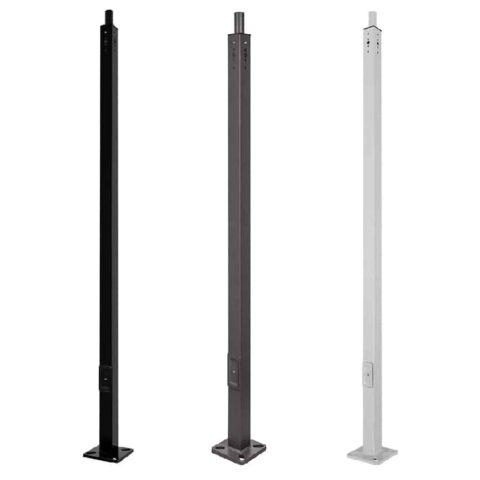






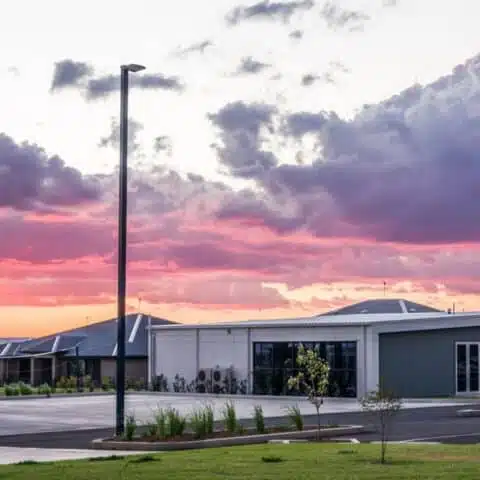


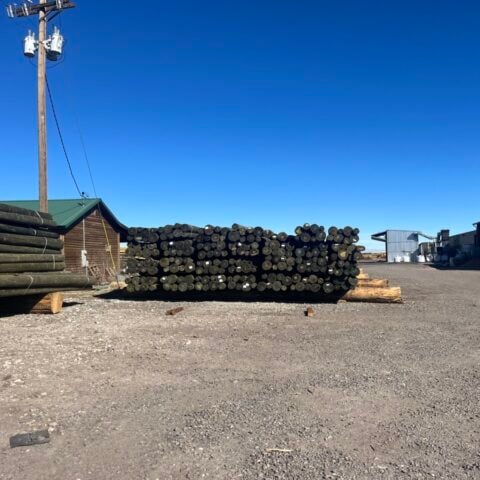
30 to 35 Foot Light and Utility Poles
30 to 35 foot light poles are used for commercial, industrial, municipal, roadway, parking, sports, and utility-style applications that need more mounting height and fixture spacing than 20 to 25 foot poles can typically provide. This height range is common for parking lots, drive lanes, truck access areas, equipment yards, building perimeters, small athletic areas, campuses, storage areas, and larger outdoor spaces where wider coverage and better uniformity are needed.
Start by confirming that 30 or 35 feet provides the needed coverage, spacing, glare control, and site scale. Then match the fixture type, quantity, bracket style, and EPA load to the pole rating, local wind exposure, material, mounting method, soil conditions, finish, and site layout. These poles can support larger outdoor lighting layouts, but fixture load, local wind requirements, glare control, and foundation requirements should be reviewed before ordering.
Where 30 to 35 Foot Poles Work Best
This height range is often selected when a project needs broader lighting coverage than a smaller site pole, but does not require the height, foundation size, or larger-scale layout associated with 40 foot and taller poles.
| Application | Why This Height Works |
|---|---|
| Parking Lots | Provides a practical mounting height for many commercial parking areas where fixture spacing, coverage, and uniformity are important. |
| Drive Lanes and Access Roads | Works well for internal roads, site entrances, vehicle circulation areas, and access routes that need wider light distribution than lower poles provide. |
| Industrial and Warehouse Sites | Useful for truck access areas, outdoor storage, equipment yards, loading zones, and larger building perimeters when fixture output and spacing are properly planned. |
| Municipal and Campus Lighting | Common for schools, parks, campuses, public works sites, municipal lots, and shared outdoor areas where visibility and site scale matter. |
| Utility-Style Applications | May be used for utility lighting, cameras, signs, banners, or equipment support when the pole material, EPA rating, wind exposure, and mounting details are confirmed. |
When 30 to 35 Foot Poles May Not Be the Right Fit
30 to 35 foot poles are versatile, but they are not always the best choice. Smaller sites may not need this height, while larger industrial, roadway, sports, or high-output security projects may require taller poles for better fixture spacing and coverage.
- Walkways and entrances: Pedestrian-scale areas may be better served by 10 to 15 foot poles.
- Small parking areas: A 20 to 25 foot pole may provide enough coverage with a more proportional site appearance.
- Large truck courts and industrial yards: Taller poles may improve spacing, reduce pole count, and support broader coverage.
- Major roadways: Wider roadways may require taller poles, different optics, or roadway-specific fixture layouts.
- Large athletic fields: Sports lighting projects often require dedicated pole heights, fixture aiming, glare control, and a photometric plan.
Steel, Fiberglass, and Wood Pole Options
30 to 35 foot poles may be available in steel, fiberglass, or wood, depending on the application. Material selection should be based on fixture load, EPA rating, wind exposure, corrosion risk, mounting method, appearance, budget, and long-term maintenance expectations.
| Pole Material | Best Fit |
|---|---|
| Steel Light Poles | Common for parking lots, roadways, commercial sites, industrial facilities, and anchor base installations where fixture support, finish options, and structural strength are priorities. |
| Fiberglass Light Poles | Often considered for coastal, wet, humid, or corrosion-sensitive locations where rust resistance and easier handling are important. |
| Wood Utility Poles | Used for utility-style lighting, sports complexes, rural sites, equipment areas, and direct burial applications where wood pole construction is specified. |
Fixture Selection at 30 to 35 Feet
At 30 to 35 feet, fixture selection should be based on the application, target light levels, pole spacing, optics, glare control, fixture weight, and EPA. This height range can support larger fixtures and wider layouts than shorter poles, but the fixture still needs to match the pole rating and site conditions.
| Fixture Type | Typical Use |
|---|---|
| LED Area Lights | Common for parking lots, access roads, commercial sites, campuses, and general outdoor lighting. |
| Shoebox Lights | Used for parking areas and site lighting where controlled distribution, pole spacing, and uniformity are important. |
| Flood Lights | May be used for equipment yards, security areas, building perimeters, signs, and focused site coverage. |
| Sports Lighting Fixtures | May be used for smaller recreational courts, practice areas, and community sports applications when fixture aiming, spill control, and photometric results are reviewed. |
| Cameras, Banners, or Accessories | Can be added only when the pole rating, accessory load, EPA impact, wind exposure, and mounting details are confirmed. |
EPA, Wind Rating, and Fixture Load
EPA, or effective projected area, helps determine whether a pole can support the fixture, bracket, and mounting configuration under local wind conditions. For 30 to 35 foot poles, EPA review is important because this height range is often used with larger fixtures, multiple heads, bullhorn brackets, sports lighting mounts, cameras, signs, or banners.
Wind requirements vary by location. A 30 or 35 foot pole installed in a protected inland site may have different requirements than the same pole installed in a coastal area, open lot, exposed campus, high-wind region, roadway, or large paved property. Before ordering, confirm the fixture EPA, pole EPA rating, fixture quantity, bracket type, mounting height, and local wind requirements.
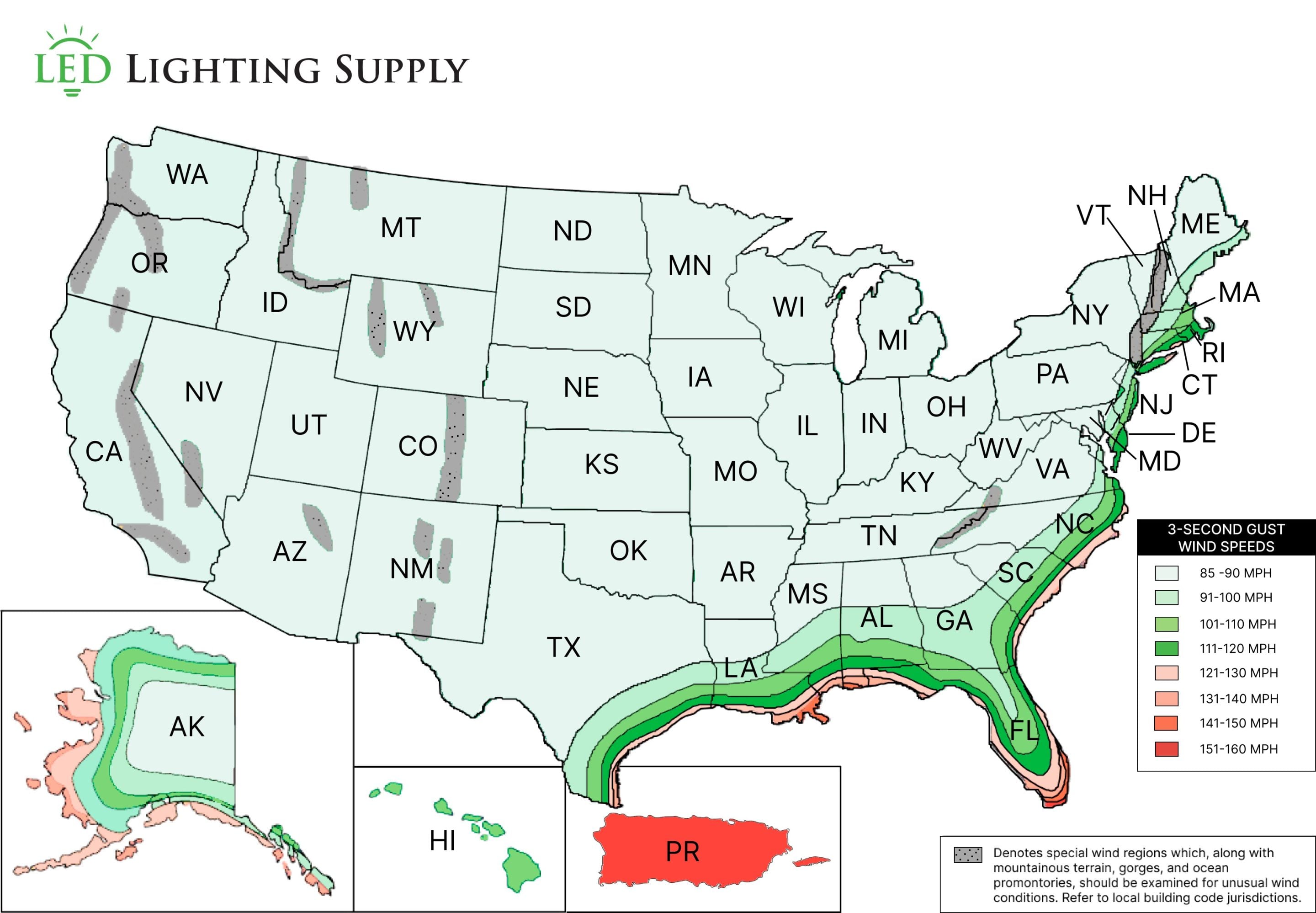
For projects with multiple fixtures, larger brackets, cameras, banners, sports lighting mounts, exposed site conditions, or high wind requirements, an EPA review should be completed before final pole selection. This helps confirm that the pole, fixture, bracket, accessory load, and local wind conditions are properly matched.
Anchor Base vs Direct Burial Poles
30 to 35 foot poles may be available in anchor base or direct burial configurations. The correct mounting method depends on the pole material, soil conditions, site layout, serviceability needs, footing requirements, embedment depth, and installation preference.
| Mounting Type | Best Fit |
|---|---|
| Anchor Base Poles | Mounted to a concrete foundation using anchor bolts and a base plate. Common for steel and many fiberglass poles where a defined footing, finished base, and future serviceability are important. |
| Direct Burial Poles | Installed below grade without an exposed anchor base. Common for wood utility poles and some fiberglass poles where direct burial is specified for the project. |
30 to 35 Foot Poles for Sports Lighting
30 to 35 foot poles may be used for smaller athletic areas, recreational courts, practice spaces, and community sports lighting projects where lower mounting heights are appropriate. Sports lighting should be reviewed with a photometric plan because fixture aiming, light levels, uniformity, glare control, spill light, and pole placement all affect the final result. Larger fields, competitive play, or tighter spill and glare requirements may require taller poles or a dedicated sports lighting pole layout.
What to Confirm Before Ordering
- Mounting height: Confirm that 30 or 35 feet provides the right balance of coverage, spacing, glare control, and site scale.
- Fixture type: Match fixture output, optics, distribution pattern, shielding, wattage, and EPA to the pole height and application.
- Pole spacing: Review spacing with a photometric plan for parking, roadway, sports, security, or industrial projects.
- EPA rating: Confirm pole rating, fixture EPA, bracket load, accessory load, and local wind requirements.
- Pole material: Choose steel, fiberglass, wood, or another approved material based on fixture load, corrosion exposure, wind conditions, appearance, and installation method.
- Mounting method: Confirm anchor base or direct burial requirements, footing size, embedment depth, soil conditions, drainage, and serviceability needs.
- Finish and shape: Review round, square, tapered, color, finish, and base cover options based on the project design and pole type.
- Site layout: Check parking spaces, drive lanes, truck routes, sidewalks, doors, landscaping, underground utilities, overhead wires, cameras, signs, and nearby property lines.
- Lighting plan: For parking, perimeter, roadway, sports, or industrial projects, use a photometric plan to confirm light levels, spacing, glare control, spill light, and uniformity.
Get Help Choosing 30 to 35 Foot Light and Utility Poles
The right 30 to 35 foot pole should match the fixture, mounting height, pole spacing, EPA load, wind exposure, pole material, mounting method, finish, glare control needs, and site conditions. LED Lighting Supply can help review fixture selection, pole spacing, EPA requirements, wind exposure, mounting type, pole material, sports lighting needs, and project requirements before you order.
30 Foot to 35 Foot Light and Utility Poles FAQs
How Do I Know If A 30 To 35 Foot Pole Is The Right Height For My Project?
A 30 to 35 foot pole is often selected when a project needs broader coverage than a smaller site pole without requiring the height, foundation size, or larger-scale layout associated with 40 foot and taller poles. Confirm the mounting height against coverage, spacing, glare control, and site scale before ordering.
What Should I Review When Selecting Fixtures For A 30 To 35 Foot Pole?
Fixture selection should match the application, target light levels, pole spacing, optics, glare control, fixture weight, and EPA. The fixture must also match the pole rating and site conditions.
How Important Is EPA Review For A 30 To 35 Foot Pole?
EPA review is important because 30 to 35 foot poles are often used with larger fixtures, multiple heads, brackets, sports lighting mounts, cameras, signs, or banners. Confirm the fixture EPA, pole EPA rating, fixture quantity, bracket type, mounting height, and local wind requirements before ordering.
Should I Choose Steel, Fiberglass, Or Wood For A 30 To 35 Foot Pole?
The appropriate pole material depends on fixture load, EPA rating, wind exposure, corrosion risk, mounting method, appearance, budget, and long-term maintenance expectations. Steel is common for commercial and industrial sites, fiberglass is often considered for corrosion-sensitive locations, and wood is used where utility-style or direct burial construction is specified.
How Do Anchor Base And Direct Burial Pole Configurations Differ?
Anchor base poles mount to a concrete foundation using anchor bolts and a base plate, while direct burial poles are installed below grade without an exposed anchor base. The correct configuration depends on pole material, soil conditions, site layout, serviceability needs, footing requirements, embedment depth, and installation preference.
Can 30 To 35 Foot Poles Be Used For Sports Lighting?
30 to 35 foot poles may be used for smaller athletic areas, recreational courts, practice spaces, and community sports lighting projects where lower mounting heights are appropriate. A photometric plan should be used to review fixture aiming, light levels, uniformity, glare control, spill light, and pole placement.
When Might A 30 To 35 Foot Pole Not Be The Right Fit?
Smaller sites may not need this height, while larger industrial, roadway, sports, or high-output security projects may require taller poles for better fixture spacing and coverage. Pedestrian-scale areas may be better served by 10 to 15 foot poles, and small parking areas may have sufficient coverage from 20 to 25 foot poles.