LED Office Lighting
- Options for panels, troffers, linear fixtures, and retrofit kits
- Selectable wattage, color temperature, and dimming on select models
- USA-based support for fixture selection and controls compatibility



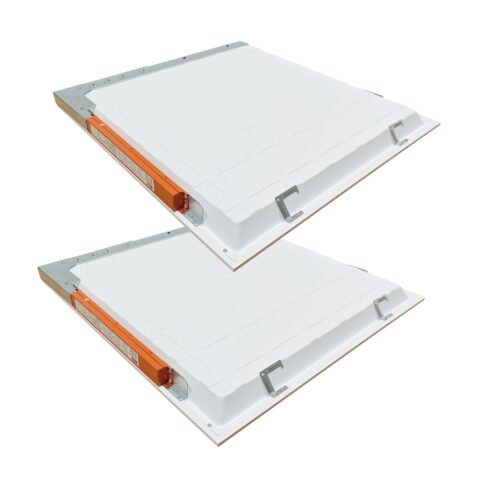
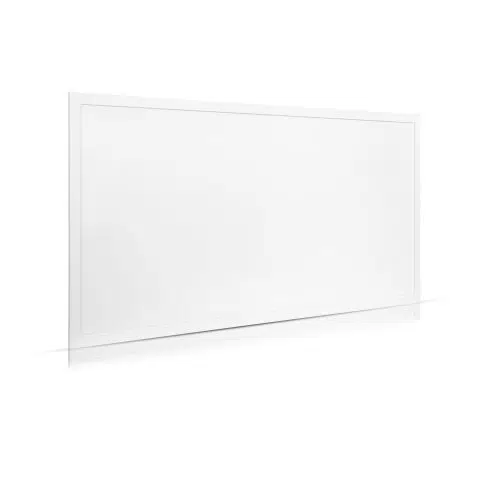
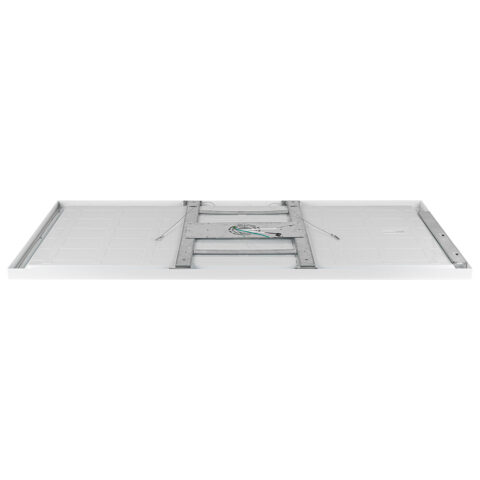
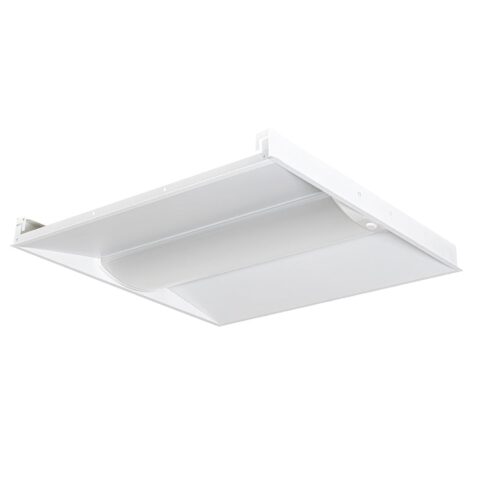
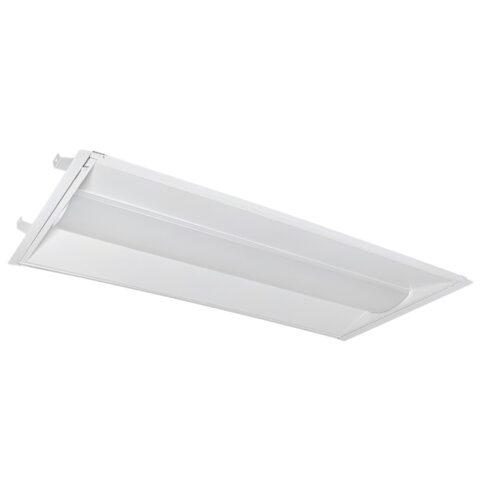
Our Commercial LED Office Lights include 2×2 and 2×4 LED panels, troffers, architectural linear fixtures, retrofit kits, task lighting, and emergency backup fixtures. Available models may include selectable wattage and color temperature, dimming, motion sensors, and emergency backup options.
These fixtures are commonly used in open and private offices, conference rooms, reception areas, corridors, break rooms, copy rooms, classrooms, training spaces, and workstation task areas.








What Are the Best LED Light Fixtures for Commercial Office Applications?
Commercial office lighting should provide comfortable, even illumination for computer work, reading, meetings, collaboration, reception areas, corridors, break rooms, and support spaces. The best LED office fixture depends on ceiling type, ceiling height, layout, screen use, glare control, controls, color temperature, emergency-lighting needs, and whether the space uses a drop ceiling, open ceiling, or architectural ceiling.
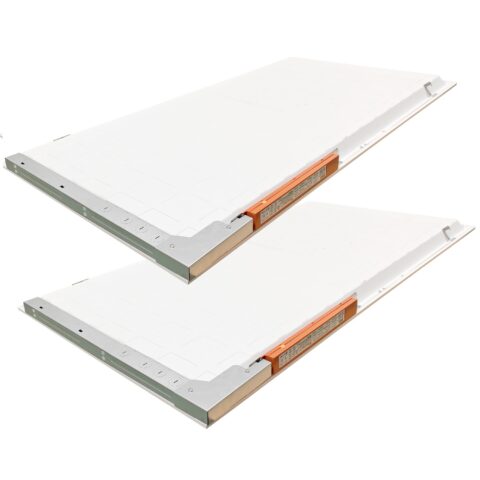
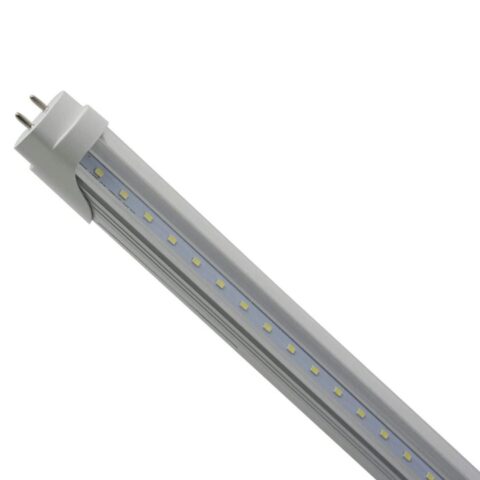
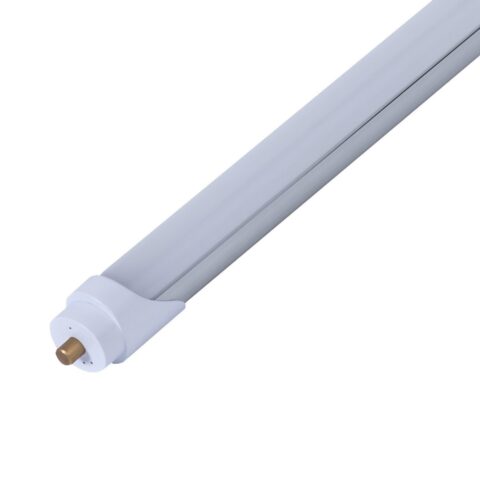
Common LED office fixtures include 2x2 LED panels, 2x4 LED panels, LED troffer lights, architectural linear LED lights, and retrofit kits for existing fluorescent fixtures. Many office fixtures may include selectable wattage, selectable color temperature, dimming, motion sensors, or emergency backup options.
Start by matching the fixture type to the ceiling and existing fixtures, then confirm the light level, glare control, color temperature, controls, and emergency-lighting needs for each workspace. Office lighting should be planned for visibility and comfort, not just energy savings. Too little light can make reading and task work harder, while too much light or poorly placed fixtures can create screen glare, harsh contrast, headaches, and uncomfortable workspaces.
Selection and Installation Note: Product specifications, lumen output, wattage, color temperature, CRI, dimming, motion sensors, emergency backup, mounting method, certifications, and warranty coverage vary by model. Confirm the selected product specification before ordering. For code-sensitive, electrical, emergency egress, commercial, accessibility, or safety-critical applications, verify requirements with the authority having jurisdiction and a licensed electrical professional.
When LED Office Lighting Is the Right Fit
LED office lighting is a good fit when a workspace needs better comfort, reduced maintenance, improved energy efficiency, modern controls, or a cleaner replacement for fluorescent panels and troffers. It should be planned carefully when screen glare, emergency lighting, ceiling-grid compatibility, dimming, controls, or occupancy-sensor placement matter.
| Use LED Office Lighting When | Do Not Select Fixtures Without Review When |
|---|---|
| Replacing fluorescent panels, troffers, or older office fixtures in open offices, private offices, corridors, conference rooms, or support spaces. | Emergency egress lighting requirements may apply and the emergency-lighting system, exit signage, and code-required illumination have not been reviewed. |
| The office needs more comfortable lighting for computer work, reading, meetings, and all-day occupancy. | Screen glare or harsh reflections are already a concern and fixture layout, lens style, dimming, and placement have not been evaluated. |
| The project needs modern controls, such as dimming, occupancy sensors, daylight controls, or separate switching zones. | Existing ceiling grid or mounting conditions are unknown, especially when replacing older troffers or adding fixtures with different weight or mounting requirements. |
| The office includes different space types such as open workstations, meeting rooms, corridors, reception, copy rooms, and break rooms. | All spaces are being treated the same, even though offices, corridors, video rooms, storage areas, and task zones may need different light levels and controls. |
| The goal is to reduce energy use and maintenance while improving workplace visibility and lighting consistency. | Dimming, sensor wiring, emergency backup, or controls compatibility has not been confirmed before ordering. |
Choosing LED Office Lights by Ceiling Type, Light Level, Color Temperature, Controls, and Workspace
Select office lighting in this order: confirm the ceiling type and fixture compatibility, determine the light level and layout for each workspace, then review glare control, color temperature, CRI, controls, emergency lighting, and electrical requirements. A 2x2 panel, 2x4 panel, troffer, architectural linear fixture, or retrofit kit may all work in an office, but the right choice depends on these project conditions rather than fixture size or wattage alone.
A lighting plan is recommended for larger office renovations, open office layouts, mixed-use workspaces, video conference rooms, offices with strong daylight exposure, or any project where fixture quantity, placement, glare, and light levels should be confirmed before ordering.
Planning Checklist
| Planning Factor | What to Confirm |
|---|---|
| Ceiling type | Confirm whether the office has a drop ceiling, drywall ceiling, open ceiling, exposed structure, or architectural ceiling before selecting panels, troffers, retrofit kits, or linear fixtures. |
| Fixture size and layout | Confirm whether 2x2 panels, 2x4 panels, troffers, linear fixtures, or retrofit kits match the ceiling grid, room layout, and desired appearance. |
| Foot-candle target | Open offices, private offices, conference rooms, corridors, reception areas, and storage rooms often need different maintained light levels. |
| Screen glare | Review fixture placement, lens type, luminance, layout, and dimming where computer screens, video calls, or presentation displays are common. |
| Color temperature | 3000K, 3500K, 4000K, and 5000K can feel very different in office environments. Many offices use 3500K or 4000K for balanced comfort and visibility. |
| CRI and visual comfort | Confirm color-rendering performance where people read documents, review printed materials, work with graphics, or use the office for long periods. |
| Dimming and controls | Confirm 0-10V dimming, wall controls, daylight harvesting, occupancy sensors, vacancy sensors, scheduling, and control-zone requirements before ordering. |
| Occupancy sensor placement | Conference rooms, private offices, corridors, break rooms, and copy rooms may need different sensor locations and timeout settings. |
| Emergency backup | Confirm whether emergency battery backup, exit signs, or egress lighting is required for exit routes, corridors, stairways, or other paths of egress. The required emergency-lighting system should be determined for the specific building and occupancy. |
| Ceiling grid support | Confirm fixture weight, grid condition, manufacturer installation requirements, and any applicable support or seismic requirements before replacing existing ceiling fixtures. |
| Electrical compatibility | Confirm voltage, wiring method, dimming wiring, controls compatibility, emergency circuits, and local electrical requirements. |
| Daylight contribution | Perimeter offices, glass walls, skylights, and exterior windows may need dimming, zoning, or daylight controls to avoid overlighting. |
Airtho Upgrades Cleanroom Facilities to LED Lighting Case Study
The Backstory:
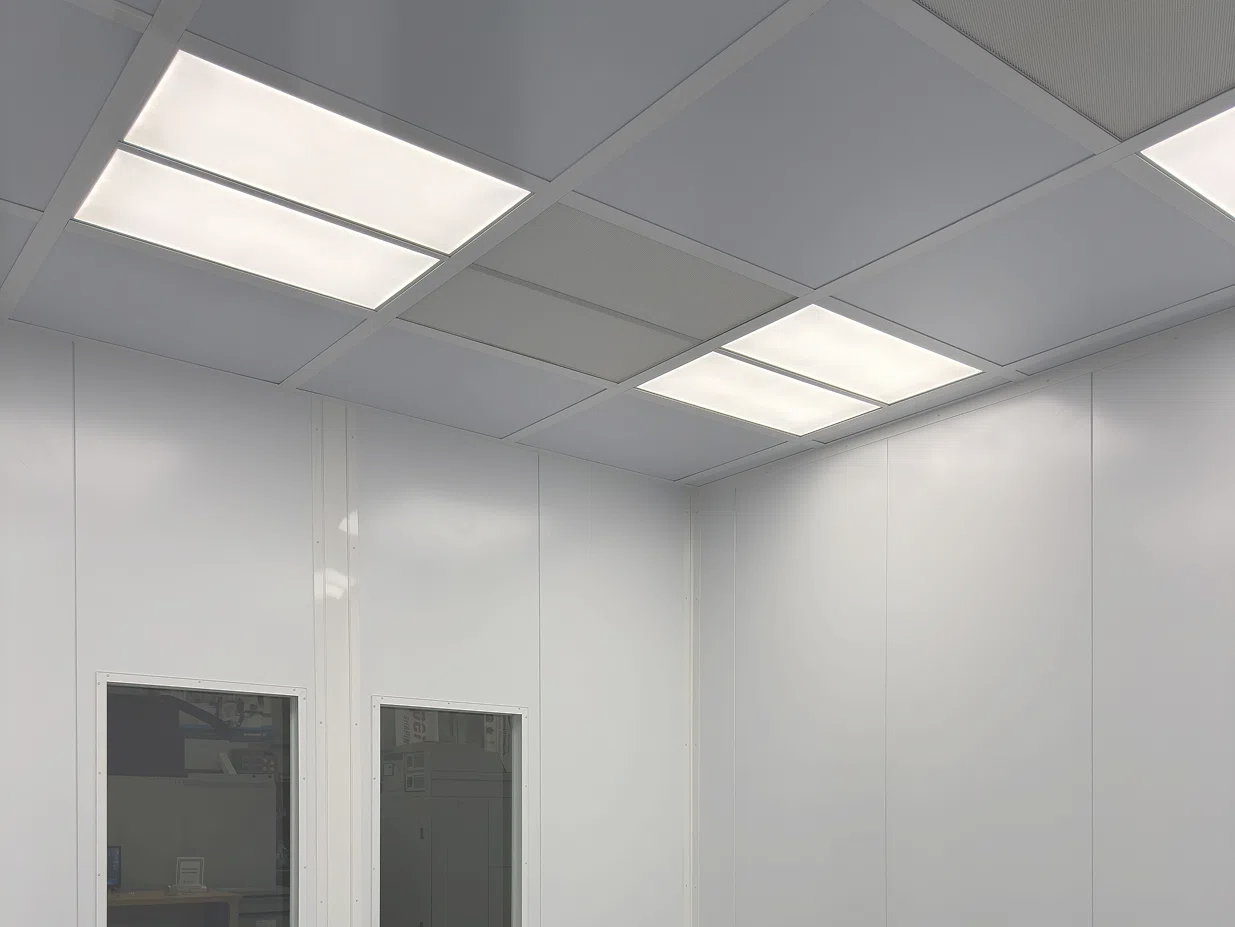
Airtho designs modular, pre-engineered structures for controlled environments. Building these types of facilities requires the proper lighting solution the first time. Airtho needed a supplier who could move fast and understand cleanroom-specific requirements.
Airtho’s President, Brandon Bogart, reached out to LED Lighting Supply in 2020 with a time-sensitive need for 10 LED panel lights. The lighting would be installed in a cleanroom drop ceiling system for a job that ships out the following week. Our Product Specialist, Jeff Cesenaro, was quick to respond and provided his consultative expertise, walking Brandon through kelvin temperature and lumen output options.
He recommended 2x4 edge-lit panel lights with an emergency battery backup option, all in time to meet the deadline. Jeff showed their team that we can plan, quote, revise, and deliver controlled environment lighting solutions across multiple projects promptly. That first exchange led to LED Lighting Supply becoming the preferred lighting supplier for Airtho.
The Challenge of Airtho’s Controlled Environment Lighting:
Cleanroom and controlled environment projects require specialized lighting fixtures and expert guidance. Airtho's work called for lighting layout direction, target illumination planning, and communication they could count on at every stage.
Airtho needed a partner that offers:
- Expert advice tailored to the strict cleanliness and performance demands of controlled environments
- Consistent light output and quality across every fixture, critical for maintaining uniform conditions in controlled spaces
- Custom-tailored layout plans matched to each facility's individual dimensions and classification requirements, rather than a generic approach
LED Lighting Supply gave Airtho the support they needed to meet these requirements.
Lighting Plan Created for Techni-Glass in Hawkins County, Tennessee
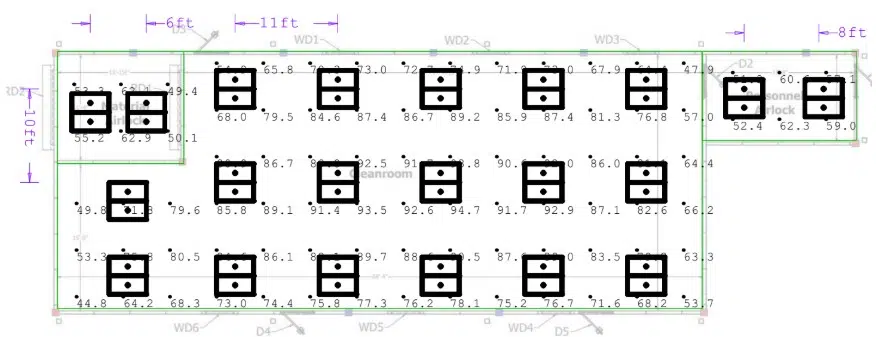
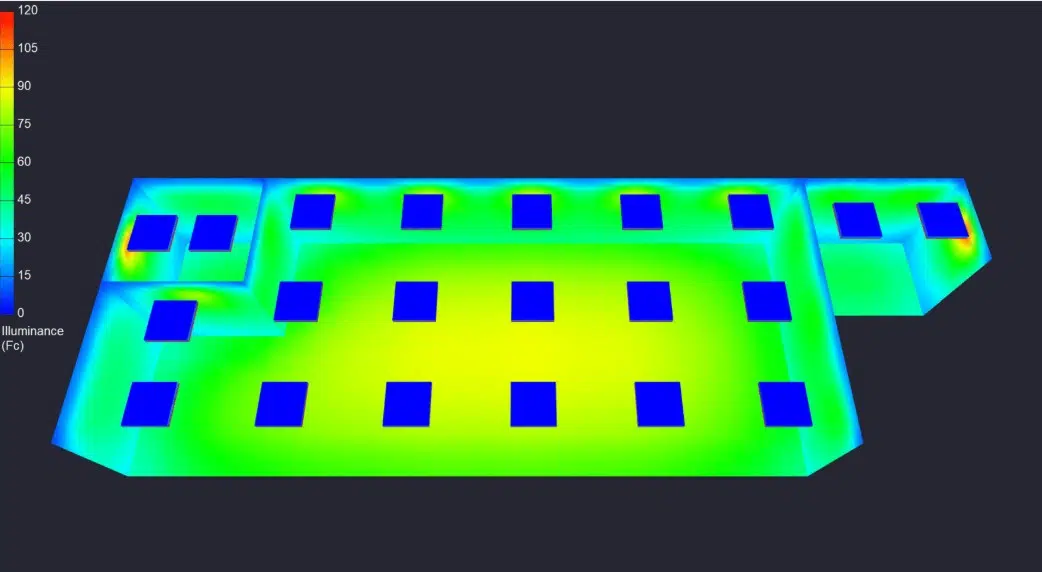
Lighting Plan Metrics:
- Mounting Height: 13 feet
- Fixture Used: 42 MLLG-AL-LED-PANBLH-2X4-4
- FC Achieved: 78 foot-candles
- Uniformity (Avg/Min): 2.11
- Product(s) Used: MLLG-AL-LED-PANBLH-2X4-40-40
Recommended Foot-Candles for LED Office Lighting
Office lighting requirements vary by space type. Open offices, private offices, conference rooms, corridors, reception areas, break rooms, copy rooms, storage rooms, video conference rooms, and detailed task areas do not all need the same light level. Use the tool below for application-specific starting foot-candle ranges.
Foot-candle guidance helps estimate illuminance needs, but it does not determine fixture quantity, spacing, glare control, screen comfort, emergency lighting, dimming, daylight controls, or code requirements. For larger office projects, open office layouts, video conference rooms, or mixed-use commercial offices, request a lighting plan before ordering.
LED Office Fixture Types Compared
Different LED office fixtures solve different ceiling, layout, and design problems. The best option depends on whether the office has a drop ceiling, open ceiling, existing fluorescent troffers, architectural requirements, or controls needs.
| Fixture Type | Best Used For |
|---|---|
| 2x2 LED Panels | Drop ceilings, smaller offices, private offices, conference rooms, corridors, and layouts where compact panel spacing works best. |
| 2x4 LED Panels | Open offices, larger rooms, classrooms, training spaces, and fluorescent panel replacements where wider coverage is preferred. |
| LED Troffer Lights | Commercial offices with existing fluorescent troffers or standard ceiling grids where a clean replacement is needed. |
| Architectural Linear LED Lights | Modern offices, open ceilings, reception areas, conference rooms, and design-forward spaces where appearance and linear layout matter. |
| LED Retrofit Kits | Existing fluorescent office fixtures where the housing remains suitable and the retrofit kit is installed in accordance with its listing and manufacturer instructions. |
| Emergency Backup Office Fixtures | Areas that are part of an emergency-lighting system, when the selected fixture and system design meet the applicable emergency egress requirements. |
| Task Lighting | Detailed paperwork, drafting, plan review, proofing, or workstation-specific tasks where overhead light alone may not be enough. |
Office Lighting Project Examples
These common office applications illustrate how fixture selection can vary by room function, ceiling type, daylight, controls, and visual-comfort needs. Final fixture quantities, mounting locations, and light levels should be confirmed with fixture-specific photometric data.
| Office Application | Typical Lighting Approach |
|---|---|
| Open office with computer workstations | Use evenly distributed panels, troffers, or linear fixtures with attention to monitor reflections, viewing angles, control zones, and daylight near windows. Dimming or daylight-responsive controls may help maintain consistent conditions. |
| Private offices and focus rooms | 2x2 panels, compact troffers, or low-glare linear fixtures can provide general illumination. Task lighting may be useful where reading, paperwork, or detailed work requires additional light. |
| Conference and video meeting rooms | Use dimmable fixtures and separately controlled zones to support presentations, video calls, and table work. Fixture placement should be reviewed for camera glare, display reflections, and faces on video. |
| Reception and lobby areas | Architectural linear fixtures, panels, or a combination of ambient and accent lighting can support appearance, wayfinding, and comfortable illumination at reception desks. |
| Fluorescent troffer replacement project | LED troffers, panels, or compatible retrofit kits may be considered after confirming ceiling-grid dimensions, existing housing condition, branch-circuit voltage, controls wiring, and required support methods. |
| Corridors, copy rooms, and break rooms | General lighting may be paired with occupancy or vacancy sensing where appropriate. Confirm sensor coverage, switching zones, and any emergency-lighting requirements for the specific area. |
Office Lighting Certifications, Rebates, and Warranty Support
Selected LED office lights from LED Lighting Supply carry a safety certification or listing from a Nationally Recognized Testing Laboratory, such as UL, ETL, or CSA, depending on product. Selected models may be DLC or DLC Premium listed for utility rebate programs where available. DLC qualification is a performance and efficiency program, not an electrical safety certification. Rebate requirements vary by utility, region, and product listing, so confirm eligibility on the selected product specification before ordering.
Warranty coverage varies by product, with many office-lighting models offering a 5-year warranty. Review the selected product specification to confirm warranty terms, certifications, DLC status, voltage, dimming, controls compatibility, mounting method, emergency backup options, and suitability for the office layout.
Before You Order: Office Lighting Review Steps
A final project review can help prevent ordering delays, field modifications, and inconsistent lighting results. For smaller offices, this review may be completed from a reflected ceiling plan and fixture schedule. Larger renovations and multi-use office spaces often benefit from a fixture-specific photometric lighting plan.
- Compare the proposed fixture schedule with the ceiling plan: Verify fixture dimensions, ceiling-grid size, mounting method, row alignment, and locations of obstructions such as diffusers, sprinklers, structural elements, and access panels.
- Review the actual fixture photometric distribution: Lumen output alone does not show how light reaches desks, walls, whiteboards, or circulation paths. Use the selected fixture's IES data to evaluate spacing, illuminance, uniformity, and likely glare conditions.
- Coordinate lighting with workstation orientation: Review monitor locations, presentation displays, camera positions, and window exposure before finalizing fixture locations or control zones.
- Confirm the control sequence: Identify which fixtures are switched, dimmed, sensor-controlled, or daylight-responsive together. Confirm compatibility among fixtures, drivers, controls, and the planned wiring method.
- Verify emergency-lighting responsibilities: Determine which party is responsible for the emergency-lighting design, circuiting, testing, and code review. An emergency battery backup option in a fixture does not by itself confirm that the complete egress system complies.
- Check product consistency across the project: Where a uniform appearance is important, compare specified color temperature, CRI, lens appearance, output settings, and dimming performance across fixture types and phases.
- Plan commissioning and adjustment: After installation, verify sensor coverage, timeout settings, dimming range, daylight response, emergency-operation testing, and user comfort. Control settings often need adjustment after furniture and workstations are in place.
Contact us about your office lighting project and our Product Specialists can help review ceiling type, fixture layout, foot-candle targets, controls, color temperature, emergency backup options, product specifications, and available photometric information for your LED office lighting upgrade.
LED Office Lighting FAQs
How Do I Choose The Right LED Office Fixture Type?
Choose the fixture type based on ceiling type, room layout, desired appearance, existing fixtures, light-level targets, screen glare, controls, and emergency lighting needs. For example, 2x2 panels are best used for drop ceilings and compact layouts, 2x4 panels are used for larger rooms and wider coverage, troffers fit existing fluorescent troffers or standard ceiling grids, and retrofit kits can work where the existing housing remains suitable.
When Should I Request A Lighting Plan For An Office Project?
A lighting plan is recommended for larger office renovations, open office layouts, mixed-use workspaces, video conference rooms, offices with strong daylight exposure, or projects where fixture quantity, placement, glare, and light levels need confirmation before ordering. Foot-candle guidance can help estimate brightness needs, but it does not determine fixture quantity, spacing, glare control, screen comfort, emergency lighting, dimming, daylight controls, or code requirements.
How Can I Help Reduce Screen Glare In An Office?
Review fixture placement, lens type, brightness, layout, daylight, and dimming where computer screens, video calls, or presentation displays are common. Screen glare and harsh reflections should be evaluated before selecting fixtures, especially in spaces with monitors or video displays.
What Color Temperature Should I Choose For LED Office Lighting?
Many offices use 3500K or 4000K for balanced comfort and visibility. Color temperatures of 3000K, 3500K, 4000K, and 5000K can feel very different in office environments, and 5000K may feel too harsh in some private offices or all-day workspaces.
Can One Light Level Be Used Throughout An Office?
No, open offices, private offices, conference rooms, corridors, reception areas, break rooms, copy rooms, storage rooms, video conference rooms, and detailed task areas do not all need the same light level. Confirm the foot-candle target for each space type before selecting fixtures.
What Should I Confirm Before Ordering Dimming Or Occupancy Sensor Controls?
Confirm 0-10V dimming, wall controls, daylight harvesting, occupancy sensors, vacancy sensors, scheduling, control zones, wiring, and controls compatibility before ordering. Sensor location and timeout settings may also need to differ between conference rooms, private offices, corridors, break rooms, and copy rooms.
When Should Emergency Backup Office Fixtures Be Considered?
Emergency backup fixtures may be needed in corridors, paths of egress, stair approaches, and other areas where emergency illumination may be required during power outages. Confirm whether emergency battery backup, exit signs, or egress lighting is required before ordering.
How Do I Verify Rebate Eligibility And Warranty Coverage?
Confirm rebate eligibility on the selected product specification because DLC or DLC Premium listing, utility requirements, region, and product listing can vary. Most LED office lights include a 5-year warranty unless otherwise specified, and certifications, DLC status, voltage, controls compatibility, mounting method, and emergency backup options should also be confirmed on the selected product specification.