Garage and Workshop Fans
- Options include HVLS, ceiling, wall-mounted, and drum fans
- Layout support available using building and equipment details
- Selection guidance for service bays, workshops, and maintenance areas



Our Garage and Workshop Fans include HVLS ceiling fans, commercial ceiling fans, wall-mounted fans, and industrial drum fans for commercial and industrial work areas. Available products include ceiling-mounted options for broad air movement, wall-mounted models for fixed directional airflow, and portable drum fans for temporary work areas. Models vary by fan type, mounting method, controls, electrical requirements, and operating environment.
These fans are commonly used in service bays, workbenches, repair areas, loading zones, maintenance spaces, fleet garages, workshops, detailing zones, inspection stations, and open service bays.
-
 Starting At $5,085.97
-
Starting At $6,831.67
-
Starting At $7,165.00
-
Starting At $7,498.33
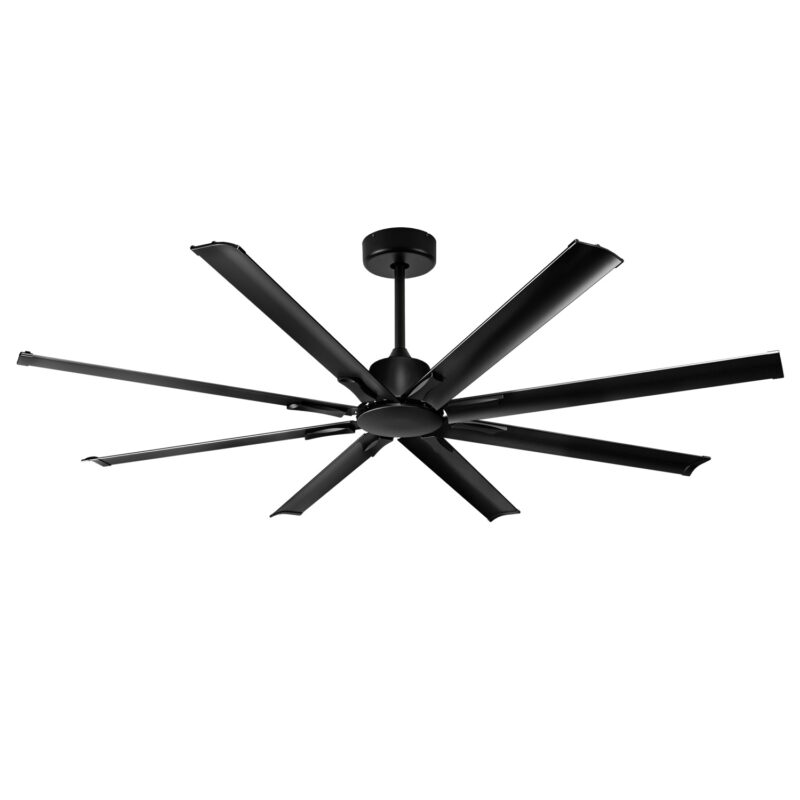


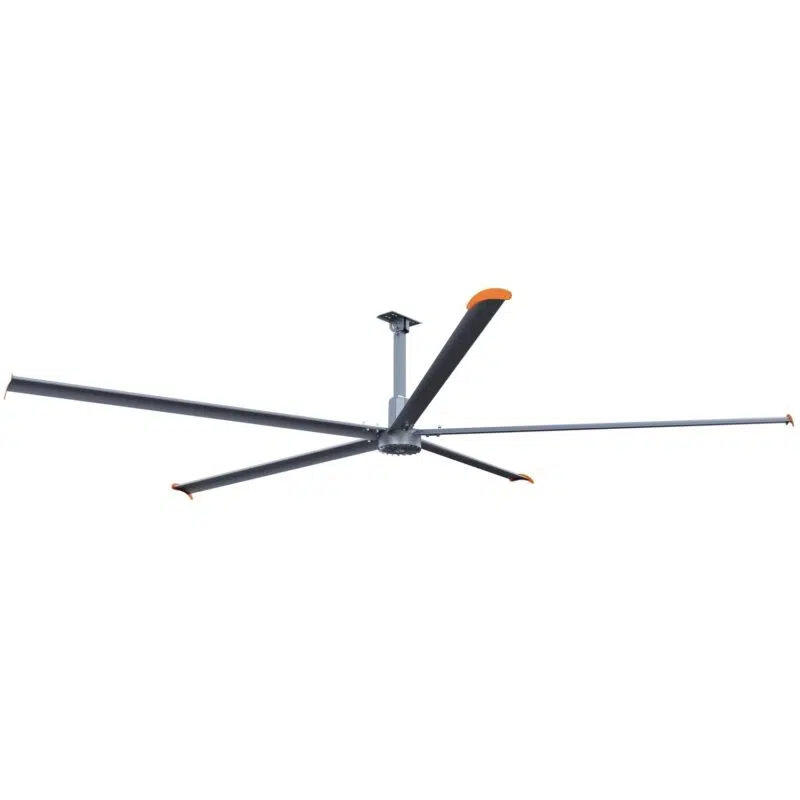
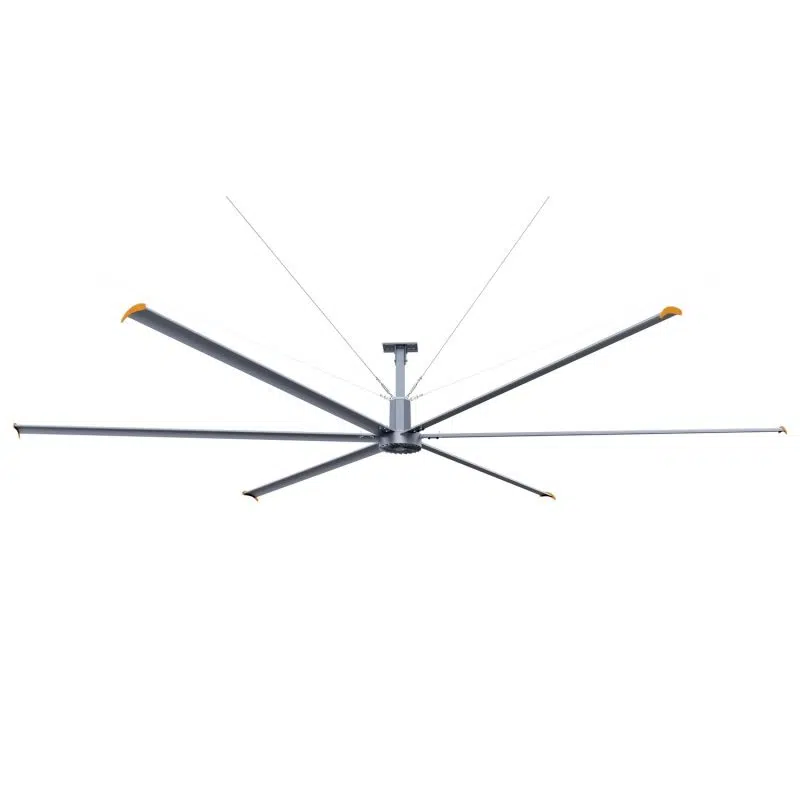
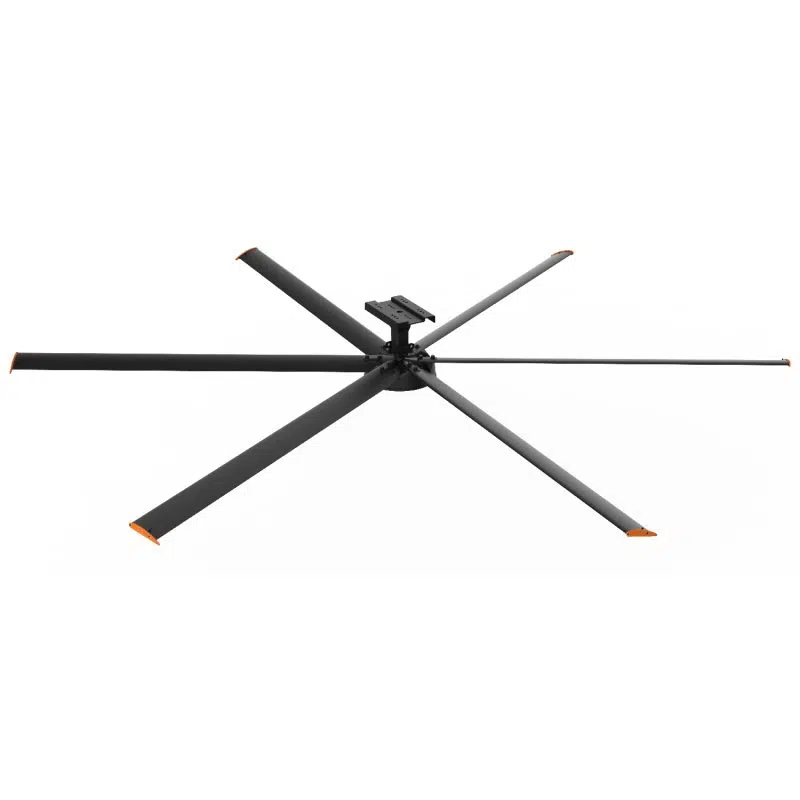


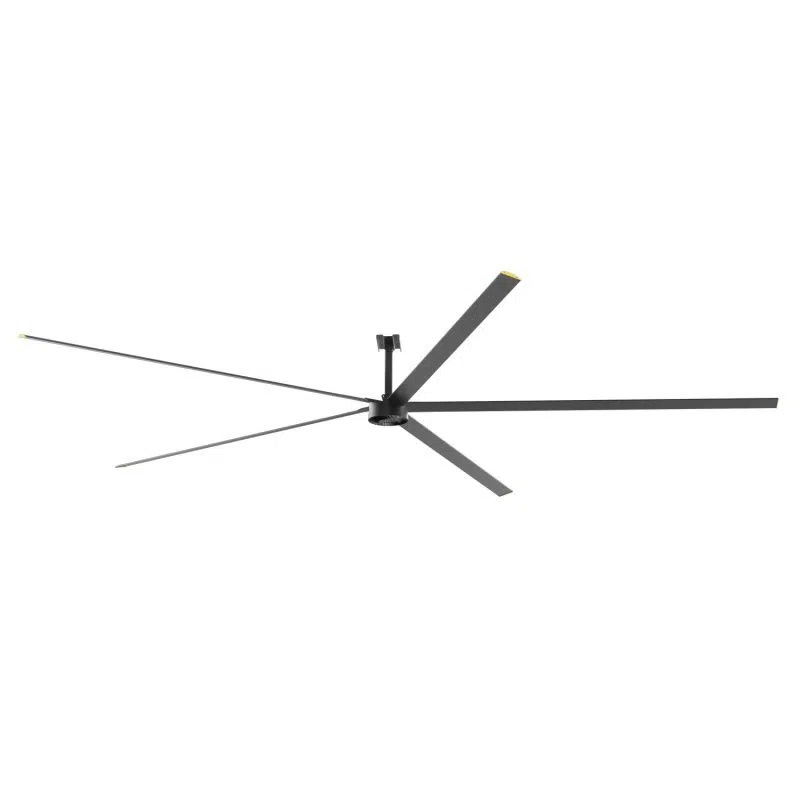




Garage and workshop fans provide broad or targeted air movement across service bays, workbenches, repair areas, loading zones, maintenance spaces, and other commercial or industrial work areas. Available options include HVLS ceiling fans for large open spaces, commercial ceiling fans for smaller areas, wall-mounted fans for fixed directional airflow, and industrial drum fans for portable or temporary use.
Start by determining whether the space needs broad circulation, localized directional airflow, heating-season air mixing, or temporary airflow. Then confirm whether ceiling mounting is practical based on building dimensions, ceiling height, vehicle types, lift height, overhead doors, occupied work zones, mounting structure, environmental conditions, electrical service, controls, and existing ventilation or vehicle-exhaust systems.
Selection Note: Garage and workshop fans move and mix air. They do not independently remove vehicle exhaust, welding fumes, dust, vapors, or airborne contaminants, and they do not replace required outdoor-air ventilation, local exhaust, vehicle-extraction systems, filtration, process cooling, or heat-risk controls.
How to Select Fans for a Garage or Workshop
| Selection Factor | What to Confirm |
|---|---|
| Building dimensions | Provide the length, width, clear ceiling height, occupied work areas, and possible fan locations. |
| Airflow objective | Determine whether the goal is broad circulation, localized workstation airflow, heating-season air mixing, or temporary airflow during maintenance. |
| Vehicle and equipment clearance | Account for passenger vehicles, trucks, raised hoods, vehicle lifts, cranes, hoists, exhaust hoses, and other equipment at their highest operating positions. |
| Overhead systems | Map doors and tracks, lights, sprinklers, heaters, ducts, signs, storage racks, lifts, and other ceiling-mounted equipment. |
| Work zones | Identify service bays, workbenches, welding areas, inspection stations, detailing areas, battery-charging locations, and regularly occupied spaces. |
| Ventilation and exhaust | Review vehicle-exhaust extraction, local exhaust, make-up air, HVAC supplies and returns, and contaminant-control systems before placing circulation fans. |
| Dust, fumes, and chemicals | Determine whether airflow could spread brake dust, welding fumes, paint mist, solvent vapors, fuel vapors, smoke, or other contaminants into occupied areas. |
| Environmental exposure | Identify moisture, washdown, salt, grease, chemicals, corrosion, dust, temperature extremes, or hazardous-location requirements. |
| Electrical service and controls | Confirm voltage, phase, current draw, circuit requirements, controller location, speed control, scheduling, and available disconnects. |
| Sound and work tasks | Review model-specific sound information where communication, diagnostics, inspection, or customer-facing work takes place. |
| Maintenance access | Plan how motors, blades, guards, controls, fasteners, restraints, and mounting components will be inspected, cleaned, and serviced. |
| Product documentation | Verify airflow data, safety listing, approved mounting range, environmental rating, controls, installation requirements, and warranty. |
Choosing the Right Garage or Workshop Fan
| Fan Type | Typical Use |
|---|---|
| HVLS Ceiling Fans | Broad, low-speed air movement across large repair facilities, fleet garages, maintenance buildings, and other open spaces with adequate ceiling height and blade clearances. |
| Commercial Ceiling Fans | Smaller garages, workshops, service areas, and support spaces where a moderate-diameter ceiling fan is more practical than an HVLS fan. |
| Wall-Mounted Fans | Fixed directional airflow along workbenches, service bays, loading areas, detailing zones, and locations where ceiling mounting is impractical. |
| Drum Fans | Portable airflow for temporary work areas, seasonal needs, maintenance projects, open service bays, and work zones that change frequently. |
| Exhaust and Vehicle-Extraction Systems | Removal of vehicle exhaust, fumes, vapors, and contaminated air when properly designed with suitable capture points, make-up air, controls, and ventilation capacity. |
Many garages and workshops use more than one fan type. Ceiling fans may provide broad circulation while wall-mounted or drum fans serve specific work areas, and exhaust systems handle actual air exchange or contaminant removal.
Vehicle Bays, Lifts, Doors, and Overhead Clearances
Fan size and placement should not be based only on the number of vehicle bays. Garage dimensions, ceiling height, fan airflow data, mounting height, occupied zones, and overhead obstructions all affect performance and safety.
Before selecting a ceiling-mounted fan, confirm clearance from vehicles and equipment in every operating position. This includes raised vehicles, open hoods, truck bodies, lifts, cranes, hoists, overhead doors and tracks, exhaust hoses, lights, sprinklers, heaters, and storage systems.
Downrod length and blade clearance should follow the selected fan manufacturer’s approved mounting range. A fixed clearance rule should not be applied to every fan or facility.
Workstations, Heat Sources, and Seasonal Operation
Fan placement should reflect where technicians work, how vehicles and equipment move through the space, and where heat is generated. Airflow should not interfere with welding, painting, finishing, diagnostics, inspection, lightweight materials, or other sensitive work.
Air movement across occupied areas may improve perceived comfort in suitable conditions, but it does not lower the actual air temperature. Fans should be used as one part of the facility’s broader approach to heat, ventilation, work practices, and environmental control.
During the heating season, low-speed fan operation may help redistribute warm air that collects near high ceilings. Reversing capability and seasonal operating settings vary by model, so follow the selected manufacturer’s instructions.
Vehicle Exhaust, Welding Fumes, Dust, and Vapors
Fan placement should be coordinated with vehicle-exhaust extraction, welding fume capture, dust collection, local exhaust, make-up air, and HVAC systems. Poor placement may spread contaminants, reduce capture efficiency, or direct polluted air from one work area into another.
Circulation fans do not remove carbon monoxide, vehicle exhaust, welding fumes, paint mist, solvent vapors, brake dust, smoke, or other airborne contaminants. Where these hazards are present, source control, exhaust, filtration, monitoring, process isolation, and other appropriate controls may be required.
Portable or standard industrial fans should not be used around hazardous spills, flammable vapors, combustible dust, or classified locations unless the exact equipment is approved for those conditions.
Mounting, Electrical, and Environmental Requirements
Ceiling- and wall-mounted fans should use manufacturer-approved mounting systems attached to suitable structure. Confirm operating loads, attachment methods, required restraints, blade or guard clearances, and access for inspection and service.
Electrical requirements vary by fan model. Verify voltage, phase, current draw, circuit capacity, wiring, disconnects, controllers, and environmental suitability before installation.
Moisture, washdown, road salt, grease, dust, chemicals, corrosion, high temperatures, and cold conditions can affect motors, controllers, blades, guards, fasteners, coatings, and bearings. Review the selected fan’s materials, ingress rating, approved environment, ambient-temperature range, cleaning instructions, and maintenance requirements.
Do not assume that a powder-coated finish, sealed bearing, damp-location rating, or IP rating establishes resistance to every chemical, cleaning method, or garage environment. Product suitability should be confirmed using model-specific documentation.
Common Garage and Workshop Fan Selection Mistakes
- Selecting by garage size or vehicle count alone: Ceiling height, mounting location, airflow data, work zones, lifts, doors, and obstructions all affect performance.
- Treating circulation as ventilation: Fans move indoor air but do not independently remove vehicle exhaust, fumes, dust, vapors, or carbon monoxide.
- Ignoring raised equipment: Clearances must account for lifts, raised vehicles, open hoods, cranes, doors, and exhaust hoses in their operating positions.
- Interfering with source capture: Poor fan placement may reduce the effectiveness of vehicle-exhaust, welding-fume, or dust-collection systems.
- Using portable fans around hazardous materials: Standard drum fans may be unsuitable near fuel vapors, solvents, combustible dust, hazardous spills, or classified areas.
- Assuming all fans resist garage chemicals: Corrosion resistance, ingress protection, and material compatibility vary by model.
- Skipping structural or electrical review: Mounting and power requirements should be confirmed using the exact selected fan.
- Using fixed savings or cooling estimates: Results depend on the building, HVAC system, controls, climate, door activity, operating schedule, and actual conditions.
Garage and Workshop Fan Layout Support
LED Lighting Supply can help develop a preliminary fan layout using the building dimensions, clear ceiling height, vehicle types, lift heights, service-bay layout, occupied areas, doors, tracks, lights, sprinklers, exhaust hoses, ventilation systems, environmental conditions, voltage, controls, and airflow goals.
You can also use our Ceiling Fan Count Calculator and Thermal Comfort Calculator for initial planning. Calculator results do not account for every lift, door, obstruction, exhaust system, process condition, structural requirement, or environmental hazard.
Layouts and calculator results are preliminary. Final fan type, size, quantity, placement, mounting, electrical requirements, environmental suitability, ventilation coordination, and code compliance should be confirmed using the selected products and final field conditions.
Certifications, Environmental Ratings, and Warranty
Safety listings, environmental ratings, voltage options, controls, maintenance requirements, and warranties vary by fan model. Depending on the selected product, electrical safety documentation may include a UL, ETL, MET, CSA, or other recognized listing.
Electrical safety listings, ingress ratings, damp- or wet-location suitability, corrosion resistance, hazardous-location approval, and ambient-temperature limits address different product characteristics and should be reviewed separately.
Before ordering, review the selected fan’s airflow data, mounting requirements, electrical specifications, approved operating environment, cleaning instructions, maintenance schedule, and warranty terms.
Need Help Selecting Garage or Workshop Fans?
Contact LED Lighting Supply and provide the building dimensions, ceiling height, photographs, vehicle types, lift heights, service-bay layout, overhead obstructions, ventilation details, environmental conditions, electrical service, controls, and airflow goals when available.
Our Product Specialists can help compare HVLS, commercial ceiling, wall-mounted, and drum fan options and develop preliminary placement guidance. Final structural support, electrical installation, vehicle-exhaust requirements, process ventilation, environmental suitability, hazardous-location requirements, and code compliance should be confirmed by the appropriate structural, electrical, mechanical, industrial hygiene, fire-protection, or code professionals when required.
Garage and Workshop Fans FAQs
How Do I Choose Between HVLS, Ceiling, Wall-Mounted, And Drum Fans?
Choose HVLS ceiling fans for broad, low-speed air movement in large open spaces with adequate ceiling height and blade clearances; commercial ceiling fans for smaller areas; wall-mounted fans for fixed directional airflow; and drum fans for portable or temporary airflow. Many garages and workshops use more than one fan type for broad circulation and specific work areas.
What Information Is Needed To Plan Garage Or Workshop Fan Placement?
Fan planning requires building dimensions, clear ceiling height, occupied work areas, possible fan locations, vehicle types, lift heights, overhead obstructions, ventilation systems, environmental conditions, electrical service, controls, and airflow goals. LED Lighting Supply can use this information to help develop a preliminary fan layout.
Can Garage And Workshop Fans Remove Vehicle Exhaust Or Welding Fumes?
No, garage and workshop circulation fans move and mix air but do not independently remove vehicle exhaust, welding fumes, dust, vapors, or other airborne contaminants. Fan placement should be coordinated with vehicle-exhaust extraction, welding fume capture, dust collection, local exhaust, make-up air, and HVAC systems.
What Clearances Should Be Checked Before Selecting A Ceiling-Mounted Fan?
Confirm clearance from vehicles and equipment in every operating position, including raised vehicles, open hoods, truck bodies, lifts, cranes, hoists, overhead doors and tracks, exhaust hoses, lights, sprinklers, heaters, and storage systems. Downrod length and blade clearance should follow the selected fan manufacturer's approved mounting range.
How Should Fan Placement Account For Workstations And Sensitive Tasks?
Fan placement should reflect where technicians work, how vehicles and equipment move through the space, and where heat is generated. Airflow should not interfere with welding, painting, finishing, diagnostics, inspection, lightweight materials, or other sensitive work.
What Should Be Verified Before Ordering A Garage Or Workshop Fan?
Before ordering, review the selected fan's airflow data, mounting requirements, electrical specifications, approved operating environment, cleaning instructions, maintenance schedule, and warranty terms. Safety listings, environmental ratings, voltage options, controls, and maintenance requirements vary by fan model.
Can A Fan Be Used In Areas With Moisture, Chemicals, Or Hazardous Materials?
Product suitability for moisture, washdown, road salt, grease, dust, chemicals, corrosion, temperature extremes, hazardous spills, flammable vapors, combustible dust, or classified locations must be confirmed using model-specific documentation. Portable or standard industrial fans should not be used around hazardous spills, flammable vapors, combustible dust, or classified locations unless the exact equipment is approved for those conditions.