LED Retrofit Kits
- Upgrade existing fixtures without replacing housings or mounts
- Options available for high bay, shoebox, and wall pack conversions
- Product selection support for voltage, controls, and fixture fit


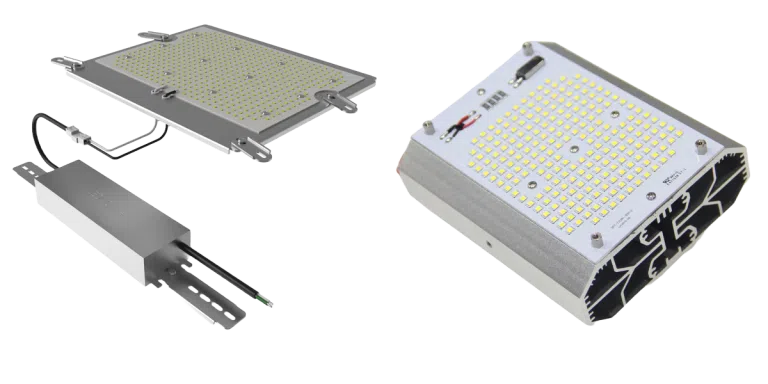
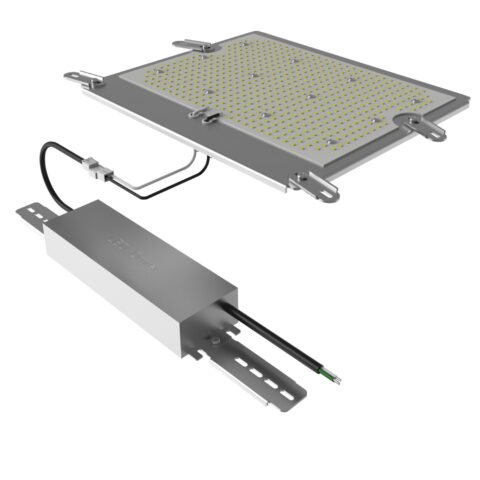
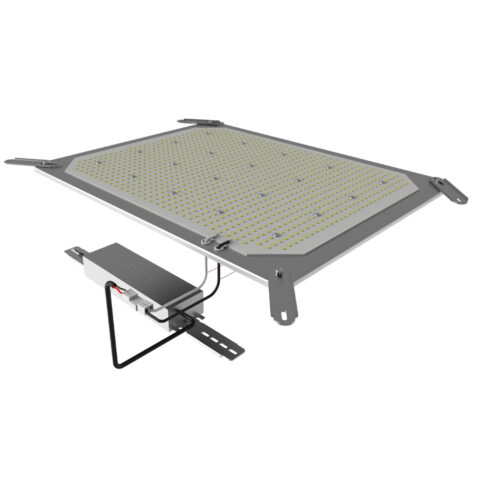
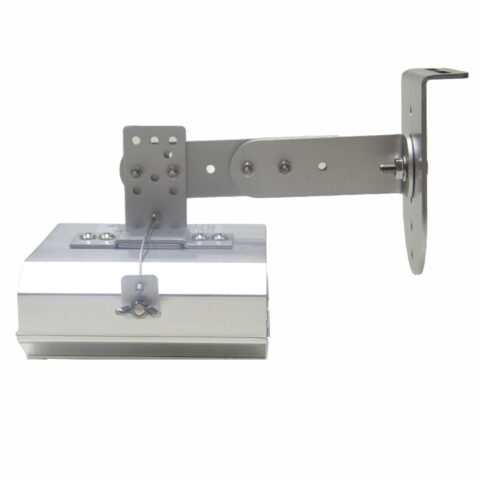
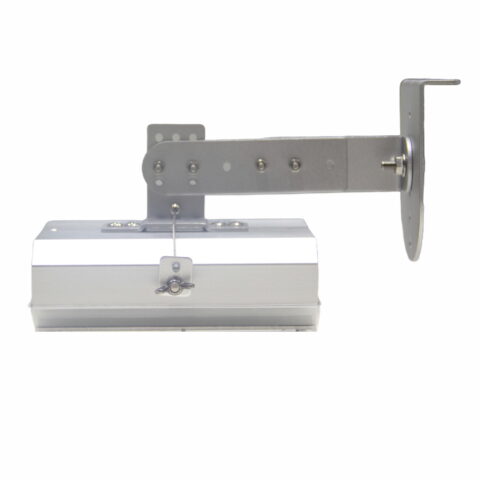
Our LED Retrofit Kits include options for metal halide, high-pressure sodium, fluorescent, high bay, shoebox, parking lot, and wall pack fixture conversions. Available models vary by wattage, lumen output, voltage, beam angle, color temperature, driver type, dimming, and controls compatibility. Kits are designed for reuse of suitable existing fixture housings, poles, brackets, ceiling mounts, and other installed infrastructure.
These products are commonly used in warehouses, manufacturing areas, shops, gyms, parking lots, streets, exterior area lighting, security lighting, canopies, wall-mounted locations, and linear fluorescent fixtures such as strip lights and troffers.
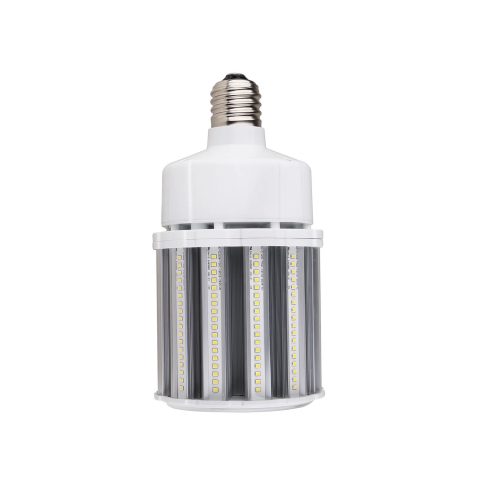


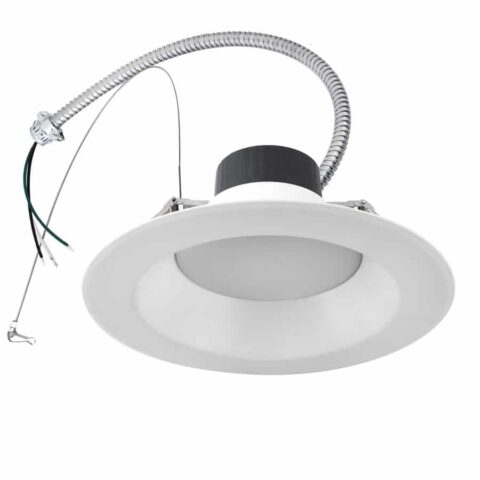


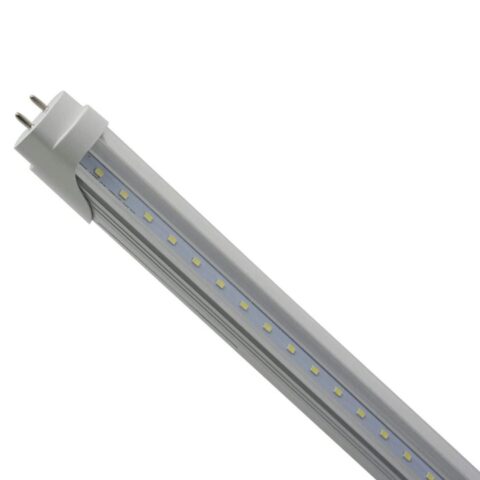
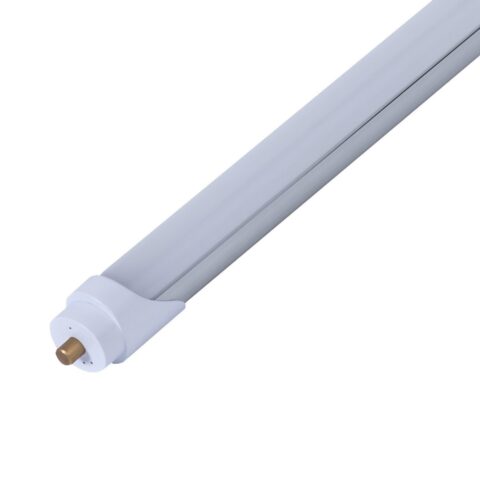
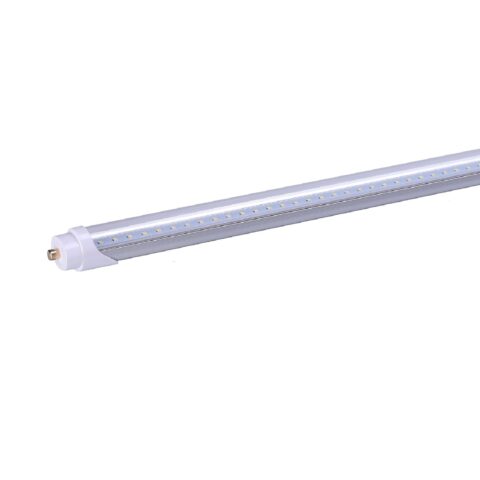
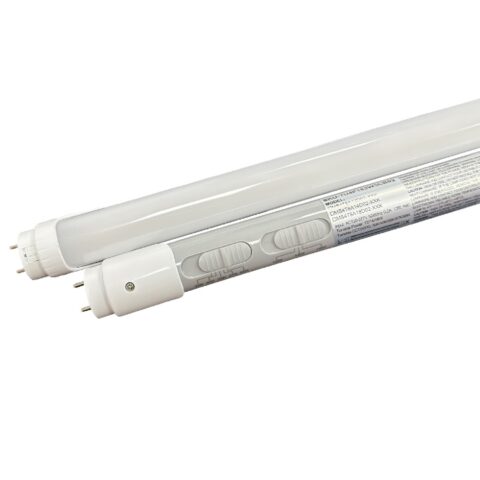
What Are LED Lighting Retrofit Kits?
LED lighting retrofit kits are designed to upgrade existing HID, metal halide, high-pressure sodium, or fluorescent fixtures without replacing the entire fixture housing. Instead of removing the full fixture, a retrofit kit replaces the lamp, ballast, and related internal components with LED technology when the existing housing is suitable for reuse. Retrofit kits can be a practical option for commercial, industrial, warehouse, parking lot, street, canopy, wall pack, high bay, shoebox, and other existing fixture types. They allow many facilities to improve energy efficiency, reduce lamp and ballast maintenance, and modernize older lighting while keeping existing poles, housings, mounts, or ceiling infrastructure in place.
Selection and Installation Note: Product specifications, wattage, lumen output, beam angle, color temperature, voltage, driver type, dimming, controls compatibility, fixture compatibility, thermal performance, mounting method, certifications, and warranty coverage vary by model. Confirm the selected product specification before ordering. For LED retrofit kit installations, fixture modifications, ballast removal, direct wiring, high-voltage systems, outdoor fixtures, or code-sensitive applications, verify requirements with the facility team, local inspector, project specifier, or a licensed electrical professional.

Different Types of LED Retrofit Kits
Start by confirming that the existing housing is suitable for reuse. Then match the retrofit kit to the fixture type and existing lamp system, verify mounting method, voltage, internal space, and thermal conditions, and select the lumen output and light distribution needed after conversion.
| Retrofit Kit Type | Common Use |
|---|---|
| Metal halide retrofit kits | Used to convert older HID fixtures in warehouses, parking lots, gyms, industrial spaces, and exterior area lighting. |
| High-pressure sodium retrofit kits | Used to upgrade older street, area, security, and outdoor fixtures where improved light quality and efficiency are desired. |
| High bay retrofit kits | Used in warehouses, manufacturing areas, shops, gyms, and other high-ceiling spaces where existing fixture housings can be reused. |
| Shoebox and parking lot retrofit kits | Used to upgrade older pole-mounted parking lot fixtures while keeping the existing fixture housing or pole infrastructure. |
| Wall pack retrofit kits | Used to convert older exterior wall packs where the housing remains in usable condition. |
| Fluorescent retrofit options | Used for linear fluorescent fixtures, strip lights, troffers, and tube-style conversions depending on fixture type and wiring method. |

When LED Retrofit Kits Make Sense
Retrofit kits are most useful when the existing fixture housing, mounting hardware, wiring access, and fixture location are still suitable. They can be a good option when a facility wants to improve lighting performance without replacing poles, brackets, ceiling mounts, or exterior fixture housings.
- Existing housings are still in good condition: The fixture body, mounting hardware, lenses, gaskets, and wiring access should be suitable for reuse.
- Fixture replacement would be difficult or expensive: Retrofit kits can reduce disruption where fixture housings are hard to remove or mounted high above the work area.
- The site has many similar fixtures: Facilities with large fixture counts may benefit from a repeatable retrofit approach.
- You want to keep existing poles or mounts: Retrofit kits can often work with existing pole-mounted or ceiling-mounted infrastructure when properly specified.
- You want to remove HID lamps and ballasts: Many retrofit kits eliminate older lamps, ballasts, capacitors, and ignitors from the fixture.
When Full Fixture Replacement May Be Better
Retrofit kits are not always the best choice. If the existing fixture is damaged, corroded, poorly sealed, too small for heat management, or no longer appropriate for the space, a new LED fixture may be a better long-term option.
| Existing Condition | Better Option to Consider |
|---|---|
| Damaged or corroded housing | Consider a new LED fixture instead of reusing a failing fixture body. |
| Poor gasket or water intrusion | Outdoor fixtures with water damage may need full replacement to restore proper environmental protection. |
| Limited internal space | Some housings may not have enough room for the LED engine, driver, heat sink, or wiring. |
| Wrong distribution pattern | If the old fixture housing no longer provides the needed light pattern, a new fixture may perform better. |
| Old or unsafe wiring | Electrical conditions should be reviewed before any retrofit. Fixture replacement or rewiring may be required. |
Benefits of LED Lighting Retrofit Kits
- Reuse existing infrastructure: Retrofit kits can allow facilities to keep existing housings, poles, brackets, ceiling mounts, or fixture locations when suitable.
- Energy efficiency: LED retrofit kits can reduce energy use compared with older HID, metal halide, high-pressure sodium, or fluorescent systems, with actual savings depending on wattage, controls, operating hours, and existing conditions.
- Reduced maintenance: LED conversions can eliminate routine lamp and ballast replacement common with older lighting systems.
- Instant-on operation: LED retrofit kits reach usable output quickly compared with HID lamps that require warm-up or restrike time.
- Improved light quality: LED options are available in different color temperatures and beam patterns to better match the application.
- Controls compatibility: Some retrofit kits support dimming, occupancy sensors, photocells, time clocks, or building controls depending on the model and installation.
- Lower disposal complexity: LED retrofit kits do not contain mercury like fluorescent lamps, though removed HID or fluorescent lamps and ballasts should still be handled according to applicable disposal requirements.

How to Choose the Right LED Retrofit Kit
Start by confirming that the existing fixture housing is suitable for reuse and has adequate internal space, mounting access, and thermal conditions. Then verify the existing lamp and ballast system, input voltage, and controls requirements before selecting lumen output and beam distribution for the application.
| Selection Factor | What to Confirm |
|---|---|
| Existing fixture type | Confirm whether the fixture is a high bay, wall pack, shoebox, canopy, street light, flood light, troffer, strip fixture, or another housing type. |
| Existing lamp and ballast | Confirm whether the old system is metal halide, high-pressure sodium, fluorescent, or another source, and identify existing ballast components. |
| Internal fixture space | Confirm the housing has enough room for the retrofit kit, driver, heat sink, wiring, and any mounting hardware. |
| Thermal management | LED kits need proper heat dissipation. Enclosed or poorly ventilated housings should be checked for thermal suitability. |
| Voltage | Confirm input voltage and driver compatibility, including 120V, 277V, 347V, 480V, or other project-specific requirements. |
| Lumen output | Compare delivered light output, not just wattage. Old HID lamps may have lost substantial output before replacement. |
| Beam angle or distribution | Choose optics that match the application. A high bay, parking lot, wall pack, and canopy fixture may need different distributions. |
| Controls | Confirm dimming, photocell, occupancy sensor, time clock, or building automation compatibility before ordering. |
Retrofit Kit Installation and Compatibility
LED retrofit kits should be installed by a qualified electrician. Most kits require removing or disconnecting older lamp and ballast components, mounting the LED engine or module, securing the driver, wiring the fixture, and confirming grounding and controls.
- Disconnect and verify power before installation.
- Confirm the existing fixture housing is suitable for reuse.
- Remove or disconnect HID, fluorescent, ballast, capacitor, ignitor, or other components as required by the kit instructions.
- Confirm the LED kit fits inside the housing with proper clearance and heat management.
- Verify voltage, grounding, wiring method, and controls compatibility.
- Confirm lenses, gaskets, doors, and covers close properly after installation.
- Label modified fixtures where required by product instructions or local requirements.
Certifications, Rebates, and Warranty Support
Safety listings, DLC qualification, voltage options, controls compatibility, and warranty coverage vary by retrofit kit model. Selected products may carry a safety certification from an organization such as UL, ETL, or CSA, and selected models may be DLC or DLC Premium listed for utility rebate programs where available. DLC qualification is a performance and efficiency program and does not replace a product safety certification. Rebate requirements vary by utility, region, and product listing, so confirm eligibility on the selected product specification before ordering. Review the selected product specification to confirm certifications, DLC status, voltage, controls compatibility, fixture compatibility, and warranty terms. Contact us about LED lighting retrofit kits, and our Product Specialists can help review existing fixture type, wattage, voltage, retrofit kit fit, controls, color temperature, and product specifications.
LED Retrofit Kits FAQs
When Does An LED Retrofit Kit Make Sense Instead Of Replacing The Full Fixture?
An LED retrofit kit can make sense when the existing housing, mounting hardware, wiring access, and fixture location are still suitable for reuse. It can help keep existing poles, brackets, ceiling mounts, or exterior housings in place while upgrading older lighting.
When Should I Consider A New LED Fixture Instead Of A Retrofit Kit?
A new LED fixture may be a better option when the existing housing is damaged, corroded, poorly sealed, too small for proper heat management, or no longer provides the needed light pattern. Old or unsafe wiring should also be reviewed before any retrofit.
What Should I Confirm Before Choosing An LED Retrofit Kit?
Confirm the existing fixture type, lamp and ballast system, internal space, thermal suitability, input voltage, desired light output, distribution, and controls compatibility. Choosing a retrofit kit starts with the existing fixture, not just the old wattage.
Why Should I Compare Light Output Instead Of Only Old Fixture Wattage?
Compare delivered light output because old wattage does not identify fixture output, distribution, lumen depreciation, or what the space needs now. Old HID lamps may have lost substantial output before replacement.
Can LED Retrofit Kits Work With Existing Poles, Housings, And Mounts?
LED retrofit kits can allow facilities to keep existing housings, poles, brackets, ceiling mounts, or fixture locations when they are suitable. Proper fit depends on the housing size, mounting method, available space, thermal conditions, voltage, and needed light distribution.
Do All LED Retrofit Kits Support Dimming And Controls?
No, controls compatibility varies by model and installation. Some retrofit kits support dimming, occupancy sensors, photocells, time clocks, or building controls, so compatibility should be confirmed before ordering.
What Is Involved In Installing An LED Retrofit Kit?
Most LED retrofit kit installations require removing or disconnecting older lamp and ballast components, mounting the LED engine or module, securing the driver, wiring the fixture, and confirming grounding and controls. LED retrofit kits should be installed by a qualified electrician.
Are LED Retrofit Kits Eligible For Utility Rebates?
Many LED retrofit kit models are DLC or DLC Premium listed for utility rebate support where available. Rebate requirements vary by utility, region, and product listing, so eligibility should be confirmed on the selected product specification before ordering.