Commercial LED Replacements for Fluorescent Tubes
- Type A, Type B, and hybrid options for different retrofit needs
- Common T8, T5, and T12 replacement sizes available
- USA-based product selection and warranty support


Our Commercial LED Tube Lights include T8, T5, and T12 replacement tubes in Type A, Type B, hybrid, and external-driver configurations. Available models vary by tube length, base type, wattage, lumen output, voltage, color temperature, dimming, and emergency compatibility.
These LED tubes are commonly used in commercial, industrial, retail, office, school, warehouse, utility, and work areas, including existing strip fixtures, troffers, shop lights, and linear fluorescent housings.


What Are LED Tube Lights?
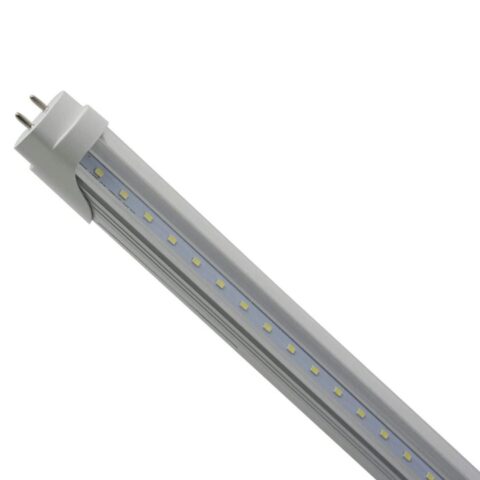
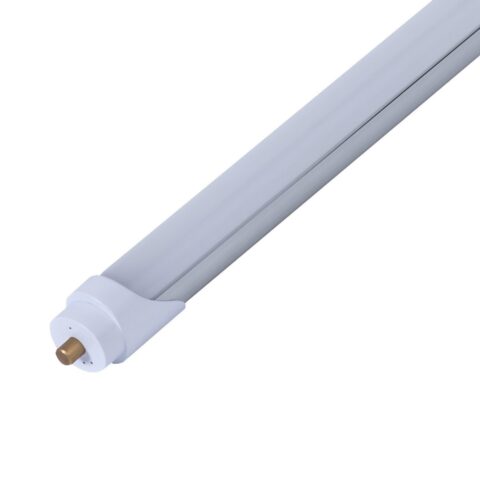
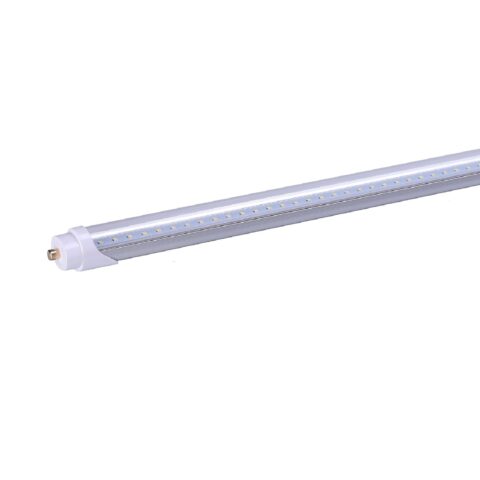
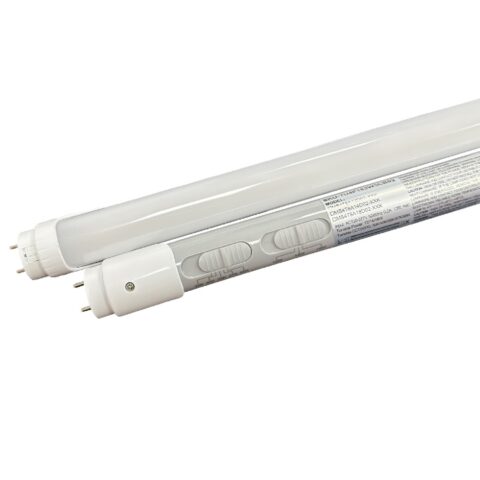
LED tube lights are linear LED lamps used to replace traditional fluorescent tubes in many commercial, industrial, retail, office, school, warehouse, and utility spaces. They are commonly used in existing strip fixtures, troffers, shop lights, and linear fluorescent housings when the fixture and tube type are compatible.
LED tubes are available in common fluorescent replacement sizes, including T8, T5, and replacement options for many T12 applications, depending on the fixture, lamp length, base type, and product design. For T5 high-bay fixtures, review T5 high bay LED replacement lights. LED tubes can improve energy efficiency, reduce fluorescent lamp maintenance, and provide prompt start-up while avoiding ballast noise and some issues associated with older fluorescent systems.
Selection and Installation Note: Product specifications, tube length, tube diameter, base type, ballast compatibility, wiring method, wattage, lumen output, color temperature, voltage, dimming, emergency compatibility, fixture compatibility, certifications, and warranty coverage vary by model. Confirm the selected product specification before ordering. For ballast-bypass or direct-wire LED tube installations, wiring changes, fixture modifications, emergency circuits, or code-sensitive applications, verify requirements with your facility team, local inspector, project specifier, or a licensed electrical professional.

Types of LED Tube Replacements
The most important decision when replacing fluorescent tubes is the installation type: ballast-compatible, ballast-bypass, hybrid, or external-driver. First confirm the existing tube size, length, base type, fixture condition, and ballast condition. Then choose the installation method based on whether you need a quick retrofit with a compatible ballast or a longer-term direct-wire solution that removes the ballast. Confirm lumen output, color temperature, voltage, dimming, emergency compatibility, and controls requirements by model before ordering.
| LED Tube Type | Best Fit |
|---|---|
| Type A LED tubes | Ballast-compatible tubes that install into compatible fluorescent fixtures without rewiring. Best when the existing ballast is in good condition and compatibility is confirmed. |
| Type B LED tubes | Ballast-bypass or direct-wire tubes that connect to line voltage after the ballast is removed or disconnected. Best when you want to eliminate ballast maintenance. |
| Hybrid LED tubes | Tubes that can operate as ballast-compatible or ballast-bypass, depending on installation. Useful when a facility has mixed fixture conditions or may bypass ballasts later. |
| External-driver LED tubes | Used in some projects where the tube operates with a separate LED driver. Confirm compatibility and installation requirements by model. |
What Is a Type A LED Tube?
Type A LED tubes are ballast-compatible tubes. They are often called plug-and-play LED tubes because they can be installed into a compatible fluorescent fixture without rewiring. This can make them a practical option for quick retrofits, small projects, or facilities that want to avoid immediate fixture rewiring.
The existing ballast still remains part of the system. That means ballast compatibility must be checked before ordering, and the ballast may still need replacement later. A Type A tube is only as reliable as the tube, the ballast, and the fixture condition together.
- Advantages: Fast installation, limited disruption, no immediate rewiring when compatible.
- Considerations: Ballast compatibility must be verified, ballast still uses power, and future ballast failure is still possible.
What Is a Type B LED Tube?
Type B LED tubes are ballast-bypass tubes. The fluorescent ballast is removed or disconnected, and the LED tube is wired directly to line voltage according to the selected product instructions. This eliminates the ballast as a failure point and can improve long-term maintenance.
Type B installations require electrical work and should be completed by a qualified electrician. Some Type B tubes are single-ended, while others are double-ended. The wiring method must match the tube design, fixture, tombstones, voltage, and product specification.
- Advantages: Eliminates ballast compatibility concerns after installation, removes ballast maintenance, and can provide a long-term retrofit solution.
- Considerations: Requires rewiring, correct tombstone configuration, proper labeling, and installation by a qualified electrician.
What Is a Hybrid LED Tube?
Hybrid LED tubes are designed to work as either Type A or Type B tubes, depending on how they are installed. They can be installed with a compatible ballast at first and later converted to ballast-bypass operation if the ballast fails or if the facility wants to remove ballasts during a future maintenance project.
Hybrid tubes can be useful for facilities with mixed ballast conditions, phased retrofits, or uncertain fixture compatibility. Always confirm the approved installation methods on the selected product specification.
Type A vs. Type B LED Tubes
Type A and Type B tubes solve different problems. Type A is usually the fastest conversion when the ballast is compatible. Type B is often the longer-term solution when the facility wants to remove the ballast from the system.
| Question | Better Option to Consider |
|---|---|
| Do you want the fastest install with minimal disruption? | Type A, if the existing ballast is compatible and in good condition. |
| Do you want to eliminate future ballast failures? | Type B or hybrid installed as ballast-bypass. |
| Do you have mixed ballast types across the facility? | Hybrid tubes may provide more flexibility, depending on the approved compatibility list. |
| Are the existing ballasts old or failing? | Type B or a full fixture retrofit may be better than plug-and-play tubes. |
| Do you need dimming or emergency compatibility? | Confirm by model. Not all LED tubes support dimming, emergency ballasts, or control systems. |
Other LED Tube Selection Factors
| Selection Factor | What to Confirm |
|---|---|
| Tube size | Confirm whether the existing lamps are T8, T5, T12, or another tube type, along with tube length and base type. |
| Ballast condition | If the ballast is newer and compatible, Type A may be practical. If the ballast is old or failing, Type B or hybrid may be better. |
| Installation method | Choose ballast-compatible, ballast-bypass, hybrid, or external-driver tubes based on your maintenance and electrical requirements. |
| Color temperature | 3000K provides a warmer appearance, 4000K is common for offices and commercial spaces, and 5000K is often used for task, warehouse, or utility areas. |
| Lumen output | Confirm tube output against the existing fluorescent lamps and the desired brightness. Do not choose by wattage alone. |
| Dimming and controls | Confirm whether the tube supports dimming, occupancy sensors, emergency backup systems, or building controls. |
| Fixture condition | Inspect sockets, wiring, lenses, fixture housings, and reflectors before reusing older fluorescent fixtures. |
De-Lamping with LED Tube Replacements
De-lamping means reducing the number of lamps in a fixture while maintaining usable light levels. In some fluorescent fixtures, a facility may be able to replace multiple fluorescent tubes with fewer LED tubes because the LED tubes provide better directional output or higher usable light.
De-lamping should be reviewed carefully. It depends on the existing fixture, reflectors, ceiling height, spacing, task requirements, and desired brightness. Do not assume one LED tube can replace two fluorescent tubes in every fixture or application.
Installation and Retrofit Considerations
LED tube installation depends on the tube type. Ballast-compatible Type A tubes may be installed like fluorescent tubes when the ballast is compatible. Ballast-bypass Type B tubes require rewiring and should be installed by a qualified electrician.
- Confirm the existing tube type, length, base, and fixture style.
- Check the ballast compatibility list for Type A or hybrid installations.
- Inspect sockets, wiring, lenses, and fixture condition before reusing older housings.
- Confirm single-ended or double-ended wiring requirements for Type B tubes.
- Label modified fixtures after ballast-bypass wiring as required by the product instructions and local requirements.
- Verify emergency lighting, dimming, and control compatibility before ordering. Where applicable, review compatible emergency lighting LED drivers.
- Recycle or dispose of fluorescent tubes according to applicable requirements because fluorescent lamps contain mercury.
LED Tube Retrofit Pre-Order Checklist
Gathering the following information before ordering can help avoid delays, compatibility problems, and unnecessary service calls. For larger projects, photograph the existing lamps, fixture label, ballast label, sockets, and interior wiring before selecting a replacement.
- Existing lamp details: Record the lamp diameter, length, base type, quantity per fixture, and any markings printed on the fluorescent tube.
- Fixture and ballast information: For Type A or hybrid operation, obtain the ballast manufacturer and model number and compare it with the LED tube manufacturer’s current compatibility list.
- Wiring approach: Decide whether the project will retain compatible ballasts, bypass them, or use a phased hybrid approach. Type B wiring must match the selected tube’s single-ended or double-ended configuration.
- Fixture condition: Identify cracked tombstones, loose wiring, damaged lenses, corroded housings, or poor reflectors before planning to reuse the fixture.
- Lighting needs: Compare lumen output, distribution, color temperature, and the actual work-plane light level needed. Wattage alone does not indicate delivered light or suitability.
- Controls and emergency operation: Confirm compatibility with dimmers, occupancy sensors, emergency lighting equipment, and building-control systems before selecting a tube.
- Retrofit scope: For older, damaged, or inefficient fluorescent housings, compare the cost of a tube retrofit with a full fixture retrofit or fixture replacement.
- Installation responsibility: Plan for a qualified electrician when ballast bypass, line-voltage wiring changes, emergency circuits, or other electrical modifications are involved.
LED Tube Light Certifications and Warranty Support
Selected LED tube models available from LED Lighting Supply carry a safety certification or listing from a recognized testing organization, such as UL, ETL, or CSA, depending on the product. Selected models may also be DLC or DLC Premium qualified, where applicable. DLC qualification relates to energy-efficiency and performance criteria and is not an electrical safety certification. Warranty terms vary by product, with many models offering a 5-year warranty; confirm the exact product warranty before ordering.
Before ordering, confirm the selected tube’s certifications, DLC status, ballast compatibility, wiring method, voltage, controls compatibility, and whether the fixture fits the intended application.
Contact us about LED tube replacements, and our Product Specialists can help review tube size, ballast compatibility, Type A vs. Type B options, color temperature, lumen output, and product specifications.
Commercial LED Replacements for Fluorescent Tubes FAQs
How Do I Choose Between Type A And Type B LED Tube Replacements?
Choose Type A when the existing ballast is compatible and in good condition and a fast retrofit with minimal disruption is preferred. Choose Type B when the facility wants to remove the ballast from the system and eliminate ballast maintenance, recognizing that Type B requires rewiring.
When Is A Hybrid LED Tube A Useful Choice?
Hybrid LED tubes are useful for facilities with mixed ballast conditions, phased retrofits, or uncertain fixture compatibility. They can operate with a compatible ballast initially and later be converted to ballast-bypass operation, depending on the approved installation methods for the selected product.
What Should Be Confirmed Before Ordering LED Tube Replacements?
Confirm the existing tube type, length, base type, fixture style, ballast compatibility, wiring method, voltage, lumen output, color temperature, and controls or emergency compatibility before ordering. Product specifications and fixture compatibility vary by model.
How Should Lumen Output Be Selected For An LED Tube Retrofit?
Select LED tube output by comparing it with the existing fluorescent lamps and the desired brightness, rather than choosing by wattage alone. Beam distribution, color temperature, fixture condition, and task requirements should also be considered.
Can Commercial Facilities Use Fewer LED Tubes Than Fluorescent Tubes?
Some facilities may be able to replace multiple fluorescent tubes with fewer LED tubes while maintaining usable light levels. De-lamping depends on the existing fixture, reflectors, ceiling height, spacing, task requirements, and desired brightness, so one LED tube should not be assumed to replace two fluorescent tubes in every application.
What Installation Requirements Apply To Type B LED Tubes?
Type B LED tubes require the fluorescent ballast to be removed or disconnected and the tube to be wired directly to line voltage according to the selected product instructions. The wiring method must match the tube design, fixture, tombstones, voltage, and product specification, and installation should be completed by a qualified electrician.
Do LED Tube Replacements Support Dimming And Emergency Systems?
Dimming, occupancy sensor, emergency backup, and building control compatibility must be confirmed by model because not all LED tubes support these systems. Emergency ballast and backup compatibility should be verified before ordering.