Steel Light Poles
- Round, square, and tapered pole shapes available
- Anchor-base and direct-burial installation options
- Selection support for height, finish, and mounting configuration


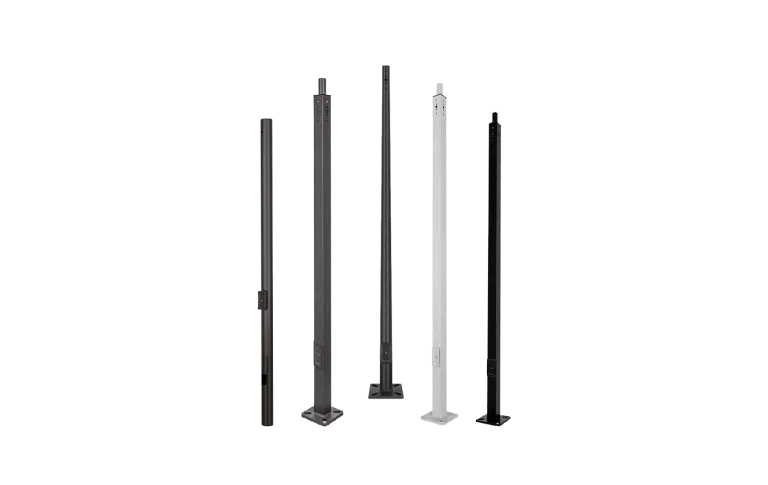

Our Steel Light Poles include round, square, and tapered configurations with anchor-base or direct-burial installation options. Available models vary by height, wall thickness, finish, mounting provisions, and allowable EPA. Finish options may include hot-dip galvanizing, powder coating, and painted finishes.
These poles are used for parking lots, roadways, commercial properties, campuses, sports facilities, industrial sites, parks, and general outdoor lighting installations.
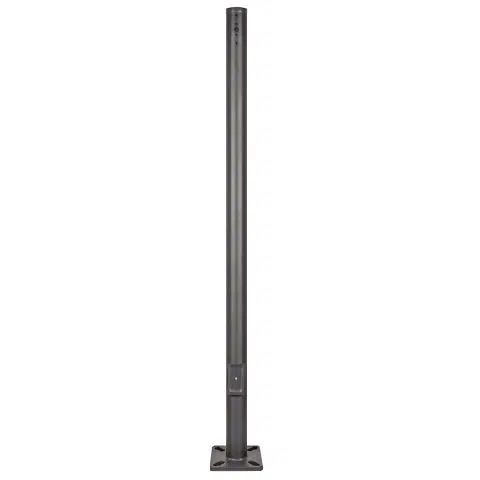

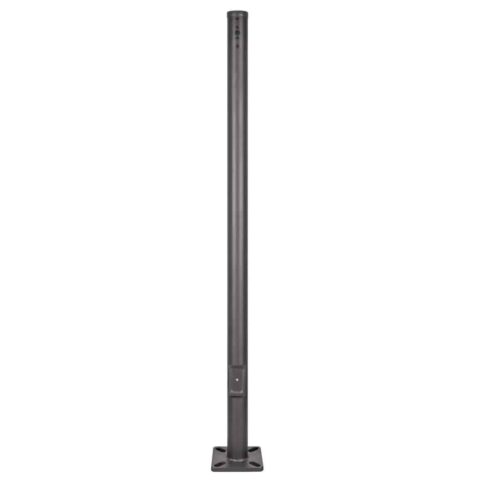

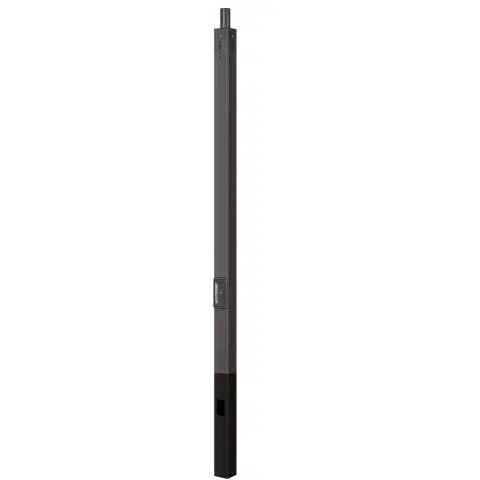
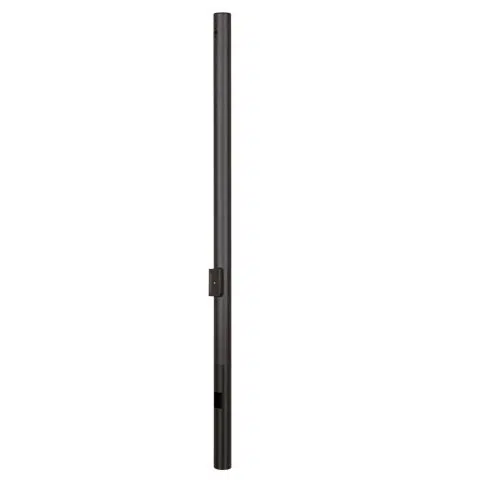
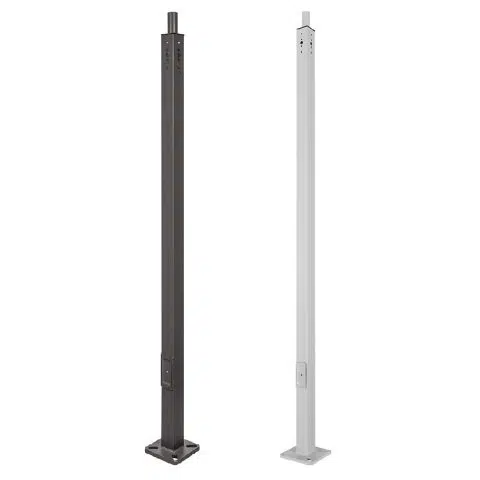

Steel light poles provide a rigid, durable mounting structure for parking lots, roadways, commercial properties, campuses, sports facilities, industrial sites, and other outdoor lighting applications. Available configurations may include round, square, and tapered poles with anchor-base or direct-burial installation options.
Start by confirming the installation method, pole height, fixture quantity, mounting hardware, and total EPA. Then verify that the exact pole’s shape, wall thickness, wind requirements, finish, foundation, and site conditions support the complete mounted load before ordering.
Selection Note: Pole heights, shapes, wall thicknesses, finishes, allowable EPA, wind ratings, mounting configurations, installation methods, listed standards, and warranty coverage vary by model. Confirm the exact pole specification and complete mounted load for the project.
Why Choose Steel Light Poles?
Steel is commonly selected for commercial lighting because it combines structural stiffness with broad compatibility for fixtures, tenons, bullhorns, crossarms, cameras, and other light pole accessories. Steel poles are available in many heights, shapes, finishes, and mounting configurations, making them suitable for both new construction and replacement projects.
| Steel Pole Characteristic | Why It Matters |
|---|---|
| Structural stiffness | Steel generally deflects less than fiberglass under comparable conditions, which may benefit cameras, narrow-beam fixtures, and applications sensitive to movement. |
| Mounting compatibility | Steel poles commonly support tenons, bullhorns, crossarms, side arms, direct mounts, cameras, and other commercial accessories when approved for the selected model. |
| Shape and height options | Round, square, straight, and tapered configurations allow the pole to match different site layouts, fixture arrangements, and architectural preferences. |
| Protective finishes | Galvanized and coated finishes can help protect steel from moisture and corrosion. The correct finish depends on environmental exposure and maintenance expectations. |
| Predictable specifications | Manufacturer data may include pole height, wall thickness, weight, allowable EPA, wind-speed tables, base details, anchor-bolt patterns, and mounting provisions. |
Steel Light Pole Shapes
Pole shape affects appearance, mounting compatibility, wind-exposed area, and published structural capacity. Use manufacturer data for the exact pole model rather than assuming one shape is always stronger or more wind resistant.
| Pole Shape | Common Uses and Considerations |
|---|---|
| Square Steel Light Poles | Common for parking lots, commercial properties, industrial sites, and campuses where a straight architectural profile and common side-mounting options are preferred. |
| Round Steel Light Poles | Used for roadways, parking areas, parks, campuses, and general outdoor lighting where a cylindrical profile or round mounting arrangement is preferred. |
| Tapered Steel Light Poles | Feature a gradually changing profile from base to top. Tapered poles may be selected for appearance, weight distribution, or manufacturer-specific structural performance. |
Anchor-Base Versus Direct-Burial Steel Poles
| Installation Type | How It Is Used |
|---|---|
| Anchor-Base Steel Light Poles | Mount to an engineered concrete foundation using a base plate and anchor bolts. This configuration is common for commercial parking lots, roadways, campuses, and sites where poles may need to be replaced without removing the foundation. |
| Direct-Burial Steel Light Poles | Install with part of the pole embedded below grade. Embedment, excavation, backfill, drainage, corrosion protection, soil conditions, and installation requirements depend on the exact pole and project. |
Neither installation method is automatically stronger or more appropriate. The correct choice depends on pole height, loading, soil conditions, foundation design, corrosion exposure, maintenance access, local requirements, and manufacturer instructions.
How to Select the Correct Steel Light Pole
| Selection Factor | What to Confirm |
|---|---|
| Installation location | Provide the project address so wind criteria, exposure, corrosion conditions, terrain, and local requirements can be reviewed. |
| Pole height | Select height based on the lighting layout, fixture distribution, target area, glare control, service access, and the structural capacity of the exact pole model. |
| Fixture model and quantity | Confirm the weight and EPA of every fixture. Wattage and lumen output do not determine the structural load placed on the pole. |
| Arms and mounting hardware | Include tenons, bullhorns, crossarms, side arms, brackets, cameras, signs, banners, and other accessories in the complete load review. |
| Allowable EPA | Total the EPA of all mounted components and compare it with the pole’s published allowable EPA at the required wind speed. |
| Pole shape and construction | Confirm round, square, straight, or tapered construction along with wall thickness, material grade, base details, and mounting provisions. |
| Finish and corrosion protection | Review galvanizing, powder coating, paint systems, base protection, salt exposure, chemicals, standing water, and expected maintenance. |
| Installation method | Confirm anchor-base or direct-burial installation and review foundation, anchor-bolt, embedment, wiring-access, and drainage requirements. |
| Foundation and soil | Foundation dimensions, reinforcement, anchor bolts, and embedment depend on the pole loading, soil conditions, frost depth, and project requirements. These requirements should be determined or verified by the appropriate qualified professional. |
Wind Speed and Allowable EPA
Steel light poles are available with different allowable EPA values at specified wind speeds. Suitability depends on the exact pole height, shape, wall thickness, fixture arrangement, and mounting hardware. A wind-speed rating by itself does not confirm that a pole can support the proposed equipment.
Effective Projected Area, or EPA, represents the wind-exposed area of fixtures and accessories mounted on the pole. Arms, bullhorns, cameras, signs, and other components must be included when calculating the complete mounted load.
For projects in coastal, hurricane-prone, open-exposure, or other severe-wind locations, review our high-wind rated light poles page and confirm project-specific requirements before ordering.
Steel Pole Finishes and Corrosion Exposure
Steel requires an appropriate protective system for the environment. Available treatments may include hot-dip galvanizing, powder coating, painted finishes, or combinations specified by the manufacturer. Finish availability and performance vary by product.
Pay particular attention to coastal salt air, deicing salts, wastewater sites, fertilizers, industrial chemicals, standing water, irrigation, and damage near the pole base. Corrosion protection should be selected for the full installation, including the shaft, base plate, anchor bolts, fasteners, handhole, and below-grade components where applicable.
Steel Versus Fiberglass Light Poles
| Selection Factor | General Difference |
|---|---|
| Stiffness | Steel is generally stiffer and may have less visible deflection. Fiberglass may allow more controlled flex depending on the design. |
| Corrosion | Steel requires an appropriate protective finish. Fiberglass light poles do not rust and may be useful in corrosive environments. |
| Weight | Steel poles are typically heavier. Fiberglass is often lighter, although installation requirements still depend on pole height and site access. |
| Conductivity | Steel is electrically conductive. Fiberglass pole shafts are generally nonconductive, although installed hardware and electrical components may still be conductive. |
| Mounting options | Steel commonly offers broad compatibility with commercial arms, tenons, bullhorns, and accessories. Fiberglass mounting options depend on the pole design and approved attachments. |
Neither material is automatically better. Select the pole using the project environment, fixture configuration, structural requirements, installation method, maintenance needs, and manufacturer data.
Standards and Product Documentation
Selected steel pole models may be designed, manufactured, or tested to applicable standards such as AASHTO requirements for roadway or transportation applications. Standards and certifications vary by product and should not be assumed across the entire category.
Review the exact product specification for listed standards, allowable EPA, wind data, pole dimensions, material and wall thickness, base details, anchor-bolt pattern, finish, mounting provisions, warranty, and installation instructions.
Common Steel Light Pole Selection Mistakes
- Selecting by height alone: Pole construction, allowable EPA, fixture load, mounting arrangement, wind criteria, and foundation must also be reviewed.
- Matching poles by appearance: Two similar-looking poles may have different wall thicknesses, base details, wind capacities, and mounting provisions.
- Ignoring arms and accessories: Bullhorns, crossarms, cameras, signs, banners, and brackets contribute to weight and wind load.
- Assuming heavier means more stable: Pole weight alone does not determine structural performance or wind resistance.
- Using the wrong corrosion protection: Coastal air, chemicals, irrigation, deicing salts, and standing water may require a different finish or pole material.
- Reusing an unverified foundation: Existing anchor bolts and foundations may not support a different pole, height, or fixture configuration.
- Adding equipment later: Additional fixtures or accessories can cause the completed system to exceed the pole’s allowable capacity.
Need Help Selecting Steel Light Poles?
LED Lighting Supply can help narrow steel pole options using the project location, pole height, fixture models, fixture EPA, mounting arrangement, finish, wind requirements, and installation method.
Contact us about steel light poles and provide the project address, desired pole height, fixture quantity, fixture model, mounting hardware, and whether anchor-base or direct-burial installation is required. Final structural, foundation, installation, and code requirements should be confirmed by the appropriate qualified professionals for the project.
Steel Light Poles FAQs
What Should Be Reviewed Before Ordering A Steel Light Pole?
Select a steel light pole by reviewing pole height, shape, wall thickness, fixture quantity, total EPA, mounting hardware, wind requirements, finish, installation method, foundation, and site conditions. The exact pole specification and complete mounted load should be confirmed for the project.
How Is Allowable EPA Used When Selecting A Steel Light Pole?
Total the EPA of all fixtures, arms, bullhorns, cameras, signs, and other mounted components, then compare it with the pole's published allowable EPA at the required wind speed. A wind-speed rating alone does not confirm that a pole can support the proposed equipment.
Should I Choose An Anchor-Base Or Direct-Burial Steel Pole?
The correct installation method depends on pole height, loading, soil conditions, foundation design, corrosion exposure, maintenance access, local requirements, and manufacturer instructions. Anchor-base poles mount to an engineered concrete foundation, while direct-burial poles install with part of the pole embedded below grade.
Can An Existing Foundation Be Reused For A New Steel Light Pole?
An existing foundation should not be reused without verification because existing anchor bolts and foundations may not support a different pole, height, or fixture configuration. Foundation dimensions, reinforcement, anchor bolts, and embedment depend on pole loading, soil conditions, frost depth, and project requirements.
How Should Steel Pole Finish Be Selected For The Site?
Select corrosion protection based on the installation environment and expected maintenance, with attention to salt air, deicing salts, wastewater sites, fertilizers, industrial chemicals, standing water, irrigation, and damage near the pole base. Available treatments may include hot-dip galvanizing, powder coating, painted finishes, or manufacturer-specified combinations.
How Do Steel And Fiberglass Light Poles Compare?
Steel is generally stiffer, typically heavier, electrically conductive, and commonly offers broad compatibility with commercial arms, tenons, bullhorns, and accessories. Fiberglass does not rust, may be useful in corrosive environments, and its mounting options depend on pole design and approved attachments.
What Product Documentation Should Be Confirmed For A Steel Light Pole?
Review the exact product specification for listed standards, allowable EPA, wind data, pole dimensions, material and wall thickness, base details, anchor-bolt pattern, finish, mounting provisions, warranty, and installation instructions. Standards and certifications vary by product and should not be assumed across the entire category.