


LED Architectural Wall Sconces
- Decorative wall-mounted options for entrances and building facades
- Downlight, uplight, or up/down distribution available by model
- Product selection support for finish, mounting, and outdoor ratings
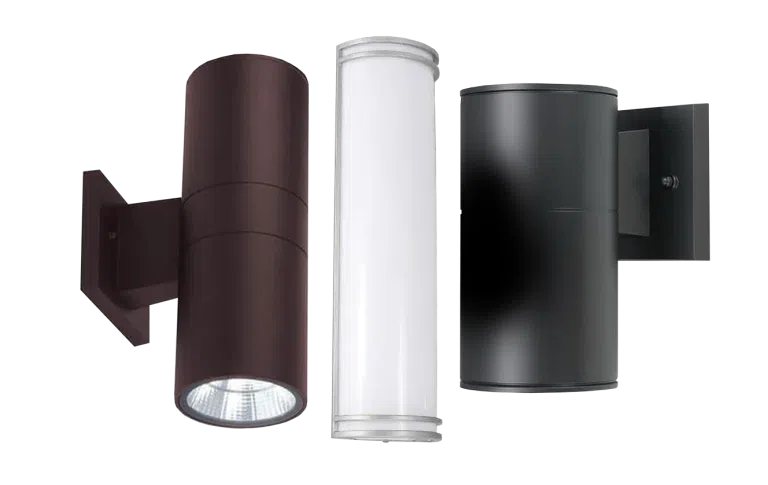



Our LED Architectural Wall Sconces include decorative wall-mounted fixtures with downlight, uplight, and up/down light distributions for commercial exteriors. Available models vary by fixture finish, housing style, wattage, lumen output, color temperature, voltage, dimming, and controls.
These fixtures are commonly used at building entrances, columns, walkways, courtyards, patios, hotel exteriors, apartment common areas, office buildings, retail storefronts, and commercial facades.
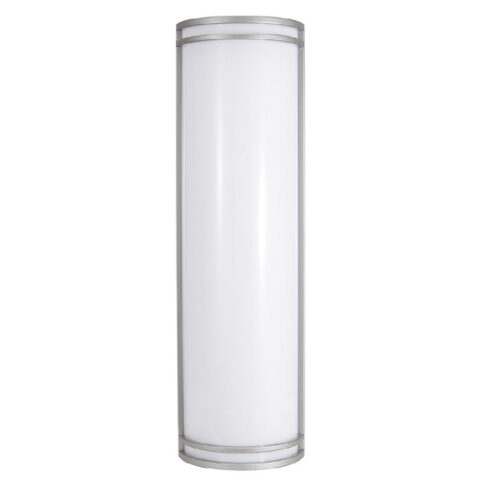


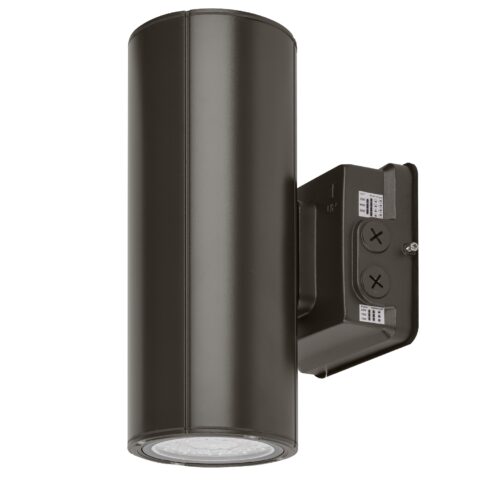


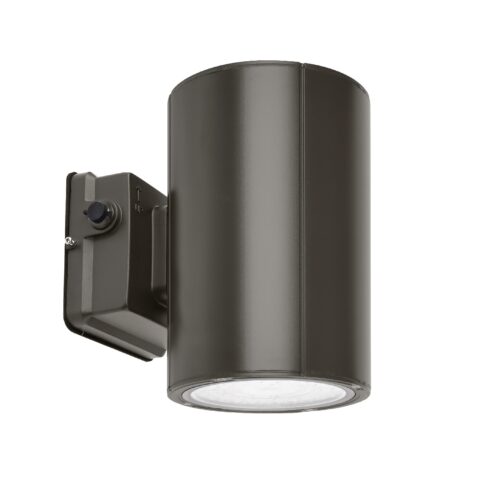
Planning an LED Exterior Wall Sconce Installation
LED architectural wall sconces can support both exterior visibility and the overall appearance of a commercial property. Before selecting a fixture, review the intended lighting effect, wall dimensions, mounting location, electrical requirements, environmental exposure, and applicable local lighting requirements.
Unlike LED wall pack lights, which are often selected for security and area lighting, exterior wall sconces are typically selected for architectural appearance, controlled light distribution, and a more finished building exterior. Depending on the model, they may provide downlight, uplight, or up/down illumination.
Selection and Installation Note: Product specifications, wattage, lumen output, beam direction, color temperature, voltage, dimming, mounting method, finish, wet-location rating, IP rating, certifications, and warranty coverage vary by model. Confirm the selected product specification before ordering. For exterior wall-mounted lighting, electrical upgrades, wet locations, public entrances, code-sensitive applications, or safety-critical spaces, verify requirements with your local inspector or a licensed electrical professional.
Where Exterior Wall Sconces Work Best
Exterior wall sconces are best used where the fixture is part of the building appearance. They can improve visibility around doors and walkways while also adding a more finished look to the exterior.
| Application | Why a Wall Sconce Works |
|---|---|
| Building entrances | Adds a finished appearance while helping identify doors, vestibules, and public access points. |
| Hotels and hospitality spaces | Provides warmer, more decorative exterior lighting for guest-facing areas. |
| Retail storefronts | Helps frame the exterior wall and improve visibility near customer entrances. |
| Office buildings | Supports exterior circulation while maintaining a cleaner architectural appearance. |
| Apartments and mixed-use buildings | Works well for common entries, exterior corridors, courtyards, and pedestrian areas. |
| Columns and facade accents | Creates uplight, downlight, or up/down effects that highlight architectural features. |
Exterior Wall Sconces vs Wall Packs
Exterior sconces and wall packs are both wall-mounted fixtures, but they solve different problems. A wall pack is usually the better choice when the main goal is higher-output security or area lighting. A wall sconce is usually the better choice when the fixture needs to look more architectural and provide controlled accent or entry lighting.
| Fixture Type | Best Used When |
|---|---|
| Exterior wall sconce | You want a decorative wall-mounted fixture for entrances, columns, courtyards, hospitality areas, or commercial facades. |
| Wall pack | You need more output for security, service doors, perimeter walls, drive areas, or general exterior coverage. |
| Full cutoff wall pack | You need more controlled downward light with reduced uplight and better spill-light control. |
| Flood light | You need adjustable aiming for signs, facades, landscape features, or broader exterior coverage. |
Indoor vs Outdoor Wall Sconces
The biggest difference between indoor and outdoor wall sconces is environmental protection. Outdoor sconces must be rated for the conditions where they will be installed. Covered entries, overhangs, exterior corridors, and open walls can still expose fixtures to moisture, temperature changes, dust, and wind-driven rain.
For exterior use, confirm the selected fixture is rated for outdoor installation. Depending on the location, this may include wet-location rating, damp-location rating, IP rating, sealed construction, corrosion-resistant finish, and appropriate mounting hardware. IP ratings address protection against specified solid-object and water ingress; they do not by themselves establish corrosion resistance or suitability for chemical exposure. Do not assume an indoor sconce can be installed outside just because the area is partially covered.
How to Choose Exterior Wall Sconces
Start by deciding whether the fixture is primarily for architectural appearance, entrance and walkway visibility, or facade emphasis. Then select the light direction and fixture style that fit the wall and intended effect, and confirm mounting height, outdoor rating, voltage, controls, color temperature, and glare considerations before ordering.
| Selection Factor | What to Review |
|---|---|
| Light direction | Choose downlight, uplight, or up/down distribution depending on whether you want visibility, wall emphasis, or a decorative effect. |
| Fixture finish | Confirm finish color, housing style, and how the fixture will look against the wall material. |
| Mounting height | Review door height, wall proportions, glare, visibility, and whether the fixture is mounted near pedestrians. |
| Color temperature | 3000K can create a warmer hospitality-style appearance. 4000K is common for commercial exterior visibility. |
| Outdoor rating | Confirm damp-location or wet-location suitability, IP rating, gasketed construction, and corrosion exposure. |
| Voltage | Confirm driver compatibility with the building electrical system before ordering. |
| Controls | Review photocell, dimming, timer, or building-control compatibility where needed. |
| Glare | Confirm lens style, beam direction, mounting height, fixture placement, and viewing angles to help limit direct glare at pedestrians or nearby windows. |
Light Direction and Exterior Appearance
Exterior wall sconces can change the look of a building at night. Downlight-only fixtures are useful when the goal is visibility near doors, walls, and walkways. Uplight-only fixtures are more decorative and may be used to highlight columns or vertical surfaces where appropriate. Up/down sconces create a more defined architectural effect by sending light both above and below the fixture.
Before choosing an up/down fixture, review the wall surface, mounting height, window locations, neighboring properties, and local lighting requirements. Some projects may need to limit uplight or spill light, especially near residential properties or light-sensitive areas. Other types of architectural outdoor lighting, including LED bollard lighting for pedestrian paths, may also be considered when coordinating facades, walkways, entrances, and surrounding exterior spaces.
Mounting and Installation Considerations
Exterior wall sconces should be installed in accordance with applicable electrical codes by a qualified electrical professional where required. The mounting surface, junction box location, fixture weight, wiring method, and wall material all affect installation. For best appearance, confirm wire routing and junction box placement before ordering fixtures.
Mounting height depends on fixture size, wall proportions, doorway height, beam direction, viewing angles, and the desired illuminance on nearby surfaces. A fixture that looks balanced on a tall entry wall may look oversized on a narrow corridor wall. Confirm fixture dimensions, mounting requirements, and photometric information on the selected product specification.
Certifications, Rebates, and Warranty Support
Selected LED exterior wall sconces from LED Lighting Supply carry a safety listing or certification, such as UL, ETL, or CSA, depending on the product and intended market. UL and ETL are examples of Nationally Recognized Testing Laboratory listing marks. Selected models may also be DLC or DLC Premium listed, which can support utility rebate eligibility where applicable. DLC qualification is an efficiency and performance program, not an electrical safety certification. Rebate requirements vary by utility, region, installation, and product listing, so confirm eligibility on the selected product specification before ordering.
Warranty coverage varies by model. Before purchase, confirm warranty terms, certifications, DLC status, voltage, controls compatibility, outdoor rating, mounting method, finish, environmental exposure, and whether the fixture is right for the building exterior and surrounding conditions.
Common Exterior Wall Sconce Mistakes
- Using indoor sconces outside: Exterior fixtures need the proper damp-location or wet-location rating for the installed environment.
- Choosing a sconce when a wall pack is needed: Sconces are better for appearance and controlled accent lighting. Wall packs are better for higher-output security and area lighting.
- Mounting fixtures too low: Low mounting can create glare, make the fixture easier to damage, or look out of proportion with the wall.
- Ignoring wall proportions: Fixture size should match the wall, doorway, column, or facade where it will be installed.
- Mixing color temperatures: Different CCTs across connected exterior areas can make the building look inconsistent.
- Forgetting spill light: Up/down or outward-facing fixtures can affect windows, neighboring properties, or light-sensitive areas.
- Not confirming controls: Photocell, timer, dimming, and building-control compatibility vary by model.
- Assuming every rating applies: UL, ETL, DLC, DLC Premium, IP, wet-location, dimming, and photocell compatibility vary by fixture.
Contact us about LED exterior wall sconces, and our Product Specialists can help review fixture style, finish, mounting height, light direction, outdoor rating, color temperature, voltage, controls, and product specifications.
LED Architectural Wall Sconces FAQs
When Should I Choose An Exterior Wall Sconce Instead Of A Wall Pack?
Choose an exterior wall sconce when architectural appearance and controlled accent or entry lighting are the priority. Choose a wall pack when the main need is higher-output security or area lighting.
How Do I Choose The Right Light Direction For An Exterior Wall Sconce?
Choose downlight for visibility near doors, walls, and walkways; uplight for decorative highlighting of columns or vertical surfaces; and up/down lighting for a defined architectural effect above and below the fixture. Review the wall surface, mounting height, window locations, neighboring properties, and local lighting requirements before selecting an up/down fixture.
What Should I Confirm Before Ordering An Exterior Wall Sconce?
Confirm the selected fixture's outdoor rating, voltage, mounting method, finish, color temperature, controls compatibility, dimensions, and product specifications before ordering. Product wattage, lumen output, beam direction, dimming, certifications, and warranty coverage vary by model.
Can An Indoor Wall Sconce Be Used Outside Under A Covered Entry?
No, do not assume an indoor wall sconce can be installed outside because the area is partially covered. Covered entries, overhangs, exterior corridors, and open walls can still expose fixtures to moisture, temperature changes, dust, and wind-driven rain.
How Should Mounting Height Be Evaluated For Exterior Wall Sconces?
Evaluate mounting height based on fixture size, wall proportions, doorway height, beam direction, viewing angles, glare, and the desired illuminance on nearby surfaces. Confirm fixture dimensions, mounting requirements, and photometric information on the selected product specification.
Which Color Temperature Should I Choose For An Exterior Wall Sconce?
3000K can create a warmer hospitality-style appearance, while 4000K is common for commercial exterior visibility. Avoid mixing color temperatures across connected exterior areas because different CCTs can make the building look inconsistent.
Are Certifications And Utility Rebates Available For LED Exterior Wall Sconces?
Selected LED exterior wall sconces carry a safety listing or certification such as UL, ETL, or CSA, depending on the product and intended market. Selected models may also be DLC or DLC Premium listed, which can support utility rebate eligibility where applicable; confirm eligibility on the selected product specification before ordering.
