Aircraft Hangar Fans
- HVLS, wall-mounted, and portable fan options available
- Preliminary fan layout plans available for hangars
- Selection support for clearances, mounting, and airflow goals




Our Aircraft Hangar Fans include HVLS ceiling fans, wall-mounted industrial fans, and portable drum fans for large aviation facilities. Available HVLS models reach up to 24 feet in diameter, while wall-mounted fans provide directed airflow and portable drum fans provide movable spot circulation. Fan options include variable-speed operation, wall controls, scheduling, temperature-based operation, remote control, and building-management integration.
These fans are commonly used in aircraft hangars, maintenance bays, workstations, perimeter areas, mezzanines, areas below aircraft wings, engine and landing-gear service zones, and temporary inspection or repair locations.
-
 Starting At $4,777.63

-
Starting At $5,085.97
-
Starting At $6,831.67
-
Starting At $7,165.00
-
Starting At $7,498.33


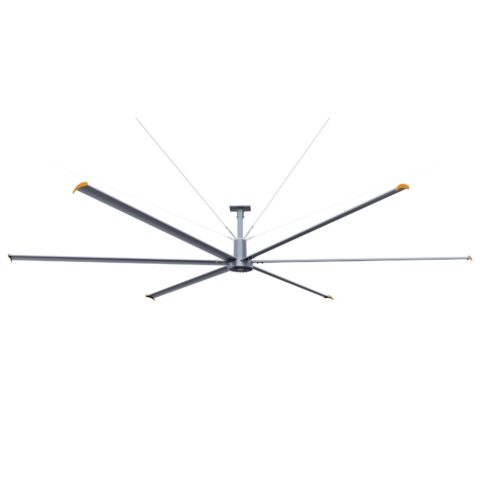
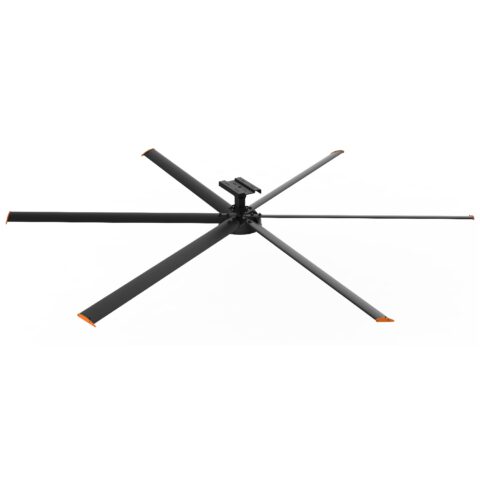


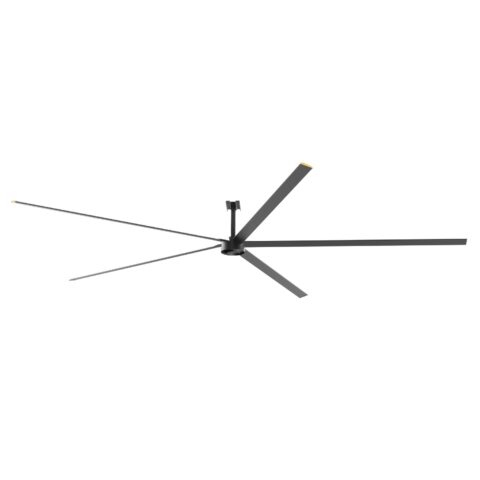
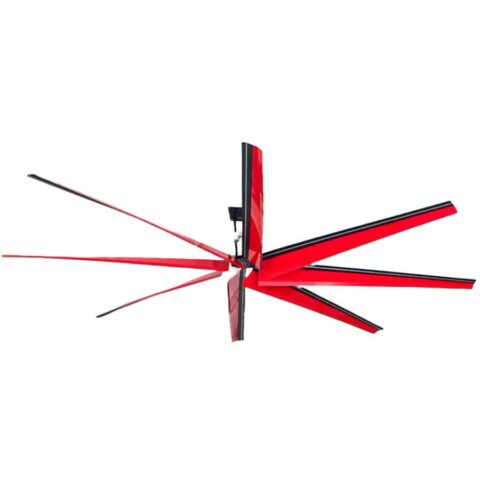


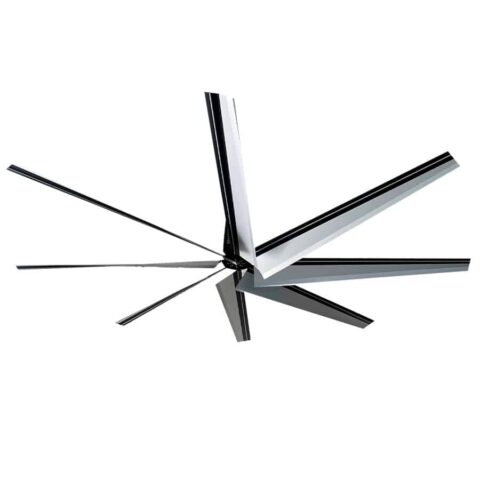
Aircraft hangar fans improve air movement across large, high-bay aviation facilities. Available options may include HVLS ceiling fans for broad coverage, wall-mounted fans for directed airflow, and portable drum fans for movable spot circulation.
Start by determining whether the hangar needs broad ceiling circulation, directed airflow at fixed work areas, portable spot airflow, or a combination. Then verify hangar dimensions, clear ceiling height, aircraft positions, door openings, work areas, obstructions, mounting structure, electrical service, and intended use. Aircraft wings, tails, rotors, doors, cranes, lights, sprinklers, ducts, and maintenance equipment should all be considered before a fan is selected or positioned.
Selection Note: General circulation fans improve air movement and thermal comfort. They are not a substitute for engineered exhaust ventilation, source capture, hazardous-location equipment, respiratory protection, or other controls required for painting, fueling, solvent use, engine exhaust, welding fumes, or hazardous airborne contaminants.
How to Select Fans for an Aircraft Hangar
| Selection Factor | What to Confirm |
|---|---|
| Hangar dimensions | Provide the building length, width, clear height, roof structure, and main aircraft-door dimensions. |
| Aircraft layout | Identify aircraft types, wingspans, tail heights, rotor clearances, parking positions, tow paths, and service zones. |
| Fan type | Determine whether the facility needs broad ceiling circulation, directed airflow at fixed work areas, portable spot airflow, or a combination. |
| Mounting height and clearances | Confirm finished-floor-to-blade clearance and separation from aircraft, doors, cranes, lifts, lighting, sprinklers, ducts, and structural members. |
| Airflow objective | Identify whether the goal is summer comfort, heating-season destratification, broad circulation, local airflow, drying, or support for an existing HVAC system. |
| Coverage and spacing | Use manufacturer airflow data, fan diameter, mounting height, speed range, hangar geometry, and obstructions rather than square footage alone. |
| Doors and outdoor air | Consider door size, opening frequency, prevailing winds, seasonal conditions, and outdoor air entering the building. |
| Electrical service and controls | Confirm voltage, phase, circuit capacity, disconnects, wiring routes, speed controls, scheduling, and building-control integration. |
| Environmental conditions | Review temperature, humidity, dust, moisture, washdown, salt exposure, corrosive conditions, and required enclosure or motor ratings. |
| Hazardous processes | Identify painting, fuel handling, solvents, battery service, engine operation, welding, or other activities requiring specialized ventilation or classified equipment. |
| Structural support | Verify that the proposed mounting point and attachment method are suitable for the fan loads and approved by the building and fan manufacturers. |
| Service access | Plan how the fan, motor, controls, fasteners, and safety components will be inspected and maintained. |
Choosing Between HVLS, Wall-Mounted, and Drum Fans
| Fan Type | Best Use in Aircraft Hangars |
|---|---|
| HVLS Ceiling Fans | Provide broad, low-speed air movement across large floor areas. They may improve perceived comfort during warm conditions and help redistribute warm ceiling air during the heating season. |
| Wall-Mounted Fans | Provide directed airflow toward fixed maintenance bays, workstations, perimeter areas, or locations where ceiling mounting is impractical. |
| Portable Drum Fans | Provide temporary or movable airflow for changing work areas, localized comfort, floor drying, or short-term circulation needs. |
Many hangars benefit from more than one fan type. HVLS fans can provide broad circulation while wall-mounted or portable fans support local work zones affected by aircraft, equipment, storage, or building geometry.
HVLS Fans for Broad Hangar Circulation
HVLS fans use large-diameter blades operating at relatively low speeds to move a broad column of air. Available models may reach up to 24 feet in diameter, depending on the product line and installation requirements.
Properly selected HVLS fans may help:
- Improve perceived comfort across occupied work areas
- Reduce stagnant air in large open sections of the hangar
- Distribute conditioned air more evenly
- Reduce temperature stratification during the heating season
- Provide broad coverage with fewer fan locations
HVLS fans do not lower the actual air temperature unless used as part of a cooling system. During warm conditions, air movement can improve comfort by increasing evaporation from the skin. During heating conditions, low-speed operation may help return warm air trapped near the ceiling to occupied areas.
Aircraft, Door, and Equipment Clearances
Clearance planning is one of the most important parts of an aircraft hangar fan layout. The proposed fan location should be evaluated against the current aircraft fleet, future aircraft, and the complete operating envelope of the building.
The layout should account for:
- Aircraft tail and vertical-stabilizer height
- Wing positions and movement during towing
- Helicopter rotors when applicable
- Hangar-door travel and overhead tracks
- Bridge cranes, hoists, and maintenance lifts
- Suspended lighting, sprinklers, ducts, and heaters
- Storage racks and elevated work platforms
- Required maintenance access around the fan
A fan that fits the empty building may still interfere with aircraft movement, doors, cranes, or maintenance operations.
Heating-Season Destratification
Warm air can collect near the ceiling of a tall hangar while occupied work areas remain cooler. HVLS fans operating at an appropriate low speed may help mix this air and reduce temperature differences between the ceiling and floor.
Potential energy savings depend on the climate, building envelope, heating system, thermostat settings, fan placement, controls, door operation, and operating schedule. Savings should not be assumed from fan diameter or ceiling height alone.
Localized Airflow for Maintenance Areas
Wall-mounted and portable drum fans can supplement broad ceiling circulation by directing air toward fixed or changing work areas, including:
- Maintenance bays and workbenches
- Areas below aircraft wings
- Engine and landing-gear service zones
- Perimeter work areas
- Temporary inspection or repair locations
Local fans should be positioned so they do not create trip hazards, obstruct aircraft movement, interfere with doors, or direct dust and contaminants toward workers or sensitive aircraft surfaces.
Airflow Near Large Hangar Doors
Open hangar doors can significantly change indoor airflow. Outdoor wind, temperature differences, aircraft movement, and door size may affect fan performance. Directed fans may help maintain local comfort near work areas, but they should not be expected to stop or neutralize outdoor airflow.
Moisture, Condensation, and Drying
Air movement may help reduce stagnant, moisture-prone areas and accelerate drying after floor cleaning, aircraft washing, or water intrusion. It may also help distribute conditioned or dehumidified air throughout the hangar.
Fans do not remove moisture from the building or guarantee that condensation will not occur. Condensation depends on indoor humidity, surface temperature, dew point, outdoor-air infiltration, insulation, ventilation, drainage, and dehumidification.
Fans and Hazardous Airborne Contaminants
HVLS, wall-mounted, and portable fans are general air-circulation products. They should not be relied upon to control fuel vapors, paint overspray, solvent fumes, welding fumes, engine exhaust, battery gases, or other hazardous airborne contaminants.
These activities may require:
- Local exhaust or source-capture ventilation
- Designed supply-and-exhaust airflow
- Dedicated spray booths or preparation areas
- Hazardous-location electrical equipment
- Air monitoring and industrial-hygiene review
- Respiratory protection and administrative controls
- Fire-code and environmental compliance
General fans should not be placed where they could spread contaminants into occupied areas, disrupt exhaust capture, interfere with spray-booth airflow, or introduce nonapproved equipment into a classified location.
Wall-Mounted Fans for Fixed Work Areas
Wall-mounted industrial fans provide directed airflow without occupying floor space. They may be used for maintenance bays, workstations, perimeter walls, mezzanines, and areas where overhead obstructions limit ceiling-fan placement.
Before selecting a wall fan, confirm the mounting structure, installation height, adjustment range, aircraft clearances, voltage, environmental rating, guarding, and service access. Wall fans may require permanent electrical wiring and suitable structural attachment.
Portable Drum Fans for Flexible Spot Airflow
Portable drum fans can be moved between work areas when temporary or localized airflow is needed. Selection should consider airflow, sound level, voltage, circuit capacity, cord routing, wheel locks, guarding, mobility, and environmental suitability.
Portable fans should be secured and positioned so they cannot roll, tip, contact aircraft, block exits, or interfere with maintenance operations.
Fan Noise and Communication
Fan sound levels vary by model, diameter, motor, drive system, operating speed, mounting, building acoustics, and distance from occupied areas. HVLS fans generally operate at lower blade speeds than smaller high-speed fans, but model-specific sound information should be reviewed where communication, radio use, or hearing-sensitive work is important.
Controls and Operating Strategy
Available controls may include variable-speed operation, wall controls, scheduling, temperature-based operation, remote control, and building-management integration.
A practical operating strategy may include:
- Higher airflow during occupied warm-weather periods
- Lower-speed destratification during heating conditions
- Reduced speed or shutdown when large doors are open
- Separate control of different work zones
- Scheduling based on occupancy and maintenance shifts
The correct direction and speed depend on the fan design, season, mounting height, HVAC system, and manufacturer instructions.
Installation and Structural Requirements
HVLS and wall-mounted fans should be installed using manufacturer-approved mounting systems attached to suitable building structure. Installation planning may require coordination with structural, electrical, mechanical, fire-protection, and facility personnel.
Confirm:
- Approved mounting point and attachment method
- Fan weight, operating loads, and required restraints
- Blade, aircraft, door, crane, and equipment clearances
- Voltage, phase, controls, wiring, and disconnects
- Fire-sprinkler and detection-system coordination
- Lift, crane, inspection, and maintenance access
- Applicable seismic and local requirements
Aircraft Hangar Fan Layout Plans
A fan layout can help coordinate fan type, diameter, quantity, mounting height, spacing, aircraft positions, doors, work areas, and building obstructions before equipment is ordered.
LED Lighting Supply can prepare a preliminary fan layout plan using information such as:
- Hangar length, width, and clear height
- Roof and mounting structure
- Aircraft types, wingspans, and tail heights
- Aircraft parking and movement areas
- Door dimensions and travel paths
- Lights, sprinklers, ducts, cranes, and other obstructions
- Heating and cooling systems
- Primary work areas and control preferences
Layouts are preliminary and should be reviewed against final field conditions, structural requirements, aircraft clearances, manufacturer instructions, and applicable codes before installation.
Aircraft Hangar Fan Calculators
Use our fan calculators for preliminary planning:
- Ceiling Fan Count Calculator for an initial fan-quantity estimate
- Destratification Fan Savings Calculator for a preliminary heating-season estimate
- Fan Electricity Consumption Calculator for estimated electrical use
Calculator results are preliminary. Final fan quantity, spacing, savings, airflow, and operating cost depend on the selected models, building conditions, controls, and operating schedule.
Certifications, Warranty, and Product Documentation
Certifications, listings, environmental ratings, and warranties vary by fan model. Before ordering, confirm:
- Applicable certification or listing
- Fan diameter and published airflow data
- Voltage, phase, motor, and controls
- Mounting system and structural loads
- Environmental and enclosure ratings
- Sound information when available
- Required clearances and safety components
- Warranty terms and maintenance requirements
A general fan certification does not establish suitability for every aircraft hangar, hazardous process, classified area, or aviation application.
Need Help Selecting Aircraft Hangar Fans?
LED Lighting Supply can help narrow HVLS, wall-mounted, and portable fan options using the facility information provided. Useful details include the hangar dimensions, clear ceiling height, aircraft types and positions, door dimensions, structural mounting points, obstructions, work zones, heating and cooling systems, environmental conditions, voltage, and control preferences.
Contact us about aircraft hangar fans and include floor plans, reflected ceiling plans, structural drawings, aircraft information, photographs, or obstruction details when available.
LED Lighting Supply can assist with product selection and preliminary fan-layout coordination. Final structural support, aircraft clearances, electrical installation, fire-protection coordination, hazardous-process ventilation, environmental suitability, and code compliance should be confirmed by the appropriate qualified project professionals and authorities.
Aircraft Hangar Fans FAQs
How Do I Choose Between HVLS, Wall-Mounted, And Portable Drum Fans?
Choose HVLS fans for broad, low-speed air movement across large floor areas, wall-mounted fans for directed airflow at fixed work areas, and portable drum fans for temporary or movable spot circulation. Many hangars use more than one fan type to provide broad circulation plus local airflow where aircraft, equipment, storage, or building geometry affect work zones.
What Information Is Needed To Plan Aircraft Hangar Fans?
Fan planning should include hangar length, width, clear height, roof structure, door dimensions, aircraft positions, work areas, obstructions, mounting structure, electrical service, and intended use. Aircraft wings, tails, rotors, doors, cranes, lights, sprinklers, ducts, and maintenance equipment should be considered before a fan is selected or positioned.
Can Fan Quantity And Spacing Be Determined By Square Footage Alone?
No, fan quantity and spacing should use manufacturer airflow data, fan diameter, mounting height, speed range, hangar geometry, and obstructions rather than square footage alone. Clear height, aircraft positions, doors, and mounting locations also affect coverage.
What Clearances Should Be Considered In An Aircraft Hangar Fan Layout?
A fan layout should account for aircraft tails, wing positions, towing movement, helicopter rotors when applicable, hangar doors, cranes, lifts, lighting, sprinklers, ducts, heaters, storage, and maintenance access. A fan that fits an empty hangar may still interfere with aircraft movement, doors, cranes, or maintenance operations.
Can Aircraft Hangar Fans Be Used For Hazardous Airborne Contaminants?
No, HVLS, wall-mounted, and portable fans are general air-circulation products and should not be relied upon to control fuel vapors, paint overspray, solvent fumes, welding fumes, engine exhaust, battery gases, or other hazardous airborne contaminants. General fans should not be placed where they could spread contaminants, disrupt exhaust capture, interfere with spray-booth airflow, or introduce nonapproved equipment into a classified location.
How Do Open Hangar Doors Affect Fan Performance?
Open hangar doors can significantly change indoor airflow because outdoor wind, temperature differences, aircraft movement, and door size may affect fan performance. Directed fans may help maintain local comfort near work areas, but they should not be expected to stop or neutralize outdoor airflow.
Can Hangar Fans Prevent Condensation Or Remove Moisture?
No, fans do not remove moisture from a hangar or guarantee that condensation will not occur. Air movement may reduce stagnant, moisture-prone areas, accelerate drying, and help distribute conditioned or dehumidified air, but condensation also depends on humidity, surface temperature, dew point, outdoor-air infiltration, insulation, ventilation, drainage, and dehumidification.
Can LED Lighting Supply Prepare An Aircraft Hangar Fan Layout Plan?
LED Lighting Supply can prepare a preliminary fan layout plan using hangar dimensions, mounting structure, aircraft information, door paths, obstructions, HVAC systems, work areas, and control preferences. Layouts are preliminary and should be reviewed against final field conditions, structural requirements, aircraft clearances, manufacturer instructions, and applicable codes before installation.