LED Overhead Crane Lighting
- Improves hook, load, and work-zone visibility below cranes
- Flood, spot, and warning projection options available
- Product selection support for crane height and mounting


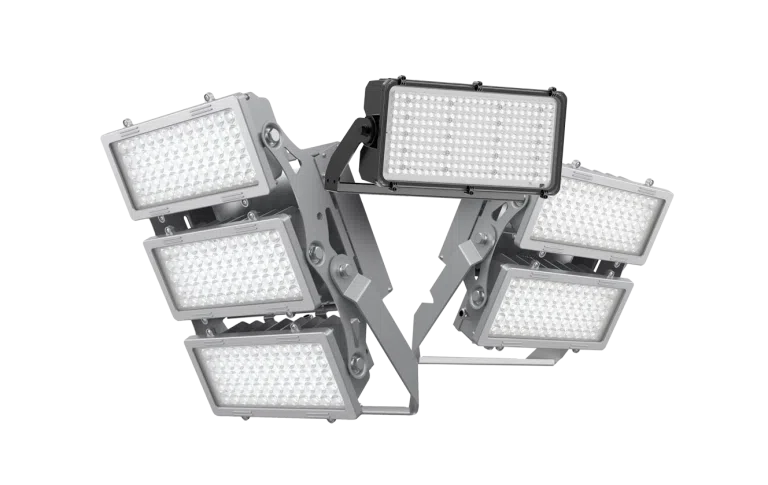

Our Overhead Crane Lights include industrial flood-style fixtures, spot/flood crane lights, blue spot lights, and perimeter warning line lights for crane work zones. Available models vary by beam pattern, wattage, voltage, controls, mounting method, and warning projection configuration.
These fixtures are used around overhead crane structures, hooks, loads, rigging, laydown areas, fabrication bays, maintenance bays, warehouse staging areas, steel and heavy industrial facilities, and outdoor gantry crane areas.
-
 Starting At $697.50




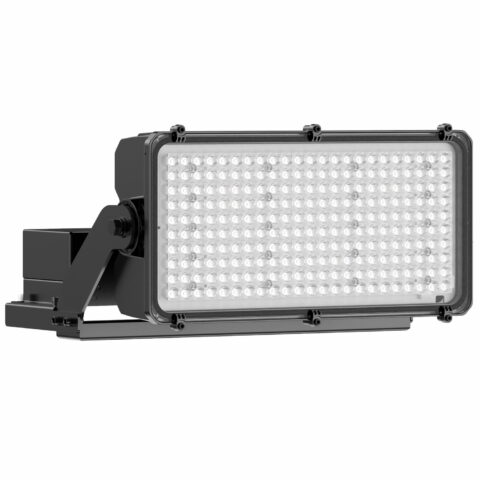


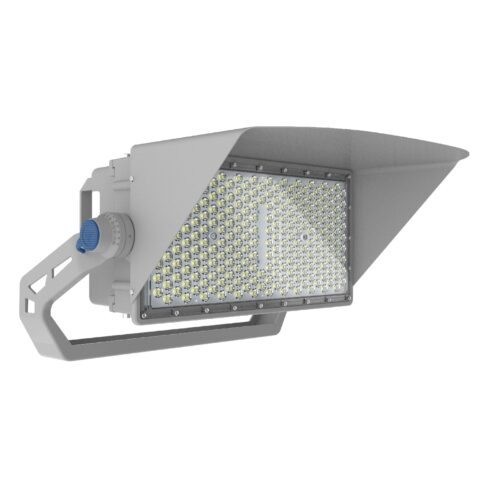
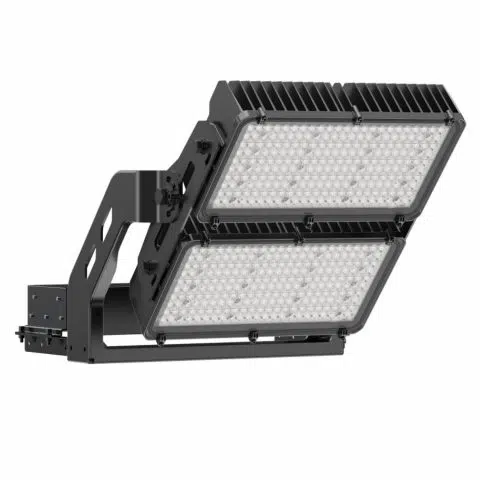
LED Overhead Crane Lighting for Industrial Crane Work Zones
LED overhead crane lights are industrial fixtures used to improve visibility around crane work zones, hooks, loads, rigging, laydown areas, fabrication areas, maintenance bays, and outdoor gantry crane areas. They are often mounted to or near overhead crane structures so light can support the area where loads are being lifted, moved, positioned, or staged.
Before choosing a crane light, define whether the goal is general work-zone visibility, focused hook and load visibility, precision positioning, or warning projection. Crane lighting is not the same as general warehouse lighting: high bays may provide overall illumination, while crane-mounted or crane-adjacent lights can improve visibility around the hook, load path, or active work area. Then review crane height, hook travel, beam angle, mounting method, vibration, voltage, glare, existing facility lighting, load type, and the work being performed below the crane.
Selection and Installation Note: Product specifications, wattage, lumen output, optics, beam angle, color temperature, voltage, dimming, controls, mounting method, warning projection, environmental rating, certifications, and warranty coverage vary by model. Confirm the selected product specification before ordering. For overhead cranes, gantry cranes, crane bridges, hoists, hooks, warning projection lights, crane-served work zones, electrical upgrades, or safety-sensitive lifting areas, verify requirements with the facility team, crane manufacturer or service provider where applicable, safety team, local inspector, project specifier, and a licensed electrical professional.

Recommended Foot-Candles for Overhead Crane Work Zones
Foot-candle guidance can be used for the work zone below or around the crane, but crane lighting should not be treated like a fixed-room lighting layout. The light may move with the crane, the hook height may change, and visibility needs can vary by load, task, floor condition, operator position, and existing area lighting. Use the ranges below as general planning values and confirm final requirements with the facility team.
Common LED Fixtures Used for Crane Lighting
Most crane lighting applications use industrial flood-style fixtures, spot/flood crane lights, or warning projection lights. The best fixture depends on whether the goal is general work-zone visibility, hook/load visibility, warning awareness, or precision positioning.
| Fixture Type | Where It Fits Best |
|---|---|
| LED flood lights | Used for crane work zones, gantry areas, laydown areas, fabrication bays, and applications where a controlled flood beam is needed from the crane or nearby structure. |
| LED crane lights | Used on or near overhead crane structures to support hook, load, and floor-level visibility during lifting and positioning tasks. |
| Blue spot crane lights | Used as visual awareness aids that project a blue spot or marker near the hook/load travel area. They should support, not replace, required work-area lighting and safety procedures. |
| Perimeter warning line lights | Used to project warning boundaries around crane hooks or loads where facility procedures call for additional visual awareness. |
| LED high bays | Used for general building illumination in crane-served facilities. High bays may support the overall space but may not provide enough light at the hook or load area by themselves. |
How to Choose LED Overhead Crane Lights
Start by defining whether the fixture is needed for general work-zone visibility, focused hook and load visibility, precision positioning, or warning projection. Then confirm the crane type and mounting location, crane height and hook travel, target area, and existing facility lighting to match the beam angle and output to the task. Before ordering, review glare, vibration, mounting clearance, voltage and wiring, environmental exposure, and applicable facility safety procedures.
| Selection Factor | What to Confirm |
|---|---|
| Crane type and mounting location | Confirm whether the light mounts to the bridge, trolley, hoist area, nearby structure, column, gantry frame, or fixed support. Review clearance, movement, vibration, and service access. |
| Crane height and hook travel | Higher cranes may need tighter beam control or more output to maintain useful visibility at floor level. Confirm minimum and maximum hook positions. |
| Beam angle | Wide beams may fit general work-zone lighting. Narrow beams may fit focused hook/load visibility or precision positioning. Match the optic to the crane height and task. |
| Existing area lighting | Crane lights often supplement high bays or bay lighting. Confirm whether the existing system already provides enough background light before adding crane-mounted fixtures. |
| Glare and operator sightlines | Review whether the fixture can shine into crane operators’ eyes, spotters, forklift operators, welders, machine operators, or nearby workstations. |
| Vibration and impact exposure | Crane-mounted lights should be reviewed for vibration, mechanical shock, bracket strength, cable routing, strain relief, and clearance from moving parts. |
| Voltage and wiring method | Confirm available voltage, moving-cable requirements, hardwire or plug connection, control wiring, strain relief, and compatibility with the crane’s electrical system. |
| Warning projection | Blue spot or perimeter warning lights should be reviewed for floor visibility, ambient light level, projection distance, worker training, and facility safety procedures. |
| Environment | Confirm dust, moisture, heat, oil, metalworking fluids, outdoor exposure, corrosion, hazardous-location classification, and whether harsh-environment lighting or another special fixture rating is required. An IP rating addresses ingress protection and does not by itself establish corrosion resistance or hazardous-location suitability. |
Crane Lighting by Application
Different crane applications need different lighting priorities. A warehouse crane, steel fabrication crane, precision assembly crane, and outdoor gantry crane should not automatically use the same beam angle or mounting method.
| Application | Lighting Priorities |
|---|---|
| General crane work zones | Support floor-level visibility around loads, rigging, pallets, machinery, workers, and moving equipment. |
| Hook and load visibility | Improve visibility of the hook, rigging, load edges, travel path, and destination area without creating glare. |
| Precision lifting and positioning | Use tighter beam control or higher task light where loads are positioned near machinery, vehicles, molds, fixtures, or production equipment. |
| Blue spot and perimeter warning projection | Use projected markers as awareness aids around the hook, load, or travel area. These should not replace lockout, signaling, training, barriers, spotters, or required area lighting. |
| Warehouse and laydown areas | Support staging, rigging, material handling, forklift interaction, storage zones, and pedestrian routes below crane travel. |
| Steel, fabrication, and heavy industrial areas | Review dust, impact, vibration, welding glare, heat, heavy loads, reflective metal surfaces, and task detail. |
| Outdoor gantry crane areas | Confirm wet-location rating, wind exposure, corrosion exposure, glare, mounting, controls, and surrounding site lighting. |
Beam Angle and Wattage Guidance
Crane lighting fixture selection depends on mounting height, target area size, and task detail. Wide flood beams can support general work-zone visibility, while narrower spot beams can support focused hook/load visibility or precision positioning. Wattage should be selected after the beam angle, mounting height, and target area are understood. Fixture-specific photometric data can help evaluate delivered light levels, coverage, shadows, and glare.
| Condition | General Guidance |
|---|---|
| Lower crane heights | Wide or medium beam angles may provide useful coverage without creating harsh hot spots. Confirm glare at worker's eye level. |
| Higher crane heights | Narrower or medium beam angles may be needed to maintain useful light on the floor or load area. |
| Precision tasks | Use focused optics where the goal is to see a hook, rigging point, machine opening, load edge, or exact placement area. |
| Large laydown areas | Use wider distribution or multiple fixtures to reduce shadows around loads, pallets, vehicles, and floor obstructions. |
Benefits of LED Overhead Crane Lighting
- Improved hook and load visibility: Properly selected fixtures can support visibility around hooks, rigging, loads, destination points, and floor-level work zones.
- Focused beam control: Flood and spot optics allow the fixture to be matched to crane height, task area, and beam spread requirements.
- Warning projection options: Blue spot or perimeter lights can provide visual awareness cues when used with facility procedures and required training.
- Energy efficiency: LED fixtures can reduce energy use compared with older HID systems, with actual savings depending on wattage, operating hours, controls, and existing conditions.
- Instant-on operation: LED fixtures reach full output quickly without the warm-up time associated with HID lighting.
- Reduced maintenance: LED fixtures typically avoid routine lamp and ballast replacement, which can reduce service needs on crane-mounted or hard-to-access fixtures.
- Industrial fixture options: Fixtures are available with environmental ratings, impact ratings, and mounting options that may fit demanding crane applications, depending on model.
Common Overhead Crane Lighting Mistakes
- Evaluating light only when the crane is parked: A layout that looks adequate at one bridge or trolley position may produce shadows, glare, or dark areas as the hook and load move. Review lighting throughout the crane travel path and at expected hook elevations.
- Overlooking load-created shadows: Large, irregular, or reflective loads can block or redirect light. Consider the approach path, set-down location, rigging area, and worker positions around typical loads rather than evaluating an empty floor alone.
- Creating a bright spot without useful surrounding visibility: A tightly aimed fixture can illuminate the hook while leaving rigging personnel, travel paths, obstructions, or destination points in low light. Balance focused task lighting with appropriate background illumination.
- Using warning projection where the floor surface cannot support it: Blue spots and projected lines may be less visible on bright, dusty, wet, uneven, highly reflective, or heavily sunlit surfaces. Evaluate the projection under actual ambient-light and floor conditions.
- Making the fixture difficult to service: Plan for safe access to the fixture, driver, wiring, and mounting hardware. Service access should be considered alongside crane operating clearance and maintenance procedures.
- Adding a fixture without checking the complete mounting assembly: Fixture weight alone does not establish suitability. The bracket, fasteners, cable support, mounting geometry, crane structure, vibration, and manufacturer instructions all affect the installation.
- Assuming an environmental rating addresses every exposure: Wet-location and IP ratings address specified water and solids ingress tests, not every chemical, corrosion, heat, or hazardous-location condition. Verify the exact fixture documentation for the actual environment.
Overhead Crane Lighting Certifications and Warranty Support
Selected LED overhead crane lights from LED Lighting Supply carries a safety listing or certification such as UL, ETL, or CSA. Some models may also be DLC or DLC Premium listed for utility rebate programs where available. DLC qualification is a performance program and is not an electrical safety certification. Rebate requirements vary by utility, region, and product listing, so confirm eligibility on the selected product specification before ordering.
Warranty terms vary by fixture and manufacturer; many applicable models include a 5-year warranty, unless otherwise specified. Before purchase, confirm the selected fixture’s certifications, DLC status, voltage, controls compatibility, mounting method, environmental rating, vibration exposure, warranty terms, and suitability for the crane application and site conditions.
Contact us about LED overhead crane lighting, and our Product Specialists can help review crane type, mounting height, beam angle, warning projection needs, voltage, environmental rating, and product specifications.
LED Overhead Crane Lighting FAQs
How Do LED Overhead Crane Lights Differ From General Facility Lighting?
LED overhead crane lights are used to improve visibility around the hook, load path, and active crane work area, while high bays may provide overall building illumination. Crane lights usually supplement general facility lighting and should not replace required work-area, emergency, or egress lighting.
How Should I Choose A Beam Angle For Overhead Crane Lighting?
Choose the beam angle based on crane height, target area size, and task detail. Wide flood beams can support general work-zone visibility, while narrower spot beams can support focused hook/load visibility or precision positioning.
What Should Be Confirmed Before Selecting Crane-Mounted Lights?
Confirm the crane type, mounting location, crane height, hook travel, beam angle, existing lighting, glare, vibration exposure, voltage, wiring method, and environment. The selected product specification should also be confirmed before ordering because fixture specifications and options vary by model.
Can Blue Spot Or Perimeter Warning Lights Replace Required Area Lighting?
No. Blue spot and perimeter warning projection lights are visual awareness aids and should support, not replace, required work-area lighting, safety procedures, training, signaling, barriers, or spotters.
Should Wattage Be The Main Factor When Choosing LED Crane Lights?
No. Wattage should be selected after the beam angle, mounting height, and target area are understood because wattage alone does not confirm beam angle, floor-level light, glare, vibration suitability, mounting clearance, or warning projection visibility.
What Should Be Reviewed For Crane Lighting In Outdoor Gantry Areas?
Outdoor gantry crane lighting should be reviewed for wet-location rating, wind exposure, corrosion exposure, glare, mounting, controls, and surrounding site lighting. Confirm whether a special fixture rating is required for the site conditions.
What Certifications And Warranty Coverage Are Available For LED Overhead Crane Lights?
LED overhead crane lights from LED Lighting Supply carry a safety listing such as UL, ETL, or CSA, depending on product. Most models include a 5-year warranty unless otherwise specified, and many models are DLC or DLC Premium listed for utility rebate support where available.