Church Ceiling Fans
- HVLS and commercial fan options for various church spaces
- Selection support for acoustics, ceiling type, and room layout
- Preliminary fan layout plans available with project details


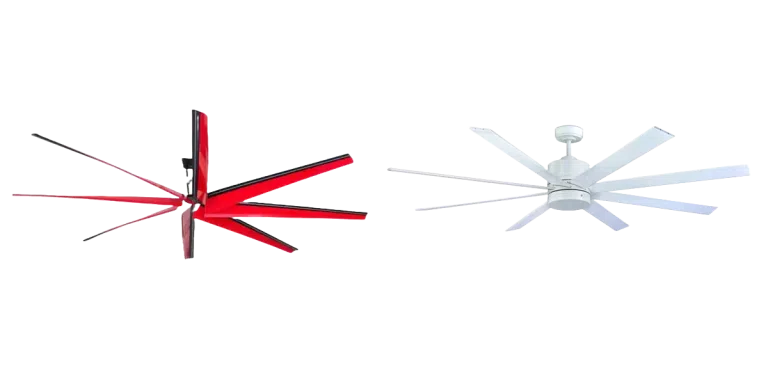

Our Church Ceiling Fans include HVLS and commercial ceiling fans for large worship areas and smaller ministry spaces. Available models include large-diameter HVLS fans and commercial ceiling fans with variable-speed operation, wall-mounted or remote controls, time scheduling, temperature-based operation, and building-management integration.
These fans are used in sanctuaries, fellowship halls, gymnasiums, multipurpose rooms, chapels, classrooms, meeting rooms, offices, nurseries, choir areas, and administrative spaces.
-
 Starting At $4,777.63

-
Starting At $5,085.97
-
Starting At $6,831.67
-
Starting At $7,165.00
-
Starting At $7,498.33


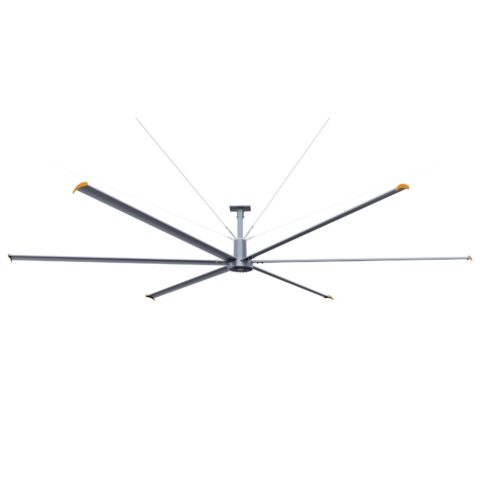
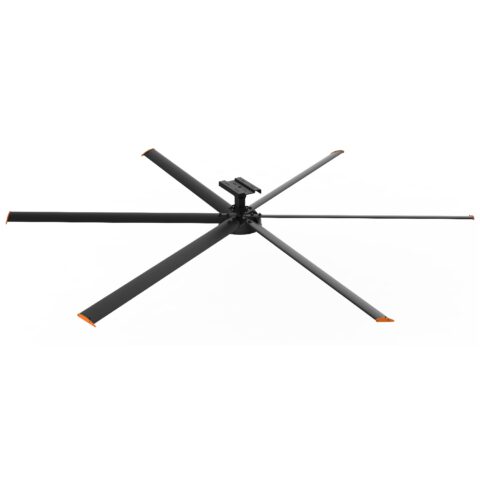


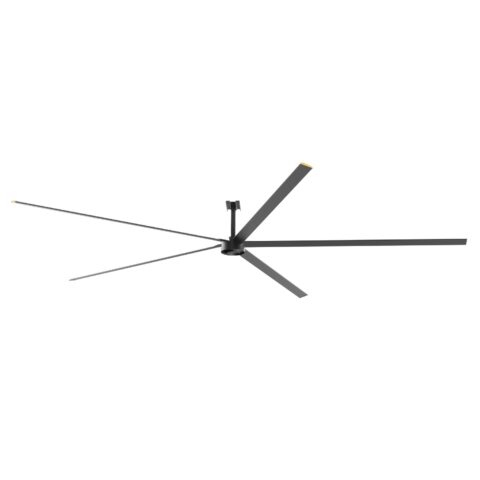
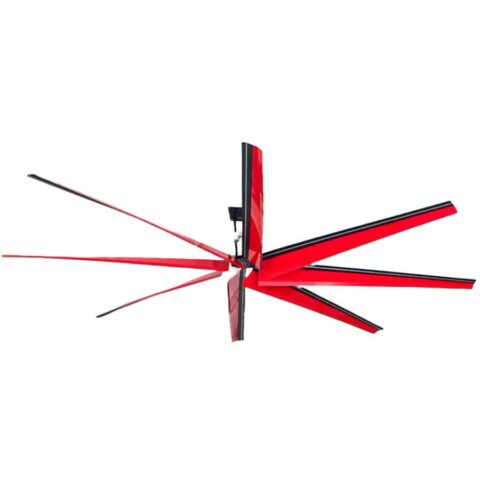


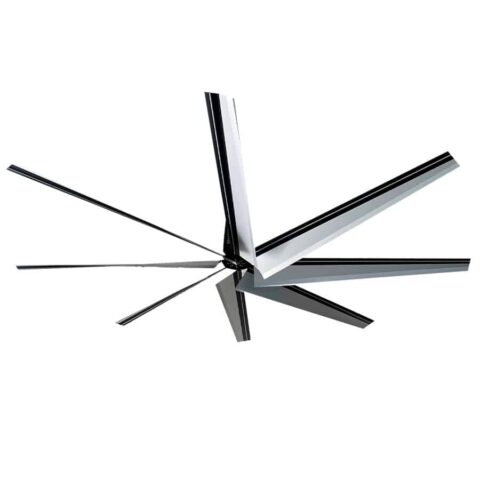
Church ceiling fans provide broad or localized air movement in sanctuaries, fellowship halls, gymnasiums, classrooms, and multipurpose ministry spaces. Large HVLS ceiling fans are typically used in high-ceiling areas that need broad circulation, while commercial ceiling fans may be better suited for chapels, meeting rooms, classrooms, and administrative spaces.
The correct fan depends on the room dimensions, ceiling design, seating layout, structural mounting points, acoustic requirements, HVAC system, electrical service, architectural features, and available clearances. Vaulted ceilings, balconies, chandeliers, speakers, projectors, sprinklers, ductwork, and lighting can all affect fan size and placement.
Selection Note: Ceiling fans move and mix air. They do not lower the actual air temperature, remove humidity, or introduce outdoor air. Properly selected fans may improve perceived comfort, distribute conditioned air, and reduce temperature differences in tall worship spaces.
How to Select Ceiling Fans for a Church
| Selection Factor | What to Confirm |
|---|---|
| Room dimensions | Provide the sanctuary or room length, width, clear ceiling height, and overall shape. |
| Ceiling design | Identify flat, vaulted, cathedral, sloped, open, or finished ceilings and the available structural mounting points. |
| Occupied areas | Account for pews, chairs, aisles, altar areas, stages, choir lofts, balconies, classrooms, and fellowship spaces. |
| Fan type and size | Use model-specific airflow, fan diameter, mounting-height range, and coverage guidance rather than square footage alone. |
| Sound requirements | Review published sound data for sanctuaries, chapels, choir areas, classrooms, offices, and recorded or streamed services. |
| Clearances | Confirm separation from chandeliers, lights, sprinklers, speakers, projectors, beams, ducts, balconies, and decorative features. |
| HVAC coordination | Review supply diffusers, returns, thermostats, heating equipment, cooling systems, and existing airflow patterns. |
| Controls | Confirm speed control, scheduling, seasonal operation, remote access, and separate control of different rooms or zones. |
| Appearance | Consider fan diameter, blade and housing finish, visibility from occupied areas, and compatibility with the church’s architecture. |
| Service access | Plan how the fan, motor, blades, controls, fasteners, and restraints will be inspected and maintained. |
HVLS Fans for Sanctuaries and Large Worship Spaces
HVLS fans use large-diameter blades operating at relatively low speeds to move air across broad floor areas. They are generally best suited for large sanctuaries, fellowship halls, gymnasiums, and multipurpose rooms with sufficient ceiling height, suitable structural support, and adequate blade clearances.
During warm conditions, increased air movement may improve perceived comfort for congregants and staff. During the heating season, properly controlled low-speed operation may help redistribute warm air that collects near high ceilings.
Potential energy savings depend on the building envelope, HVAC system, climate, thermostat settings, fan placement, controls, occupancy schedule, and operating strategy. Savings should be estimated from the actual facility rather than assumed from fan diameter or room size.
Commercial Ceiling Fans for Smaller Church Spaces
Commercial ceiling fans may be appropriate for chapels, classrooms, meeting rooms, offices, nurseries, and smaller fellowship areas where an HVLS fan would be impractical because of room size, ceiling height, acoustics, architecture, or available clearances.
Selection should consider room size, mounting height, sound, airflow, appearance, controls, and the location of lights, sprinklers, speakers, and HVAC diffusers.
Acoustics, Music, and Sound Systems
Church fan selection should account for sermons, prayer, choirs, musical performances, microphones, speakers, hearing-assistance systems, and recorded or streamed services. Fan sound and air movement vary by model, motor, drive system, operating speed, mounting, and room acoustics.
Do not assume every fan is silent. Review model-specific sound data and consider fan placement near:
- Pulpits and altars
- Choir lofts and musical-performance areas
- Hanging speakers and microphones
- Organs and acoustic instruments
- Recording and livestream equipment
- Classrooms and meeting spaces
Air movement should also be evaluated so it does not disturb sheet music, decorations, banners, projection screens, or other lightweight materials.
Vaulted Ceilings, Balconies, and Architectural Features
Churches often include sloped ceilings, exposed trusses, balconies, decorative beams, chandeliers, stained glass, acoustic panels, and suspended lighting. These features can limit the available fan diameter, affect airflow, or require a different mounting location.
Balconies and deep choir lofts may shield occupied areas from broad ceiling airflow. These spaces may require separate airflow consideration rather than assuming one centrally located fan will serve the entire sanctuary.
Historic or architecturally significant buildings may require structural evaluation, preservation review, and approval before equipment is attached to the ceiling or roof structure. Manufacturer mounting components should be selected only after the available structure and clearances are confirmed.
Controls for Services and Events
Church facilities often operate on changing schedules that include worship services, rehearsals, classes, community events, and unoccupied periods. Fan controls can help match airflow to these different activities and occupancy levels.
Available control options may include:
- Variable-speed operation
- Wall-mounted or remote controls
- Time scheduling
- Temperature-based operation
- Separate control of sanctuaries, classrooms, and fellowship areas
- Building-management integration
Control availability varies by model. Fan speed, direction, and schedule should follow the manufacturer’s instructions and be coordinated with the church’s heating and cooling strategy.
Installation and Product Requirements
Ceiling fans should be installed using manufacturer-approved mounting systems attached to suitable building structure. Before ordering, confirm:
- Fan diameter, airflow, coverage, and published sound data
- Approved mounting point and attachment method
- Fan weight, operating loads, restraints, and required clearances
- Separation from lights, sprinklers, speakers, projectors, and architectural features
- Voltage, phase, wiring, disconnects, and controls
- Fire-protection and HVAC coordination
- Lift or service access for inspection and maintenance
- Applicable certification and warranty terms for the selected model
Church Fan Layout Plans
LED Lighting Supply can prepare a preliminary church fan layout plan using the room dimensions, ceiling height and shape, seating, altar, stage, choir, balconies, structural mounting points, lights, sprinklers, speakers, projectors, ducts, HVAC systems, voltage, and control preferences.
You can also use our ceiling fan count calculator for an initial quantity estimate.
Layouts and calculator results are preliminary. Final fan size, quantity, spacing, mounting, structural support, electrical requirements, clearances, and fire-protection coordination should be confirmed using the selected model, final field conditions, manufacturer instructions, and applicable project requirements.
Need Help Selecting Church Ceiling Fans?
Contact us about church ceiling fans and include room dimensions, ceiling heights, floor plans, photographs, structural information, seating layouts, architectural features, HVAC details, voltage, and acoustic requirements when available.
LED Lighting Supply can assist with fan selection and preliminary layout coordination. Final structural support, electrical installation, fire-system coordination, HVAC compatibility, architectural approval, and code compliance should be confirmed by the appropriate qualified project professionals and authorities.
Church Ceiling Fans FAQs
How Do I Choose Between HVLS And Commercial Ceiling Fans For A Church?
HVLS fans are generally best suited for large sanctuaries, fellowship halls, gymnasiums, and multipurpose rooms with sufficient ceiling height, suitable structural support, and adequate blade clearances. Commercial ceiling fans may be appropriate for smaller chapels, classrooms, meeting rooms, offices, nurseries, and fellowship areas where an HVLS fan is impractical.
What Information Is Needed To Select Church Ceiling Fans?
Fan selection should account for room dimensions, ceiling design, seating layout, structural mounting points, acoustic requirements, HVAC systems, electrical service, architectural features, and available clearances. Use model-specific airflow, fan diameter, mounting-height range, and coverage guidance rather than square footage alone.
Can One Church Ceiling Fan Serve An Entire Sanctuary?
One centrally located fan should not be assumed to serve the entire sanctuary, especially where balconies or deep choir lofts shield occupied areas from broad ceiling airflow. Those spaces may require separate airflow consideration.
How Should Church Ceiling Fans Be Evaluated For Sound-Sensitive Areas?
Review model-specific sound data and consider fan placement near pulpits, altars, choir lofts, musical-performance areas, speakers, microphones, recording equipment, and livestream equipment. Fan sound and air movement vary by model, motor, drive system, operating speed, mounting, and room acoustics.
What Church Features Can Affect Fan Size And Placement?
Vaulted or sloped ceilings, exposed trusses, balconies, decorative beams, chandeliers, stained glass, acoustic panels, suspended lighting, speakers, projectors, sprinklers, ducts, and HVAC equipment can affect fan size and placement. Confirm required separation from these features before ordering.
What Control Options May Be Available For Church Ceiling Fans?
Available control options may include variable-speed operation, wall-mounted or remote controls, time scheduling, temperature-based operation, separate control of different church spaces, and building-management integration. Control availability varies by model.
Can LED Lighting Supply Prepare A Church Fan Layout Plan?
LED Lighting Supply can prepare a preliminary church fan layout plan using room dimensions, ceiling height and shape, seating, altar, stage, choir, balconies, structural mounting points, lights, sprinklers, speakers, projectors, ducts, HVAC systems, voltage, and control preferences. Final fan size, quantity, spacing, mounting, structural support, electrical requirements, clearances, and fire-protection coordination should be confirmed using the selected model, final field conditions, manufacturer instructions, and applicable project requirements.