Gym and Fitness Center Fans
- HVLS, ceiling, wall, and drum fan options available
- Layout support for courts, studios, and workout zones
- Selection guidance for sound, controls, and environmental conditions



Our Gym and Fitness Center Fans include HVLS ceiling fans, commercial ceiling fans, wall-mounted fans, and portable drum fans for broad or targeted air movement. Available configurations include ceiling-mounted, wall-mounted, and portable models for large open areas, smaller rooms, fixed airflow zones, and temporary setups.
These fans are commonly used in workout floors, gymnasiums, indoor courts, fitness studios, strength-training areas, cardio zones, reception areas, training stations, and temporary workout spaces.
-
 Starting At $5,085.97

-
Starting At $6,831.67
-
Starting At $7,165.00
-
Starting At $7,498.33
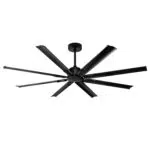


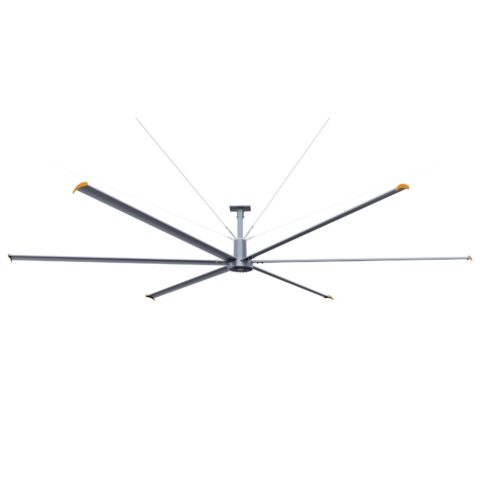
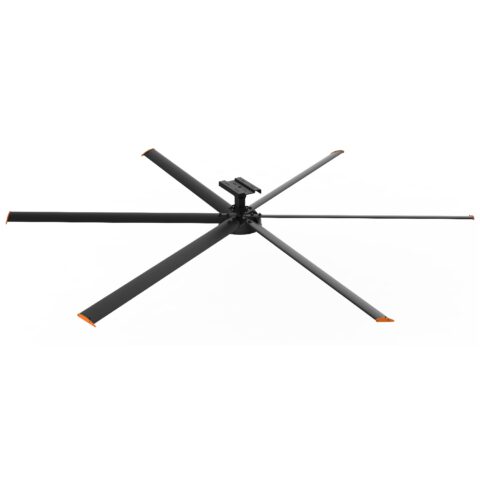


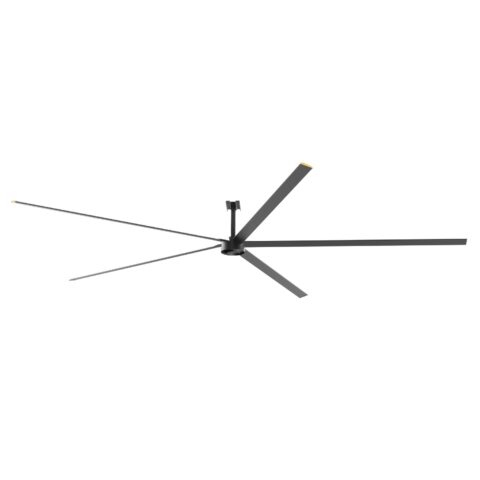
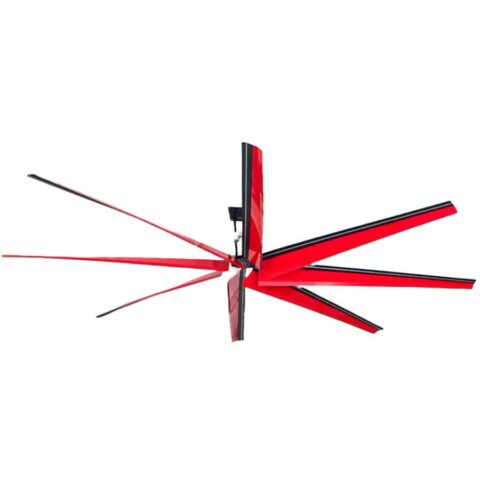


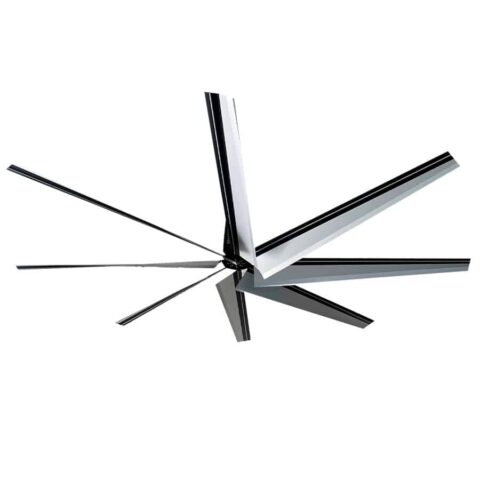
Select gym and fitness center fans based on the desired air movement, facility layout, ceiling height, occupied areas, equipment placement, overhead obstructions, sound expectations, electrical service, controls, and coordination with existing HVAC and ventilation systems.
Selection Note: Gym fans move and mix indoor air. They do not independently provide outdoor-air ventilation, remove carbon dioxide or airborne contaminants, control humidity, lower the actual air temperature, or replace required HVAC, exhaust, filtration, dehumidification, or heat-risk controls.
How to Select Fans for a Gym or Fitness Center
| Selection Factor | What to Confirm |
|---|---|
| Facility dimensions | Provide the length, width, clear ceiling height, room shape, occupied workout zones, and possible fan locations. |
| Airflow objective | Determine whether the goal is broad circulation, localized airflow, heating-season air mixing, or temporary airflow for classes, events, or changing layouts. |
| Workout layout | Map courts, cardio equipment, strength-training areas, studios, stretching zones, reception areas, seating, and circulation paths. |
| Occupied zones | Consider where members exercise, rest, stretch, attend classes, use cardio machines, or remain in one location for extended periods. |
| Overhead clearances | Account for basketball goals, scoreboards, lights, sprinklers, ducts, speakers, rigging, nets, partitions, cameras, and other suspended equipment. |
| HVAC and ventilation | Review supply diffusers, returns, thermostats, outdoor-air ventilation, exhaust points, dehumidification, and existing air-distribution patterns. |
| Sound requirements | Use model-specific sound information for yoga, meditation, group fitness, instruction, training, reception, and other sound-sensitive areas. |
| Draft sensitivity | Evaluate whether direct airflow could be uncomfortable during stretching, yoga, low-intensity classes, recovery, or seated activities. |
| Environmental exposure | Identify humidity, condensation, cleaning chemicals, dust, corrosion, outdoor exposure, or other conditions that may affect the fan and controls. |
| Electrical service and controls | Confirm voltage, phase, current draw, circuit requirements, controller location, speed control, scheduling, zoning, and building-system compatibility. |
| Maintenance access | Plan how motors, blades, guards, controls, fasteners, restraints, and mounting components will be inspected, cleaned, and serviced. |
| Product documentation | Verify airflow data, safety listing, environmental rating, approved mounting range, controls, installation requirements, and warranty. |
Choosing the Right Gym Fan Type
| Air Movement Option | Typical Use |
|---|---|
| HVLS Ceiling Fans | Broad, low-speed air movement across gymnasiums, indoor courts, large fitness floors, athletic training spaces, and other open areas with suitable structure and adequate blade clearances. |
| Commercial Ceiling Fans | Studios, smaller workout rooms, reception areas, support spaces, and facilities where a moderate-diameter ceiling fan is more practical than an HVLS fan. |
| Wall-Mounted Fans | Fixed directional airflow along strength-training zones, cardio areas, perimeter spaces, training stations, and locations where ceiling mounting is impractical. |
| Drum Fans | Portable airflow for temporary workout areas, events, seasonal needs, open training spaces, and layouts that change frequently. |
| HVAC and Exhaust Systems | Outdoor-air ventilation, humidity control, filtration, exhaust, heating, and cooling when properly designed for the facility and occupancy. |
Many fitness facilities use more than one fan type. Ceiling fans may provide broad circulation while wall-mounted or drum fans serve specific workout zones, and HVAC or exhaust systems handle actual ventilation, humidity control, heating, and cooling.
Courts, Equipment, Studios, and Overhead Clearances
Fan size and placement should not be based only on square footage or ceiling height. Room shape, mounting height, fan airflow data, workout layout, occupied zones, and overhead obstructions all affect performance and comfort.
Before selecting a ceiling-mounted fan, confirm clearance from basketball goals, scoreboards, volleyball systems, curtains, nets, lighting, sprinklers, speakers, cameras, ducts, rigging, and other equipment in every operating position.
Cardio machines, strength equipment, mirrors, platforms, and instructor locations should also be considered. Airflow should reach the intended area without creating disruptive drafts, moving lightweight equipment, or interfering with instruction and member activities.
Workout Zones, Comfort, and Seasonal Operation
Air movement across occupied workout areas may improve perceived comfort when environmental conditions are appropriate. Actual results depend on fan speed, mounting height, temperature, humidity, activity level, clothing, room layout, and whether airflow reaches the user.
Fans do not reduce the actual air temperature by themselves. They should be used as one part of the facility’s broader approach to ventilation, cooling, heating, humidity management, occupancy, and heat-risk controls.
During the heating season, low-speed operation may help redistribute warm air that collects near high ceilings. Reversing capability and seasonal operating settings vary by model, so follow the selected manufacturer’s instructions.
HVAC, Ventilation, Humidity, and Air Quality
Fan placement should be coordinated with HVAC supply diffusers, returns, outdoor-air ventilation, exhaust points, thermostats, filtration, and dehumidification systems. Poor placement may create drafts, disrupt intended airflow, or move air from one workout zone into another.
Circulation fans do not independently remove carbon dioxide, odors, moisture, or airborne contaminants. They should not be treated as a substitute for required ventilation, filtration, cleaning, source control, dehumidification, or other indoor-air-quality measures.
Where high occupancy, showers, pools, frequent cleaning, or elevated moisture are present, fan selection should account for humidity, condensation, corrosion, and the approved operating environment of the exact model.
Sound, Controls, and Member Experience
Sound requirements vary across a fitness facility. Large workout floors may tolerate more mechanical noise than yoga rooms, meditation studios, training rooms, reception areas, or spaces where instructors rely on amplified audio.
Use published model-specific sound information rather than assuming all ceiling or wall fans operate quietly. Fan speed, motor design, blade balance, mounting, vibration, and room acoustics all affect perceived sound.
Variable-speed controls, scheduling, zoning, remote operation, and building-management integration may be available depending on the selected model. Separate control zones can help match airflow to different rooms, class schedules, occupancy levels, and activities.
Mounting, Electrical, and Environmental Requirements
Ceiling- and wall-mounted fans should use manufacturer-approved mounting systems attached to suitable structure. Confirm operating loads, attachment methods, required restraints, blade or guard clearances, and access for inspection and service.
Electrical requirements vary by fan model. Verify voltage, phase, current draw, circuit capacity, wiring, disconnects, controllers, and environmental suitability before installation.
Humidity, cleaning chemicals, dust, corrosion, outdoor exposure, high temperatures, and cold conditions can affect motors, controllers, blades, guards, fasteners, coatings, and bearings. Review the selected fan’s materials, ingress rating, approved environment, ambient-temperature range, cleaning instructions, and maintenance requirements.
Fan placement and product selection should also allow for routine cleaning of blades, guards, housings, controls, and nearby surfaces.
Common Gym Fan Selection Mistakes
- Selecting by square footage alone: Ceiling height, airflow data, room shape, equipment layout, occupied zones, and obstructions all affect performance.
- Treating circulation as ventilation: Fans move indoor air but do not independently provide outdoor air, humidity control, filtration, heating, or cooling.
- Ignoring overhead equipment: Fan placement must account for goals, scoreboards, lights, sprinklers, nets, curtains, rigging, speakers, and cameras.
- Creating uncomfortable drafts: High air speeds may be unsuitable for yoga, stretching, recovery, instruction, or lower-intensity activities.
- Assuming all fans are quiet: Sound performance varies by model, operating speed, installation, and room acoustics.
- Overlooking environmental exposure: Humidity, cleaning chemicals, corrosion, or outdoor conditions may require specific materials and ratings.
- Skipping structural or electrical review: Mounting and power requirements should be confirmed using the exact selected fan.
- Using fixed cooling or savings estimates: Results depend on the building, HVAC system, controls, occupancy, climate, operating schedule, and actual conditions.
Gym and Fitness Center Fan Layout Support
LED Lighting Supply can help develop a preliminary fan layout using the facility dimensions, clear ceiling height, workout layout, courts, equipment, occupied zones, lights, sprinklers, goals, scoreboards, HVAC systems, environmental conditions, voltage, controls, and airflow goals.
You can also use our Ceiling Fan Count Calculator and Thermal Comfort Calculator for initial planning. Calculator results do not account for every obstruction, activity type, HVAC condition, occupancy pattern, structural requirement, or environmental exposure.
Layouts and calculator results are preliminary. Final fan type, size, quantity, placement, mounting, electrical requirements, environmental suitability, HVAC coordination, and code compliance should be confirmed using the selected products and final field conditions.
Certifications, Environmental Ratings, and Warranty
Safety listings, environmental ratings, voltage options, controls, maintenance requirements, and warranties vary by fan model. Depending on the selected product, electrical safety documentation may include a UL, ETL, MET, CSA, or other recognized listing.
Electrical safety listings, ingress ratings, damp- or wet-location suitability, corrosion resistance, outdoor approval, and ambient-temperature limits address different product characteristics and should be reviewed separately.
Before ordering, review the selected fan’s airflow data, mounting requirements, electrical specifications, approved operating environment, controls, cleaning instructions, maintenance schedule, and warranty terms.
Need Help Selecting Gym or Fitness Center Fans?
Contact LED Lighting Supply and provide the facility dimensions, ceiling height, photographs, workout layout, equipment locations, occupied zones, overhead obstructions, HVAC details, environmental conditions, electrical service, controls, and airflow goals when available.
Our Product Specialists can help compare HVLS, commercial ceiling, wall-mounted, and drum fan options and develop preliminary placement guidance. Final structural support, electrical installation, HVAC and ventilation requirements, environmental suitability, fire-protection coordination, and code compliance should be confirmed by the appropriate structural, electrical, mechanical, fire-protection, or code professionals when required.
Gym and Fitness Center Fans FAQs
How Do I Choose The Right Fan Type For A Gym Or Fitness Center?
Choose the fan type based on the airflow objective, room size, mounting practicality, and whether airflow is needed broadly, directionally, or temporarily. HVLS ceiling fans are used for large open areas, commercial ceiling fans for smaller rooms, wall-mounted fans for fixed directional airflow, and drum fans for portable or changing layouts.
Can A Gym Use More Than One Type Of Fan?
Yes, many fitness facilities use more than one fan type to serve different workout zones. Ceiling fans may provide broad circulation while wall-mounted or drum fans serve specific areas, and HVAC or exhaust systems handle ventilation, humidity control, heating, and cooling.
What Information Is Needed To Plan A Gym Fan Layout?
A preliminary gym fan layout needs facility dimensions, clear ceiling height, workout layout, occupied zones, equipment, overhead obstructions, HVAC systems, environmental conditions, voltage, controls, and airflow goals. Room shape, mounting height, fan airflow data, and the locations of members and equipment also affect placement.
What Overhead Clearances Should Be Checked Before Selecting A Ceiling Fan?
Ceiling fan selection should confirm clearance from basketball goals, scoreboards, volleyball systems, curtains, nets, lighting, sprinklers, speakers, cameras, ducts, rigging, and other equipment in every operating position. Suitable mounting structure, blade or guard clearances, required restraints, and service access should also be confirmed.
Do Gym Fans Provide Ventilation Or Lower The Actual Air Temperature?
No, gym fans move and mix indoor air but do not independently provide outdoor-air ventilation, remove carbon dioxide or airborne contaminants, control humidity, or lower the actual air temperature. They should not replace required HVAC, exhaust, filtration, dehumidification, or heat-risk controls.
How Should Fan Placement Be Coordinated With HVAC Systems?
Fan placement should be coordinated with HVAC supply diffusers, returns, outdoor-air ventilation, exhaust points, thermostats, filtration, and dehumidification systems. Poor placement may create drafts, disrupt intended airflow, or move air from one workout zone into another.
How Can A Facility Address Sound And Draft Concerns In Different Workout Areas?
Use published model-specific sound information and evaluate direct airflow in sound-sensitive or draft-sensitive areas such as yoga rooms, meditation studios, training spaces, stretching areas, recovery areas, and seated activities. Sound and comfort can vary with fan speed, motor design, blade balance, mounting, vibration, room acoustics, temperature, humidity, activity level, clothing, and whether airflow reaches the user.
What Should Be Verified Before Ordering A Gym Fan?
Before ordering, verify the selected fan's airflow data, safety listing, environmental rating, mounting requirements, electrical specifications, approved operating environment, controls, cleaning instructions, maintenance schedule, and warranty terms. Final fan type, size, quantity, placement, mounting, electrical requirements, environmental suitability, HVAC coordination, and code compliance should be confirmed using the selected products and final field conditions.