LED Flood Lights for Marine Environments
- C4 corrosion protection standard, C5 available on select models
- Options for AC or DC voltage depending on application
- Stainless steel hardware and sealed construction options available
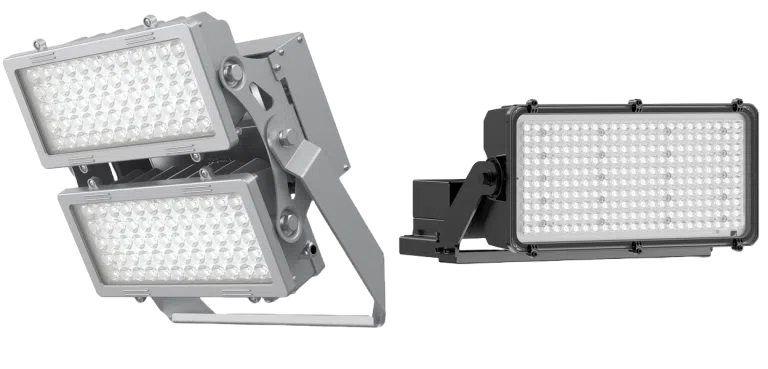


Our LED Marine Flood Lights include corrosion-resistant fixtures with AC or DC voltage options, wide or narrow beam angles, and multiple mounting configurations. Available models vary by wattage, lumen output, color temperature, dimming, housing finish, stainless steel hardware, and sealed construction.
These fixtures are commonly used on vessels, docks, piers, marinas, boatyards, ports, shipyards, offshore platforms, commercial fishing boats, coastal buildings, and marine industrial work areas.


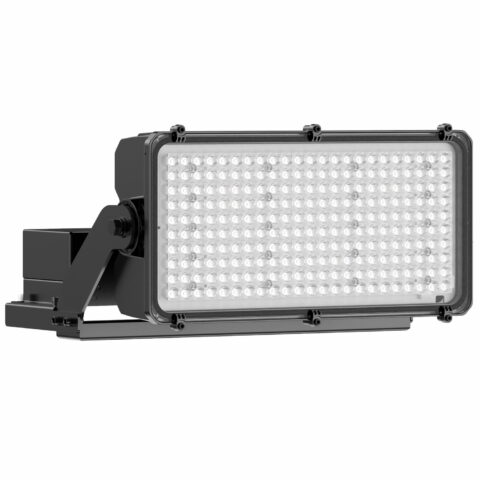
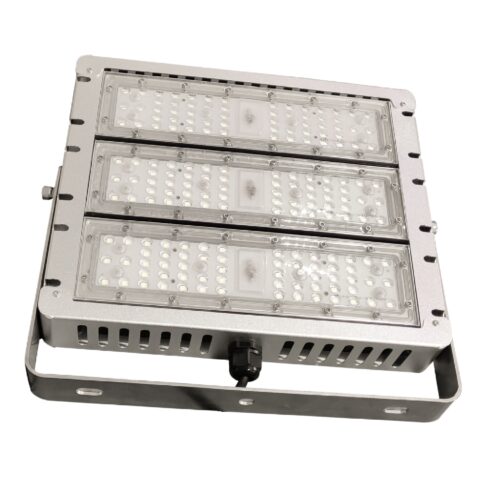
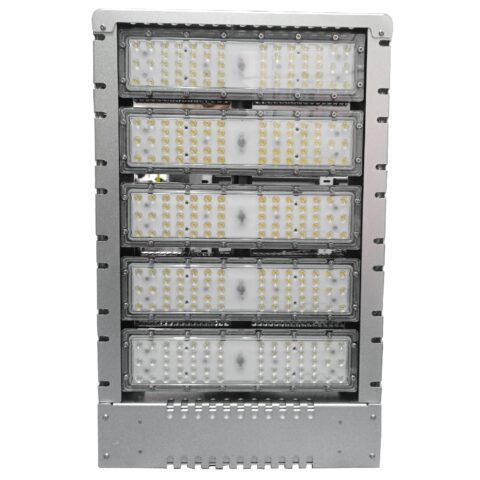
LED Marine Flood Lights for Saltwater and Coastal Environments
LED marine flood lights are used on vessels, docks, marinas, ports, shipyards, offshore platforms, commercial fishing boats, and coastal facilities where standard outdoor LED flood lights may not provide enough corrosion resistance for salt spray, humidity, moisture, vibration, and corrosive air.
The right fixture depends on the exposure level first. From there, the selection should account for corrosion class, IP rating, housing finish, stainless steel hardware, mounting location, beam angle, voltage, wiring protection, controls, certifications, and warranty coverage.
Selection and Installation Note: Product specifications vary by model, including wattage, lumen output, beam angle, color temperature, voltage, dimming, mounting method, housing finish, stainless steel hardware, IP rating, wet-location rating, marine suitability, certifications, and warranty coverage. For vessel lighting, marina lighting, dock lighting, offshore lighting, saltwater environments, public-access areas, electrical upgrades, code-sensitive applications, or safety-critical spaces, work with your local inspector, facility team, marine electrician, project specifier, vessel owner, or a licensed electrical professional.
United States Coast Guard Cutter Thetis (WMEC 910) Marine Grade Lighting Case Study
The Backstory of the First USCGC Project
The first contact came from an Electrician's Mate aboard the USCGC Thetis seeking support in a marine-grade floodlight solution. Electrician’s Mates are the USCG sailors responsible for ship lighting, power distribution, and electrical machinery. The customer was sourcing a low-maintenance lighting solution the crew could install on the ship.
The Electrician's Mate on the ship performed the installation. LED Lighting Supply's role involved consultative guidance and access to specialty light fixture options. On a military vessel, working floodlights operate only during specific operations and remain off the rest of the time. Working deck operations like helicopter launches, boat launches, boardings, and underway replenishment all require high-intensity lighting to transfer cargo or fuel safely.
The USCGC Thetis crew required a heavy-duty marine-grade lighting solution for the working deck. It needed to deliver consistent light levels for on-demand military operations without interfering with the ship's main navigation lights at night.
The Challenge of Lighting a USCGC Deck
Two main constraints shaped the project. The first was the harsh exterior environment. Ship deck lighting on a Famous-class medium-endurance cutter is subject to continuous salt spray, vibrations, and wash-downs. The second was the existing lighting. The working deck area had inadequate light levels, creating unsafe conditions for the crew. USCGC Thetis needed a light fixture with a marine-grade finish to ensure it performed effectively in the harsh environment.
The ship must return to the port before a light fixture can be replaced. Because of this, cutter lighting installation work is performed during scheduled in-port maintenance periods. Missing the deadline means the project slips to the next maintenance window, which could be months out.
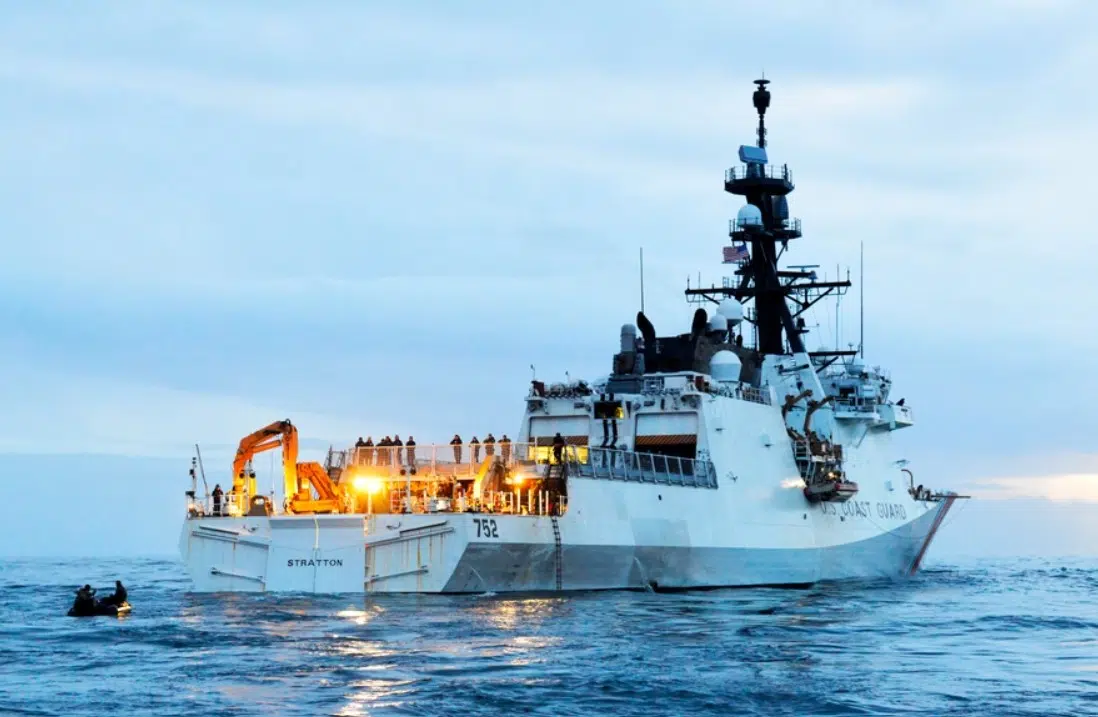
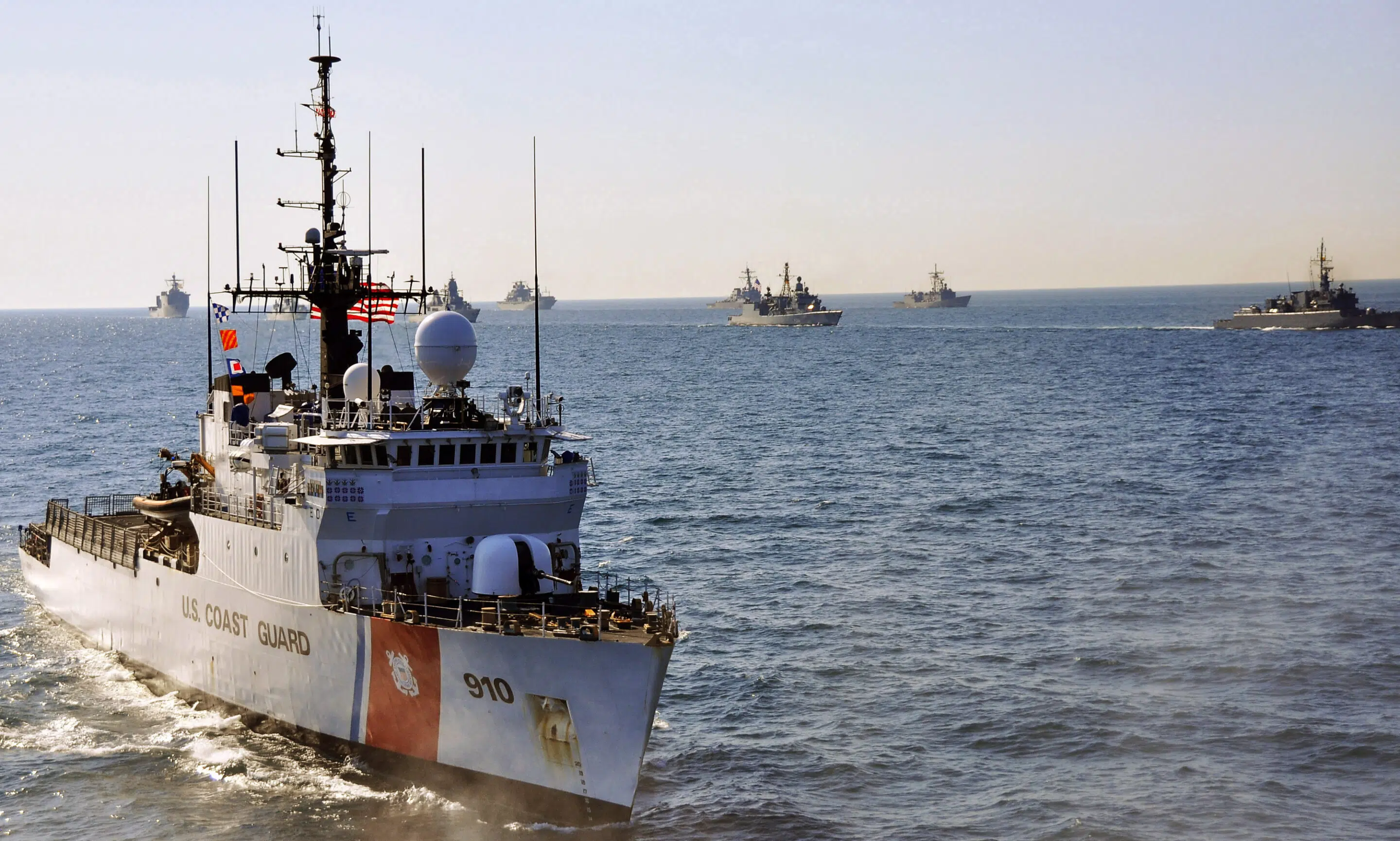
Before Our Solution: Image of USCGC Stratton (WMSL 752) With Metal Halide Lighting
Image of USCGC Thetis (WMEC 910)
Sample Lighting Plan Created for USCGC Thetis
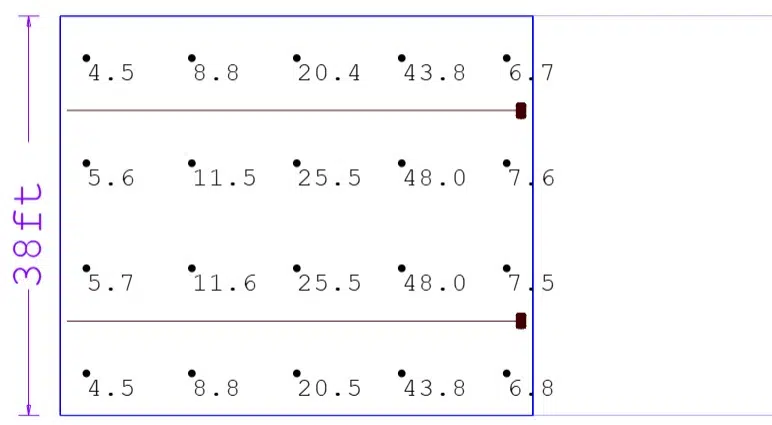
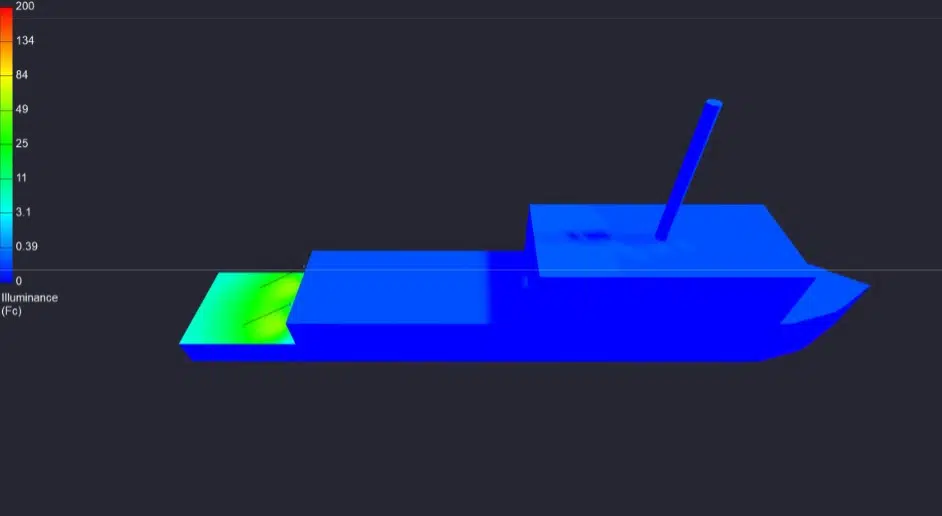
Lighting Plan Metrics:
- Mounting Height: 25 feet
- Foot Candles Achieved: 18 fc
- Uniformity (Min/Max fc): 10.67
- Photometric Lighting Plan Note: This sample plan was created to validate light levels with the lights installed.
- Product(s) Used: MLLG-AG-LED-IMF-200-5-[Optic]-TR-[V]
How to Choose Marine Grade LED Flood Lights
Marine flood lights should be selected by exposure first, then by mounting, electrical requirements, and light distribution. A fixture used on a coastal building may not need the same corrosion protection, IP rating, hardware, or wiring protection as a fixture mounted on a pier, vessel, crane, dock, or offshore structure.
| Selection Factor | What to Check |
|---|---|
| Corrosion exposure | Most of our marine grade fixtures are built for C4 corrosion environments. C4 is commonly used for coastal facilities, marinas, docks, piers, boatyards, ports, and marine-adjacent buildings with moderate salt exposure. C5 is available as an option on select fixtures for heavier salt spray, frequent wash-down, offshore exposure, working waterfronts, shipyards, and harsh coastal industrial sites. |
| Water exposure | Select the IP rating for the actual type of water exposure. IP65 may be suitable for many exposed outdoor and coastal applications where water jets are expected but more severe wash-down or immersion is not. For powerful water-jet exposure or demanding wash-down conditions, look for IP66 or another applicable wash-down rating. IP67 addresses temporary immersion and should not be assumed to provide IP66 powerful-water-jet protection unless the fixture is separately rated for both, such as IP66/IP67. IP68 applies to continuous immersion under conditions specified by the manufacturer. Confirm the exact rating and test conditions for the installation. |
| Mounting location | Fixtures may be mounted to poles, masts, walls, brackets, decks, docks, cranes, vessels, or equipment frames. The mount should support proper aiming, vibration resistance, wind exposure, service access, and corrosion-resistant hardware. |
| Hardware and construction | Look for corrosion-resistant coatings, gasketed construction, sealed lenses, protected cable entries, and stainless steel hardware. In many saltwater applications, 316 stainless steel hardware is preferred over standard steel or zinc-plated components. |
| Voltage and power source | Marine lighting may require AC or DC voltage depending on the vessel, dock, marina, or facility. Common options can include 120V, 208V, 240V, 277V, 480V, 12V DC, 24V DC, and 48V DC. Long runs to docks, piers, masts, poles, and remote equipment areas should be checked for voltage drop, driver compatibility, shore power, generator power, controls, and surge protection. |
| Beam angle and glare | Wide flood beams are commonly used for decks, docks, loading areas, and work zones. Narrower beams may be better for longer-distance visibility, security, or focused lighting. Around water, fixture aiming should account for reflected glare, mounting height, shadows, slip hazards, and neighboring properties. |
This approach keeps the decision process clear: corrosion class helps protect the fixture from the environment, the appropriate IP or wash-down rating helps address the specific water exposure, mounting and hardware keep it secure, voltage keeps it compatible with the electrical system, and beam angle determines how well the area is illuminated.
Understanding IP65, IP66, IP67, and IP68 for Marine Lighting
IP ratings describe enclosure protection against solid objects and water ingress under specific test conditions. A higher second digit does not always mean that the product has passed every lower-numbered water test. This is particularly important when comparing water-jet ratings with immersion ratings.
| IP Rating | Water-Exposure Guidance |
|---|---|
| IP65 | Provides protection against water jets under the applicable IP test. It may be suitable for many outdoor coastal locations, but project conditions such as heavy spray, pressure washing, wave exposure, or immersion may require a different or additional rating. |
| IP66 | Provides protection against powerful water jets. IP66 or another applicable wash-down rating should be considered where fixtures are subject to stronger spray, demanding wash-down, or powerful water-jet exposure. |
| IP67 | Provides protection for temporary immersion under the specified IP test conditions. IP67 does not automatically establish IP66 powerful-water-jet protection. If both water-jet and temporary-immersion exposure are expected, verify that the fixture carries both applicable ratings, such as IP66/IP67. |
| IP68 | Addresses continuous immersion under conditions agreed upon or specified by the manufacturer. Verify the allowed depth, duration, installation conditions, and whether separate jet or wash-down protection is also required. |
Do not select a marine fixture solely by assuming that IP67 or IP68 automatically includes every lower-numbered water-jet rating. Match the fixture to the actual exposure and verify the complete rating shown on the manufacturer's specification or certification documentation.
C4 vs C5 Corrosion Protection for Marine Lighting
Most LED marine grade fixtures from LED Lighting Supply are built for C4 corrosion environments. C4 is considered a high-corrosion class and is commonly used for coastal areas with moderate salt exposure, industrial outdoor locations, marine-adjacent buildings, docks, piers, marinas, parking areas near saltwater, and facilities exposed to humid, corrosive air. For many commercial marine and coastal lighting projects, C4 provides a strong balance of corrosion resistance, fixture availability, cost, and long-term performance.
C5 corrosion protection is available as an option on select fixtures for more severe environments. C5 is used where corrosion exposure is very high, including heavy salt spray, high salinity, frequent condensation, aggressive coastal weather, chemical exposure, shipyard conditions, offshore platforms, and harsh marine or industrial locations. C5 should be considered for fixtures mounted close to open saltwater, exposed to frequent spray or wash-down, installed on vessels or working docks, or located in coastal industrial sites where standard outdoor finishes may deteriorate faster.
| Corrosion Class | Typical Marine Lighting Application |
|---|---|
| C4 | High-corrosion environments such as coastal facilities, marinas, docks, piers, boatyards, ports, industrial outdoor areas, and marine-adjacent buildings with moderate salt exposure. This is the standard corrosion class for most of our marine grade lighting fixtures. |
| C5 | Very high-corrosion environments with heavier salt exposure, frequent salt spray, constant condensation, offshore exposure, shipyards, working waterfronts, coastal industrial sites, and harsh marine conditions. C5 is available as an option on select fixtures when the project requires added corrosion protection. |
When comparing C4 and C5 marine lights, consider how close the fixture will be to saltwater, whether it will be exposed to direct spray, how often the area is washed down, whether the location has industrial chemicals or airborne contaminants, and how difficult the fixture will be to access for maintenance. A fixture mounted on a coastal building several blocks from the water may not need the same corrosion package as a fixture mounted on a pier, vessel, crane, dock, or offshore structure.
Corrosion class does not replace the rest of the fixture specification. A C4 or C5 coating helps protect the exterior housing and metal components, but the appropriate IP or wash-down rating, UL or ETL listing, evaluation to applicable marine luminaire standards such as UL 1598A where required, gasketed construction, sealed lens, stainless steel hardware, cable entry protection, and protected wiring connections still matter.
Where Marine Flood Lights Are Used
| Application | Fixture Selection Considerations |
|---|---|
| Commercial fishing vessels | Deck lighting, work lighting, equipment areas, and night operations may require corrosion-resistant housings, sealed construction, vibration resistance, stainless steel hardware, appropriate water-ingress protection, and AC or DC voltage options. |
| Docks and piers | Fixtures should be selected for salt spray, moisture exposure, water jets or wave exposure where applicable, glare control, mounting height, wiring protection, corrosion class, and proximity to open water. |
| Marinas and boatyards | Lighting may need C4 or optional C5 corrosion protection, sealed wiring connections, appropriate water-ingress protection, suitable voltage, and fixture placement that supports movement, service work, and nighttime visibility. |
| Ports and shipyards | High-output marine flood lights may be used for work zones, loading areas, cranes, docks, vessel service areas, and coastal industrial spaces where corrosion, water exposure, vibration, voltage, and maintenance access affect fixture selection. |
| Offshore platforms and coastal industrial sites | Fixture selection should account for salt air, heavy spray, water-jet exposure, vibration, wet locations, corrosive exposure, mounting hardware, voltage, and any hazardous-location requirements. |
| Coastal buildings and security areas | Facilities near saltwater may benefit from marine-grade finishes and stainless steel hardware even when the fixture is not mounted directly over water. |

Can Marine Flood Lights Be Used on Commercial Fishing Vessels?
Marine flood lights are commonly used on commercial fishing vessels for deck lighting, equipment lighting, work areas, loading areas, docking, and general nighttime visibility. Vessel lighting should be selected for the electrical system, mounting location, saltwater exposure, vibration, beam angle, fixture protection level, corrosion class, and applicable marine electrical requirements.
Wide beam angles can help illuminate decks and work areas, while narrower beam angles may be used for longer-distance visibility or focused lighting. Before ordering, identify the available AC or DC power, fixture mounting location, wiring method, corrosion exposure, and whether the fixture will encounter water jets, heavy spray, wash-down, temporary immersion, or continuous immersion.
For vessel-mounted fixtures, pay close attention to hardware and connection points. Stainless steel hardware, sealed cable entries, protected wiring connections, and proper grounding are important because failures often start at brackets, fasteners, junctions, and cable entry points.
Materials, Hardware, and Fixture Construction
Marine flood lights commonly use die-cast aluminum housings because aluminum supports heat dissipation while keeping fixture weight manageable. The housing finish, coating thickness, external fasteners, brackets, lens frame, and cable entry protection are especially important in saltwater applications.
For saltwater and coastal use, look for corrosion-resistant coatings, gasketed construction, sealed lenses, stainless steel fasteners, and mounting brackets that are suitable for the environment. In many marine applications, 316 stainless steel hardware is preferred over standard steel or zinc-plated components.
Material compatibility also matters. Dissimilar metals, unprotected fasteners, and unsuitable mounting hardware can contribute to corrosion problems, even when the fixture housing is built for marine use.
Do Marine Flood Lights Need Special Wiring?
Marine and coastal environments require careful wiring protection. Salt spray and moisture can enter poorly sealed connections and cause corrosion, voltage drop, nuisance failures, or electrical hazards.
Use wiring methods, junction boxes, conduit, strain relief, grounding, and connection protection suitable for the application. Vessel and marina installations may have different requirements than building-mounted flood lights. Electrical connections, cable entries, splices, and junction boxes should be protected from direct spray, standing water, vibration, and corrosion.
For docks, marinas, vessels, offshore platforms, ports, and public-access marine spaces, wiring methods should be handled by a qualified electrician or marine electrician.

Common Marine Flood Light Selection Mistakes
- Using standard outdoor flood lights near saltwater: Standard fixtures may not have the coatings, seals, corrosion class, or stainless steel hardware needed for salt spray exposure.
- Assuming “marine grade” means certified: The actual construction, IP rating, hardware, corrosion class, safety listing, and applicable marine-standard evaluation matter more than the marketing term.
- Treating UL 1598A as a listing mark: UL 1598A is a standard for luminaires used on marine vessels. Confirm that the exact fixture has been evaluated and listed or certified to the applicable standard rather than assuming the standard name itself is a certification.
- Choosing C4 when the exposure requires C5: C4 is suitable for many coastal and marine-adjacent applications, but heavier salt spray, constant condensation, offshore exposure, or aggressive industrial conditions may require optional C5 protection.
- Treating IP67 as a wash-down rating: IP67 addresses temporary immersion and does not automatically establish IP66 powerful-water-jet protection. For powerful spray or demanding wash-down, confirm IP66 or another applicable wash-down rating. If both immersion and water-jet exposure occur, verify that the fixture is separately rated for both conditions.
- Choosing the wrong IP rating: Match the rating to the actual exposure. IP65 may be appropriate for some water-jet exposure, IP66 addresses powerful water jets, IP67 addresses temporary immersion, and IP68 addresses continuous immersion under manufacturer-specified conditions.
- Using the wrong hardware: Galvanized or zinc-plated hardware may corrode quickly in saltwater environments and can contribute to corrosion problems.
- Selecting beam angles without considering mounting location: Wide beams can create glare when mounted too low, while narrow beams can leave dark areas between fixtures.
- Ignoring voltage drop: Long cable runs to mast-mounted, dock-mounted, or remote fixtures should be reviewed for voltage drop and driver compatibility.
- Skipping surge protection: Generator power, shore power, exposed electrical systems, and lightning-prone coastal areas may require surge protection for LED lights depending on the installation.
- Not protecting wiring connections: Many failures start at unsealed or poorly protected junctions, splices, cable entries, and conduit transitions.
Marine Flood Light Certifications and Warranty Support
LED marine flood lights from LED Lighting Supply may carry safety certifications or listings from organizations such as UL, ETL, or CSA, depending on the model. For vessel-mounted applications, selected fixtures may also be evaluated and listed or certified to applicable marine luminaire standards such as UL 1598A. UL 1598A is a product safety standard for luminaires used on marine vessels; it is not itself a certification or listing mark.
Many models are DLC or DLC Premium listed where utility rebate support is available. Most LED marine flood lights include a 5-year warranty unless otherwise specified, with USA-based warranty support.
Before ordering, confirm the exact fixture's safety listing or certification, whether any marine-specific standard such as UL 1598A applies to the project, voltage, controls compatibility, IP rating or wash-down rating, wet-location suitability, marine suitability, corrosion class, housing finish, hardware material, mounting method, and environmental exposure.
Need Help Choosing Marine Flood Lights?
Contact us about LED marine flood lights, and our Product Specialists can help review saltwater exposure, mounting location, fixture wattage, beam angle, voltage, AC or DC power requirements, IP65, IP66, IP67, IP68, or other applicable water-exposure requirements, C4 or optional C5 corrosion protection, housing finish, stainless steel hardware, wiring protection, safety listings, applicable marine standards, warranty coverage, and product specifications.
LED Flood Lights for Marine Environments FAQs
How Should I Choose Between C4 And C5 Corrosion Protection?
C4 is the standard corrosion class for most marine-grade fixtures and is commonly used for coastal facilities, marinas, docks, piers, ports, and marine-adjacent buildings with moderate salt exposure. Optional C5 protection is available on select fixtures for heavier salt spray, frequent wash-down, offshore exposure, working waterfronts, shipyards, and harsh coastal industrial sites.
Which IP Rating Should I Select For Marine Water Exposure?
Select the IP rating based on the actual water exposure: IP65 may suit many outdoor coastal locations, IP66 addresses powerful water jets, IP67 addresses temporary immersion, and IP68 addresses continuous immersion under manufacturer-specified conditions. IP67 does not automatically provide IP66 powerful-water-jet protection, so installations exposed to both conditions should use a fixture rated for both where required.
Can Marine Flood Lights Be Used On Commercial Fishing Vessels?
Marine flood lights are commonly used on commercial fishing vessels for deck lighting, equipment lighting, work areas, loading areas, docking, and nighttime visibility. Vessel lighting should be selected for the electrical system, mounting location, saltwater exposure, vibration, beam angle, fixture protection level, corrosion class, and applicable marine electrical requirements.
What Voltage Options May Be Needed For Marine Flood Lighting?
Marine lighting may require AC or DC voltage depending on the vessel, dock, marina, or facility. Common options can include 120V, 208V, 240V, 277V, 480V, 12V DC, 24V DC, and 48V DC, and long runs should be checked for voltage drop, driver compatibility, shore power, generator power, controls, and surge protection.
How Should Beam Angle Be Considered Around Docks And Water?
Wide flood beams are commonly used for decks, docks, loading areas, and work zones, while narrower beams may be better for longer-distance visibility, security, or focused lighting. Fixture aiming around water should account for reflected glare, mounting height, shadows, slip hazards, and neighboring properties.
What Construction Details Matter In Saltwater Environments?
Marine flood light selection should include corrosion-resistant coatings, gasketed construction, sealed lenses, protected cable entries, and stainless steel hardware. In many saltwater applications, 316 stainless steel hardware is preferred over standard steel or zinc-plated components.
What Should Be Confirmed Before Ordering A Marine Flood Light?
Before ordering, confirm the exact fixture's safety listing or certification, marine-standard applicability, voltage, controls compatibility, IP or wash-down rating, wet-location suitability, marine suitability, corrosion class, housing finish, hardware material, mounting method, and environmental exposure. Product specifications vary by model.