Tenon Adapters for Light Poles
- Options for round and square pole configurations
- Helps connect new LED fixtures to existing poles
- Product specialists available for compatibility guidance



Our Tenon Adapters for Light Poles include round and square pole adapters, reducer adapters, and slipfitter adapters for mounting LED fixtures, cameras, and signage. Available sizes include 3-inch round, 4-inch round, 4-inch square, 5-inch round, and 5-inch square configurations. Top-mount and side-mount versions support single- through quad-arm fixture setups.
These adapters are used for highway and arterial road lighting modernization, retail parking lot upgrades, athletic facility lighting, security systems, urban wayfinding signage, and HID-to-LED conversions using existing poles.
-
 Starting At $45.45
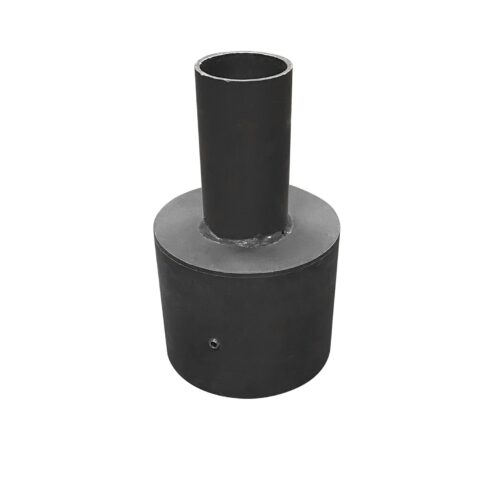


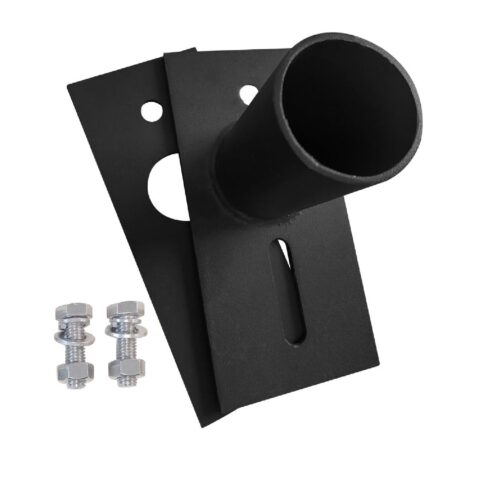
Tenon adapters connect compatible light poles to LED fixtures, arms, bullhorns, or other mounting components. They can help reuse existing pole infrastructure when the pole, adapter, fixture, and complete mounting configuration are compatible.
Before ordering, confirm the existing pole shape and dimensions, tenon or mounting interface, desired fixture configuration, fixture quantity, combined fixture and accessory weight, effective projected area (EPA), mounting geometry, and environmental exposure. Structural suitability should be verified for the complete pole, adapter, fixtures, accessories, and site conditions rather than from adapter material or dimensions alone.
Structural Note: Adding or changing fixtures, adapters, arms, cameras, signs, or other attachments changes the loading on an existing pole. LED Lighting Supply can help review dimensional compatibility and assemble available weight, EPA, and product specifications. Final pole capacity and structural suitability should be verified from the pole manufacturer’s engineering data or by a qualified structural professional where required.
What Are Light Pole Tenon Adapters?
Light pole tenon adapters are mechanical interfaces used to connect poles, fixtures, arms, bullhorns, or other components with different mounting configurations. Depending on the adapter design, they may provide a single fixture mounting point or multiple mounting positions.
A pole mount adapter can be used for new installations or retrofit projects where the existing pole remains suitable for the proposed loading. Applications can include lighting fixtures and, when specifically engineered for the application, other pole-mounted equipment.
Available adapter dimensions vary by product. Common pole interfaces may include:
- 3-inch round pole configurations
- 4-inch round pole configurations
- 4-inch square pole configurations
- 5-inch round pole configurations
- 5-inch square pole configurations
These dimensions are examples of available configurations and should not be treated as universal adapter sizes. Measure the actual pole and verify the exact adapter specification before ordering.
Common Applications
Tenon adapters can be useful where an existing pole is being retained but the new fixture or mounting configuration does not directly match the existing pole interface.
Common applications include:
- Roadway and municipal lighting retrofits
- Retail and commercial parking lots using LED area lights
- Sports and recreation lighting retrofits
- Security lighting systems
- HID-to-LED fixture conversions
- Changes from one fixture-mount style to another
- Single-fixture to multi-fixture configurations where the pole is structurally suitable
Reusing an existing pole should not be based only on whether an adapter physically fits. The existing pole must also be suitable for the new loading and mounting configuration.
Types of Tenon Adapters
Select the adapter from the actual pole and fixture mounting interfaces rather than from general pole shape alone.
Common adapter types can include:
- Pole-top tenon adapters: Create or change a top-mounted tenon connection for compatible fixtures or accessories.
- Round-pole adapters: Connect to specified round pole diameters or tenon sizes.
- Square-pole adapters: Provide mounting interfaces for compatible square pole profiles.
- Tenon reducers or enlargers: Adapt between different compatible tenon diameters.
- Slipfitter adapters: Provide a compatible round tenon for fixtures using an adjustable slipfitter mount.
- Multi-fixture adapters: Provide multiple fixture mounting positions when the complete pole assembly is designed for the added loading.
Do not assume every round-pole adapter provides 360-degree rotation. Adjustment range, orientation, clamping method, and permitted fixture position vary by adapter and fixture.
Material and Finish Options
Tenon adapters may be manufactured from steel, aluminum, or other materials depending on the product design. Material alone does not determine structural capacity, corrosion performance, or suitability for a particular wind environment.
Aluminum adapters can provide lower weight and resistance to certain corrosion mechanisms. Aluminum alloy, wall thickness, geometry, weld design, finish, attachment method, and product rating all affect performance.
Steel adapters can provide high strength and are available with powder coating, galvanizing, paint, or other protective finishes depending on product. Structural suitability still depends on the exact design and loading.
Environmental selection should consider:
- Salt or coastal exposure
- Industrial contaminants
- Chemical exposure
- Moisture and humidity
- UV exposure
- Coating or finish system
- Fastener materials
- Galvanic compatibility between dissimilar metals
Do not assume aluminum is always the preferred material for coastal installations or that steel is inherently the better choice for high-wind projects. Verify the complete product specification and structural requirements for the application.
Selecting the Proper Tenon Adapter
Adapter selection requires more than matching one pole dimension. Confirm both mechanical compatibility and the effect of the proposed configuration on the complete pole assembly.
- Pole shape and dimensions: Measure the actual outside diameter or square dimensions at the adapter connection point.
- Existing tenon: Confirm outside diameter, height, orientation, and condition where an existing tenon is being reused.
- Fixture mounting method: Confirm whether the fixture uses a slipfitter, arm, direct mount, trunnion, yoke, or another mounting system.
- Fixture quantity: More fixtures increase static and wind loading.
- Fixture weight: Include the weight of every fixture and accessory.
- EPA: Include the effective projected area of fixtures, adapters, arms, brackets, and other mounted components where applicable.
- Mounting geometry: Arm length, offset, fixture orientation, attachment height, and distance from the pole centerline affect structural loading.
- Pole condition: Existing poles should be reviewed for corrosion, impact damage, cracks, deformation, section loss, or previous modifications.
- Environmental exposure: Confirm material, coating, and hardware suitability for the site.
- Site design criteria: Verify applicable wind and other structural requirements for the project location.
EPA, Weight, and Pole Loading
Adding a tenon adapter changes the complete pole assembly. The adapter itself may add weight and wind area, and it may reposition the fixture farther from the pole centerline.
EPA, or Effective Projected Area, represents the wind-loading effect of fixtures and other mounted components. Pole selection typically requires comparing the total EPA and weight of the mounted equipment with the allowable loading for the exact pole under the applicable project design criteria.
Include applicable loads from:
- LED fixtures
- Tenon adapters
- Crossarms
- Bullhorns
- Mounting brackets
- Cameras
- Signs
- Banners
- Wireless equipment
- Other attachments
The combined loading should be compared with the manufacturer’s allowable pole loading for the applicable mounting height, pole configuration, and design wind criteria.
Installation Considerations
Structural review is particularly important when adding fixtures or changing mounting geometry on an existing pole. A physically compatible adapter does not establish that the pole can safely carry the new configuration.
Do not use a universal wall-thickness threshold such as 0.125 inches to determine whether a pole requires reinforcement. Wall thickness is only one characteristic of a pole. Structural capacity also depends on:
- Pole material and grade
- Shaft shape
- Shaft dimensions
- Wall thickness
- Pole height
- Taper where applicable
- Base plate, welds, and anchor system
- Existing pole condition
- Fixture and accessory weight
- Fixture and accessory EPA
- Mounting height
- Arm length and fixture offset
- Site design wind criteria
- Additional attachments
A pole with a wall thickness below 0.125 inches may be suitable for one configuration, while a thicker pole may be unsuitable for another. Use model-specific pole engineering or structural calculations rather than wall thickness alone.
Retrofitting Existing Light Poles
Existing poles deserve additional review because their original design information may be incomplete and their condition may have changed over time.
Before adding a tenon adapter or new fixture configuration, try to identify:
- Pole manufacturer
- Pole model or catalog number
- Pole material
- Mounting height
- Shaft dimensions
- Wall thickness where relevant to manufacturer identification
- Original fixture configuration
- Existing fixture weight and EPA
- Proposed fixture weight and EPA
- Existing and proposed mounting geometry
- Anchor-base or direct-burial configuration
- Visible corrosion or damage
- Previous field drilling or modifications
- Existing signs, cameras, banners, or other attachments
Wall thickness can be useful information when identifying or evaluating an existing pole, but it should not be used by itself to determine allowable loading.
Wind-Load Considerations
Tenon adapters should not be assigned a universal wind-speed capability such as 150+ mph without engineering data for the exact configuration.
Wind suitability depends on the complete system, including:
- Applicable design wind criteria
- Pole model and mounting height
- Total fixture and accessory EPA
- Total mounted weight
- Adapter geometry
- Fixture orientation
- Arm or bracket length
- Attachment height
- Pole base and anchorage
- Site exposure and special conditions
A product being described as “high strength” or “heavy duty” does not establish that the complete pole assembly is suitable for a particular wind speed.
Where wind capacity is critical, compare the complete proposed configuration with the pole manufacturer’s allowable EPA and weight data at the applicable project design criteria or obtain project-specific engineering review.
Mounting Geometry Matters
Moving a fixture outward, upward, or to a different side of the pole can change structural forces even if the fixture itself does not change.
Review:
- Fixture offset from the pole centerline
- Arm or adapter length
- Fixture orientation
- Number of fixture mounting positions
- Attachment elevation
- Symmetrical versus asymmetrical loading
For multi-fixture configurations, do not assume that equal fixture weights automatically create balanced structural loading. Orientation, EPA, mounting offsets, and wind direction can affect the pole differently.
Key Features and Benefits
The primary benefit of a tenon adapter is the ability to create a compatible mechanical connection without necessarily replacing an otherwise suitable pole. Product-specific features - such as included hardware, rotation range, mounting angles, coating system, and supported fixture capacity - should be confirmed from the exact adapter specification.
Adapter Hardware and Installation
Hardware varies by adapter design. Do not assume that all adapters use the same bolts, fasteners, set screws, clamps, torque values, or attachment method.
Before installation, confirm:
- Included and required hardware
- Fastener grade and material
- Required torque values
- Pole and adapter dimensions
- Fixture mounting instructions
- Electrical wiring access
- Grounding or bonding requirements
- Manufacturer installation instructions
Field drilling, welding, cutting, or otherwise modifying a pole or adapter should not be performed unless permitted by the manufacturer or project engineering requirements. Such modifications can change the structural behavior or affect product warranties.
Tenon Adapter Pricing
Adapter pricing varies by size, material, configuration, finish, number of fixture mounting positions, hardware, quantity, and custom fabrication requirements.
Do not assume a tenon adapter will cost less than a particular fixed amount. Standard single-fixture adapters may be relatively inexpensive, while larger multi-fixture, custom, structural, or specialty-finish assemblies can cost considerably more.
When comparing retrofit cost with pole replacement, also consider installation labor, structural review, fixture mounting changes, electrical work, equipment access, pole condition, and expected remaining service life.
What to Provide When Requesting a Tenon Adapter
Providing accurate measurements and fixture information helps avoid ordering an incompatible adapter.
Useful information includes:
- Photos of the existing pole top and fixture mount
- Pole manufacturer and model where available
- Pole shape
- Outside pole or tenon dimensions
- Existing tenon height
- Fixture manufacturer and model
- Fixture mounting type
- Fixture quantity
- Fixture weight
- Fixture EPA
- Desired mounting orientation
- Existing accessories or attachments
- Project location and applicable design criteria when structural review is needed
Get Help Selecting a Light Pole Tenon Adapter
LED Lighting Supply Product Specialists can help review pole dimensions, fixture mounting requirements, adapter configurations, fixture weight, EPA information, materials, finishes, and available product specifications.
For existing poles, structural suitability should not be inferred from pole diameter, material, wall thickness, or the fact that a new adapter physically fits. The complete proposed loading should be compared with manufacturer engineering information or reviewed by an appropriate structural professional when required.
Contact our Product Specialists with your pole dimensions, photos, fixture specifications, mounting requirements, and project information, and we can help identify compatible adapter options.
Tenon Adapters for Light Poles FAQs
What Should I Confirm Before Ordering A Tenon Adapter?
Confirm the pole shape and dimensions, tenon or mounting interface, fixture mounting method, desired configuration, fixture quantity, combined weight, EPA, mounting geometry, and environmental exposure. The pole, adapter, fixture, and complete mounting configuration must be compatible.
Can A Tenon Adapter Be Used To Retrofit An Existing Light Pole?
A tenon adapter can help connect new LED fixtures to compatible existing pole interfaces when the existing pole remains suitable for the proposed loading. Reuse should not be based only on physical fit, because pole condition, loading, mounting geometry, and site conditions also require review.
How Do I Match A Tenon Adapter To My Pole And Fixture?
Select the adapter from the actual pole and fixture mounting interfaces, not from general pole shape alone. Measure the pole connection point and confirm the existing tenon dimensions, fixture mounting method, and exact adapter specification before ordering.
What Loads Should Be Included When Evaluating A Pole For A Tenon Adapter?
Include the weight and EPA of fixtures, tenon adapters, crossarms, bullhorns, brackets, cameras, signs, banners, wireless equipment, and other attachments where applicable. The combined loading should be compared with the manufacturer's allowable pole loading for the applicable mounting height, pole configuration, and design wind criteria.
Can A Physically Compatible Adapter Confirm That An Existing Pole Is Structurally Suitable?
No, a physically compatible adapter does not establish that the pole can safely carry the new configuration. Structural suitability should be verified for the complete pole, adapter, fixtures, accessories, and site conditions using pole manufacturer engineering data or a qualified structural professional where required.
Do Multi-Fixture Tenon Adapters Require Additional Structural Review?
Yes, multi-fixture adapters provide multiple mounting positions only when the complete pole assembly is designed for the added loading. Equal fixture weights do not automatically create balanced structural loading because orientation, EPA, mounting offsets, and wind direction can affect the pole differently.
Should Wall Thickness Alone Determine Whether A Pole Can Be Reused?
No, wall thickness should not be used by itself to determine allowable loading or whether reinforcement is required. Structural capacity also depends on the pole design, condition, fixture and accessory weight and EPA, mounting geometry, anchorage, and site design wind criteria.
What Information Helps Identify A Compatible Tenon Adapter?
Useful information includes photos of the existing pole top and fixture mount, pole shape and dimensions, existing tenon height, fixture manufacturer and model, fixture mounting type, fixture quantity, weight, EPA, desired orientation, and existing attachments. Pole manufacturer and model information can also help when available.