LED Shopping Mall Lighting
- Fixtures for parking lots, garages, entrances, and walkways
- Lighting plans help review layout and coverage
- DLC listed options available for rebate eligibility


Get Your Custom Lighting Plan With Product Recommendations
- Layout Designed for Parking Lots, Garages, Entrances, Walkways, and Exterior Pedestrian Areas
- Fixture Selection Matched to Mounting Height, Optics, and Distribution for Each Mall Zone
- LED Fixtures Can Reduce Energy Use and Maintenance Compared With Older HID Systems


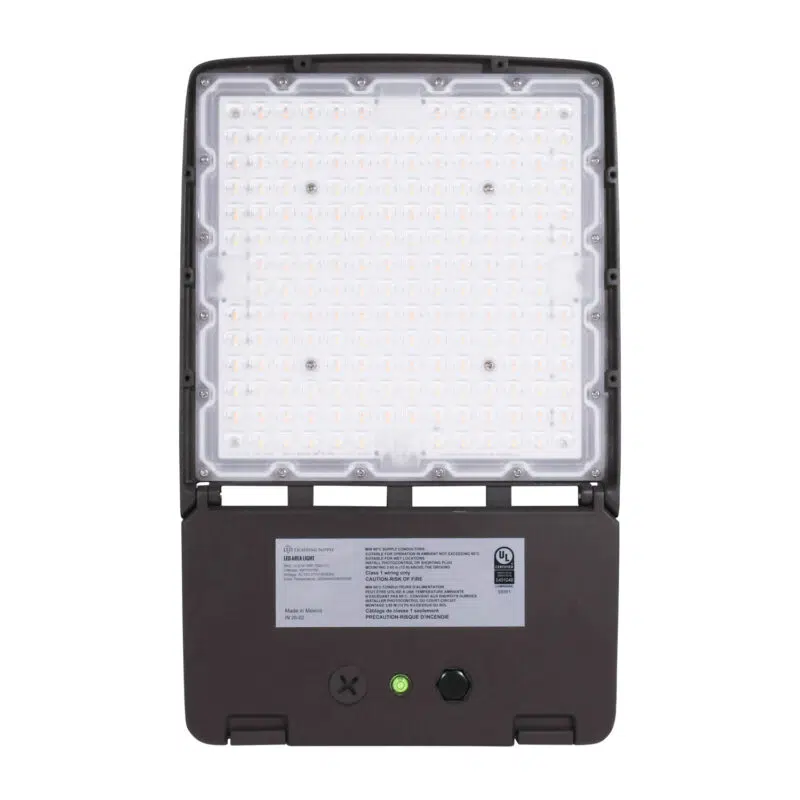
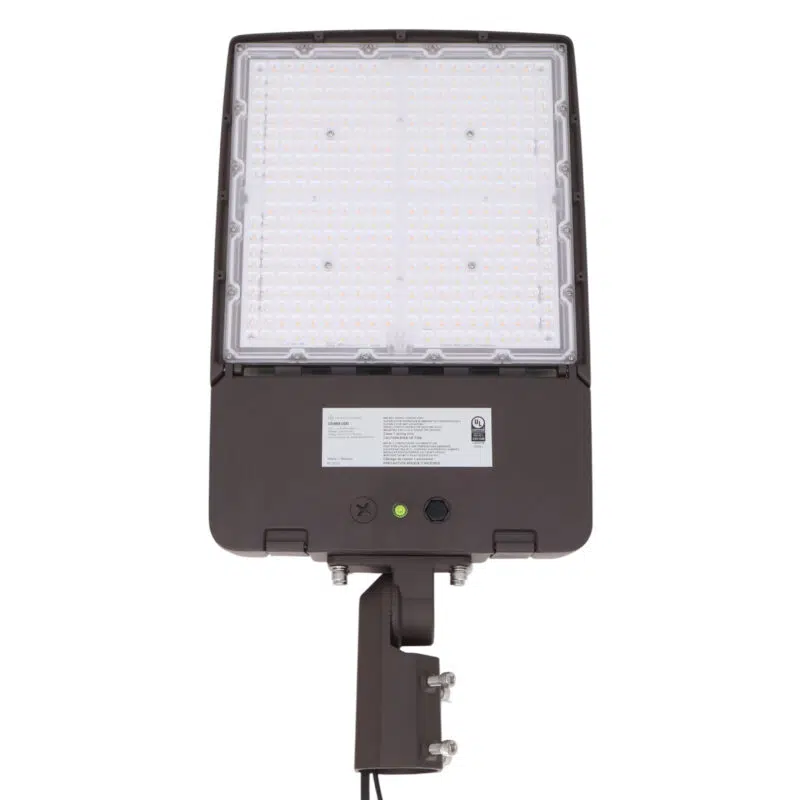
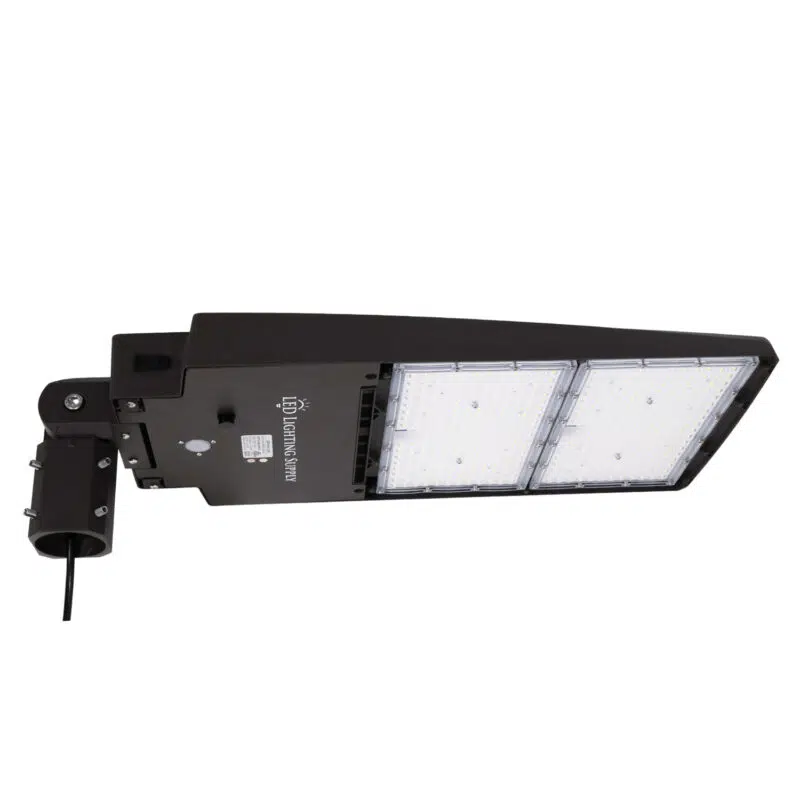
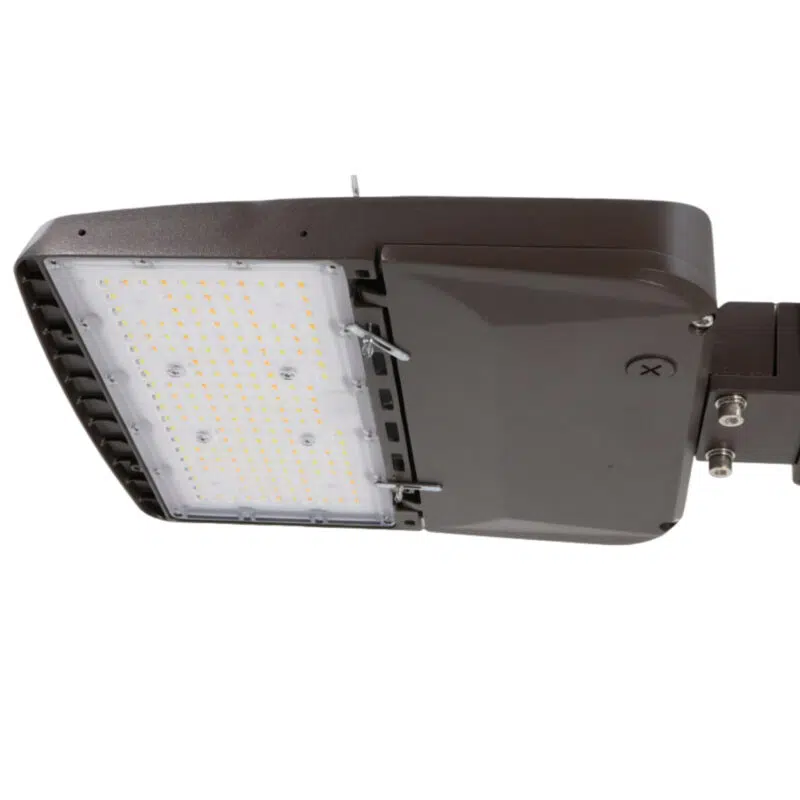
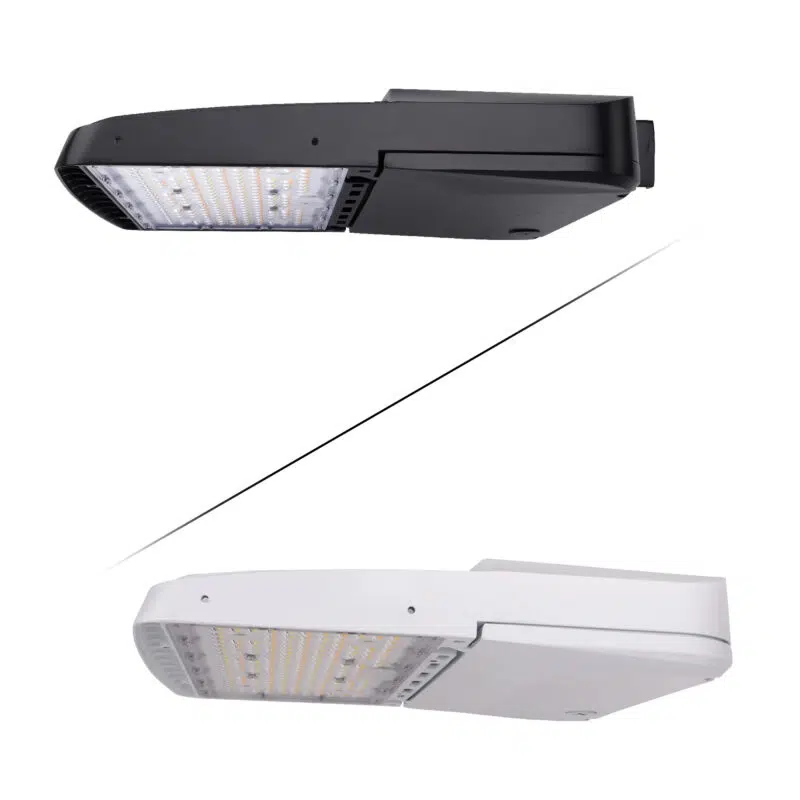
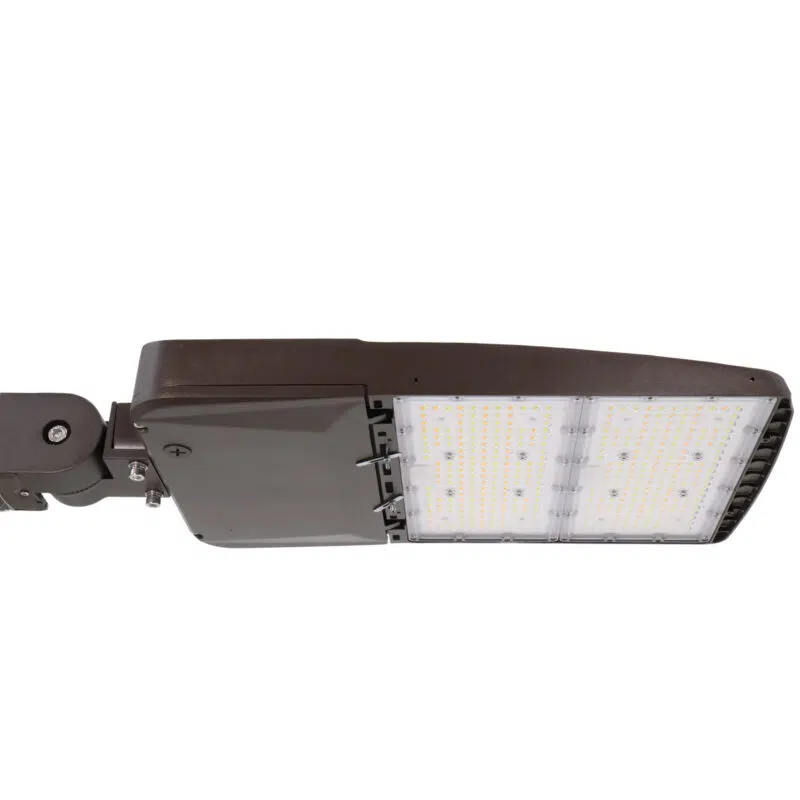
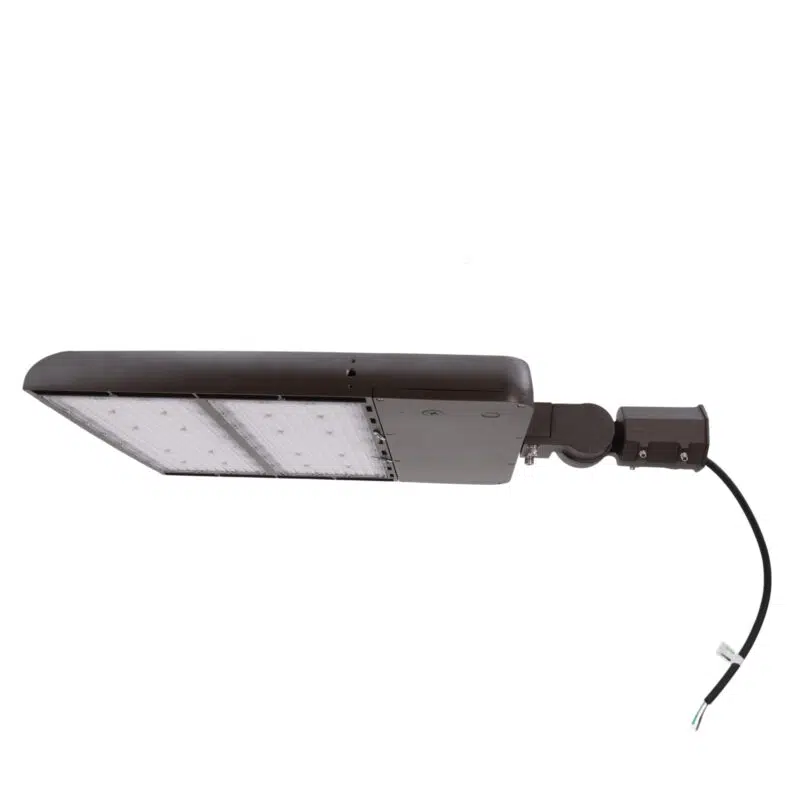
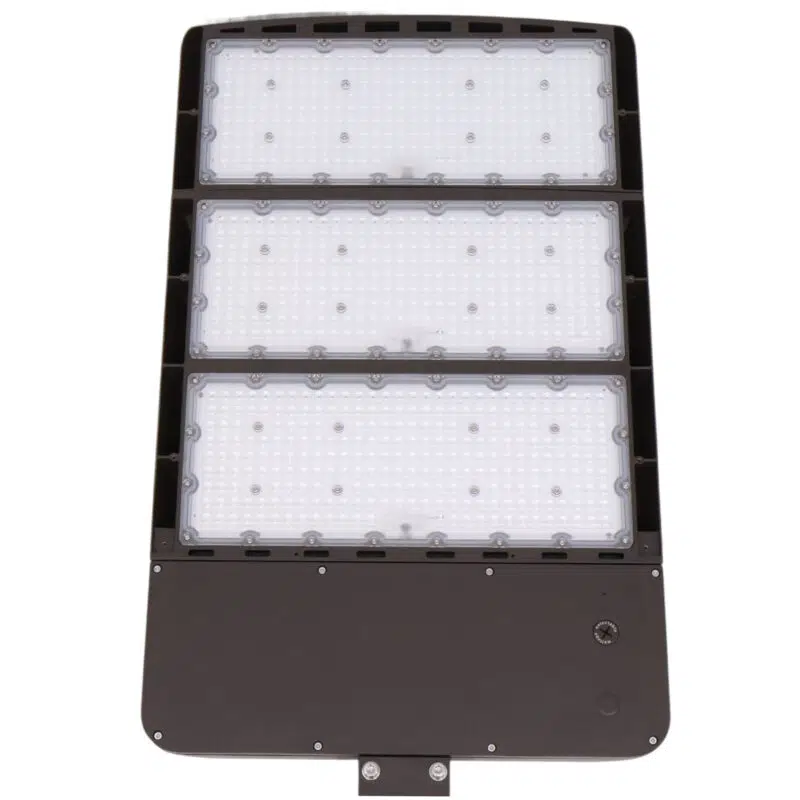
Our Mall Lights and Shopping Center Lighting include LED shoebox lights, wall packs, canopy lights, parking garage lights, flood lights, and post top lights for indoor and outdoor commercial areas. Available fixtures vary by application, mounting location, and controls such as photocells, timers, dimming, occupancy sensors, and scheduling.
These products are commonly used in shopping centers, retail plazas, outlet centers, lifestyle centers, and enclosed malls, including parking lots, parking garages, entrances, exterior walkways, loading docks, service roads, building perimeters, and common areas.
-
 Starting At $309.00











What Is LED Shopping Mall Lighting?
LED shopping mall lighting includes indoor and outdoor commercial lighting used across shopping centers, retail plazas, outlet centers, lifestyle centers, and enclosed malls. While indoor mall lighting often becomes architectural and tenant-specific, many mall lighting projects focus on exterior areas such as parking lots, parking garages, entrances, exterior walkways, service roads, loading areas, wall packs, canopies, and perimeter lighting.
Start by separating exterior, interior common, tenant, and service areas. For exterior projects, match the fixture type and layout to the area, mounting height, pole layout, pedestrian and vehicle movement, building architecture, controls, camera locations, and local exterior lighting requirements. Interior common and tenant areas may require additional attention to architectural design and tenant-specific needs.
Selection and Installation Note: Product specifications, wattage, lumen output, optics, distribution type, color temperature, voltage, dimming, controls, emergency compatibility, wet-location rating, IP rating, certifications, and warranty coverage vary by model. Confirm the selected product specification before ordering. For shopping mall parking lots, garages, entrances, exterior walkways, service areas, loading zones, or code-sensitive applications, verify requirements with the property team, facility manager, local inspector, project specifier, or a licensed electrical professional.
Recommended Foot-Candles for Shopping Mall Lighting
Shopping mall lighting levels vary by exterior or interior area, pedestrian activity, vehicle traffic, camera use, ceiling height, architectural design, controls, and local requirements. Use the widget below for early planning ranges. Final fixture count, layout, mounting height, glare control, and controls should be verified for the specific mall or shopping center.
Outdoor LED Lighting for Shopping Malls
Outdoor lighting is often the most practical focus for shopping mall upgrades. Parking areas, entrances, exterior walkways, loading docks, service roads, and building perimeters typically rely on commercial LED fixtures that are easier to standardize than indoor architectural lighting.
| Outdoor Mall Area | Common Lighting Priorities |
|---|---|
| Parking lots | Vehicle circulation, pedestrian routes, pole spacing, glare control, camera visibility, and even exterior coverage. |
| Parking garages | Uniform lighting for drive aisles, parking stalls, ramps, stairwells, elevators, and pedestrian routes. |
| Main entrances | Customer approach, storefront visibility, canopy lighting, transition zones, and wayfinding. |
| Exterior walkways and plazas | Pedestrian comfort, visibility, seating areas, landscape zones, and connection points between stores. |
| Loading docks and service areas | Truck movement, delivery zones, service doors, waste areas, and maintenance access. |
| Service roads and perimeters | Property access, cameras, utility areas, gate locations, and controlled exterior visibility. |
Common Outdoor Fixtures for Mall Lighting
Shopping centers usually need a mix of outdoor fixture types. A parking lot light, wall pack, canopy light, and garage fixture each solve a different problem.
| Fixture Type | Best Fit |
|---|---|
| LED shoebox lights | Parking lots, drive lanes, entrances, and larger pole-mounted exterior areas. |
| LED wall packs | Building perimeters, exterior walls, service doors, entrances, walkways, and loading areas. |
| LED canopy lights | Covered entrances, drop-off areas, storefront canopies, garage entries, and pedestrian cover zones. |
| LED parking garage lights | Structured parking, ramps, low-ceiling drive aisles, pedestrian areas, and damp or enclosed garage spaces. |
| LED flood lights | Targeted exterior areas, signs, service zones, equipment areas, and security-focused coverage. |
| LED post top lights | Pedestrian areas, lifestyle centers, plazas, walkways, and decorative exterior zones. |
Indoor Shopping Mall Lighting
Indoor shopping mall lighting is often more architectural than standard commercial lighting. Common areas may use downlights, linear fixtures, high bays, decorative pendants, cove lighting, or recessed fixtures depending on the ceiling height and design. Tenant spaces may have separate lighting standards based on brand, merchandise, displays, and interior design goals.
For LED Lighting Supply projects, indoor mall opportunities are often strongest in utility-focused areas such as back-of-house corridors, storage areas, maintenance rooms, parking garage transitions, food court service areas, and common areas with older commercial fixtures. Decorative storefront and architectural interior lighting may require additional design coordination beyond fixture replacement.
How to Choose LED Mall Lighting
Start by separating the mall into exterior, interior common, tenant, and service areas. Parking lots, garages, loading docks, and exterior walkways need practical commercial lighting. Interior retail and common areas may need more attention to appearance, color quality, glare, and architectural design.
| Selection Factor | What to Confirm |
|---|---|
| Exterior vs. interior | Exterior areas need fixtures rated for the expected wet, damp, or other environmental exposure and appropriate glare control. Interior areas may need more architectural coordination. |
| Parking layout | Confirm pole heights, fixture distribution, drive lanes, pedestrian routes, entrances, and camera locations. |
| Garage conditions | Review ceiling height, damp conditions, traffic flow, stairwells, elevators, ramps, controls, and emergency requirements. |
| Entrances and canopies | Confirm canopy height, fixture spacing, transition zones, storefront visibility, and glare toward customers or drivers. |
| Controls | Review photocells, timers, scheduling, dimming, occupancy sensors, garage controls, and after-hours operation. |
| Color temperature | Use consistent color temperature in connected exterior zones. Indoor spaces may vary based on architectural or tenant requirements. |
| Maintenance access | Review lift access, pole access, garage access, fixture mounting height, and replacement strategy before ordering. |
Why a Shopping Mall Lighting Plan Helps
A shopping mall lighting plan helps review fixture placement, light levels, uniformity, glare, pole spacing, garage coverage, exterior walkways, and entrances before fixtures are ordered. This is especially useful for parking lots, parking garages, service roads, exterior walkways, and large exterior areas where fixture placement affects visibility and customer experience.
| Lighting Plan Review | Why It Matters for Shopping Centers |
|---|---|
| Parking lot coverage | Helps review pole layout, light levels, dark areas, and glare toward drivers, pedestrians, or neighboring properties. |
| Parking garage layout | Helps identify dark zones around ramps, corners, elevators, stairs, and pedestrian paths. |
| Entrances and walkways | Helps coordinate customer approach areas, storefront access, canopies, and pedestrian routes. |
| Loading and service areas | Helps review dock doors, service roads, trash areas, and delivery movement after dark. |
| Controls planning | Helps coordinate dimming, scheduling, daylight response, photocells, and after-hours operation. |
Request a shopping mall lighting plan
Shopping Mall Parking Lot Lighting
Parking lot lighting is often the most important exterior lighting application for shopping centers. LED parking lot lights and pole-mounted area lights can be used to replace older HID or metal halide fixtures, improve visibility, reduce maintenance, and support vehicle and pedestrian movement.
Parking lot lighting should be reviewed for pole height, fixture distribution, pole spacing, property lines, entrances, pedestrian crossings, camera views, controls, and glare. Do not select fixtures by wattage alone. Delivered light, optics, mounting height, and layout matter more than wattage by itself.
Shopping Mall Parking Garage Lighting
Parking garages need consistent lighting for vehicles and pedestrians in enclosed or semi-enclosed areas. LED garage fixtures, vapor tight lights, canopy lights, and linear garage fixtures may be used depending on ceiling height, damp conditions, fixture spacing, and controls.
Garage lighting should account for ramps, corners, drive aisles, parking stalls, stairs, elevators, payment areas, and pedestrian routes. Occupancy sensors or dimming controls may be useful in low-traffic periods when compatible with the selected fixture and code requirements.
Entrances, Walkways, and Exterior Plazas
Mall entrances, exterior walkways, and plazas need lighting that helps customers move comfortably from parking areas to storefronts. These areas may use wall packs, canopy lights, post top lights, bollards, downlights, or area lights depending on the design.
Exterior pedestrian lighting should be comfortable, controlled, and coordinated with the site design. Avoid excessive glare at entrances, storefront glass, restaurant patios, seating areas, and pedestrian pathways.
Common Shopping Mall Lighting Mistakes
- Treating indoor and outdoor lighting the same: Exterior mall lighting is often functional and site-based, while interior mall lighting may be architectural or tenant-specific.
- Choosing wattage instead of distribution: Parking lot and garage performance depends on optics, mounting height, spacing, and fixture layout.
- Ignoring glare at entrances: Overly bright fixtures near glass, storefronts, canopies, or pedestrian approaches can create discomfort.
- Skipping parking garage controls: Garages may benefit from occupancy sensors, dimming, or schedules where compatible and code-compliant.
- Mixing color temperatures outside: Inconsistent exterior color temperature can make a shopping center look uneven or poorly maintained.
- Not reviewing loading and service areas: Back-of-house areas often need functional loading dock lighting for deliveries, trash areas, service doors, and staff access.
- Overlooking maintenance access: Parking lot poles, garage ceilings, canopies, and high common areas should be reviewed for service access.
- Making interior fixture selection too architectural too early: Interior mall spaces may involve tenant standards, finishes, and decorative design goals, but parking, garage, walkway, loading, and exterior areas should still be reviewed as practical commercial lighting applications.
Shopping Mall Lighting Certifications, Rebates, and Warranty Support
Selected LED shopping mall lighting models available from LED Lighting Supply carry a safety certification or listing from an organization such as UL, ETL, or CSA, depending on product and application. Many models may be DLC or DLC Premium listed for utility rebate programs where available. DLC qualification is a performance program and does not replace an electrical safety certification. Rebate requirements vary by utility, region, project, and product listing, so confirm eligibility on the selected product specification before ordering.
Warranty terms vary by product, with many commercial LED fixtures offering a 5-year warranty. Confirm the exact warranty, certifications, DLC status, voltage, controls compatibility, mounting method, environmental rating, and site suitability on the selected product specification before purchase.
LED Shopping Mall Lighting FAQs
How Should I Separate A Shopping Mall Lighting Project For Planning?
Separate the project into exterior, interior common, tenant, and service areas before selecting fixtures. Parking lots, garages, loading docks, and exterior walkways need practical commercial lighting, while interior retail and common areas may need more attention to appearance, color quality, glare, and architectural design.
What Should Be Reviewed Before Selecting Parking Lot Lights?
Review pole height, fixture distribution, pole spacing, property lines, entrances, pedestrian crossings, camera views, controls, and glare before selecting parking lot lights. Delivered light, optics, mounting height, and layout matter more than wattage alone.
Which Fixture Types Fit Different Outdoor Mall Areas?
LED shoebox lights are best fit for parking lots, drive lanes, entrances, and larger pole-mounted exterior areas, while wall packs fit building perimeters, exterior walls, service doors, walkways, and loading areas. Canopy lights fit covered entrances and garage entries, garage lights fit structured parking and ramps, flood lights fit targeted exterior areas, and post top lights fit pedestrian and decorative exterior zones.
What Should A Shopping Mall Lighting Plan Review?
A shopping mall lighting plan should review fixture placement, light levels, uniformity, glare, pole spacing, garage coverage, exterior walkways, and entrances before fixtures are ordered. It can also help review dark areas, ramps, corners, elevators, stairs, pedestrian paths, dock doors, service roads, and controls planning.
How Should Parking Garage Lighting Be Evaluated?
Parking garage lighting should account for ceiling height, damp conditions, fixture spacing, traffic flow, ramps, corners, drive aisles, parking stalls, stairs, elevators, payment areas, pedestrian routes, and controls. LED garage fixtures, vapor tight lights, canopy lights, and linear garage fixtures may be used depending on those conditions.
Can Mall Lighting Controls Be Used For After-Hours Operation?
Many LED systems can support photocells, timers, dimming, occupancy sensors, scheduling, or building controls depending on fixture type. In garages, occupancy sensors or dimming controls may be useful during low-traffic periods when compatible with the selected fixture and code requirements.
What Should Be Confirmed Before Ordering LED Shopping Mall Lights?
Confirm the selected product specification, including wattage, lumen output, optics, distribution type, color temperature, voltage, dimming, controls, emergency compatibility, wet-location rating, IP rating, certifications, and warranty coverage, because these vary by model. Also confirm mounting method, environmental rating, site layout, surrounding conditions, and rebate eligibility where applicable.