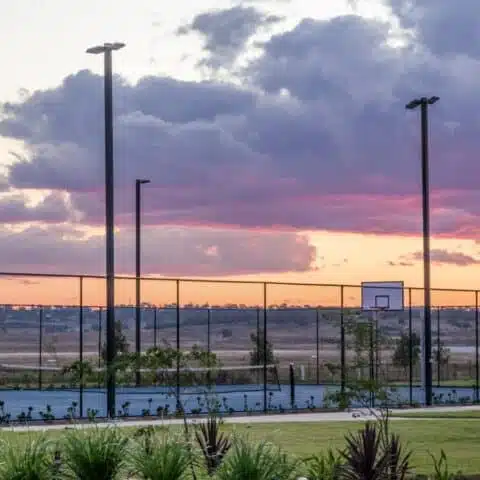
This guide is written for schools, park districts, municipalities, and community sports facilities that need reliable LED lighting for baseball fields, softball fields, soccer fields, and football...
LED Lighting Supply Blog’s written by Dwayne Kula
LED Vapor Proof Lights vs NSF Certified Lights: Differences, Similarities, and How to Choose the Right One
Choosing the correct lighting for harsh or regulated environments is not just about brightness or energy savings. In many facilities, the wrong fixture can lead to safety violations, failed...
Best Applications for HVLS Fans in Commercial and Industrial Facilities
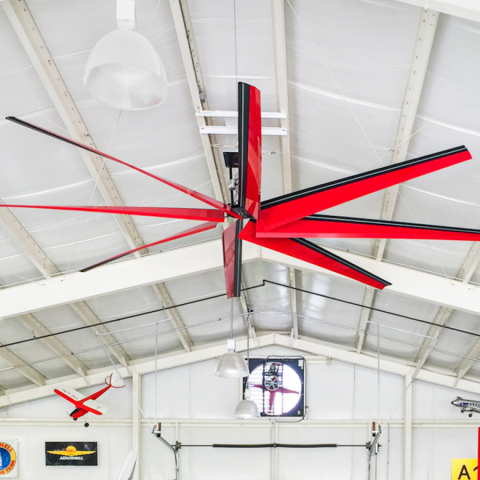
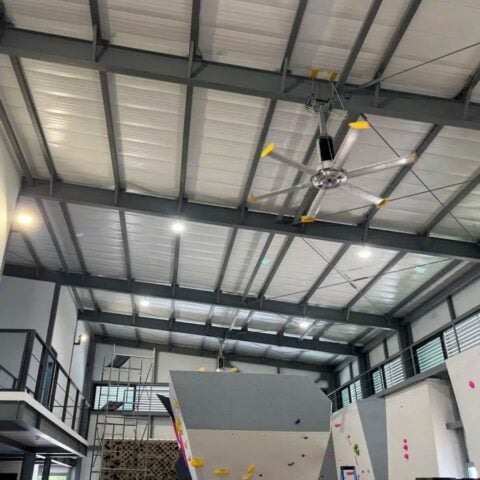
High-volume, low-speed (HVLS) fans are no longer viewed as optional comfort accessories in large facilities. In many commercial and industrial environments, they have become a core building system...
When to Use Vapor Proof Lights vs. Explosion Proof Lights (C1D1 / C1D2)
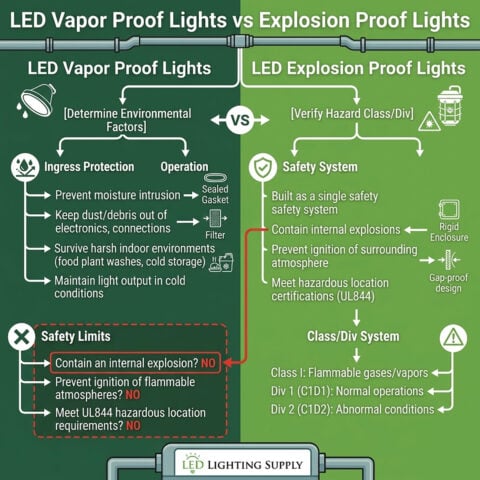
If you work in manufacturing, food processing, cold storage, wastewater, or chemical handling, you’ve probably heard people use the terms vapor proof, vapor tight, hazardous location, and...
The Buyers Guide to Outdoor Security Lighting (Commercial & Industrial)
Outdoor security lighting does more than "make things brighter." When it's selected and positioned correctly, it improves visibility for staff and visitors, helps reduce dark zones around buildings...
Choosing the Right High Bay Fixture for a Gymnasium or Fitness Center
When you’re planning lighting for a school gym, athletic court, or a fitness facility, the fixture type matters for more than just brightness. Ceiling height, layout, and how the space is used...
ATEX Lighting Guide: Understanding Hazardous Location Zones vs Divisions
ATEX and IECEx classifications are frequently misunderstood by North American engineers, electricians, and facility managers. While the NEC Class / Division system is standard in the United States...
Hazardous Location Lighting Classifications Explained: Class I vs Class II, Division 1 vs Division 2, and Groups
Explosion-proof and hazardous location lighting is a code-driven safety decision. In North America, hazardous (classified) locations are defined using the NEC Class / Division / Group system, and...
UFO vs Linear High Bay Lights: How to Choose the Right Fixture for Your Facility
Electricians and facility managers typically choose between UFO high bays and linear high bays for one reason: they solve different problems. UFO fixtures are built for height, durability, and...
Why LED Conversion Makes More Financial Sense in 2026 Than It Did in 2010
LED Lighting Supply has completed over 25,000 commercial lighting projects since 2010, helping facility managers achieve average energy savings of 60-75% through strategic LED conversions. This...
Completed Project Photos
How Much Amp Load Can You Reduce by Replacing Metal Halide with LED?
Quick Answer: Replacing metal halide lighting with LED typically reduces amperage draw by 65-75%. This frees up circuit capacity, reduces panel load, lowers heat generation, and often eliminates the...
Lighting Consumer: Watts, Lumens, or Foot Candles – Which is Most Important?
When selecting LED lighting for your facility, three fundamental measurements drive performance and costs: Watts, Lumens, and Foot Candles. Understanding these specifications helps contractors,...
Best Practices for Electrical Contractors Installing Warehouse Lighting
Warehouse lighting projects present unique challenges for electrical contractors, including mounting height, energy efficiency targets, safety requirements, and long-term reliability. Based on over...
Tunable LED Lighting Guide: Wattage, Color Temperature & Applications
LED lighting technology has evolved dramatically over the past decade, bringing unprecedented efficiency and functionality to commercial and residential applications. Tunable lighting represents one...
Lighting Codes and Standards: A Comprehensive Guide
State and local governments establish building codes as regulations for buildings and other structures. The primary objective of these codes and standards is to protect public safety, health, and...
EPA Wind Rating Map: Everything You Need to Know
High-powered flood lights and LED area lights are essential fixtures for illuminating outdoor areas like streets, sports fields, athletic courts, and parking lots. These applications require tall...
How LEDs Pay for Themselves
One of the most common hurdles for large lighting projects is securing adequate funding. Sports field upgrades may face grant delays, while industrial projects often see budgets redirected to other...
How to Replace 1500 Watt and 2000 Watt Metal Halide Fixtures with LED
What Does it Take to Replace 1500 Watt and 2000 Watt Metal Halide with LED?Quick Answer: A 1500-watt metal halide fixture is typically replaced by a 500 to 750 watt LED delivering approximately...
Microwave vs PIR Motion Sensors: Which is Better?
Lighting controls extend beyond basic dimmers and timers to include sophisticated sensor technologies that automate lighting operations. Two primary sensor types dominate commercial and residential...
Tax Credits for LED Lights: The 179D Tax Deduction
Tax Disclaimer: This content is for general informational purposes only and should not be considered professional tax advice. Tax laws are complex and subject to change. Deduction amounts,...
LED Binning: Guaranteeing Lighting Standards
LED binning is a quality control process that sorts LED chips by color temperature and brightness to ensure consistent lighting performance. This process directly impacts the uniformity and quality...
ESG: Enhancing Your Company’s Strategy with LED
What is ESG?ESG stands for "Environmental, Social, and Governance" - a framework that evaluates companies on sustainability and ethical practices beyond traditional financial metrics. ESG investing...
High Temperature LED Fixtures Engineering: The Science of Managing Heat in LED Lights
Electronic components face significant challenges when exposed to excessive heat, with standard LED fixtures typically failing when ambient temperatures exceed 120-130°F. After 17 years working...
Buyers Guide to LED Baseball and Softball Lighting
Buying Tips for Choosing the Perfect Baseball and Softball LightsBaseball and softball field lighting represents one of our most frequent project types after 17 years in commercial lighting. Modern...
How to Eliminate Lighting Shadows and Achieve Even Illumination with Commercial LED Lights
Lighting shadows, also called tunneling, occurs when uneven light distribution creates noticeably darker areas between fixtures. This common problem affects both indoor and outdoor lighting...
Understanding Watts, Volts, and Amps When It Comes to LED Lighting
Most electrical terminology is related in some way, and understanding the basics makes it easier to navigate lighting specs and electrical conversations. Below are practical definitions and examples...
LED Lighting Standards Testing and Certification: a Comprehensive Guide
Understanding lighting standards, testing, and certifications is essential for making informed purchasing decisions. Different certifications apply to specific regions and product types. This guide...
Nema Beam Spread: Understanding Lighting Distribution
Understanding NEMA Lighting ClassificationsNEMA (National Electrical Manufacturers Association) lighting classifications help lighting professionals select the right fixtures for specific...
What is Dark Sky Compliance and Why it Matters
Dark sky compliance has emerged as a crucial standard in outdoor lighting, driven by the dark-sky movement's mission to reduce light pollution. Light pollution from poorly designed fixtures disrupts...
Spartan Sports Park Case Study: 65% Energy Cost Savings & Enhanced Light Levels
Commercial LED Flood Lighting Buyers Guide: Selection, Optics, and Applications
Selecting and purchasing flood lights to illuminate outdoor areas can be a tricky endeavor. Why is that? It's because the term "flood light" is very general. The type of flood light fixture that you...
Buyers Guide to LED Stadium and Sports Field Lighting
Helpful Tips Before Purchasing LED Sports Field LightingOutdoor athletic events draw massive crowds worldwide, from weekend Little League games to professional soccer matches and evening concerts....
Buyers Guide to LED Warehouse Lighting
Commercial and industrial warehouses across the nation are discovering substantial energy savings by upgrading to LED warehouse lighting systems. Over my 17 years in commercial lighting, I've...
How to Choose LED High Bay Lights
Industrial and commercial facilities struggling with outdated metal halide and high-pressure sodium lighting now have access to proven LED high bay technology that delivers consistent performance...
Metal Halide to LED Conversion Guide: Retrofit Kits vs Full Fixture Replacement
Upgrading metal halide (MH) lighting to LED is one of the fastest ways to reduce energy use, improve light quality, and cut maintenance in commercial and industrial spaces. In many facilities, the...
Buyers Guide to LED Parking Lot Lights
Commercial property owners understand that proper parking lot illumination goes beyond basic visibility-it's essential for safety, security, and creating a welcoming environment. LED technology...
Buyers Guide to LED Low Bays
What are Low Bays?Low Bay fixtures serve as primary illumination for indoor commercial spaces with ceiling heights ranging from 10 to 20 feet. We typically see these installed in retail stores,...
Food Processing LED Lighting Requirements: NSF Certification, IP Ratings, and Compliance
Everything in the food and beverage manufacturing industry must be tested and approved for safe use around the products we consume, even the lighting. Understanding food processing lighting...
Buyers Guide to Commercial LED Natatorium Lighting
Navigating Swimming Pool LightingCommercial natatoriums and indoor swimming pools demand specialized lighting solutions that withstand harsh, humid environments while delivering precise illumination...
High Bays vs Low Bays: How to Choose the Best Option
Before we discuss the differences between LED high bays and low bays, it is essential to understand bay lighting. Bay lights are light fixtures used to illuminate relatively large areas. They are...
Why Upgrade to LED Lighting?
Modern technology has transformed efficiency across industries, from smartphones to fuel-efficient vehicles. LED lighting represents one of the most effective upgrades your commercial facility can...
Converting Fluorescent Tube Light to LED – Upgrade Your Shop Lights
If you’re still using fluorescent fixtures in your facility or workshop, you’re not alone-fluorescents have been a common standard for decades. But rising energy costs, frequent...
Buyers Guide to LED Street Lighting
LEDs Make Streets BrighterStreet lights serve a critical function in illuminating walkways, driveways, and roadways to ensure safe navigation for both drivers and pedestrians. Making objects clearly...
Metal Halide vs LED Lighting: Energy Savings, Efficiency, and Cost Comparison
Converting from Metal Halide Lamp (HID) lighting to LED lighting typically saves money on energy costs. LED stands for "light-emitting diode," and LEDs work by passing electrical current through a...
LED Lumens Explained: Understanding Brightness, Efficiency, and Light Quality
LED Lumens - There is No ComparisonLED lighting has become the dominant technology across residential, commercial, and industrial applications due to measurable improvements in efficiency,...
Pitfalls of Buying LED: Avoid Bad Purchases
Many commercial and industrial facility owners are considering replacing their Metal Halide lighting or converting fluorescent lights to LED. When upgrading your lighting system to LED, there are...
The Cost of Not Converting to LED Lights
Converting to LED delivers quantifiable returns that many facility managers underestimate. After 17 years specializing in commercial lighting upgrades, we've documented energy savings typically...
250W Metal Halide LED Replacement
What Does it Take to Replace a 250-Watt Metal Halide?Too bright is as bad as too dim. Trying to find the right solution can be daunting. Luckily, we're here to help.What LED Wattage Replaces a...
LED Frequently Asked Questions
Commercial Indoor & Outdoor LED Lighting FAQsWhat is commercial LED lighting?Commercial LED lighting includes fixtures designed for offices, retail, schools, and building exteriors with higher...
LED vs Fluorescent Office Lighting
What's the Best Lighting for an Office Environment?Office lighting requires balancing multiple factors. You'll need sufficient brightness for detailed tasks while avoiding glare that can cause eye...
IK Impact Rating Chart for LED Light Fixtures
LED lights are commonly used in commercial lighting, industrial lighting, and sports lighting applications. They are typical lighting that you find in common commercial and industrial applications:...
What is an LED? Complete Guide to LED Technology
LEDs, or Light-Emitting Diodes, are semiconductor electronic devices that produce visible light when an electrical current passes through them. Originally developed as simple indicator lights, LEDs...
IP Rating and LED Light Fixtures
Shopping for LED commercial and industrial lighting can be confusing. There are many factors to consider, but the good news is that you've already made a great choice by deciding to switch to LED...
Metal Halide Fixtures: Components, Applications, and LED Conversion Guide
A metal halide fixture is a commercial or industrial lighting system with five essential components:Fixture type - Including high bays, shoeboxes, flood lights, wall packs, and canopy lightsHID bulb...
LED Lighting Tips: Color Temperature, Retrofits, Wattage, Rebates & More
We compiled a comprehensive collection of LED lighting insights based on 17 years of commercial and industrial lighting experience. These tips cover everything from retrofitting existing fixtures to...
Lighting Guide for Education Institutions
Professional lighting design is critical for educational institutions, where proper illumination directly impacts student concentration, safety, and learning outcomes. Research indicates that...
Selecting the Best LED Lighting for Different Types of Sports Venues
Many professional teams across major American sports leagues (NHL, NBA, MLB, and NFL) have upgraded their arenas and stadiums with LED sports lighting, replacing outdated metal halide fixtures. This...
LED Lighting Controls: Motion Sensors, Dimmers, and Smart Systems for Energy Savings
LED lighting technology paired with automated controls can significantly reduce energy consumption in commercial and industrial facilities. Professional lighting controls-including motion sensors,...
Replacing a 400 Watt Metal Halide with LED: Wattage, Lumens, and Real-World Savings
What Does it Take to Replace 400 Watts Metal Halide Bulb with an LED?Converting from 400-watt metal halide to LED involves more than simply matching wattage numbers. After 15+ years in commercial...
LED Active Cooling vs Passive Cooling
LED lights achieve efficiency rates of up to 80% energy savings compared to traditional incandescent, fluorescent, or HID bulbs. While LEDs convert most energy into light rather than heat, they...
Lumens to Watts Conversion – Never Buy Based on Watts
This is a common message we try to impart to our customers when they call us. For example, it is not uncommon for us to get a call to quote a price on high bays and be told they need a price on a...
Recycle Fluorescent Tubes: Proper Steps & Tips
You'll find tube lights in many applications, such as office buildings, hallways, garages, and anywhere that has a low, flat ceiling. Fluorescent tubes are common in warehouse fixtures, you will see...
LED Replacement for 1000W Metal Halide: Power Requirements and Specifications
A 1000-watt metal halide fixture typically requires a 300 to 400 watt LED replacement producing approximately 45,000-65,000 lumens. This can deliver up to 70% energy savings while improving light...
Lumen Depreciation and LED Lighting
When replacing lighting systems, the goal is to reduce operating costs while maintaining or improving light quality. Three primary strategies can help achieve this:Switching from less efficient...
Using S/P Ratios to Convert HPS and Metal Halide to LED
After 17 years of helping customers convert from traditional lighting, one of the most common questions we get is: “What LED lumen output replaces my Metal Halide or High-Pressure...
Do Dimmer Switches Save Power?
What is a Dimmer Switch?Dimmer switches allow you to adjust the light output of fixtures, giving you precise control over illumination levels in commercial and industrial spaces. This control...
How to Calculate Lumens Per Watt
LED Wattage for Replacing Existing LightingThis question comes up constantly in our lighting consultations. Most people instinctively compare wattages when switching to LED, but this approach will...
How To Read LED Light Specifications: Lumens, Watts, & Other Metrics Explained
Selecting the right LED lighting requires understanding key specifications that determine performance, efficiency, and suitability for your application. This guide explains the critical ratings and...
Lighting Maintenance Factor Explained
What Does Maintenance Factor Mean?The Maintenance Factor (MF) is a critical calculation for LED lighting design in industrial and commercial facilities. This factor predicts how lighting performance...
Lighting Terminology Glossary
Professional lighting terminology guide: This comprehensive glossary defines key lighting industry terms for contractors, facility managers, and engineers. For electrical installations, always...
Understanding Pupil Lumens: Why LED Lights Appear Brighter Than Their Lumen Rating Suggests
Pupil Lumens is a concept that is not well-known outside of the lighting industry, but it is an important aspect to consider for lighting upgrades. Here is a helpful example: Recently, a warehouse...
Energy Efficient Lights for Warehouse Applications
Efficient warehousing is an integral component of modern supply chain strategy. As facilities scale and operations accelerate, warehouse environments demand lighting systems that support safety,...
How to Reduce Your Carbon Footprint
Carbon footprint measures the total greenhouse gas emissions generated by a facility's energy consumption. For commercial and industrial operations, electricity usage represents one of the largest...