Recycle Fluorescent Tubes: Proper Steps & Tips
You’ll find fluorescent tube lights in many applications, such as office buildings, hallways, garages, warehouses, and other spaces with fluorescent fixtures. Fluorescent tubes contain a small amount of mercury, so handle and recycle them carefully to avoid breakage and improper disposal. Whether you are replacing failed fluorescent tubes or upgrading an existing fluorescent fixture to LED, there is a proper way to do it.
By following these steps, you can reduce the risk of breakage and help keep mercury-containing lamps out of the waste stream. Let’s answer some common questions about handling, recycling, and replacing fluorescent tubes.

Why Does Recycling Fluorescent Tubes Matter?
Fluorescent lamps contain mercury and should not be placed in ordinary trash where recycling or hazardous-waste rules require separate handling. Recycling helps recover materials such as glass and metal and helps prevent mercury from being released into the environment through breakage or improper disposal.
Disposal requirements vary by state, municipality, and whether the lamps come from a household or business. Check with your local solid-waste agency, environmental agency, or recycling provider for the requirements that apply to your location.
How Should I Handle Fluorescent Tubes?
When removing intact fluorescent tubes, turn off power to the fixture, allow the lamps to cool if necessary, and use a stable ladder or lift appropriate for the work. Handle each tube carefully, place it in suitable protective packaging or a lamp-recycling container, and keep it from rolling or being crushed during transport.
If a fluorescent tube breaks, follow current EPA broken-lamp cleanup guidance. The basic steps include:
- Have people and pets leave the room, and air out the area for 5 to 10 minutes if possible.
- Shut off central forced-air heating or air conditioning while cleaning, if practical, to help avoid spreading particles.
- Do not vacuum or sweep with a broom. These methods can spread mercury-containing powder and glass.
- Wear disposable gloves. Use stiff paper or cardboard to collect glass and powder, use sticky tape for small pieces, and wipe the area with damp paper towels or wet wipes.
- Place cleanup materials, including gloves and tape, in a sealed container or bag. Follow local instructions for disposal or recycling of the broken lamp and cleanup materials.
- After the initial cleanup, continue ventilating the room for several hours when practical. If vacuuming is needed later, EPA recommends doing so only after the initial cleanup is complete and disposing of the vacuum bag or emptying the canister outdoors afterward.
For a large breakage, a break in carpeting or difficult-to-clean surfaces, or a workplace release, consult your environmental health and safety procedures and applicable local requirements.
Where Can You Recycle Fluorescent Light Bulbs and Tubes?
You will need to find a recycling or household hazardous-waste drop-off location that accepts fluorescent lamps. The easiest way to find a location near you is to check out the Earth911 website. Search for “fluorescent” or “CFL” along with your location to identify nearby recycling options.
You can also contact your local waste authority, hazardous-waste program, lighting distributor, or lamp recycler. Before transporting lamps, confirm that the location accepts fluorescent tubes, ask about quantity limits or packaging requirements, and keep the tubes protected from breakage.
What Will Replace Your Existing Tubes?
If you are recycling fluorescent tubes, consider whether replacing them with more fluorescent lamps is the best long-term option. LED lighting does not contain mercury in the lamp and can reduce energy use and maintenance needs when the right product is selected for the application.
Common LED upgrade options include:
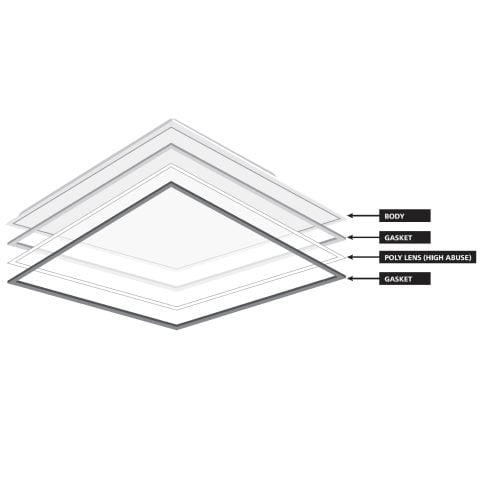
- Replacing the entire fluorescent fixture with LED panels and troffers
- Retrofitting a compatible fluorescent fixture with LED tubes. You can choose a clear or frosted Lens
LED tube compatibility varies by model. Some LED tubes work with compatible ballasts, while others require ballast bypass or fixture rewiring. Verify the exact lamp, fixture, voltage, wiring method, listing, and manufacturer instructions before installation. Ballast-bypass conversions should be completed by a qualified electrical professional in accordance with applicable electrical requirements.