LED Padel Court Lighting
- Fixture options for indoor ceiling-mount or outdoor pole-mount layouts
- Selection support for court type, play level, and glare control
- Compatible with switching, dimming, or court-by-court controls on select models


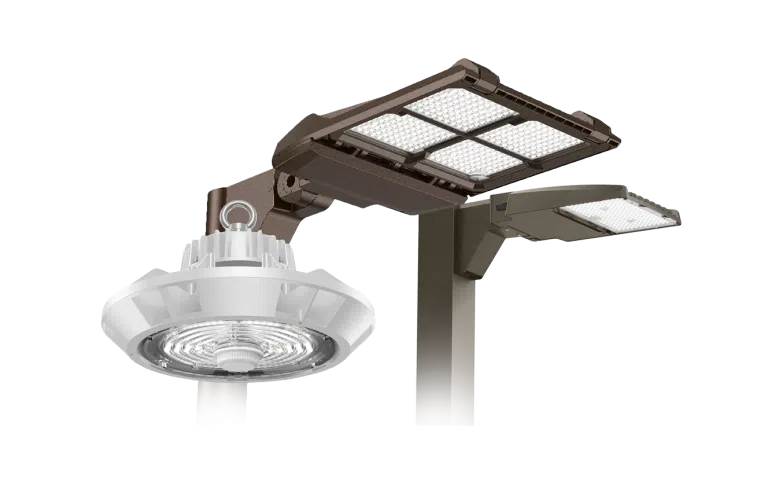
Get Your Custom Lighting Plan With Product Recommendations
- Court Layout Designed for Uniform Coverage, Glare Control, and Glass-Wall Visibility
- Fixture Selection Matched to Mounting Height, Optics, and Indoor or Outdoor Court Use
- LED Fixtures Can Reduce Energy Use and Maintenance Compared With Metal Halide Systems


Our LED Padel Court Lights include sports lights, flood lights, high bays, low bays, and linear high bays for indoor and outdoor court installations. Available models vary by fixture type, optics, beam angle, voltage, dimming, controls, and mounting method, including ceiling-mounted, structure-mounted, and pole-mounted configurations.
These fixtures are commonly used in indoor padel facilities, outdoor padel courts, club courts, recreational courts, competition courts, and multi-court sports complexes.
-
 Starting At $358.44
-
Starting At $539.94




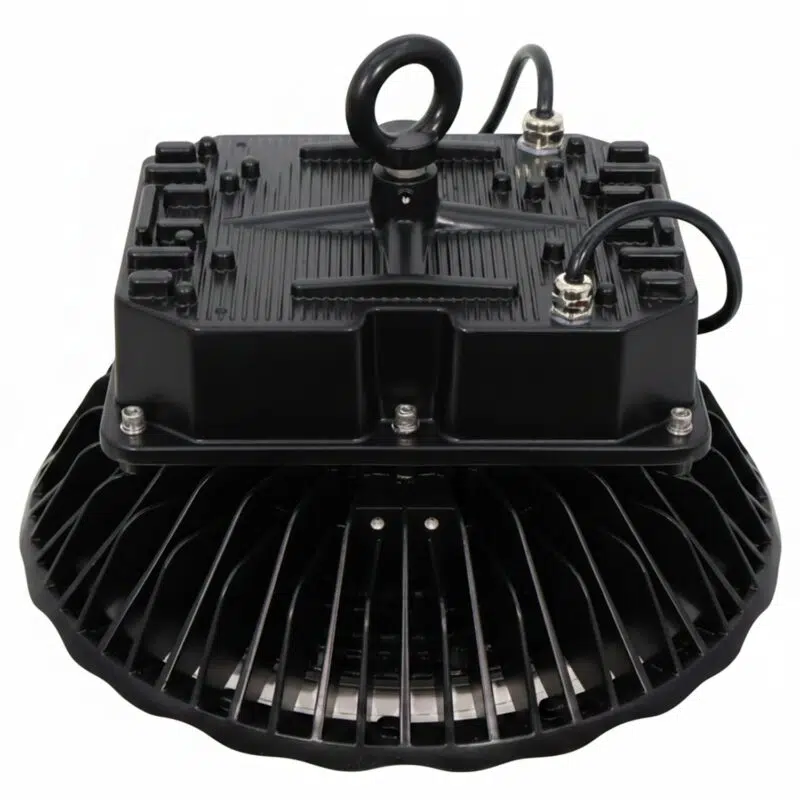
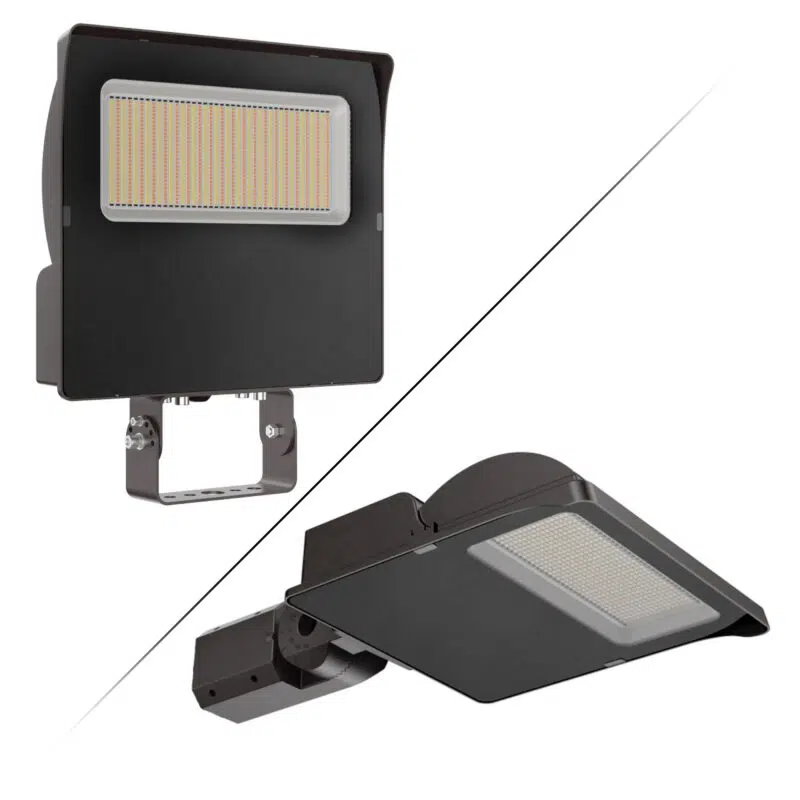
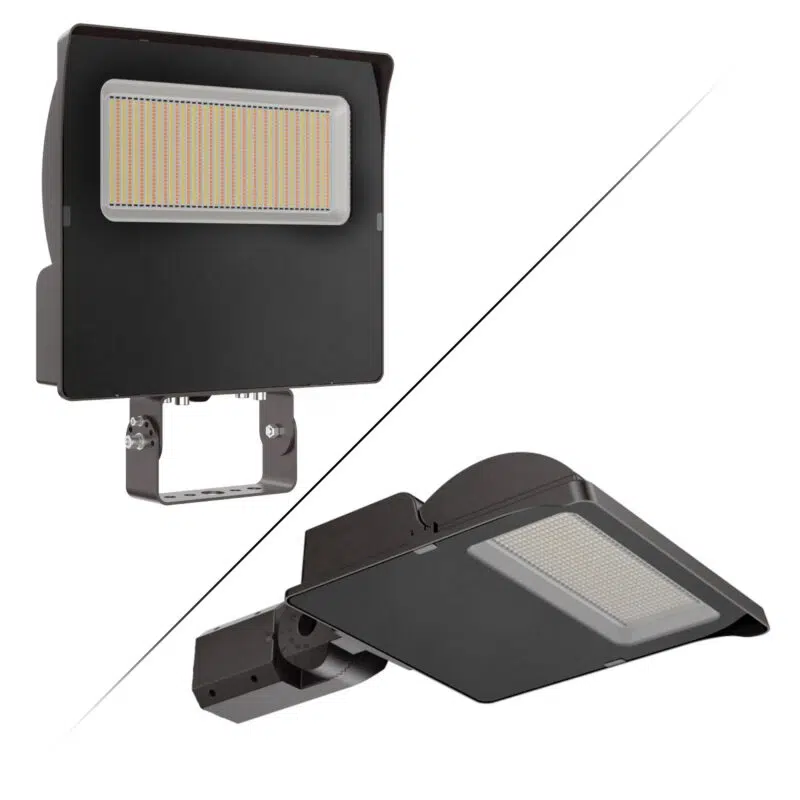
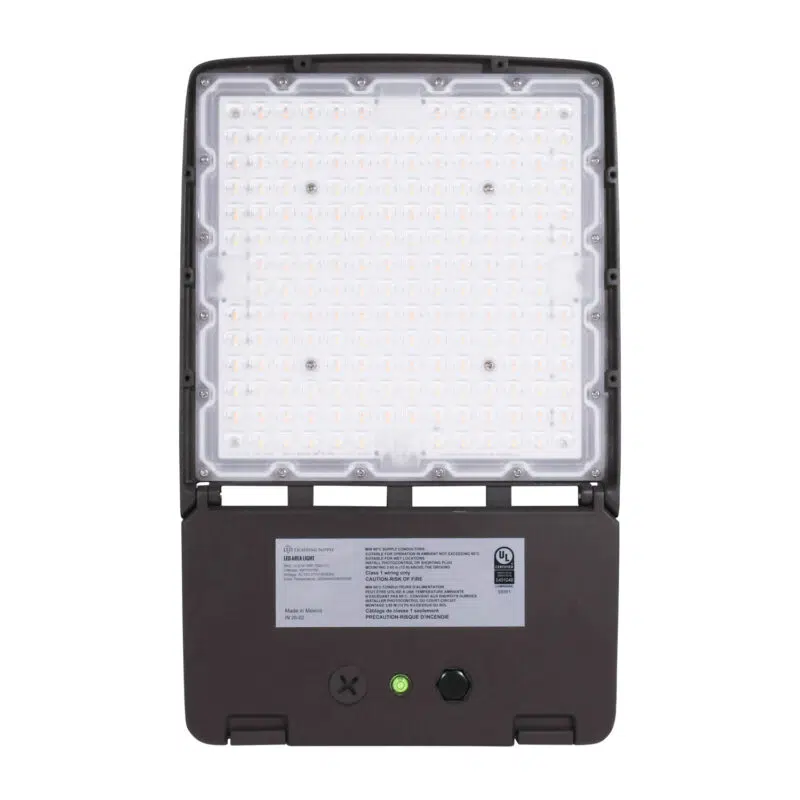

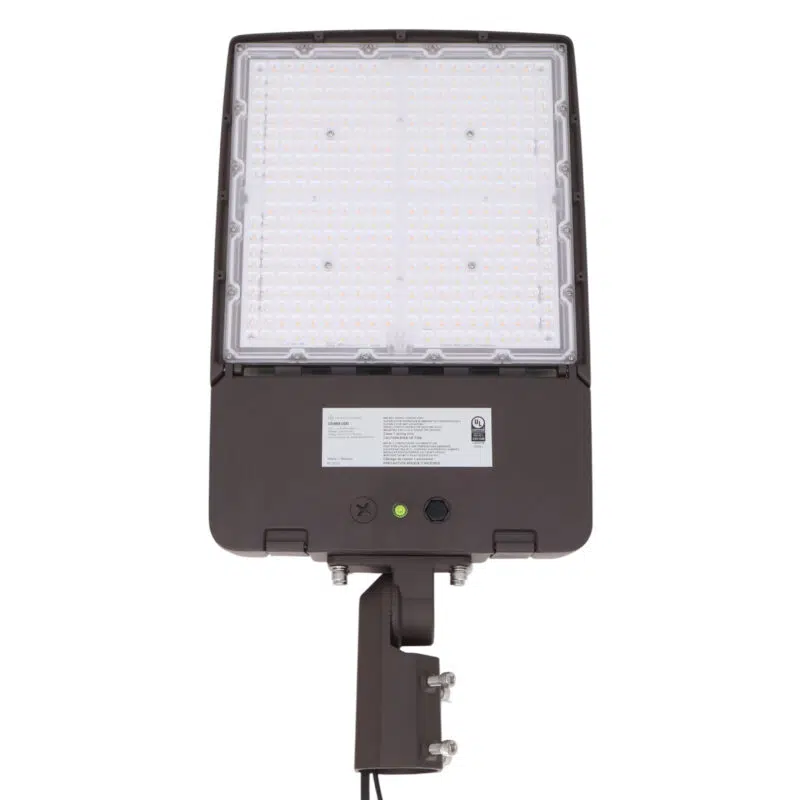


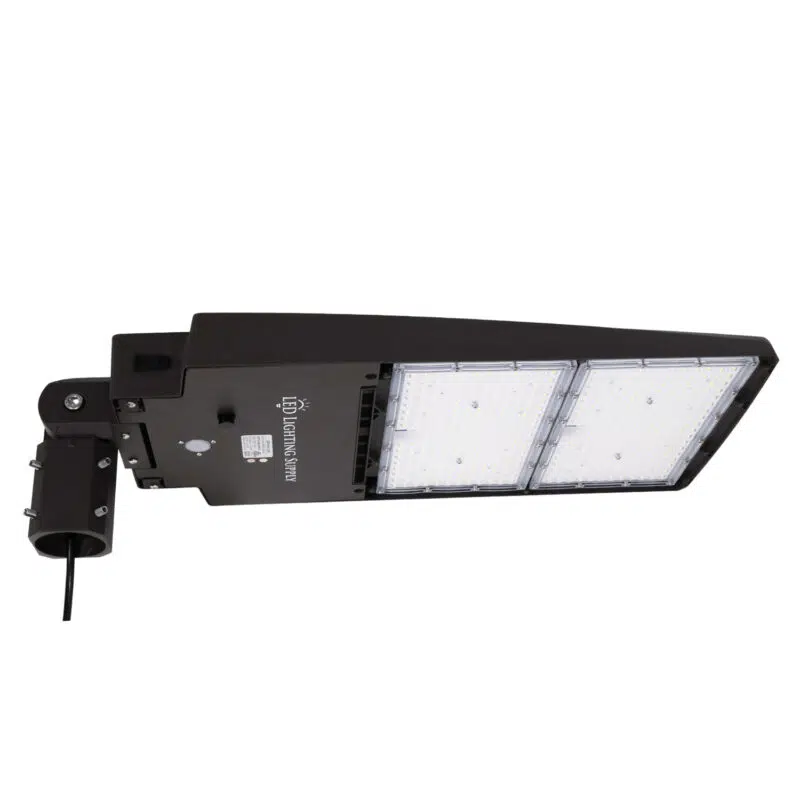
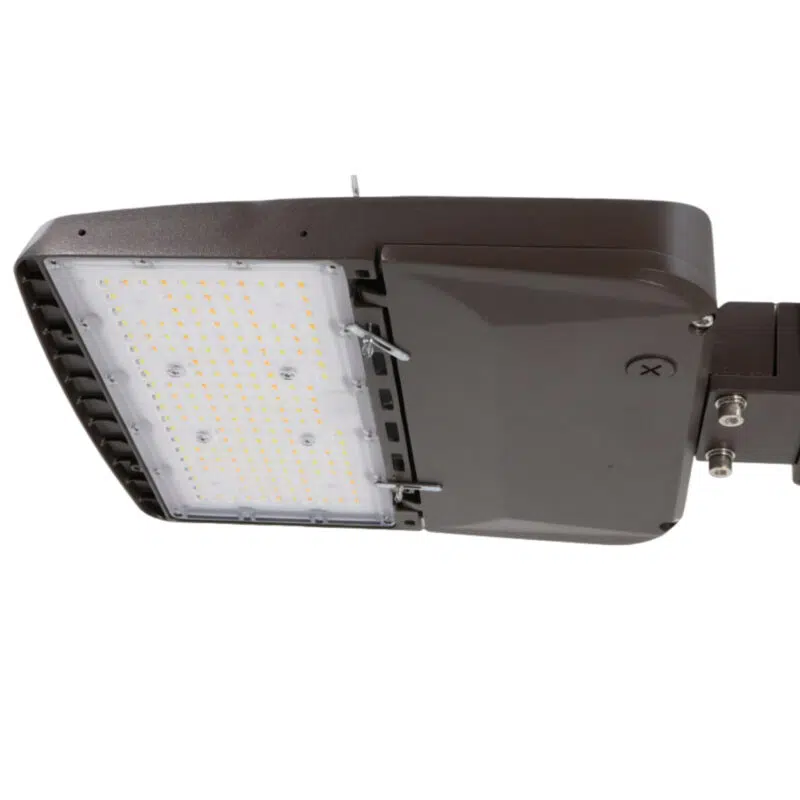
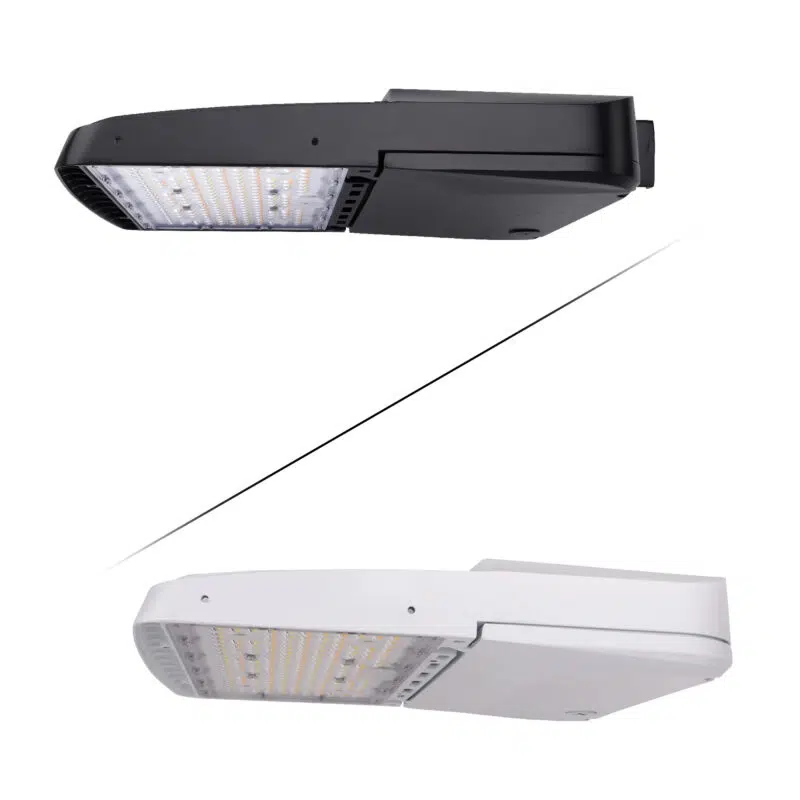

LED Padel Court Lighting for Indoor and Outdoor Courts
LED padel court lighting is used for indoor padel facilities, outdoor padel courts, club courts, recreational courts, competition courts, and multi-court sports complexes. Padel lighting needs to support fast ball tracking, player visibility, glass-wall visibility, spectator comfort, and safe movement around the court.
Choose LED padel court lights by first confirming whether the court is indoor or outdoor, the level of play, and the available ceiling or pole height. Then review fixture type, placement, optics, aiming, glare, shadows, glass-wall reflections, spill light, and multi-court controls. Indoor padel courts usually use ceiling-mounted LED high bays, low bays, or linear sports fixtures, while outdoor courts usually use pole-mounted LED sports lights, flood lights, or carefully aimed area fixtures.
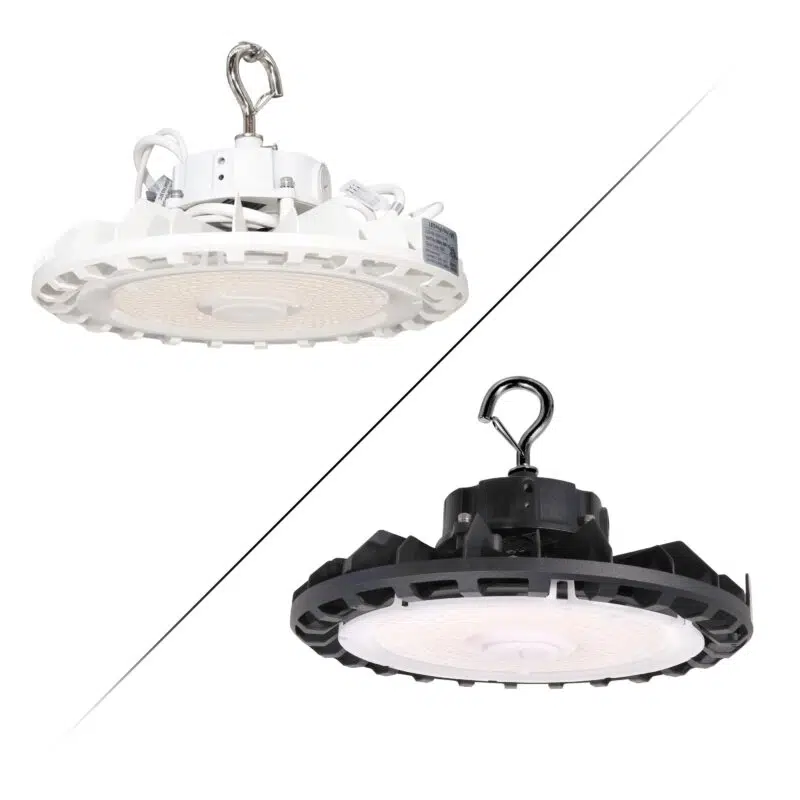
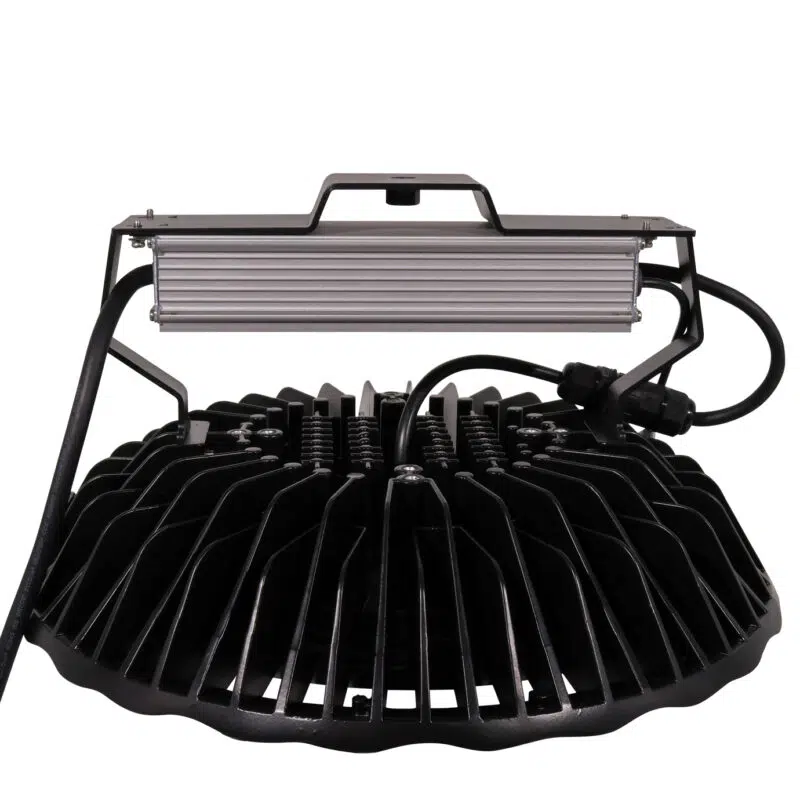
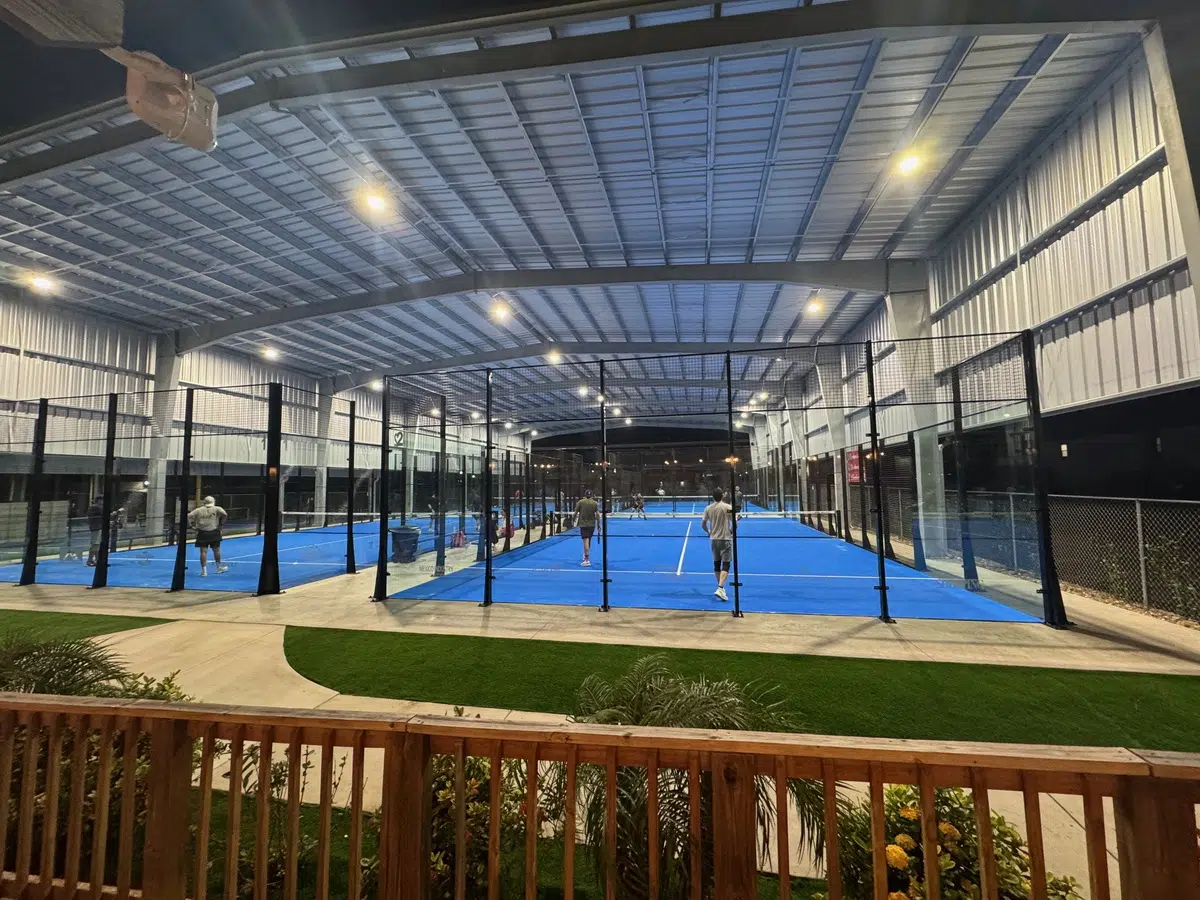
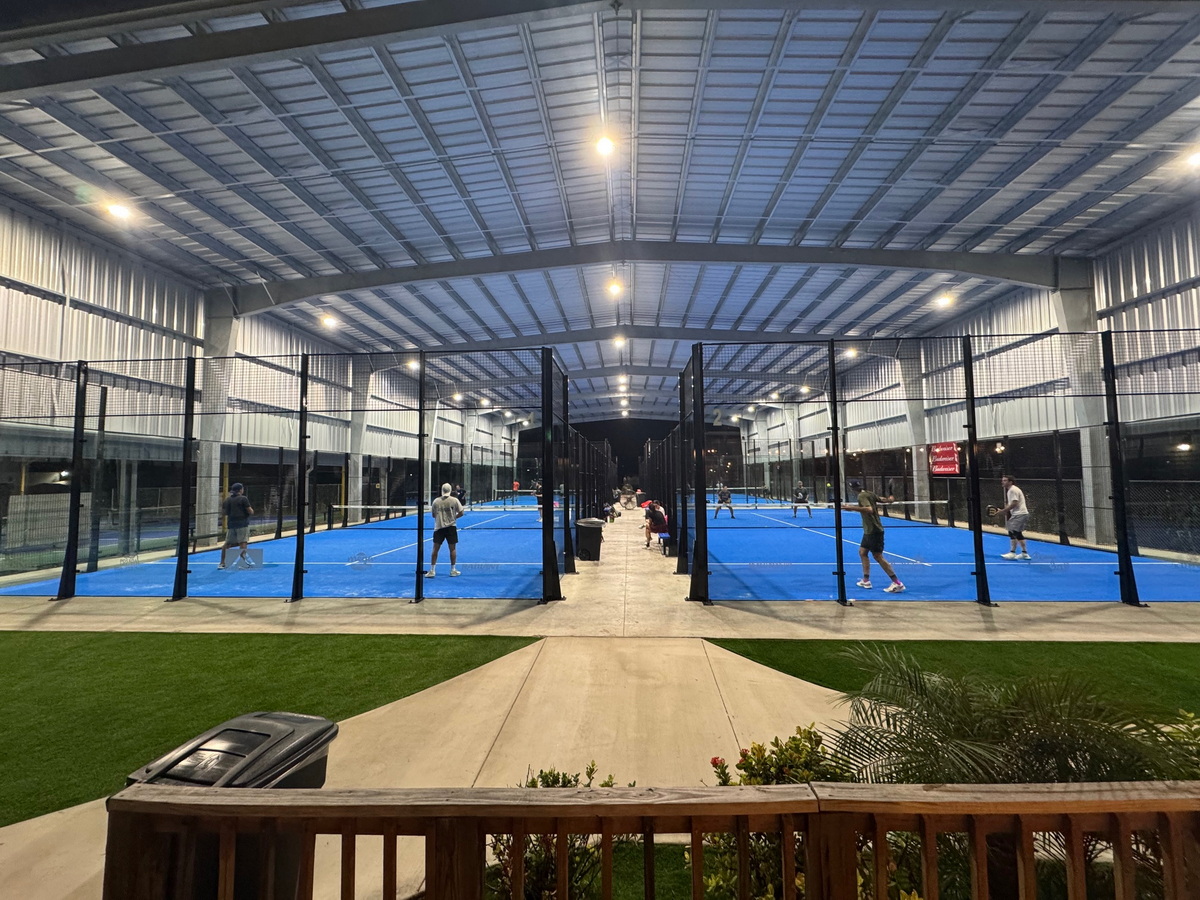
Case Study: Lighting up a new Incredibowl Covered Paddle Courts with LED Lighting Supply 120 / 160 / 200 Watt Adjustable UFO High Bay in Mission, TX
|
After: 120 / 160 / 200 Watt Adjustable UFO High Bay | 19800 to 33000 Lumens |
After: 120 / 160 / 200 Watt Adjustable UFO High Bay | 19800 to 33000 Lumens |
 |
 |
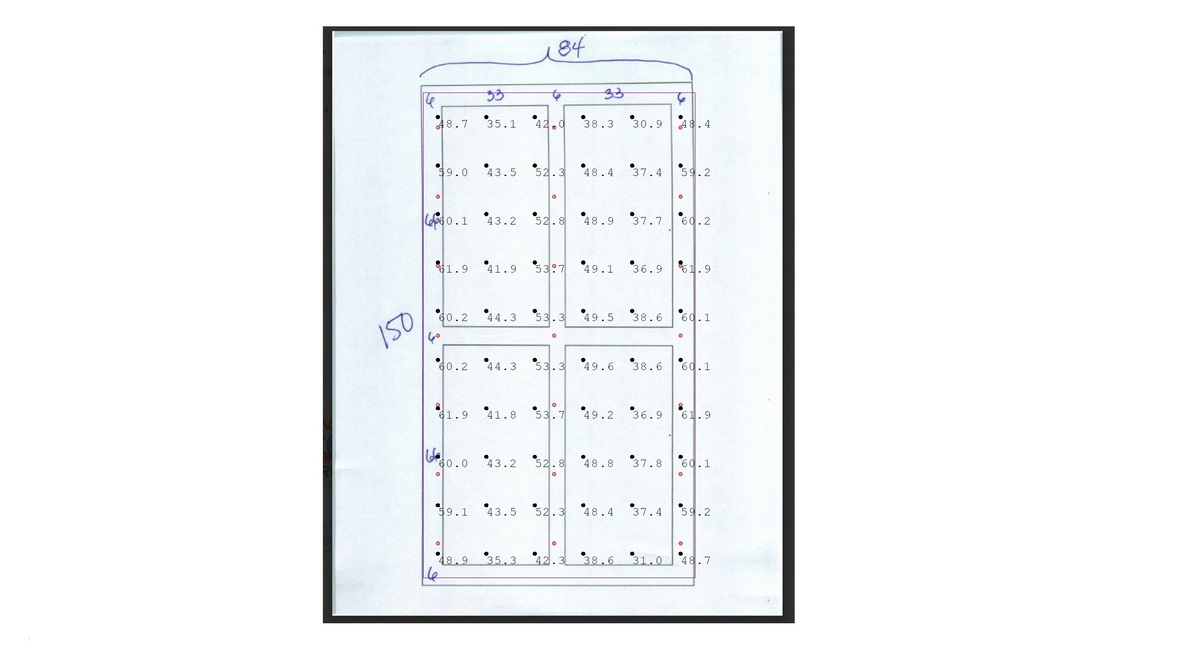
Lighting Plan We Created for the Customer
|
Lighting Plan |
Heat Map |
 |
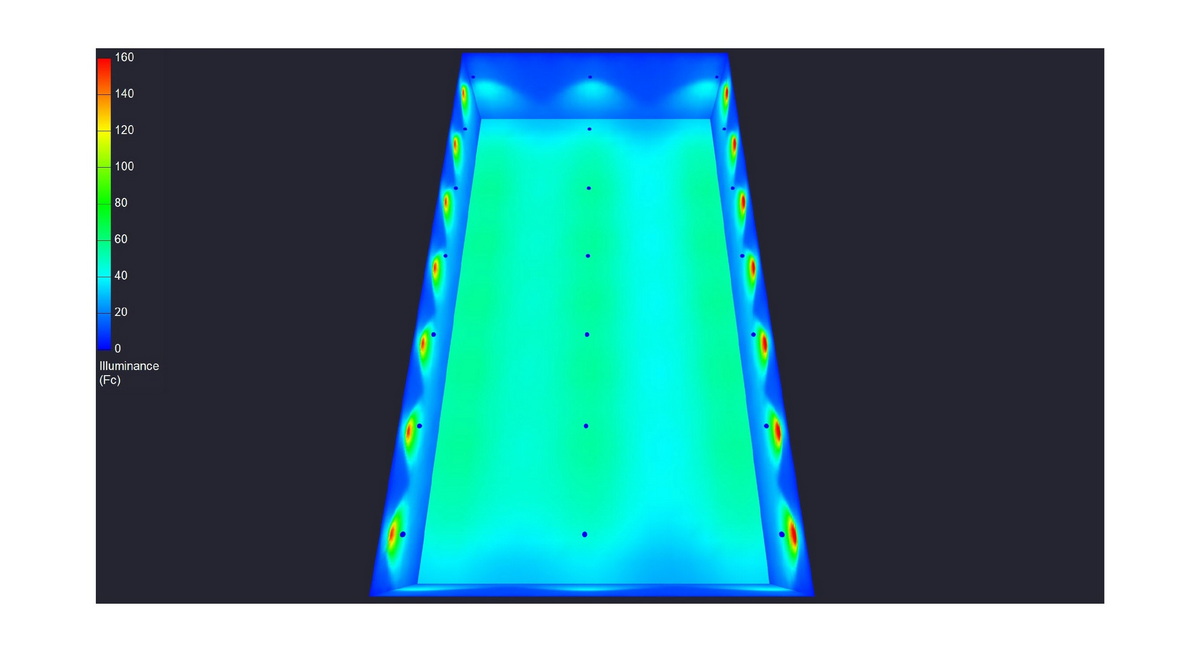 |
Outdoor Covered Paddleball Court Lighting Installation Plan Metrics
- Mounting height: 26 ft
- Fixture Used: LLS-HB-200A-CC-[C]: 120 / 160 / 200 Watt Adjustable UFO High Bay | 19800 to 33000 Lumens | 4000K / 5000K | 100-277V | White or Black Housing
- FC achieved: 48.61 fc average
- Uniformity (Avg/Min): 1.57
Selection and Installation Note: Product specifications, wattage, lumen output, optics, beam angle, color temperature, voltage, dimming, controls, mounting method, pole height, fixture aiming, certifications, environmental rating, and warranty coverage vary by model. Confirm the selected product specification before ordering. For padel courts, multi-court sports facilities, outdoor pole-mounted lights, indoor court lighting, electrical upgrades, or code-sensitive areas, verify requirements with your facility team, project specifier, local inspector, sports lighting designer when needed, or a licensed electrical professional.
Recommended Foot-Candles for Padel Court Lighting
Padel court light levels vary by recreational, club, or competition use. Indoor and outdoor layouts also require different fixture placement because glass walls, court enclosures, ceiling height, pole height, glare, and shadows all affect player visibility. The ranges below are general planning values.

Indoor vs. Outdoor Padel Court Lighting
Indoor and outdoor padel courts use different fixture strategies. Indoor courts depend on ceiling height and fixture placement above or near the court. Outdoor courts depend on pole height, aiming, glare control, weather exposure, and spill-light limits.
| Court Type | Lighting Priorities |
|---|---|
| Indoor padel courts | Use ceiling-mounted or structure-mounted fixtures that provide even court coverage without harsh glare on glass walls, ceilings, or player sightlines. Confirm ceiling height, fixture layout, court spacing, and maintenance access. |
| Outdoor padel courts | Use pole-mounted LED sports lights or flood lights with controlled aiming. Confirm padel court light poles, pole height, fixture quantity, wind exposure, neighboring properties, glare, spill light, and local requirements. |
| Multi-court facilities | Review court-to-court spacing, pole sharing, fixture aiming, glare between courts, controls by court, and whether each court can operate independently. |
| Club and competition courts | Prioritize higher uniformity, better glare control, clear ball tracking, and consistent color temperature across the playing area. |
Common LED Fixtures Used for Padel Courts
Padel courts may use LED sports lights, flood lights, high bays, low bays, or linear high bays depending on whether the court is indoors or outdoors. Fixture selection should focus on court visibility and glare control rather than wattage alone.
| Fixture Type | Where It Fits Best |
|---|---|
| LED sports lights | Used for outdoor padel courts, club courts, and competition courts where aiming, uniformity, glare control, and pole height matter. |
| LED flood lights | Used for outdoor courts and smaller recreational padel facilities when the fixture has appropriate optics, aiming, weather rating, and glare control. |
| LED high bays | Used in taller indoor padel buildings where ceiling height allows overhead lighting with even court coverage. |
| LED low bays | Used in lower-ceiling indoor padel facilities where high bay fixtures would be too intense or poorly placed. |
| Linear high bays | Useful in indoor multi-court layouts where long, even distribution helps reduce shadows across court surfaces. |
| LED shoebox lights | May be used for surrounding site areas, walkways, parking, or some recreational court layouts when optics and glare are appropriate. |
How to Choose LED Padel Court Lights
Padel lighting should be selected around court layout, level of play, fixture position, and glare. Because padel courts have glass walls and fast ball movement, poor fixture placement can make the court bright but still difficult to play on.
| Selection Factor | What to Confirm |
|---|---|
| Indoor or outdoor court | Confirm whether the court uses ceiling-mounted fixtures, pole-mounted fixtures, wall/structure mounting, or a shared multi-court layout. |
| Level of play | Recreational, club, and competition courts may require different light levels, uniformity, glare control, and fixture placement. |
| Glass walls and reflections | Review fixture location and aiming so light does not create distracting reflections on glass walls or glare in player sightlines. |
| Uniformity | The court should not have bright hot spots and dark zones. Uniform light helps with ball tracking and player movement. |
| Pole height or ceiling height | Outdoor courts need pole height and aiming review. Indoor courts need ceiling height, fixture spacing, and maintenance access review. |
| Beam angle and optics | Match the beam pattern to the court size, mounting height, and fixture location. More lumen output does not fix the wrong optic. |
| Spill light and neighboring properties | Outdoor padel courts near homes, roads, businesses, or other courts may need shielding, careful aiming, and local requirement review. |
| Controls | Multi-court facilities may need switching, dimming, scheduling, or controls by court. Confirm driver compatibility and facility operation. |
| Weather and impact exposure | Outdoor fixtures should be selected for wet location use, wind exposure, corrosion exposure, surge protection, and impact risk. |
Padel Court Lighting by Play Level
Light level targets should match how the court is used. A recreational court does not need the same lighting strategy as a competition court, and a multi-court club may need more consistent uniformity than a single private court.
| Play Level | Lighting Priorities |
|---|---|
| Recreational padel | Comfortable light for casual play, safe movement, and basic ball tracking without excessive glare or over-lighting. |
| Club level padel | Stronger uniformity for lessons, leagues, regular evening play, and multi-court use. |
| Competition padel | Higher light levels, better uniformity, controlled glare, consistent color temperature, and clear player and ball visibility. |
| Spectator and viewing areas | Comfortable lighting for seating, circulation, and safe movement without glare onto the court or into player sightlines. |
Other Court Lighting Solutions
Padel lighting is related to other court lighting applications, but fixture layout and aiming should still be reviewed for the actual court. If your project is not a padel court, these related pages may be a better fit:
Benefits of LED Padel Court Lighting
- Potential energy savings: LED fixtures can reduce energy use compared with older metal halide systems. Actual savings depend on fixture wattage, operating hours, controls, electric rates, and the existing system.
- Fast restart after power interruptions: LED fixtures generally reach full light output quickly, unlike metal halide systems that may require restrike time after an outage.
- Fewer lamp and ballast service needs: LED systems do not use the lamps and ballasts commonly replaced in metal halide lighting. Expected maintenance needs still depend on the fixture, environment, operating hours, and access conditions.
- Retrofit flexibility: LED options are available for ceiling, structure, and pole-mounted applications, which may help facilities modernize existing courts or plan new installations.
- Operating flexibility: Compatible fixtures and controls can allow facilities to schedule lighting, reduce output during non-competitive use, or operate courts independently where the system is designed for those functions.
Common Padel Court Lighting Mistakes
- Copying a tennis or pickleball layout without review: Padel courts have different enclosures, glass walls, and play dynamics that affect glare and visibility.
- Choosing by wattage alone: Wattage does not confirm foot-candles, uniformity, glare control, beam angle, or court coverage.
- Ignoring glass reflections: Poor fixture placement can create distracting reflections on glass walls and affect player visibility.
- Using too few fixtures: Under-lighting can create dark zones, while poor aiming can create bright spots and glare.
- Overlooking neighboring properties: Outdoor padel courts may need shielding or careful aiming to reduce spill light.
- Not planning controls by court: Multi-court clubs often benefit from switching or dimming by court instead of controlling all courts together.
- Forgetting maintenance access: Indoor ceiling-mounted fixtures and outdoor pole-mounted fixtures should be selected with future service access in mind.
Padel Court Lighting Certifications and Warranty Support
Safety certifications, environmental ratings, and controls features vary by product. Selected LED padel court lighting models may carry a listing or certification from a Nationally Recognized Testing Laboratory, such as UL Solutions, Intertek/ETL, or CSA Group. Confirm the exact product marking and installation requirements before ordering.
Some models may be DLC or DLC Premium qualified, which can support utility-rebate eligibility where available. DLC qualification is an efficiency and performance program rather than an electrical safety certification. Rebate requirements vary by utility, region, installation, and current product listing, so confirm eligibility before purchase.
Warranty terms vary by fixture and manufacturer. Before purchase, confirm the selected fixture’s warranty, certifications, DLC status where applicable, voltage, controls compatibility, mounting method, wet-location or environmental rating, and suitability for the court layout and surrounding conditions.
Contact us about LED padel court lighting, and our Product Specialists can help review indoor or outdoor layout, level of play, fixture type, light level, mounting height, pole layout, glare, controls, and product specifications.
LED Padel Court Lighting FAQs
How Do Indoor And Outdoor Padel Court Lighting Strategies Differ?
Indoor padel courts usually use ceiling-mounted LED high bays, low bays, or linear sports fixtures, while outdoor courts usually use pole-mounted LED sports lights, flood lights, or carefully aimed area fixtures. Indoor planning depends on ceiling height and fixture placement, while outdoor planning includes pole height, aiming, glare control, weather exposure, and spill-light limits.
How Should I Choose LED Fixtures For A Padel Court?
Choose LED padel court fixtures based on court layout, level of play, fixture position, and glare rather than wattage alone. Fixture selection should also account for glass walls, reflections, uniformity, mounting height, beam angle, optics, and whether the court is indoors or outdoors.
Why Is Fixture Placement Important Around Padel Court Glass Walls?
Fixture location and aiming should be reviewed so lighting does not create distracting reflections on glass walls or glare in player sightlines. Poor fixture placement can make a court bright but still difficult to play on.
What Lighting Priorities Apply To Club And Competition Padel Courts?
Club and competition padel courts prioritize stronger or higher uniformity, glare control, clear ball tracking, and consistent color temperature across the playing area. Competition courts also call for higher light levels and clear player and ball visibility.
What Should Multi-Court Padel Facilities Review Before Selecting Lighting?
Multi-court facilities should review court-to-court spacing, pole sharing, fixture aiming, glare between courts, controls by court, and whether each court can operate independently. Switching, dimming, scheduling, or court-by-court controls may be needed depending on the facility operation, fixture model, and driver compatibility.
Why Should Padel Court Lighting Not Be Chosen By Wattage Alone?
Wattage alone does not confirm foot-candles, uniformity, glare control, beam angle, or court coverage. More lumen output also does not fix the wrong optic for the court size, mounting height, and fixture location.
What Should Be Confirmed Before Ordering LED Padel Court Lights?
Confirm the selected product specification, including wattage, lumen output, optics, beam angle, voltage, dimming, controls, mounting method, environmental rating, certifications, and warranty coverage. Also confirm that the fixture is appropriate for the court layout, mounting height, glare conditions, and surrounding conditions.