LED Paper Mill Lights
- Options for classified, high-temperature, and wet locations
- Vapor-tight and corrosion-resistant models available
- Application support for hazard and fixture selection


Get Your Custom Lighting Plan With Product Recommendations
- Tell us which areas of your paper mill you're lighting, and a product specialist can help you decide which fixtures to use, how many you need, and where to place them.


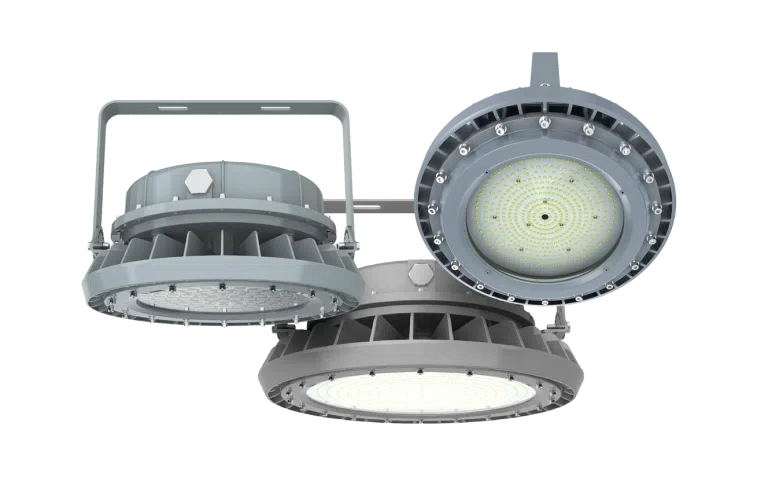
Our LED Lighting for Paper Mills includes high bays, high-temperature fixtures, vapor-tight lights, corrosion-resistant fixtures, and Class I, Class II, and Class III hazardous-location lighting. Available models include sealed, compact, linear, and directional fixture configurations, with options for dimming, occupancy sensors, emergency circuits, and switching zones. These fixtures are used in pulp preparation areas, paper machine sections, dryer sections, wet-end and press areas, chemical storage, coating and finishing lines, dust collection systems, warehouses, maintenance shops, quality control stations, control rooms, and administrative spaces.
LED Paper Mill Lighting
Paper mills place demanding requirements on lighting because fixture locations may be exposed to high heat, steam, humidity, vibration, paper dust, wood fiber, chemical vapors, corrosive materials, washdown, and difficult maintenance access. Depending on the documented conditions at a specific location, a facility may need hazardous-location, high-temperature, vapor-tight, corrosion-resistant, or standard harsh-environment lighting. Choose paper mill lighting by first confirming whether the mounting location is classified, hot, wet, corrosive, dusty, subject to vibration, or difficult to access for maintenance. Then match the fixture type, environmental ratings, lumen output, optics, voltage, controls, and mounting method to that specific area - not wattage alone. A standard warehouse high bay may work in finished-goods storage, but it may not be suitable near dryer sections, chemical systems, wet-end equipment, dust collection, or classified areas.
Selection and Installation Note: Confirm the required fixture type, hazardous-location classification, ambient-temperature range, IP rating, corrosion resistance, lumen output, optics, voltage, controls, mounting method, certifications, and warranty for the exact installation area. Hazardous-location classifications should be confirmed by the facility team, EHS personnel, project engineer, authority having jurisdiction, or another qualified professional.
Recommended Foot-Candles for Paper Mill Lighting
Paper mill light levels vary by task, process area, ceiling height, machinery layout, inspection requirements, dust, steam, surface reflectance, and maintenance access. The ranges below are general planning values. Final fixture selection should also account for hazardous classification, ambient temperature, moisture exposure, dust, fixture ratings, and photometric performance.
Paper Mill Lighting by Area and Hazard
Paper mills often require several fixture families within the same facility. The table below outlines the primary lighting and environmental concerns for common operating areas.
| Paper Mill Area | Lighting and Hazard Considerations |
|---|---|
| Raw material and finished-goods storage | Standard industrial LED high bays or linear high bays may be suitable where the area is not classified and does not have excessive heat, dust, moisture, or fiber accumulation. |
| Pulp preparation and wood processing | Wood dust, sawdust, bark, chips, fibers, conveyors, and processing equipment may require Class II or Class III review. Fixture selection should also account for vibration, impact, dust accumulation, and cleaning practices. |
| Paper machine production areas | Review task visibility, equipment movement, vibration, steam, dust, mounting height, maintenance access, and whether sealed or high-temperature fixtures are required. |
| Dryer sections | Confirm the actual ambient temperature at fixture height, driver location, steam exposure, IP rating, corrosion resistance, and whether high-temperature LED fixtures are required. |
| Wet-end and press sections | Moisture, steam, spray, chemical residue, and corrosion may require vapor-tight LED fixtures, wet-location ratings, sealed housings, or corrosion-resistant construction. |
| Chemical storage and handling | Flammable liquids, solvents, vapors, pumps, tanks, valves, and transfer points may require hazardous-location lighting, which may include explosionproof fixtures where required by the established classification. Confirm ventilation, Class I classification, gas group, temperature code, and classified boundaries. |
| Coating, printing, adhesive, and finishing lines | Solvent-based coatings, inks, adhesives, and cleaning chemicals may create Class I hazardous locations. Fixtures should also provide controlled glare and useful vertical illumination for machinery and web inspection. |
| Dust collection and baghouse areas | Paper dust, wood dust, and process particulates may require Class II fixtures. Confirm dust type, dust group, surface-temperature limits, accumulation, enclosure conditions, and housekeeping practices. |
| Fiber, trim, recycling, and baling areas | Paper fibers, flyings, trim waste, shredding, baling, and recycling operations may require Class II or Class III review depending on whether the hazard is airborne dust or ignitable fibers and flyings. |
| Inspection and quality control | Higher light levels, good CRI, consistent color temperature, controlled glare, and careful fixture placement support defect detection, color review, web inspection, and detailed production checks. |
| Maintenance areas and repair shops | Provide practical task lighting around machinery, tools, lifts, and repair benches while confirming oils, solvents, welding, impact exposure, and any hazardous-location requirements. |
| Control rooms and offices | Panels, troffers, or linear fixtures may be used where the area is outside classified boundaries. Review screen glare, paperwork, dimming, emergency lighting, and operator comfort. |
Class I, Class II, and Class III Lighting in Paper Mills
Paper mills may contain more than one type of hazardous location. The correct classification depends on the material present, how it is handled, whether it can become airborne, ventilation, equipment design, and operating conditions.
| Classification | Where It May Apply in a Paper Mill |
|---|---|
| Class I | Areas where flammable gases or vapors may be present, including solvent storage, chemical handling, coating, printing, adhesive systems, tank farms, pumps, and transfer points. |
| Class II | Areas where combustible dust may be suspended in the air or accumulate in hazardous quantities, including baghouses, dust collectors, wood processing, conveyors, shredding, trim systems, and recycling operations. |
| Class III | Areas where ignitable fibers or flyings are handled or produced but are not normally suspended in the air in explosive concentrations, including some paper, pulp, trim, fiber, and baling operations. |
| Non-Classified | Offices, control rooms, some warehouses, inspection areas, and general production locations outside the hazardous boundaries shown on the facility’s electrical drawings. |
A fixture approved for one hazardous classification is not automatically suitable for another. Confirm the required class, division or zone, group, temperature code, ambient-temperature range, environmental rating, and installation method for each location.
International Paper Facilities Upgrade to High-Temperature LED Lights Case Study
The Backstory:
International Paper turns renewable resources into packaging, recycling, and related pulp products that people rely on every day. As one of the largest global paper packaging companies, International Paper holds itself to a high standard for facility safety and operational reliability. That standard extends to the lighting at its paper processing facilities. International Paper's Springfield, Oregon, facility is one of the company's longest-standing paper mills. Across 450 acres, the site spans everything from high-heat machine rooms to open outdoor work areas. Each area has its own lighting requirements. The facility lighting had aged into inefficiency. That included 400-watt metal halide fixtures still operating in areas that required a more reliable solution.
International Paper required a lighting partner with in-stock units and real expertise across a range of industrial lighting types. This combination led the customer to its first project with LED Lighting Supply. International Paper’s Maintenance Supervisor, Scott Adair, partnered with LED Lighting Supply’s Product Specialist, Jeff Cesenaro, to determine the appropriate lighting solutions for the facility.
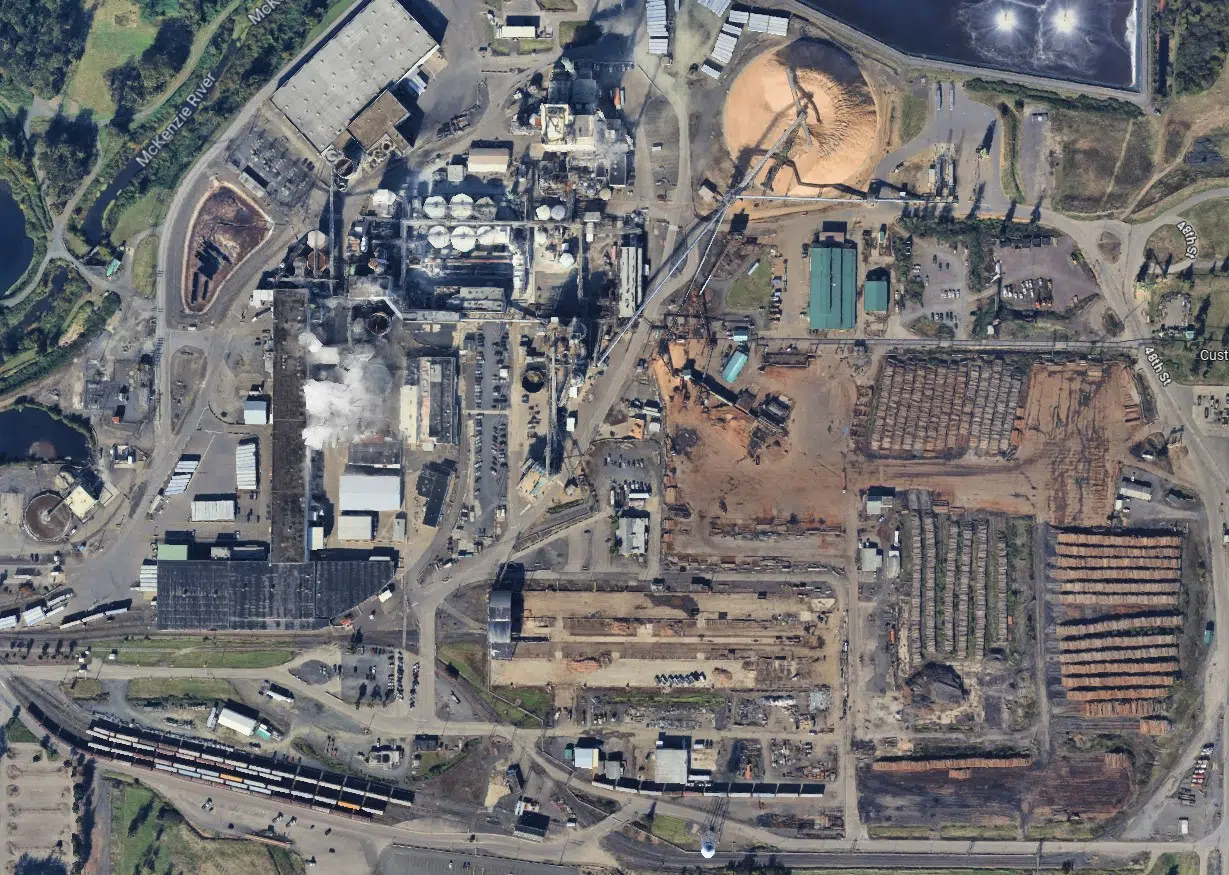
Featured Lighting Plan for International Paper’s 275 x 275 Foot Warehouse in Walton, Kentucky
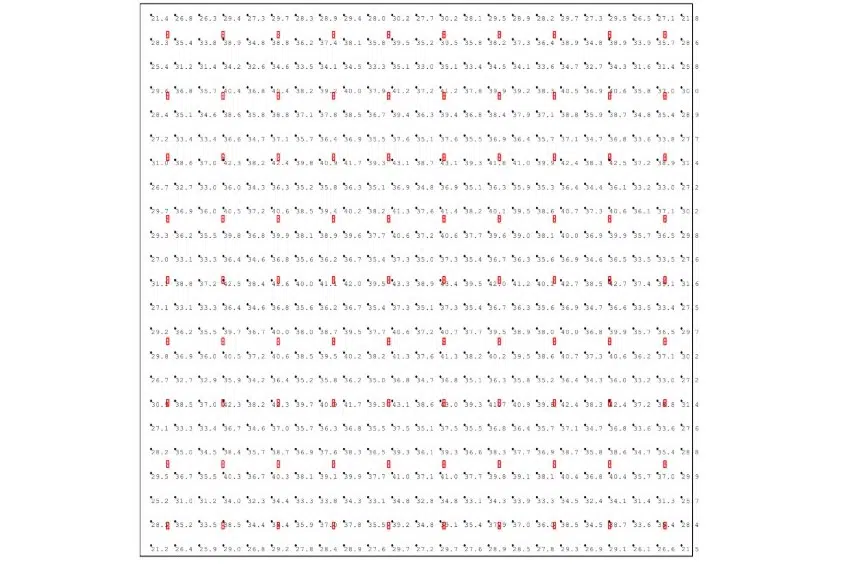
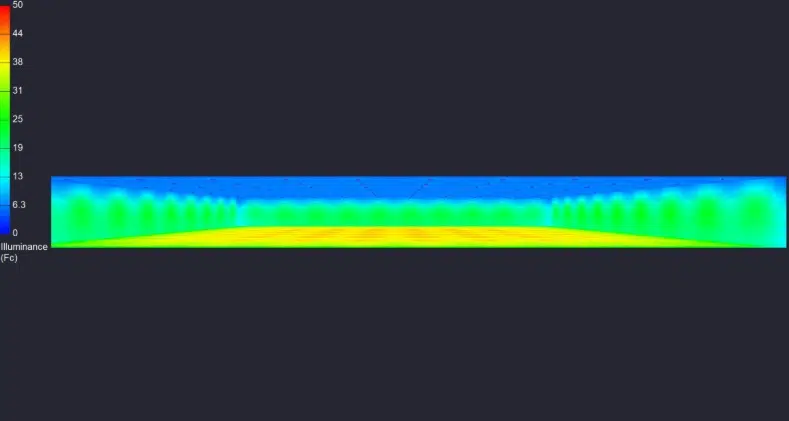
Lighting Plan Metrics:
- Mounting height: 25 feet
- Fixture Used: LLS-M-HBLINR-300A-CC
- Foot Candles achieved: 35 fc average
Where Hazardous-Location Lighting May Be Required
| Area | What to Review |
|---|---|
| Chemical storage and handling | Confirm whether flammable liquids, solvents, gases, or vapors require Class I Division 1 lighting, Class I Division 2 lighting, Zone-rated, or other hazardous-location fixtures. |
| Coating, printing, and finishing lines | Review solvents, inks, adhesives, cleaning chemicals, ventilation, tanks, pumps, and transfer equipment for Class I requirements. |
| Dust collectors and baghouses | Confirm dust group, dust concentration, enclosure conditions, accumulation, cleaning procedures, and whether Class II Division 1 fixtures or Class II Division 2 fixtures are required. |
| Wood preparation and material handling | Bark, sawdust, wood flour, chips, and fine particulates may create Class II hazards near chippers, screens, conveyors, transfer points, and collection equipment. |
| Paper trim and recycling systems | Trim collection, shredding, recycling, baling, and waste handling can create dust, fibers, or flyings that require Class II or Class III review. |
| Tank farms and chemical feed systems | Outdoor and indoor tanks, pumps, vents, valves, drains, sampling points, and transfer connections should be reviewed for hazardous boundaries and fixture requirements. |
| Maintenance and solvent-use areas | Cleaning, degreasing, solvent use, coating repair, or temporary maintenance operations may create conditions different from normal production. |
Hazardous-Location Buying Guidance: Do not select hazardous-location or explosionproof fixtures by wattage or fixture shape alone. Confirm the required class, division or zone, group, temperature code, ambient-temperature range, mounting method, voltage, conduit, fittings, and environmental rating before ordering.
Where High-Temperature Lighting May Be Required
High-temperature lighting may be needed near dryer sections, paper machines, boiler rooms, steam systems, recovery areas, evaporators, and poorly ventilated ceiling spaces. The critical measurement is the ambient temperature at the fixture mounting location, not the average room temperature.
| Area | What to Review |
|---|---|
| Paper machine dryer sections | Confirm actual heat exposure at fixture height, driver location, steam exposure, IP rating, mounting, and access for service. |
| Boiler rooms and steam generation | Review heat, vibration, steam, moisture, mounting height, ventilation, and whether high-temperature vapor-tight fixtures are required. |
| Recovery boilers and evaporator areas | These locations can combine heat, moisture, chemical exposure, corrosion, structural obstructions, and difficult maintenance access. |
| Press sections and wet-end areas | Review moisture, steam, chemical residue, corrosion, and whether a fixture needs both high-temperature and wet-location ratings. |
| Ceiling pockets and poorly ventilated areas | Heat can accumulate above machinery and near roofs. Confirm temperature at the planned fixture height before selecting the fixture. |
High-Temperature Buying Guidance: Verify maximum ambient-temperature rating, manufacturer-published output or performance limitations at elevated temperature, driver location, IP rating, mounting height, and warranty conditions. A standard warehouse fixture may have reduced service life when operated outside its rated ambient-temperature range.
Moisture, Steam, Corrosion, and Washdown
Wet-end areas, press sections, pulp processing, chemical zones, washdown locations, and steam-filled production spaces may require sealed or corrosion-resistant lighting even when the area is not classified as hazardous.
| Site Condition | Fixture Considerations |
|---|---|
| Steam and condensation | Use sealed fixtures with suitable wet-location and IP ratings. Review gasket materials, lens sealing, driver compartments, and condensation exposure. |
| Washdown | Confirm water pressure, cleaning frequency, chemical cleaners, spray direction, IP rating, housing material, and mounting orientation. |
| Chemical corrosion | Review housings, coatings, lenses, seals, hardware, and mounting components for compatibility with the chemicals and vapors present. An IP rating alone does not establish chemical or corrosion resistance. |
| High humidity | Select fixtures with construction and environmental ratings appropriate for moisture intrusion, internal condensation, and corrosion exposure. |
| Dust combined with moisture | Use sealed construction that prevents dust and fibers from entering the fixture while also resisting moisture and cleaning exposure. |
How to Choose LED Paper Mill Lighting
| Selection Factor | What to Confirm |
|---|---|
| Hazard classification | Confirm the established classification for the area, whether Class I, Class II, Class III, Zone-classified, or non-classified. |
| Dust, fibers, and flyings | Review material type, dust group, airborne concentration, accumulation, enclosure, ventilation, and housekeeping conditions. |
| Chemical vapors and solvents | Identify coatings, inks, adhesives, cleaning agents, fuels, process chemicals, tanks, pumps, and transfer locations. |
| Ambient temperature | Measure or estimate temperature at fixture height, especially near dryers, boiler rooms, steam systems, evaporators, and ceiling pockets. |
| Moisture and corrosion | Review steam, condensation, washdown, chemicals, humidity, pulp residue, and corrosion exposure. |
| Fixture distribution | Use fixture-specific photometric data to select distributions for open areas, production lines, walkways, localized work, and directional illumination. |
| Impact and vibration | Account for paper-machine vibration, conveyors, forklifts, maintenance work, machinery, and potential contact with equipment or materials. |
| Inspection and color quality | Quality control areas may require higher foot-candles, good CRI, controlled glare, consistent CCT, and vertical illumination. |
| Voltage and controls | Confirm voltage, dimming, emergency circuits, occupancy sensors, switching zones, and whether controls are approved for classified areas. |
| Maintenance access | Review lift access, machinery obstructions, heat exposure, production downtime, cleaning, remote drivers, and safe service procedures. |
Photometric Planning for Paper Mills
Paper machines, dryer sections, tanks, conveyors, pipework, platforms, structural steel, storage racks, and production equipment can block light and create shadows. A photometric plan can help evaluate fixture quantity, placement, mounting height, optics, aiming, average and minimum foot-candles, uniformity, glare, and vertical illumination before installation. Hazardous-location classifications, operating temperatures, moisture exposure, and restricted mounting areas should be identified before the final lighting layout is completed.
Benefits of LED Lighting in Paper Mills
- Lower energy use potential: LED upgrades can reduce lighting energy consumption compared with older HID or fluorescent systems, depending on the existing system, operating hours, fixture selection, and controls.
- Fewer routine lamp and ballast replacements: LED luminaires can reduce maintenance demand compared with legacy systems that use replaceable lamps and ballasts, which can be especially valuable where access requires lifts, shutdowns, or special work procedures.
- Instant illumination: LED luminaires generally reach full output without the warm-up and restrike delays associated with many HID sources.
- Improved control capability: Compatible models may support dimming, occupancy sensing, scheduling, switching zones, or integration with building controls.
- More targeted light distribution: Fixture-specific optics and photometric planning can direct light to work surfaces, walkways, machinery, inspection points, and vertical task areas rather than relying on wattage alone.
- Consistent light quality options: Available CCT and CRI options can help support task visibility and color-related inspection needs when selected for the application.
Common Paper Mill Lighting Mistakes
- Using standard high bays in classified areas: Chemical vapors, combustible dust, or ignitable fibers may require hazardous-location fixtures and approved fittings.
- Assuming every hazardous location is Class I: Dust and fiber areas may require Class II or Class III equipment rather than fixtures approved only for gases and vapors.
- Assuming one explosionproof fixture fits every hazard: Class, division, zone, group, temperature code, ambient range, and environmental ratings must all match.
- Ignoring temperature at fixture height: Dryer sections, steam areas, and ceiling pockets may be much hotter than occupied floor levels.
- Skipping moisture and corrosion review: Wet-end areas, chemical zones, steam, washdown, and humidity can damage fixtures that are not properly sealed or protected.
- Choosing wattage before fixture type: Hazard rating, temperature range, moisture exposure, distribution, and mounting conditions should be confirmed before wattage.
- Under-lighting inspection stations: Quality control may require higher light levels, good CRI, consistent color temperature, and better glare control than general production areas.
- Overlooking dust accumulation: Dust and fibers on fixture surfaces can affect temperature, output, cleaning requirements, and hazardous-location suitability.
- Using unsuitable controls in classified areas: Sensors, switches, junction boxes, and other control components must also be approved for the location.
- Not reviewing maintenance access: Fixtures above paper machines, near dryers, or around chemical systems may require lifts, shutdowns, special cleaning, or restricted work procedures.
- Skipping a photometric plan: Machinery, pipework, platforms, and storage areas can create dark zones when fixture placement is based on wattage or spacing estimates alone.
Paper Mill Lighting Certifications, Rebates, and Warranty Support
Selected LED paper mill lights from LED Lighting Supply carry safety certifications or listings from organizations such as UL, ETL, or CSA, depending on the product and intended application. Many standard industrial models may be DLC or DLC Premium listed and may qualify for utility rebates where available; DLC qualification is a performance program and not an electrical safety certification. Hazardous-location, high-temperature, marine-grade, and specialty fixtures may have different certifications, listings, and rebate eligibility. Warranty terms vary by model, with many products offering a 5-year warranty. Before purchase, review the selected product specification to confirm certifications, hazardous-location approval, operating-temperature range, IP rating, voltage, controls, mounting, corrosion resistance, DLC status, and warranty coverage.
Need Help Choosing Paper Mill Lights?
Contact us about LED paper mill lighting, and our Product Specialists can help review the process area, established hazard classification, fixture type, temperature exposure, dust and fiber conditions, moisture, corrosion, ceiling height, voltage, controls, and photometric planning requirements.
LED Paper Mill Lights FAQs
How Should LED Paper Mill Lights Be Selected?
LED paper mill lights should be selected by conditions at the mounting location, not by wattage alone. Confirm the hazard classification, ambient temperature, moisture and corrosion exposure, dust or fiber conditions, fixture distribution, voltage, controls, mounting method, and maintenance access for the installation area.
When Might Hazardous-Location Lighting Be Required In A Paper Mill?
Hazardous-location lighting may be required where flammable gases or vapors, combustible dust, or ignitable fibers and flyings are present. Chemical handling, coating lines, dust collectors, wood processing, trim systems, recycling, and baling operations may require Class I, Class II, or Class III review depending on the material and operating conditions.
Can A Fixture Approved For One Hazardous Classification Be Used In Another?
No, a fixture approved for one hazardous classification is not automatically suitable for another. Confirm the required class, division or zone, group, temperature code, ambient-temperature range, environmental rating, and installation method for each location.
What Should Be Reviewed Near Dryer Sections And Other High-Heat Areas?
Near dryer sections and other high-heat areas, confirm the ambient temperature at the fixture mounting location rather than the average room temperature. Also verify the maximum ambient-temperature rating, lumen output at elevated temperature, driver location, IP rating, mounting height, and warranty conditions.
How Should Moisture, Steam, And Washdown Affect Fixture Selection?
Moisture, steam, washdown, and chemical exposure may require sealed or corrosion-resistant lighting even when an area is not classified as hazardous. Review wet-location and IP ratings, gasket materials, lens sealing, driver compartments, water pressure, cleaning chemicals, housing material, and mounting orientation.
How Can A Photometric Plan Help With Paper Mill Lighting Layout?
A photometric plan can help evaluate fixture quantity, placement, mounting height, optics, aiming, average and minimum foot-candles, uniformity, glare, and vertical illumination before installation. Paper machines, tanks, conveyors, pipework, platforms, structural steel, storage racks, and production equipment can block light and create shadows.
What Lighting Considerations Apply To Inspection And Quality Control Areas?
Inspection and quality control areas may require higher light levels, good CRI, consistent color temperature, controlled glare, careful fixture placement, and useful vertical illumination. These factors support defect detection, color review, web inspection, and detailed production checks.
What Certifications And Warranty Coverage Are Available For LED Paper Mill Lights?
LED paper mill lights from LED Lighting Supply carry a safety listing such as UL, ETL, or CSA, depending on the product, and most include a 5-year warranty unless otherwise specified. Many standard industrial models are DLC or DLC Premium listed for utility rebate support where available, while hazardous-location, high-temperature, marine-grade, and specialty fixtures may have different listings and rebate eligibility.