LED Oil and Gas Industry Lighting
- Class I Division 1 and Division 2 fixture options available
- High-temperature and corrosion-resistant models for harsh conditions
- Application support for hazardous-location fixture selection
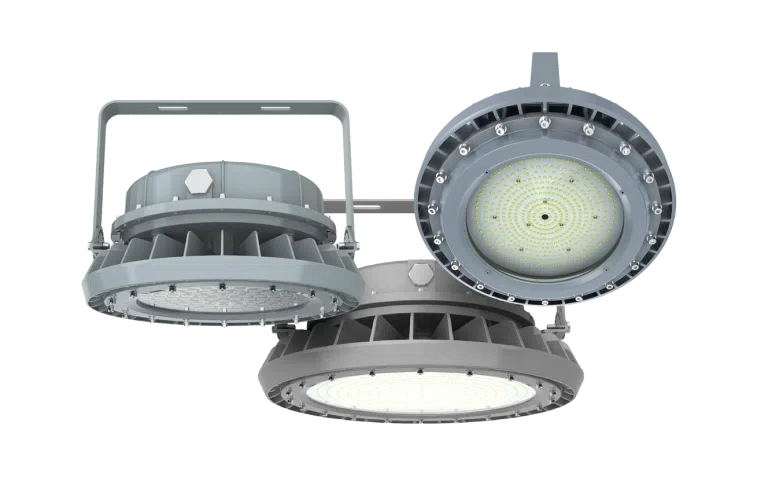


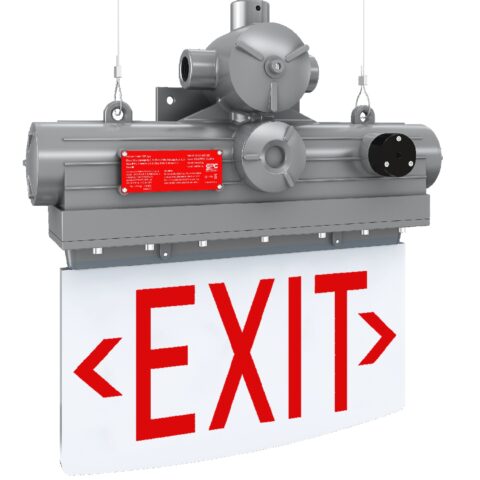
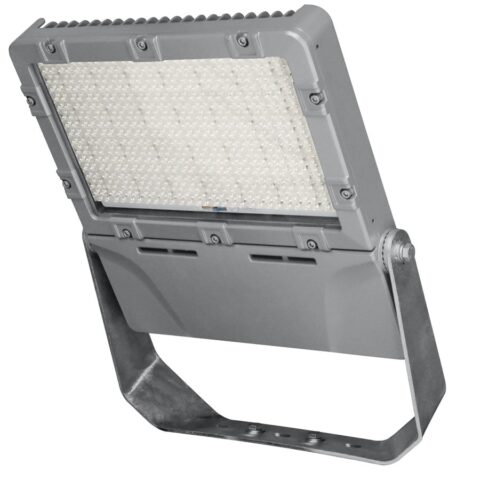
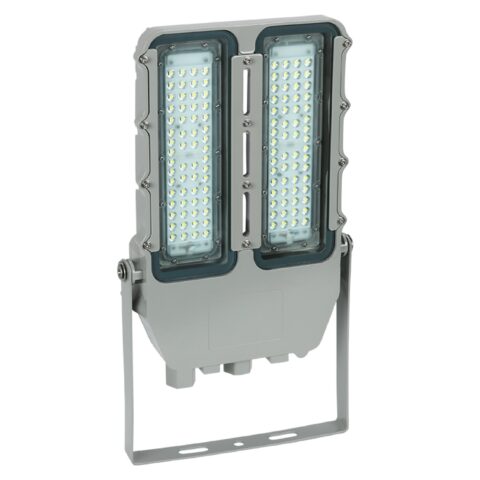
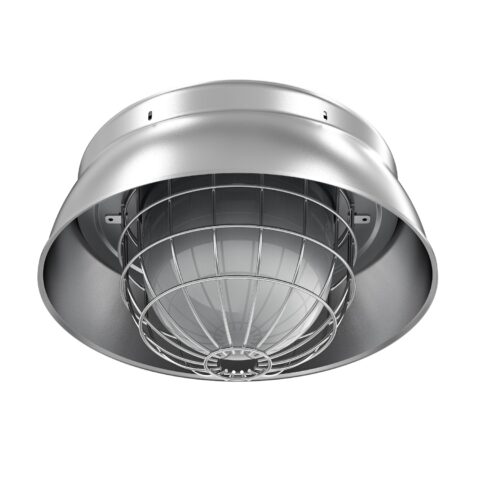
Our LED Oil and Gas Industry Lighting for Hazardous Locations includes explosion-proof area lights, flood lights, linear fixtures, compact lights, high-temperature fixtures, and marine-grade fixtures. Available models include Class I, Division 1 and Class I, Division 2 configurations for classified oil and gas locations.
These fixtures are commonly used at oil fields, production sites, refineries, petrochemical facilities, pipeline stations, tank farms, transfer terminals, offshore platforms, pump stations, compressor stations, loading areas, platforms, pipe racks, and maintenance zones.
-
 Starting At $1,867.40
-
Starting At $2,048.00
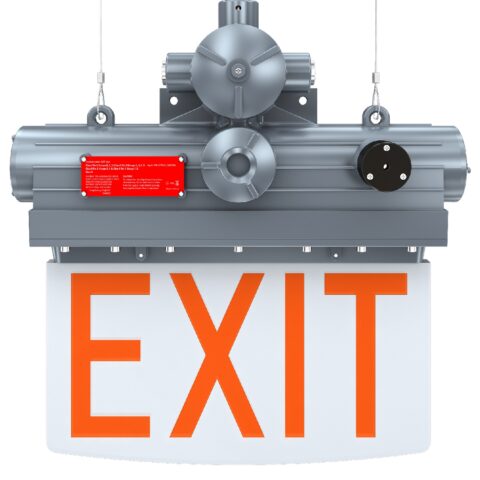


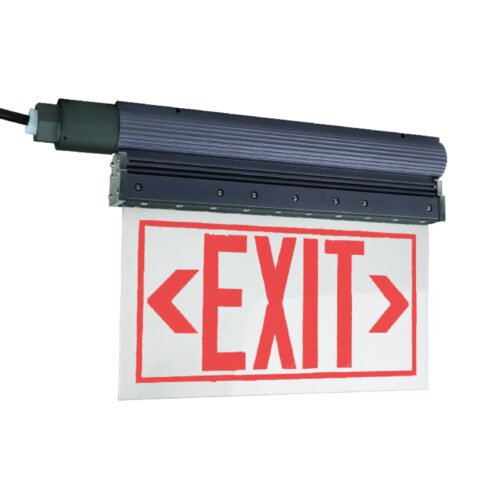





Lighting for Oil and Gas Facilities
Oil and gas facilities include drilling and production sites, pipeline stations, refineries, terminals, tank farms, offshore platforms, maintenance buildings, storage yards, and administrative areas. Start by confirming whether each fixture location is classified or non-classified, then select the fixture type and distribution for the work area and verify temperature, weather, corrosion, vibration, mounting conditions, voltage, controls, and required light levels. Hazardous process areas may require Class I, Division 1 or Class I, Division 2 LED fixtures. Parking lots, offices, control buildings, warehouses, roadways, and other support areas may use standard industrial or outdoor fixtures when the facility’s electrical drawings show that the mounting location is outside the hazardous zone.
Hazardous-Location Note: Do not select C1D1 or C1D2 lighting based only on the type of facility. Confirm the class, division, gas group, temperature code, ambient-temperature range, wiring method, and product listing assigned to the exact fixture location. The facility engineer, project specifier, authority having jurisdiction, or another qualified professional should approve the final selection.
Oil and Gas Lighting Applications
| Application | Primary Lighting Considerations |
|---|---|
| Oil fields and production sites | Wellheads, separators, tank batteries, drilling equipment, production skids, walkways, and maintenance areas may require hazardous-location fixtures selected for gas exposure, vibration, temperature, weather, and mounting height. |
| Oil refineries and petrochemical facilities | Process units, pumps, compressors, tanks, loading racks, pipe racks, platforms, and maintenance zones require area-by-area review because C1D1, C1D2, and non-classified locations may exist within the same facility. |
| Pipeline facilities | Pump stations, compressor stations, metering stations, valve sites, pig launching and receiving areas, terminals, and storage sites may require C1D1 or C1D2 fixtures near release sources. |
| Offshore platforms and coastal facilities | Hazardous-location approval may need to be combined with resistance to salt spray, corrosion, moisture, vibration, high winds, and difficult maintenance access. |
| Tank farms and transfer terminals | Lighting should support tank access, valve identification, loading operations, walkways, stairs, security, and emergency response while matching the classification around vents and transfer points. |
| Non-classified support areas | Parking lots, offices, control buildings, warehouses, roadways, and perimeter areas outside the hazardous zones may use standard commercial or industrial fixtures with suitable environmental ratings. |
Class I Division 1 vs Class I Division 2 Lighting
Class I locations are areas where flammable gases or vapors may create an ignitable atmosphere. The division describes how likely that atmosphere is to be present at the fixture location.
| Classification | When It May Apply |
|---|---|
| Class I, Division 1 | Areas where ignitable gases or vapors may be present during normal operation, routine venting, draining, transfer, maintenance, or other expected operating conditions. |
| Class I, Division 2 | Areas where flammable liquids or gases are normally contained within closed equipment and an ignitable atmosphere would generally result from an abnormal leak, rupture, equipment failure, or ventilation problem. |
| Non-Classified | Areas outside the hazardous boundaries shown on the facility’s electrical drawings, such as some offices, warehouses, parking lots, roadways, and support buildings. |
C1D1 and C1D2 describe the hazardous-location approval, not the fixture shape. Area lights, flood lights, linear fixtures, and compact lights may each be available with different classifications and approvals.
Types of LED Lights Used in Oil and Gas Facilities
| Fixture Type | Where It Works Best |
|---|---|
| Explosion-Proof LED Area Lights | General illumination around process equipment, production skids, platforms, loading areas, pump pads, and classified outdoor work zones. |
| Explosion-Proof LED Flood Lights | Directional illumination for equipment, structures, elevated work areas, tanks, yards, loading zones, and distant targets. |
| Explosion-Proof Linear LED Lights | Walkways, pipe racks, enclosed process spaces, maintenance areas, equipment rooms, platforms, and locations requiring elongated light distribution. |
| Compact Explosion-Proof Fixtures | Stairs, landings, doors, inspection points, instruments, valves, and smaller spaces where a large area or flood light is unnecessary. |
| High-Temperature Hazardous-Location Fixtures | Process areas near heaters, boilers, hot piping, compressors, or other equipment where the ambient temperature exceeds the approved range of standard explosion-proof lights. |
| Marine-Grade Hazardous-Location Fixtures | Offshore platforms, marine terminals, and coastal sites that combine flammable-gas hazards with salt, moisture, corrosion, and wind exposure. |
| Standard Industrial and Outdoor Fixtures | Non-classified offices, parking lots, warehouses, roadways, security areas, and support buildings outside the hazardous zones. |
Fixture Selection Note: Fixture style does not determine whether a light is suitable for a hazardous area. Confirm the required class, division, gas group, temperature code, ambient-temperature range, and listing for the exact mounting location.
Oil and Gas Lighting Selection Guidelines
| Selection Factor | What to Confirm |
|---|---|
| Area classification | Confirm whether the mounting location is C1D1, C1D2, Zone-classified, or non-classified. |
| Gas group | Match the fixture approval to the gases or vapors identified for that part of the facility. |
| Temperature code | Verify that the fixture’s maximum surface temperature is suitable for the materials that may be present. |
| Ambient temperature | Check both the minimum and maximum expected temperatures, especially near hot process equipment or in extreme climates. |
| Fixture distribution | Use area lights for broad coverage, flood lights for directional targets, linear fixtures for long work zones, and compact lights for small or obstructed spaces. |
| Mounting height and location | Account for tanks, pipe racks, structures, machinery, platforms, handrails, and other objects that may block light. |
| Environmental exposure | Review water, dust, salt, chemicals, vibration, impact, wind, corrosion, and washdown conditions separately from the hazardous-location rating. |
| Voltage and controls | Confirm supply voltage, dimming, emergency operation, photocells, sensors, and whether all controls are approved for the location. |
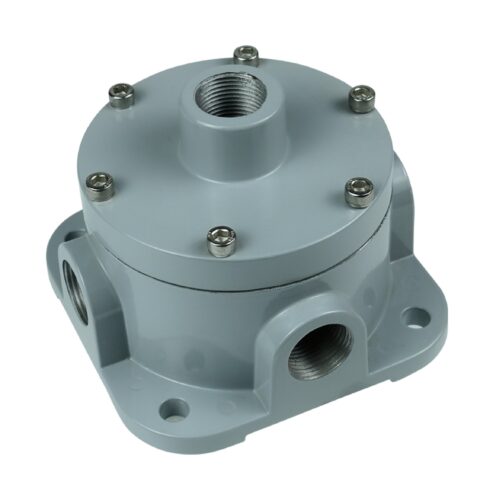
| Installation system | Conduit, seals, fittings, cable entries, grounding, junction boxes and lighting controls, and wiring methods must also be suitable for the classified area. |
| Maintenance access | Consider fixture weight, mounting hardware, service clearances, lifts, shutdown requirements, and the cost of accessing elevated or remote lights. |
How LED Lighting Addresses Common Oil and Gas Site Conditions
| Site Condition | Lighting Response |
|---|---|
| Flammable gases and vapors | Properly selected C1D1 or C1D2 fixtures are designed and tested for use in classified locations when installed according to their listing. |
| High ambient temperatures | High-temperature fixtures use components and thermal designs approved for conditions that exceed standard fixture limits. |
| Salt, moisture, and chemicals | Corrosion-resistant housings, coatings, hardware, and sealed construction help protect fixtures in coastal, offshore, washdown, and chemically aggressive areas. |
| Vibration and equipment movement | Heavy-duty construction and suitable mounting systems help reduce problems near pumps, compressors, drilling equipment, machinery, and elevated structures. |
| Shadows from equipment and structures | A combination of area, flood, linear, and compact fixtures can place light around tanks, pipe racks, skids, platforms, and machinery. |
| Difficult maintenance access | Long-life LED fixtures reduce lamp and ballast replacement work in remote, elevated, or restricted-access locations. |
| Poor visibility of gauges and valves | Directional and localized lighting can improve vertical illumination on instruments, controls, labels, valves, and equipment surfaces. |
| Emergency response needs | Instant-on LED output provides immediate illumination after switching and can support approved emergency or backup systems where required. |
Photometric Planning for Oil and Gas Facilities
Process equipment, pipe racks, tanks, platforms, structural steel, and machinery can block light and create shadows. A photometric plan can help evaluate fixture quantity, mounting height, distribution, aiming, average and minimum foot-candles, uniformity, vertical illumination, glare, and dark areas before installation. The hazardous-area classification should be established before the final lighting layout is completed. This allows the plan to use appropriately approved fixtures at each mounting location.
Common Oil and Gas Lighting Mistakes
- Using C1D2 fixtures where C1D1 is required: Confirm the classification assigned to the exact fixture location before ordering.
- Using standard fixtures in hazardous areas: Standard high bays, flood lights, area lights, wall lights, and panels are not substitutes for properly approved hazardous-location fixtures.
- Assuming every C1D1 fixture fits every C1D1 location: Gas group, temperature code, ambient-temperature range, voltage, and installation requirements must also match.
- Choosing fixtures by facility type alone: A refinery, oil field, or pipeline station may contain C1D1, C1D2, and non-classified areas.
- Ignoring heat near process equipment: Fixtures installed near heaters, boilers, compressors, or hot piping may require higher ambient-temperature ratings.
- Skipping corrosion review: Offshore platforms, coastal terminals, chemical areas, sulfur-processing zones, and washdown locations may require additional corrosion protection.
- Overlooking vibration: Pumps, compressors, drilling equipment, and rotating machinery can affect fixtures, brackets, conduit, and electrical connections.
- Choosing fixtures by wattage alone: Lumens, optics, mounting height, classification, voltage, beam distribution, and photometric performance are more important than matching old wattage.
- Creating dark areas around equipment: Tanks, pipe racks, platforms, machinery, and structures can block light when fixture placement is based on estimates alone.
- Ignoring vertical illumination: Floor-level foot-candles do not show whether gauges, labels, valves, ladders, hoses, and equipment faces are visible.
- Forgetting the rest of the electrical system: Conduit, seals, fittings, junction boxes, controls, and wiring methods must also meet the requirements of the classified area.
- Skipping a photometric plan: Complex process sites often require multiple fixture types and mounting positions to achieve useful coverage.
Need Help Choosing Oil and Gas Lighting?
Contact us about LED lighting for oil and gas facilities, and our Product Specialists can help review the classification assigned to each fixture location, fixture type, lumen output, mounting height, optics, voltage, operating temperature, environmental exposure, and photometric requirements.
LED Oil and Gas Industry Lighting FAQs
How Should Oil And Gas Facilities Determine Whether A Fixture Location Needs C1D1, C1D2, Or Non-Classified Lighting?
Determine the classification from the hazardous boundaries shown on the facility's electrical drawings for the exact mounting location. A single refinery, oil field, or pipeline station may contain C1D1, C1D2, and non-classified areas.
What Is The Difference Between Class I, Division 1 And Class I, Division 2 Lighting?
Class I, Division 1 may apply where ignitable gases or vapors may be present during normal operation or other expected operating conditions, while Class I, Division 2 may apply where an ignitable atmosphere would generally result from an abnormal leak, rupture, equipment failure, or ventilation problem. Both classifications address locations where flammable gases or vapors may create an ignitable atmosphere.
Can Fixture Style Determine Whether A Light Is Suitable For A Hazardous Area?
No, fixture style does not determine whether a light is suitable for a hazardous area. Area lights, flood lights, linear fixtures, and compact lights may each be available with different classifications and approvals, so the required class, division, gas group, temperature code, ambient-temperature range, and listing must be confirmed for the mounting location.
How Should Buyers Choose Between Area, Flood, Linear, And Compact Fixtures?
Choose fixture distribution based on the coverage needed: area lights for broad coverage, flood lights for directional targets, linear fixtures for long work zones, and compact lights for small or obstructed spaces. Mounting height and objects such as tanks, pipe racks, machinery, platforms, and handrails should also be considered because they can block light.
What Environmental Conditions Should Be Reviewed Separately From Hazardous-Location Classification?
Water, dust, salt, chemicals, vibration, impact, wind, corrosion, and washdown conditions should be reviewed separately from the hazardous-location rating. Offshore platforms and coastal facilities may require hazardous-location approval combined with resistance to salt spray, corrosion, moisture, vibration, high winds, and difficult maintenance access.
Why Is A Photometric Plan Useful For Oil And Gas Lighting Projects?
A photometric plan can evaluate fixture quantity, mounting height, distribution, aiming, average and minimum foot-candles, uniformity, vertical illumination, glare, and dark areas before installation. It can also account for shadows created by process equipment, pipe racks, tanks, platforms, structural steel, and machinery.
What Else Must Match The Classified Area Besides The Light Fixture?
Conduit, seals, fittings, cable entries, grounding, junction boxes, lighting controls, and wiring methods must also be suitable for the classified area. Supply voltage, dimming, emergency operation, photocells, sensors, and whether controls are approved for the location should also be confirmed.
What Information Can LED Lighting Supply Review For An Oil And Gas Lighting Project?
LED Lighting Supply Product Specialists can help review the classification assigned to each fixture location, fixture type, lumen output, mounting height, optics, voltage, operating temperature, environmental exposure, and photometric requirements. The final selection should be approved by the facility engineer, project specifier, authority having jurisdiction, or another qualified professional.