LED Oil Field Lighting
- Explosion-proof options available for Class I, Division 1 and Division 2 areas
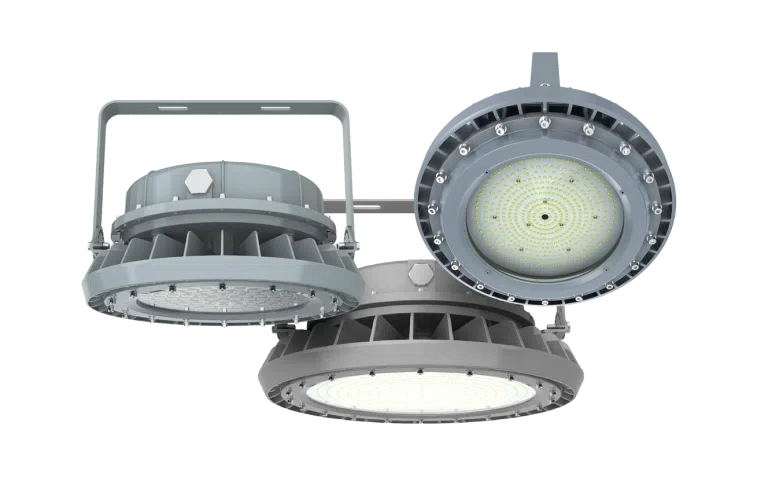
- Area, flood, linear, and compact fixture types for varied applications
- Product specialists help match fixtures to site classification requirements


Get Your Custom Lighting Plan With Product Recommendations
- Tell us about the drilling or production site you're lighting, and a product specialist can help you decide which fixtures to use, how many you need, and where to place them.


Our LED Oil Field Lighting for Drilling and Production Sites includes explosion-proof area, flood, linear, and compact fixtures, plus low-temperature, high-temperature, marine-grade, and standard industrial outdoor lights. Available products include Class I, Division 1 and Class I, Division 2 configurations, with fixture styles for broad, directional, elongated, and localized illumination. These products are used at drilling rigs, well pads, production equipment, tank batteries, separators, pumping areas, transfer points, walkways, platforms, maintenance areas, storage yards, roadways, parking areas, and site perimeters.
LED Lighting for Oil Fields
Oil field lighting is used at drilling rigs, well pads, production sites, tank batteries, separators, pumping equipment, maintenance areas, walkways, storage yards, and site perimeters. These locations can combine flammable gases or vapors with vibration, dust, weather, wind, temperature extremes, vehicle traffic, and difficult maintenance access. Areas near wellheads, production equipment, tanks, vents, transfer points, separators, and process skids may require hazardous-location lighting approved for Class I, Division 1 or Class I, Division 2 locations. Roads, parking areas, offices, storage buildings, and distant security areas may use standard industrial or outdoor fixtures when the facility’s electrical drawings show that the mounting location is outside the hazardous zone. Start by confirming whether each exact fixture location is Class I, Division 1, Class I, Division 2, Zone-classified, or non-classified. Then select the fixture type and distribution needed for the work area, such as broad area lighting, directional flood lighting, linear walkway lighting, or compact task lighting. Gas group, temperature code, ambient-temperature range, vibration, corrosion exposure, mounting height, voltage, controls, installation system, and photometric layout must also match the site conditions and the fixture’s approved listing.
Oil Field Safety Note: Do not treat an entire drilling or production site as one hazard classification. Confirm the class, division or zone, gas group, temperature code, ambient-temperature range, wiring method, and product listing assigned to the exact fixture location.
Where Oil Field Lighting Is Used
| Oil Field Area | Lighting and Hazard Considerations |
|---|---|
| Drilling floors and rig structures | Lighting should support equipment operation, pipe handling, stairs, platforms, connections, and inspections while withstanding vibration, weather, and the hazard classification assigned to the area. |
| Wellheads and production equipment | Potential gas or vapor release points may require C1D1 or C1D2 fixtures with the correct gas group, temperature code, and mounting approval. |
| Separators, treaters, and production skids | Compact equipment layouts can create shadows around valves, gauges, drains, piping, and controls. Area, flood, linear, or compact hazardous-location fixtures may be needed. |
| Tank batteries and storage areas | Hazardous zones may exist near vents, hatches, valves, drains, gauges, sampling points, and transfer equipment. General yard areas may fall outside those boundaries. |
| Loading and transfer areas | Lighting should provide clear visibility around hoses, trucks, connections, valves, controls, and walking surfaces while matching the hazard classification near the transfer point. |
| Walkways, stairs, and platforms | Linear and compact fixtures can improve visibility on walking surfaces, handrails, ladders, landings, and changes in elevation without creating excessive glare. |
| Maintenance and inspection areas | Technicians need clear visibility of labels, fittings, instruments, valves, equipment surfaces, and connection points. Maintenance procedures can temporarily change release conditions. |
| Roadways, parking, and perimeter areas | Flood lights, area lights, wall-mounted fixtures, or security lights may be used where the mounting location is outside the hazardous zone. |
| Offshore and coastal production sites | Offshore oil rig lighting may need to combine hazardous-location approval with marine corrosion resistance, sealed construction, vibration resistance, salt-spray protection, and suitable mounting hardware. |
Should Oil Fields Use C1D1 or C1D2 Lights?
Both classifications may apply within the same oil field or production site. The correct rating depends on how likely flammable gases or vapors are to be present at the exact fixture location.
| Classification | Where It May Apply |
|---|---|
| Class I, Division 1 | Areas where ignitable gases or vapors may be present during normal drilling, production, venting, draining, transfer, sampling, maintenance, or other expected operating conditions. |
| Class I, Division 2 | Areas where oil and gas are normally contained within closed equipment and an ignitable atmosphere would generally result from an abnormal leak, rupture, equipment failure, or ventilation problem. |
| Non-Classified | Roadways, parking areas, offices, storage buildings, and distant perimeter locations outside the hazardous boundaries shown on the facility’s electrical drawings. |
C1D1 and C1D2 describe hazardous-location classifications, not fixture shapes. Area lights, flood lights, linear fixtures, and compact lights may each be available with different classifications and approvals.
Recommended Types of Oil Field Lights
| Fixture Type | Where It Works Best |
|---|---|
| Explosion-Proof LED Area Lights | Well pads, production equipment, drilling floors, tank batteries, pump areas, platforms, and classified general-work zones that require broad illumination. |
| Explosion-Proof LED Flood Lights | Derricks, elevated structures, equipment skids, tanks, work yards, transfer areas, and distant targets that need directional light. |
| Explosion-Proof Linear LED Lights | Rig walkways, stairs, platforms, equipment rooms, enclosed skids, maintenance areas, and long work zones where elongated distribution provides better coverage. |
| Compact Explosion-Proof Lights | Doors, valve stations, instrument panels, landings, narrow platforms, inspection points, and smaller spaces where a full-size area or flood light is unnecessary. |
| Low-Temperature Hazardous-Location Lights | Northern oil fields, remote drilling sites, and outdoor production locations where low temperatures affect fixture startup, drivers, gaskets, and service life. |
| High-Temperature Hazardous-Location Lights | Areas near engines, compressors, heaters, hot piping, or process equipment where the ambient temperature exceeds the approved range of a standard fixture. |
| Marine-Grade Explosion-Proof Lights | Offshore platforms, coastal production sites, marine terminals, and other areas exposed to salt spray, moisture, corrosion, and high winds. |
| Standard Industrial and Outdoor LED Lights | Parking lots, roads, offices, storage buildings, security perimeters, and support areas outside the hazardous zones. |
Fixture Selection Note: Fixture style alone does not determine whether a light is suitable for a hazardous area. Confirm the required class, division or zone, gas group, temperature code, ambient-temperature range, and listing for the exact mounting location.
Oil Field Lighting Selection Guidelines
| Selection Factor | What to Confirm |
|---|---|
| Hazard classification | Confirm whether the mounting location is C1D1, C1D2, Zone-classified, or non-classified. |
| Gas group | Match the fixture approval to the gases or vapors identified around the wellhead, process equipment, tanks, or transfer area. |
| Temperature code | Verify that the fixture’s maximum surface temperature is suitable for the flammable materials that may be present. |
| Ambient temperature | Check both the minimum and maximum expected temperatures, including cold-weather startup and heat near engines, compressors, or process equipment. |
| Vibration | Review vibration from drilling equipment, pumps, compressors, engines, and structural movement. Fixtures, brackets, conduit, and wiring connections must be suitable for those conditions. |
| Fixture distribution | Use area lights for broad coverage, flood lights for directional targets, linear fixtures for platforms and walkways, and compact lights for smaller work points. |
| Mounting height and location | Account for derricks, tanks, pipework, platforms, structures, vehicles, and equipment that may block light or create glare. |
| Weather and wind | Review rain, snow, ice, dust, UV exposure, wind loading, and outdoor mounting conditions. |
| Corrosion | Offshore, coastal, sour-gas, chemical, and wet locations may require corrosion-resistant housings, coatings, hardware, and mounting components. |
| Voltage and controls | Confirm supply voltage, dimming, emergency operation, photocells, sensors, and whether controls and accessories are approved for the area. |
| Installation system | Conduit, seals, fittings, cable entries, grounding, junction boxes, and wiring methods must also be suitable for the classified location. |
| Maintenance access | Consider fixture weight, mounting hardware, lifts, rig access, shutdown requirements, cleaning, inspection, and the cost of servicing remote or elevated lights. |
How LED Lighting Addresses Common Oil Field Conditions
| Site Condition | Lighting Response |
|---|---|
| Flammable gases and vapors | Properly selected C1D1 or C1D2 fixtures are designed and tested for use in classified locations when installed according to their listing. |
| Continuous vibration | Heavy-duty fixtures and suitable mounting systems help reduce problems near rigs, pumps, compressors, engines, and rotating equipment. |
| Extreme cold or heat | Fixtures with appropriate operating-temperature ranges support reliable startup and performance in severe outdoor climates and near hot equipment. |
| Salt, moisture, and corrosion | Marine-grade coatings, corrosion-resistant hardware, and sealed construction help protect fixtures at offshore and coastal sites. |
| Dust, rain, snow, and ice | Properly rated outdoor housings help protect drivers, LEDs, wiring compartments, lenses, and seals from environmental exposure. |
| Shadows from equipment and structures | A combination of area, flood, linear, and compact fixtures can position light around skids, tanks, rigs, pipework, platforms, and machinery. |
| Poor visibility of valves and gauges | Directional and localized lighting can improve vertical illumination on controls, labels, valves, instruments, connections, and equipment surfaces. |
| Difficult maintenance access | Long-life LED fixtures reduce lamp and ballast replacement work in remote, elevated, or restricted-access locations. |
Photometric Planning for Oil Fields
Drilling rigs, tanks, equipment skids, pipework, platforms, vehicles, and structural components can block light and create shadows. A photometric plan can help evaluate fixture quantity, mounting height, distribution, aiming, average and minimum foot-candles, uniformity, glare, vertical illumination, and dark areas before installation. The hazardous-area classification should be established before the final lighting layout is completed. Provide the site plan, equipment locations, mounting heights, hazardous boundaries, voltage, and required work areas so approved fixtures can be used at each location.
Need Help Choosing Oil Field Lights?
Contact us about LED oil field lighting, and our Product Specialists can help review the classification assigned to each fixture location, explosion-proof area, flood, linear, and compact fixture options, temperature range, corrosion exposure, vibration, mounting, voltage, controls, and photometric planning requirements.
LED Oil Field Lighting FAQs
How Do I Determine Whether An Oil Field Fixture Location Needs C1D1 Or C1D2 Lighting?
The correct classification depends on how likely flammable gases or vapors are to be present at the exact fixture location. C1D1 may apply where ignitable gases or vapors may be present during expected operating conditions, while C1D2 may apply where they would generally result from an abnormal leak, rupture, equipment failure, or ventilation problem.
Can One Oil Field Site Have Both Hazardous And Non-Classified Lighting Areas?
Yes, a drilling or production site may contain C1D1, C1D2, Zone-classified, and non-classified areas. Roads, parking areas, offices, storage buildings, and distant perimeter locations may use standard industrial or outdoor fixtures when the electrical drawings show the mounting location is outside the hazardous zone.
What Should Be Verified Before Selecting A Hazardous-Location Light?
Verify the class, division, gas group, temperature code, ambient-temperature range, voltage, product listing, and mounting approval required for the exact fixture location. Fixture style alone does not determine whether a light is suitable for a hazardous area.
How Should Fixture Type Be Chosen For Different Oil Field Work Areas?
Select fixture distribution based on the work area: area lights provide broad coverage, flood lights serve directional targets, linear fixtures cover platforms and walkways, and compact lights serve smaller work points. Area, flood, linear, and compact fixtures may each be available with different hazardous-location classifications and approvals.
When Should Temperature, Vibration, And Corrosion Be Considered?
Temperature, vibration, and corrosion should be reviewed when site conditions include severe cold, heat near engines or process equipment, drilling equipment movement, moisture, salt spray, chemicals, or sour-gas exposure. Fixtures, brackets, conduit, wiring connections, housings, coatings, hardware, and mounting components must be suitable for the applicable conditions.
Why Is A Photometric Plan Useful For Oil Field Lighting?
A photometric plan can evaluate fixture quantity, mounting height, distribution, aiming, average and minimum foot-candles, uniformity, glare, vertical illumination, and dark areas before installation. It can help account for shadows created by rigs, tanks, equipment skids, pipework, platforms, vehicles, and structural components.
What Information Is Needed For An Oil Field Lighting Layout?
Provide the site plan, equipment locations, mounting heights, hazardous boundaries, voltage, and required work areas for the lighting layout. The hazardous-area classification should be established before the final layout is completed so appropriately approved fixtures can be used at each location.
Can Standard Industrial Or Outdoor Lights Be Used In Hazardous Zones?
No, standard flood lights, area lights, high bays, wall lights, and panels are not substitutes for properly approved hazardous-location fixtures inside hazardous zones. Standard industrial and outdoor LED lights may be used in support areas outside hazardous zones.