LED Pole Barn Lighting
- Fixture options for storage, shop, livestock, and damp areas
- Vapor tight and high bay styles for varied ceiling heights
- USA-based support helps match fixtures to barn conditions


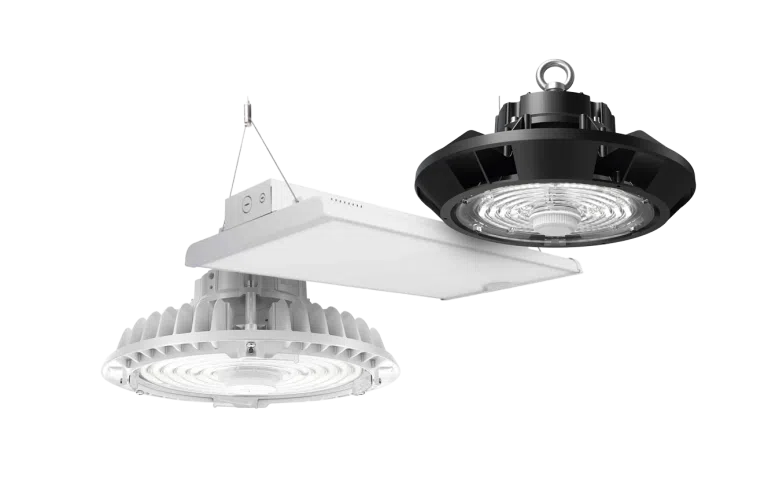
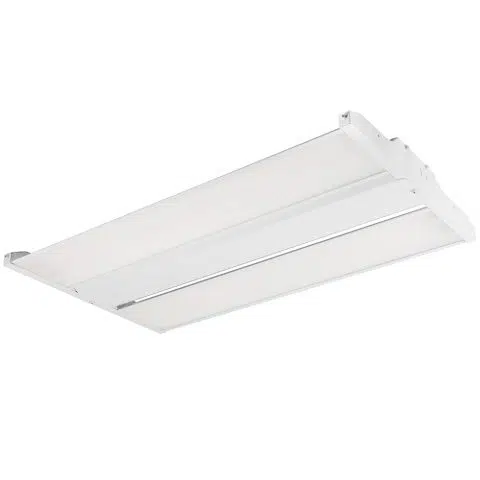
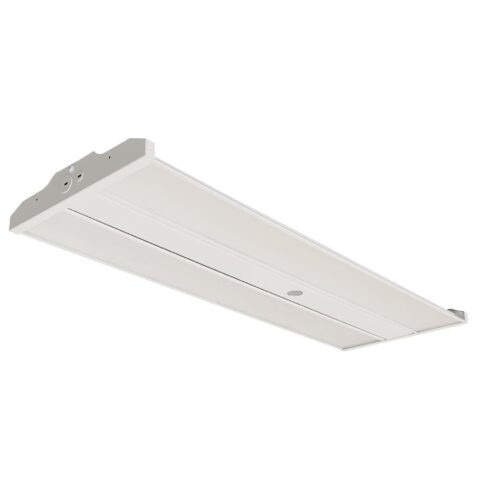
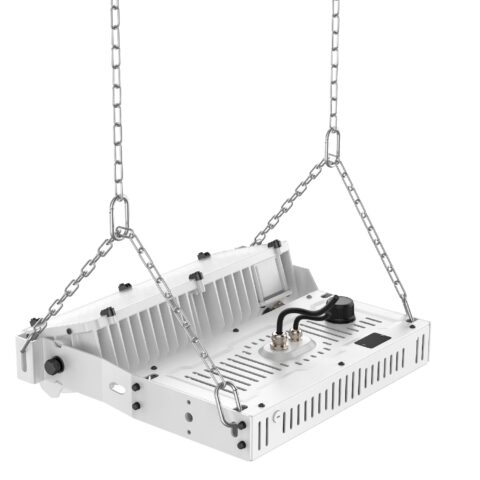
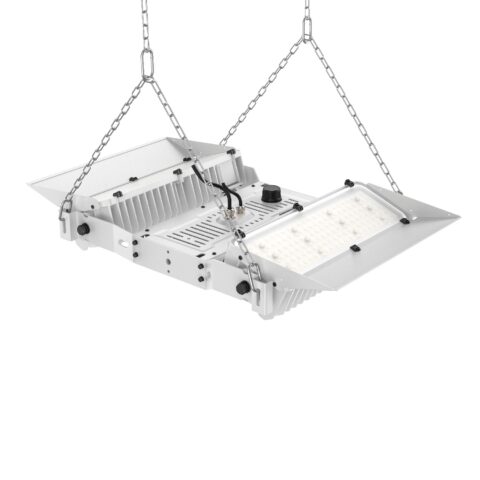
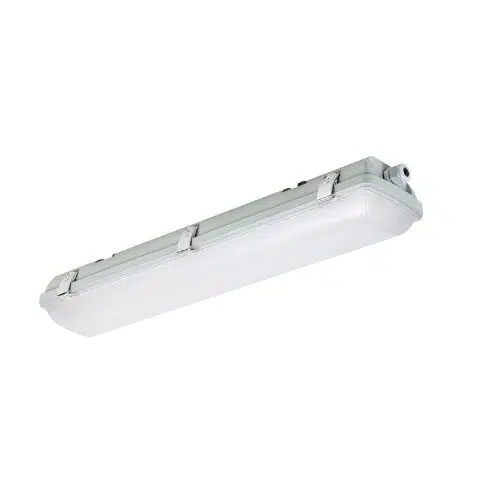
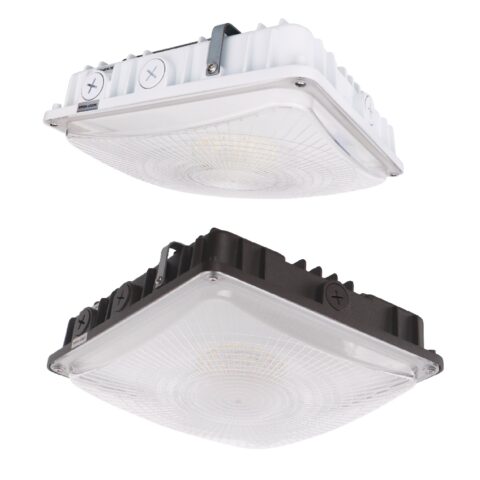
Our LED Pole Barn Lights include UFO and linear high bays, low bays, and vapor tight fixtures for commercial barn lighting. Available models include wattage-adjustable and color-selectable configurations, with dimming, motion sensor, and emergency backup options depending on the fixture.
These fixtures are commonly used in commercial pole barns, equipment storage buildings, machine sheds, workshops, livestock areas, tack rooms, feed rooms, utility rooms, wash bays, loading doors, and exterior approach areas.









LED Pole Barn Lighting for Commercial Barns, Shops, Equipment Storage, and Utility Areas
LED pole barn lighting is used in commercial pole barns, equipment storage buildings, machine sheds, workshops, livestock areas, tack rooms, feed rooms, utility rooms, wash bays, loading doors, and exterior approach areas. Start by identifying each barn area and its required light level; then choose a fixture type based on ceiling height and building layout, and confirm dust, moisture, temperature, vehicle movement, task detail, controls, and selected fixture specifications.
Most pole barns are not hazardous locations simply because they contain ordinary dust, hay, feed, or agricultural materials. However, certain operations can generate or accumulate combustible dust in quantities that may require hazardous-location review. Examples can include woodworking, grain or feed handling, milling, grinding, conveying, processing, or other operations that create suspended combustible dust or significant dust accumulation.
Selection and Installation Note: Product specifications, wattage, lumen output, optics, color temperature, voltage, dimming, controls, mounting method, wet-location rating, IP rating, impact rating, certifications, hazardous-location ratings, and warranty coverage vary by model. Confirm the selected product specification before ordering. For commercial pole barns, machine sheds, workshops, livestock areas, damp areas, wash bays, combustible-dust processes, electrical upgrades, or exterior lighting, verify requirements with the facility team, local inspector, project specifier, or a qualified electrical professional.
Recommended Foot-Candles for Pole Barn Lighting
Pole barn light levels vary by use. A barn used for equipment storage does not need the same light level as a repair shop, wash bay, or detailed workbench area. The ranges below are general planning values. Confirm final fixture selection, mounting height, beam spread, controls, and environmental rating before ordering.
Step 1: Find your foot candle levels
Step 2: Estimate your fixture count and space
Pole Barn Lighting Layout Estimator
Use this estimator to calculate approximate fixture count, spacing, and average foot-candles for pole barns, equipment storage buildings, workshops, garages, hobby shops, agricultural buildings, and indoor riding arenas using LED high bay fixtures up to 200 watts. Enter your room dimensions, mounting height, target foot-candles, light loss factor, and room/layout condition to generate a preliminary lighting layout. When IES photometry is available, workplane height and room reflectance controls are shown.
Project Inputs
Estimated Results
Estimated average foot-candles are preliminary and should be verified with a lighting plan for project-critical applications.
Room / Layout Condition: This field is used only when usable IES photometry is not available. In fallback mode, it acts as a simplified room utilization factor for reflectance, fixture distribution, racking, obstructions, and how much fixture light reaches the work area. Open / light-colored spaces use 0.90, typical warehouses or shops use 0.75, racked or obstructed spaces use 0.60, and dark or complex spaces use 0.45. When IES photometry is active, this field is hidden and the estimator uses the selected workplane height, LLF, and simplified reflectance adjustment instead.
Photometry / Simulation Note: When usable IES photometry is available for the selected fixture, this estimator uses the fixture’s IES candela data, selected workplane height, light loss factor, and simplified reflectance adjustment to estimate fixture count, average foot-candles, and visual light distribution. The reflectance adjustment is a conservative approximation and is not a full zonal-cavity, radiosity, or professional photometric room calculation. When IES photometry is not available, the estimator uses a simulated beam model based on lumens, mounting height, room/layout condition, light loss factor, and beam angle.
Preliminary Estimate Only: This estimator is intended for simple square or rectangular spaces and should be used as a planning aid, not a final photometric lighting plan. Actual light levels may vary based on fixture optics, selected IES file, mounting conditions, workplane height, ceiling height, surface reflectance, obstructions, controls, voltage, installation conditions, and site-specific requirements. Project-critical applications should be verified with a formal lighting plan.
This estimate is a starting point. Warehouses, industrial facilities, hazardous locations, sports areas, schools, healthcare spaces, public areas, and code-sensitive projects may require a reviewed lighting layout before purchase or installation.

Customer pole barn with bright, even LED lighting and reduced shadows.
Best LED Fixtures for Pole Barns
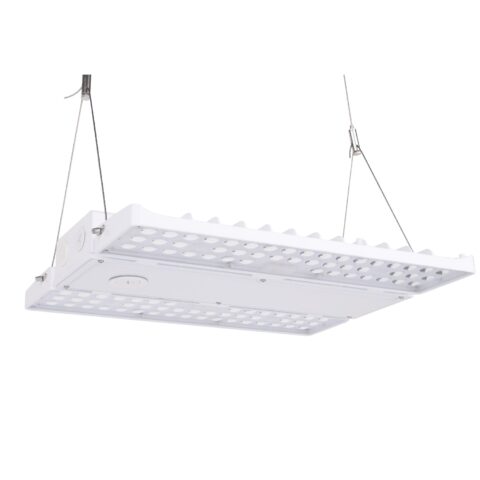
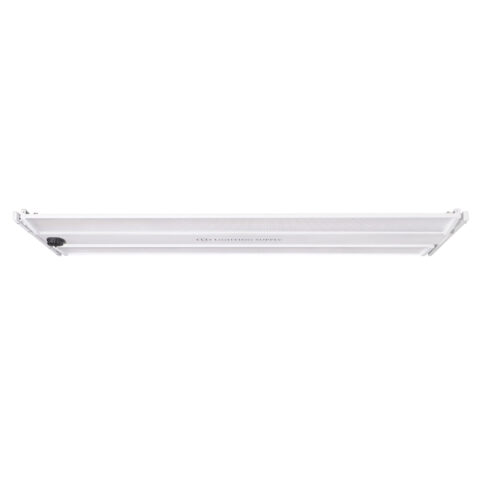
Most commercial pole barns use UFO high bays, linear high bays, low bays, or vapor tight fixtures. The best choice depends on ceiling height, building shape, fixture spacing, dust, moisture, and whether the barn is used for storage, shop work, animals, equipment, or material processing.
| Fixture Type | Where It Fits Best |
|---|---|
| UFO high bay lights | Good for open pole barns, machine sheds, and storage areas with enough mounting height for round high bay fixtures, provided the area does not require a hazardous-location rating. |
| Linear high bay lights | Good for rectangular barns, long bays, work aisles, and layouts where wider linear distribution helps reduce shadows, provided the fixture is suitable for the environmental and electrical conditions. |
| Low bay lights | Useful in lower-ceiling pole barns where high bays may be too intense or poorly distributed. |
| Vapor tight lights | Useful in damp barns, wash bays, livestock areas, dusty spaces, utility rooms, and areas where sealed construction is preferred. A vapor-tight or IP-rated fixture is not automatically suitable for a combustible-dust classified location. |
| Hazardous-location fixtures | May be required where a documented hazardous classification exists because of combustible dust, ignitible fibers, flammable gases, vapors, or other hazards. Match the exact fixture approval to the established Class, Division or Zone, Group, temperature rating, ambient rating, and installation conditions. |
| Wattage-adjustable fixtures | Useful when one fixture model is used in several non-classified barn areas or when the required output has been determined through a lighting plan. Confirm adjustment access, settings, and specifications by model. |
| Color-selectable fixtures | Useful when the facility wants flexibility in the apparent warm-to-cool color of white light. Color temperature does not determine brightness; confirm available CCT settings and lumen output by model. |
| Emergency backup options | May be useful for exit paths, work areas, or commercial barns where emergency operation is required. Confirm compatibility, runtime, and any hazardous-location requirements by model. |
How to Choose LED Pole Barn Lights
Pole barn lighting should be selected based on how the building is used. A barn used for tractor storage has different needs than a woodworking shop, animal area, repair bay, feed-processing area, or damp wash area.
| Selection Factor | What to Confirm |
|---|---|
| Barn use | Confirm whether the space is used for equipment storage, shop work, vehicle repair, livestock, feed storage, feed processing, woodworking, tack, loading, washdown, or mixed commercial use. |
| Ceiling height | Higher pole barns may use UFO or linear high bays. Lower ceilings may need low bays or vapor tight fixtures with wider distribution. |
| Building width and layout | Long, narrow, or divided barns may need linear fixtures or multiple rows. Open barns may work well with high bays when spacing is correct. |
| Dust and debris | Wood dust, hay, feed, bedding, grain, and equipment debris can collect on fixtures. Confirm lens style, IP rating, cleaning access, fixture protection, and whether the activity creates a combustible-dust hazard that requires classified-location review. |
| Combustible-dust potential | Woodworking, sawing, sanding, grain or feed handling, milling, grinding, conveying, or similar processes can generate combustible dust. If combustible dust may be suspended in the air or accumulate around electrical equipment, have the area classification evaluated before selecting ordinary high bays, low bays, or vapor-tight fixtures. |
| Moisture and wash areas | Wash bays, damp rooms, livestock areas, and utility rooms may need vapor tight or wet-location high bay fixtures. Confirm the exact environmental rating for the selected model. |
| Color temperature | 4000K is common for general barn lighting, while 5000K may be preferred for shop work, task areas, and equipment repair. CCT describes the apparent color of white light; confirm the available setting by model. |
| Dimming and controls | Motion sensors, 0-10V dimming, and switching by zone may be useful when barns have storage areas, shop areas, and low-traffic spaces. Controls located within a hazardous classified area must also be suitable for that location. |
| Emergency operation | Confirm whether emergency battery backup, generator-backed circuits, or separate emergency lighting is required for the building use and whether any emergency equipment is located in a classified area. |
Combustible Dust in Pole Barns and Agricultural Buildings
Dusty does not automatically mean hazardous classified. Ordinary dirt, dust, hay fragments, or agricultural debris in a storage barn does not by itself establish a Class II location. The classification depends on the material, how it is handled or processed, the amount and frequency of suspended dust, dust accumulation, equipment operation, and the exact area being evaluated.
However, certain pole-barn operations can create combustible-dust hazards. Examples may include:
- Woodworking, sawing, sanding, or processing that generates fine wood dust
- Grain handling, conveying, grinding, or milling
- Feed processing or handling that generates combustible organic dust
- Handling of dried agricultural materials that produces fine airborne dust
- Operations where combustible dust accumulates on or around electrical equipment
Where these conditions exist, the electrical area should be evaluated to determine whether a hazardous classification applies. Depending on the documented conditions, the area may require equipment approved for a Class II Division 1, Class II Division 2, Class III, or another applicable hazardous location.
A vapor-tight fixture, dust-resistant fixture, or IP-rated fixture should not be treated as a substitute for a hazardous-location fixture. IP ratings address ingress protection against specified solids and water. They do not establish that the fixture is approved for a combustible-dust classified location.
LED Lighting Supply can help match lighting products to an established hazardous-location classification, but the classification itself should be determined by the facility engineer, qualified electrical professional, safety professional, or authority having jurisdiction.
Vapor-Tight vs. Hazardous-Location Lighting in a Pole Barn
| Fixture Type | What It Addresses |
|---|---|
| Standard high bay or low bay | General lighting for ordinary non-classified barn, storage, shop, or equipment areas when the fixture is otherwise suitable for the environment. |
| Vapor-tight / sealed fixture | Helps protect against specified moisture, dust, dirt, or other environmental ingress depending on the fixture construction and ratings. It is not automatically approved for combustible-dust hazardous locations. |
| IP-rated fixture | Provides the specified level of solid and water ingress protection. An IP rating does not establish hazardous-location approval, chemical resistance, or corrosion resistance. |
| Class II hazardous-location fixture | Designed and approved for specified combustible-dust classified locations when its exact Class, Division, Group, temperature, ambient, and installation ratings match the documented area classification. |
Pole Barn Lighting by Area
Different pole barn areas need different light levels and fixture types. Use the table below to match the lighting approach to the work being done in each space.
| Pole Barn Area | Lighting Priorities |
|---|---|
| General barn areas | Comfortable visibility for movement, storage, doors, tools, and day-to-day use without over-lighting the space. |
| Equipment and machine storage | Visibility around tractors, trailers, implements, loaders, lifts, and parked equipment. |
| Workshop and shop areas | Higher task light for repairs, benches, tools, fabrication, inspection, and detailed work. Woodworking or other dust-generating operations should also be reviewed for combustible-dust hazards where applicable. |
| Livestock and animal areas | General visibility with attention to dust, humidity, cleaning, fixture protection, animal contact risk, and the actual barn environment. |
| Tack, feed, and utility rooms | Practical lighting for smaller rooms, shelves, supplies, tools, feed, and controls. Feed storage alone does not automatically create a classified location, but feed handling or processing that produces combustible dust should be evaluated separately. |
| Grain or feed-processing areas | Review combustible-dust potential before fixture selection. Do not assume a standard vapor-tight fixture is suitable if the area is hazardous classified. |
| Wash bays and damp areas | Sealed fixtures, wet-location suitability, IP rating, cleaning exposure, and corrosion review. |
| Loading doors and entrances | Visibility around overhead doors, vehicle movement, materials, transitions, and exterior spill light. |
| Exterior approaches | Wall packs, flood lights, or area lights for doors, drive areas, nighttime access, and equipment movement. |

When an LED Pole Barn Lighting Upgrade Makes Sense
An LED upgrade is often worth evaluating when existing lighting leaves dark work areas, requires frequent lamp or ballast service, has long warm-up times, or operates for many hours each day. The decision should be based on the existing system, operating schedule, desired light levels, electrical conditions, and the fixture layout needed for the finished barn.
- Replace aging HID or fluorescent systems: LED fixtures can provide full output quickly and eliminate routine lamp and ballast replacement associated with many older systems.
- Improve task visibility: A lighting plan can target higher illuminance at repair bays, benches, aisles, loading areas, and equipment access points instead of applying the same output throughout the building.
- Reduce energy use where operating hours are significant: Savings depend on the existing wattage, replacement wattage, annual operating hours, electricity rate, controls, and maintained light levels.
- Use controls for intermittently occupied areas: Compatible occupancy sensors, dimming, and zoning can reduce operating time in storage bays, utility rooms, and other lower-traffic spaces.
- Standardize maintenance and inventory: Using selected compatible fixture models across ordinary, non-classified areas may simplify replacement planning, provided the required output, mounting, voltage, and environment are the same.
- Address changing barn use: A storage building converted into a workshop, repair area, or processing space may need a revised photometric layout and environmental review rather than a simple one-for-one fixture replacement.
Common Pole Barn Lighting Mistakes
- Ordering before confirming the mounting layout: Fixture quantity and spacing should be based on mounting height, work areas, fixture optics, and fixture-specific photometric data rather than a universal spacing rule.
- Choosing by wattage alone: Wattage does not confirm light level, beam spread, fixture spacing, glare, color temperature, or environmental suitability.
- Using a high-output fixture at a low mounting height: A fixture suitable at 20 feet may create glare, uneven illumination, or excessive light at 10 feet. Review lumen output and distribution for the actual mounting height.
- Ignoring obstructions and work surfaces: Trusses, fans, doors, racking, equipment, and parked machinery can block or redirect light. Plan fixture locations around the finished barn layout.
- Failing to separate lighting zones: A repair area, storage bay, aisle, loading door, and exterior entrance often have different operating schedules and may benefit from separate switching, dimming, or occupancy controls.
- Overlooking voltage and control compatibility: Confirm branch-circuit voltage, dimming type, sensor compatibility, switching arrangement, and any need for photocells or emergency circuits before ordering.
- Not planning for cleaning and service access: Fixtures installed above equipment, stalls, racking, or difficult-to-reach trusses should remain accessible for inspection, cleaning, and future maintenance.
- Assuming all adjustable fixtures can be changed after installation: Wattage and CCT settings vary by model and may require access to a selector switch before or during installation.
- Adding emergency backup without confirming the system design: Confirm emergency battery compatibility, rated runtime, environmental suitability, circuit arrangement, and any code-required emergency-lighting design with the qualified project authority.
- Skipping final specification review: Verify mounting hardware, fixture dimensions, weight, voltage, environmental rating, controls, certifications, warranty, and hazardous-location approval where required for the exact model being purchased.
Pole Barn Lighting Certifications, Rebates, and Warranty Support
LED pole barn lights from LED Lighting Supply may carry a safety listing or certification such as UL, ETL, or CSA, depending on product. Selected models may be DLC or DLC Premium listed for utility rebate support where available. DLC qualification is an efficiency and performance program, not an electrical safety certification. Rebate requirements vary by utility, region, and product listing, so confirm eligibility on the selected product specification before ordering.
Hazardous-location approval is separate from a general UL, ETL, CSA, DLC, IP, or vapor-tight designation. If a pole barn area has a documented hazardous classification, confirm that the exact fixture is approved for the required Class, Division or Zone, Group, temperature rating, ambient range, and installation conditions.
Warranty coverage varies by product and manufacturer. Before purchase, review the selected product specification to confirm warranty terms, certifications, DLC status, voltage, controls compatibility, mounting method, environmental rating, hazardous-location rating where required, and whether the fixture is right for the barn layout and conditions.
Contact us about LED pole barn lighting, and our Product Specialists can help review barn use, ceiling height, fixture type, light level, controls, moisture exposure, dust exposure, documented hazardous-location requirements, and product specifications.
LED Pole Barn Lighting FAQs
How Do I Choose The Right LED Fixture Type For A Pole Barn?
Choose the fixture type based on barn use, ceiling height, building shape, spacing, dust, and moisture. UFO and linear high bays are commonly used in commercial pole barns, while low bays can be useful for lower ceilings and vapor tight fixtures can be useful in damp, dusty, livestock, wash bay, and utility areas.
Should I Choose UFO Or Linear High Bays For My Pole Barn?
UFO high bays are often a good fit for open pole barns, machine sheds, storage areas, and higher ceilings, while linear high bays are often useful for long rectangular barns, equipment rows, work aisles, and shop-style layouts. Linear distribution can help reduce shadows in these layouts.
What Should I Consider When Planning Pole Barn Fixture Quantity And Spacing?
Fixture quantity and spacing should be planned around barn use, ceiling height, building width, layout, target light levels, beam spread, controls, and environmental conditions. Confirm final fixture selection, mounting height, beam spread, controls, and environmental rating before ordering.
What Lighting Is Suitable For Damp Or Dusty Pole Barn Areas?
Vapor tight fixtures may be useful in damp barns, wash bays, livestock areas, dusty spaces, utility rooms, and areas where sealed construction is preferred. For dusty or moisture-prone areas, confirm lens style, IP rating, cleaning access, fixture protection, wet-location suitability, and cleaning exposure.
Can One LED Fixture Type Be Used Throughout A Pole Barn?
One fixture type may not suit every pole barn area because storage, shop areas, livestock zones, damp rooms, and exterior approaches can have different lighting needs. Equipment storage often needs less light than a repair bay or detailed workbench area, and damp or washdown-adjacent areas may require sealed or vapor tight fixtures.
What Color Temperature Should I Select For Pole Barn Lighting?
4000K is common for general barn lighting, while 5000K may be preferred for shop work, task areas, and equipment repair. Confirm available color temperature settings by model.
Are Controls And Adjustable Settings Available For LED Pole Barn Lights?
Some LED pole barn lighting models support dimming, motion sensors, switching zones, wattage selection, or color selection depending on fixture and driver design. These options may be useful when a barn has separate storage, shop, and low-traffic areas, but controls compatibility should be confirmed for the selected model.
What Should I Verify Before Ordering LED Pole Barn Lights?
Before ordering, confirm the selected product specifications for wattage, lumen output, optics, color temperature, voltage, dimming, controls, mounting method, wet-location rating, IP rating, impact rating, certifications, and warranty coverage. These specifications vary by model.