LED High Bay Lights with Motion Sensors
- Automatic dimming and shutoff help reduce energy use in variable-occupancy areas
- PIR and microwave sensor options available for different obstructions
- Most models include 5-year warranty with 0-10V dimming compatibility


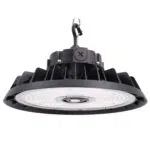
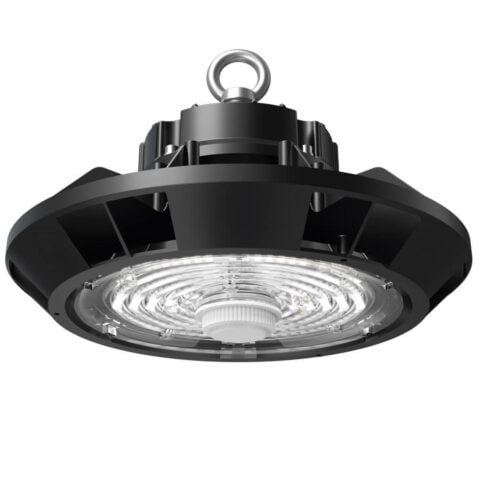
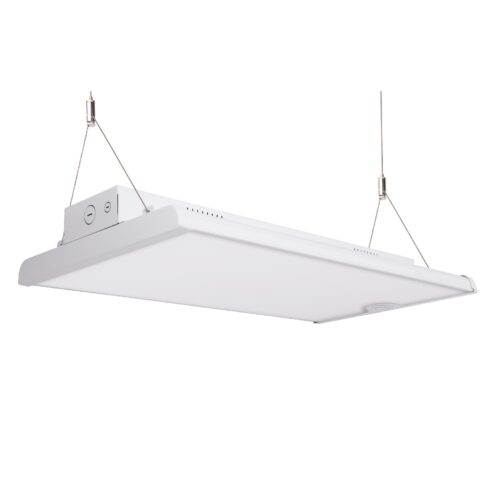
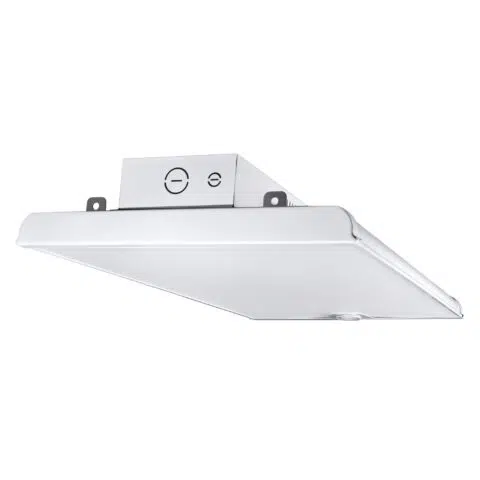
Our LED High Bay Lights with Motion Sensors include high bay fixtures with PIR or microwave sensors and 0-10V or 1-10V dimming controls. Available sensor settings can provide full output during occupancy, reduced standby output, and shutoff after a selected unoccupied period.
These fixtures are commonly used in warehouse and high-rack storage aisles, distribution and fulfillment centers, loading, staging, and receiving areas, maintenance bays, service facilities, cold-storage and freezer aisles, and intermittently occupied production and storage areas.



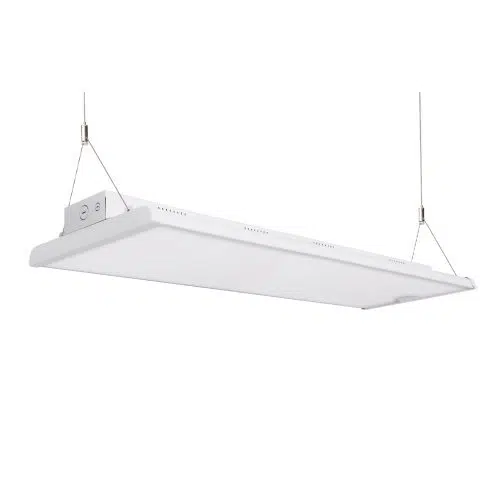

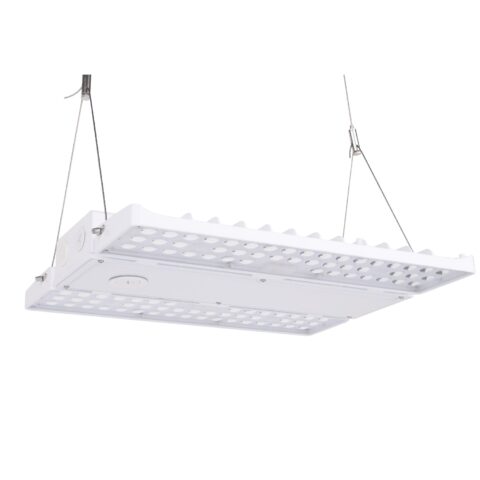
How Motion Sensor LED High Bay Lights Work
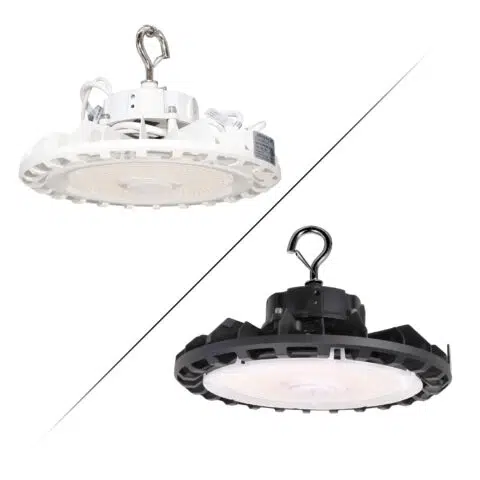
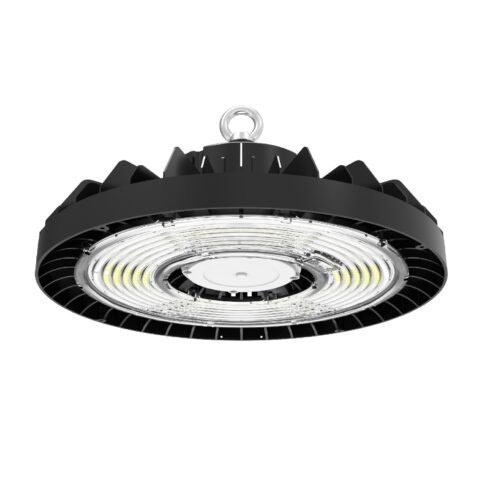
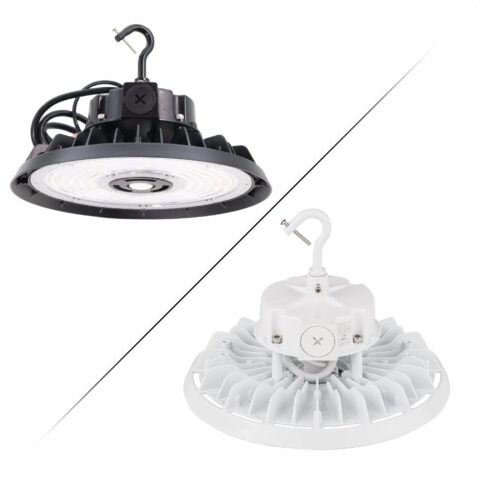
Motion sensor LED high bay lights automatically adjust output when activity is detected below the fixture. Depending on the sensor settings, the light can turn on, increase from a dimmed standby level to full output, or turn off after the area remains unoccupied for a selected period.
When selecting a motion sensor high bay, confirm that the sensor coverage pattern and mounting-height range fit the space, choose PIR or microwave detection based on obstructions and sensitivity needs, and verify fixture voltage, dimming compatibility, and environmental suitability.
LED high bays are well suited for occupancy controls because they turn on immediately and do not require a warm-up period. Normal motion-sensor switching and 0-10V dimming do not create the frequent-cycling life penalty associated with fluorescent lamps.
Sensor-controlled high bays are most useful in areas where occupancy changes throughout the day, including:
- Warehouse and high-rack storage aisles
- Distribution and fulfillment centers
- Loading, staging, and receiving areas
- Maintenance bays and service facilities
- Cold-storage and freezer aisles
- Intermittently occupied production and storage areas
Spaces with constant activity may provide less opportunity for occupancy-based savings because the fixtures remain at full output for most of the operating period.
Motion Sensors with 0-10V / 1-10V Dimming
Many LED high bays use a 0-10V or 1-10V dimmable driver. A compatible motion sensor sends a low-voltage control signal to the driver, allowing the fixture to operate at different output levels without repeatedly disconnecting normal power.
A common sequence is:
- Full output while the area is occupied
- Reduced standby output after a selected hold time
- Complete shutoff after an additional period with no detected activity
Dimming an unoccupied area can reduce energy use while maintaining enough background light for navigation, security, or operational visibility. Additional savings depend on operating hours, traffic patterns, standby level, hold time, and how often the area is occupied.
Before ordering, confirm that the fixture and sensor support the same 0-10V dimming method. Also verify the sensor's input voltage, mounting-height range, detection pattern, and compatibility with the selected high bay.
PIR vs Microwave High Bay Sensors
| Sensor Type | Best Applications | What to Consider |
|---|---|---|
| PIR | Open areas with a clear view below the fixture | Racking, equipment, partitions, and limited movement can reduce detection |
| Microwave | Areas with obstructions or applications requiring more sensitive motion detection | May detect movement outside the intended zone if sensitivity and range are set too high |
Passive infrared, or PIR, sensors detect changes in heat as people or equipment move across the coverage area. They are a strong choice for open warehouses, production areas, storage spaces, and other locations with a clear line of sight.
Microwave sensors detect motion by measuring changes in reflected high-frequency signals. They can respond to smaller movements and may perform better where equipment, racking, temperature conditions, or fixture construction limit PIR performance.
Neither sensor type is automatically better for every project. The correct choice depends on mounting height, aisle geometry, obstructions, traffic patterns, and the area that should trigger the light.
What to Confirm Before Ordering
- Mounting height: Verify that the sensor and lens are designed for the installed height.
- Coverage pattern: Confirm that the detection area matches the aisle, open floor, or work zone.
- Sensor technology: Choose PIR or microwave based on line of sight, obstructions, and required sensitivity.
- 0-10V compatibility: Confirm that both the high bay and sensor support the intended dimming sequence.
- Fixture voltage: Match the sensor and fixture to the building's lighting circuit.
- Standby settings: Determine whether the fixture should dim, remain at full output, or turn off when the area is vacant.
- Environmental rating: Confirm temperature and wet-location suitability for cold storage, damp spaces, dusty facilities, or other demanding environments.
Sensor settings should be tested after installation under normal operating conditions. Forklift routes, rack height, doors, nearby activity, and equipment movement can affect detection. Adjust sensitivity, hold time, standby output, and shutoff timing as needed during commissioning.
Certifications and Warranty
Confirm that the selected high bay and sensor carry the required safety certifications, such as UL or ETL, and verify DLC or DLC Premium status when utility rebates are expected. Voltage, dimming functions, mounting-height limits, environmental ratings, and warranty coverage vary by model. Most LED Lighting Supply high bays include a 5-year warranty unless otherwise specified.
Electrical installation and control wiring should be completed by a qualified professional according to the fixture and sensor manufacturers' instructions.
LED High Bay Lights with Motion Sensors FAQs
How Do Motion Sensor LED High Bay Lights Work?
Motion sensor LED high bay lights automatically adjust output when activity is detected below the fixture. Depending on sensor settings, they can turn on, increase from dimmed standby to full output, or turn off after the area remains unoccupied for a selected period.
Where Are Motion Sensor LED High Bays Most Useful?
Motion sensor LED high bays are most useful in areas where occupancy changes throughout the day, including warehouse aisles, distribution and fulfillment centers, loading areas, maintenance bays, cold-storage aisles, and intermittently occupied production or storage areas.
Are Motion Sensor High Bays a Good Choice for Constantly Active Areas?
Spaces with constant activity may provide less opportunity for occupancy-based savings because fixtures remain at full output for most of the operating period. Sensor-controlled high bays are more useful where occupancy changes throughout the day.
How Do I Choose Between PIR and Microwave High Bay Sensors?
Choose PIR sensors for open areas with a clear view below the fixture, and consider microwave sensors for areas with obstructions or applications requiring more sensitive motion detection. The correct choice depends on mounting height, aisle geometry, obstructions, traffic patterns, and the area that should trigger the light.
What Should I Confirm Before Ordering a Motion Sensor High Bay?
Confirm the sensor mounting-height range, coverage pattern, sensor technology, fixture voltage, environmental suitability, and compatibility with the selected high bay. For dimming sequences, verify that the fixture and sensor support the same 0-10V dimming method.
What Output Sequence Can a Dimming Motion Sensor Use?
A common dimming sequence provides full output while the area is occupied, reduced standby output after a selected hold time, and complete shutoff after an additional period without detected activity. Standby settings can be selected to dim, remain at full output, or turn off when the area is vacant.
Should Motion Sensor Settings Be Tested After Installation?
Sensor settings should be tested after installation under normal operating conditions. Forklift routes, rack height, doors, nearby activity, and equipment movement can affect detection, and sensitivity, hold time, standby output, and shutoff timing can be adjusted during commissioning.
What Warranty and Certifications Should Be Verified?
Confirm that the selected high bay and sensor carry the required safety certifications, such as UL or ETL, and verify DLC or DLC Premium status when utility rebates are expected. Most LED Lighting Supply high bays include a 5-year warranty unless otherwise specified, while warranty coverage varies by model.