LED Cold Storage Warehouse Lighting
- Fixtures rated for freezer and refrigerated operating temperatures
- Options for high ceilings, aisles, and moisture-exposed areas
- Application support for layout, optics, and temperature requirements


Get Your Custom Lighting Plan With Product Recommendations
- Layout designed around aisle orientation and racking height for uniform coverage in low-temperature environments
- Fixture selection matched to cold storage ratings, lens options, and lumen output suited for freezer conditions
- LED options can reduce energy use and extend maintenance intervals in hard-to-access refrigerated areas


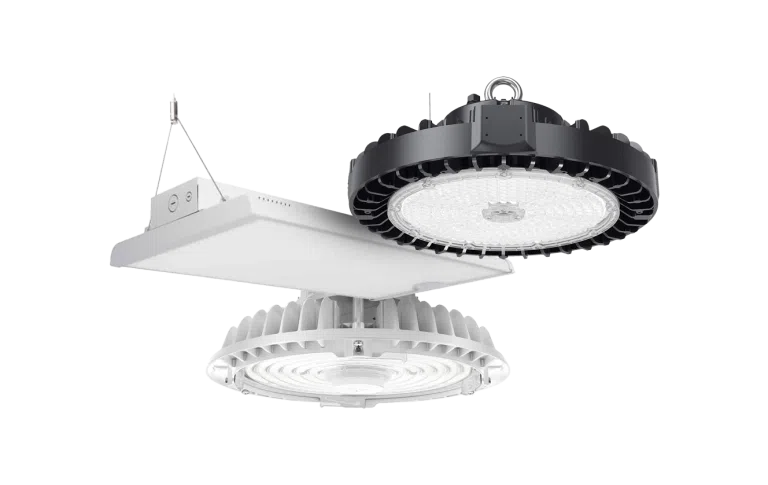
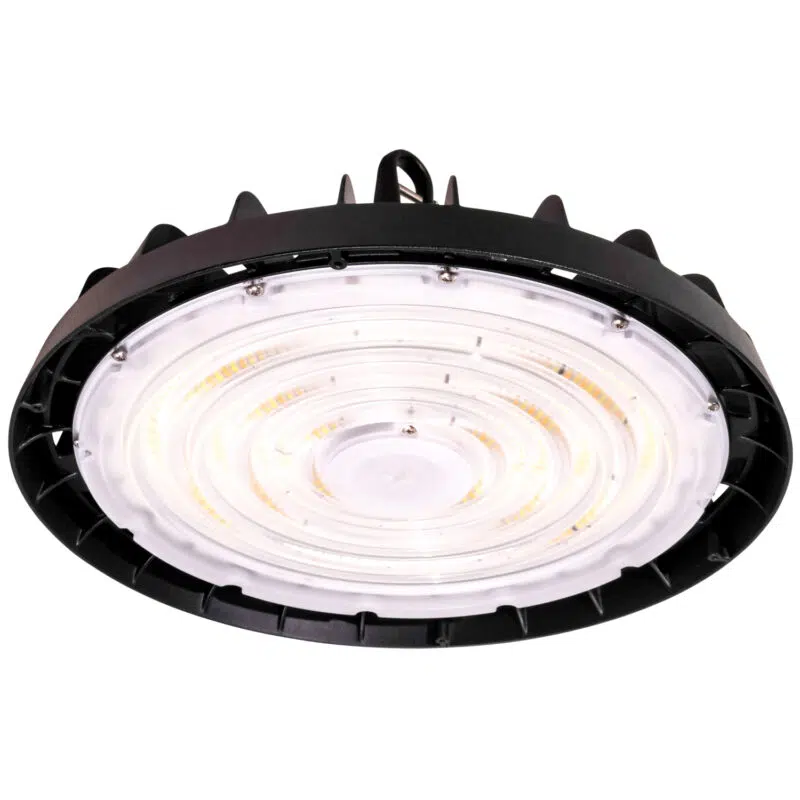
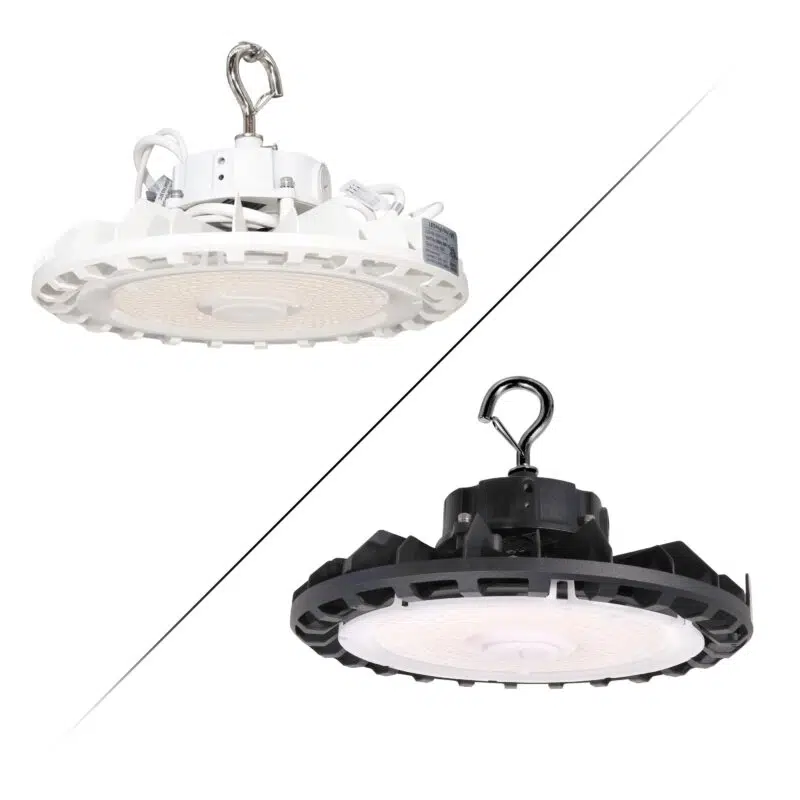
Our LED Cold Storage Warehouse Lighting includes UFO and linear warehouse lights, vapor-tight linear fixtures, and warehouse aisle lights for refrigerated and frozen facilities. Available fixtures vary by layout, mounting location, output, optics, voltage configuration, and control options including motion sensors, dimming controls, and photocells.
These products are used in refrigerated distribution centers, freezer warehouses, food storage facilities, open freezer floors, staging areas, loading zones, pallet racking, long storage rows, warehouse aisles, processing rooms, corridors, and washdown spaces.
-
 Starting At $358.44
-
Starting At $384.03





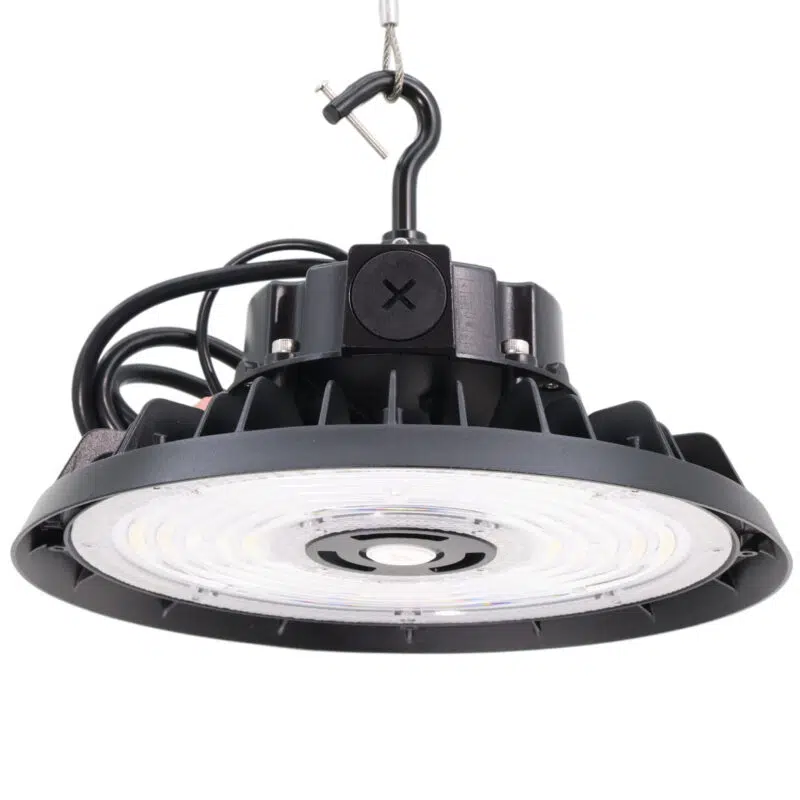
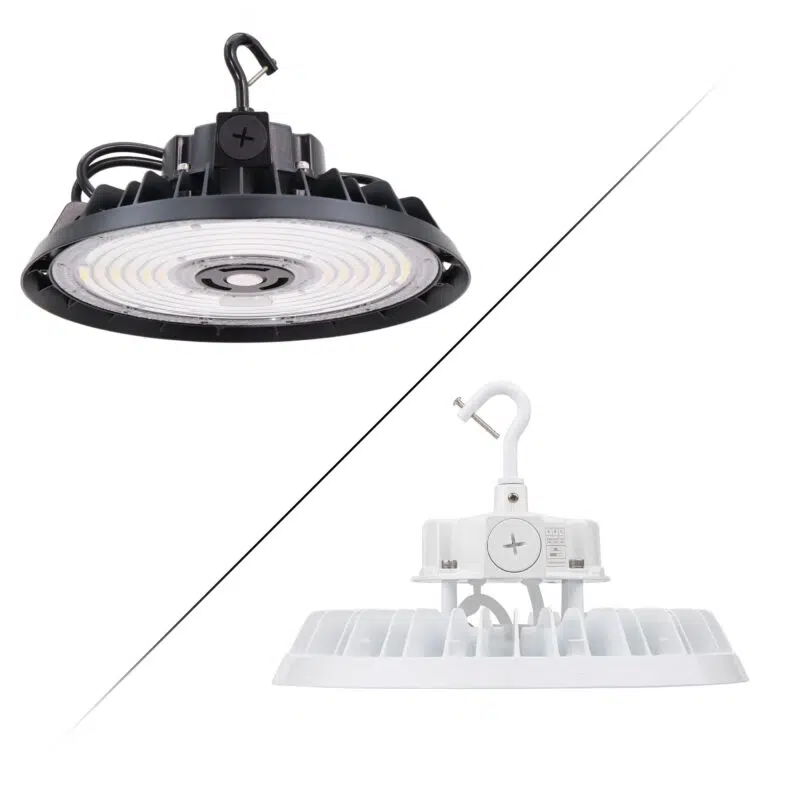
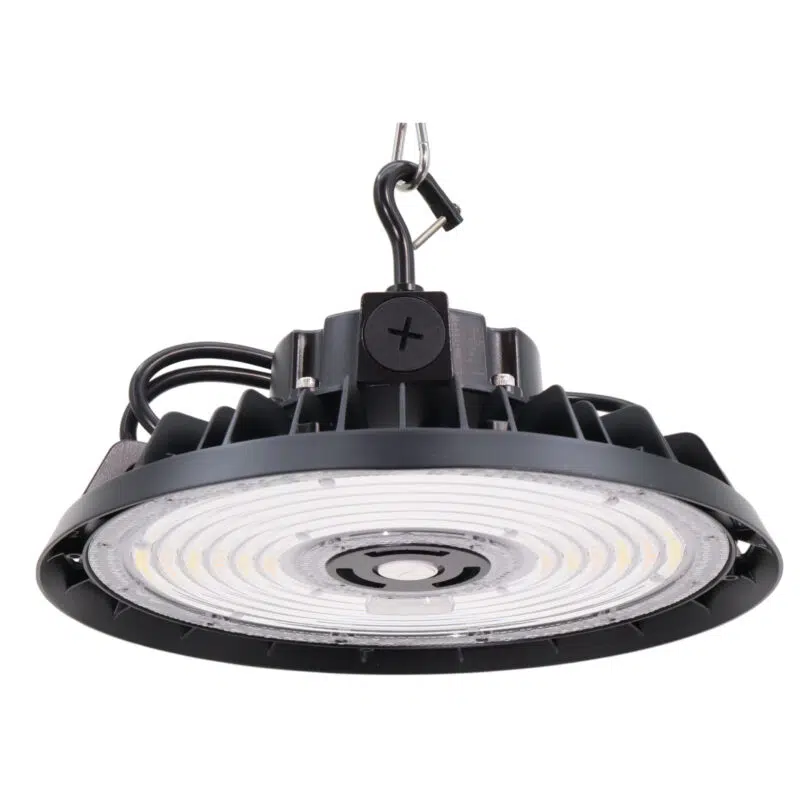
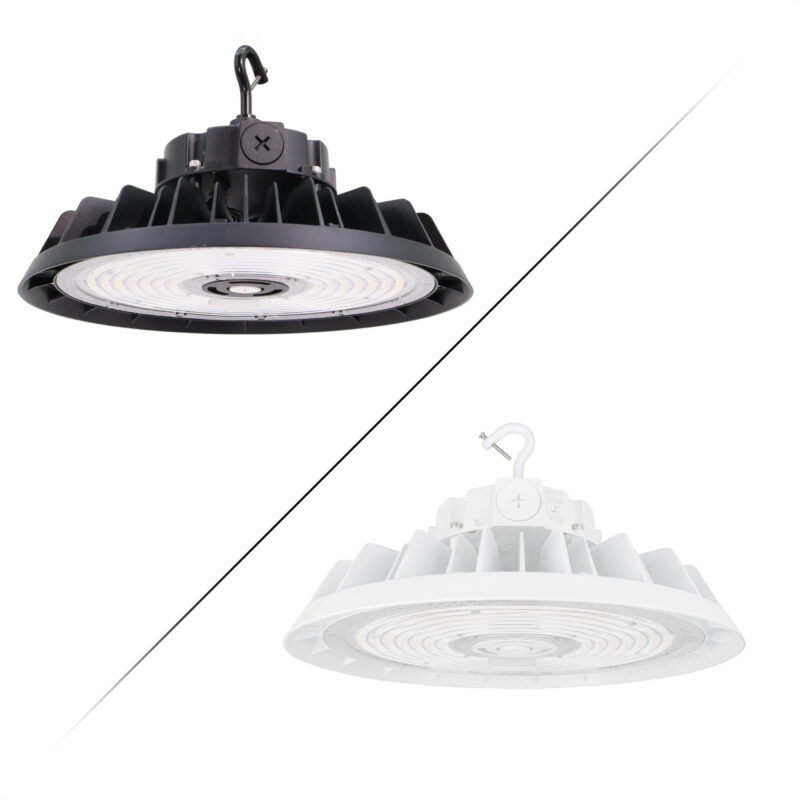
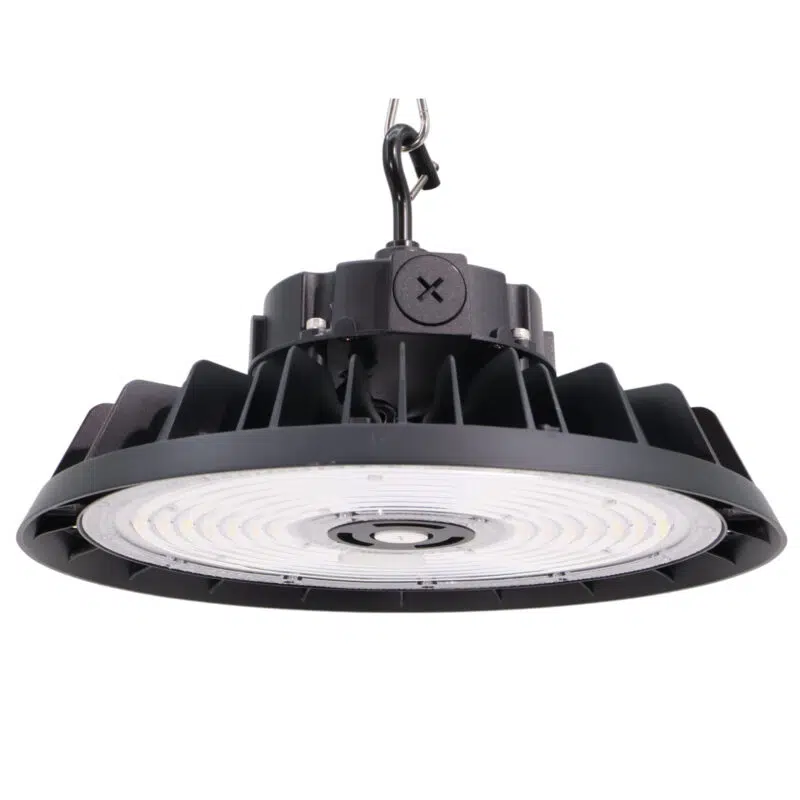
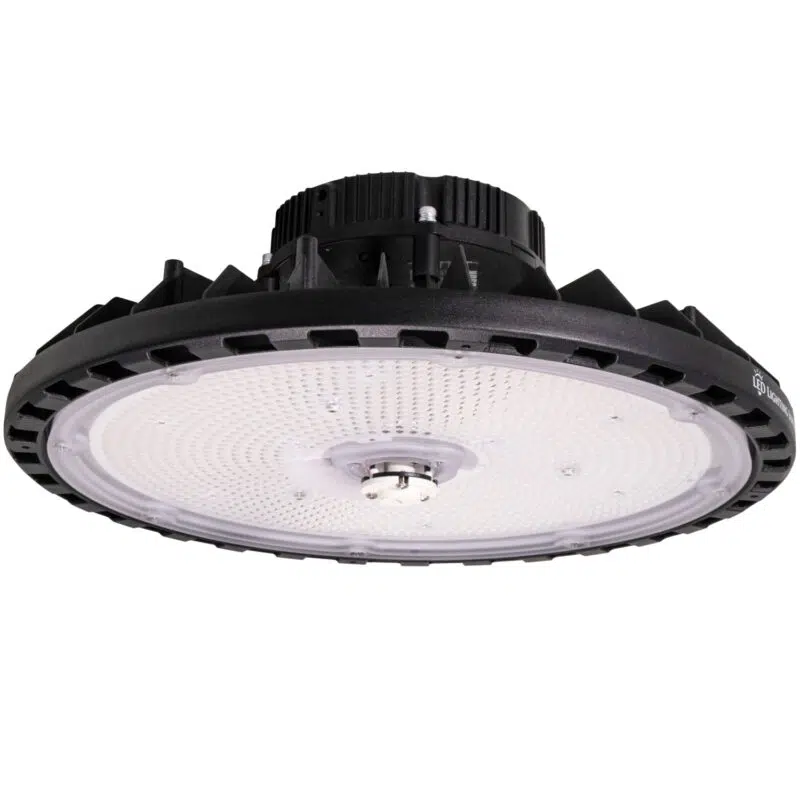

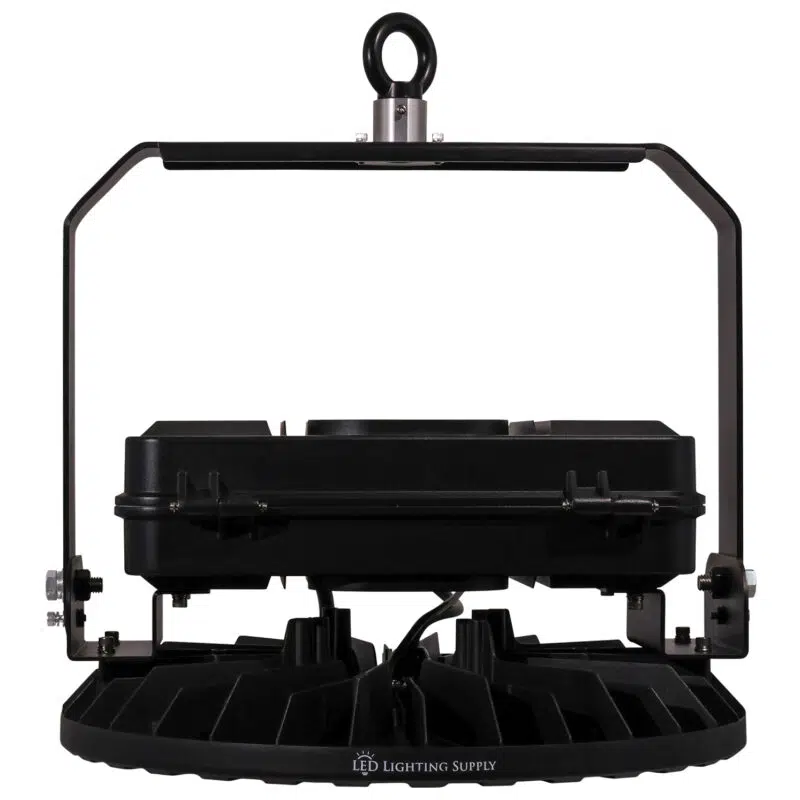

LED Cold Storage Warehouse Lighting
LED cold storage warehouse lighting is designed for refrigerated distribution centers, freezer warehouses, food storage facilities, and other large temperature-controlled spaces. These environments require more than standard warehouse fixtures because low temperatures, condensation, moisture, tall pallet racking, and frequent door cycling can affect fixture and control performance.
The selected light must be rated for the lowest expected ambient temperature at its actual mounting location. A fixture that operates properly in a refrigerated area may not be suitable for a deep-freeze warehouse, blast freezer, or space exposed to repeated temperature changes.
Best Lights for Cold Storage Warehouses
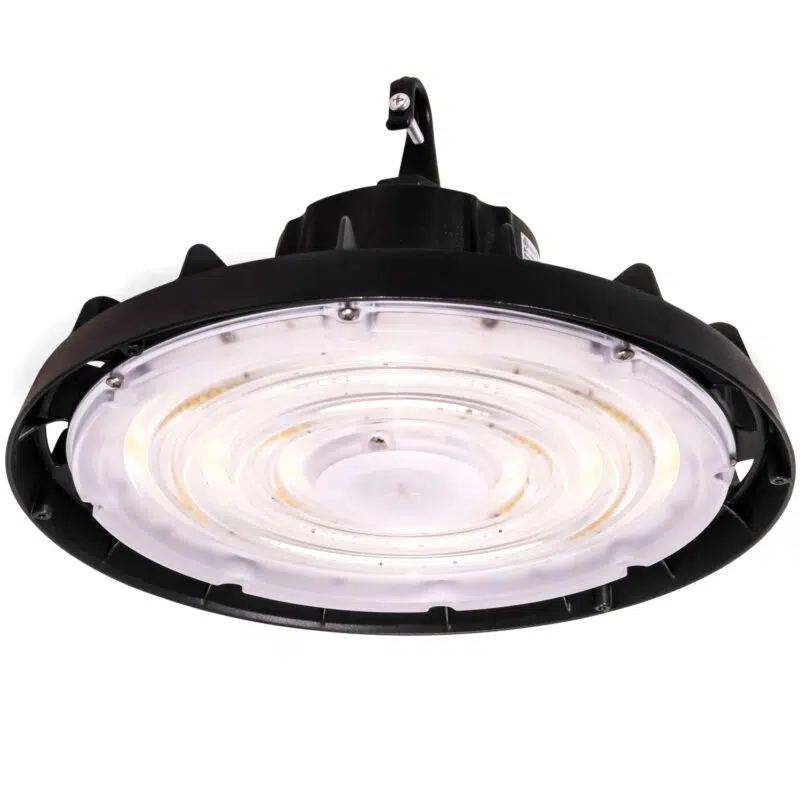
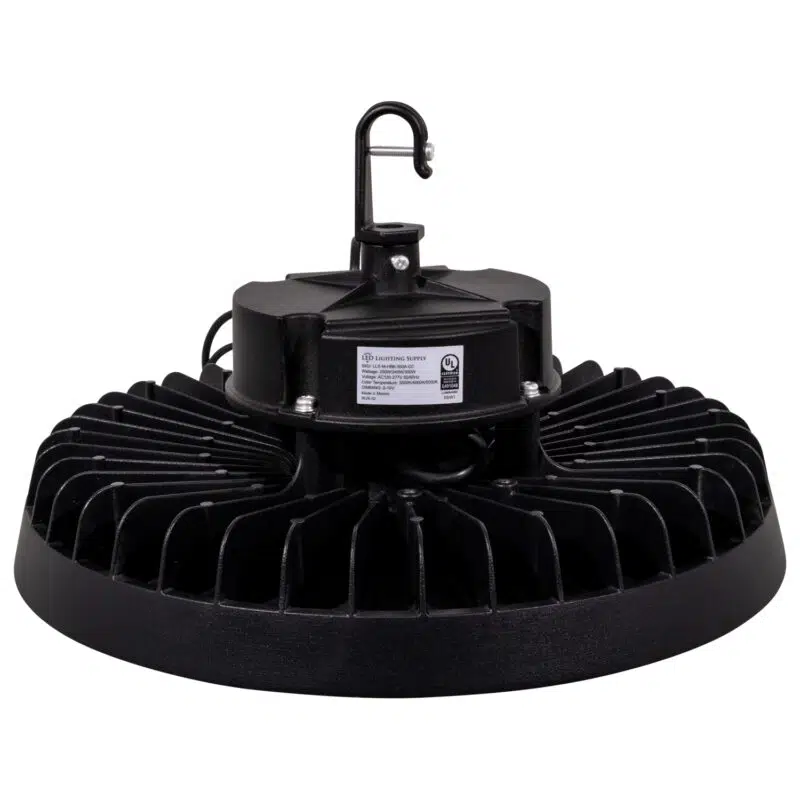
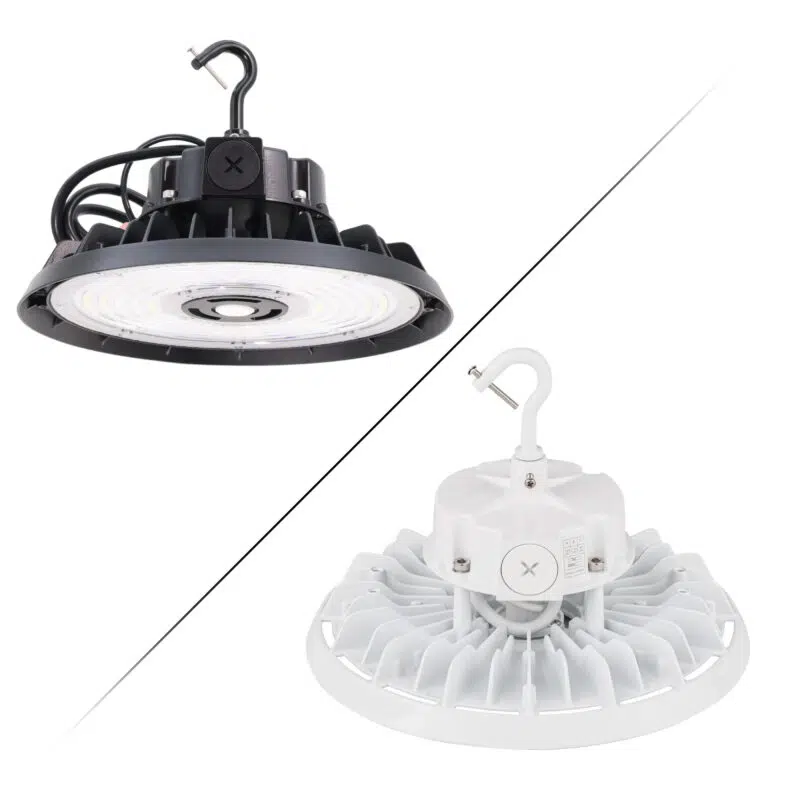
- UFO LED warehouse lights: Commonly used in open freezer floors, staging areas, loading zones, and high-ceiling refrigerated spaces where broad downward illumination is needed.
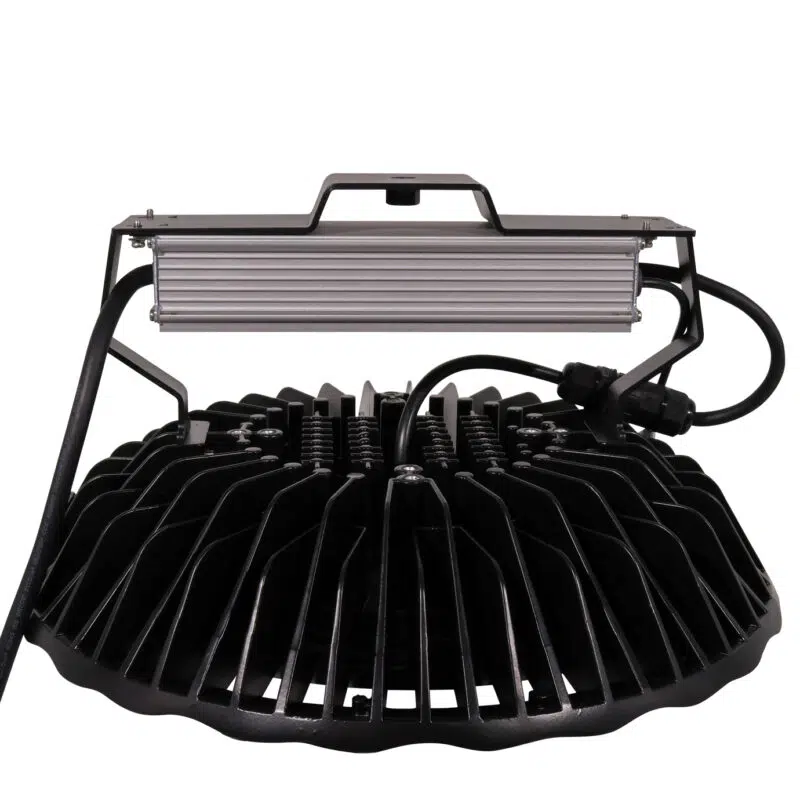
- Linear LED warehouse lights: Well suited to pallet racking, long storage rows, warehouse aisles, and rectangular layouts where even coverage along the aisle is important.
- Vapor-tight linear fixtures: Used in lower-ceiling areas, processing rooms, corridors, washdown spaces, and locations exposed to moisture or condensation.
- Warehouse aisle lights: Useful between tall racks where light must reach the floor and vertical storage surfaces rather than only the tops of the racks.
Start with the space layout and mounting height: use broad-coverage fixtures for open floors, linear fixtures for long rows and aisles, vapor-tight fixtures for lower-ceiling or moisture-exposed areas, and aisle lights between tall racks. Then verify output, optics, mounting location, target foot-candle levels, environmental exposure, voltage, and the lowest expected temperature. Do not select a cold storage fixture by wattage alone.
What to Confirm Before Ordering
- Minimum operating temperature: Verify the fixture, driver, sensor, and emergency components are rated for the coldest expected condition.
- Condensation and moisture: Confirm the required wet-location, IP, vapor-tight, or washdown rating for the area.
- Mounting height and layout: Match fixture output and optics to open floors, pallet racks, narrow aisles, loading zones, and work areas.
- Voltage: Confirm whether the facility uses 120-277V, 277-480V, or another electrical system.
- Controls: Verify that motion sensors, dimming controls, and photocells are rated for the operating temperature and fixture driver.
- Food and sanitary requirements: Food storage, processing, or washdown spaces may require sealed, food-grade or NSF-rated fixtures, or easily cleanable fixtures.
- Impact exposure: Review IK ratings or protective guards where fixtures may be exposed to forklifts, pallets, equipment, or vibration.
Motion Sensors in Refrigerated Warehouses
Motion sensors can be especially useful in cold storage aisles and reserve storage areas that are occupied only periodically. A compatible sensor can bring the fixture to full output when a worker or forklift enters the zone, then dim the light after the area becomes vacant.
Low temperature can affect sensor and driver operation, so confirm the complete control package rather than only the fixture rating. Sensor mounting height, detection pattern, rack obstructions, standby level, and hold time should be tested under actual operating conditions.
Condensation, Washdown, and Door Cycling
Cold storage fixtures may be exposed to moisture when warm air enters through loading doors or when refrigeration systems cycle. Condensation can form on fixture housings, lenses, wiring connections, and controls if the equipment is not properly rated and installed.
Areas that receive hose-down cleaning or frequent moisture exposure may require wet-location high bay lights, vapor-tight, or washdown-rated fixtures. Confirm enclosure ratings, gasketed construction, corrosion resistance, mounting hardware, conduit entries, and installation requirements for the exact location.
Cold Storage Warehouse Lights vs Walk-In Cooler Lights
Cold storage warehouse lighting is intended for large refrigerated or frozen facilities with high ceilings, pallet racks, forklift routes, loading zones, and long aisles. These projects commonly use high bay and industrial linear fixtures.
Walk-in cooler lights are generally better suited to smaller enclosed coolers and freezers with lower ceilings, compact layouts, and lower mounting heights. Large refrigerated warehouses should be planned around warehouse-scale fixture output, optics, spacing, and controls.
Certifications, Planning, and Warranty
Confirm that the selected fixture carries a recognized safety listing such as UL, ETL, or CSA. Verify DLC or DLC Premium status when utility rebates are expected, along with operating-temperature range, voltage, environmental rating, dimming compatibility, sensor support, and mounting method.
A photometric plan is recommended for large cold storage warehouses, tall pallet racks, narrow aisles, loading areas, and facilities with defined foot-candle or uniformity requirements. It can help confirm fixture count, placement, optics, and expected light levels before installation.
Most LED Lighting Supply warehouse fixtures include a 5-year warranty unless otherwise specified. Confirm warranty coverage and operating limits for the exact product before ordering.
Need help selecting cold storage warehouse lights? Provide the lowest operating temperature, ceiling height, rack height, aisle width, room dimensions, voltage, mounting method, moisture exposure, and target light levels. LED Lighting Supply's Product Specialists can help identify suitable fixtures and determine whether a photometric plan is recommended.
LED Cold Storage Warehouse Lighting FAQs
How Do I Choose Between UFO, Linear, Vapor-Tight, And Aisle Lights?
Choose the fixture type based on the space layout and exposure. UFO LED warehouse lights are commonly used in open freezer floors, staging areas, loading zones, and high-ceiling refrigerated spaces, while linear fixtures suit pallet racking, long storage rows, and aisles. Vapor-tight linear fixtures are used in lower-ceiling and moisture-exposed areas, and warehouse aisle lights are useful between tall racks.
What Temperature Rating Should Cold Storage Warehouse Lights Have?
The selected fixture must be rated for the lowest expected ambient temperature at its actual mounting location. The fixture, driver, sensor, and emergency components should be verified for the coldest expected condition.
What Should Be Considered When Planning Cold Storage Warehouse Lighting?
Fixture selection should consider ceiling height, rack layout, aisle width, mounting location, target foot-candle levels, environmental exposure, and the lowest expected temperature. Fixture output and optics should also be matched to open floors, pallet racks, narrow aisles, loading zones, and work areas rather than selected by wattage alone.
Can Motion Sensors Be Used In Refrigerated Warehouses?
Compatible motion sensors can be useful in cold storage aisles and reserve storage areas occupied only periodically. Low temperature can affect sensor and driver operation, so the complete control package should be confirmed and tested under actual operating conditions.
What Should Be Verified For Condensation Or Washdown Areas?
Areas with hose-down cleaning or frequent moisture exposure may require wet-location, vapor-tight, or washdown-rated fixtures. Confirm enclosure ratings, gasketed construction, corrosion resistance, mounting hardware, conduit entries, and installation requirements for the exact location.
How Do Cold Storage Warehouse Lights Differ From Walk-In Cooler Lights?
Cold storage warehouse lighting is intended for large refrigerated or frozen facilities with high ceilings, pallet racks, forklift routes, loading zones, and long aisles. Walk-in cooler lights are generally better suited to smaller enclosed coolers and freezers with lower ceilings, compact layouts, and lower mounting heights.
When Is A Photometric Plan Recommended For A Cold Storage Warehouse?
A photometric plan is recommended for large cold storage warehouses, tall pallet racks, narrow aisles, loading areas, and facilities with defined foot-candle or uniformity requirements. It can help confirm fixture count, placement, optics, and expected light levels before installation.
What Information Is Needed To Select Cold Storage Warehouse Lights?
Provide the lowest operating temperature, ceiling height, rack height, aisle width, room dimensions, voltage, mounting method, moisture exposure, and target light levels. This information can help identify suitable fixtures and determine whether a photometric plan is recommended.