Dimmable LED High Bays
- 0-10V and 1-10V dimming options for flexible output control
- Compatible with motion sensors for occupancy-based dimming
- DLC-listed options available for utility rebate eligibility


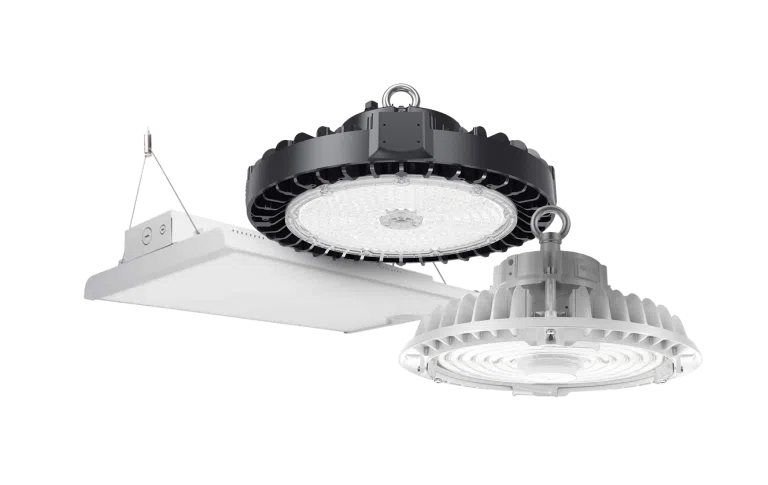
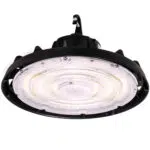
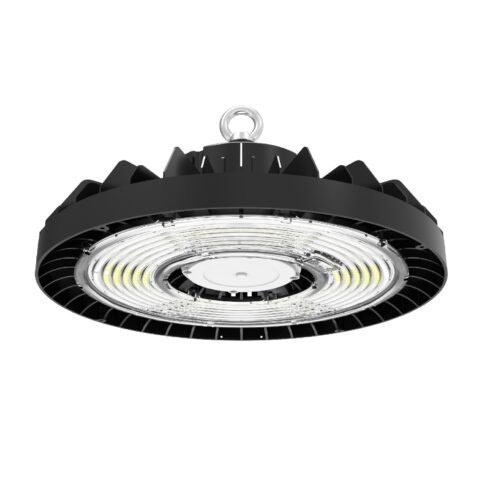
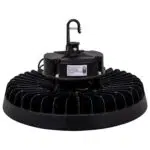
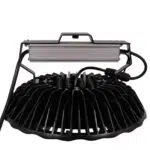
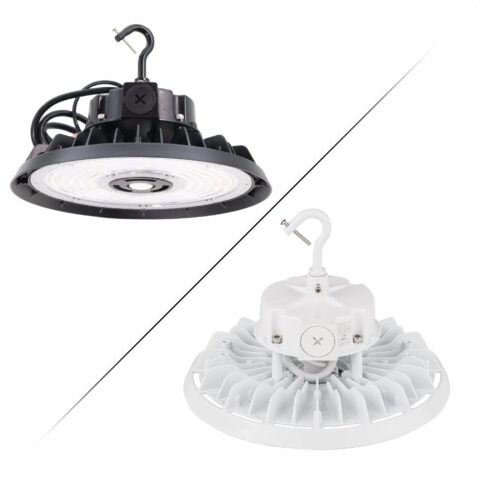
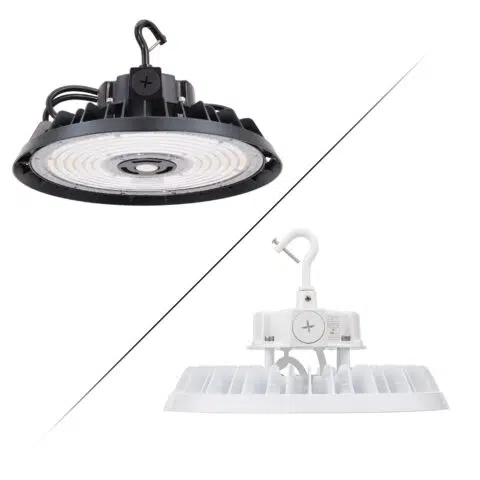
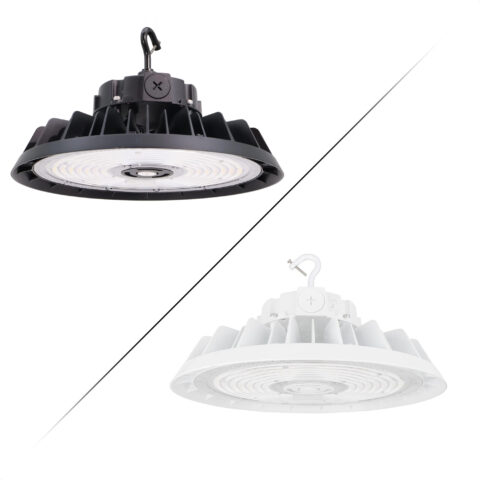
Our Dimmable LED High Bays include high bay fixtures with 0-10V and 1-10V dimmable drivers for commercial and industrial lighting systems. Available models may be used with compatible wall controls, motion sensors, relays, and building automation systems, with 480V LED high bay options available where applicable.
These fixtures are commonly used in warehouses, manufacturing areas, gymnasiums, distribution centers, storage spaces, warehouse aisles, loading areas, maintenance bays, and cold-storage facilities.
-
 Starting At $358.44


-
 Starting At $384.03

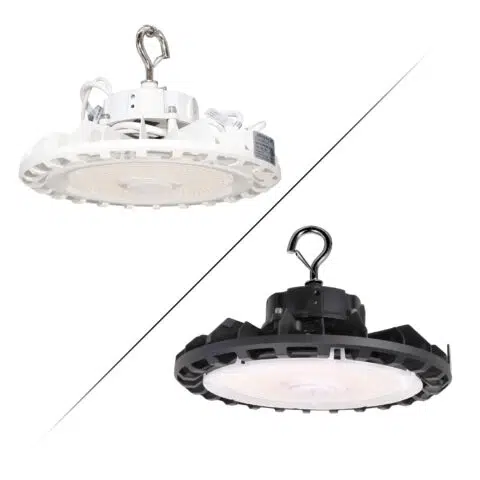


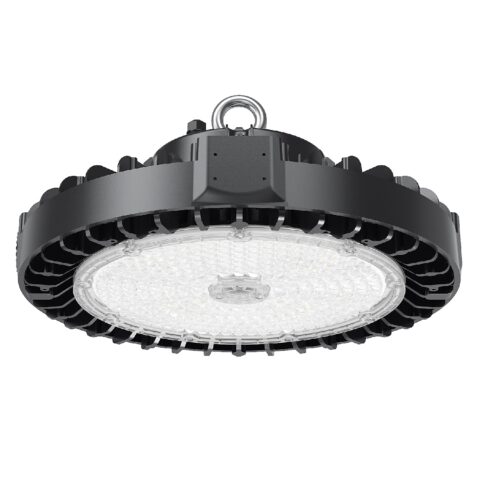
How Dimmable LED High Bay Lights Work
Dimmable LED high bay lights use a compatible driver to reduce light output without turning the fixture off at the wall switch. They are commonly used in warehouses, manufacturing areas, gymnasiums, distribution centers, and storage spaces where full output is not needed at all times.
Choose a dimmable high bay by first confirming the dimming protocol and minimum output level, then matching the fixture voltage, control wiring, and compatible wall control, sensor, or building automation system. The detailed ordering considerations appear later on this page.
Most commercial high bays use either a 0-10V or 1-10V dimmable driver. Both systems use low-voltage control wires to adjust the driver independently from the fixture's normal power wiring.
- 0-10V dimming: Can reduce output from full brightness to a very low level and, with a compatible driver and control, may dim to off.
- 1-10V dimming: Typically reduces output from full brightness to approximately 10%. It does not switch the fixture completely off, so a separate relay, switch, or control is needed for full shutoff.
Driver behavior varies by model. Before ordering, confirm the fixture's dimming type, minimum output level, control-wire requirements, and whether the selected control can switch the high bay fully off.

Energy Savings with High Bay Dimming
Dimming can reduce energy use when full light output is unnecessary. Facilities may lower output during cleaning, stocking, low-traffic periods, daylight hours, or times when only part of the space is occupied.
Energy savings depend on the dimming level, operating schedule, fixture wattage, and how long the lights remain below full output. A wattage-adjustable high bay changes the fixture's maximum setting, while a dimmable driver allows output to change during normal operation through a wall control, building automation system, or occupancy sensor.
Using Dimmable High Bays with Motion Sensors
Dimmable LED high bays work well with compatible high bay motion sensors in intermittently occupied areas such as warehouse aisles, storage zones, loading areas, maintenance bays, and cold-storage facilities.
A common control sequence is:
- Full output while motion is detected
- Reduced standby output after the area becomes vacant
- Complete shutoff after an additional delay when supported by the driver and control system
With a 1-10V driver, the high bay normally remains at approximately 10% output unless a separate switching device disconnects power. With a compatible 0-10V driver, the control may be able to dim lower or turn the fixture off, depending on the exact driver and sensor.
What to Confirm Before Ordering
- Dimming protocol: Verify whether the fixture uses 0-10V or 1-10V control.
- Minimum output: Confirm how low the driver can dim and whether it supports dim-to-off.
- Control compatibility: Match the fixture with the wall control, motion sensor, relay, or building automation system.
- Fixture voltage: Confirm that the high bay and control components are compatible with the lighting circuit, including available 480 volt LED high bay options where applicable.
- Control wiring: Verify whether separate low-voltage dimming conductors are required.
- Application settings: Choose appropriate standby levels, hold times, and shutoff delays for the space.
Certifications and Warranty
Confirm that the selected high bay carries a recognized safety certification such as UL, ETL, or CSA, depending on the product. Verify DLC or DLC Premium status when utility rebates are expected. Dimming range, voltage, sensor compatibility, environmental ratings, and warranty coverage vary by model. Most LED Lighting Supply high bays include a 5-year warranty unless otherwise specified.
Control wiring and installation should be completed by a qualified electrical professional according to the fixture, driver, and control manufacturer's instructions.
Dimmable LED High Bays FAQs
How Do Dimmable LED High Bay Lights Work?
Dimmable LED high bay lights use a compatible driver to reduce light output without turning the fixture off at the wall switch. Most commercial high bays use 0-10V or 1-10V dimmable drivers with low-voltage control wires separate from normal power wiring.
What Is The Difference Between 0-10V And 1-10V Dimming?
0-10V dimming can reduce output from full brightness to a very low level and may dim to off with a compatible driver and control. 1-10V dimming typically reduces output to approximately 10% and requires a separate relay, switch, or control for full shutoff.
Can Dimmable LED High Bays Be Used With Motion Sensors?
Dimmable LED high bays work well with compatible high bay motion sensors in intermittently occupied areas such as warehouse aisles, storage zones, loading areas, maintenance bays, and cold-storage facilities. A control sequence may provide full output during motion, reduced standby output after vacancy, and complete shutoff after an additional delay when supported.
Can Dimmable High Bays Turn Completely Off?
Dimmable high bays can turn completely off only when the selected driver and control system support shutoff. A 1-10V driver normally remains at approximately 10% output unless a separate switching device disconnects power, while compatible 0-10V drivers and controls may dim lower or turn the fixture off.
When Can High Bay Dimming Reduce Energy Use?
High bay dimming can reduce energy use when full light output is unnecessary, including during cleaning, stocking, low-traffic periods, daylight hours, or when only part of a space is occupied. Savings depend on the dimming level, operating schedule, fixture wattage, and time spent below full output.
How Is A Wattage-Adjustable High Bay Different From A Dimmable High Bay?
A wattage-adjustable high bay changes the fixture's maximum setting, while a dimmable driver changes output during normal operation. Dimmable output can be adjusted through a wall control, building automation system, or occupancy sensor.
What Should Be Confirmed Before Ordering Dimmable LED High Bays?
Confirm the fixture's dimming protocol, minimum output level, dim-to-off capability, control compatibility, fixture voltage, and control-wire requirements before ordering. Standby levels, hold times, and shutoff delays should also be selected for the space.
What Warranty And Certifications Should Be Verified?
Confirm that the selected high bay carries an appropriate recognized safety certification, such as UL, ETL, or CSA, depending on the product. Verify DLC or DLC Premium status when utility rebates are expected, and note that most LED Lighting Supply high bays include a 5-year warranty unless otherwise specified.