LED Architectural Lights
- Interior and exterior fixture styles for commercial architectural spaces
- Options for recessed, linear, wall-mounted, and pathway applications
- Selection support for mounting, finish, color temperature, and controls


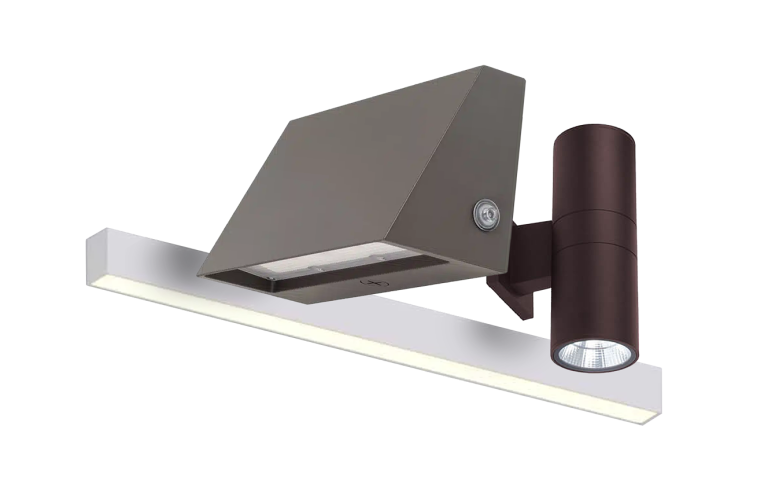
Get Your Custom Lighting Plan With Product Recommendations
- Fixture placement and beam distribution planned for lobbies, corridors, facades, and architectural features
- Fixture selection matched to mounting method, color temperature, optics, and dimming compatibility
- LED options can reduce maintenance compared with older fluorescent or metal halide systems


Our Architectural LED Lighting includes recessed downlights, linear fixtures, wall sconces, track lighting, cove lighting, outdoor fixtures, post top lights, pathway lights, and architectural flood lights. Available models vary by fixture style, color temperature, dimming, controls, voltage, finish, lens type, beam angle, and mounting configuration, including recessed, surface-mounted, suspended, wall-mounted, post-mounted, and track-mounted options.
These fixtures are commonly used in offices, schools, hotels, retail stores, lobbies, corridors, healthcare spaces, conference areas, apartment common areas, building entrances, facades, walkways, courtyards, plazas, campus areas, and parks.


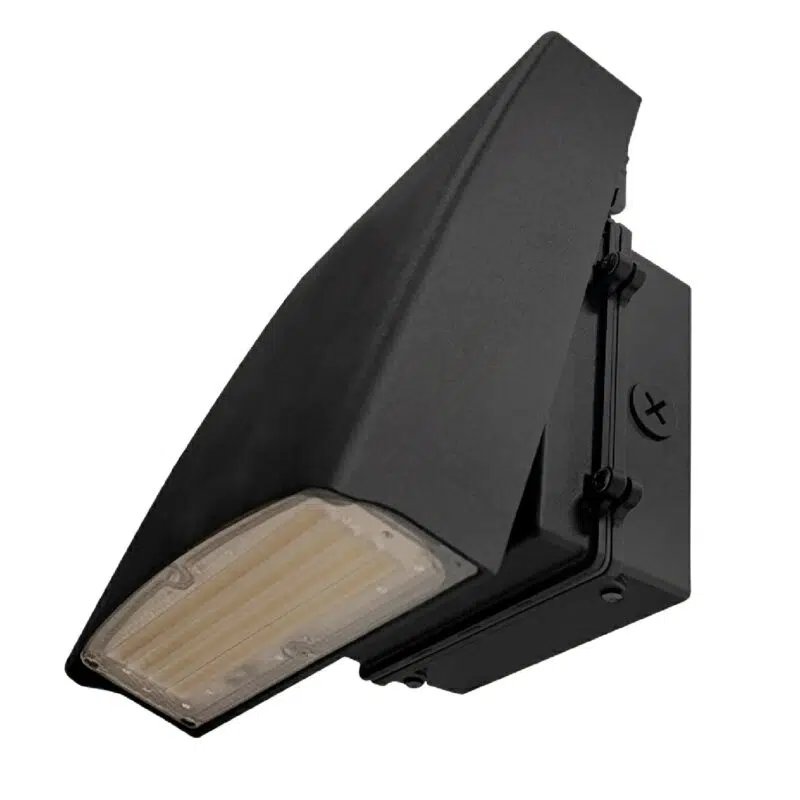
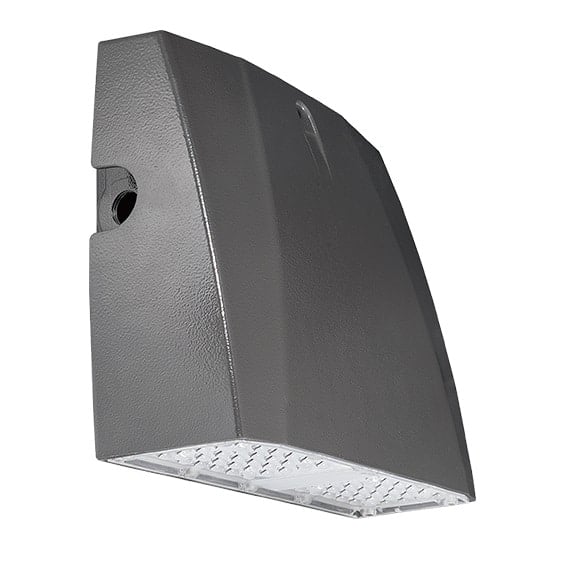

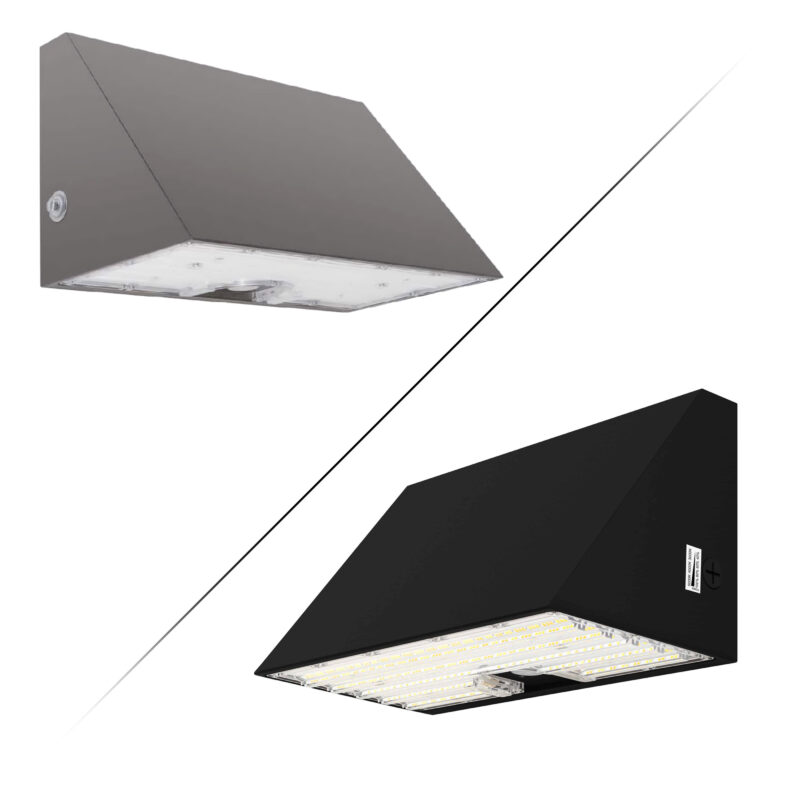


LED Architectural Lighting for Commercial Interior and Exterior Spaces
LED architectural lighting combines functional illumination with the appearance of the space. These fixtures are used when lighting needs to support the building design, improve visual comfort, guide people through a space, highlight architectural features, or create a cleaner finished look than standard utility lighting. Architectural LED fixtures may be used in offices, schools, hotels, retail stores, lobbies, corridors, mixed-use buildings, exterior entrances, courtyards, walkways, and other commercial spaces where fixture appearance and light quality matter. Start by defining whether the goal is general lighting, accent lighting, wall lighting, pathway lighting, facade lighting, or a combination, then confirm the mounting method, light quality, controls, voltage, and environmental rating for the space.
Selection and Installation Note: Product specifications, wattage, lumen output, color temperature, dimming, controls, voltage, mounting method, finish, lens type, beam angle, wet-location rating, certifications, and warranty coverage vary by model. Confirm the selected product specification before ordering. For commercial interiors, exterior architectural areas, electrical upgrades, emergency lighting, wet locations, code-sensitive applications, or safety-critical spaces, verify requirements with your local inspector or a licensed electrical professional.
Common Types of Architectural LED Lighting
Architectural lighting is a broad category. Start by matching the fixture style to the space and the lighting effect you want to create.
| Fixture Type | Best Used For |
|---|---|
| Recessed downlights | Clean ceiling layouts in offices, corridors, lobbies, hospitality spaces, and commercial interiors. |
| Linear architectural lights | Continuous rows, modern ceiling designs, corridors, open offices, retail spaces, and suspended or surface-mounted applications. |
| Wall sconces | Corridors, entrances, hotel spaces, offices, apartment common areas, and decorative wall-mounted lighting. |
| Track lighting | Retail displays, galleries, showrooms, accent walls, merchandise lighting, and adjustable directional lighting. |
| Cove and indirect lighting | Soft ambient light, perimeter ceiling details, hospitality spaces, offices, and architectural accents. |
| Outdoor architectural lights | Building entrances, facades, walkways, courtyards, exterior walls, and hospitality-style exterior spaces. |
| Post top and pathway lights | Pedestrian paths, plazas, courtyards, campus areas, parks, and decorative exterior circulation areas. |
| Architectural flood lights | Facade accents, signage, landscape features, building details, and exterior visual emphasis. |
Interior Architectural Lighting
Interior architectural lighting is used where the look and feel of the space matter as much as the light output. Offices, lobbies, corridors, retail spaces, schools, healthcare spaces, and hospitality interiors may use recessed lights, panels, linear fixtures, wall sconces, pendants, or track lighting depending on the ceiling type and design intent. For interior spaces, review ceiling height, fixture visibility, glare, color temperature, dimming, controls, ceiling type, and how the lighting will transition between adjacent rooms. Many commercial interiors use 3000K or 4000K depending on the desired appearance. Confirm available color temperatures and selectable CCT options on the selected model.
Architectural Linear Lighting
LED architectural linear lights are used for clean, continuous lines of light. They can be suspended, surface mounted, recessed, or used in rows depending on the space. Linear fixtures are common in offices, corridors, retail spaces, educational buildings, conference areas, and modern commercial interiors. Before choosing linear fixtures, confirm fixture length, row layout, mounting method, ceiling type, joining options, diffuser style, dimming compatibility, and color temperature. For long runs, also confirm whether the selected product supports continuous mounting, end-to-end connections, or the appearance required for the space.
Architectural Wall Lighting
Wall-mounted architectural fixtures can provide both visual interest and functional lighting. Wall sconces, up/down lights, wall-mounted cylinders, and exterior wall fixtures may be used at entrances, corridors, stair areas, hospitality spaces, apartment common areas, and commercial building facades. For wall lighting, review fixture size, finish, beam direction, mounting height, glare, ADA clearance where applicable, indoor or outdoor rating, and whether the fixture is intended for accent, ambient, or security-adjacent lighting.
Outdoor Architectural Lighting
Outdoor architectural lighting helps define entrances, walkways, courtyards, facades, gathering areas, and building exteriors. The fixture should match the design of the property while also being rated for the environment where it will be installed. For exterior architectural fixtures, confirm wet-location rating, IP rating, housing finish, corrosion exposure, mounting hardware, photocell compatibility, dimming, color temperature, glare, spill light, and neighboring properties. An IP rating addresses enclosure protection from solids and water ingress; it does not by itself establish corrosion or chemical resistance. 3000K may be preferred for hospitality, residential-style, and warmer exterior environments, while 4000K is often used for commercial exterior visibility.
Architectural Flood, Post Top, and Pathway Lighting
Architectural flood lights, post top lights, and pathway fixtures are used when exterior lighting needs to support both visibility and appearance. These fixtures can highlight building features, illuminate walkways, improve circulation, and create a more finished exterior environment. When choosing these fixture types, confirm mounting height, beam spread, aiming, pole or tenon compatibility, finish, controls, wet-location rating, and whether the fixture is intended for accent lighting, pedestrian lighting, or general exterior visibility.
How to Choose Architectural LED Lighting
Architectural lighting should be selected by both performance and appearance. A fixture may meet the required light output but still be a poor choice if it creates glare, clashes with the space, or does not fit the mounting condition.
| Selection Factor | What to Review |
|---|---|
| Design intent | Decide whether the fixture is for general lighting, accent lighting, wall lighting, pathway lighting, or visual emphasis. |
| Mounting method | Confirm recessed, surface-mounted, suspended, wall-mounted, post-mounted, or track-mounted installation. |
| Color temperature | Choose warmer or neutral color temperatures based on the space, finish materials, and desired appearance. |
| Dimming and controls | Confirm 0-10V dimming, switching, sensors, photocells, or building-control compatibility where needed. |
| Glare and visual comfort | Review lens type, diffuser, shielding, mounting height, beam direction, and occupant visibility. |
| Fixture finish | Confirm finish color and housing style, especially in public-facing spaces and exterior building areas. |
| Environment | Confirm indoor, damp-location, wet-location, IP-rated, or impact-rated construction where required. |
| Voltage | Confirm driver compatibility with the building electrical system before ordering. |
Benefits of LED Architectural Lighting
Architectural LED lighting is often the better choice when the fixture will remain visible to occupants, customers, guests, or visitors and needs to contribute to the finished appearance of the property. Standard commercial fixtures may be appropriate for back-of-house, utility, or purely task-oriented areas; architectural fixtures are generally better suited to public-facing spaces where visual consistency, fixture form, and light distribution are part of the project objective.
- Supports a coordinated design: Matching fixture families, finishes, and forms can create a more consistent appearance across lobbies, corridors, offices, entrances, and exterior circulation areas.
- Helps separate lighting layers: Downlights, linear fixtures, sconces, track heads, and accent fixtures allow general, task, and accent lighting to serve different visual purposes within the same space.
- Improves renovation flexibility: LED replacements can reduce lamp and ballast maintenance associated with many older fluorescent, halogen, and metal halide systems while updating the appearance of the space.
- Provides options for visible applications: Architectural product lines may offer multiple mounting styles, finishes, optics, and control options for projects where a standard industrial fixture would look out of place.
- Supports exterior identity and wayfinding: Coordinated wall, pathway, post top, and facade lighting can help make entrances, pedestrian routes, and building features easier to recognize after dark.
Architectural lighting is not automatically necessary for every area. Where appearance is not a priority, a commercial utility fixture may provide the required illumination at a lower initial cost. Compare the installed appearance, photometric performance, controls, maintenance needs, and project budget before selecting a fixture type.
Architectural Lighting Certifications, Rebates, and Warranty Support
Safety listings, DLC qualification, rebate eligibility, and warranty terms vary by product. Selected LED architectural lights may carry a safety listing from an NRTL, such as UL, ETL, or CSA, and selected models may be DLC or DLC Premium listed. DLC is an efficiency and performance program, not an electrical safety certification. Rebate requirements vary by utility, region, installation type, and product listing, so confirm eligibility with the utility and selected product specification before ordering. Warranty duration and coverage also vary by model. Before purchase, confirm the selected fixture’s certifications, DLC status, voltage, dimming and controls compatibility, mounting method, environmental ratings, and warranty terms.
Common Architectural Lighting Mistakes
- Skipping a lighting layout: Fixture appearance alone does not show delivered illuminance, uniformity, glare, or spill light. Use fixture-specific photometric data and an appropriate lighting plan when layout performance matters.
- Failing to coordinate with ceilings and other building systems: Recessed and suspended fixtures may conflict with ducts, sprinklers, diffusers, ceiling grids, access panels, or structural elements. Confirm dimensions, support requirements, and clearances before installation.
- Not reviewing a sample or mockup for prominent spaces: Finish, diffuser appearance, reflected light, and the visual effect on wall and ceiling materials can differ from drawings or product images. A sample installation can help confirm the intended appearance.
- Designing long linear runs without planning feed locations: Confirm row lengths, joining hardware, power-feed locations, circuiting, suspension points, and any maximum continuous-run limitations in the manufacturer documentation.
- Neglecting maintenance access: Select fixtures and mounting arrangements that allow practical access to drivers, lenses, controls, and replaceable components where future service is expected.
- Leaving exterior fixtures uncommissioned: Aiming, shielding, photocells, timers, and dimming schedules should be checked after installation to limit glare and unwanted light on neighboring areas while maintaining the intended lighting effect.
- Using accent lighting as the only source of functional light: Facade, cove, and feature lighting can add visual emphasis, but circulation routes, stairs, entrances, and tasks may require separately designed general or task lighting.
- Overlooking future changes: For tenant spaces, retail displays, and adaptable interiors, consider whether track heads, controls, modular fixtures, or accessible mounting arrangements will support later layout changes.
Contact us about LED architectural lighting, and our Product Specialists can help review fixture type, mounting method, color temperature, dimming, controls, voltage, environmental rating, finish, and published product specifications.
LED Architectural Lights FAQs
How Do I Choose Between Architectural And Standard Commercial Fixtures?
Choose architectural fixtures when visible lighting needs to contribute to the finished appearance of public-facing spaces, while standard commercial fixtures may suit back-of-house, utility, or purely task-oriented areas. Compare installed appearance, photometric performance, controls, maintenance needs, and project budget before selecting a fixture type.
What Should I Define Before Selecting Architectural LED Lighting?
Define whether the project needs general lighting, accent lighting, wall lighting, pathway lighting, facade lighting, or a combination. Then confirm the mounting method, light quality, controls, voltage, and environmental rating for the space.
What Should I Review When Selecting Linear Architectural Lights?
Review fixture length, row layout, mounting method, ceiling type, joining options, diffuser style, dimming compatibility, and color temperature. For long runs, also confirm whether the selected product supports continuous mounting, end-to-end connections, or the required appearance.
How Should I Plan Exterior Architectural Lighting?
Exterior architectural lighting should match the property design and be rated for its installation environment. Confirm wet-location rating, IP rating, housing finish, corrosion exposure, mounting hardware, photocell compatibility, dimming, color temperature, glare, spill light, and neighboring properties.
What Should I Check For Wall-Mounted Architectural Fixtures?
Check fixture size, finish, beam direction, mounting height, glare, ADA clearance where applicable, indoor or outdoor rating, and whether the fixture is intended for accent, ambient, or security-adjacent lighting. Wall-mounted architectural fixtures may be used at entrances, corridors, stair areas, hospitality spaces, apartment common areas, and commercial building facades.
When Is A Lighting Layout Important For An Architectural Lighting Project?
A lighting layout is important when delivered illuminance, uniformity, glare, or spill light matters because fixture appearance alone does not show those results. Use fixture-specific photometric data and an appropriate lighting plan when layout performance matters.
What Product Details Should Be Confirmed Before Ordering?
Confirm the selected fixture's certifications, DLC status, voltage, dimming and controls compatibility, mounting method, environmental ratings, and warranty terms before purchase. Product specifications, wattage, lumen output, color temperature, controls, finish, lens type, beam angle, ratings, certifications, and warranty coverage vary by model.