LED Lights for Bridges
- Fixture options for roadways, walkways, and under-deck areas
- Corrosion-resistant and sealed options available for exposed locations
- Product selection support for bridge-specific mounting and conditions


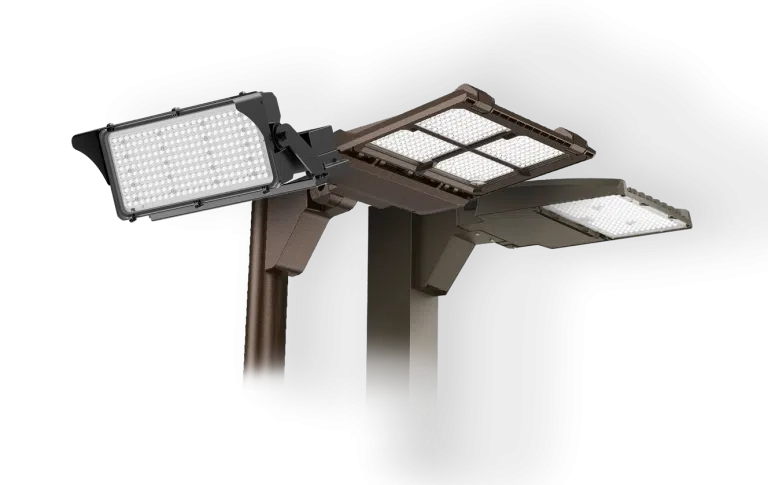

Our LED Bridge Lights include roadway, cobra head, pole top, shoebox, flood, wall pack, and vapor tight fixtures for bridge lighting projects. Available models vary by optics, beam angle, voltage, dimming, controls, and mounting methods including pole arm, slipfitter, yoke, wall mount, bracket, surface mount, and structural attachment.
These fixtures are used on vehicle bridge decks, pedestrian walkways, bridge approaches, ramps, under-deck areas, maintenance access points, support areas, service doors, utility zones, and structural accent lighting applications.
-
 Starting At $201.92
-
Starting At $71.43
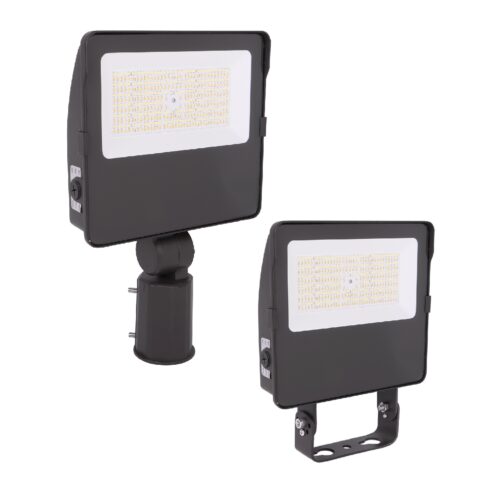


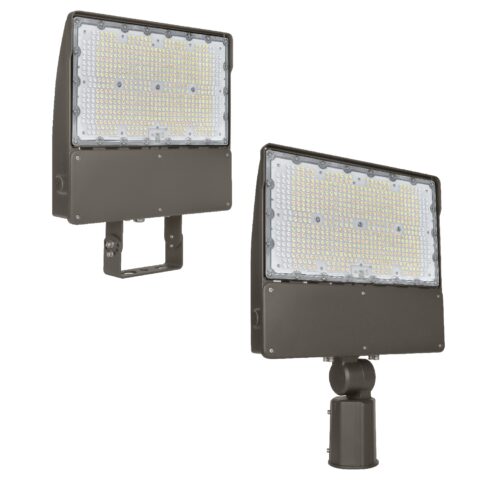
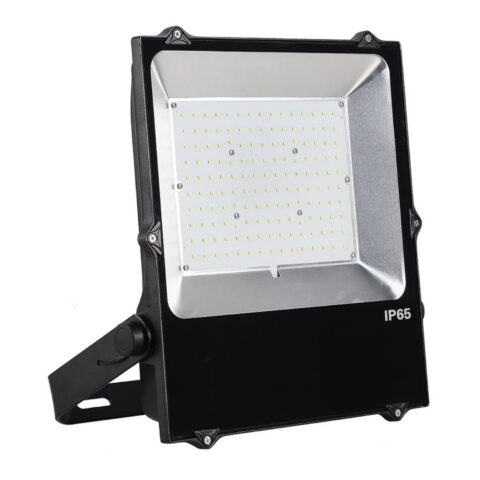

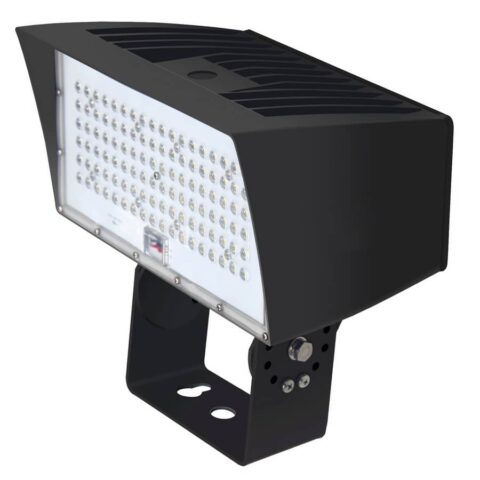

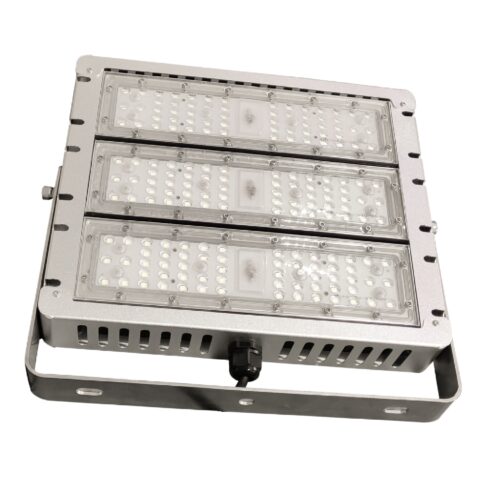
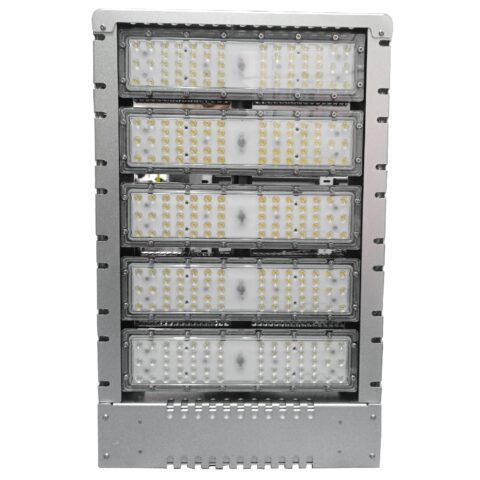
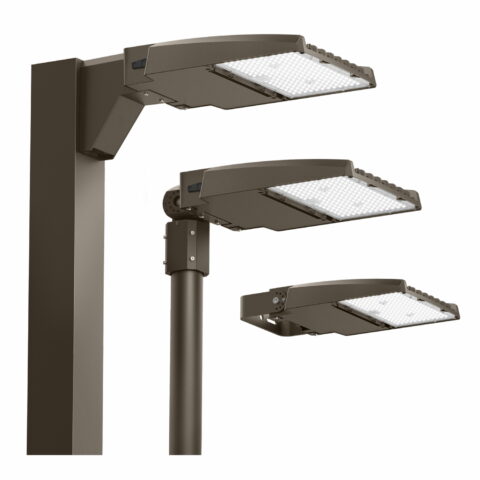


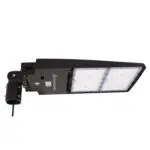
LED Bridge Lighting for Roadways, Walkways, Underdecks, and Approaches
LED bridge lighting is used on vehicle bridge decks, pedestrian walkways, bridge approaches, ramps, under-deck areas, maintenance access points, and structural accent lighting applications. Bridge environments can be more demanding than standard outdoor lighting because fixtures may be exposed to wind, vibration, moisture, corrosion, road salt, traffic, glare concerns, and limited maintenance access.
Start by identifying the bridge area and lighting task: roadway lanes, pedestrian paths, under-deck spaces, approaches, maintenance access, or structural accent lighting. Then match the fixture type, distribution or beam angle, mounting location, voltage, environmental rating, structural attachment, corrosion exposure, glare control, and local requirements to that application. A bridge roadway, pedestrian bridge, underpass area, and architectural accent application may each require a different fixture type.
Selection and Installation Note: Product specifications, wattage, lumen output, optics, distribution pattern, beam angle, color temperature, voltage, dimming, controls, mounting method, certifications, environmental rating, surge protection, corrosion resistance, and warranty coverage vary by model. Confirm the selected product specification before ordering. For bridge lighting, roadway bridge decks, pedestrian bridges, under-deck areas, coastal bridges, utility-owned lighting, public infrastructure, electrical upgrades, or structural mounting conditions, verify requirements with the project team, local inspector, transportation agency, bridge engineer, utility provider, or a licensed electrical professional.
Recommended Foot-Candles for Bridge Lighting
Bridge light levels vary by bridge type, roadway classification, pedestrian activity, mounting height, pole spacing, structural attachment, glare limits, corrosion exposure, and local requirements. The ranges below are general planning values only. Final requirements should be confirmed against the project documents, local requirements, transportation agency requirements, and selected fixture photometric data.
Common LED Fixtures Used for Bridge Lighting
Bridge lighting may use roadway lights, cobra head lights, pole top lights, shoebox lights, wall packs, vapor tight lights, flood lights, or linear fixtures depending on the mounting location and purpose. The right choice depends on whether the fixture is lighting traffic lanes, a pedestrian path, an under-deck area, an approach, or a structural feature.
| Fixture Type | Where It Fits Best |
|---|---|
| LED street lights | Common for bridge roadways, bridge approaches, and vehicle lanes where controlled roadway distribution is required. |
| LED cobra head lights | Used for traditional pole-mounted roadway bridge lighting where cobra head form factor, roadway optics, and arm mounting are preferred. |
| LED pole top lights | Useful around bridge approaches, pedestrian bridge areas, plazas, walkways, and lower-speed access areas where decorative or area coverage is preferred. |
| LED shoebox lights | Can be used near approaches, parking, service areas, access roads, or bridge-related site lighting where area-light distribution is needed. |
| LED flood lights | Used for structural accent lighting, maintenance areas, utility zones, and specific bridge features where aiming and beam angle control are important. |
| LED wall packs | Useful for bridge support areas, access points, service doors, underpass walls, and localized deck or maintenance lighting. |
| LED vapor tight lights | Useful under bridge decks, in damp service areas, and in maintenance spaces where sealed construction and an appropriate ingress-protection rating may be needed. |
How to Choose LED Bridge Lights
Choose LED bridge lights by first matching the fixture type and optic to the area being illuminated, then confirming the mounting method, wind and vibration exposure, corrosion conditions, glare control, electrical service, controls, and environmental rating. The selection factors below identify what to verify before ordering.
| Selection Factor | What to Confirm |
|---|---|
| Bridge application | Confirm whether the lighting is for vehicle traffic, pedestrian walkways, bridge approaches, under-deck areas, maintenance access, structural accent lighting, or nearby site lighting. |
| Distribution pattern and beam angle | Roadway areas may require controlled street-light distributions, while under-deck and accent areas may need flood, wall pack, vapor tight, or linear optics. Match the optic to the target area using fixture-specific photometric data. |
| Mounting method | Confirm pole arm, slipfitter, yoke, wall mount, direct mount, bracket, surface mount, or structural attachment requirements before ordering. |
| Wind and vibration exposure | Bridge fixtures may be exposed to wind loading and traffic vibration. Confirm fixture weight, effective projected area (EPA), mounting hardware, applicable vibration information, and project-specific structural requirements. The bridge engineer or other qualified authority should determine structural suitability. |
| Corrosion exposure | Coastal bridges, river crossings, road-salt areas, and exposed structures may need corrosion-resistant housings, coatings, hardware, and finishes. For exposed coastal applications, consider appropriately rated LED flood lights for marine environments and confirm suitability by model and site conditions. |
| Glare and light trespass | Review driver sightlines, pedestrian comfort, nearby water, homes, roads, and public areas. Shields, cutoff optics, and careful aiming may be needed. |
| Voltage and electrical service | Confirm available voltage before ordering. Compatibility varies by model, and bridge projects may involve utility-owned circuits or project-specific electrical requirements. |
| Dimming, photocells, and controls | Photocells, scheduling, dimming, networked controls, or adaptive controls may be useful depending on the project. Confirm driver compatibility, control protocol, ownership, and maintenance responsibility. |
| Environmental rating | Review wet-location rating, IP rating, operating temperature, surge protection, impact exposure, cleaning exposure, and whether the fixture will be mounted under-deck or fully exposed. IP ratings address dust and water ingress; confirm corrosion and chemical resistance separately where applicable. |
Bridge Lighting by Area
Bridge lighting is not one single application. The fixture type and rating should match the bridge area being illuminated.
| Bridge Area | Lighting Priorities |
|---|---|
| Vehicle bridge decks | Support lane visibility, barriers, shoulders, curves, merge areas, and driver orientation while controlling glare and light trespass. Related LED highway lighting considerations may apply to roadway approaches and higher-speed traffic areas. |
| Bridge approaches and ramps | Review speed changes, lane transitions, curves, pedestrian crossings, and conflict points near the bridge. |
| Pedestrian bridges and walkways | Prioritize walkway visibility, steps, railings, transitions, comfort, glare control, vandal exposure, and safe movement. |
| Under-bridge areas | Review moisture, dust, clearance, access, maintenance needs, mounting surface, and whether sealed fixtures are required. |
| Structural accent lighting | Use controlled beam angles, careful aiming, shielding, and color temperature selection to highlight bridge elements without unnecessary spill light. |
| Maintenance and service areas | Provide practical visibility for access points, inspection areas, utility equipment, and service work while confirming fixture protection and electrical access. |
Installation Considerations for Bridge LED Lighting
Bridge installations can involve structural attachment, vibration, wind exposure, corrosion, difficult access, traffic control, and utility coordination. Before selecting fixtures, confirm how the lights will be mounted, how wiring will be routed, who owns the electrical service, and how maintenance will be performed.
For retrofits, existing poles, arms, brackets, conduit, wiring, and mounting locations may influence fixture selection. Reusing existing locations can simplify installation, but it may not correct glare, poor distribution, or uneven light if the old layout was not ideal. When new poles are required, review appropriate street light poles and project-specific wind, loading, foundation, and mounting requirements.
LED Retrofit or New Bridge Lighting Layout?
An LED retrofit may be a practical option when existing poles, arms, electrical service, mounting locations, and structural capacity are suitable for the selected fixtures. It can be especially useful where the project goal is to replace aging HID fixtures, reduce connected load, or simplify ongoing lamp and ballast maintenance.
A new or revised lighting layout may be the better choice when the current installation has glare, dark areas, uneven coverage, unsuitable mounting heights, inadequate pole spacing, changed traffic patterns, or new pedestrian requirements. Replacing fixtures in the same locations does not automatically deliver appropriate roadway or walkway illuminance. Use fixture-specific IES photometric files and project criteria to evaluate the proposed layout.
For either approach, compare the proposed fixture's mounting compatibility, weight, EPA, optic, electrical requirements, controls, environmental ratings, maintenance access, and published warranty. Structural capacity, foundations, attachments, and electrical-code compliance should be reviewed by the appropriate qualified project professionals and authorities.
Common Bridge Lighting Mistakes
- Using one fixture type for every bridge area: Roadway decks, pedestrian walkways, under-deck areas, approaches, and accent lighting often require different fixture types.
- Choosing by wattage alone: Wattage does not confirm beam angle, distribution pattern, glare control, foot-candles, roadway suitability, or bridge compatibility.
- Ignoring wind and vibration: Bridge-mounted fixtures may experience wind loading and traffic vibration that should be reviewed before ordering.
- Overlooking corrosion exposure: Coastal bridges, salt-treated roads, river crossings, and exposed structures may need corrosion-resistant housings, coatings, or hardware.
- Creating glare for drivers or pedestrians: More light does not always improve visibility. Fixture aiming, shielding, and optic selection matter.
- Forgetting maintenance access: Bridge lighting can be difficult and costly to access, especially where lane closures, lifts, or specialized equipment are needed.
- Assuming rebate eligibility: Rebates depend on utility programs, product qualification, location, and project details. Confirm eligibility before budgeting around incentives.
Bridge Lighting Certifications, Rebates, and Warranty Support
Safety listings, including UL, ETL, or CSA listings, vary by product model and intended application. DLC or DLC Premium qualification may be available on selected models and can support utility rebate applications where accepted by the program. DLC qualification is an efficiency and performance program, not an electrical safety certification. Rebate requirements vary by utility, region, product listing, and project details, so confirm eligibility on the selected product specification before ordering.
Warranty terms vary by model; selected LED bridge-lighting products may include a 5-year warranty. Confirm the applicable warranty, certifications, DLC status, voltage, controls compatibility, mounting method, environmental rating, corrosion resistance, and suitability for the bridge layout and surrounding conditions before purchase.
Contact us about LED bridge lighting, and our Product Specialists can help review bridge area, fixture type, mounting method, distribution pattern, voltage, controls, environmental rating, corrosion exposure, and published product specifications.
LED Lights for Bridges FAQs
How Should I Choose LED Lights For Different Bridge Areas?
Choose LED bridge lights by matching the fixture type and optic to the area being illuminated, then confirming mounting method, wind and vibration exposure, corrosion conditions, glare control, electrical service, controls, and environmental rating. Roadway decks, pedestrian walkways, under-deck areas, approaches, maintenance access points, and structural accent lighting may require different fixture types.
When Is An LED Bridge Lighting Retrofit A Practical Option?
An LED retrofit may be practical when existing poles, arms, electrical service, mounting locations, and structural capacity are suitable for the selected fixtures. Existing locations can simplify installation, but they may not correct glare, poor distribution, or uneven light if the old layout was not ideal.
When Should A Bridge Lighting Project Use A New Or Revised Layout?
A new or revised layout may be the better choice when the current installation has glare, dark areas, uneven coverage, unsuitable mounting heights, inadequate pole spacing, changed traffic patterns, or new pedestrian requirements. Use fixture-specific IES photometric files and project criteria to evaluate the proposed layout.
What Should Be Verified For Bridge Fixture Mounting?
Verify the required mounting method, including pole arm, slipfitter, yoke, wall mount, direct mount, bracket, surface mount, or structural attachment, before ordering. Also confirm fixture weight, EPA, mounting hardware, applicable vibration information, and project-specific structural requirements where wind loading and traffic vibration apply.
How Should Glare Be Addressed In Bridge Lighting?
Bridge lighting should be reviewed for driver sightlines, pedestrian comfort, nearby water, homes, roads, and public areas. Shields, cutoff optics, careful aiming, and optic selection may be needed to control glare and light trespass.
What Should Buyers Consider For Coastal Or Salt-Exposed Bridges?
Coastal bridges, river crossings, road-salt areas, and exposed structures may need corrosion-resistant housings, coatings, hardware, and finishes. For exposed coastal applications, consider appropriately rated LED flood lights for marine environments and confirm suitability by model and site conditions.
What Should Be Confirmed Before Ordering LED Bridge Lights?
Confirm the selected product specification, including wattage, lumen output, optics, distribution pattern, beam angle, voltage, controls, mounting method, certifications, environmental rating, surge protection, corrosion resistance, and warranty coverage. These specifications vary by model.
Are Certifications, Rebates, And Warranties The Same For All LED Bridge Lights?
No, safety listings, DLC qualification, rebate eligibility, and warranty terms vary by model and project. Selected LED bridge-lighting products may include a 5-year warranty, and DLC or DLC Premium qualification may be available on selected models.