


LED Lights for Shipping Containers
- Low-profile fixtures fit limited container ceiling heights
- Vapor-tight options available for moisture and dust exposure
- Selection support for storage, workshop, or office containers


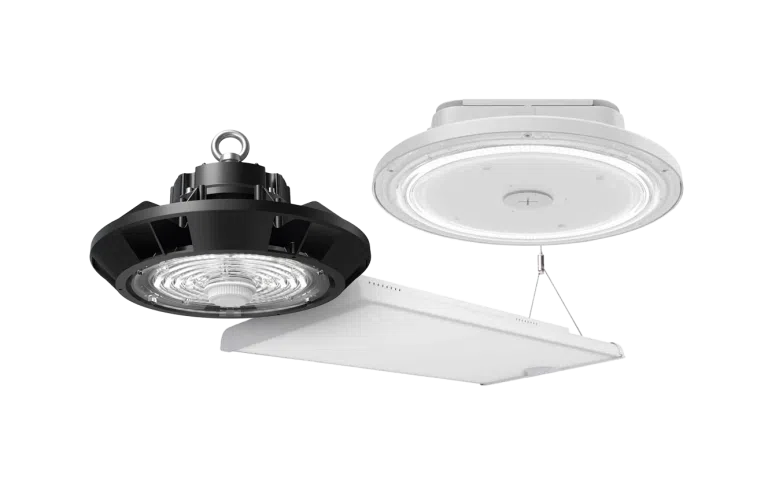

Our Shipping Container Lighting includes LED strip lights, linear fixtures, vapor-tight lights, shop lights, and emergency or battery backup fixtures for container interiors. Available models vary by fixture length, lumen output, voltage, lens type, color temperature, dimming, controls, and mounting method. Low-profile, linear, and sealed fixture options are available for narrow container ceilings and enclosed spaces.
These fixtures are used in storage containers, workshops, jobsite offices, equipment rooms, mobile work areas, container conversions, retail or display containers, and refrigerated or climate-controlled containers.
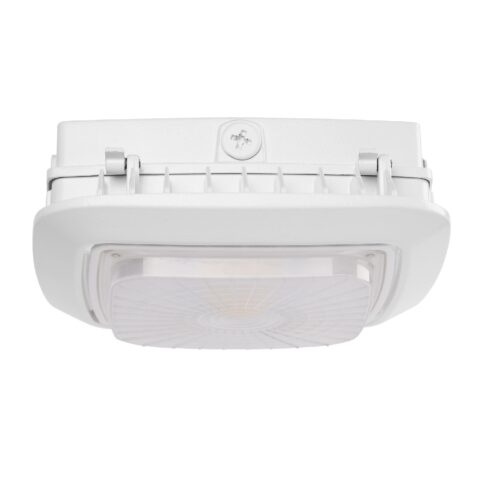



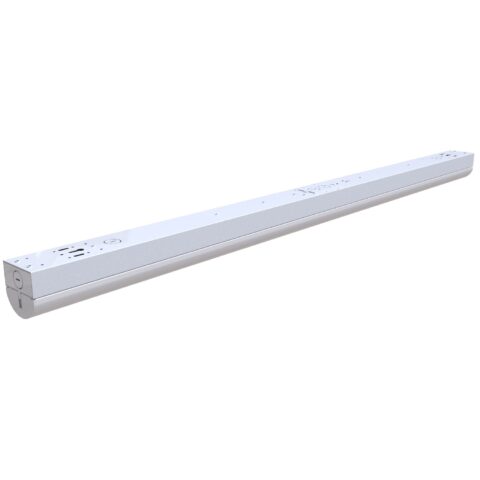

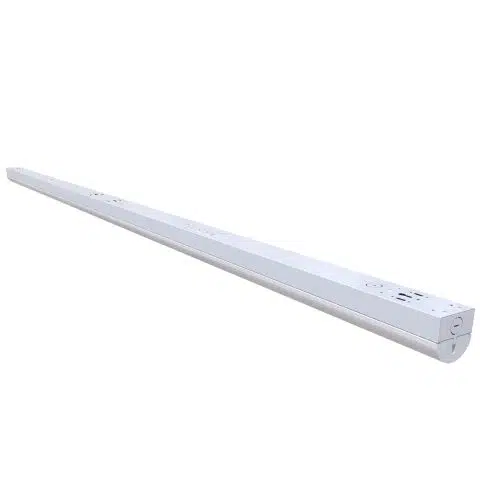
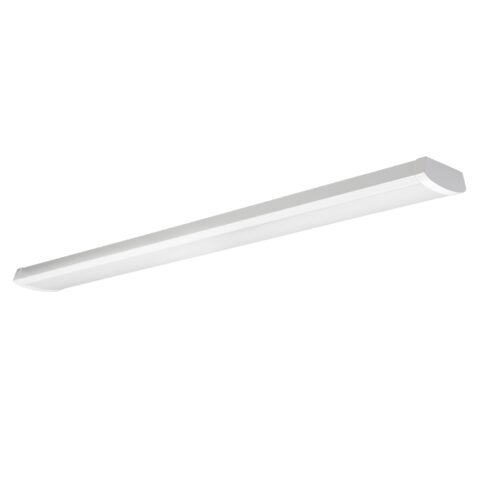
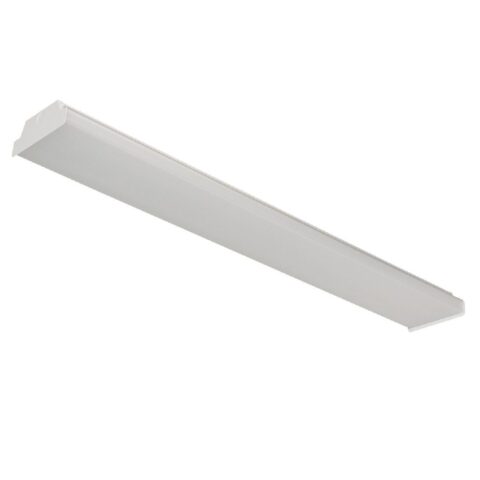
LED Shipping Container Lights for Storage, Workshops, and Container Conversions
LED shipping container lights are used to illuminate enclosed container spaces used for storage, workshops, jobsite offices, equipment rooms, mobile work areas, and container conversions. Because shipping containers are long, narrow, and often built with metal walls and ceilings, fixture placement, light distribution, mounting method, voltage, controls, and environmental rating should be reviewed before ordering.
The best lighting setup depends on how the container is used. A storage container may only need practical aisle and inventory visibility, while a workshop or office conversion may need brighter, more even light for tasks, tools, desks, benches, or equipment. Moisture, temperature swings, door activity, vibration, and power availability can also affect fixture selection.
Selection and Installation Note: Review the selected fixture’s product specification for electrical characteristics, mounting requirements, environmental rating, controls compatibility, applicable listings, and warranty terms before ordering. For electrical, mobile, jobsite, container conversion, emergency, or code-sensitive applications, verify requirements with the facility team, project specifier, local inspector, or a licensed electrical professional.
How to Choose Shipping Container Lights
| Selection Factor | What to Confirm |
|---|---|
| Container use | Storage, workshop, office, retail, equipment, and refrigerated containers may need different light levels and fixture types. |
| Container size | Confirm whether the project uses a 20-foot, 40-foot, high-cube, modified, or partitioned container. |
| Ceiling height | Most containers have limited mounting height, so low-profile fixtures may be preferred. |
| Fixture placement | Review fixture spacing along the container length to avoid dark zones near doors, corners, shelving, and work areas. |
| Moisture and dust exposure | Outdoor storage, jobsite use, and frequent door openings may call for fixtures with an appropriate damp-location, wet-location, or ingress-protection rating for the actual exposure. |
| Power source | Confirm available voltage, wiring method, generator use, temporary power, shore power, or permanent electrical service. |
| Controls | Switches, occupancy sensors, timers, and door-activated controls may be useful depending on how the container is used. |
| Emergency lighting | Occupied offices, workshops, or commercial container spaces may require emergency backup or exit lighting depending on code requirements. |
Best Uses for LED Shipping Container Lighting
Shipping container lighting should match the container’s use, power source, and interior layout. A simple storage container does not need the same lighting approach as a converted office, workshop, retail container, or equipment room.
| Container Use | Lighting Priorities |
|---|---|
| Storage containers | Reliable aisle visibility, inventory identification, low maintenance, and practical fixture placement along the container length. See additional guidance for LED storage facility lighting. |
| Workshop containers | Brighter task lighting for benches, tools, equipment, shelving, and work areas. |
| Jobsite offices | Comfortable general lighting for desks, paperwork, meetings, and computer use. |
| Equipment rooms | Clear visibility around panels, controls, racks, service areas, and maintenance access points. |
| Retail or display containers | Clean, even illumination for merchandise, customer areas, counters, and display walls. |
| Refrigerated or climate-controlled containers | Fixtures rated for the expected ambient temperature and moisture conditions, with suitable sealed construction and lens materials where needed. |
Recommended Foot-Candles for Shipping Container Lighting
Recommended light levels depend on container use, ceiling height, fixture spacing, wall reflectance, shelving, obstructions, and task type. Use these planning ranges as a starting point rather than as code requirements; fixture-specific photometric information can help confirm illuminance at aisles, shelves, benches, and other work surfaces.
| Application | Recommended Foot-Candles |
|---|---|
| Basic storage and walk-through access | 10-20 fc |
| Inventory, shelving, and equipment storage | 20-30 fc |
| Workshop, tool, and bench areas | 50-75 fc |
| Office or administrative container space | 30-50 fc |
| Retail, display, or customer-facing container space | 40-75 fc |
Best Fixture Types for Shipping Containers
Shipping containers often benefit from low-profile, linear, or sealed LED fixtures because the space is narrow and ceiling height is limited. The fixture should provide even light along the length of the container without creating glare or dark areas behind shelving.
| Fixture Type | Best Fit |
|---|---|
| LED strip lights | General container lighting, storage areas, work aisles, and simple interior retrofits. |
| Linear LED fixtures | Long, narrow container spaces where even light distribution is needed along the container length. |
| LED vapor-tight lights | Containers exposed to moisture, dust, jobsite conditions, temperature swings, or frequent door openings when the selected model’s environmental rating matches the exposure. |
| LED shop lights | Container workshops, tool storage areas, workbenches, and light-duty task spaces where compatible mounting is available. |
| Emergency or battery backup fixtures | Containers used as offices, workspaces, or occupied areas where emergency lighting may be required. |
Common Shipping Container Lighting Installation Mistakes
- Mounting fixtures without accounting for corrugated steel: Container roofs and walls are corrugated and may require compatible brackets, channels, or mounting hardware to provide a secure, level installation. Confirm the fixture’s mounting instructions and avoid compromising the container’s weather barrier.
- Placing lights where open doors, racks, or stored materials block the light: Review the actual interior layout, including shelving depth, door swing, equipment clearances, and workbench locations before finalizing fixture locations.
- Creating glare at workbenches or computer locations: Low ceilings can place fixtures close to the user’s field of view. Select appropriate optics and locate fixtures to reduce direct glare on work surfaces, displays, and frequently used access paths.
- Running unprotected wiring where it can be damaged: Wiring methods, connectors, strain relief, and protection should be suitable for the installation environment and the applicable electrical requirements. This is especially important where equipment, inventory, vibration, or frequent loading activity could damage wiring.
- Using plug-in cords as a permanent wiring substitute: Temporary or portable lighting arrangements may be appropriate for some applications, but permanent container conversions and occupied spaces should use an electrical installation method appropriate for the project and local requirements.
- Installing controls where they are inconvenient or unreliable: Position switches, sensors, and door controls where users can access them safely and where stored materials, forklift activity, or closed doors will not interfere with operation. Verify sensor coverage and compatibility with the selected fixtures.
- Overlooking access for cleaning and service: Dust, insects, condensation, and loading activity can reduce light output over time. Choose fixture locations that permit lens cleaning, driver access where applicable, and safe replacement or maintenance.
- Assuming a sealed fixture is suitable for every harsh environment: Damp-location, wet-location, and IP ratings address specific environmental exposures. For refrigerated, corrosive, washdown, or chemical-exposure applications, also verify temperature limits, materials, seals, hardware, and manufacturer environmental documentation. Review appropriate harsh-environment lighting when these conditions apply.
Safety and Performance Certifications
Confirm that the selected fixture carries the listing or rating required for the installation, such as an applicable UL or ETL safety listing and damp-location, wet-location, IP, or IK rating where needed. Product specifications should also be reviewed for voltage, lumen output, lens type, controls compatibility, mounting method, and environmental limitations.
DLC and DLC Premium qualifications, where offered, address energy efficiency and performance; they are not electrical-safety certifications. An IP rating addresses protection against specified solids and water ingress, but does not by itself establish chemical resistance, corrosion resistance, or hazardous-location suitability. Shipping container lighting projects should also confirm container use, electrical service, wiring method, emergency requirements where applicable, moisture exposure, fixture protection, and local installation requirements.
Warranty and Warranty Support
Warranty coverage and terms are identified in the selected product documentation. Review the applicable warranty along with the fixture’s operating temperature range, voltage, controls compatibility, mounting requirements, environmental rating, emergency options, and any application restrictions before ordering. If an issue occurs, our support team can help review the product, application information, and warranty claim process.
Contact us about shipping container lighting, and our Product Specialists can help review container size, fixture type, mounting method, light levels, controls, electrical requirements, and product specifications.
LED Lights for Shipping Containers FAQs
How Should I Choose Lights For A Shipping Container?
Choose shipping container lights based on container use, size, ceiling height, fixture placement, moisture and dust exposure, power source, controls, and emergency lighting needs. Storage, workshops, offices, retail spaces, equipment rooms, and refrigerated containers may need different light levels and fixture types.
What Light Levels Should I Plan For Inside A Shipping Container?
Recommended starting ranges are 10-20 foot-candles for basic storage and walk-through access, 20-30 foot-candles for inventory and shelving, 50-75 foot-candles for workshop and bench areas, 30-50 foot-candles for office space, and 40-75 foot-candles for retail or display areas. Final light levels depend on ceiling height, fixture spacing, wall reflectance, shelving, obstructions, and task type.
Which Fixture Types Fit Long, Narrow Shipping Containers?
Low-profile, linear, and sealed LED fixtures are often suitable because shipping containers are narrow and have limited ceiling height. LED strip lights fit general lighting and simple retrofits, while linear LED fixtures fit long, narrow spaces where even distribution along the container length is needed.
How Can I Avoid Dark Areas Inside A Container?
Review fixture spacing along the container length, including areas near doors, corners, shelving, and work areas. Shelving, tools, equipment, and sidewall storage can create shadows when lighting only the center aisle.
When Should I Consider Vapor-Tight Or Damp/Wet-Location Rated Fixtures?
Vapor-tight or damp/wet-location rated fixtures may be needed for outdoor storage, jobsite use, frequent door openings, moisture, dust, temperature swings, or other harsh conditions. Confirm the environmental rating and application suitability on the selected product specification before ordering.
What Power And Controls Details Should Be Confirmed Before Ordering?
Confirm available voltage, wiring method, generator use, temporary power, shore power, or permanent electrical service before selecting fixtures. Switches, occupancy sensors, timers, door-activated controls, and dimming may be useful depending on container use and the selected model.
Do Shipping Container Offices Or Workspaces Need Emergency Lighting?
Occupied offices, workshops, commercial container spaces, and public-facing areas may require emergency backup or exit lighting depending on code requirements. Confirm emergency requirements and emergency compatibility before ordering.
What Product Details Should Be Verified Before Buying Shipping Container Lights?
Confirm the selected product's specification for voltage, wattage, lumen output, fixture length, lens type, color temperature, CRI, controls compatibility, mounting method, environmental rating, certifications, warranty coverage, and application suitability. These details vary by model.
