LED Parking Lot Lights with Photocells
- Photocell enables automatic dusk-to-dawn operation nightly
- Built-in and receptacle-mounted photocell options available
- Photometric plans help evaluate spacing and coverage needs


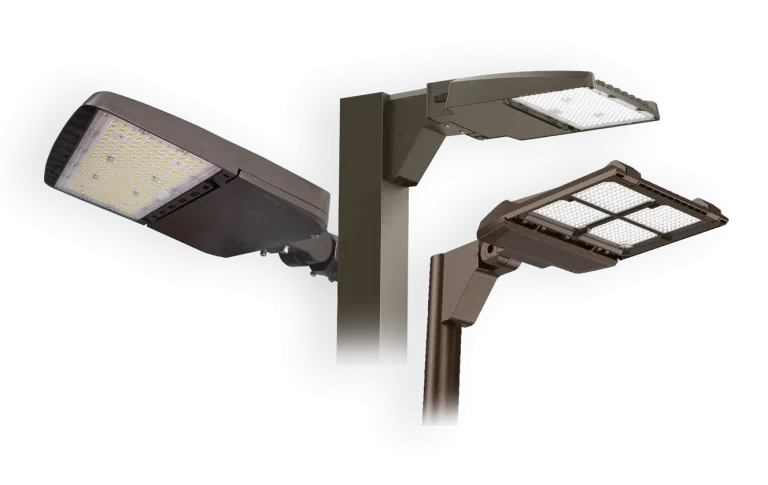

Get Your Custom Lighting Plan With Product Recommendations
- Professionally Designed Lighting Layout
- Fixture Count & Recommendation
- Improved Energy Efficiency & Reduced Maintenance


Our LED Parking Lot Lights with Photocells for Dusk-to-Dawn Control include fixtures with integrated photocells and compatible twist-lock photocell receptacles. Available models include 100-277V and 277-480V configurations, with photocell controls for automatic dusk-to-dawn operation.
These parking lot lights are commonly used in commercial parking lots, schools, churches, dealerships, apartment complexes, municipal lots, industrial yards, and other exterior lighting sites.
-
 Starting At $309.00

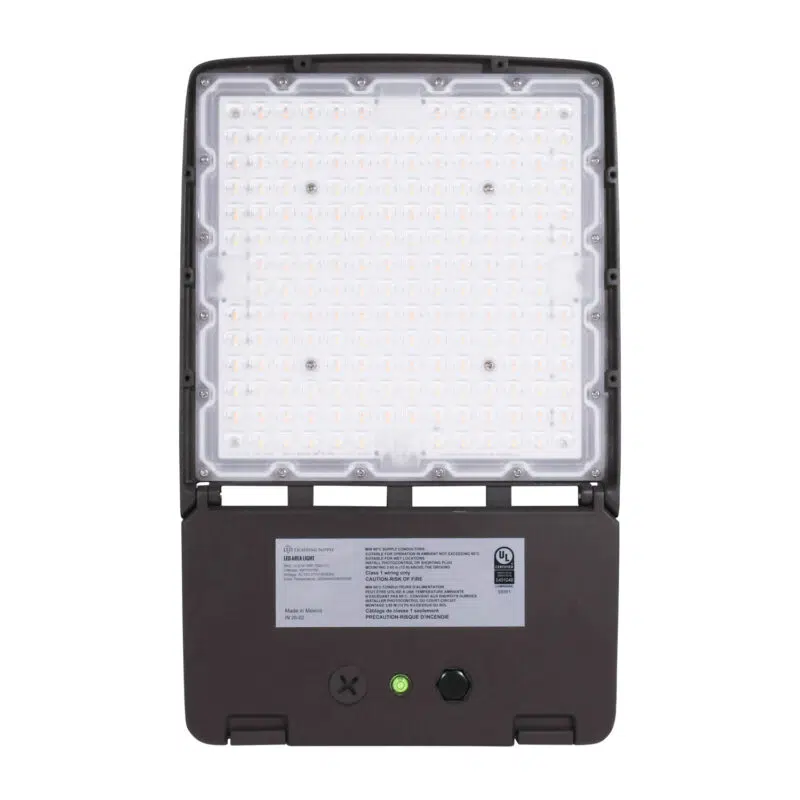



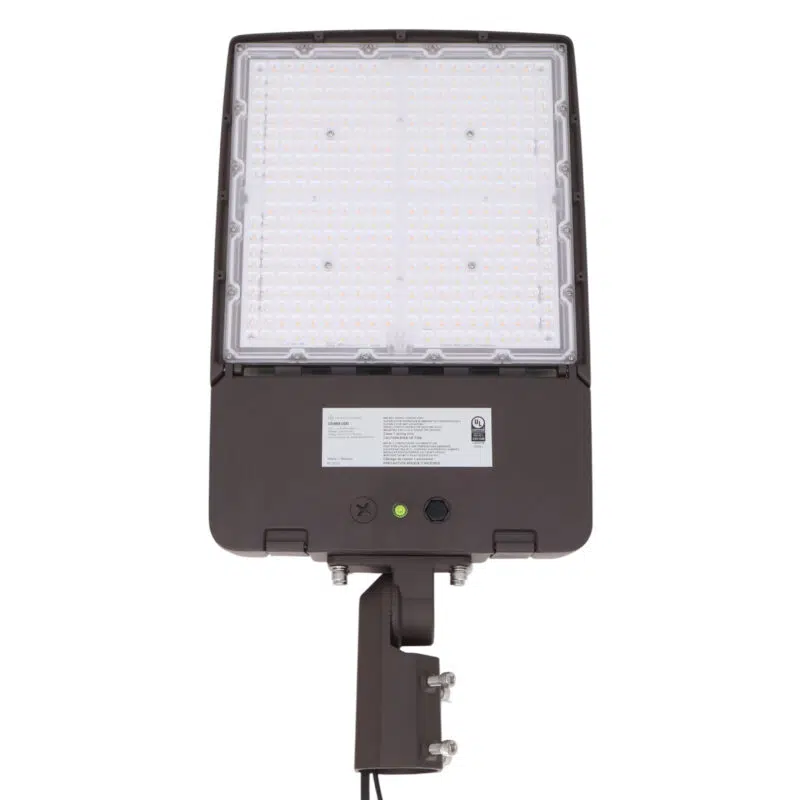


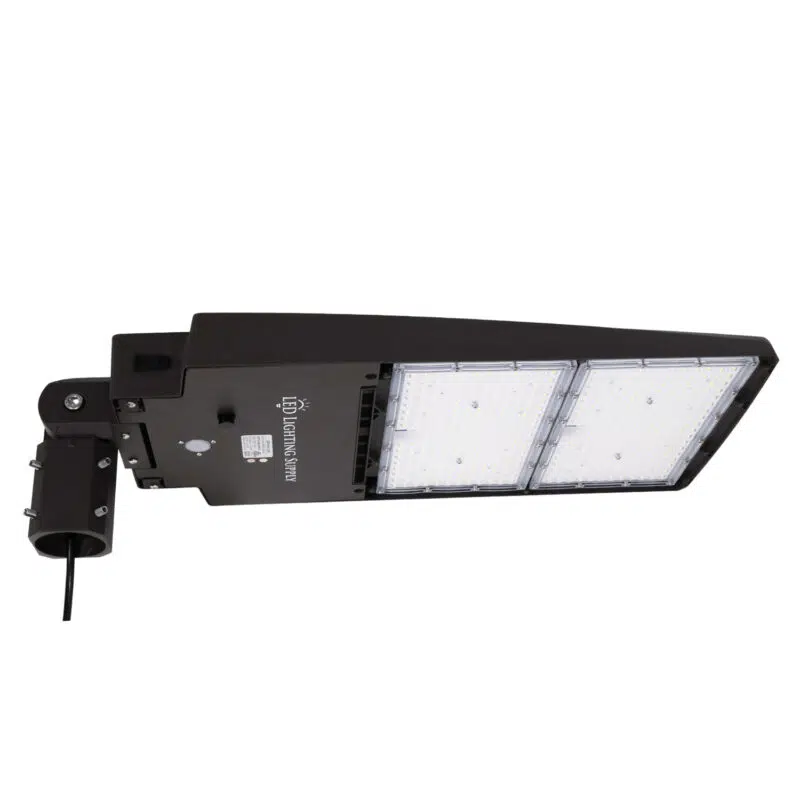
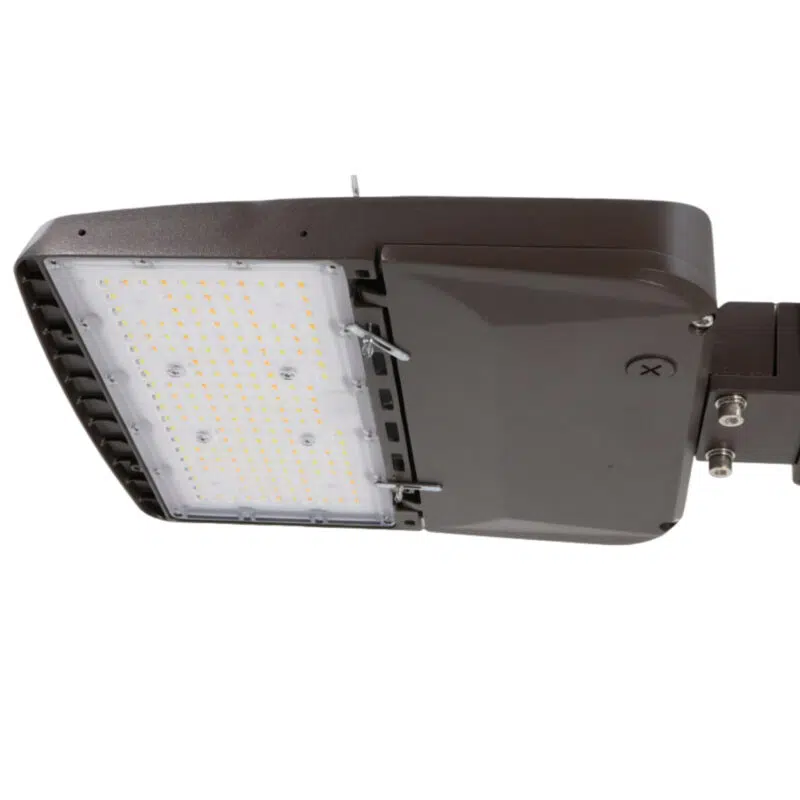
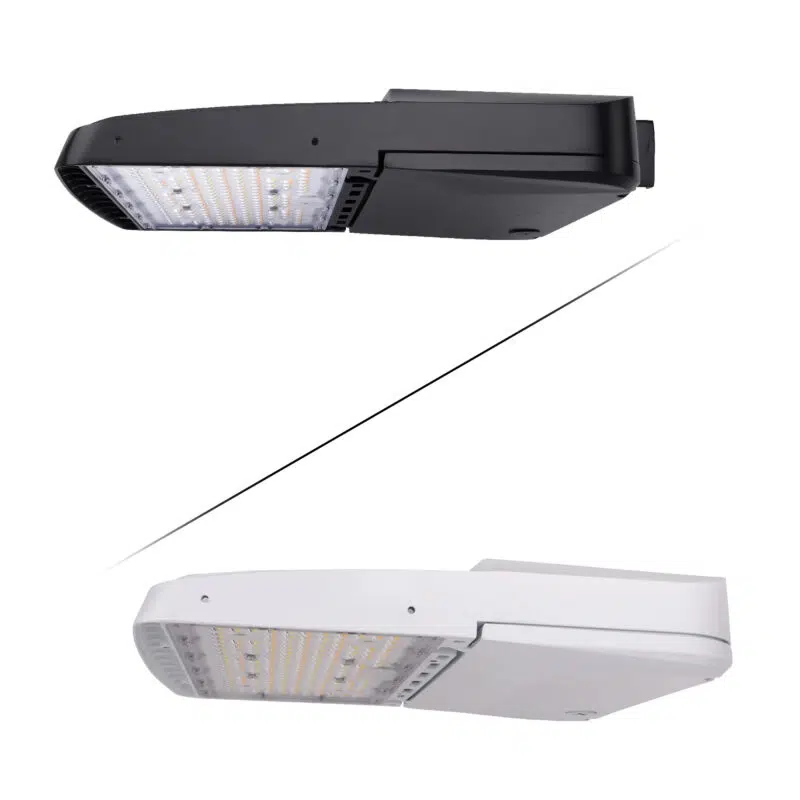

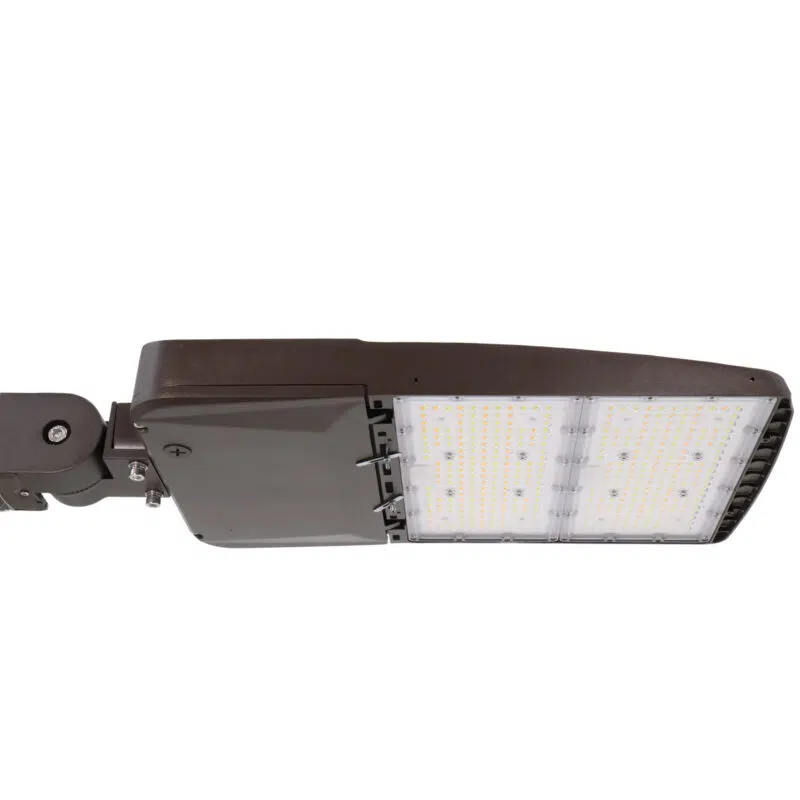


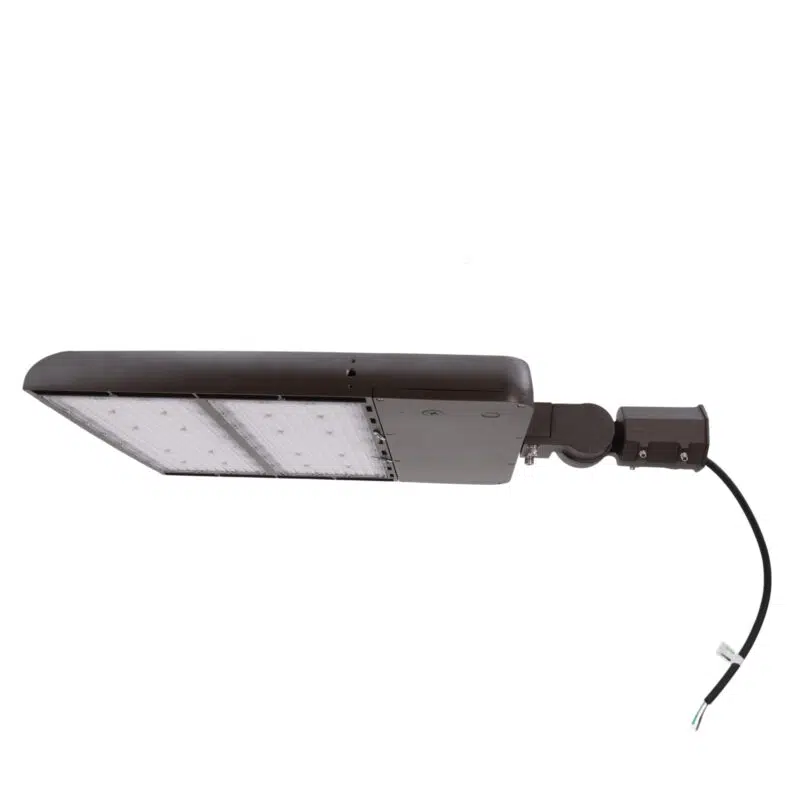

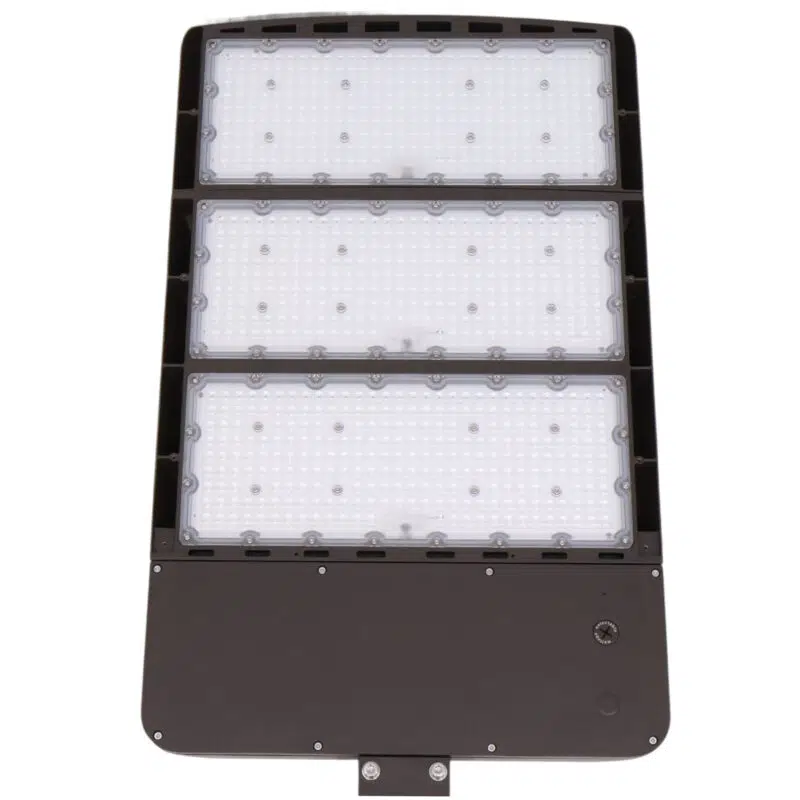

LED Parking Lot Lights with Photocells
LED parking lot lights with photocells automatically turn on when ambient light falls below a set level and turn off after daylight returns. This dusk-to-dawn operation is useful for commercial parking lots, schools, churches, dealerships, apartment complexes, municipal lots, industrial yards, and other sites that need reliable exterior lighting every night. A photocell measures available daylight. It does not detect people or vehicles. When installed and positioned correctly, it can reduce manual switching, help prevent lights from being left on during the day, and provide consistent nighttime operation.
Before ordering, confirm the photocell style, fixture and photocell voltage, control compatibility, and mounting position. The photocell determines when the fixture operates; fixture output, optics, pole height, spacing, and light-level requirements determine which parking lot light is needed.
Built-In and Receptacle-Mounted Photocells
Parking lot fixtures may use an integrated photocell or a twist-lock photocell installed in a compatible receptacle. Receptacle-mounted controls are often easier to replace or upgrade without changing the complete fixture. Before ordering, confirm:
- Photocell compatibility: Verify that the fixture includes a photocell or has the correct receptacle for the selected control.
- Voltage: Match the photocell and fixture driver to the circuit, including 100-277V or 277-480V parking lot lights where applicable.
- Control type: Confirm whether the project requires simple dusk-to-dawn switching, scheduled control, or dimming combined with another control system.
- Mounting position: Position the photocell so it receives natural daylight without being directly illuminated by the controlled fixture.
- Environmental rating: Confirm that the fixture, receptacle, and photocell are suitable for outdoor and wet-location exposure.
Photocell Placement and Common Problems
A photocell can cycle the fixture on and off if it sees light produced by the same fixture or a nearby light source. Trees, building overhangs, signs, and other obstructions can also cause the control to turn on too early or remain on during the day. The sensor should face an open area where it can detect normal changes in daylight. Final orientation should follow the photocell and fixture manufacturer's instructions.
Photocells vs Motion Sensors
A photocell keeps the parking lot light available throughout the night, while a motion sensor changes output when activity is detected. Some projects use both controls: the photocell enables nighttime operation, and a compatible motion sensor dims the fixture during low-activity periods before returning it to full output when vehicles or pedestrians enter the area. Confirm driver, photocell, motion-sensor, and dimming compatibility before combining controls. Not every fixture supports every control sequence. Buyers who need activity-based output changes can compare motion sensor LED parking lot lights.
Fixture Selection, Certifications, and Warranty
The photocell controls when the light operates; it does not determine the required fixture output or distribution. Select the parking lot light according to pole height, pole spacing, mounting method, voltage, optic type, target foot-candle levels, uniformity, glare, and light-trespass requirements. Confirm that the selected fixture carries a recognized safety listing such as UL or ETL and verify DLC or DLC Premium status when utility rebates are expected. Review wet-location rating, surge protection, control compatibility, and photocell specifications for the exact model. Most LED Lighting Supply parking lot lights include a 5-year warranty unless otherwise specified. Installation and control wiring should be completed by a qualified electrical professional. For larger parking lots or projects with defined light-level requirements, a photometric plan can help verify fixture output, spacing, optics, and expected coverage before ordering.
LED Parking Lot Lights with Photocells FAQs
How Do LED Parking Lot Lights With Photocells Operate?
LED parking lot lights with photocells turn on when ambient light falls below a set level and turn off after daylight returns. The photocell measures available daylight and does not detect people or vehicles.
Should I Choose A Built-In Or Receptacle-Mounted Photocell?
Choose based on the fixture configuration and project needs, because parking lot fixtures may use an integrated photocell or a twist-lock photocell in a compatible receptacle. Receptacle-mounted controls are often easier to replace or upgrade without changing the complete fixture.
What Should I Confirm Before Ordering A Parking Lot Light With A Photocell?
Confirm photocell compatibility, voltage, required control type, mounting position, and outdoor and wet-location suitability. The fixture must include a photocell or have the correct receptacle for the selected control, and the photocell and fixture driver must match the circuit voltage.
Where Should A Parking Lot Photocell Be Positioned?
A parking lot photocell should face an open area where it can detect normal daylight changes without being directly illuminated by the controlled fixture. Trees, overhangs, signs, and other obstructions can cause the control to turn on too early or remain on during the day.
Why Can A Photocell Cause Parking Lot Lights To Cycle On And Off?
A photocell can cycle a fixture on and off when it detects light from the same fixture or a nearby light source. Final orientation should follow the photocell and fixture manufacturer's instructions.
What Is The Difference Between A Photocell And A Motion Sensor For Parking Lot Lights?
A photocell keeps a parking lot light available throughout the night, while a motion sensor changes output when activity is detected. Some projects use both controls, with the photocell enabling nighttime operation and a compatible motion sensor dimming the fixture during low-activity periods before returning it to full output when vehicles or pedestrians enter the area.
How Should I Select The Fixture Output And Distribution For A Photocell-Controlled Parking Lot Light?
Select the parking lot light according to pole height, pole spacing, mounting method, voltage, optic type, target foot-candle levels, uniformity, glare, and light-trespass requirements. The photocell controls when the light operates; it does not determine required fixture output or distribution.
When Should A Photometric Plan Be Considered For A Parking Lot Lighting Project?
A photometric plan can help verify fixture output, spacing, optics, and expected coverage before ordering for larger parking lots or projects with defined light-level requirements. Installation and control wiring should be completed by a qualified electrical professional.