LED Logistics Yard Lighting
- Pole-mounted area lights suit trailer rows and circulation lanes
- Fixture options for gates, docks, perimeters, and camera zones
- Photometric plans available to evaluate layout before ordering


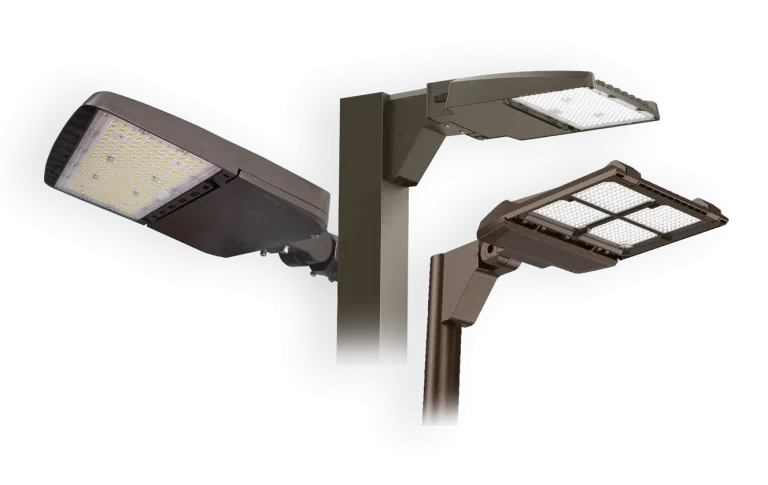
Our LED Logistics Yard Lighting for Truck, Trailer and Security Areas includes pole-mounted shoebox area lights, floodlights, wall packs, canopy fixtures, and high mast lighting. Available products include controlled optical distributions, dimming, photocells, schedules, and networked control options for separate yard zones.
These fixtures are used for trailer parking and staging, truck circulation lanes, turning areas, dock approaches, loading aprons, gate access points, fence lines, perimeter security, employee parking, pedestrian routes, building edges, and service doors at distribution centers and freight facilities.
-
 Starting At $309.00




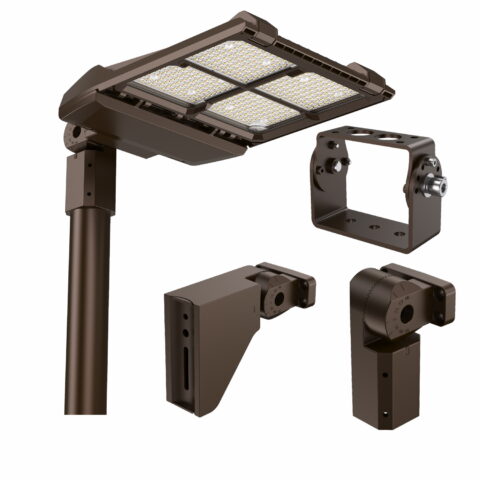

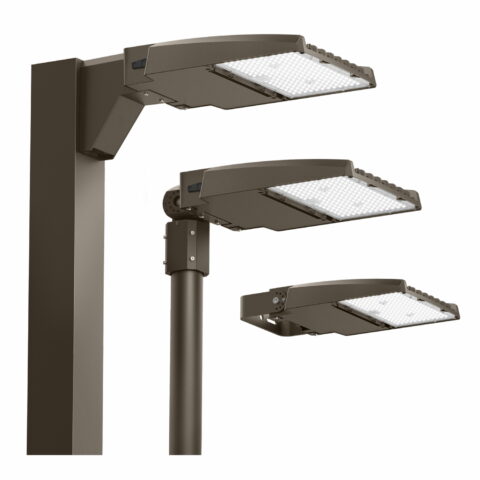

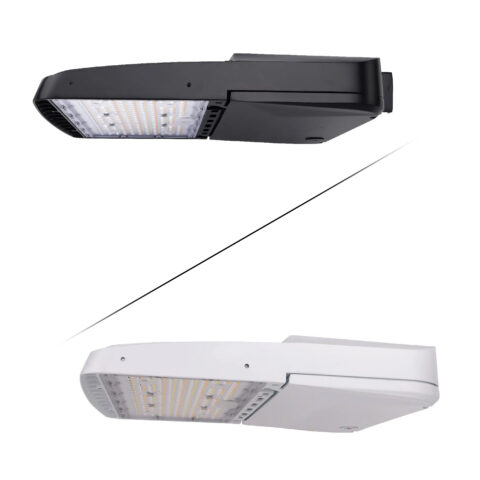
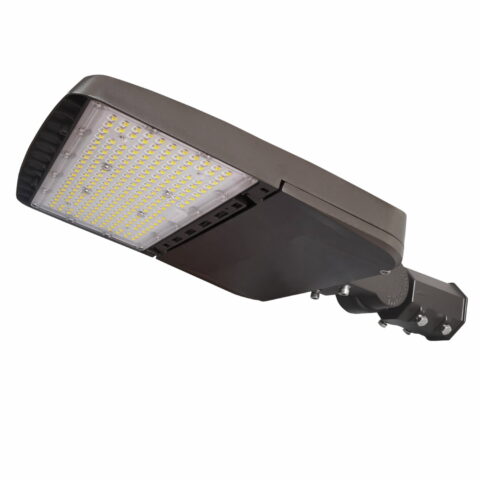
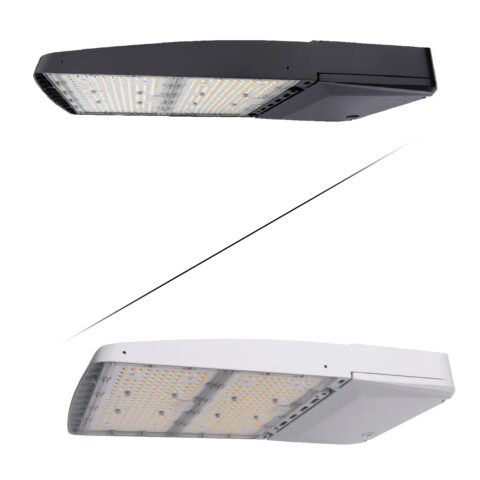
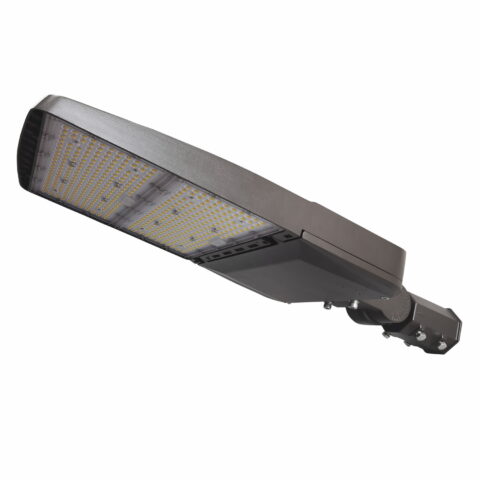

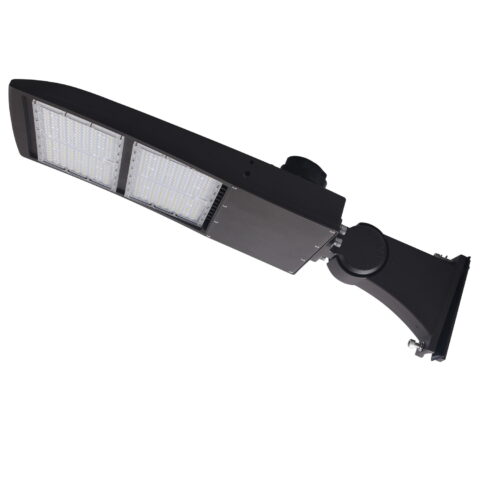
LED logistics yard lighting supports trailer parking, truck circulation, loading approaches, gate access, perimeter security, camera coverage, employee parking, and pedestrian movement around distribution centers and freight facilities. Start by separating the yard into operating zones, then select fixture type, optical distribution, mounting height, and controls around traffic flow, trailer layout, camera needs, and property-line conditions. Pole-mounted area lights are the primary choice for most yards, while floodlights, wall packs, canopy lights, and high mast fixtures can address specific zones or very large open sites. A photometric plan should confirm the final layout before ordering.
Plan the Yard Around Operations, Not One Average Light Level
A logistics yard is not one uniform space. Trailer rows, turning lanes, dock approaches, gates, fence lines, parking areas, and pedestrian routes have different visibility needs. The lighting layout should follow how trucks enter, turn, stage, back into docks, and leave the property. Before selecting fixtures, document the yard dimensions, trailer-row orientation, truck turning paths, dock locations, pole setbacks, property boundaries, camera positions, pedestrian crossings, and areas that remain active after normal business hours.
Selection and Installation Note: Confirm fixture output, distribution type, voltage, controls, surge protection, wet-location rating, mounting hardware, pole condition, wind loading, and warranty terms before ordering. New light poles and foundations should be designed for the site and selected equipment. A photometric plan should be used to confirm fixture quantity, pole placement, uniformity, glare, spill light, and expected light levels.
Recommended Foot-Candles for Logistics Yards
General trailer storage normally needs less light than active dock approaches, security checkpoints, inspection areas, or camera-critical zones. The ranges below are early planning targets, not a substitute for site photometrics or local requirements.
Match the Fixture to the Yard Zone
| Yard Zone | Recommended Lighting Approach |
|---|---|
| Trailer parking and staging | LED shoebox area lights with controlled roadway or parking distributions are usually the best primary system for broad, repeatable coverage between trailer rows. |
| Truck circulation and turning lanes | Use pole-mounted area lights positioned outside turning envelopes. Select optics that follow the lane instead of sending excessive light toward drivers or neighboring properties. |
| Dock approaches and loading aprons | Area lights can provide general coverage. LED floodlights or wall-mounted fixtures may be added where trailers, dock walls, or canopies create shadows. |
| Gates and access-control points | Use controlled area lights, floodlights, or canopy fixtures to improve visibility of vehicles, drivers, credentials, barriers, and pedestrian activity. |
| Fence lines and perimeter security | Use carefully aimed floodlights or area lights for continuous coverage without bright-dark patterns. Coordinate fixture aiming with patrol routes and camera fields of view. |
| Building edges and service doors | LED wall packs provide localized coverage at doors, exterior walls, utility areas, and narrow spaces not efficiently reached from yard poles. |
| Large open yards | LED high mast lighting may be appropriate where fewer poles can cover a wide unobstructed area without interfering with truck and trailer movement. |
Area Lights Are the Primary Choice for Most Logistics Yards
Pole-mounted shoebox area lights are generally the starting point because their optical distributions can follow trailer rows, drive lanes, parking areas, and site boundaries. They also allow the yard to be divided into practical lighting zones. Select the distribution from the pole location and coverage shape rather than choosing wattage first. Type II and III patterns often suit roadways, perimeter positions, and long yard edges. Type IV can place light forward from boundary poles. Type V is more useful when a pole is positioned within a broad open area. The best distribution still depends on setbacks, pole spacing, mounting height, and fixture orientation.
When High Mast Lighting Applies
High mast lighting is useful for very large, open logistics yards where conventional poles would obstruct trailer storage, snow removal, or truck circulation. Mounting fixtures higher can provide broad coverage from fewer locations, but it does not automatically produce better security lighting or lower glare. High mast systems should be evaluated when:
- The yard is large and relatively open
- Poles can be placed outside critical turning and storage areas
- Long throws and broad coverage are required
- Maintenance access and lowering systems have been considered
- Structural design, wind loading, surge protection, and foundation requirements are addressed
For smaller yards, narrow trailer rows, irregular sites, or locations near homes, conventional area-light poles usually provide more precise control. High mast mounting commonly begins around 60 feet, while standard logistics-yard area lights are often mounted approximately 25 to 45 feet. Final heights should be confirmed through photometric and structural review.
Security Lighting Must Support Cameras and Vertical Visibility
Horizontal foot-candles on the pavement do not fully describe perimeter security lighting performance. Cameras and personnel may also need to see faces, vehicle sides, trailer numbers, license plates, gates, and activity along fence lines. This requires usable vertical illumination and controlled contrast. Review each camera’s position, viewing direction, lens, infrared capability, and exposure to direct fixture glare. A bright fixture in the camera image can reduce useful detail even when the measured ground level is high. Consistent illumination is usually more useful than isolated bright spots.
Reduce Driver Glare and Trailer Shadows
Truck drivers regularly look across the yard, toward mirrors, and into dock approaches while reversing. Poorly aimed fixtures can create disability glare at exactly the locations where visibility is most important.
- Keep poles and fixtures outside truck turning envelopes and impact zones.
- Avoid aiming high-output floodlights directly toward approaching drivers.
- Account for shadows created by parked trailers, buildings, canopies, and stacked materials.
- Check uniformity through trailer rows, intersections, pedestrian crossings, and dock approaches.
- Use shielding and controlled optics where the site borders roads, homes, or neighboring properties.
Select Pole Height from Coverage and Site Constraints
Many logistics yards use mounting heights between 25 and 45 feet. Lower mounting can improve local control but may require more poles and can increase glare if high-output fixtures are aimed too aggressively. Taller poles can improve spacing and reduce the number of obstructions, but require suitable optics, foundations, wind-load review, and maintenance planning. The correct height depends on yard width, trailer layout, pole setbacks, property-line restrictions, fixture distribution, required uniformity, and whether cameras need additional vertical light. Pole height and fixture output should be selected together through a lighting plan.
Use Controls That Match Yard Activity
Logistics yards often operate in zones rather than at one activity level all night. Separate controls can be used for trailer storage, active truck courts, docks, gates, employee parking, and perimeter areas. Photocells, schedules, dimming, and networked controls can reduce output during inactive periods while maintaining appropriate security coverage. Motion-based operation should be reviewed carefully where cameras require stable light or where sudden output changes could distract drivers.
Before Ordering Logistics Yard Lights
- Confirm yard dimensions, traffic flow, trailer positions, and dock locations.
- Identify primary operating zones and separate security-only areas.
- Record existing pole heights, spacing, condition, crossarms, wiring, and voltage.
- Map cameras, gates, pedestrian routes, property lines, roads, and nearby buildings.
- Choose optics and pole locations before finalizing fixture wattage.
- Confirm wet-location listing, surge protection, controls, mounting hardware, and warranty.
- Use a photometric plan to verify average, minimum, maximum, uniformity, glare, and spill light.
Request a Logistics Yard Lighting Plan
Request a logistics yard lighting plan to review yard dimensions, trailer rows, circulation lanes, pole locations, mounting heights, fixture distributions, camera zones, perimeter security, glare, spill light, and controls before ordering.
LED Logistics Yard Lighting FAQs
How Should A Logistics Yard Lighting Layout Be Planned?
Plan the layout around truck entry, turning, staging, docking, and exit paths rather than one average light level. Document yard dimensions, trailer-row orientation, dock locations, pole setbacks, property boundaries, camera positions, pedestrian crossings, and areas active after normal business hours.
When Should High Mast Lighting Be Considered For A Logistics Yard?
High mast lighting may be appropriate for very large, open yards where fewer poles can provide broad coverage without interfering with truck and trailer movement. Smaller yards, narrow trailer rows, irregular sites, or locations near homes usually benefit from the more precise control of conventional area-light poles.
How Do I Choose Between Area Lights And Floodlights For A Yard?
Pole-mounted shoebox area lights are generally the starting point for trailer rows, drive lanes, parking areas, and site boundaries because their distributions can follow the coverage shape. Floodlights or wall-mounted fixtures may be added at dock approaches where trailers, dock walls, or canopies create shadows.
What Mounting Height Should Be Used For Logistics Yard Lights?
Many logistics yards use mounting heights between 25 and 45 feet, while high mast mounting commonly begins around 60 feet. The final height depends on yard width, trailer layout, pole setbacks, property-line restrictions, fixture distribution, uniformity requirements, and camera needs.
How Can Yard Lighting Support Security Cameras?
Security lighting should account for usable vertical illumination, controlled contrast, and each camera's position, viewing direction, lens, infrared capability, and exposure to direct fixture glare. Consistent illumination is usually more useful than isolated bright spots, and a bright fixture in a camera image can reduce useful detail.
How Can Logistics Yard Lighting Reduce Driver Glare And Trailer Shadows?
Reduce glare and shadows by keeping poles and fixtures outside truck turning envelopes and impact zones, avoiding floodlight aiming toward approaching drivers, and accounting for shadows from trailers, buildings, canopies, and stacked materials. Check uniformity through trailer rows, intersections, pedestrian crossings, and dock approaches.
What Controls Work For Different Logistics Yard Activity Zones?
Separate controls can be used for trailer storage, active truck courts, docks, gates, employee parking, and perimeter areas. Photocells, schedules, dimming, and networked controls can reduce output during inactive periods while maintaining appropriate security coverage, while motion-based operation should be reviewed carefully where cameras need stable light or sudden output changes could distract drivers.
How Can Fixture Quantity And Pole Placement Be Confirmed Before Ordering?
A photometric plan should be used to confirm fixture quantity, pole placement, expected light levels, uniformity, glare, and spill light. The plan can also review trailer rows, circulation lanes, mounting heights, fixture distributions, camera zones, perimeter security, and controls.