LED Lights for Riding Arenas and Rodeos
- Fixture options for indoor, outdoor, and rodeo arenas
- Lighting plans help evaluate coverage, shadows, and glare
- Application support for horse and rider visibility needs
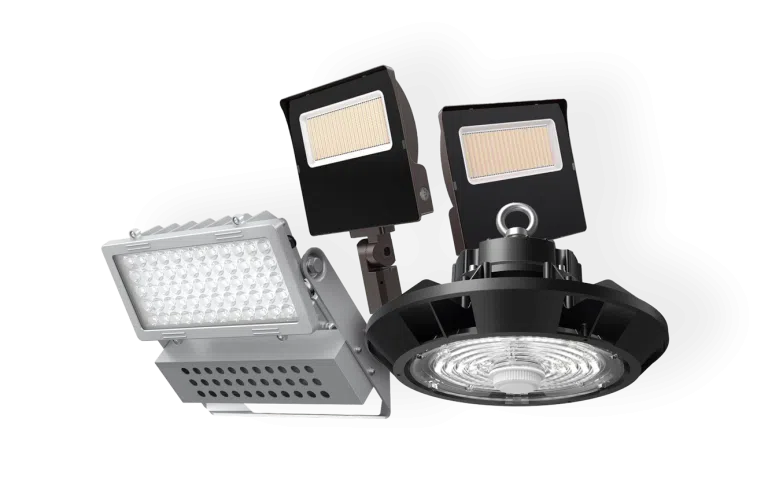


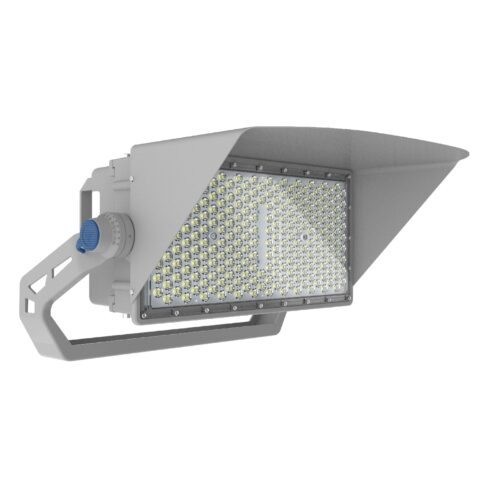
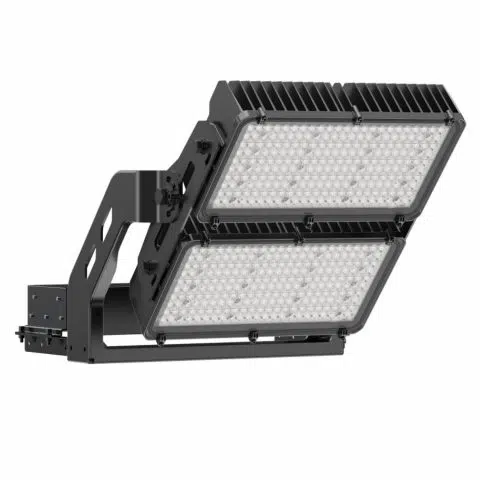
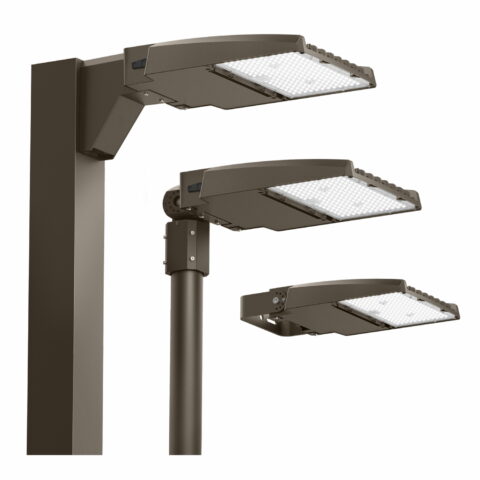
Our LED Horse Arena Lights include UFO and linear high bays, flood lights, sports field lights, and area lights for indoor, covered, and outdoor arenas. Available models vary by wattage, beam angle, voltage, controls, dimming, and ceiling-mounted or pole-mounted configurations.
These fixtures are commonly used in private riding arenas, covered open-sided arenas, outdoor training rings, competition arenas, rodeo arenas, barrel racing areas, roping areas, and livestock event spaces.
-
 Starting At $697.50




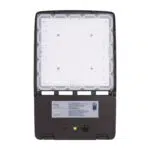
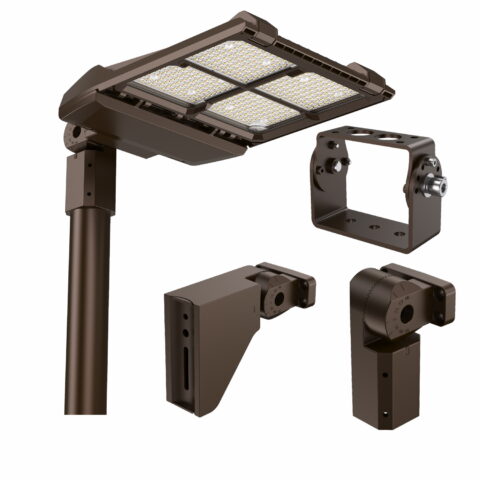

Horse Arena and Rodeo Arena Lighting Starts with Visibility, Comfort, and Shadow Control
Start by identifying the arena type and use, then evaluate indoor or outdoor mounting conditions, arena size, target light levels, fixture placement, rider visibility, horse comfort, glare, dust, shadow control, and electrical infrastructure. A private indoor riding arena, covered open-sided arena, outdoor training ring, competition arena, and rodeo arena can all require different lighting layouts.
Unlike many general sports fields, horse arenas must account for animal behavior. Harsh glare, uneven light, deep shadows, poorly placed fixtures, or bright-dark transitions can make riding less comfortable and may create avoidable safety concerns for horses and riders. The best lighting design provides even, usable illumination without over-lighting the arena or creating distracting hot spots.
Most indoor riding arenas use LED high bay lights, UFO high bays, or linear high bays mounted to the ceiling or structure. Outdoor riding arenas and rodeo arenas often use pole-mounted LED flood lights, area lights, or sports field fixtures, depending on arena size, pole height, and event requirements.

Selection and Installation Note: Product specifications, fixture wattage, lumen output, beam angle, mounting hardware, voltage, controls, dimming, surge protection, dust protection, moisture rating, certifications, and warranty coverage vary by model. Confirm the selected product specification before ordering. For horse arenas, rodeo arenas, barns, pole-mounted lighting, indoor ceiling-mounted fixtures, electrical upgrades, structural mounting review, code-sensitive applications, or safety-critical projects, verify requirements with your local inspector, structural professional, or licensed electrical professional.
Horse Arena and Rodeo Arena Foot-Candle Requirements
Horse arena lighting targets vary by use. Recreational riding and casual practice may need lower light levels than training facilities, show arenas, competition arenas, or rodeo event spaces. The right target also depends on whether the arena is indoors, outdoors, covered, open-sided, used for lessons, used for barrel racing or roping, or used for public events.
Foot-candles matter, but uniformity is just as important. A riding arena can be bright enough on average and still feel uncomfortable if the light is uneven. Shadows near the rail, dark corners, glare from low-mounted flood lights, or harsh contrast between bright and dark areas can affect both rider visibility and horse comfort.
Use the foot-candle guide below to compare recommended lighting levels for riding arenas, horse arenas, rodeo arenas, and support areas. These recommendations are a starting point only. Final fixture selection should be confirmed with a photometric plan that accounts for arena dimensions, mounting height, pole placement, beam angles, fixture aiming, uniformity, glare, dust visibility, shadows, and existing electrical infrastructure.
Indoor, Covered, Outdoor, and Rodeo Arenas Need Different Lighting Layouts
Horse arena lighting should not be selected from a single fixture type or wattage. The correct approach depends on the arena structure, mounting options, footing dust, rider activities, event type, and maintenance access.
| Arena Type | Lighting Design Priority |
|---|---|
| Indoor Riding Arenas | Ceiling height, beam spread, dust visibility, fixture spacing, shadow control, rider sightlines, and mounting structure. |
| Covered Open-Sided Arenas | Mixed daylight, open-side glare, wind-driven dust, perimeter shadowing, moisture exposure, and roof-mounted fixture placement. |
| Outdoor Riding Arenas | Pole height, pole placement, fixture aiming, glare control, spill light, shadows near the rail, and nearby homes or roads. |
| Training and Lesson Arenas | Comfortable light for daily use, dimming or zones, even visibility, low glare, and reduced bright-dark transitions. |
| Competition Riding Arenas | Higher light levels, better uniformity, spectator visibility, judge visibility, event operations, and consistent arena coverage. |
| Rodeo Arenas | Chutes, gates, livestock areas, barrel patterns, roping areas, spectator areas, announcer zones, dust, and safe visibility during events. |
| Barn Aisles and Support Areas | Stalls, aisles, wash bays, tack areas, entries, exits, and safe movement for people and animals. See horse barn and stable lighting for related support-area lighting considerations. |
What an Arena Lighting Plan Should Confirm
A lighting plan helps turn the target foot-candle level into a practical fixture layout. For horse arenas and rodeo arenas, the plan should do more than show average brightness. It should also review shadow control, glare, fixture placement, mounting height, dust visibility, support areas, and how the arena is actually used.
| Planning Detail | Why It Matters for Riding and Rodeo Arenas |
|---|---|
| Arena dimensions | Length, width, ceiling height, pole spacing, rail layout, and support structures affect fixture placement, beam spread, and coverage. |
| Arena use | Recreational riding, lessons, training, clinics, shows, barrel racing, roping, livestock events, and rodeo events may require different light levels and layouts. |
| Target foot-candles | Establishes a design target for recreational riding, training, competition, rodeo events, barn aisles, stalls, wash bays, and support areas. |
| Uniformity and shadows | Helps identify dark corners, rail shadows, bright-dark transitions, and uneven areas that can affect horse and rider comfort. |
| Horse and rider glare | Fixture placement and aiming should reduce direct glare for riders and avoid uncomfortable bright sources in horse sightlines. |
| Indoor mounting structure | Ceiling-mounted fixtures should be matched to structure height, fixture spacing, beam angle, electrical access, and mounting capacity. |
| Outdoor pole placement | Pole height and location affect glare, spill light, shadows near the rail, and coverage across the full arena. Review purpose-built horse arena light poles based on the required height, fixture load, mounting configuration, and site conditions. |
| Dust and moisture exposure | Review the fixture enclosure rating, materials, seals, lens construction, hardware, and cleaning access for dusty or damp equestrian environments. An IP rating addresses ingress protection, not corrosion or chemical resistance. |
| Rodeo event zones | Chutes, gates, livestock holding areas, barrel patterns, roping boxes, announcer areas, and spectator zones may need separate review. |
| Controls and dimming | Training, lessons, events, cleaning, and general barn use may benefit from zones, timers, or dimming depending on fixture model. |
| Electrical service | Confirm voltage, circuit capacity, conductor sizing, switching, controls, and surge protection with the licensed electrical professional responsible for the installation. |
Request a horse arena lighting plan to review fixture count, arena coverage, mounting layout, target foot-candle levels, glare control, shadow control, voltage, and product specifications before ordering.
Choosing Fixtures for Indoor, Outdoor, and Rodeo Arenas
Horse arena lighting should not be selected by wattage alone. The right fixture depends on whether the arena is indoor, covered, open-sided, outdoor, or used for rodeo events. Mounting height, beam angle, dust exposure, glare control, fixture spacing, and maintenance access all affect the final layout.
| Fixture Type | Best Used For |
|---|---|
| UFO High Bays | Indoor arenas with higher ceilings where compact fixtures, strong output, and broad beam options are needed. |
| Linear High Bays | Indoor riding arenas, covered spaces, and long rectangular layouts where linear distribution may support even coverage. |
| Flood Lights | Outdoor riding arenas, rodeo arenas, barrel racing areas, roping areas, and directional lighting where aimability is important. |
| Sports Field Lights | Larger outdoor arenas, rodeo arenas, competition spaces, and facilities needing higher output and controlled beam patterns. |
| Area Lights | Smaller outdoor arenas, entries, parking areas, and general site lighting around barns or arenas. |
| Vapor Tight Fixtures | Barn aisles, wash bays, damp spaces, tack areas, and support zones where moisture or dust protection is important. |
| Wall Packs and Canopy Fixtures | Building exteriors, entries, barn doors, aisle entrances, wash bays, pedestrian areas, and support spaces. |
Many arena projects use 100W, 150W, 200W, 300W, 400W, or higher-output fixtures depending on the arena size, mounting height, target light level, and fixture type. Confirm wattage, beam angle, color temperature, voltage, controls, mounting method, and environmental rating on the selected product specification before ordering.
Mounting Height, Glare, Dust, and Shadow Control
Mounting height is one of the biggest drivers of arena lighting quality. Fixtures mounted too low can shine directly into rider sightlines and create harsh shadows across the footing. Higher mounting can improve coverage, but it must still be matched to the correct beam angle, fixture output, and photometric distribution.
For indoor arenas, fixture spacing should reduce bright-dark bands across the riding surface. For outdoor arenas, pole placement should avoid aiming directly into riders, horses, neighboring homes, roads, or spectator areas. For rodeo arenas, chutes, gates, livestock zones, and event patterns should be considered before final fixture placement.
Color temperature describes the apparent warmness or coolness of white light; it does not determine brightness or dust protection. Many arena owners select 4000K for its neutral-white appearance, while the appropriate CCT depends on owner preference, the surrounding environment, fixture performance, and the planned lighting layout.
Horse Arena and Rodeo Lighting Project Examples
Horse arena lighting projects vary by arena size, ceiling height, pole height, indoor or outdoor layout, dust levels, event use, electrical service, and mounting access. A photometric plan helps determine whether high bays, linear fixtures, flood lights, area lights, or sports field fixtures are the right fit.
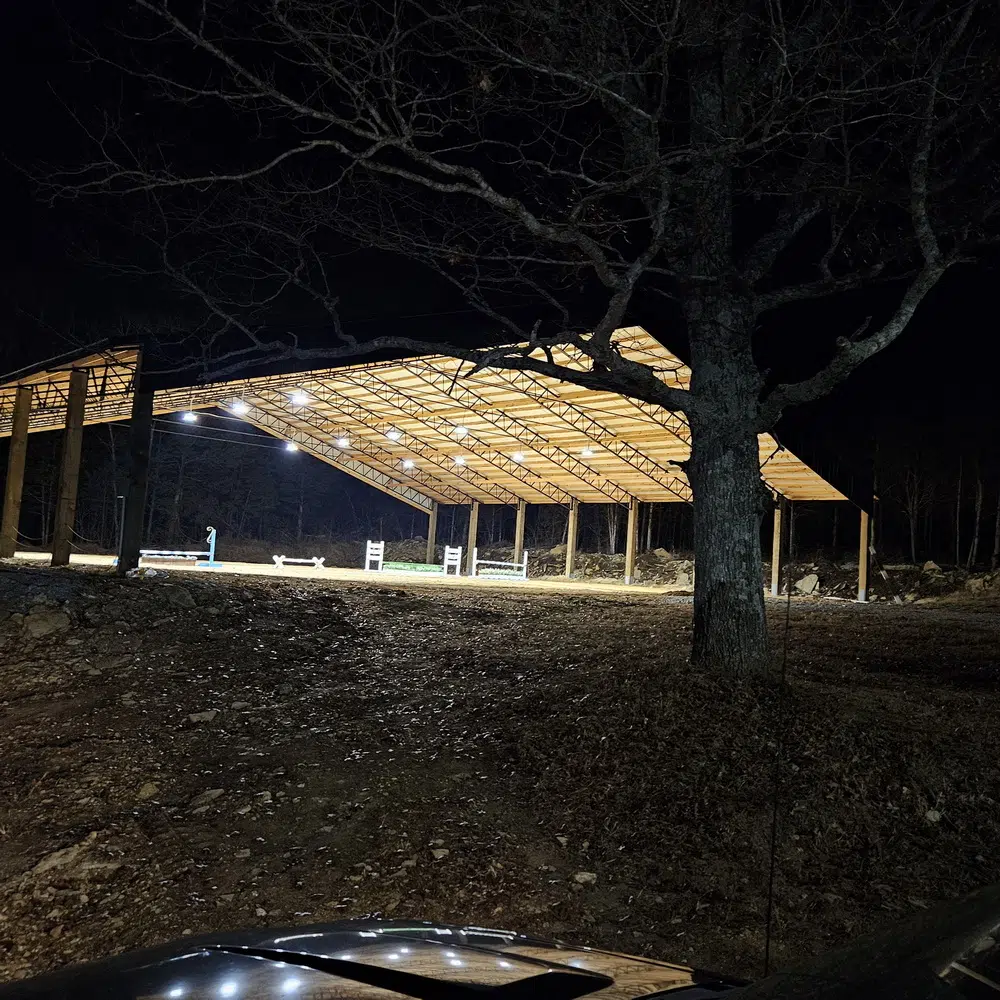
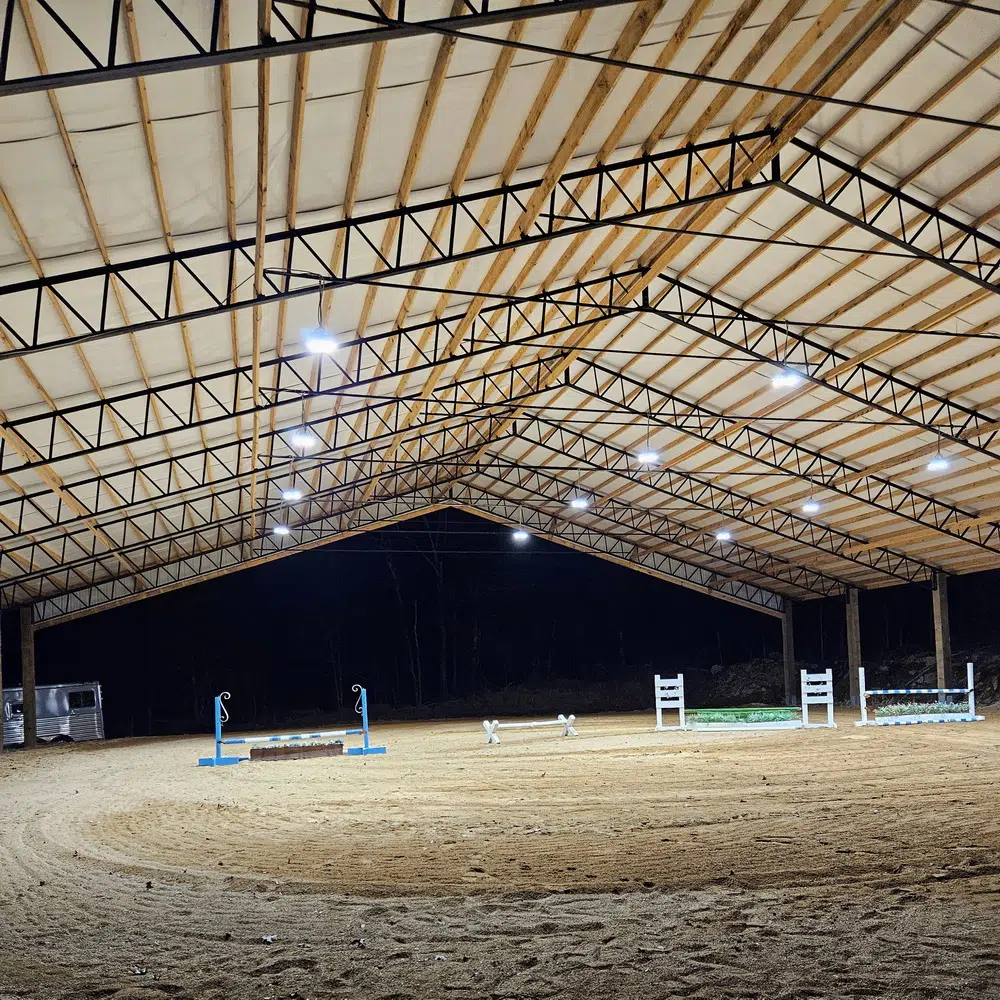
Case Study: Creekside Stables Outdoor Covered Arena using LED Lighting Supply 200 Watt LED UFO High Bay Lights in Franklin, TN
|
After: 200 Watt LED UFO High Bay | 30000 Lumens |
After: 200 Watt LED UFO High Bay | 30000 Lumens |
 |
 |
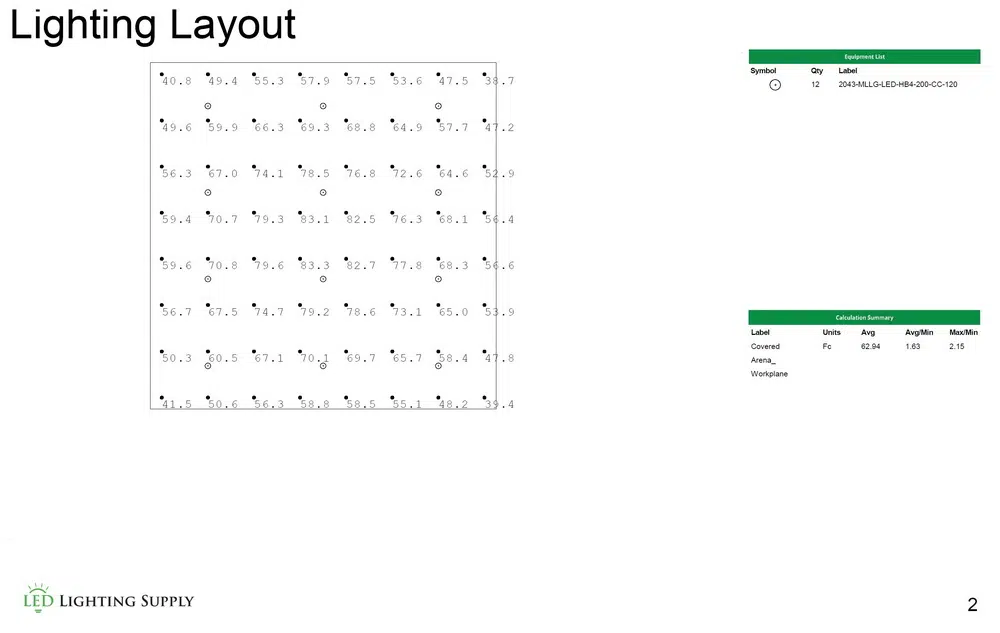
Lighting Plan We Created for the Customer
|
Lighting Plan |
Heat Map |
 |
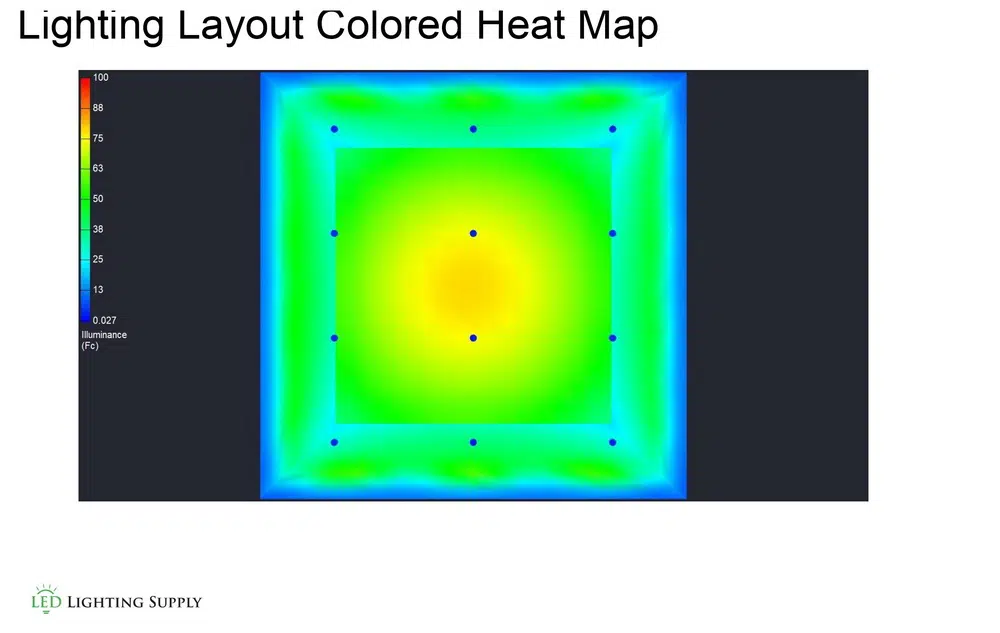 |
Covered Riding Arena Lighting Installation Plan Metrics
- Mounting height: 40 ft
- Fixture Used: (12) MLLG-LED-HB4-200-[Color]-[Beam]: 200 Watt White LED UFO High Bay | 25000 lumens | Replaces 400 Watt Metal Halide
- FC achieved: 62.94 fc average
- Uniformity (Avg/Min): 1.63
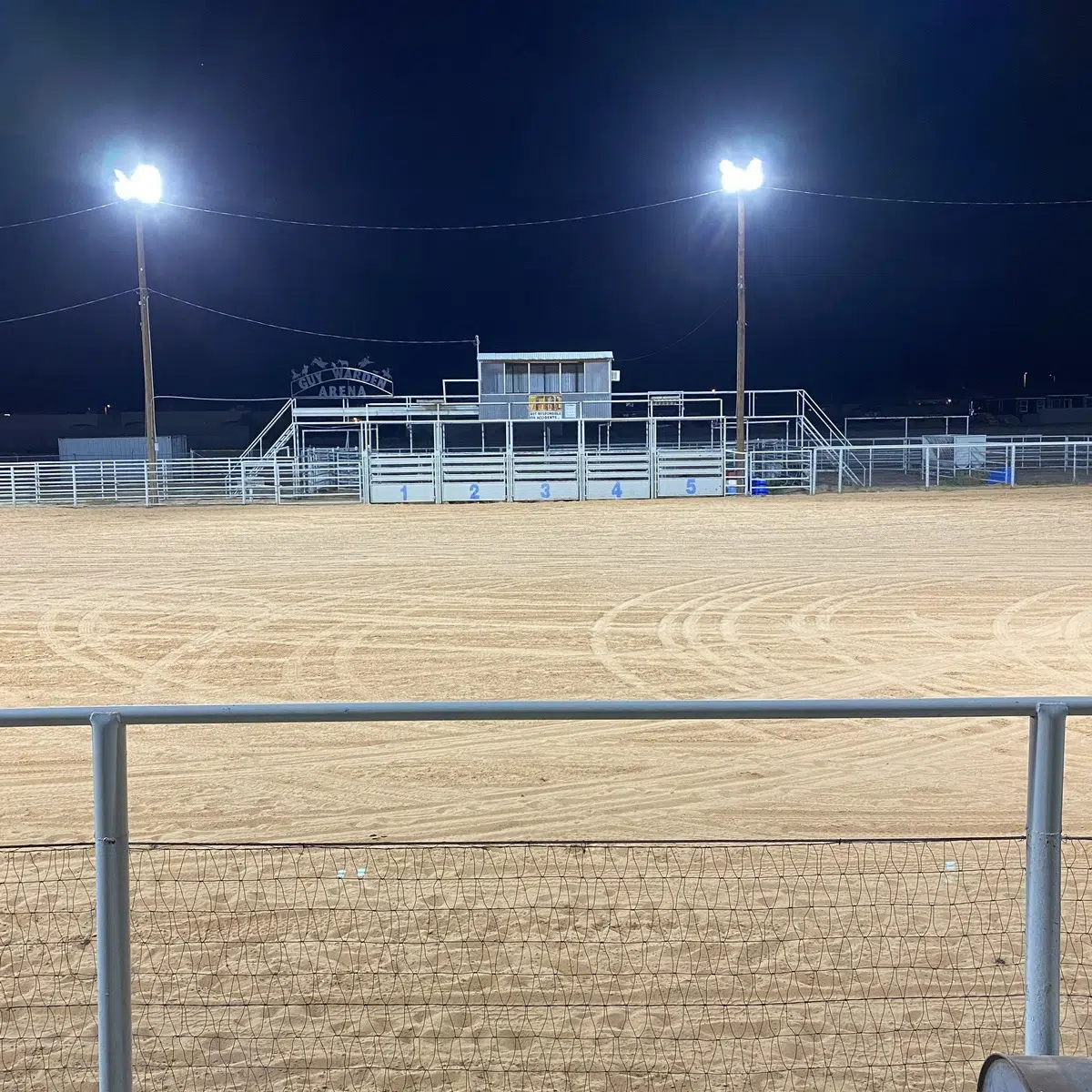
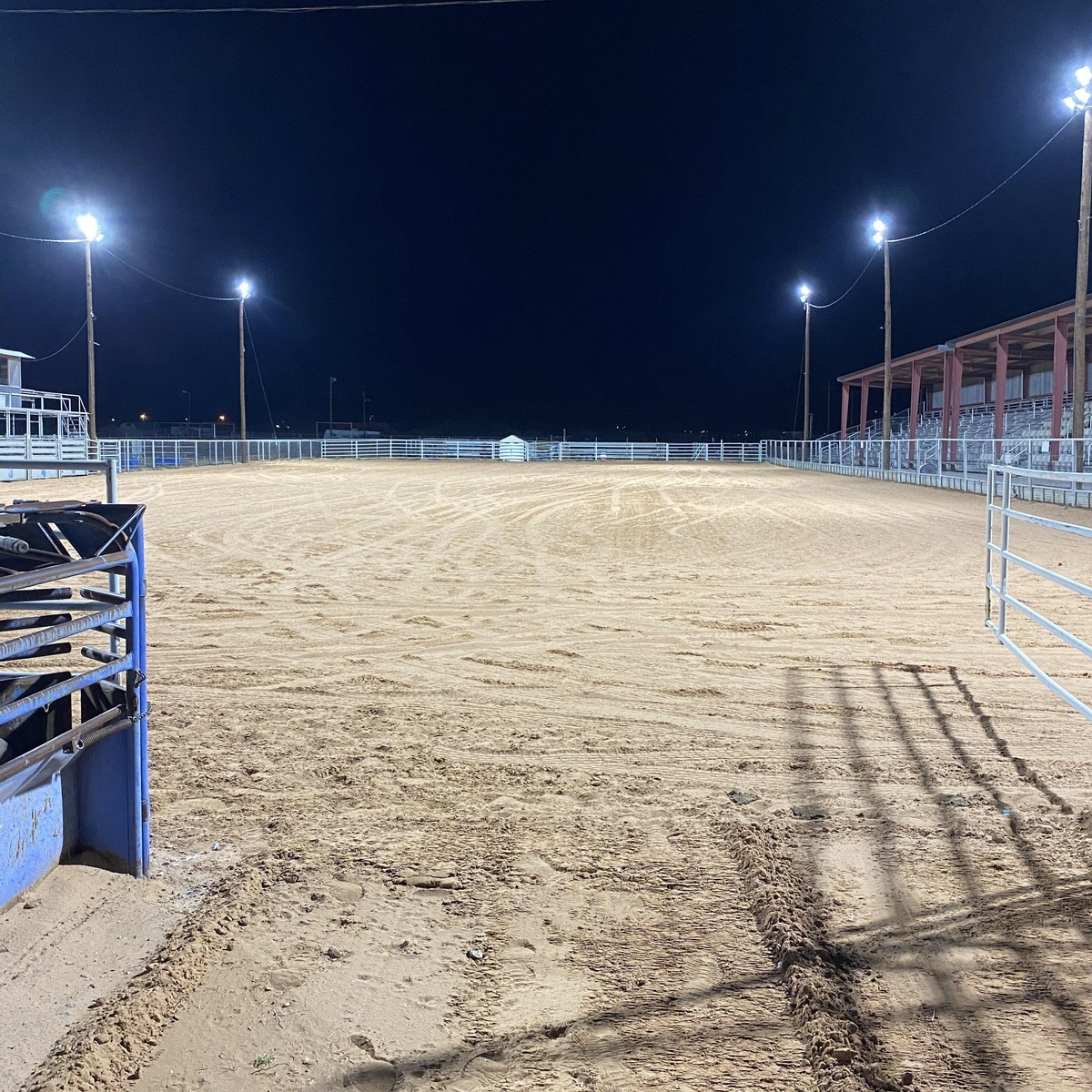
Case Study: Rodeo Arena using LED Lighting Supply 400 Watt LED Sport Lights in Otero County Fair, Alamogordo, NM
|
After: 400 Watt LED Area Flood Light | 56000 Lumens |
After: 400 Watt LED Area Flood Light | 56000 Lumens |
 |
 |
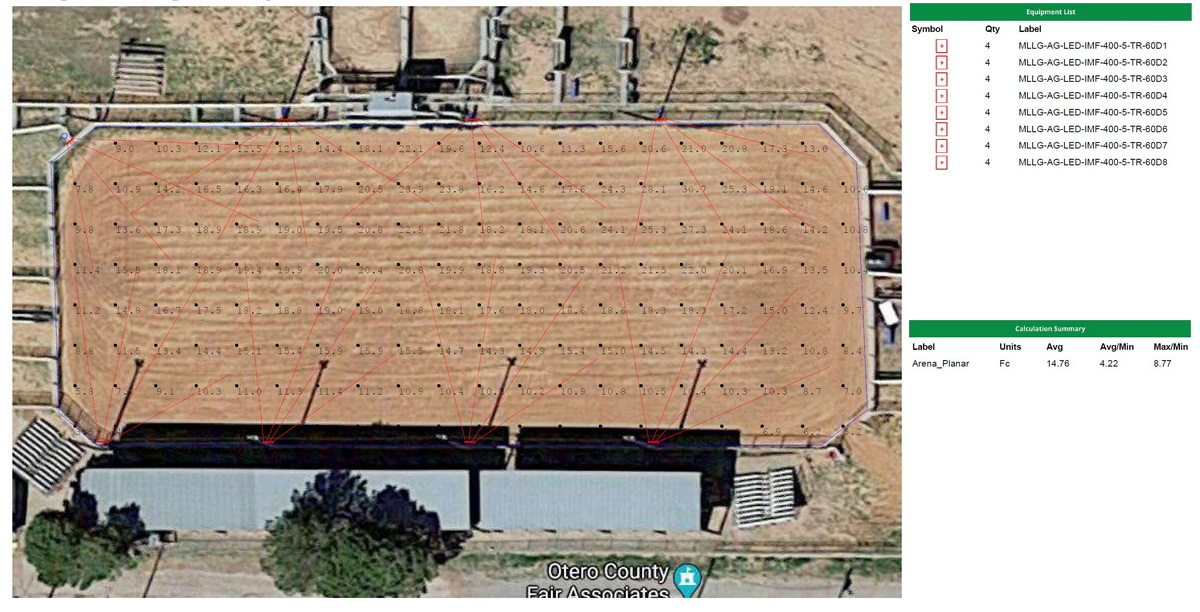
Lighting Plan We Created for the Customer
|
Lighting Plan |
Heat Map |
 |
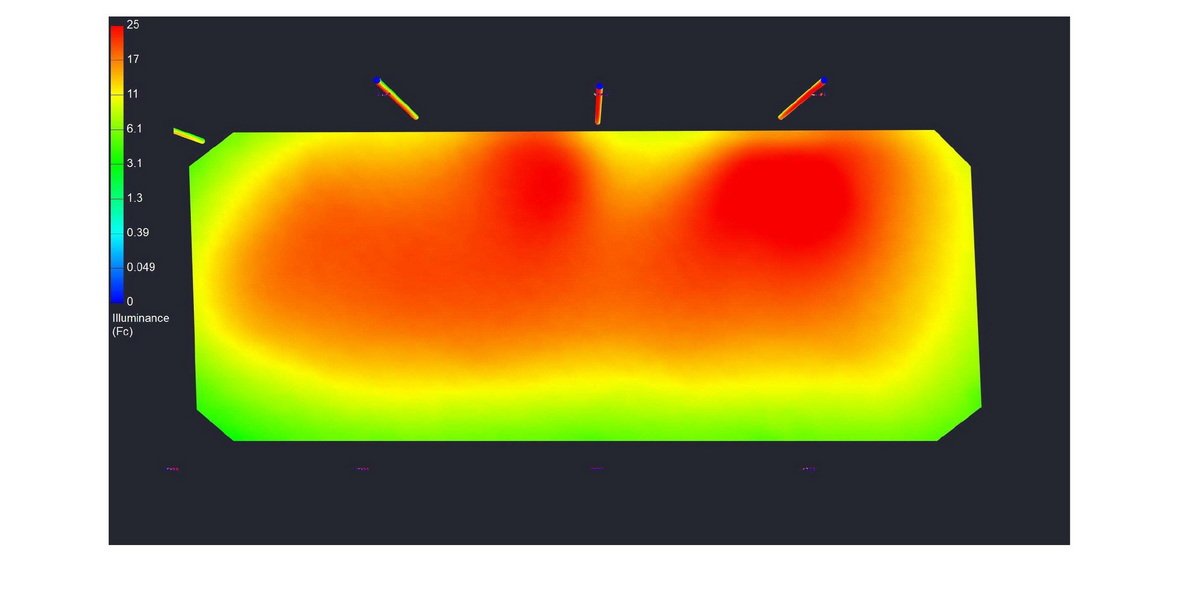 |
Rodeo Arena Lighting Installation Plan Metrics
- Mounting height: 40 ft
- Fixture Used: MLLG-AG-LED-IMF-400-5-[Optic]-TR-[V]: 400 Watt LED Area Flood Light | 56000 Lumens | 5000K | 100V-277V or 277V-480V
- FC achieved: 14.76 fc average
- Uniformity (Avg/Min): 4.22


Arena Lighting Certifications, Rebates, and Warranty Support
Selected LED horse arena and rodeo arena lights from LED Lighting Supply carry a safety certification or listing from a recognized testing organization, such as UL, ETL, or CSA, depending on the product. Selected models may also be DLC or DLC Premium listed and may qualify for utility rebates where available. DLC qualification is a performance program and is not an electrical safety certification. Rebate requirements vary by utility, region, and product listing, so confirm eligibility on the selected product specification before ordering.
Warranty terms vary by product; many models include a 5-year warranty, while other coverage may apply. USA-based warranty support is available. Before purchase, confirm certifications, DLC status, voltage, controls compatibility, mounting method, environmental rating, warranty coverage, and whether the fixture is appropriate for the arena layout and surrounding conditions.
Request a horse arena lighting plan, and our Product Specialists can help review arena dimensions, mounting height, fixture placement, foot-candle targets, glare control, shadow control, dust exposure, voltage, controls, and product specifications for your riding arena or rodeo arena project.
This Content on this lighting content Was Professionally Reviewed By:

Dwayne Kula
Founder, President & CTO
LED Lighting Supply
Dwayne has spent over 17 years working directly with LED lighting systems for commercial, industrial, municipal, and specialty lighting applications. His work focuses on helping customers select appropriate fixtures based on application, mounting height, lumen output, optics, controls, voltage, environment, safety requirements, and long-term performance expectations.
He has extensive experience with industrial and commercial lighting projects, including warehouses, manufacturing facilities, parking lots, sports facilities, hazardous locations, exterior building lighting, and large-scale LED retrofit projects.
This content was reviewed for technical accuracy, real-world application, product selection relevance, and clarity for the stated lighting topic.
LED Lights for Riding Arenas and Rodeos FAQs
How Should I Plan Lighting for a Horse Arena or Rodeo Arena?
A horse arena or rodeo arena lighting plan should confirm target foot-candle levels, fixture count, arena coverage, mounting layout, glare control, shadow control, voltage, and product specifications before ordering. It should also account for arena dimensions, mounting height, pole placement, beam angles, fixture aiming, dust visibility, and existing electrical infrastructure.
Why Is Uniform Lighting Important in Riding Arenas?
Uniform lighting is important because an arena can be bright enough on average but still feel uncomfortable when light is uneven. Dark corners, rail shadows, bright-dark transitions, glare, and harsh contrast can affect rider visibility and horse comfort.
Which Fixture Types Are Used for Indoor and Outdoor Arenas?
Indoor riding arenas commonly use LED high bays, UFO high bays, or linear high bays mounted to the ceiling or structure, while outdoor riding and rodeo arenas often use pole-mounted flood lights, area lights, or sports field fixtures. The appropriate fixture depends on arena type, mounting height, beam angle, dust exposure, glare control, fixture spacing, and maintenance access.
What Should Be Considered When Choosing Lighting for a Covered Open-Sided Arena?
Covered open-sided arena lighting should account for mixed daylight, open-side glare, wind-driven dust, perimeter shadowing, moisture exposure, and roof-mounted fixture placement. The arena structure, mounting options, rider activities, and maintenance access also affect the final layout.
How Do Mounting Height and Fixture Placement Affect Arena Lighting?
Mounting height and fixture placement affect coverage, glare, and shadows across the arena. Fixtures mounted too low can shine directly into rider sightlines and create harsh shadows, while higher mounting must still be matched to the correct beam angle and fixture output.
What Areas Should Be Reviewed in a Rodeo Arena Lighting Layout?
A rodeo arena lighting layout should review chutes, gates, livestock holding areas, barrel patterns, roping boxes, announcer areas, spectator zones, dust, and event patterns. Pole placement and fixture aiming should also be considered before final fixture placement.
Should I Select Horse Arena Lights by Wattage Alone?
No, horse arena lighting should not be selected by wattage alone. Arena size, indoor or outdoor use, mounting height, target light level, fixture type, beam angle, voltage, controls, mounting method, and environmental rating should be confirmed on the selected product specification.
What Should Be Verified Before Ordering Arena Lighting Fixtures?
Before ordering, confirm the selected product's specifications for wattage, lumen output, beam angle, mounting hardware, voltage, controls, dimming, surge protection, dust protection, moisture rating, certifications, and warranty coverage. Product specifications and available features vary by model.