LED Tunnel Lighting
- Durable options available for wet, high-vibration tunnel environments
- Select models offer IP ratings and corrosion-resistant construction
- USA-based support for fixture selection and compatibility guidance


Get Your Custom Lighting Plan With Product Recommendations
- Tell us about the tunnel you’re lighting, and a product specialist can help you decide which fixtures to use, how many you need, and where to place them.


Our LED Tunnel Lights include outdoor-rated fixtures for tunnels, underpasses, enclosed roadways, pedestrian tunnels, and covered access areas. Available models vary by wattage, lumen output, voltage, color temperature, optics, dimming, controls, emergency compatibility, and mounting method. These fixtures are used in vehicle tunnels, pedestrian underpasses, service passages, utility passages, covered traffic areas, tunnel entrances, and tunnel exits.
What Are LED Tunnel Lights?
LED tunnel lights are outdoor-rated fixtures used to illuminate tunnels, underpasses, enclosed roadways, pedestrian tunnels, service passages, and other covered traffic or access areas. Tunnel lighting is different from standard outdoor lighting because drivers and pedestrians may move between bright exterior conditions and darker enclosed spaces, making visibility, glare control, uniformity, and environmental durability especially important.
Common tunnel lighting concerns include moisture, dirt, vibration, corrosion, traffic movement, mounting access, impact exposure, and long operating hours. The right fixture depends on tunnel length, ceiling or wall mounting, traffic speed, pedestrian use, ventilation, environmental conditions, controls, emergency requirements, and local roadway or facility standards.
LED tunnel lighting can reduce energy use and maintenance compared with older HID or fluorescent systems, with actual savings depending on wattage, controls, operating hours, existing fixtures, and site conditions. Do not select tunnel lights by wattage alone. Delivered light, optics, mounting location, glare control, fixture spacing, ingress protection, and impact rating matter more than wattage by itself.
Selection and Installation Note: Product specifications, wattage, lumen output, optics, color temperature, voltage, dimming, controls, emergency compatibility, wet-location rating, IP rating, IK rating, corrosion resistance, certifications, and warranty coverage vary by model. Confirm the selected product specification before ordering. For vehicle tunnels, public underpasses, code-sensitive areas, hazardous locations, transportation infrastructure, or safety-critical applications, verify requirements with the project specifier, local authority, transportation agency, facility team, authority having jurisdiction, or a licensed electrical professional.
Common Fixture Types Used for Tunnel Lighting
Tunnel fixture selection depends on the tunnel type, mounting location, moisture exposure, traffic conditions, vibration, and maintenance access. Some projects use dedicated tunnel fixtures, while others may use rugged outdoor or industrial fixtures when the specification allows.
| Fixture Type | Common Tunnel Use |
|---|---|
| LED canopy lights | Covered areas, short underpasses, entries, and low-ceiling tunnel-style spaces where broad downward light is needed. |
| LED flood lights | Targeted tunnel entrances, service areas, wall-mounted locations, or areas needing directional light. |
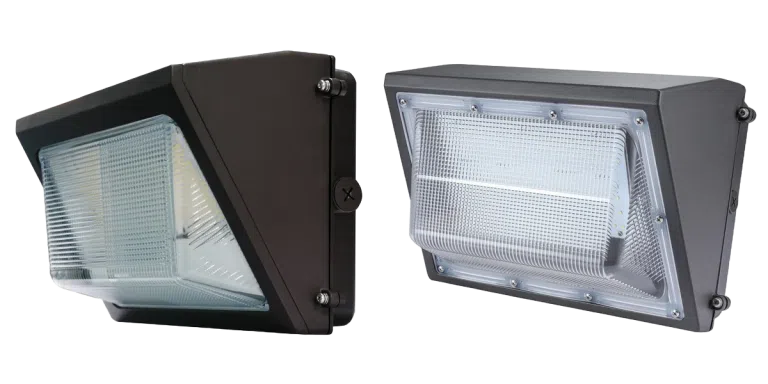
| LED wall pack lights | Wall-mounted tunnel, underpass, service corridor, or exterior approach lighting where fixture placement allows. |
| LED vapor proof lights | Damp, wet, dirty, or enclosed passages where a suitably rated sealed fixture is appropriate for the exposure. |
| Hazardous-location fixtures | Special tunnel or utility applications with an established classified-area designation. Confirm the required Class, Division or Zone, Group, temperature code, ambient rating, and certification before selecting fixtures. |
How to Choose LED Tunnel Lights
Start by defining the tunnel use and mounting location, then match the fixture to the environmental exposure, impact and vibration risk, and required optics and glare control. Confirm controls, emergency operation, and applicable roadway or facility requirements before ordering; light levels, uniformity, and entrance, transition, interior, and exit-zone needs may require project-specific planning.
| Selection Factor | What to Confirm |
|---|---|
| Tunnel type | Confirm whether the project is a vehicle tunnel, pedestrian underpass, service tunnel, utility passage, or covered access area. |
| Mounting location | Review ceiling mounting, wall mounting, bracket mounting, fixture aiming, access for maintenance, and clearance from vehicles or equipment. |
| Moisture and dirt exposure | Confirm wet-location rating, IP rating, gasketed construction, corrosion resistance, and washdown or road-spray exposure. An IP rating addresses ingress protection and does not by itself establish corrosion or chemical resistance. |
| Impact and vibration | Review IK rating, vibration exposure, traffic conditions, debris risk, and fixture mounting hardware. Where deliberate damage is a concern, evaluate appropriate vandal-resistant lighting. |
| Optics and glare | Select optics and fixture placement that support visibility without creating excessive glare for drivers or pedestrians. |
| Controls | Review photocells, dimming, scheduling, daylight response, emergency operation, and staged lighting between tunnel zones where required. Confirm whether compatible emergency lighting LED drivers are appropriate for the selected fixtures. |
| Code and roadway requirements | Vehicle tunnels and public underpasses may have project-specific requirements for illuminance, uniformity, emergency lighting, and controls. |
Recommended Foot-Candles for Tunnel Lighting
Tunnel lighting levels vary by tunnel type, traffic speed, length, entrance brightness, pedestrian use, roadway requirements, surface reflectance, and local jurisdiction. Use the widget below as an early planning reference for access, threshold, transition, interior, and exit zones. Final requirements should be confirmed by the project specifier, transportation authority, local inspector, or applicable roadway lighting standard.
Why LED Is Commonly Used for Tunnel Lighting
- Fast response: LED fixtures reach usable light output quickly, unlike some HID systems that require warm-up and restrike time.
- Potential operating savings: Efficient LED fixtures and compatible controls can reduce energy use relative to older lighting systems, depending on the existing installation and operating schedule.
- Lower routine replacement needs: LED systems can reduce lamp and ballast replacement compared with legacy HID or fluorescent equipment, which can be valuable where tunnel access is difficult.
- Available rugged configurations: Depending on the model, fixtures may be available with wet-location ratings, ingress protection, impact resistance, sealed construction, and corrosion-resistant materials.
Common Tunnel Lighting Mistakes
- Using standard outdoor lighting without reviewing the tunnel environment: Tunnels may expose fixtures to moisture, dirt, vibration, corrosion, and limited maintenance access.
- Choosing wattage instead of optics: Tunnel performance depends on fixture distribution, aiming, spacing, mounting height, and glare control.
- Ignoring entry and exit adaptation: Tunnel entrances and exits may need different light levels than the interior zone.
- Underestimating moisture exposure: Road spray, humidity, condensation, and cleaning procedures can affect fixture selection.
- Overlooking impact and vibration: Vehicle traffic, debris, and mechanical stress can shorten service life when fixtures or mounting hardware are not suited for the environment.
- Skipping authority review: Vehicle tunnels, public underpasses, and transportation projects may have specific lighting, emergency, and code requirements.
Certifications, Rebates, and Warranty Support
Safety certifications and listings vary by fixture model. Selected LED tunnel lights may carry a listing from a nationally recognized testing laboratory, such as UL, ETL, or CSA, where required by the product specification or project. Some models may also be DLC or DLC Premium listed for utility rebate programs where applicable. DLC qualification is a performance program and is not an electrical safety certification. Rebate requirements vary by utility, region, and product listing, so confirm eligibility for the selected product before ordering. Warranty terms vary by product, with many models offering a 5-year warranty unless otherwise specified. Before purchase, confirm the selected fixture’s certifications, DLC status, voltage, controls compatibility, mounting method, environmental rating, impact and vibration suitability, warranty terms, and suitability for the tunnel layout and surrounding conditions.
LED Tunnel Lighting FAQs
How Should I Choose LED Tunnel Lights?
Choose LED tunnel lights by defining the tunnel use and mounting location, then matching the fixture to environmental exposure, impact and vibration risk, optics, and glare control. Confirm controls, emergency operation, and applicable roadway or facility requirements before ordering.
Why Should Tunnel Lights Not Be Selected By Wattage Alone?
Tunnel lights should not be selected by wattage alone because delivered light, optics, mounting location, glare control, fixture spacing, ingress protection, and impact rating matter more than wattage by itself. Tunnel performance also depends on fixture distribution, aiming, spacing, mounting height, and glare control.
Which Fixture Types Are Used For Different Tunnel Areas?
Fixture type depends on the tunnel type, mounting location, moisture exposure, traffic conditions, vibration, and maintenance access. Canopy lights are used for covered areas and low-ceiling tunnel-style spaces, flood lights for targeted entrances or directional lighting, wall packs for wall-mounted locations, and vapor proof lights for damp, wet, dirty, or enclosed passages where a suitably rated sealed fixture is appropriate.
What Should Be Reviewed For Moisture, Dirt, And Corrosion Exposure?
Review wet-location rating, IP rating, gasketed construction, corrosion resistance, and washdown or road-spray exposure. An IP rating addresses ingress protection and does not by itself establish corrosion or chemical resistance.
Do Tunnel Entrances And Exits Need Different Lighting Than Interior Areas?
Tunnel entrances and exits may need different light levels than the interior zone. Light levels, uniformity, and entrance, transition, interior, and exit-zone needs may require project-specific planning.
What Controls Should Be Considered For LED Tunnel Lighting?
Consider photocells, dimming, scheduling, daylight response, emergency operation, and staged lighting between tunnel zones where required. Confirm whether compatible emergency lighting LED drivers are appropriate for the selected fixtures.
When Are Hazardous-Location Fixtures Used In Tunnel Applications?
Hazardous-location fixtures are used for special tunnel or utility applications with an established classified-area designation. Confirm the required Class, Division or Zone, Group, temperature code, ambient rating, and certification before selecting fixtures.
What Should Be Confirmed Before Ordering LED Tunnel Lights?
Confirm the selected fixture's specifications, certifications, DLC status, voltage, controls compatibility, mounting method, environmental rating, impact and vibration suitability, warranty terms, and suitability for the tunnel layout and surrounding conditions. Product specifications and ratings vary by model.