LED Service Pit Lighting
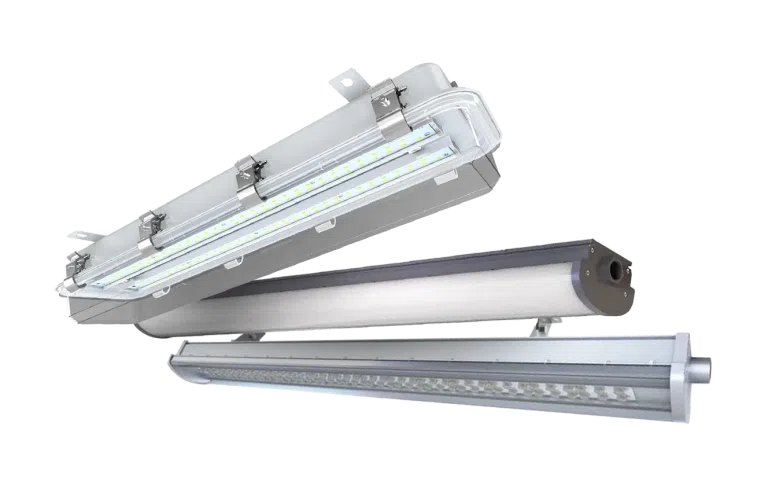
- Vapor tight and explosion proof options available by model
- Compact, low-profile designs suit narrow pit walls
- Product specialists help match fixtures to pit requirements


Get Your Custom Lighting Plan With Product Recommendations
- Fixture placement designed for pit wall mounting, spacing, and coverage to support under-vehicle visibility
- Fixture selection matched to pit type, environmental exposure, and vapor tight or explosion proof requirements
- LED options can reduce energy use and relamping in hard-to-access below-grade work areas


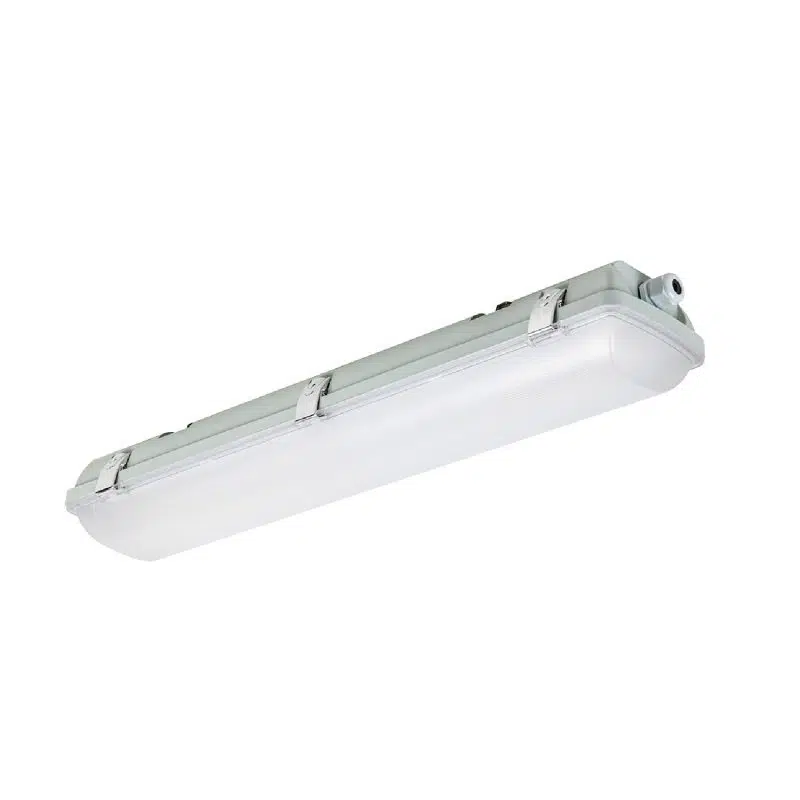
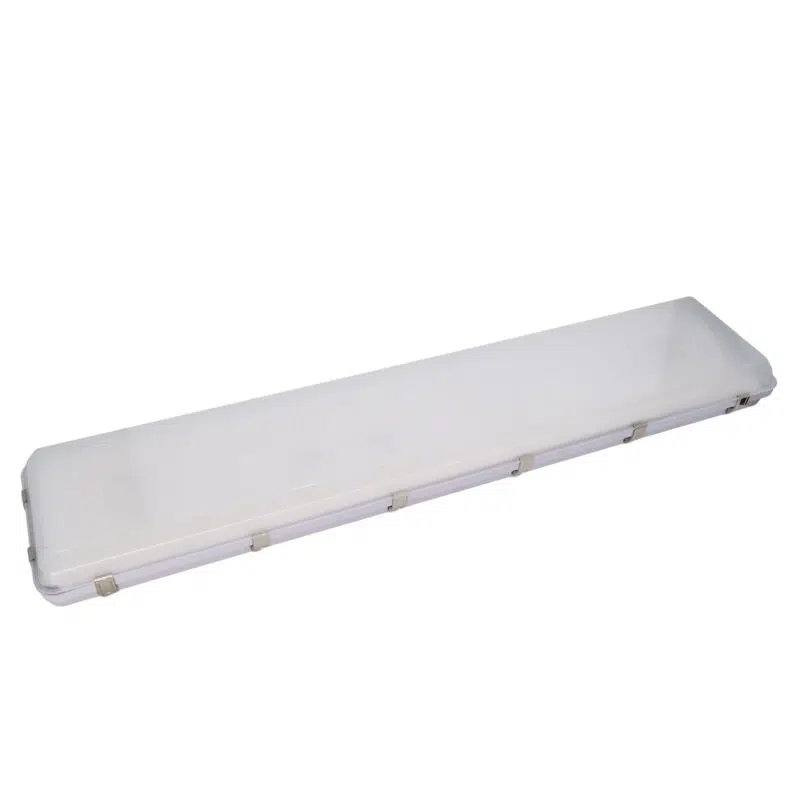
Our Service Pit Lights include linear vapor tight, compact, and explosion proof fixtures for below-grade vehicle service areas. Available models vary by fixture length, wattage, lumen output, color temperature, voltage, controls, and mounting method, including side-wall mounting configurations.
These fixtures are used in oil change pits, vehicle inspection pits, fleet maintenance pits, truck and bus service pits, dealership service areas, municipal maintenance facilities, and industrial repair facilities.






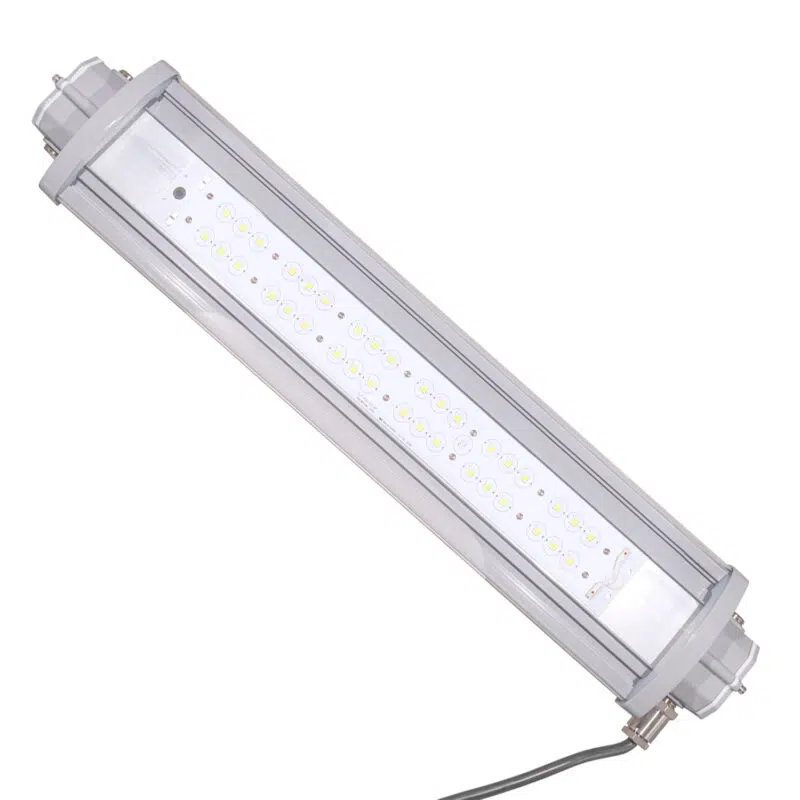

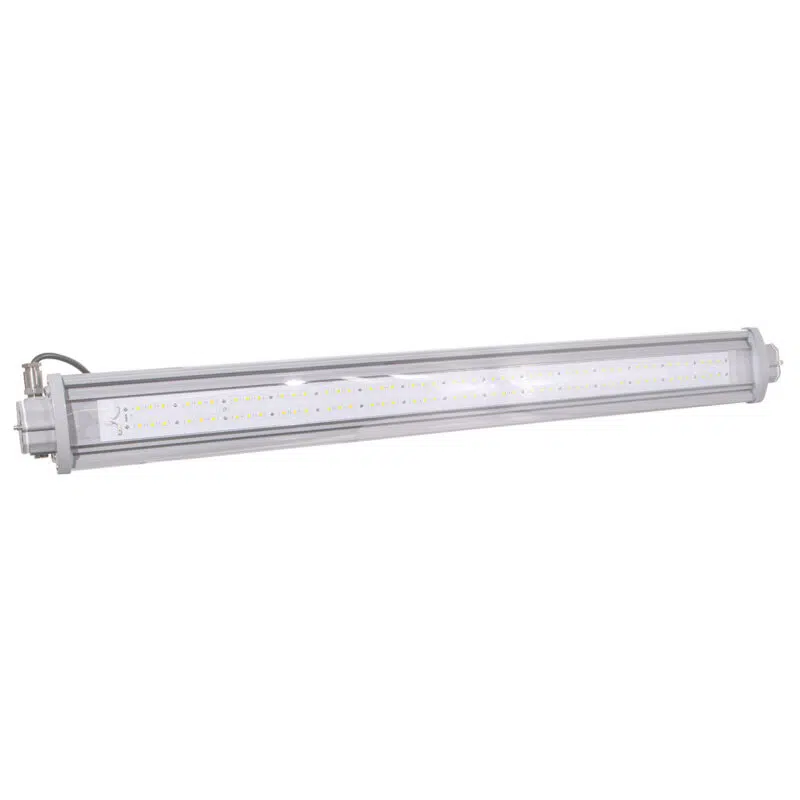


What Is LED Service Pit Lighting?
LED service pit lighting is used in below-grade vehicle service pits, inspection pits, oil change bays, fleet maintenance pits, dealership service areas, and repair facilities where technicians need visibility beneath vehicles. These spaces can be narrow, low-clearance, damp, dirty, and exposed to oil, dust, moisture, cleaning chemicals, and impact from tools or equipment.
Service pit lighting should be compact, durable, and positioned so it does not interfere with technician movement, vehicle access, hoses, tools, or pit equipment. The right fixture depends on the pit depth, wall construction, exposure conditions, wiring method, ventilation, and whether the area has hazardous-location requirements.
Selection and Installation Note: Specifications, environmental ratings, hazardous-location approvals, certifications, mounting options, controls, and warranty coverage vary by model. Confirm the selected product specification before ordering. For service pits, oil change bays, inspection pits, below-grade work areas, combustible vapor concerns, or code-sensitive applications, verify requirements with the facility team, local inspector, project specifier, safety officer, and a licensed electrical professional.

Where Service Pit Lighting Is Used
Service pit lighting is used in automotive, truck, fleet, transit, dealership, municipal, and industrial maintenance facilities. The fixture style should match the type of work being performed, the exposure conditions inside the pit, and any documented hazardous-location classification.
| Service Pit Area | Lighting Considerations |
|---|---|
| Oil change pits | Review moisture, oil exposure, vapor concerns, wiring method, fixture protection, ventilation, and local hazardous-location classification requirements. |
| Vehicle inspection pits | Use compact fixtures that provide clear visibility for visual inspection, maintenance, and diagnostic work while matching the environmental and electrical requirements of the pit. |
| Fleet maintenance pits | Review fixture durability, service access, pit length, wall mounting, long operating hours, fuel type, ventilation, and classification requirements. |
| Truck and bus service pits | Consider longer pit runs, higher fixture counts, damp conditions, fixture placement along side walls, and whether the pit is located within a classified repair-garage area. |
| Industrial maintenance pits | Confirm environmental exposure, impact risk, chemical exposure, voltage, ventilation, and whether a hazardous-location classification applies. |
Choosing the Right LED Service Pit Light
Start with the pit type and any established hazard classification, then match fixture protection, shape, mounting location, and wiring requirements to the environment and layout. A dry inspection pit may need a different fixture than an oil change pit or a maintenance bay where flammable vapors may be present. Do not assume a standard vapor tight fixture is suitable for every service pit, and do not assume that every classified service pit requires the same hazardous-location construction.
| Selection Factor | What to Confirm |
|---|---|
| Pit type | Confirm whether the space is used for oil changes, inspections, fleet maintenance, heavy vehicle service, or industrial maintenance. |
| Hazard classification | Determine whether the pit is non-classified or has an established Class/Division or Zone classification. If classified, select equipment specifically approved or otherwise permitted for that exact classification. |
| Fuel or vapor hazard | Confirm whether gasoline, solvents, flammable liquids, gaseous fuels, or other materials could create a flammable atmosphere and whether ventilation affects the classified boundary. |
| Fixture protection | Review moisture, dust, oil, cleaning chemicals, impact, vibration, and possible contact with tools or equipment. Environmental protection such as IP or wet-location suitability is separate from hazardous-location approval. |
| Light coverage and layout | Confirm fixture output, distribution, fixture count, and placement for the pit length and layout. Use fixture-specific photometric information where available rather than relying on wattage alone. |
| Mounting location | Side-wall mounting is common because it keeps the fixture out of the technician’s way and avoids overhead obstructions. |
| Fixture shape | Linear vapor tight fixtures are common in non-classified long pit runs. Compact or linear hazardous-location fixtures may be appropriate where the documented classification requires them. |
| Color temperature | 4000K is often used for service work because it provides a neutral white appearance. Confirm the preferred color temperature by facility and fixture model. |
| Voltage and wiring | Confirm voltage, conduit, junction boxes, seals, controls, emergency requirements, wiring method, and any hazardous-location installation requirements. |
Vapor Tight vs. Hazardous-Location Service Pit Lighting
Some service pits can use standard vapor tight or wet-location LED fixtures. Other pits may be hazardous classified because flammable gases or vapors can be present. In those cases, the lighting and associated electrical equipment must be suitable for the specific documented Class/Division or Zone classification.
Hazardous-location lighting does not always mean the same thing as explosionproof construction. Explosionproof equipment is one recognized protection technique for certain Class I hazardous locations, but other approved protection techniques may be permitted depending on the exact classification, equipment type, and installation requirements.
| Fixture Type | When It May Be Appropriate |
|---|---|
| LED vapor tight lights | May be appropriate for damp, dusty, dirty, or washdown-prone service pits where the area is not hazardous classified and the fixture’s wet-location, IP, chemical, and other environmental ratings match the conditions. |
| Hazardous-location LED fixtures | Use where the pit or part of the pit has a documented hazardous-location classification. Match the exact fixture approval to the required Class, Division, Zone, Group where applicable, temperature rating, ambient rating, and installation conditions. |
| Explosionproof LED fixtures | One possible protection method for certain Class I hazardous locations when the fixture is specifically approved for that classification. Do not assume explosionproof construction is the only permitted method for every hazardous location. |
| Standard commercial fixtures | May be suitable only for non-classified areas where their environmental, impact, electrical, and mounting ratings are appropriate for the pit conditions. |
Understanding Hazardous Classification in Service Pits
Below-grade service pits deserve particular attention because flammable vapors can collect in low areas under some conditions. Whether a pit is classified, and the extent of that classification, depends on the facility, fuel or material handled, ventilation, pit design, surrounding classified areas, and applicable electrical requirements.
Classified areas should be documented and evaluated individually. Depending on the installation, a service pit may use a Class I Division classification or a Class I Zone classification. The required lighting equipment must then match that specific classification.
Important information to establish before selecting a hazardous-location fixture can include:
- Class I Division 1 or Division 2 classification, where the Division system is used
- Class I Zone 0, Zone 1, or Zone 2 classification, where the Zone system is used
- Applicable gas or vapor Group
- Required temperature code or maximum surface temperature
- Maximum ambient temperature
- Ventilation conditions
- Extent and boundaries of the classified area
- Required wiring methods, seals, boxes, fittings, and controls
LED Lighting Supply can help match a lighting fixture to an established project classification. The actual hazardous-location classification and boundaries should be determined by the facility engineer, qualified electrical professional, safety professional, project specifier, or authority having jurisdiction.
Vapor Tight Does Not Mean Hazardous-Location Rated
A vapor tight fixture is designed to provide specified protection against moisture, dust, dirt, or other environmental ingress depending on its construction and ratings. An IP rating likewise addresses solid and water ingress.
Neither the term vapor tight nor an IP rating establishes that a fixture is suitable for a hazardous classified location. If the pit has a documented Class/Division or Zone classification, confirm that the exact fixture is approved or otherwise permitted for that location.
Installation and Mounting Considerations
Service pit lights should be installed by a qualified electrician familiar with below-grade service areas and any hazardous-location requirements that apply. Fixture placement should support visibility without creating obstructions, exposed wiring, or impact points.
- Confirm whether the pit is non-classified or has a documented hazardous-location classification before selecting fixtures.
- Where classified, select lighting and associated electrical equipment specifically suitable for the established Class/Division or Zone requirements.
- Use fixture types rated for the environmental conditions, including moisture, dust, oil, chemicals, washdown, or impact exposure.
- Mount fixtures where they do not interfere with technician movement, ladders, hoses, tools, or vehicle access.
- Confirm conduit, seals, junction boxes, fittings, wiring, grounding, and controls meet the requirements for the installation and any classified location.
- Review emergency lighting or egress requirements for below-grade work areas.
- Confirm maintenance access before final fixture placement.
Is LED Service Pit Lighting Right for Your Application?
LED service pit lighting is a practical choice when a pit needs durable, low-profile illumination and the selected fixture matches the environmental and electrical conditions. The best fixture type depends primarily on whether the area is non-classified or has a documented hazardous-location classification.
| Application Need | Typical Product Direction |
|---|---|
| Dry or lightly soiled inspection pit | A compact or linear LED fixture may be appropriate when its mounting, electrical, and environmental ratings match the installation. |
| Damp, dirty, or washdown-prone non-classified pit | Consider a vapor tight or wet-location fixture with appropriate ingress protection. Verify materials, seals, hardware, and chemical compatibility separately for the actual exposure. |
| Long fleet, truck, or bus service pit | Linear side-wall fixtures can provide continuous coverage along the pit. Determine fixture count and placement from pit dimensions, mounting height, fixture distribution, and required illuminance. |
| Classified pit or classified portion of a pit | Select a hazardous-location fixture specifically approved or otherwise permitted for the documented Class/Division or Zone, Group where applicable, temperature code, ambient temperature, and installation method. |
| Frequent servicing or older fluorescent lighting replacement | LED fixtures can reduce lamp and ballast replacement compared with fluorescent systems. Compare actual fixture wattage, operating hours, controls, output, and maintenance access before estimating savings. |

Service Pit Lighting Buying Considerations
- Plan fixture lengths around pit sections: Compare available fixture lengths with the usable wall space, obstructions, access ladders, supports, and equipment locations. A continuous-looking run may require multiple fixtures and appropriately located wiring connections.
- Review lens and glare performance: A clear lens, frosted lens, diffuser, fixture distribution, and mounting position can affect perceived glare and visibility on vehicle components. Select optics based on the technician’s viewing angles and the work being performed.
- Confirm replacement and service access: Even long-life LED fixtures may eventually require cleaning, driver service, or replacement. Ensure fixtures can be accessed without disrupting pit operations or requiring impractical equipment.
- Match controls to the operating schedule: Verify whether the selected fixture supports switching, occupancy sensors, dimming, photocells, or other controls. Controls and sensors must be compatible with the fixture and suitable for the installation conditions.
- Check material compatibility: IP or wet-location ratings do not establish resistance to oils, degreasers, solvents, salt, or cleaning chemicals. Review the fixture housing, lens, gaskets, hardware, and manufacturer environmental documentation for the actual exposure.
- Plan for consistent light levels: Avoid selecting fixtures solely by wattage or nominal lumen output. Use fixture-specific photometric information to assess illuminance, shadows, and coverage along the full pit length.
- Coordinate replacements with existing infrastructure: For retrofit projects, confirm voltage, branch-circuit capacity, mounting dimensions, conduit entry locations, controls, and any required emergency-circuit connections before ordering.
Service Pit Lighting Certifications, Rebates, and Warranty Support
LED service pit lighting fixtures from LED Lighting Supply may carry safety listings or certifications such as UL, ETL, or CSA, depending on the model. Selected fixtures may be DLC or DLC Premium listed for utility rebate support where applicable. Rebate requirements vary by utility, region, and product listing, so confirm eligibility on the selected product specification before ordering.
A general UL, ETL, CSA, DLC, IP, wet-location, or vapor-tight designation does not by itself establish suitability for a hazardous classified service pit. Where hazardous-location requirements apply, confirm that the exact fixture is approved or otherwise permitted for the documented Class/Division or Zone classification, Group where applicable, temperature requirements, ambient conditions, and installation method.
Warranty coverage varies by product model and manufacturer. Confirm the exact warranty term, certifications, DLC status, voltage, controls compatibility, hazardous-location approval where required, mounting method, environmental rating, and suitability for the pit layout and exposure conditions before purchase.
Contact us about LED service pit lighting, and our Product Specialists can help review pit type, documented hazardous-location requirements, fixture type, mounting method, voltage, environmental protection, and product specifications.
LED Service Pit Lighting FAQs
How Do I Choose The Right LED Service Pit Light?
Choose an LED service pit light by confirming the pit type, documented hazard classification, exposure conditions, mounting location, wiring requirements, and layout. The selected fixture should match the environmental and electrical conditions of the specific pit.
When Is A Vapor Tight Fixture Appropriate For A Service Pit?
An LED vapor tight fixture may be appropriate for a damp, dusty, dirty, or washdown-prone service pit that is not hazardous classified, provided its wet-location, IP, chemical, and other environmental ratings match the conditions. Vapor tight and IP ratings do not establish suitability for a hazardous classified location.
How Should Lighting Be Selected For A Hazardous Classified Service Pit?
Lighting for a hazardous classified service pit must be specifically approved or otherwise permitted for the documented Class/Division or Zone classification. Confirm the applicable Group, temperature rating, ambient rating, installation conditions, and required wiring methods before selecting equipment.
How Should Fixture Count And Placement Be Planned For A Long Service Pit?
Determine fixture count and placement from the pit dimensions, mounting height, fixture distribution, and required illuminance. Use fixture-specific photometric information to assess coverage, shadows, and light levels along the full pit length rather than relying on wattage alone.
Why Is Side-Wall Mounting Common In Service Pits?
Side-wall mounting is common because it keeps the fixture out of the technician's way and avoids overhead obstructions. Fixture placement should also avoid interference with ladders, hoses, tools, vehicle access, and pit equipment.
What Should Be Confirmed Before Replacing Older Fluorescent Service Pit Lighting?
Before replacing older fluorescent lighting, confirm voltage, branch-circuit capacity, mounting dimensions, conduit entry locations, controls, maintenance access, and any required emergency-circuit connections. Compare actual fixture wattage, operating hours, controls, output, and maintenance access before estimating savings.
Can Service Pit Lights Use Sensors Or Dimming Controls?
Service pit lights can use switching, occupancy sensors, dimming, photocells, or other controls only when the selected fixture supports them and the controls are compatible with the installation conditions. Confirm controls compatibility before ordering.
What Product Details Should Be Verified Before Ordering Service Pit Lighting?
Confirm the selected product's specifications for fixture length, wattage, lumen output, voltage, mounting method, environmental rating, controls compatibility, certifications, warranty, and hazardous-location approval where required. Product specifications and available features vary by model.