LED Construction Lighting
- Fixture options for towers, cranes, task areas, and perimeters
- Selection support for temporary power, mounting, and weather exposure
- DLC-listed options available for utility rebate eligibility


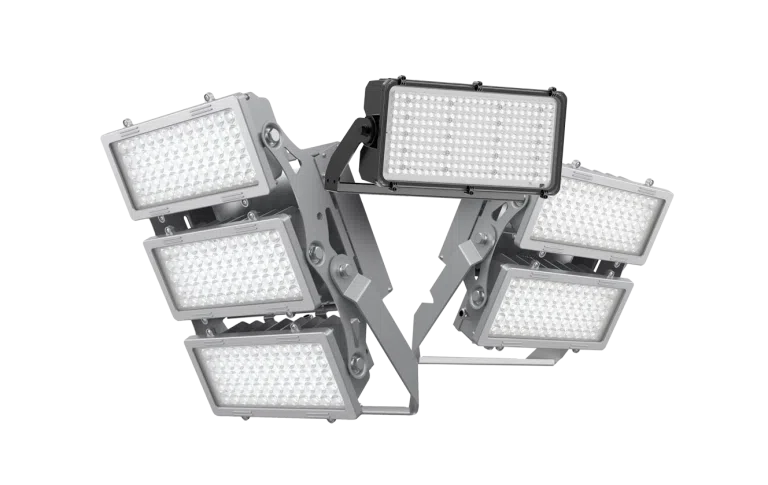
Our Construction Lighting for Job Sites and Temporary Work Areas includes LED flood lights, light tower fixtures, crane lights, portable work lights, string lights, area lights, and wall packs. Products support temporary and longer-term installations with tower, crane, pole, trailer, building, portable stand, and temporary structure mounting options. Available models may include manual switching, photocells, timers, contactors, and motion sensors.
These construction lights are used for general jobsite coverage, active work zones, detailed tasks and inspections, crane and tower lighting, material staging and loading areas, walkways, access routes, corridors, stair areas, gates, trailers, storage zones, and site perimeters.
-
 Starting At $697.50




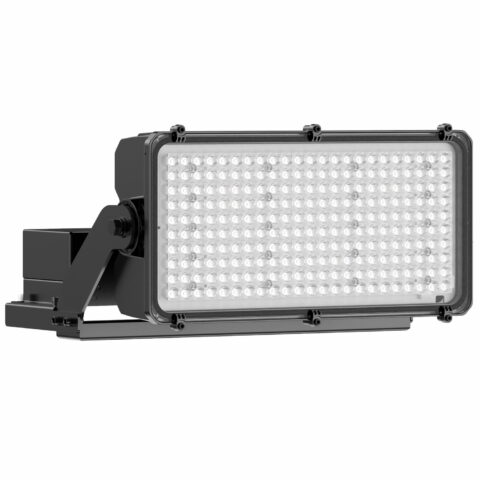


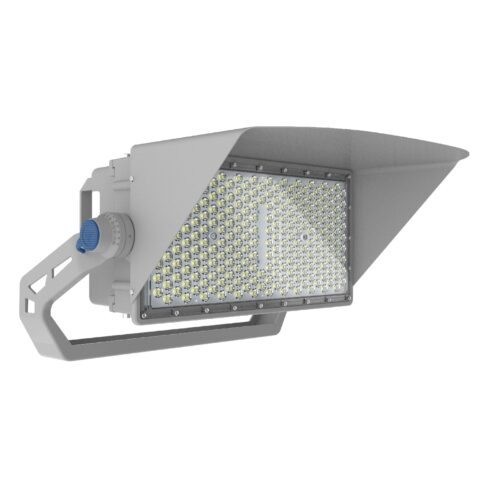
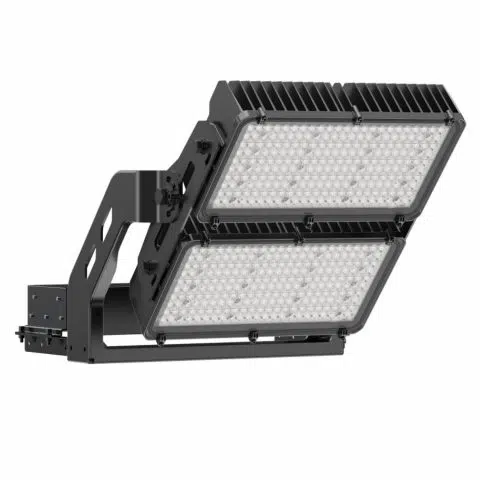
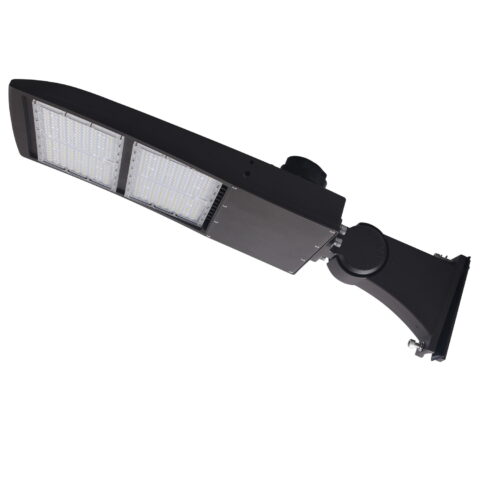
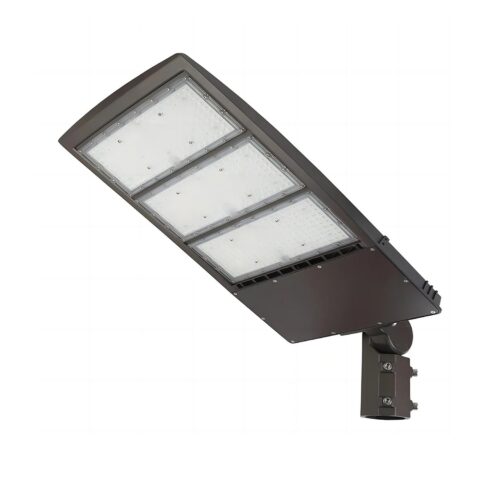
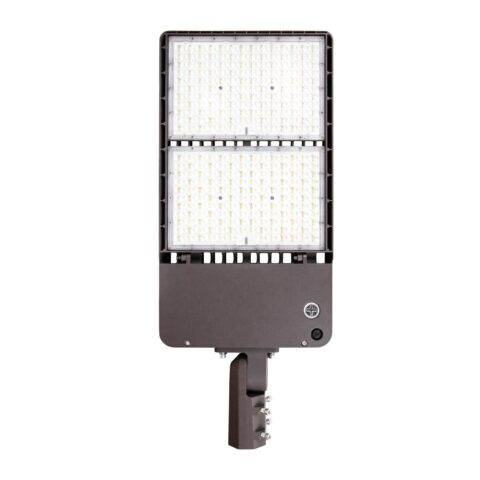
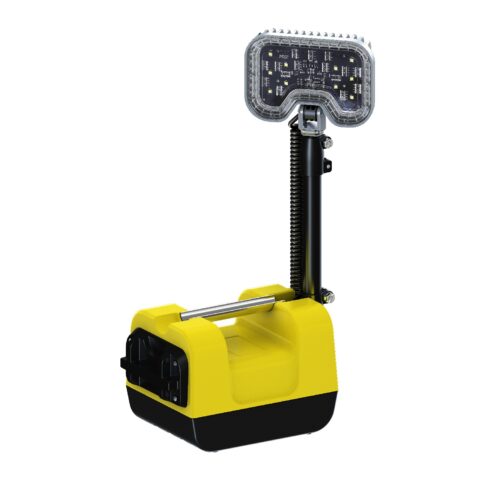

LED Construction Site Lighting for Temporary Jobsites, Towers, Cranes, and Work Zones
LED construction site lighting helps crews work, move materials, operate equipment, and maintain visibility during early mornings, nights, winter schedules, and low-light conditions. Jobsite lighting may be used for general site coverage, active work zones, detailed tasks, crane-mounted lighting, tower-mounted lighting, staging areas, access routes, and perimeter visibility.
Start by identifying the area and work being performed: broad site coverage, active equipment zones, detailed tasks, access routes, or perimeter areas may require different fixture types and light levels. Then consider mounting height, temporary power, weather exposure, beam spread, glare control, shadows, cord management, equipment movement, and whether the lighting needs to move as the project changes.
Selection and Installation Note: Product specifications, wattage, lumen output, beam angle, color temperature, voltage, controls, mounting brackets, cord or wiring method, wet-location rating, IP rating, impact rating, certifications, and warranty coverage vary by model. Confirm the selected product specification before ordering. For construction sites, temporary power, cranes, towers, elevated mounting, wet locations, public access areas, code-sensitive applications, or safety-critical spaces, verify requirements with your site safety team, local inspector, project specifier, or a licensed electrical professional.

Construction Lighting by Jobsite Area
Construction sites rarely need one lighting setup for every area. General site lighting may need broad coverage. Active work zones may need stronger light. Detailed tasks may require portable task lighting. Access routes and perimeter areas may need lower-level visibility for movement and security.
| Jobsite Area | Fixture Selection Guidance |
|---|---|
| General jobsite areas | Temporary site lights, flood lights, or light tower fixtures may provide broad visibility across active construction areas. |
| Active work zones | Flood lights, tower-mounted fixtures, or crane lights may be used where crews and equipment are working. |
| Detailed task and inspection areas | Portable work lights, task lights, or focused flood lights may be needed where workers need higher visibility. |
| Crane and tower-mounted lighting | Elevated fixtures can cover large areas, but mounting, aiming, vibration, wind exposure, and operator glare must be reviewed. |
| Material staging and loading areas | Area lights or flood lights can support vehicle movement, material handling, and equipment operation. |
| Walkways and access routes | Temporary site lights, string lights, or low-level flood lighting may help workers move safely between work areas. |
| Perimeter and security areas | Flood lights, area lights, or wall packs may help reduce dark areas near fences, gates, storage zones, and entrances. |

Recommended Foot-Candles for Construction Site Lighting
Construction site light levels depend on the work activity, risk level, equipment movement, and whether the area is used for general movement, active work, detailed tasks, loading, or perimeter visibility. Use these ranges as a planning starting point, then confirm the site’s safety requirements, temporary power, mounting method, weather exposure, and work-phase needs.
Best LED Fixtures for Construction Sites
Choose fixture type based on the jobsite area, mounting approach, and whether the lighting needs to move as the project changes. Flood lights and elevated tower or crane fixtures support broad coverage, portable work lights support localized tasks, string lights support temporary access routes, and area lights or wall packs can serve longer-term staging, gate, storage, and perimeter areas.
| Fixture Type | Best Used For |
|---|---|
| LED flood lights | General site coverage, staging areas, tower mounting, crane mounting, and temporary wide-area illumination. |
| LED light tower fixtures | Portable or temporary elevated lighting where coverage may need to move as the project changes. |
| LED crane lights | High-mounted coverage from cranes or elevated structures where vibration, aiming, and operator glare must be considered. |
| Portable LED work lights | Task lighting, inspections, interior work areas, short-term setup, and localized work zones. |
| LED string lights | Temporary access routes, interior construction areas, corridors, stair areas, and low-level movement lighting. |
| LED area lights or wall packs | Longer-term staging areas, gates, trailers, storage zones, and site perimeters. |
Temporary Power, Voltage, and Controls
Construction sites often use temporary power that changes as the project progresses. Before ordering fixtures, confirm available voltage, circuit capacity, generator use, cord or hardwired connection, control method, and whether fixtures will be moved during the project.
Controls may include manual switching, photocells, timers, contactors, generator schedules, or temporary distribution panels. Motion sensors can be useful in some security or staging areas, but active work zones should be reviewed carefully so lighting does not shut off unexpectedly during work.
Mounting Construction Site Lights
Construction lighting may be mounted on towers, cranes, light poles, trailers, temporary structures, buildings, or portable stands. Mounting height affects coverage, glare, shadows, wind exposure, fixture security, and how often the fixture needs to be adjusted.
Elevated fixtures can cover larger areas, but they must be aimed carefully. Poor aiming can create glare for operators, workers, neighbors, roads, or adjacent properties. Lower-mounted fixtures may reduce spill light but can create more shadows from equipment and materials.
Glare, Shadows, and Worker Visibility
High-output lighting is useful only if workers can see comfortably. Excessive glare can make equipment operation, walking, lifting, and task work more difficult. Shadows from cranes, steel, equipment, materials, walls, and temporary barriers can also reduce visibility in active work areas.
When selecting fixtures, review beam spread, aiming angle, mounting height, fixture spacing, surface reflectance, and where workers will be looking during the task. Detailed work may need localized task lighting instead of simply increasing output from a distant flood light.
Weather, Dust, and Jobsite Durability
Construction site fixtures may be exposed to rain, dust, mud, vibration, wind, temperature changes, and repeated handling. Outdoor temporary lighting should be selected for the environment where it will be used.
Confirm wet-location rating, IP rating, impact exposure, mounting hardware, cord or wiring method, strain relief, and whether the fixture will be moved, stored, or re-mounted during the project. For crane or tower use, also review vibration, wind exposure, bracket strength, and fixture security.
When a Lighting Layout Review Helps
Many smaller temporary sites can be handled with fixture selection guidance and careful placement. Larger sites, crane-mounted lighting, long-duration projects, perimeter lighting, staging yards, and projects with neighboring properties may benefit from a lighting layout review before products are ordered.
A layout review can help estimate fixture count, mounting height, aiming, coverage, glare, and dark areas. For temporary sites, the plan may need to change as the project progresses.
Construction Lighting Certifications, Rebates, and Warranty Support
LED construction site lights from LED Lighting Supply carry a safety listing such as UL, ETL, or CSA, depending on product. Many models are DLC or DLC Premium listed for utility rebate support where available. Rebate requirements vary by utility, region, and product listing, so confirm eligibility on the selected product specification before ordering.
Most LED construction site lights include a 5-year warranty unless otherwise specified, with USA-based warranty support. Before purchase, confirm certifications, DLC status, voltage, controls compatibility, mounting method, wet-location or environmental rating, and whether the fixture is right for the site layout and surrounding conditions.
Common Construction Site Lighting Mistakes
- Using one fixture type for every jobsite area: General areas, active work zones, detailed tasks, access routes, and perimeters may need different lighting approaches.
- Ignoring glare: Poorly aimed fixtures can reduce visibility for workers, crane operators, equipment operators, nearby roads, or neighboring properties.
- Overlooking shadows: Equipment, materials, walls, steel, and temporary barriers can block light and create dark work areas.
- Choosing by lumen output alone: Beam angle, mounting height, aiming, spacing, and task type affect useful light more than lumens alone.
- Forgetting temporary power limits: Generator capacity, circuit loading, cord length, and voltage should be confirmed before ordering.
- Mounting fixtures without considering wind and vibration: Towers, cranes, and temporary structures need secure mounting and appropriate brackets.
- Skipping weather and dust ratings: Outdoor construction lights need ratings appropriate for moisture, dust, handling, and site conditions.
- Not planning for project phases: Lighting that works during framing may not work once walls, equipment, or materials block the layout.
Contact us about LED construction site lighting, and our Product Specialists can help review jobsite layout, work zones, mounting height, temporary power, fixture type, beam spread, weather exposure, glare control, controls, and product specifications.
LED Construction Lighting FAQs
How Should I Choose Lighting For Different Construction Site Areas?
Choose fixture types based on the area and work being performed: general areas may use temporary site lights, flood lights, or light tower fixtures, while detailed tasks may need portable work lights, task lights, or focused flood lights. Access routes, staging areas, crane locations, and perimeter areas may require different lighting approaches.
What Should Be Considered When Planning Temporary Construction Lighting?
Planning should account for the work activity, mounting height, temporary power, weather exposure, beam spread, glare control, shadows, cord management, equipment movement, and whether lighting must move as the project changes. Site light levels also depend on risk level and whether an area is used for movement, active work, detailed tasks, loading, or perimeter visibility.
When Are Light Tower Fixtures A Good Fit For A Jobsite?
LED light tower fixtures are used for portable or temporary elevated lighting where coverage may need to move as the project changes. They can also be used for broad coverage across active construction areas.
What Should Be Reviewed Before Using Crane-Mounted Construction Lighting?
For crane-mounted lighting, review mounting, aiming, vibration, wind exposure, bracket strength, fixture security, and operator glare. Crane lights are used for high-mounted coverage from cranes or elevated structures, but glare and shadows can affect visibility in active work areas.
How Can Construction Lighting Glare And Shadows Be Addressed?
Review beam spread, aiming angle, mounting height, fixture spacing, surface reflectance, and where workers will be looking during the task. Elevated fixtures require careful aiming, while equipment, materials, walls, steel, cranes, and temporary barriers can create shadows and dark work areas.
What Temporary Power Details Should Be Confirmed Before Ordering?
Confirm available voltage, circuit capacity, generator use, cord or hardwired connection, control method, and whether fixtures will be moved during the project. Generator capacity, circuit loading, cord length, and voltage should be confirmed before ordering.
When Does A Construction Lighting Layout Review Help?
Larger sites, crane-mounted lighting, long-duration projects, perimeter lighting, staging yards, and projects with neighboring properties may benefit from a lighting layout review before products are ordered. A layout review can help estimate fixture count, mounting height, aiming, coverage, glare, and dark areas.
What Product Specifications Should Be Confirmed For Outdoor Construction Lighting?
Confirm the selected product's wet-location rating, IP rating, impact exposure, mounting hardware, cord or wiring method, strain relief, and suitability for movement, storage, or re-mounting. Specifications including wattage, lumen output, beam angle, voltage, controls, certifications, and warranty coverage vary by model.