LED Fleet Maintenance Facility Lighting
- Fixture options for repair, wash, storage, and outdoor areas
- Select models offer DLC listing for potential rebates
- Lighting plans available to evaluate placement and coverage


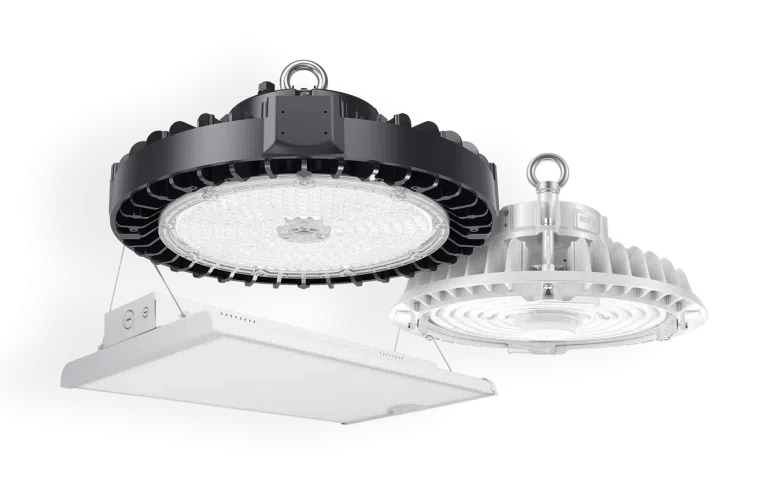
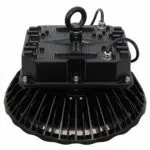
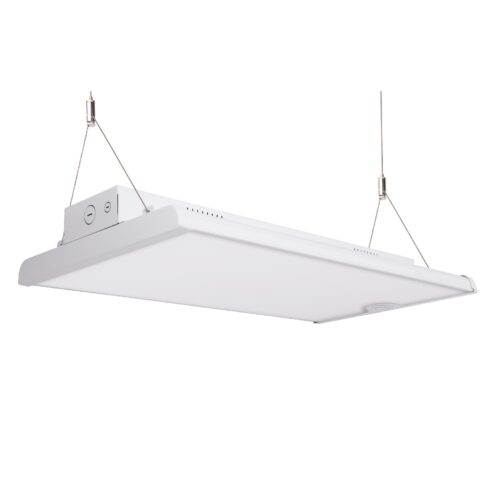
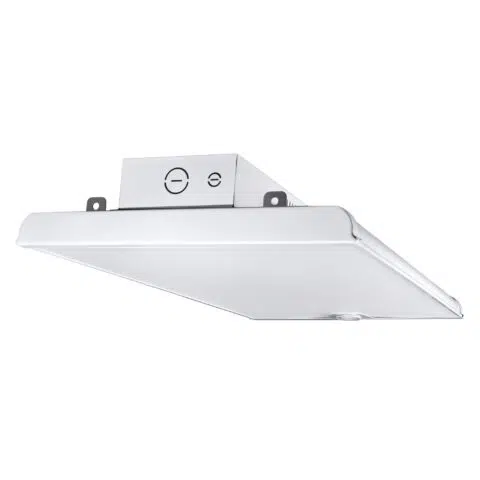
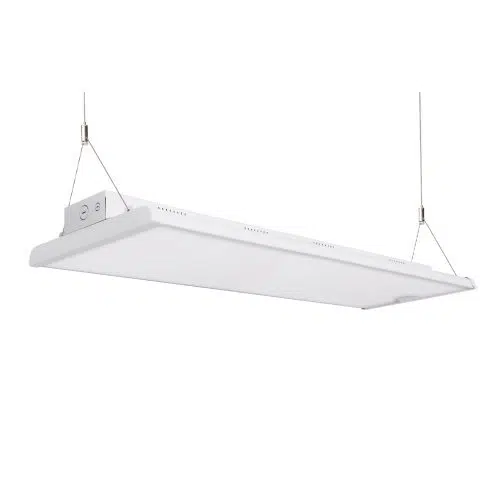
Our LED Fleet Maintenance Facility Lighting includes linear and UFO high bays, service-pit lights, vapor-tight fixtures, canopy lights, shop lights, strip fixtures, low bays, area lights, floodlights, and LED retrofit kits. Available products include sealed fixtures, hazardous-location fixtures, occupancy sensors, 0-10V dimming, daylight response, photocells, and networked controls.
These products are used in vehicle storage and dispatch bays, maintenance and repair bays, inspection and diagnostic lanes, lift and alignment bays, service pits, wash and detailing bays, fueling and charging areas, parts and tire storage, and exterior fleet parking and staging areas.
-
 Starting At $457.46
-
 Starting At $539.94
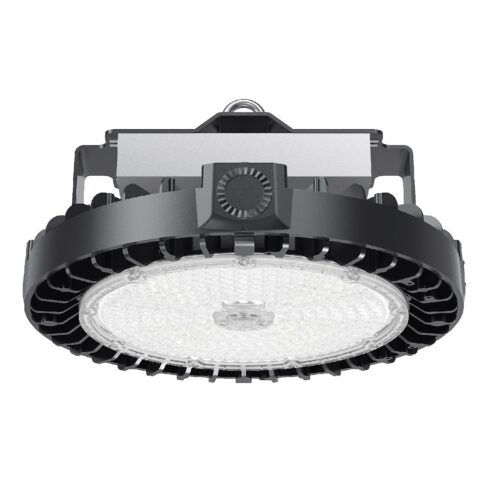


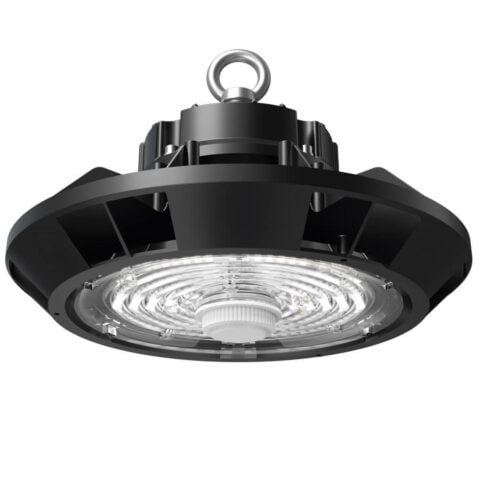




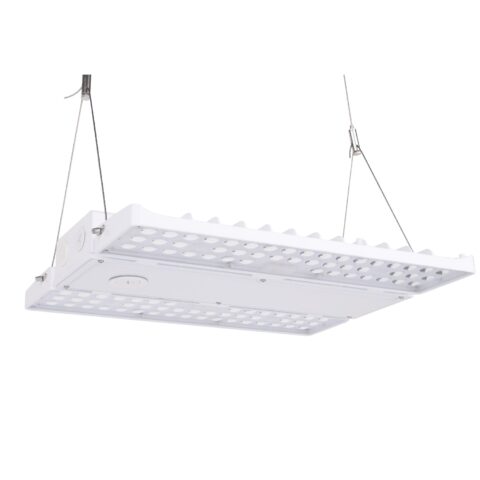


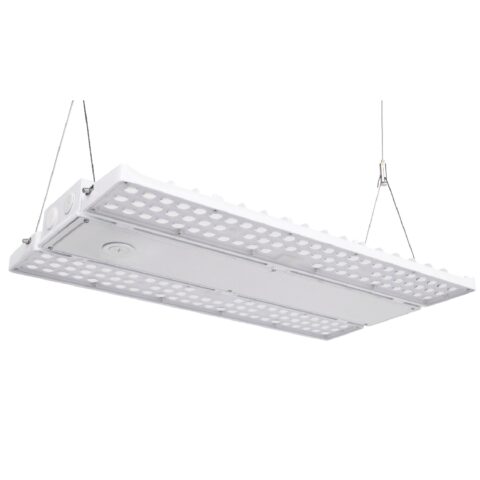
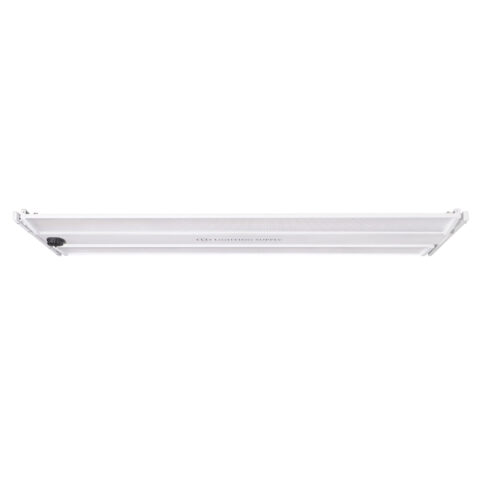
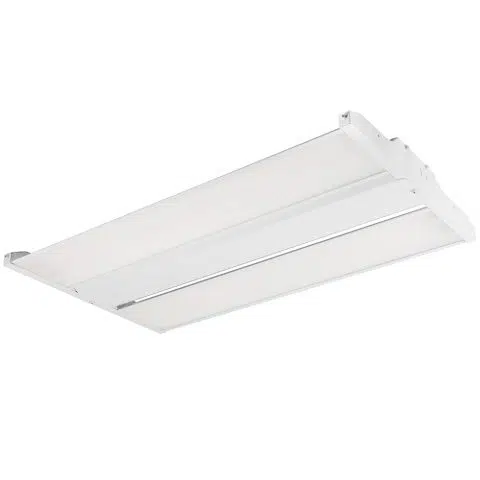
LED Fleet Maintenance Facility Lighting
Choose fleet maintenance lighting by first separating the facility into work areas—such as storage, repair, inspection, wash, fueling, and exterior parking—then selecting fixtures based on vehicle size, work performed, ceiling height, lift layout, environmental conditions, and the amount of detail technicians need to see. Fleet maintenance facilities may service passenger vehicles, delivery vans, utility trucks, refuse vehicles, emergency vehicles, heavy equipment, or mixed fleets.
General storage and dispatch areas need clear, uniform illumination. Repair, inspection, alignment, and diagnostic bays usually require higher light levels and better visibility on vertical surfaces, under raised vehicles, and around mechanical components. Wash bays, service pits, fueling areas, and exterior parking may require different fixture construction and mounting methods.
Selection and Installation Note: Confirm fixture listings, voltage, lumen output, optics, environmental ratings, controls, mounting hardware, impact resistance, hazardous-location suitability, and warranty terms before ordering. Service pits, fueling areas, battery-service locations, emergency lighting, and other code-sensitive spaces should be reviewed by the facility team, authority having jurisdiction, and licensed electrical professionals.
Recommended Foot-Candles for Fleet Maintenance Facilities
Storage, repair, inspection, washing, fueling, circulation, and exterior parking areas should not all use the same lighting target. Higher light levels may be needed where technicians perform close inspection, diagnostics, alignment, component replacement, or under-vehicle work. Foot-candle ranges are a starting point. Fixture count and placement should also account for vehicle shadows, lifts, tool cabinets, open garage doors, work benches, reflective surfaces, and the height of the actual work plane.
Step 1: Find your foot candle levels
Step 2: Estimate your fixture count and space
LED High Bay Lighting Layout Estimator
Use this estimator to calculate approximate fixture count, spacing, and average foot-candles for warehouses, shops, gyms, industrial spaces, and commercial interiors using LED high bay fixtures. Enter your room dimensions, mounting height, target foot-candles, light loss factor, and room/layout condition to generate a preliminary lighting layout. When IES photometry is available, workplane height and room reflectance controls are shown.
Project Inputs
Estimated Results
Estimated average foot-candles are preliminary and should be verified with a lighting plan for project-critical applications.
Room / Layout Condition: This field is used only when usable IES photometry is not available. In fallback mode, it acts as a simplified room utilization factor for reflectance, fixture distribution, racking, obstructions, and how much fixture light reaches the work area. Open / light-colored spaces use 0.90, typical warehouses or shops use 0.75, racked or obstructed spaces use 0.60, and dark or complex spaces use 0.45. When IES photometry is active, this field is hidden and the estimator uses the selected workplane height, LLF, and simplified reflectance adjustment instead.
Photometry / Simulation Note: When usable IES photometry is available for the selected fixture, this estimator uses the fixture’s IES candela data, selected workplane height, light loss factor, and simplified reflectance adjustment to estimate fixture count, average foot-candles, and visual light distribution. The reflectance adjustment is a conservative approximation and is not a full zonal-cavity, radiosity, or professional photometric room calculation. When IES photometry is not available, the estimator uses a simulated beam model based on lumens, mounting height, room/layout condition, light loss factor, and beam angle.
Preliminary Estimate Only: This estimator is intended for simple square or rectangular spaces and should be used as a planning aid, not a final photometric lighting plan. Actual light levels may vary based on fixture optics, selected IES file, mounting conditions, workplane height, ceiling height, surface reflectance, obstructions, controls, voltage, installation conditions, and site-specific requirements. Project-critical applications should be verified with a formal lighting plan.
This estimate is a starting point. Warehouses, industrial facilities, hazardous locations, sports areas, schools, healthcare spaces, public areas, and code-sensitive projects may require a reviewed lighting layout before purchase or installation.
Select Fixtures by Work Area
| Facility Area | Recommended Fixture Approach |
|---|---|
| Vehicle storage and dispatch bays | Linear LED high bays provide even coverage along parking rows and vehicle lanes. UFO high bays may fit open areas with fewer obstructions. |
| Maintenance and repair bays | Use linear high bays or UFO high bays with supplemental task lighting where vehicles, lifts, or equipment block overhead light. |
| Inspection and diagnostic lanes | Use fixtures with good color rendering and controlled glare. Side or task lighting may be needed for tires, brakes, body panels, leaks, wiring, and labels. |
| Lift and alignment bays | Position linear fixtures to reduce shadows beneath raised vehicles. Review lift height, alignment equipment, fixture clearance, and impact exposure. |
| Service and inspection pits | Service-pit lights or sealed linear fixtures should provide under-vehicle visibility without interfering with technicians, tools, ladders, or access. |
| Wash and detailing bays | LED vapor-tight fixtures are suited to moisture, spray, dirt, and cleaning chemicals. Confirm the IP rating and wet-location listing. |
| Fueling and charging areas | LED canopy lights, sealed fixtures, or properly rated hazardous-location lights may be used depending on the documented conditions. |
| Parts, tool, and tire storage | LED shop lights, strip fixtures, and low bays can support shelving, labels, counters, and material handling. |
| Exterior fleet parking and staging | LED area lights or floodlights can cover parking, dispatch lanes, access gates, service aprons, and security areas. |
Account for Vehicle Size and Fleet Mix
A facility servicing compact vans has different lighting challenges from one handling utility trucks, refuse vehicles, fire apparatus, or heavy equipment. Taller and wider vehicles create larger shadows and may block light from reaching wheels, lower body panels, work benches, or adjacent bays. Before selecting fixtures, confirm:
- Vehicle height, width, and parking orientation
- Whether the fleet includes mixed vehicle sizes
- Lift height and raised-vehicle positions
- Fixture rows in relation to both sides of the vehicle
- Tool cabinets, exhaust systems, cranes, and overhead equipment
- Open-door daylight and glare conditions
More wattage does not automatically solve vehicle shadows. Fixture placement, distribution, mounting height, and supplemental task lighting usually matter more.
Repair and Inspection Lighting
Routine maintenance bays need enough light for fluid checks, tire service, brake work, component replacement, and general repair. Diagnostic and inspection areas may need higher light levels and stronger vertical illumination for surface defects, leaks, wiring, labels, and small mechanical parts. Overhead lighting should be supplemented where technicians work beneath dashboards, inside engine compartments, under lifted vehicles, or behind large equipment. Portable or fixed task lighting should support the work without creating glare or sharp reflections.
Wet, Dirty, and Classified Areas
Wash bays and damp service spaces should use sealed fixtures suitable for the expected moisture, spray, dirt, and cleaning chemicals. Review gasket construction, lens material, corrosion resistance, washdown pressure, and mounting location. Fueling, battery-service, paint, solvent, vapor, or combustible-dust areas may require hazardous-location fixtures. The required product must match the documented class, division or zone, group, temperature code, and ambient conditions. A service pit or charging area should not automatically be assumed to require explosion-proof lighting without a classification review.
Controls and Operating Zones
Fleet facilities often operate different areas at different times. Storage bays, repair areas, parts rooms, wash bays, dispatch lanes, and exterior parking can be placed on separate control zones. Depending on the fixture and control system, useful options may include occupancy sensors, 0-10V dimming, daylight response near doors, time schedules, photocells, and networked controls. Sensor placement should account for vehicles, partitions, lifts, and shelving that may block detection.
Retrofitting an Existing Fleet Facility
Replacing fluorescent, metal halide, or high-pressure sodium fixtures with LED retrofit kits can reduce energy use and maintenance. A direct one-for-one retrofit, however, may preserve poor spacing, glare, shadows, or inadequate inspection lighting. Review the existing fixture locations, ceiling height, bay layout, voltage, controls, emergency-lighting system, and service access before selecting replacements. A photometric plan can determine whether the existing layout can be reused or whether fixture rows, quantities, or mounting locations should change.
Common Selection Mistakes
- Using one light level everywhere: Storage, repair, inspection, washing, and circulation areas perform different tasks.
- Selecting fixtures by wattage: Wattage does not confirm spacing, uniformity, glare, or work-plane illumination.
- Ignoring vehicle shadows: Trucks, lifts, and equipment can block overhead light from critical work areas.
- Using open fixtures in wet spaces: Wash bays and damp areas may require sealed, wet-location products.
- Relying only on ceiling fixtures: Inspection and under-vehicle work may require side or task lighting.
- Assuming every pit or fueling area is classified: Hazardous-location requirements must be confirmed from documented conditions.
- Overlooking maintenance access: Fixtures above parked vehicles or lifts can be difficult to service.
Certifications and Warranty Support
LED fleet maintenance fixtures from LED Lighting Supply carry safety listings such as UL, ETL, or CSA, depending on the product. Many models are DLC or DLC Premium listed and may qualify for utility rebates where available. Most fixtures include a 5-year warranty unless otherwise specified, with USA-based warranty support. Confirm the selected fixture's listing, voltage, controls compatibility, environmental rating, mounting method, hazardous-location rating where required, and warranty terms before ordering.
Request a Fleet Maintenance Lighting Plan
Request a fleet maintenance facility lighting plan to review fixture types, spacing, mounting height, foot-candle levels, vehicle shadows, controls, and specialized service areas before ordering.
LED Fleet Maintenance Facility Lighting FAQs
What Factors Should Guide A Fleet Maintenance Lighting Layout?
A fleet maintenance lighting layout should reflect vehicle size, work performed, ceiling height, lift layout, environmental conditions, and the detail technicians need to see. Fixture count and placement should also account for vehicle shadows, equipment, work benches, open garage doors, reflective surfaces, and the actual work-plane height.
Why Should Different Fleet Areas Use Different Lighting Targets?
Storage, repair, inspection, washing, fueling, circulation, and exterior parking areas should not all use the same lighting target because they support different tasks. Higher light levels may be needed for close inspection, diagnostics, alignment, component replacement, and under-vehicle work.
How Can A Facility Reduce Shadows Around Vehicles And Lifts?
Reducing shadows requires attention to fixture placement, distribution, mounting height, and supplemental task lighting rather than wattage alone. Taller and wider vehicles, lifts, and equipment can block overhead light from wheels, lower body panels, work benches, and adjacent bays.
When Is Supplemental Task Or Side Lighting Needed?
Supplemental task or side lighting may be needed where vehicles, lifts, or equipment block overhead light and where technicians work beneath dashboards, inside engine compartments, under lifted vehicles, or behind large equipment. Inspection and diagnostic lanes may also need side or task lighting for tires, brakes, body panels, leaks, wiring, and labels.
How Should Lighting Be Selected For Wash Bays And Other Damp Areas?
Wash bays and damp service spaces should use sealed fixtures suitable for expected moisture, spray, dirt, and cleaning chemicals. Confirm the IP rating and wet-location listing, and review gasket construction, lens material, corrosion resistance, washdown pressure, and mounting location.
Can An Existing Fleet Facility Lighting Layout Be Reused During An LED Retrofit?
An existing layout may be reused only if a photometric plan determines that the current fixture locations provide suitable lighting. A direct one-for-one retrofit may preserve poor spacing, glare, shadows, or inadequate inspection lighting, so existing locations, ceiling height, bay layout, voltage, controls, emergency lighting, and service access should be reviewed.
How Can Controls Be Organized In A Fleet Maintenance Facility?
Storage bays, repair areas, parts rooms, wash bays, dispatch lanes, and exterior parking can be placed on separate control zones. Depending on the fixture and control system, options may include occupancy sensors, 0-10V dimming, daylight response near doors, time schedules, photocells, and networked controls.
What Should Be Confirmed Before Ordering Fleet Maintenance Lighting?
Confirm fixture listings, voltage, lumen output, optics, environmental ratings, controls, mounting hardware, impact resistance, hazardous-location suitability, and warranty terms before ordering. The selected fixture's listing, controls compatibility, mounting method, and hazardous-location rating where required should also be confirmed.