Driving Range Netting Poles
- Wood, steel, and composite fiberglass pole options available
- Selection support for net height, spacing, and installation method
- Options for direct-burial or anchor-base configurations



Our Driving Range Netting Poles include wood, steel, and composite fiberglass poles for supporting golf range netting systems. Available configurations include direct-burial and anchor-base installations, with pole options for net barriers, cables, attachments, and related hardware.
These poles are used at driving ranges, golf facilities, practice areas, training areas, practice fields, baseball and softball backstops, multi-sport facilities, and perimeter ball-containment systems.
-
 Starting At $527.27
-
Starting At $509.93
-
Starting At $472.73
-
Starting At $1,127.27
-
Starting At $1,393.47
-
Starting At $990.91
-
Starting At $1,239.22
-
Starting At $890.91
-
Starting At $1,091.02
-
Starting At $772.73
-
Starting At $912.44
-
Starting At $654.55
-
Starting At $706.07
-
Starting At $1,363.64



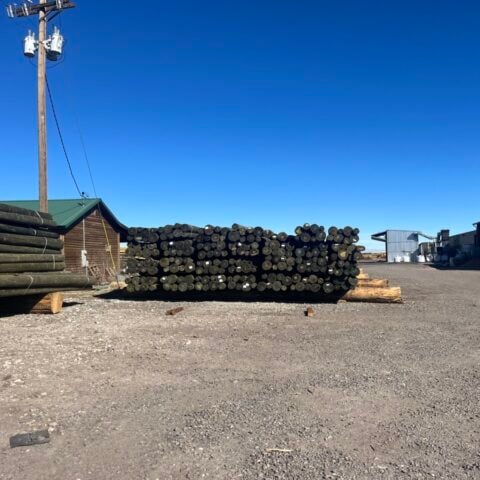
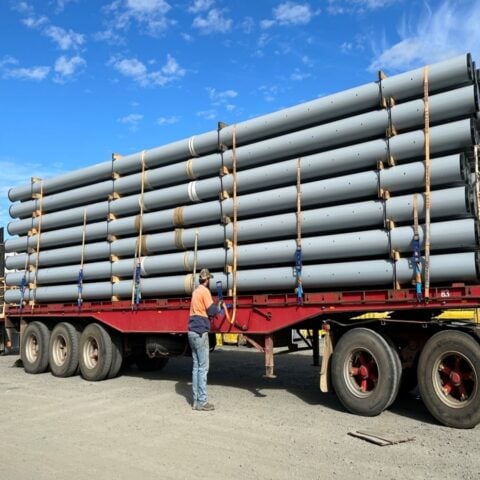


Driving range netting poles support the barrier nets, cables, attachments, and hardware used to help contain golf balls within practice ranges, golf facilities, training areas, and other ball-containment zones. The correct pole system depends on the proposed net height and length, pole spacing, net porosity, cable layout, wind exposure, end and corner loading, soil conditions, installation method, surrounding properties, and structural requirements of the complete netting system.
Available options include wood light poles, steel light poles, and composite fiberglass light poles. Each material has different stiffness, attachment, corrosion, treatment, installation, foundation, and maintenance considerations.
Driving range netting poles may also be used for selected sports-containment applications, including practice fields, baseball and softball backstops, multi-sport facilities, and perimeter ball-control systems. Pole selection should always be coordinated with the requirements of the exact net, cable, anchoring, and attachment system.
Selection Note: Start with the complete netting-system design, including net dimensions, porosity, cable layout, pole spacing, wind exposure, and end and corner loading. Then compare pole material, pole deflection, foundation or embedment, attachments, and manufacturer structural data for each pole position.
Driving Range Netting Pole Material Options
| Pole Material | General Selection Considerations |
|---|---|
| Wood Driving Range Netting Poles | Wood poles are commonly direct buried and may suit golf ranges, practice facilities, municipal properties, and utility-style installations. Confirm species, pole class, preservative treatment, total pole length, embedment, drilling, cable and hardware attachments, net loading, and project wind requirements. |
| Steel Driving Range Netting Poles | Steel provides structural stiffness and compatibility with a range of brackets, cable attachments, and base configurations. Review the exact pole height, wall construction, shape, finish, allowable loading, corrosion exposure, foundation or embedment, and connection details. |
| Composite Fiberglass Driving Range Netting Poles | Composite fiberglass does not rust and may be useful where irrigation, persistent moisture, salt, fertilizers, or other site conditions increase corrosion concerns. Confirm pole deflection, approved drilling and attachment methods, ultraviolet exposure, base or embedment design, and published structural data. |
No pole material is automatically the best choice for every range. Compare the exact pole model or class, above-grade height, net and cable loading, pole spacing, attachment method, wind criteria, foundation or embedment, environmental exposure, installation access, and maintenance requirements.
How to Select Driving Range Netting Poles
| Selection Factor | What to Confirm |
|---|---|
| Range layout | Provide the range width and length, tee-line location, direction of play, target areas, property limits, adjacent roads, homes, buildings, parking areas, walkways, and other occupied spaces. |
| Proposed net line | Identify where the netting will begin and end, whether it runs along one or more sides of the range, and the locations of corners, elevation changes, gates, and openings. |
| Net height and length | Confirm the proposed above-grade net height, total net length, net material, mesh size, porosity, weight, and whether the system will be fixed or raised and lowered. |
| Pole spacing | Determine spacing using the netting-system design, cable layout, pole stiffness, net height, wind exposure, attachment locations, and loading at intermediate, end, and corner poles. |
| Cable and attachment system | Provide top, bottom, and intermediate cable details, cable tension, attachment points, pulleys, winches, guy wires, anchors, brackets, and other hardware supplied or specified by the netting-system provider. |
| Pole position | Confirm proposed or existing pole locations, property setbacks, underground utilities, access roads, drainage areas, slopes, retaining walls, landscaping, and maintenance routes. |
| Project location | Provide the installation address so pole options can be compared with known wind exposure, terrain, frost conditions, soil, moisture, salt exposure, and other site factors. |
| Installation method | Determine whether the project requires direct-burial poles, anchor-base poles, guyed poles, or another manufacturer-approved structural configuration. |
| Foundation or embedment | Confirm soil conditions, drainage, frost depth, groundwater, foundation design, anchor-bolt pattern, embedment, backfill, compaction, guy anchors, and access for excavation, concrete, cranes, and lifting equipment. |
| Additional equipment | Identify any proposed lights, cameras, signs, speakers, or other attachments. These items create additional weight, wind-exposed area, mounting, wiring, and maintenance requirements. |
| Maintenance access | Consider how the net, cables, pulleys, winches, attachments, poles, and anchors will be reached for inspection, tension adjustment, repair, lowering, or replacement. |
Net Height, Pole Spacing, and Range Geometry
There is no single net height, pole spacing, or pole count that works for every driving range. The final layout depends on the tee-line position, direction of play, range width and length, adjacent properties, topography, proposed net location, available ball-flight analysis or containment criteria provided for the project, netting-system design, and local requirements.
Taller netting may increase the area exposed to wind and can place greater demand on poles, cables, anchors, foundations, and attachments. Wider pole spacing may reduce the number of poles but can increase cable spans, net movement, pole loading, and system deflection. Closer spacing may reduce individual spans but adds poles, foundations or embedded sections, hardware, and installation work.
The selected pole layout should be based on the complete system rather than a fixed spacing rule. The netting supplier or system designer should provide the net dimensions, cable arrangement, attachment locations, expected tension, and other loads needed to evaluate the poles.
How Driving Range Nets Load the Poles
Driving range netting systems can place continuous and changing loads on support poles. The poles do not carry only the weight of the net. They may also resist cable tension, wind pressure on the net, movement and impact loads identified by the netting-system provider, attached hardware, and forces transferred through corners, end spans, and guying systems.
Important loading inputs include:
- Net height, length, weight, mesh, and porosity
- Top, bottom, and intermediate cable locations
- Cable type, span, pretension, and attachment method
- Pole spacing and above-grade height
- Wind acting on the complete net area
- Range orientation and terrain exposure
- End-post and corner-post geometry
- Guy wires, anchors, and bracing
- Raising and lowering equipment
- Additional fixtures, cameras, signs, or hardware
- Foundation, anchor-base, or embedment details
The netting system should not be evaluated using fixture EPA alone. Net area, porosity, cable tension, pole spacing, and the way forces are transferred through the system can create loads that are different from those produced by conventional pole-mounted lighting equipment.
End Poles, Corner Poles, and Intermediate Poles
Not every pole in a driving range netting system experiences the same loading. End poles, corner poles, and intermediate poles can have different structural and foundation requirements.
End Poles
End poles may resist cable tension and net forces that are not balanced by an adjoining span. They may require different pole capacity, foundation or embedment, guying, anchoring, or hardware than intermediate poles.
Corner Poles
Corner poles may receive loads from two directions and can be affected by the angle between net runs. Corner geometry, cable direction, attachment elevations, guying, and foundation requirements should be reviewed as part of the complete system.
Intermediate Poles
Intermediate poles support the net and cable spans between end or corner locations. Their requirements depend on spacing, net height, cable arrangement, wind exposure, pole stiffness, attachment details, and system deflection limits.
Structural Note: Do not assume that one pole model, foundation, embedment detail, or attachment arrangement is suitable for every position in the net line.
Pole Deflection and Netting-System Performance
Pole strength and pole stiffness are related but different considerations. A pole may have adequate ultimate capacity while still deflecting more than the netting-system design permits.
Excessive movement can affect:
- Net tension and sag
- Cable alignment
- Clearance above the ground
- Spacing between the net and nearby property
- Pulley and lowering-system operation
- Attachment hardware
- Adjacent poles and anchors
Review published pole deflection information and the netting supplier’s movement or tension requirements. Do not assume that steel, wood, or composite fiberglass poles with similar heights provide the same stiffness.
Direct-Burial Versus Anchor-Base Netting Poles
| Installation Method | Driving Range Considerations |
|---|---|
| Direct Burial | A portion of the pole is embedded below grade. Direct burial may be used for permanent wood, steel, and selected composite fiberglass installations. Embedment, backfill, compaction, drainage, ground-line exposure, alignment, net loading, and manufacturer requirements must be reviewed for the exact pole and site. |
| Anchor Base | The pole mounts to a concrete foundation using a base plate and anchor bolts. Foundation dimensions, reinforcement, anchor-bolt layout, base-plate compatibility, loading, soil conditions, and construction access must be coordinated with the exact pole and netting system. |
Neither installation method is automatically stronger, more permanent, less expensive, easier, or better for tall netting systems. Selection depends on the pole material, net and cable loading, soil, drainage, frost conditions, foundation or embedment requirements, construction access, manufacturer data, and future replacement plans.
Foundations, Embedment, Soil, Drainage, and Guying
Driving range netting poles can support large net and cable systems at elevated heights. Generic foundation or embedment details should not be used without reviewing the exact pole, net dimensions, cable loading, wind exposure, pole spacing, soil conditions, drainage, frost depth, groundwater, and manufacturer requirements.
Site planning should account for:
- Soil type, bearing conditions, and lateral resistance
- Drainage and standing water
- Frost depth and groundwater
- Foundation dimensions and reinforcement when applicable
- Anchor-bolt pattern and projection
- Embedment depth, backfill, and compaction when applicable
- Guy-wire direction, anchor locations, and required clearances
- Underground utilities and irrigation systems
- Excavation, concrete-truck, crane, and lifting access
- Finished grade, slopes, retaining walls, and erosion
- Alignment of poles, cables, and net attachments
Final foundation, embedment, guying, and anchoring requirements should be confirmed using the exact pole, netting-system loads, soil information, and the appropriate qualified project professionals.
Existing Driving Range Netting Pole Assessment
Existing poles may sometimes be reused when a net is replaced or extended, but they should not be assumed suitable based on appearance or previous use. A new net, different mesh, greater height, revised cable tension, altered spacing, or added equipment can change the demand on the poles, anchors, foundations, and attachments.
An existing-pole review should consider:
- Pole material, species or model, class if applicable, age, height, spacing, and original design
- Wood decay, splitting, checking, insect damage, treatment condition, or ground-line deterioration
- Steel corrosion, coating damage, cracking, deformation, or deterioration near the base
- Composite cracking, surface damage, deflection, or attachment damage
- Leaning, movement, impact damage, or foundation settlement
- Cable, bracket, pulley, winch, and attachment condition
- Guy wires, anchors, foundations, anchor bolts, or embedded sections
- Existing and proposed net height, area, weight, porosity, and cable loading
- Changes to pole spacing, corners, ends, or net direction
- Access for installation and future maintenance
Reusing suitable poles may reduce excavation and site disruption, but structural compatibility, condition, spacing, attachments, and foundations or embedment should be verified before the netting system is replaced or modified.
Adding Lighting, Cameras, or Other Equipment
Driving range netting poles should not automatically be treated as lighting poles. Adding sports lights, flood lights, cameras, speakers, signs, or other equipment introduces additional weight, wind-exposed area, mounting offsets, wiring, and maintenance requirements.
When equipment is proposed, review:
- The net, cable, and attachment loads already applied to the pole
- Fixture or equipment weight
- Effective Projected Area, or EPA
- Mounting height and bracket offset
- Pole torsion, bending, and deflection
- Foundation, anchor-bolt, or embedment capacity
- Conflicts with cables, net attachments, pulleys, and maintenance access
- Electrical conduit, wiring, grounding, bonding, and surge protection
For an initial review of fixture or equipment EPA, use our pole wind load calculator. Calculator results apply only to the information entered and do not determine the structural load created by the net, cables, anchors, or complete netting system.
For fixture selection, aiming, light levels, uniformity, glare control, and golf-range lighting guidance, visit our driving range and golf course lighting page.
What Affects Driving Range Netting Pole Cost?
Driving range netting pole cost depends on more than pole material and height. The total project may be affected by:
- Pole material, model, class, wall construction, and finish
- Total pole length and resulting above-grade height
- Net height, length, weight, porosity, and cable arrangement
- Pole spacing and the number of end, corner, and intermediate poles
- Direct-burial, anchor-base, or guyed configuration
- Foundations, anchor bolts, embedment, backfill, and guy anchors
- Pulleys, cables, winches, attachments, and lowering systems
- Project wind requirements and site exposure
- Freight, delivery access, unloading, and staging
- Excavation, concrete, cranes, lifts, and installation equipment
- Soil, drainage, frost, groundwater, slopes, and retaining walls
- Maintenance access and future net replacement
Lead time depends on pole material, height, quantity, configuration, manufacturer, project requirements, and delivery location. Confirm current availability, production time, and freight requirements when requesting a quote.
Wind, Corrosion, and Range Conditions
Driving range netting poles are commonly installed in open areas where wind exposure can be significant. Pole suitability depends on the exact material, model or class, above-grade height, pole spacing, net dimensions, porosity, cable arrangement, attachments, guying, foundation or embedment, and project wind criteria.
For open-terrain, coastal, hurricane-prone, or other severe-wind locations, review our available high-wind pole options and verify whether an available pole is suitable for the proposed netting-system loads. A pole’s lighting-fixture EPA rating does not by itself establish suitability for supporting a large net.
Irrigation, standing water, salt, fertilizers, soil chemistry, damaged coatings, preservative-treatment requirements, ultraviolet exposure, and moisture around the base or ground line can affect long-term pole condition. Material, treatment, finish, attachments, cables, fasteners, and anchors should be selected for the actual range environment.
Inspecting and Maintaining Driving Range Netting Poles
Inspect poles, cables, nets, anchors, guy wires, attachments, and foundations periodically and after severe weather, impacts, visible movement, cable failure, or changes to the netting system. The appropriate inspection interval depends on manufacturer guidance, pole material, environmental exposure, system use, and local maintenance practices.
Inspection may include:
- Net condition, tears, sag, and attachment points
- Top, bottom, and intermediate cables
- Pulleys, winches, brackets, fasteners, and other hardware
- Guy wires, anchors, and tension
- Base plates, anchor bolts, foundations, or embedded sections
- Steel corrosion, coating damage, cracking, leaning, or impact damage
- Wood treatment condition, checking, decay, or ground-line deterioration
- Composite surface, attachment, or impact damage
- Drainage, standing water, soil erosion, and settlement
- Changes in net height, cable tension, pole spacing, or mounted equipment
Follow the pole, net, cable, anchor, and hardware manufacturers’ inspection and maintenance instructions. Do not add lights, cameras, signs, brackets, or other equipment unless the exact pole manufacturer permits the attachment and the resulting combined loading has been reviewed.
Common Driving Range Netting Pole Selection Mistakes
- Selecting poles by height and material alone: Net dimensions, porosity, cable tension, spacing, wind exposure, deflection, and foundations also affect suitability.
- Using a fixed pole-spacing rule: Spacing should be coordinated with the netting-system design, cable spans, pole stiffness, wind exposure, and attachment details.
- Treating all poles in the net line the same: End, corner, and intermediate poles may have different loads and structural requirements.
- Confusing total pole length with net height: Direct-burial poles extend below grade, reducing the resulting above-grade height.
- Assuming direct burial is temporary: Direct-burial poles can be used for permanent installations when properly selected and installed.
- Using lighting-fixture EPA as the net-load calculation: EPA does not account for net area, porosity, cable tension, corners, ends, or anchors.
- Ignoring pole deflection: Excessive movement may affect net tension, sag, attachments, clearances, and lowering systems.
- Using generic foundations or embedment: Soil, drainage, frost depth, net loading, guying, and manufacturer requirements affect the installation.
- Adding lights or cameras without review: Added equipment increases weight, EPA, mounting offsets, wiring needs, and structural demand.
- Reusing existing poles without evaluation: Pole condition, spacing, attachments, foundations, anchors, and proposed net loads should be reviewed.
- Ignoring neighboring properties: Net location and height should account for roads, parking areas, buildings, homes, walkways, and occupied spaces.
- Forgetting maintenance access: Poles, cables, nets, pulleys, winches, and anchors must remain accessible for inspection and repair.
Need Help Selecting Driving Range Netting Poles?
LED Lighting Supply can help narrow wood, steel, and composite fiberglass pole options using the project information provided by the customer and netting-system supplier. Useful information includes the range dimensions, installation address, tee-line location, direction of play, proposed net line, net height and length, pole spacing, net material and porosity, cable layout, corner and end locations, guying, soil conditions, environmental exposure, and nearby properties.
Contact us about driving range netting poles and include a site plan, aerial image, netting-system drawings, cable and attachment details, proposed pole layout, or existing-pole information when available. Final netting-system loads should be supplied or confirmed by the netting-system provider. Pole capacity, foundation, embedment, guying, anchoring, installation, and code requirements should be confirmed by the appropriate qualified project professionals.
Driving Range Netting Poles FAQs
How Do I Choose The Right Driving Range Netting Poles?
Select poles using the complete netting-system design, including net height and length, porosity, cable layout, pole spacing, wind exposure, end and corner loading, soil conditions, installation method, and structural requirements. Height and material alone are not enough to select a pole system.
Which Pole Materials Are Available For Driving Range Netting?
Driving range netting pole options include wood, steel, and composite fiberglass. Each material has different stiffness, attachment, corrosion, treatment, installation, foundation, and maintenance considerations.
How Should Pole Spacing Be Determined?
Pole spacing should be determined using the netting-system design, cable layout, pole stiffness, net height, wind exposure, attachment locations, and loading at intermediate, end, and corner poles. There is no single spacing rule that works for every driving range.
Do End, Corner, And Intermediate Poles Need Different Designs?
End, corner, and intermediate poles may have different structural and foundation requirements because they can experience different loads. End poles may resist unbalanced cable tension, corner poles may receive loads from two directions, and intermediate poles support spans between end or corner locations.
Should Pole Deflection Be Reviewed For A Netting System?
Yes, pole deflection should be reviewed along with pole strength because a pole may have adequate ultimate capacity while deflecting more than the netting-system design permits. Excessive movement can affect net tension, sag, cable alignment, clearances, lowering-system operation, attachment hardware, adjacent poles, and anchors.
Should I Choose Direct-Burial Or Anchor-Base Netting Poles?
Choose the installation method based on pole material, net and cable loading, soil, drainage, frost conditions, foundation or embedment requirements, construction access, manufacturer data, and future replacement plans. Neither direct burial nor anchor base is automatically stronger, more permanent, less expensive, easier, or better for tall netting systems.
Can Existing Driving Range Netting Poles Be Reused?
Existing poles may sometimes be reused when a net is replaced or extended, but suitability should be verified before the system is modified. A new net, different mesh, greater height, revised cable tension, altered spacing, or added equipment can change demands on poles, anchors, foundations, and attachments.
Can Lights Or Cameras Be Added To Driving Range Netting Poles?
Lights, cameras, signs, speakers, and other equipment should not be added automatically because they introduce additional weight, wind-exposed area, mounting offsets, wiring, and maintenance requirements. The exact pole manufacturer must permit the attachment, and the resulting combined loading should be reviewed.