Menu
Search Icon

Need help choosing the right Product?

Get expert recommendations and a custom lighting plan within 1 day! Get Product Recommendations ➜

40 Foot Wood Pole | Class 4 | Treated | Southern Yellow Pine

SKU: MLLG-POLE-WD-40-C4-T-SYP | Web ID: 2244
Starting at: $772.73
Minimum Order: 4
Minimum Order Total: $3,090.92
Built to Order 5 Weeks
Get your quote within 1 hour!

This 40 foot Southern Yellow Pine wood pole is a solid choice for utility and lighting projects requiring reliable support at significant mounting heights. Its ANSI Class 4 rating and CCA treatment to AWPA standards ensure resistance to rot and decay, which is critical for long-term outdoor installations. With 34 feet above grade and direct burial installation, it provides ample clearance for power distribution or area lighting in parking lots, roadways, or industrial yards. The availability of cross arms in multiple sizes allows for flexible configuration to meet specific project needs.

Dwayne Kula | President, CTO and Founder
Product Description

Proudly Made or Assembled in the USA - Supporting Domestic Manufacturing1 Year Unlimited Usage Warranty

Key Features

  • Total Height (ft): 40
  • Height Above Grade (ft): 34
  • Buried Depth Below Grade (ft): 6
  • ANSI Class: Class 4
  • Material: Wood Southern Yellow Pine
  • Pole Weight (lbs): 1080-1270
  • Min Pole Top Circ (in): 21
  • Min Circ 6ft from Butt (in): 33.5
  • Min Pole Top OD (in): 6.7
  • Pole OD 6ft From Butt (in): 10.7
  • Treatment: CCA
  • Pole Installation: Direct Burial
  • Warranty: 1 year

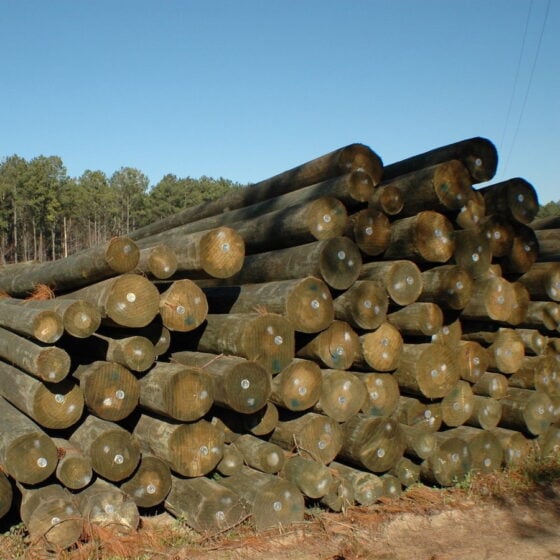
Our 40 foot Class 4 CCA Treated Southern Yellow Pine Poles are grown, debarked, and treated in the United States. They are manufactured to ANSI O5.1 specification. Poles are treated with preservatives to the latest American Wood Preservers Association standards to ensure rot and decay prevention. The long term durability of a wood utility pole is one of its main benefits

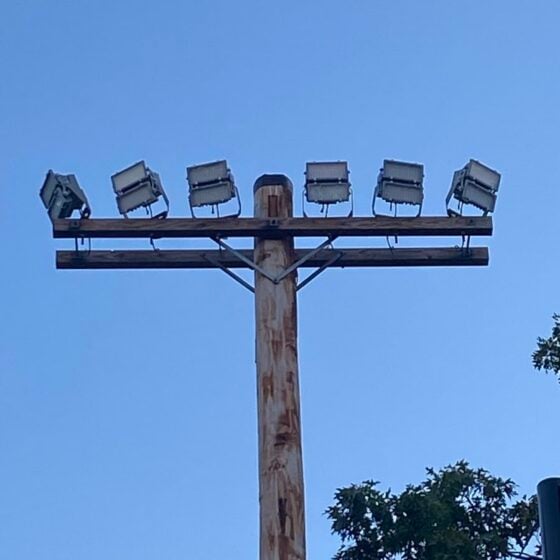
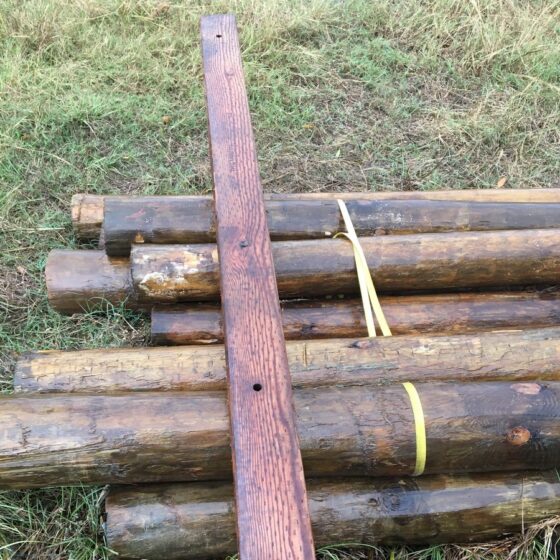
Cross arms are available for our Southern Yellow Pine poles as an optional accessory. Configuration and sizing are determined based on project requirements, as well as the height and class of the selected pole. We offer both 8-foot and 10-foot cross arms, our product specialists can help confirm the appropriate size for your application.


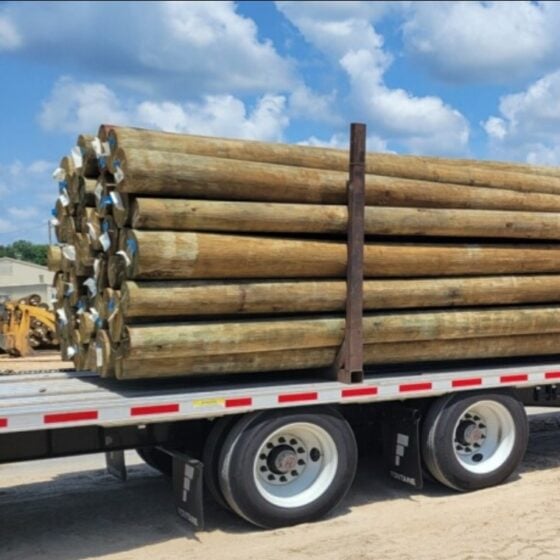
Delivery is made with a standard flatbed truck depending on pole lengths and the customer is responsible for offloading. Offloading requires a fork lift or appropriate similar vehicle to offload - customer supplied. Customer is responsible for any costs associated with delivery rescheduling because of improper scheduling or not having the proper offloading equipment available at time of delivery. Installation should be done by a trained professional.

Pricing: Does not include price of shipping. Shipping is available to the lower 48 USA states. We can supply a budgetary shipping quote or a firm shipping quote that is good for 14 days.

Disclaimer: LED Lighting Supply is not responsible for improper loading (ie what is mounted to the pole), installation costs, or foundation design of light poles. Dimensions and specifications of poles are subject to change without notice but the pole top and butt dimensions will always be within ANSI specifications. Wood poles are the ideal option for most field projects as concrete poles require more frequent maintenance and replacement. While our main product line is southern yellow pine, we at times are able to offer other species including Douglas fir and red pine. CCA treatment generally will result in the poles being free of insects for decades to come.

Please be advised that our wood poles are covered solely by a 1-year workmanship warranty, which ensures that the poles are free from defects from the manufacturing process, and structural integrity, for a period of one year from the date of purchase. This warranty does not cover damage resulting from external factors, misuse, or normal wear and tear.

Download our Pole Circumference Chart for Wood Poles


Web ID: 2244

Product Overview

We supply 40 foot Class 4 CCA Treated Southern Yellow Pine wood poles for use as utility and sports lighting poles. These poles are manufactured to ANSI O5.1 standards and are suitable for direct burial installation. Typical use cases include supporting field lighting or utility distribution in outdoor environments where wood poles are preferred for their non-conductive properties and long-term durability.

This pole is designed for installations requiring a 34 foot above-grade mounting height, with 6 feet of the pole buried below grade for structural stability. The Class 4 rating and CCA treatment provide resistance to rot and decay, making it suitable for long-term outdoor use in a range of climates and soil conditions.

Core Performance and Output

This 40 foot wood pole supports mounting heights up to 34 feet above grade, with a total length of 40 feet and a weight range of 1080 to 1270 lbs. The Class 4 designation defines minimum top and butt circumference, ensuring structural integrity for typical field lighting and utility loads. The pole is engineered for direct burial, with a 6 foot embedment depth to meet standard wind load and stability requirements.

Southern Yellow Pine provides high strength-to-weight ratio and flexibility under wind load. CCA treatment extends service life in outdoor environments. For high wind or heavy fixture loads, verify EPA and weight limits based on project requirements. Excessive fixture weight or large sail area may require a higher class or larger diameter pole.

Adjustability and Control Options

This pole is a fixed structural element with no integrated adjustability or control features. Fixture mounting height is determined by pole length and burial depth. Cross arm accessories are available and can be specified in 8-foot or 10-foot lengths to support multiple fixtures or distribution equipment.

All control and aiming adjustments are handled at the fixture or cross arm level. The pole itself does not include provisions for integrated wiring raceways or access panels; all conduit and wiring must be field-installed according to local code and project requirements.

Longevity and Reliability

Southern Yellow Pine poles treated with CCA are designed for long-term outdoor use, with resistance to rot, decay, and insect damage. The treatment process meets American Wood Preservers Association standards. Typical service life is several decades under normal conditions, provided the pole is installed with proper drainage and soil contact is maintained below the treatment line.

Routine inspection for mechanical damage, decay at ground line, and hardware corrosion is recommended. The pole is covered by a 1-year warranty against manufacturing defects. Environmental factors such as standing water, aggressive soils, or mechanical impact may reduce service life.

Build Quality and Physical Characteristics

This pole is manufactured from Southern Yellow Pine, debarked and treated in the United States. Minimum top circumference is 21 inches, with a minimum 6.7 inch top outside diameter. At 6 feet from the butt, minimum circumference is 33.5 inches and outside diameter is 10.7 inches. Total weight ranges from 1080 to 1270 lbs depending on wood density and moisture content.

CCA treatment provides deep preservative penetration for outdoor durability. The pole is supplied as a solid, one-piece unit for direct burial. Cross arm mounting holes and hardware are field-drilled based on project layout. No pre-drilled holes or hardware are included unless specified.

Where This Product Fits Best

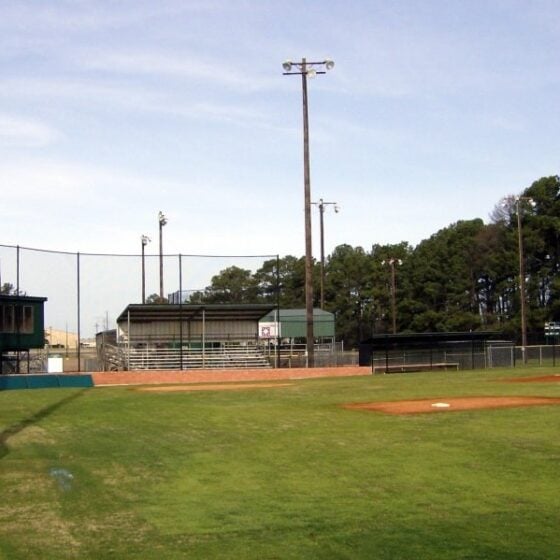
This 40 foot Class 4 wood pole is suited for outdoor environments requiring elevated mounting heights for lighting or utility distribution. It is commonly used in sports field lighting, rural utility distribution, and municipal or agricultural sites where wood poles are preferred for their non-conductive properties and ease of field modification.

  • baseball field lighting
  • football field lighting
  • sports field lighting
  • utility distribution
  • area lighting
  • rural roadway lighting
  • agricultural property lighting
  • municipal lighting

CCA-treated wood construction provides resistance to decay and insects. Direct burial installation is suitable for most soil types. Not recommended for coastal or highly corrosive environments without additional protection.

Installation and Long-Term Use

Direct burial installation requires a 6 foot embedment depth, with the remaining 34 feet above grade. Standard practice is to set the pole in compacted soil or concrete backfill, ensuring vertical alignment and proper drainage at the base. Pole weight and length require mechanical handling equipment for unloading and placement.

Cross arms and hardware are field-installed based on fixture layout. All wiring and conduit must be routed externally or in field-drilled channels. Periodic inspection for ground line decay and hardware condition is recommended for long-term reliability. Avoid installation in areas with persistent standing water or aggressive soils unless additional protection is provided.

How This Fixture Is Commonly Used

Typical mounting height is 34 feet above grade, supporting sports lighting fixtures or utility distribution hardware. Poles are spaced according to field layout, fixture aiming, and light level requirements. For sports field lighting, spacing and cross arm configuration are determined by field size and lighting design.

Fixture count and cross arm length vary by application. Higher mounting heights reduce glare and improve uniformity but may require higher output fixtures. Tradeoff: increasing pole height can reduce the number of poles needed but may increase wind load and structural requirements.

Safety, Certifications, and Warranty

This pole is manufactured to ANSI O5.1 standards and treated to American Wood Preservers Association specifications. CCA treatment provides resistance to rot and decay. The pole is non-conductive, reducing electrical hazard risk in utility and lighting applications.

Warranty coverage is 1 year against manufacturing defects. All installation and handling must comply with local codes and safety practices. Use appropriate lifting and rigging equipment during installation due to pole weight and length.

Frequently Asked Questions

Q: What is the maximum mounting height above grade for this pole?

A: The maximum mounting height above grade is 34 feet, with 6 feet of the pole buried below ground.

Q: What type of wood and treatment is used for this pole?

A: The pole is made from Southern Yellow Pine and treated with CCA preservative to meet AWPA standards.

Q: Is this pole suitable for coastal or marine environments?

A: This pole is not recommended for coastal or highly corrosive environments without additional protection or coatings.

Q: Can cross arms be added to this pole?

A: Yes, 8-foot and 10-foot cross arms are available as accessories and can be field-installed based on project requirements.

Q: How should the pole be installed for long-term reliability?

A: Install with 6 feet below grade in compacted soil or concrete backfill, ensuring proper drainage and vertical alignment.

Q: How do I determine the correct spacing and number of poles for a sports field?

A: Spacing and pole count depend on field size, fixture output, aiming, and lighting design. Consult a lighting layout or engineering plan for precise requirements.

Application Questions and Clarification

Q: Is this pole appropriate for supporting lighting on a baseball or football field?

A: Yes, this pole is commonly used for baseball field lighting, football field lighting, and other sports field lighting applications.

Q: Can this pole be used for rural roadway or area lighting?

A: Yes, it is suitable for rural roadway lighting, area lighting, and municipal lighting where wood poles are preferred.

Q: Is this pole designed for utility distribution applications?

A: Yes, this pole is used in utility distribution and related outdoor electrical infrastructure projects.

Q: What are the main limitations for this pole in outdoor environments?

A: Avoid use in coastal or highly corrosive environments without additional protection. Ensure proper installation to prevent ground line decay and maintain structural integrity.