LED Driving Range and Golf Course Lighting
- Options for driving ranges, greens, tee boxes, and fairways
- Selectable beam angles help match fixtures to golf areas
- Lighting plans available to review coverage and aiming


Get Your Custom Lighting Plan With Product Recommendations
- Layout designed around tee boxes, greens, fairways, and driving range target areas for ball tracking
- Fixture selection matched to beam angle, mounting height, and optics for each golf area
- LED systems can reduce energy use and eliminate legacy ballast and lamp replacement


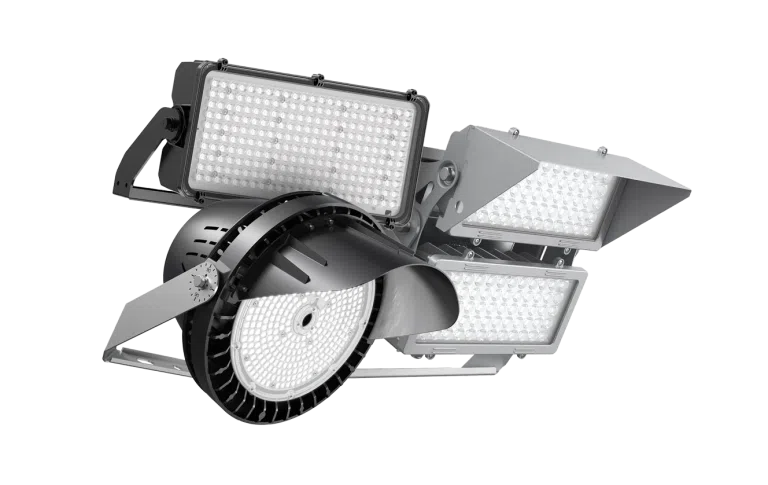
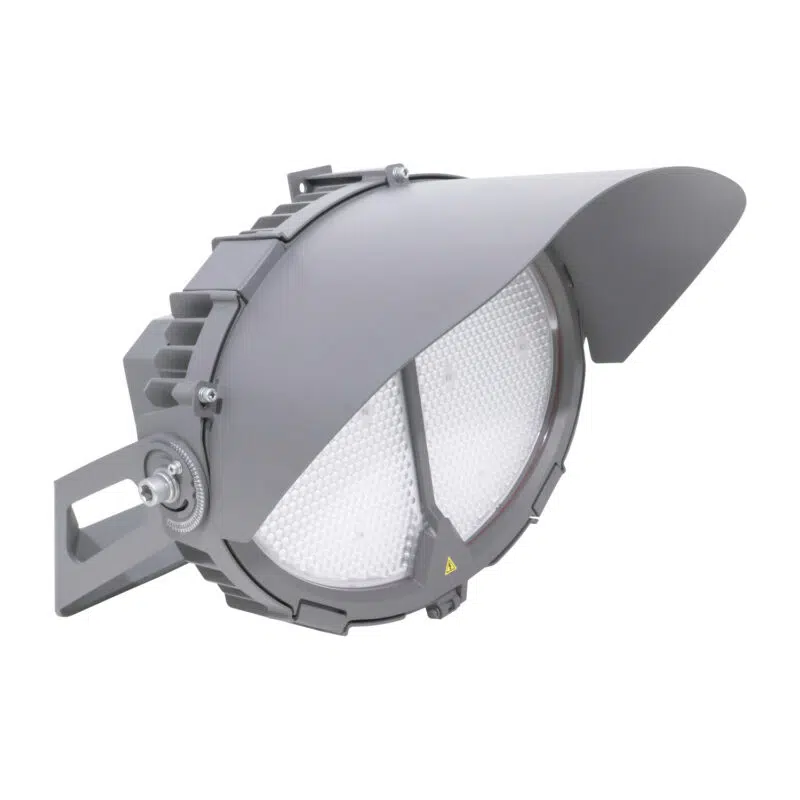
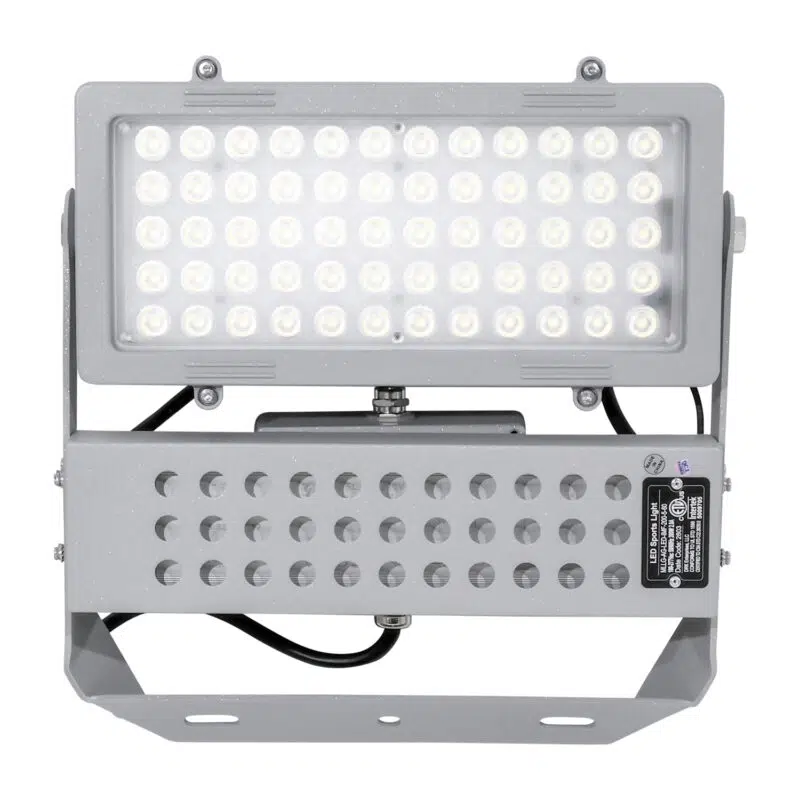
Our LED Golf Course and Driving Range Lighting includes pole-mounted LED sports lights and stadium lights for outdoor golf and practice areas. Available models vary by output, beam angle, voltage, dimming, controls, and mounting method, with narrow, medium, and wide optic options.
These fixtures are used for night golf, driving ranges, tee boxes, putting greens, fairways, short-game practice areas, walkways, service areas, and golf facility operations.
-
 Starting At $697.50




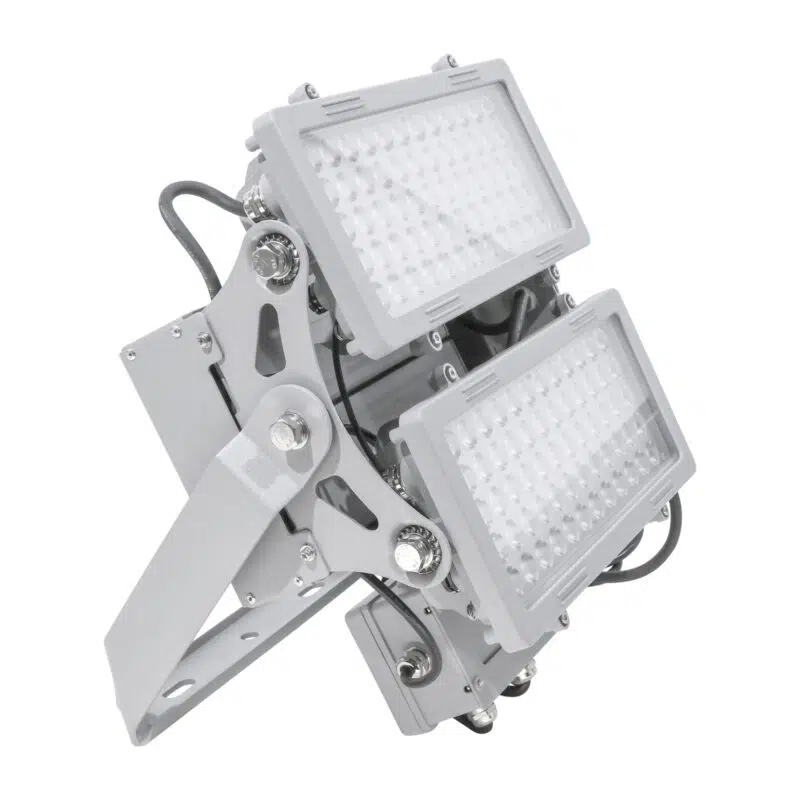
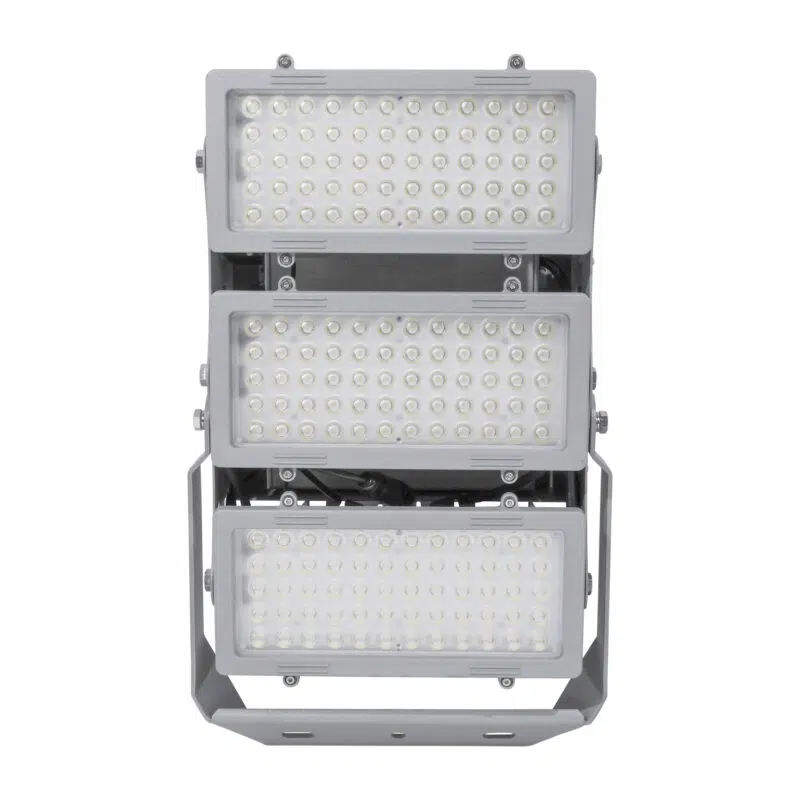

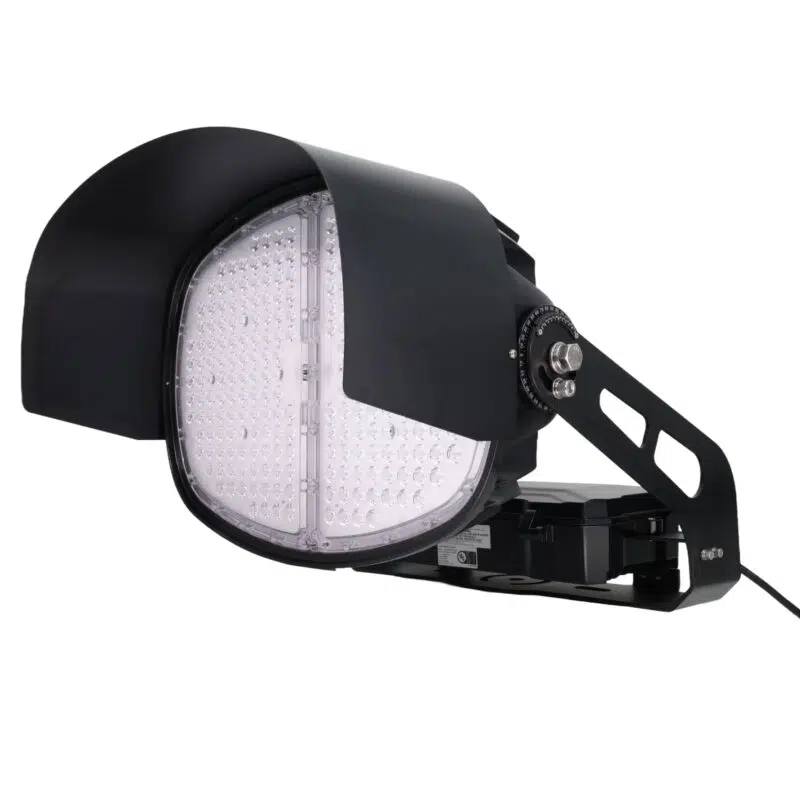

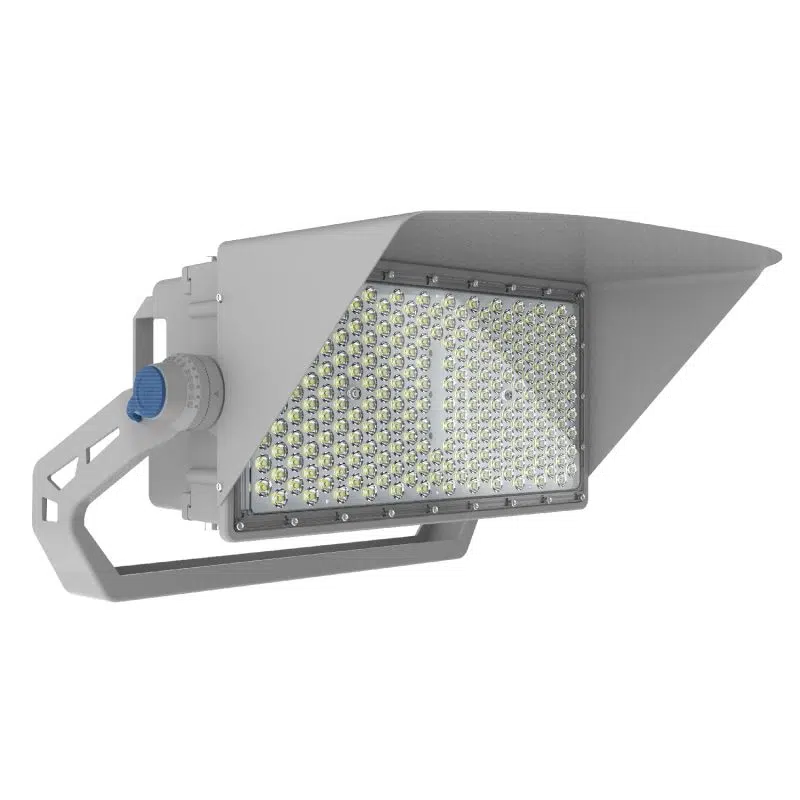

LED Golf Course and Driving Range Lighting
LED golf course lighting and driving range lights are used for night golf, practice ranges, tee boxes, putting greens, fairways, short-game areas, walkways, and golf facility operations. These projects typically use LED sports lights or LED stadium lights mounted on poles to deliver controlled outdoor illumination across large playing and practice areas.
Golf lighting should be selected around the area being lit. A putting green, tee box, fairway, and driving range target area each need different fixture output, beam angle, pole height, aiming, and glare control. The right system depends on target foot-candles, field of view, ball tracking, mounting height, pole layout, neighboring properties, electrical service, controls, and the level of play or practice.
Selection and Installation Note: Product specifications, wattage, lumen output, optics, beam angle, color temperature, voltage, dimming, controls, mounting method, pole requirements, certifications, and warranty coverage vary by model. Confirm the selected product specification before ordering. For golf course lighting, driving range lighting, pole-mounted sports lighting, LED retrofits, glare-sensitive sites, electrical upgrades, code-sensitive applications, or safety-critical spaces, verify requirements with your local inspector, facility team, project specifier, structural professional, or licensed electrical professional.
Quick Selection Guide
| Selection Factor | What to Confirm |
|---|---|
| Target area | Confirm whether the project covers a driving range, putting green, tee box, fairway, short-game area, walkway, or multiple golf areas. |
| Target foot-candles | Use the lighting target for the specific golf area and use level. Driving ranges, putting greens, tee boxes, and fairways should not be treated the same. |
| Beam angle | Narrow beams can support longer throws and target areas. Wider beams can support greens, practice areas, and shorter mounting distances. |
| Mounting height | Pole height affects coverage, glare, ball tracking, aiming, and fixture quantity. Driving ranges often need taller mounting heights than small practice areas. |
| Pole layout | Existing poles may limit fixture placement. New light poles should be reviewed for height, spacing, setback, structural requirements, EPA, and wind load. |
| Glare and spill light | Review neighboring properties, roads, homes, club facilities, parking areas, and player sightlines before final fixture selection. |
| Impact exposure | Fixtures near swing areas or ball impact zones should be reviewed for lens protection, mounting location, and impact rating. |
| Controls | Controls can support practice modes, partial-area operation, scheduling, dimming, or reduced output when full lighting is not needed. |
| Voltage and drivers | Confirm voltage, driver location, surge protection, service access, and maintenance needs, especially for taller pole-mounted fixtures. |

Recommended Foot-Candles for Golf Course and Driving Range Lighting
Golf course light levels vary by area and use. Putting greens and driving ranges typically need more light than fairways, while tee boxes need enough visibility for ball placement, stance, and club selection. A photometric plan helps verify that light reaches the correct areas without creating excessive glare or spill light.
Choosing the Right Fixtures for Golf Applications
Driving range lighting is different from putting green, tee box, or fairway lighting. Driving ranges often need focused beam angles for ball tracking and target visibility. Putting greens need more even coverage with reduced shadows. Fairway lighting is usually more about safe navigation and ball location than high-output target lighting.
| Golf Area | Fixture Selection Considerations |
|---|---|
| Driving ranges | Often use higher-output fixtures, asymmetric optics, and taller poles to support ball tracking, target visibility, and reduced spill light. |
| Putting greens | Need uniform light with careful shadow control so players can read contours and see the cup area clearly. |
| Tee boxes | Need enough light for stance, ball placement, club selection, and player visibility without creating direct glare. |
| Fairways | Usually need lower, broader visibility for navigation and ball location, with careful control of glare and neighboring-property spill. |
| Short-game practice areas | May need different lighting for chipping, bunker practice, putting, and instruction areas, depending on how the facility is used. |
| Walkways and service areas | Need practical visibility for movement, maintenance access, spectators, and golf facility operations without overpowering the playing areas. |

Why a Lighting Plan Matters for Golf Courses and Driving Ranges
Golf lighting should not be selected by wattage alone. A lighting plan helps show expected light levels, pole locations, mounting heights, fixture count, beam angles, aiming, uniformity, and light distribution across the course or practice area.
This is especially important for driving ranges and night golf because fixtures must support ball tracking while controlling glare and spill light. Poorly aimed fixtures can create bright patches, dark zones, glare for players, light trespass onto neighboring properties, or visibility problems at target areas.
Request a golf course lighting plan to review target foot-candles, pole locations, mounting heights, beam angles, fixture count, target areas, uniformity, glare control, and spill light before ordering.
Using Existing Poles for Golf Lighting Retrofits
Many golf facilities already have poles from older metal halide or HID systems. Before replacing fixtures, review pole height, location, fixture quantity, crossarms, structural capacity, EPA, wind load, wiring, and electrical service.
A one-for-one retrofit may reduce energy use, but it may not fix poor coverage, glare, or dark areas if the original pole layout was not ideal. Existing infrastructure should be reviewed against the desired lighting outcome before selecting replacement fixtures.
Benefits of LED Golf Course and Driving Range Lighting
- Instant on operation: LED sports lights turn on quickly without the warm-up time associated with many older HID systems.
- Improved control: LED systems may support scheduling, dimming, practice modes, and partial-area operation depending on the fixture and control system.
- Reduced maintenance: LED fixtures eliminate routine lamp and ballast replacement common with older metal halide systems.
- Improved ball tracking: Properly designed LED layouts can support visibility, depth perception, and target identification.
- Selectable optics: Narrow, medium, and wide beam options help match the fixture to the golf area being lit.
- Energy efficiency: LED systems often reduce energy use compared with older HID sports lighting, with actual savings depending on fixture selection, controls, operating hours, and utility rates.

Golf Lighting Certifications, Rebates, and Warranty Support
Available safety listings, including UL, ETL, or CSA listings, vary by product model. Some models may be DLC or DLC Premium listed and may qualify for utility rebate programs where available. DLC qualification is a performance and efficiency program, not an electrical safety certification. Rebate requirements vary by utility, region, and product listing, so confirm eligibility on the selected product specification before ordering.
Warranty terms vary by model and are shown in the applicable product documentation. Before purchase, review the selected product specification to confirm certifications, DLC status, voltage, controls compatibility, mounting method, environmental rating, pole mounting details, wind load considerations, impact exposure, and whether the fixture is appropriate for the golf course, driving range, pole layout, and surrounding property conditions.
Request a golf course lighting plan, and our Product Specialists can help review course areas, driving range targets, target foot-candles, pole layout, mounting height, beam angles, fixture count, glare control, spill light, controls, impact exposure, and product specifications.
LED Driving Range and Golf Course Lighting FAQs
How Should I Choose Lighting For Different Golf Areas?
Choose lighting around the specific golf area being lit, because driving ranges, putting greens, tee boxes, fairways, short-game areas, walkways, and service areas have different lighting considerations. Fixture output, beam angle, pole height, aiming, glare control, target foot-candles, and the level of play or practice should be reviewed for the area.
Why Is A Photometric Plan Important For Golf Course Lighting?
A photometric plan helps verify expected light levels, pole locations, mounting heights, fixture count, beam angles, aiming, uniformity, and light distribution before ordering. It can also help review glare control and spill light for driving ranges, night golf, and surrounding properties.
Can Existing Golf Course Poles Be Used For LED Retrofits?
Existing poles may be used for LED retrofits, but pole height, location, fixture quantity, crossarms, structural capacity, EPA, wind load, wiring, and electrical service should be reviewed first. A one-for-one retrofit may reduce energy use, but it may not correct poor coverage, glare, or dark areas caused by the original pole layout.
How Do Beam Angles Affect Golf Course Lighting Selection?
Beam angle selection should match the golf area and mounting conditions. Narrow beams can support longer throws and target areas, while wider beams can support greens, practice areas, and shorter mounting distances.
What Should Be Reviewed To Control Glare And Spill Light?
Review neighboring properties, roads, homes, club facilities, parking areas, and player sightlines before final fixture selection. Fixture aiming, output, optics, controls, mounting height, and pole layout can affect glare and spill light.
What Controls Can LED Golf Lighting Support?
LED golf lighting systems may support scheduling, dimming, practice modes, partial-area operation, or reduced output when full lighting is not needed, depending on the fixture and control system. Confirm controls compatibility on the selected product specification.
What Certifications And Warranty Coverage Are Available?
LED golf course and driving range lights from LED Lighting Supply carry a safety listing such as UL, ETL, or CSA, depending on product. Many models are DLC or DLC Premium listed for utility rebate support where available, and most include a 5-year warranty unless otherwise specified.